Edible
How to Grow Stevia at Home (Fresh & Dried Leaves)
Learn how to grow stevia at home from cuttings or transplants. Full sun, well-drained soil, pinching tips, and harvest timing for the sweetest leaves.
On this page
- Quick answer
- Table of contents
- Why seeds are a trap — start here instead
- Sun and site requirements
- Soil: the one thing stevia is picky about
- Watering stevia correctly
- Pinching for a bushy, productive plant
- Harvesting at peak sweetness
- Drying and storing stevia leaves
- Using fresh vs. dried stevia
- Zone guide: perennial, annual, or indoor?
- Common mistakes
- Troubleshooting table
- Watch: growing stevia at home — video guide
- FAQ
- Related guides
Watch the visual walkthrough
Growing Stevia (Sweet Leaf) at Home- An All-Natural Sweetener
Stevia is a naturally sweet plant that we like to use in place of sugar for sweetening our food. There are a lot of benefits to growing ...
Stevia (Stevia rebaudiana) is one of the few edible plants that genuinely earns the word “remarkable.” A single dried leaf crumbled into tea sweetens it without a calorie — and growing your own supply is far simpler than most people expect, once you get past one common mistake: trying to start from seed.
This guide covers everything you need to grow stevia at home, whether you’re in a warm zone with a garden bed or a cold-climate apartment with a grow light. From starting method to harvest timing to drying and storing — this is the complete routine.
Quick answer
Start stevia from a rooted cutting or transplant (not seeds), plant in full sun in well-drained slightly acidic soil (pH 6.5–7.0), water consistently but never let roots sit soggy, and pinch stem tips every 3–4 weeks to keep the plant bushy. Harvest right before the plant flowers — that’s peak sweetness. Dry leaves at 40–45°C (105–115°F) for 2–4 hours and store in an airtight jar. In zones 9–11 stevia is a tender perennial; everywhere else treat it as an annual or bring it indoors before frost.
Table of contents
- Why seeds are a trap — start here instead
- Sun and site requirements
- Soil: the one thing stevia is picky about
- Watering stevia correctly
- Pinching for a bushy, productive plant
- Harvesting at peak sweetness
- Drying and storing stevia leaves
- Using fresh vs. dried stevia
- Zone guide: perennial, annual, or indoor
- Common mistakes
- Troubleshooting table
- FAQ
Why seeds are a trap — start here instead
Stevia seed germination is notoriously unreliable. Published germination rates range from 10% to 55% depending on seed freshness, temperature, and humidity. Even under ideal conditions, many seeds simply do not sprout.
The fix is straightforward: buy a rooted cutting or small transplant. Most well-stocked herb nurseries, garden centres, and online plant shops carry Stevia rebaudiana transplants from spring onward. A small 8–10 cm (3–4 in) transplant will establish quickly and start producing harvestable leaves within 6–8 weeks.
If you do want to try seeds, surface-sow them on moist peat-free mix, cover loosely with plastic wrap, and maintain 20–24°C (68–75°F). Expect to wait 7–21 days and germinate at least three times as many seeds as you want plants.
Sun and site requirements
Stevia is a subtropical plant native to Paraguay and Brazil. It evolved in open grasslands under intense sun. That history tells you everything about what it needs.
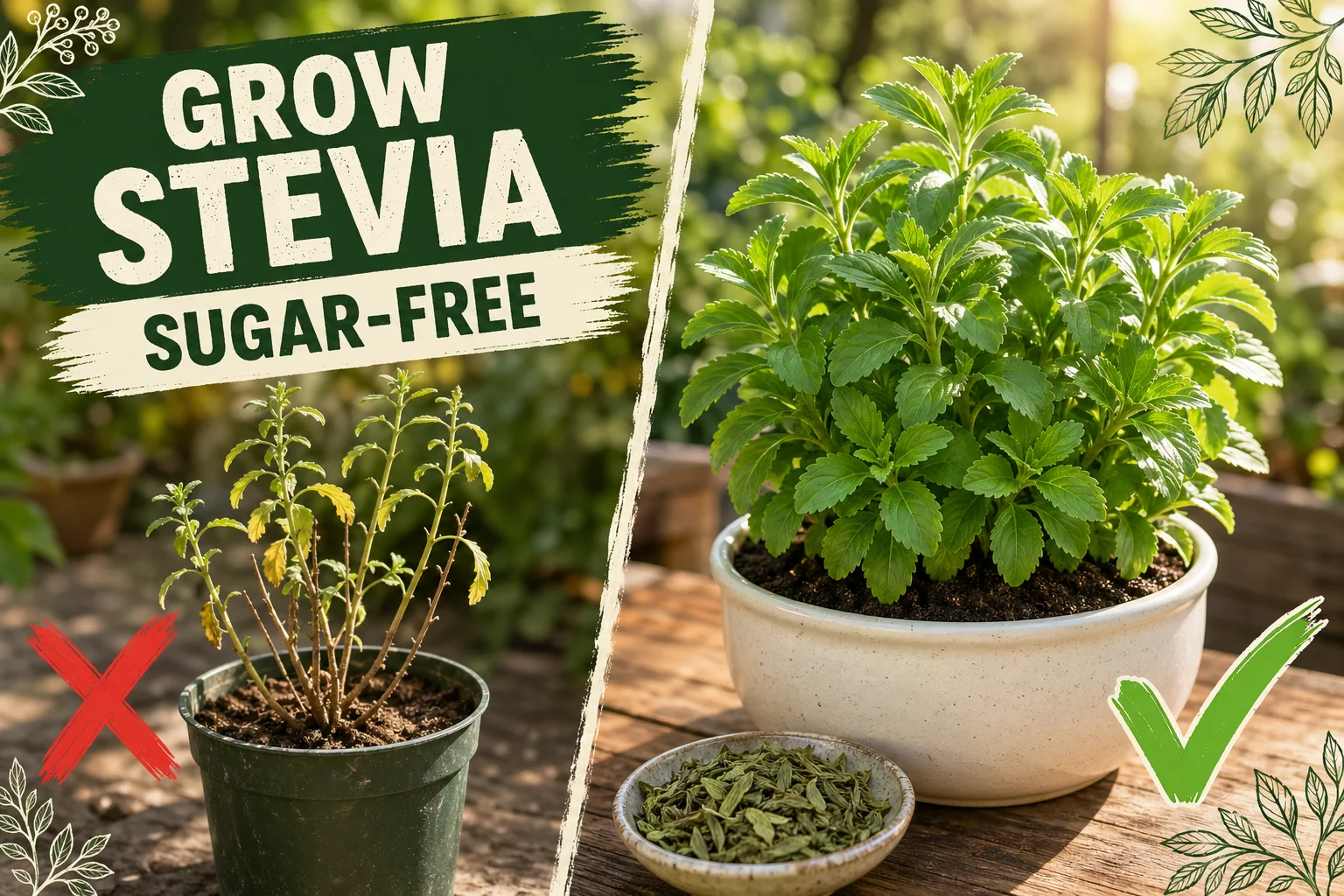
Full sun is non-negotiable. Aim for at least 6 hours of direct sun per day — 8+ hours produces the sweetest, most concentrated leaves. A south-facing garden bed or a south-facing balcony in pots is ideal.
Indoors, a bright south-facing window may be barely enough in summer. For reliable indoor growing year-round, add a full-spectrum LED grow light running 14–16 hours per day, positioned 15–25 cm (6–10 in) above the plant. Under low light, stevia leaves turn pale and the steviol glycoside concentration drops — meaning less sweetness per leaf.
Temperature range: stevia prefers 18–30°C (65–86°F) and goes dormant below 15°C (59°F). It will not tolerate frost.
Soil: the one thing stevia is picky about
Stevia is not demanding about fertility, but it is fussy about drainage and pH.
Drainage first. Stevia roots rot quickly in waterlogged soil. Whether you’re planting in a garden bed or a pot, mix 20–30% coarse perlite into the soil to open up air pockets and speed drainage. If your garden soil is heavy clay, raise a dedicated bed or grow in containers instead.
pH: aim for 6.5–7.0 (slightly acidic to neutral). Stevia struggles outside this range — too acidic and nutrient uptake slows; too alkaline and leaves become smaller and less sweet. Test your soil with a basic pH meter or test strips if you’re unsure.
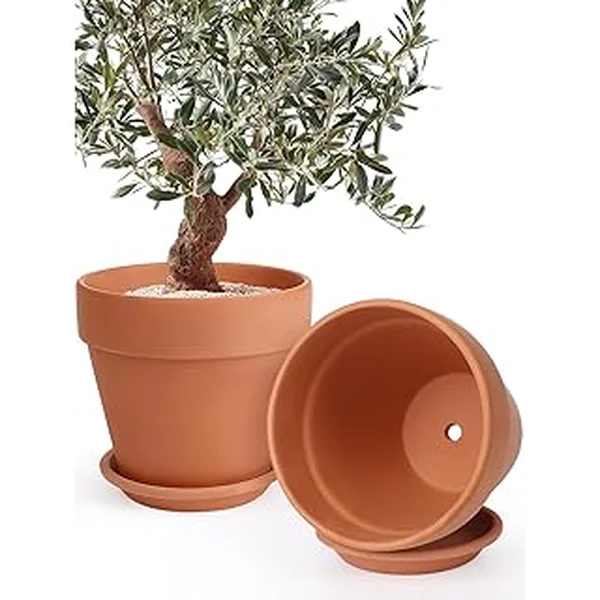
Pot size: if growing in a container, choose a pot at least 30 cm (12 in) wide and 30 cm (12 in) deep. Stevia’s roots spread broadly and a cramped pot limits leaf production.
Fertiliser: stevia is a light feeder. A balanced slow-release fertiliser at planting is usually enough. Avoid high-nitrogen feeds — they push leafy growth but dilute sweetness.
Watering stevia correctly
Stevia wants consistent moisture — not bone-dry, not waterlogged. The right rhythm is: water when the top 2–3 cm (1 in) of soil feels dry to the touch.
In practice, that usually means every 3–5 days outdoors in summer, more often in a small pot or during heat waves, less often in autumn or indoors in winter.
When you water, water deeply — pour until moisture drips from the drainage holes, then let the pot drain fully before it sits in a saucer. Never leave stevia standing in a puddle.
Signs of overwatering: yellowing lower leaves, wilting despite moist soil, mushy stems near the base.
Signs of underwatering: dry, slightly curling leaves, wilting that recovers quickly when watered.
A soil moisture meter takes the guesswork out of both problems if you’re growing in a pot.
Pinching for a bushy, productive plant
Left unpinched, stevia grows as a tall, spindly plant with leaves concentrated at the top. Pinching changes that dramatically.
When to start pinching: once the plant reaches 15–20 cm (6–8 in) tall.
How to pinch: use clean scissors or your fingernails to remove the top 2–3 cm (1 in) of each stem, cutting just above a pair of leaves (a leaf node). The plant will send out two new branches from that node within 7–10 days.
How often: repeat on every shoot every 3–4 weeks throughout the growing season. By mid-summer a consistently pinched stevia plant will be dense, 45–60 cm (18–24 in) wide, and covered in sweet leaves.
Pinching also delays flowering — which is exactly what you want, since flowering reduces leaf sweetness (see the harvesting section below).
Harvesting at peak sweetness
Timing is everything with stevia. Steviol glycoside concentration — the compounds responsible for sweetness — peaks in the leaves right before the plant flowers. Once flowering begins, the plant redirects its energy toward reproduction and leaf sweetness drops.
Watch for: small white flower buds forming at stem tips. This typically happens in late summer to early autumn as day length shortens.
What to do: as soon as you see flower buds forming, cut stems back by one-third to one-half of their length. Strip the leaves from the cut stems. This is your main, sweetest harvest of the year.
You can also harvest individual leaves or small sprigs any time from mid-summer onward for fresh use — tea, smoothies, desserts. The more you pinch and harvest, the more the plant branches and the more leaves it produces.
After the main harvest, the plant will regrow from the remaining stems and may produce a smaller secondary harvest before frost.
Drying and storing stevia leaves
Dried stevia is far more concentrated than fresh. One or two crumbled dried leaves sweeten a cup of tea as effectively as a teaspoon of sugar — with zero calories.
Air-drying method
- Strip leaves from stems.
- Spread in a single layer on a clean drying rack or baking sheet lined with parchment.
- Place in a warm, well-ventilated spot out of direct sun.
- Turn leaves once after 12 hours.
- Ready in 1–2 days — leaves should crumble easily when you press them.
Food dehydrator method (recommended)
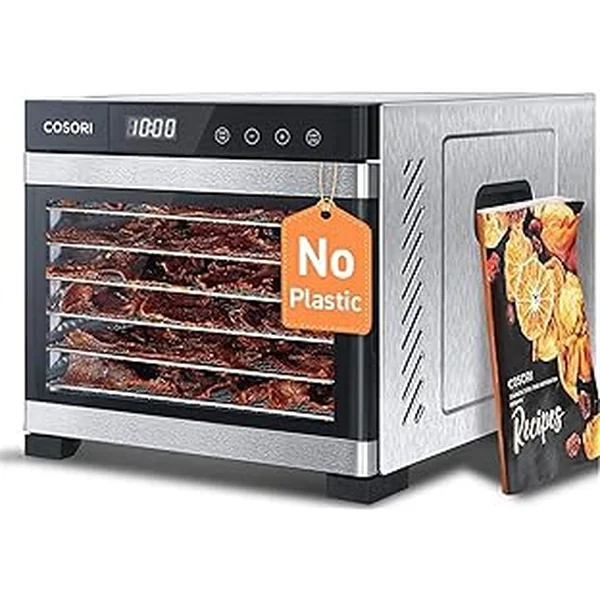
Set to 40–45°C (105–115°F). Arrange leaves in a single layer on dehydrator trays. Dry for 2–4 hours, checking at 2 hours. This method is faster, more consistent, and preserves sweetness better than air-drying.
Do not use an oven — even the lowest oven setting is usually too hot and degrades steviol glycosides.
Storage: crumble dried leaves by hand or grind in a spice grinder for powder. Store in an airtight glass jar away from heat, light, and moisture. Properly dried and stored stevia keeps its sweetness for 12 months or more.
Using fresh vs. dried stevia
| Form | Approx. sweetness vs. sugar | Best use |
|---|---|---|
| Fresh leaf | 30–40× sweeter | Tea, infusions, smoothies, chewing raw |
| Dried whole leaf | 70–100× sweeter | Tea, baked goods, infusing into sauces |
| Ground dried leaf powder | 100–200× sweeter | Sprinkling, baking, yoghurt |
| Commercial pure extract (rebaudioside A) | 200–400× sweeter | Measured drops, precise recipes |
Fresh leaves add a pleasant light sweetness but also a mild herbal, slightly liquorice-adjacent flavour. Dried leaves are sweeter but can have a more noticeable after-taste in large amounts — a common property of steviol glycosides. Start with small amounts and adjust to taste.
In tea: add 1–2 fresh leaves or one pinch of dried crumbled leaf per cup. Steep with your regular tea.
In baking: dried stevia powder does not caramelise, brown, or behave like sugar in baked recipes. It works best as a sugar substitute in recipes where sweetness is the only role of sugar — smoothies, cold desserts, sauces. In cakes and biscuits, you typically need a 1:1 baking blend formulated for structure.
Zone guide: perennial, annual, or indoor?
| Climate | Approach |
|---|---|
| USDA zones 9–11 | Outdoor tender perennial. Leave in the ground year-round. May die back in a cold snap and regrow from roots. |
| USDA zones 7–8 | Grow outdoors in summer; cut back in autumn and heavily mulch, or dig up and pot before the first frost. |
| USDA zones 6 and below | Treat as a warm-season annual outdoors, or grow in a container year-round and move indoors before frost. |
| Indoor year-round | Possible with a full-spectrum LED grow light running 14–16 hours/day. Keep above 15°C (59°F). Water sparingly in winter. |
Overwintering indoors (zones 6–8): before the first frost, dig the plant carefully and pot it in well-draining mix. Cut it back by about half to reduce transplant stress. Move to a bright south-facing window or under a grow light. Water sparingly — once a week is usually enough through the dormant period. The plant may look scraggly through winter but will bounce back vigorously when moved outside after the last frost in spring.
Common mistakes
Starting from seed. Low germination rates mean most beginners end up with nothing. Always start from a transplant or rooted cutting.
Insufficient light. This is the single biggest reason home-grown stevia disappoints. Even slight shade reduces sweetness. Move pots to the sunniest spot available.
Overwatering. Stevia roots rot in soggy soil. The plant does not like wet feet. Always check the top layer of soil before watering.
Letting it flower without harvesting. Once the flowers open, leaf sweetness drops and the plant rushes toward seed production. Pinch buds, or do your main harvest right as buds appear.
Drying at too high a temperature. Oven drying at above 50°C (122°F) degrades steviol glycosides. Use a food dehydrator or air-dry.
Planting in heavy clay soil. Stevia will rot. Amend the soil thoroughly with coarse perlite or grit, or grow in containers.
Troubleshooting table
| Symptom | Likely cause | Fix |
|---|---|---|
| Pale, small leaves with reduced sweetness | Not enough light | Move to full sun or add grow light |
| Leggy stems, few leaves at base | Insufficient light + no pinching | Add more light; pinch all stem tips immediately |
| Yellowing lower leaves, wilting in moist soil | Root rot from overwatering | Improve drainage; reduce watering frequency |
| Wilting despite moist soil | Root rot or compacted soil | Check roots; repot into perlite-amended mix |
| Leaves drying out and curling at edges | Underwatering or heat stress | Water more consistently; move from afternoon sun |
| Plant not bouncing back after harvest | Overharvested (removed >50% of plant) | Leave at least half the plant intact; water and wait |
| Bitter aftertaste in dried leaves | Dried at too high a temperature | Dry at 40–45°C (105–115°F) maximum, or air-dry |
| Plant dies after frost | Normal in zones below 9 | Pot and overwinter indoors; treat as annual |
Watch: growing stevia at home — video guide
This video provides a visual walkthrough that pairs well with the steps above — covering pot selection, pinching technique, and the pre-flower harvest moment that most guides miss.
(YouTube resolver will populate youtubeId on the next run.)
FAQ
Is stevia easy to grow at home? Stevia is moderately easy once you skip seeds and start from a transplant. It wants full sun, well-drained slightly acidic soil, and consistent moisture. Pinch regularly and it rewards you with dense sweet leaves all season. The main traps are low light (reduces sweetness) and overwatering (rots roots fast).
Can I grow stevia indoors? Yes, with very strong light — at least 6–8 hours of direct sun from a south-facing window, or a full-spectrum LED grow light running 14–16 hours a day. Indoors, stevia stays compact and behaves as a long-lived perennial as long as temperatures stay above 15°C (59°F). Too little light makes leaves pale and less sweet.
When should I harvest stevia leaves? Harvest right before the plant flowers. Once white flower buds appear at stem tips — usually late summer to early autumn — cut stems back by one-third to one-half. This is peak steviol glycoside concentration. You can harvest individual leaves any time from mid-summer for fresh use.
How do I dry stevia leaves at home? Air-dry in a warm ventilated spot out of direct sun for 1–2 days, or use a food dehydrator at 40–45°C (105–115°F) for 2–4 hours. Leaves are ready when they crumble between your fingers. Store in an airtight glass jar for up to 12 months.
How much sweeter is stevia than sugar? Fresh leaves: roughly 30–40 times sweeter. Dried leaf powder: 100–200 times sweeter. Pure rebaudioside A extract: 200–400 times sweeter. Start with a very small pinch of dried leaf — it goes much further than expected.
Can stevia survive winter outdoors? Only in USDA zones 9–11, where winters are frost-free. In zones 8 and below, bring the plant indoors before the first frost. Keep it at 15–20°C (59–68°F) near a bright window or under a grow light and water sparingly through winter. Move back outside after the last frost in spring.
Should I let my stevia flower? No — unless you want seeds. Flowering shifts the plant’s energy from leaves to reproduction, which reduces leaf sweetness and slows bushy growth. Pinch off every flower bud as it appears to delay flowering by weeks and extend your harvest window.
Related guides
Highly recommended
The supplies that make this guide work
Tazart is an Amazon Associate — we earn from qualifying purchases at no extra cost to you. Thank you for helping us keep these guides free.
Frequently asked questions
Is stevia easy to grow at home?
Stevia is moderately easy once you get past the starting hurdle. The biggest mistake beginners make is trying to start from seed — germination rates run as low as 10–55%, and the seedlings are fragile. Buy a rooted cutting or small transplant instead. From there, stevia is forgiving: it wants full sun, well-drained slightly acidic soil, and consistent moisture. Pinch regularly and it rewards you with dense sweet leaves all season.
Can I grow stevia indoors?
Yes, but it needs very strong light — at least 6–8 hours of direct sun from a south-facing window, or a full-spectrum LED grow light running 14–16 hours a day. Indoors, stevia stays compact and can be treated as a long-lived perennial as long as temperatures stay above 15°C (59°F). The main limitation indoors is light: too little and the plant gets leggy, leaves turn pale, and stevioside concentration drops — meaning less sweetness per leaf.
When should I harvest stevia leaves?
Harvest right before the plant flowers — this is peak sweetness. Once the tiny white flowers open, the plant redirects energy into seed production and the steviol glycoside content in the leaves drops noticeably. Watch for the earliest flower buds forming at stem tips (usually late summer to early autumn) and do your main harvest then. You can take individual leaves any time from mid-summer onward, but the big harvest should happen at the pre-flower stage.
How do I dry stevia leaves at home?
Strip fresh leaves from the stems and spread them in a single layer on a drying rack, a baking sheet, or a food dehydrator tray. Air-dry in a warm, well-ventilated spot out of direct sun for 1–2 days, turning the leaves once. Or use a food dehydrator at 40–45°C (105–115°F) for 2–4 hours. Leaves are ready when they crumble easily between your fingers. Store in an airtight glass jar away from heat and light — dried stevia keeps its sweetness for up to a year.
How much sweeter is stevia than sugar?
Fresh stevia leaves are roughly 30–40 times sweeter than table sugar, gram for gram. Dried and powdered, the steviol glycosides concentrate further — pure rebaudioside A extract can be 200–400 times sweeter than sugar. A single dried leaf crumbled into tea or a smoothie is usually enough. Start with a very small amount — a pinch of dried leaf powder goes further than most people expect.
Can stevia survive winter outdoors?
Only in USDA zones 9–11, where winters are frost-free. In zones 8 and below, outdoor stevia dies back to the ground with the first hard frost. If you're in a colder zone, dig up the plant before the first frost, pot it up, and bring it indoors to a bright south window or grow light. Keep it at 15–20°C (59–68°F), water sparingly (once a week is usually enough), and it will hold through winter. Move it back outside after the last frost date in spring.
Should I let my stevia flower?
Let it flower only if you want seeds — and even then, seed germination is unreliable. For sweetness and leaf production, pinch off every flower bud as soon as you see it. Flowering signals the plant to shift energy from leaves to reproduction, which reduces leaf sweetness and bushiness. Stay on top of pinching throughout late summer and you will delay flowering by weeks, stretching your harvest window significantly.