Edible
How to Grow Dragon Fruit at Home (Full Guide)
Learn how to grow dragon fruit at home from cuttings or seeds — covers variety choice, support posts, soil, hand pollination, and what to expect year by year.
On this page
- Quick answer
- Table of contents
- Variety types — white, red, and yellow flesh
- Cuttings vs seeds: why cuttings always win
- Container vs ground planting
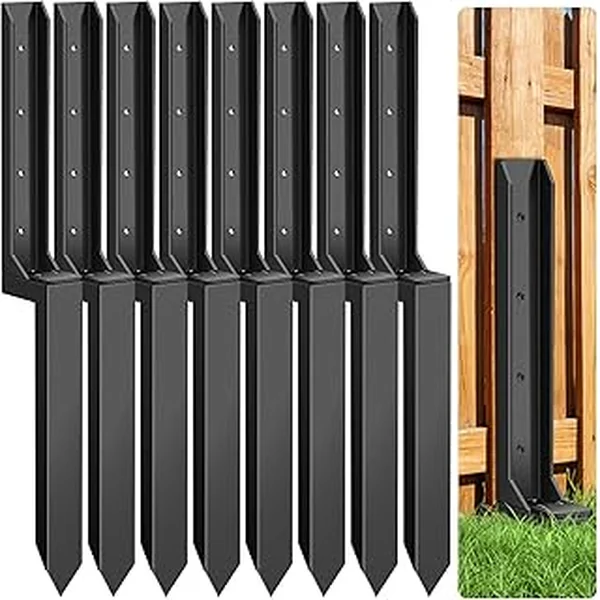
- The support post: non-negotiable
- Soil mix and pH
- Light requirements
- Watering dragon fruit
- Feeding and fertilizer
- Hand pollination at night
- Timeline: what to expect year by year
- Common problems and fixes
- Watch: dragon fruit growing video guide
- Conclusion
Watch the visual walkthrough
5 Dragon Fruit Growing Mistakes to Avoid
Get free seeds, shipping, and returns: https://www.epicgardening.com/greenhouse/ Check out Richard's channel: ...
Dragon fruit (Hylocereus undatus, also now classified as Selenicereus undatus) is a spectacular vining cactus that produces some of the most visually striking fruit in the plant kingdom — hot-pink skin with waxy green scales, flesh studded with tiny black seeds, and night-blooming flowers the size of dinner plates that open for one night only. Growing it at home is completely achievable, but it rewards growers who understand two things upfront: start from cuttings, not seeds, and build the support structure before you plant.
This guide covers everything from choosing a variety to hand-pollinating flowers at night.
Quick answer
Start dragon fruit from stem cuttings, not seeds — cuttings fruit in 1–2 years versus 4–7 from seed. Plant in a deep container or in the ground with a support post at least 1.5 m (5 ft) tall in full sun (6+ hours daily). Use loose, well-drained cactus-style soil (pH 6.0–7.0). Water when the top 5 cm (2 in) dries out. Feed monthly through the growing season. Hand-pollinate flowers at night — they open once and close by morning. Most varieties need a second plant to set fruit.
Table of contents
- Variety types — white, red, and yellow flesh
- Cuttings vs seeds: why cuttings always win
- Container vs ground planting
- The support post: non-negotiable
- Soil mix and pH
- Light requirements
- Watering dragon fruit
- Feeding and fertilizer
- Hand pollination at night
- Timeline: what to expect year by year
- Common problems and fixes
- FAQs
Variety types — white, red, and yellow flesh
There are three main groups of dragon fruit grown at home. Understanding the differences helps you choose the right plant for your climate and taste.
White-flesh dragon fruit (Hylocereus undatus)
The most widely grown and available variety. Hot-pink skin with pointed green scales, white flesh, mild sweetness, and excellent productivity. This is the species you see in almost every grocery store and the best starting point for beginners. It is the most adaptable to cool winters (tolerates brief dips to around 0°C / 32°F) and the easiest to source as cuttings.
Red-flesh dragon fruit (Hylocereus costaricensis)
Same dramatic pink skin, but the flesh is deep magenta-red — vibrant in smoothies and richer in betacyanin antioxidants. Sweeter and more complex in flavour than white-flesh varieties. Grows vigorously in similar conditions to H. undatus. Several named cultivars exist, including ‘American Beauty’ and ‘Delight,’ which are popular with home growers for their flavour.
Yellow dragon fruit (Selenicereus megalanthus)
Yellow bumpy skin, white flesh, smaller fruit, and widely considered the most intensely sweet of the three. The caveat: it grows more slowly, is less cold-tolerant, and is considerably harder to find as rooted cuttings. Worth seeking out once you have experience with the more forgiving white-flesh types.
Named cultivar tip: When buying cuttings, look for named self-fertile cultivars such as ‘Physical Graffiti’ (white-flesh, self-fertile), ‘Seoul Kitchen’ (red-flesh, partially self-fertile), or ‘Halley’s Comet’ (white-flesh, self-fertile). Self-fertile varieties can set fruit with pollen from the same plant — essential if you only have space for one specimen.
Cuttings vs seeds: why cuttings always win
This is the most important decision in dragon fruit growing, and the answer is almost always cuttings.
| Starting method | Time to first fruit | Reliability | Self-fertile? |
|---|---|---|---|
| Stem cuttings (named cultivar) | 1–2 years | High | Depends on cultivar |
| Store-bought seeds | 4–7 years | Low to medium | Unknown |
Why seeds are slow: Dragon fruit seeds are tiny and do germinate readily, but the resulting seedling spends years building a root and stem system before it has the energy to flower. Each seedling is also genetically unique — a cross between whatever two plants pollinated the commercial fruit — so flavour, colour, and self-fertility are unknown until the plant finally flowers.
Why cuttings are fast: A cutting from a mature plant is already a genetically adult specimen. It establishes roots within 3–6 weeks and begins channelling energy toward flowering and fruiting far sooner. A cutting from a variety that fruited well on a friend’s property or at a nursery will reproduce that fruiting behaviour.
Taking your own cuttings: Cut a healthy stem segment 30–45 cm (12–18 in) long using clean pruning shears. Let the cut end cure in a dry, shaded spot for 5–7 days until a callous forms — planting a fresh cut causes rot at the wound. Then plant the cured end 5–8 cm (2–3 in) deep in moist cactus mix and do not water for the first week.
Container vs ground planting
Ground planting
Best for climates with mild winters (USDA hardiness zones 9–11, where night temperatures rarely drop below 0°C / 32°F for sustained periods). Dragon fruit planted directly in the ground develops an extensive root system, produces more growth, and fruits more heavily than container-grown specimens. Space multiple plants at least 2.5–3 m (8–10 ft) apart to allow room for the spreading canopy.
Container planting
The right choice for climates with cold winters. A container-grown dragon fruit can be moved to a sheltered spot, greenhouse, or indoors during frost. Use a minimum container diameter of 60 cm (24 in) and depth of 50 cm (20 in). Larger is always better — a 75 cm (30 in) half-barrel planter is ideal. Use a lightweight but sturdy material (fibreglass, heavy-duty plastic) that you can actually move.
The trade-off: Container plants need more frequent watering and feeding, and the root restriction naturally limits the size and weight of the fruiting canopy. With a large enough container and correct feeding, yields can still be excellent.
The support post: non-negotiable
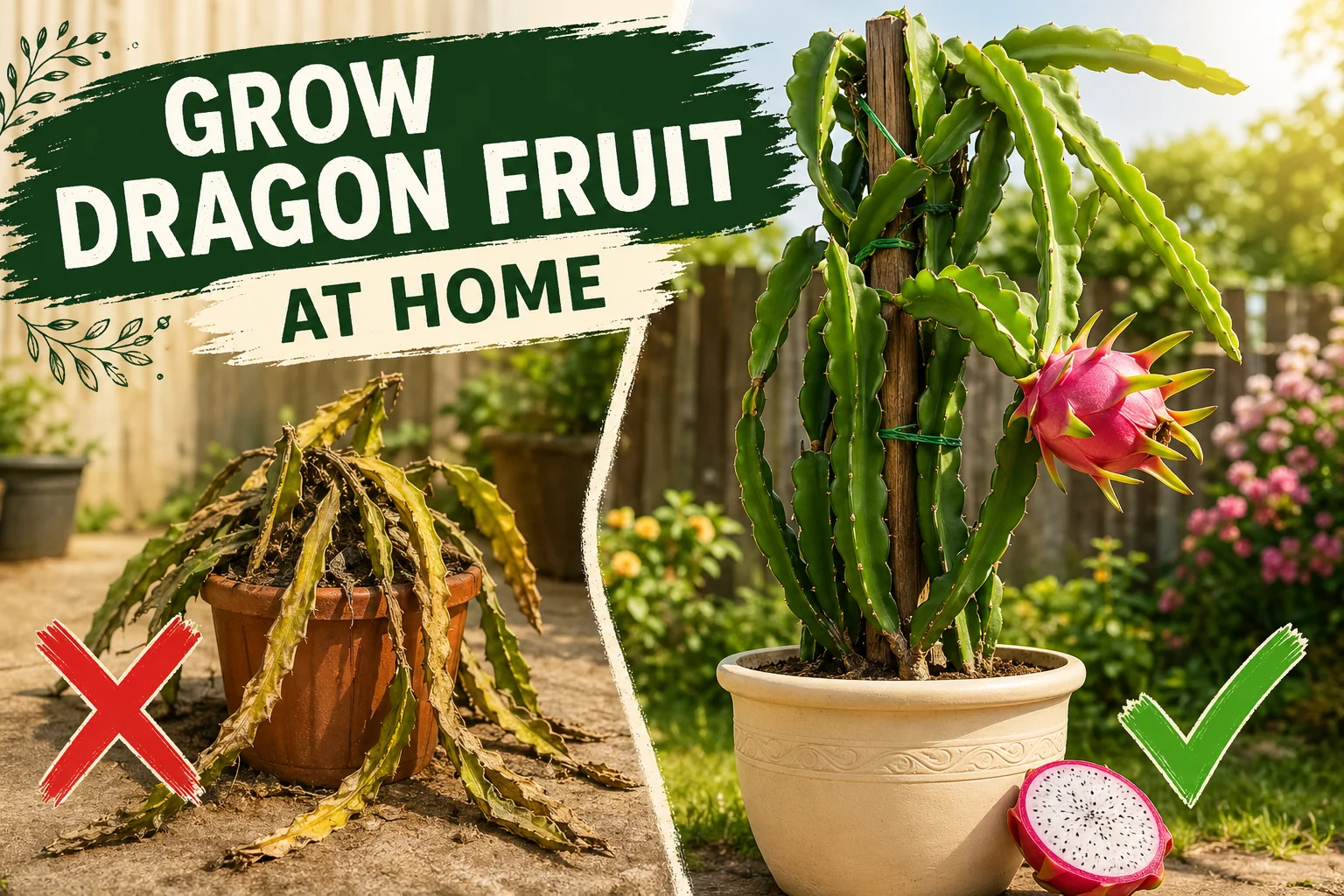
Dragon fruit is an epiphytic climbing cactus. In the wild it scales trees and rock faces, sending out aerial roots that anchor into bark and stone. Without a vertical structure, the long heavy stems collapse, aerial roots find the soil instead of climbing, and the plant rarely flowers or fruits well.
Post requirements:
- Height: At least 1.5–1.8 m (5–6 ft) above the soil surface.
- Material: Hardwood, treated timber, or metal pole. Avoid soft wood that rots quickly in damp soil.
- Diameter: At least 10 cm (4 in) wide — the maturing stems and fruit clusters are surprisingly heavy.
- Stability: Sink the post 45–60 cm (18–24 in) into the ground or concrete it in place for ground-planted specimens.
The umbrella canopy: Commercial growers add a circular or cross-shaped frame at the top of the post. When the leading stems reach the top, they are allowed to cascade outward over this frame, creating an umbrella shape. This is the configuration in which dragon fruit flowers and fruits most reliably — the downward-hanging stems at the canopy edge are the ones that produce buds.
Install the post before planting. Driving a post through an established root ball later risks severe root damage.
Soil mix and pH
Dragon fruit is a cactus and has zero tolerance for waterlogged roots. Root rot is the primary killer of home-grown dragon fruit, and it is almost always caused by soil that retains too much moisture.
Target pH: 6.0–7.0 (slightly acidic to neutral).
A reliable home mix:
| Component | Proportion | Purpose |
|---|---|---|
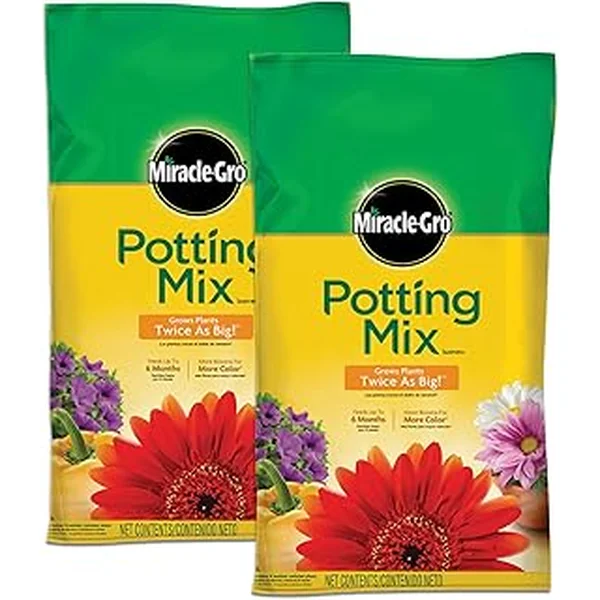
| Quality potting or garden soil | 50% | Base structure and nutrition |
| Coarse perlite or horticultural grit | 30% | Rapid drainage, prevents waterlogging |
| Coarse sand or cactus compost | 20% | Further drainage and light aeration |
Water should pass through the mix and drain freely within 5–10 seconds of pouring. If it pools on the surface, the mix is too dense. Never use water-retaining additives, high-peat mixes, or dense clay soils.
Container drainage: Ensure the pot has multiple large drainage holes at the base. Elevate the pot on feet or blocks so drainage holes are not blocked by the ground surface.
Light requirements
Dragon fruit is a full-sun plant. It needs a minimum of 6 hours of direct sunlight per day to flower and fruit well. More is better: 8–10 hours of direct sun through summer produces the most vigorous growth and the heaviest flowering.
Outdoors: A south- or west-facing position against a wall or fence is ideal. The wall radiates warmth at night and amplifies daytime heat — both of which dragon fruit benefits from.
Indoors (overwintering): Dragon fruit can survive a winter indoors near the sunniest available window, but it will not produce new growth in low light. Supplement with a full-spectrum LED grow light if the plant is indoors for more than a few weeks. Resume outdoor placement as soon as night temperatures are reliably above 7°C (45°F).
Shade: Avoid dense shade. A plant that receives fewer than 4 hours of direct sun per day will produce long, pale, etiolated stems that search for light — no flowers, no fruit.
Watering dragon fruit
Dragon fruit is more drought-tolerant than most edible plants you will grow, but “drought-tolerant” does not mean “ignore it.” During active growth, flowering, and fruiting, consistent moisture is important.
The rule: Water deeply when the top 5 cm (2 in) of soil is dry. Then do not water again until it dries to that level again.
| Growth stage | Soil moisture target | Approximate frequency |
|---|---|---|
| Newly planted cutting | Barely moist | Every 10–14 days |
| Establishing (first 3 months) | Lightly moist | Every 7–10 days |
| Active summer growth | Evenly moist top 5 cm (2 in) | Every 5–7 days |
| Flowering and fruiting | Consistent moisture | Every 5–7 days — do not let it dry out |
| Winter / dormancy | Allow to mostly dry | Every 3–4 weeks |
Signs of overwatering: Soft, yellowing stem sections near the soil; a musty smell from the pot; aerial roots turning brown rather than white.
Signs of underwatering: Stem sections becoming thin and slightly wrinkled; slower growth; wilting in heat even after watering.
Feeding and fertilizer
Dragon fruit is a moderate to heavy feeder once it is actively growing, and it responds strongly to consistent nutrition through the growing season.
Fertilizer schedule:
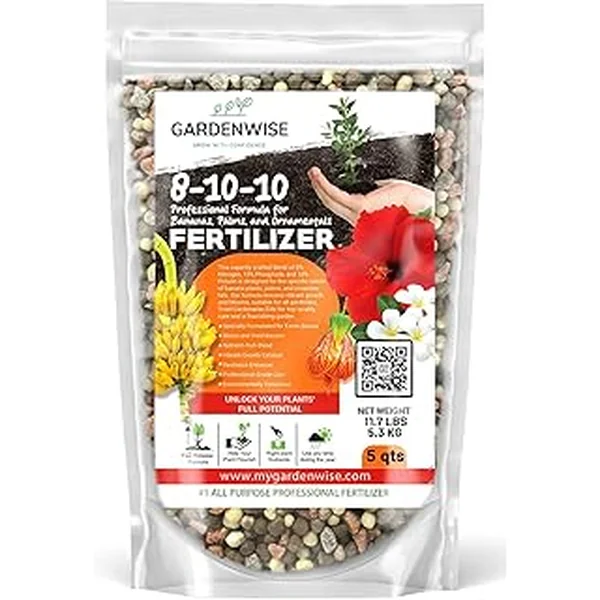
- At planting: Mix a balanced slow-release fertilizer into the top 15 cm (6 in) of soil. A 10-10-10 NPK or similar is appropriate.
- Monthly (spring to late summer): Apply a balanced liquid fertilizer at half strength. A formula higher in potassium and phosphorus (e.g. 6-12-12) in late summer encourages flowering and improves fruit set.
- During flowering: Add a potassium-rich supplement (e.g. sulphate of potash) to support flower and fruit development.
- Winter: Stop all feeding. The plant is dormant or near-dormant and does not need it.
Avoid: High-nitrogen feeds applied in summer, which push excessive leaf and stem growth at the expense of flowers.
Hand pollination at night
This is the most dramatic — and most time-sensitive — step in growing dragon fruit at home.
Dragon fruit flowers are among the largest of any cactus, sometimes reaching 30 cm (12 in) across. Each flower bud develops over several weeks and then opens once, for one night only, typically between 8 pm and 2 am. By the following morning, it has closed permanently.
Do I need two plants? Many dragon fruit varieties are self-sterile or only partially self-fertile. Without pollen from a different plant or cultivar, they will not set fruit even if the flowers open perfectly. Before buying, check whether your chosen cultivar is listed as self-fertile. If it is not, you need at least two plants (ideally of different cultivars) flowering simultaneously.
How to hand-pollinate:
- Check your plant each evening when buds appear to be close to opening. Buds ready to open are typically large, pale, and the outer petals begin to spread from late afternoon.
- As the flower fully opens (usually 8–10 pm), use a clean dry paintbrush or cotton swab to gently collect pollen from the anthers — the dozens of long yellow stamens packed around the base of the flower.
- Transfer the pollen directly to the stigma — the tall central column with a branched, sticky tip — of another open flower on a different plant. If using only one self-fertile cultivar, you can transfer pollen between different flowers on the same plant.
- Repeat with as many flowers as possible each night. Dragon fruit often produces multiple flowers simultaneously; the more that are pollinated, the more fruit the plant sets.
- A successfully pollinated flower will begin to swell at the base within 24–48 hours. Unpollinated flowers simply fall off cleanly after closing.
Practical tip: Set a phone reminder for 9 pm on any day you notice buds close to opening. Missing the window means waiting for the next flush of flowers — which can be weeks away.
Timeline: what to expect year by year
Understanding the arc of dragon fruit growing prevents frustration and sets realistic expectations.
From cuttings:
| Timeframe | What is happening |
|---|---|
| Weeks 1–6 | Cutting callouses, then roots. No visible above-ground growth. |
| Months 2–6 | New stem segments emerge. Growth is slow at first, then accelerates in warm weather. |
| Year 1 | Vigorous stem and root establishment. Climbing the support post. Unlikely to flower yet. |
| Year 1–2 | First flower buds appear on an established plant, usually in late summer. First fruit possible by end of year 2 in warm climates. |
| Year 3+ | Full production. A well-established plant in ideal conditions can produce 20–100 fruits per year per plant depending on variety and size. |
From seeds:
| Timeframe | What is happening |
|---|---|
| Weeks 1–3 | Germination. Tiny cactus seedlings appear. |
| Months 1–12 | Slow seedling growth. Transitioning from seed leaves to the ribbed cactus stem form. |
| Years 1–4 | Continued vegetative growth, building the root and stem structure. |
| Years 4–7 | First flowers, if conditions are right. Fruit set possible but not guaranteed if the seedling turned out to be self-sterile. |
Common problems and fixes
| Problem | Likely cause | Fix |
|---|---|---|
| Stems turning yellow and soft near the base | Root rot from overwatering or poor drainage | Allow to dry; check drainage holes; repot into faster-draining mix |
| Etiolated (long, thin, pale) new growth | Insufficient light | Move to full sun; add grow light supplement |
| Stems growing but no flower buds | Plant too young, or insufficient potassium late in the season | Wait; switch to higher-K fertilizer from midsummer; ensure full sun |
| Flowers open but no fruit sets | Self-sterile variety with no second plant for cross-pollination | Add a second cultivar; hand-pollinate between plants on the same night |
| Flower buds forming but dropping before opening | Inconsistent watering during bud development | Maintain consistent moisture from the point buds appear |
| Fruit forms but falls off before ripening | Underwatering during fruiting; extreme heat stress | Keep soil consistently moist during fruit development; shade from midday sun above 38°C (100°F) |
| Aerial roots on the stem above soil | Normal — dragon fruit uses these to climb | Guide them toward the support post; tie loosely if needed |
| Scale insects or mealybugs on stems | Common on stressed cacti | Treat with diluted neem oil or isopropyl alcohol on a cotton swab; improve airflow |
Watch: dragon fruit growing video guide
A visual walkthrough is particularly useful for dragon fruit — seeing the support post construction, the cutting preparation, and especially the flower pollination step makes the process much clearer.
Search YouTube for “growing dragon fruit at home” or “how to hand pollinate dragon fruit” for current guides from growers in your climate.
Conclusion
Dragon fruit is one of the most rewarding edibles you can grow at home if you start correctly. The two decisions that determine your success before a single stem is planted: choose a rooted cutting from a named self-fertile cultivar rather than seeds, and install a sturdy support post before planting.
From there, the plant is forgiving — a cactus at heart, it tolerates drought, heat, and neglect far better than most edibles. The challenge is patience in the first year, attentiveness on the few nights it flowers, and giving it enough sun and support to do what it is built to do.
If you are building out an edible garden, growing ginger indoors and growing turmeric at home pair well with dragon fruit — all three are tropical plants that thrive in similar warm conditions and reward the same slow-grow mindset.
Use the Tazart app to track watering schedules and set evening pollination reminders during flowering season — the one-night pollination window is the most common reason home growers miss their first fruit set.
Highly recommended
The supplies that make this guide work
Tazart is an Amazon Associate — we earn from qualifying purchases at no extra cost to you. Thank you for helping us keep these guides free.
Frequently asked questions
How long does dragon fruit take to grow at home?
It depends entirely on how you start. From seed, dragon fruit takes 4–7 years to produce its first fruit — seeds are slow to develop a fruiting-size plant and many seedlings turn out to be self-sterile. From a cutting taken from a named, proven variety, the timeline drops to 1–2 years for the first flowers, sometimes less in warm climates. This is why almost every serious home grower starts from cuttings, not seeds. If you have already germinated seeds and want to stick with them, be patient: focus on building a strong root system and a tall support structure, and the plant will eventually reward you.
Does dragon fruit need a support post?
Yes — this is non-negotiable. Dragon fruit (Hylocereus undatus) is a vining, epiphytic cactus that in the wild uses trees and rock faces to climb toward sunlight. Without a support post, the long ribbed stems flop to the ground, roots form along the stem, the canopy cannot catch enough sun, and the plant rarely fruits well. Install a sturdy wooden or metal post at least 1.5–1.8 m (5–6 ft) tall in the centre of the pot or planting hole before you plant. A cross-arm or circular frame at the top lets the mature stems cascade outward — this 'umbrella' shape is when the plant fruits most prolifically.
Can I grow dragon fruit from a store-bought fruit?
You can extract and germinate seeds from a fresh dragon fruit purchased at a grocery store — the seeds are the tiny black specks throughout the flesh. Wash them, dry briefly, and sow 3 mm (0.1 in) deep in moist cactus mix. They germinate in 1–3 weeks. The problem is the long wait: seedlings take 4–7 years to fruit, and because dragon fruit is often cross-pollinated commercially, the offspring may not match the parent in flavour, size, or flesh colour. You also have no way to know whether the seedling will be self-fertile. Cuttings from a named variety are always a better investment of time.
How do you hand-pollinate dragon fruit flowers?
Dragon fruit flowers are one of the most time-sensitive in any home garden — each flower opens only once, for a single night, usually between 8 pm and midnight, and closes permanently by early morning. To hand-pollinate: use a clean, dry paintbrush or cotton swab to collect pollen from the anthers (the long yellow stamens in the centre of the flower) of one flower, then transfer it directly to the stigma (the tall central column with a branched top) of another flower on a different plant or cultivar. Many varieties are self-sterile and require cross-pollination with a second plant to set fruit. Work quickly — the whole process needs to be done within the few hours the flower is fully open. If you have only one plant and no neighbours growing dragon fruit, check whether your variety is listed as self-fertile before planting.
What is the difference between white-flesh, red-flesh, and yellow dragon fruit?
The three main groups differ in appearance, flavour, and cold tolerance. White-flesh dragon fruit (Hylocereus undatus) is the most widely grown worldwide — its hot-pink skin with green-tipped scales is the familiar supermarket image. The flesh is white with tiny black seeds, mildly sweet, and the plant is highly productive and adaptable. Red-flesh dragon fruit (Hylocereus costaricensis, also sold as H. polyrhizus) has the same pink skin but deep magenta-red flesh with higher sugar content and a more complex flavour. The skin pigment — betacyanin — is also present in the flesh, making it vivid in smoothies. Yellow dragon fruit (Selenicereus megalanthus) has yellow skin, white flesh, smaller fruit, and is considered the sweetest and most intensely flavoured of the three — but it grows more slowly, is less cold-tolerant, and is harder to find as cuttings.
What soil does dragon fruit need?
Dragon fruit is a cactus and will rot in heavy, poorly drained soil. The ideal mix is well-drained and slightly acidic, with a pH of 6.0–7.0. A practical home mix: 50% quality potting or garden soil, 30% coarse perlite or horticultural grit, and 20% coarse sand or cactus compost. The mix should feel loose and gritty — water should pass through within a few seconds. Avoid heavy clay soils, and never add water-retaining gels or high-peat mixes. In containers, make sure the pot has large drainage holes; standing water at the root zone for more than 24 hours will cause root rot.
How often should I water dragon fruit?
Dragon fruit is drought-tolerant once established, but during active growth and flowering it needs more consistent moisture than most cacti. A good rule: water deeply when the top 5 cm (2 in) of soil is dry, then allow the soil to dry again before watering. In warm summers that may be every 7–10 days for ground-planted specimens and every 5–7 days for containers, which dry faster. During winter dormancy (below 10°C / 50°F or when growth has stopped), reduce watering significantly — once every 3–4 weeks is sufficient. Never allow the pot to sit in a water-filled saucer.
Can dragon fruit grow in a pot?
Yes, and many home growers prefer containers because they can move the plant indoors for winter in cool climates. Use the largest container you can manage — a minimum of 60 cm (24 in) diameter and 50 cm (20 in) deep for one plant. Dragon fruit roots are surprisingly extensive once established, and a cramped pot limits both growth and fruiting. Use a lightweight plastic or fibreglass pot rather than terracotta if you need to move it. Install the support post in the pot at planting time, before you plant — trying to add a post to an established root ball risks serious root damage.