Care
Hibiscus Plant Care: Grow Giant Blooms All Season
Master hibiscus plant care with this complete guide — full sun, watering, high-potassium feeding, bud-drop fixes, pest control, and indoor overwintering tips.
On this page
- Quick answer
- Table of contents
- Tropical vs hardy hibiscus — which one do you have?
- Light requirements
- Watering hibiscus correctly
- Feeding for maximum blooms
- Why hibiscus drops buds — and how to stop it
- Overwintering tropical hibiscus indoors
- Pruning guide
- Common pests: aphids and whiteflies
- Troubleshooting table
- Watch: Hibiscus Plant Care Video Guide
- Internal links
- FAQ
- Sources
Watch the visual walkthrough
10 SECRETS TO INCREASE FLOWERING IN HIBISCUS | Hibiscus Plant Care Tips and Bloom Booster Hacks
Hibiscus bloom booster gardening hacks are easy to follow and these ten organic gardening secrets can increase flowering in ...
Hibiscus is one of the most dramatic flowering plants you can grow — dinner-plate-sized blooms in vivid reds, pinks, and oranges that can last a single glorious day each before making way for the next. But it is also one of the easiest plants to get wrong, mostly because people treat it like a generic garden shrub instead of the sun-hungry, feeding-hungry, humidity-loving plant it really is.
This guide covers everything: the crucial difference between tropical and hardy types, watering rhythm, high-potassium feeding, the real causes of bud drop, indoor overwintering, pruning, and dealing with aphids and whiteflies.
Quick answer
Hibiscus needs full sun (6+ hours daily), consistently moist soil (never waterlogged), and a high-potassium fertilizer every 2 weeks during the growing season. Bud drop is almost always triggered by inconsistent watering, sudden temperature changes, or low humidity. Tropical hibiscus (Hibiscus rosa-sinensis) must come indoors before frost; hardy hibiscus (Hibiscus moscheutos) survives to −30°C (−22°F) and dies back to the crown each winter.
Table of contents
- Tropical vs hardy hibiscus — which one do you have?
- Light requirements
- Watering hibiscus correctly
- Feeding for maximum blooms
- Why hibiscus drops buds — and how to stop it
- Overwintering tropical hibiscus indoors
- Pruning guide
- Common pests: aphids and whiteflies
- Troubleshooting table
- FAQ
Tropical vs hardy hibiscus — which one do you have?
Before any care advice applies, you need to know which hibiscus you are growing. They look similar but have completely different cold-hardiness and growth habits.
Tropical hibiscus (Hibiscus rosa-sinensis)
- Native to Asia, now grown worldwide as a patio and indoor plant.
- Glossy, dark green serrated leaves; flowers in single or double forms in red, pink, orange, yellow, and white.
- Blooms almost continuously from spring through autumn when conditions are right.
- Tender — damaged below 7°C (45°F), killed below 4°C (39°F). Must be brought indoors before frost in most climates.
- Hardiness: USDA zones 9–12 outdoors year-round.
Hardy hibiscus (Hibiscus moscheutos)
- Native to wetlands of eastern North America.
- Larger, softer, slightly fuzzy leaves; flowers are enormous — commonly 25–30 cm (10–12 in) across.
- Blooms later in the season: typically midsummer through early autumn.
- Fully hardy — survives ground temperatures down to −30°C (−22°F). Dies back to the crown each winter, re-shoots from the roots in spring.
- Hardiness: USDA zones 4–9.
Quick identification tip: If you bought your plant from a garden centre in spring already in bloom, it is almost certainly tropical hibiscus. If it died back to the ground over winter but came back from nothing in late spring, it is hardy hibiscus.
Light requirements
Both types are sun-maximalists. There is no workaround for low light — a hibiscus in shade stays alive but rarely flowers.
Tropical hibiscus:
- Minimum 6 hours of direct sun per day outdoors; 8 hours is better.
- Indoors: place directly in front of a south- or west-facing window. In winter at northern latitudes (above 50°N), even a south-facing window may not deliver enough intensity — add a full-spectrum LED grow light on a 14-hour timer to compensate.
- Leaves that are pale green and the plant produces few buds despite good care usually signal insufficient light, not a nutrient deficiency.
Hardy hibiscus:
- Full sun is essential: at least 6–8 hours of direct sun. The plant can survive in partial shade but bloom count drops significantly and the stems become leggy.
- Position in the sunniest part of the garden. Hardy hibiscus thrives against a south-facing wall that reflects heat.
Watering hibiscus correctly
Hibiscus sits in the middle of the moisture spectrum: it wants consistently moist soil but not waterlogged roots. Both drought and soggy soil cause problems — and crucially, both trigger bud drop.
Tropical hibiscus watering
- Check the top 2–3 cm (1 in) of soil. Water thoroughly when it feels just dry to the touch.
- In summer outdoors, that often means watering every 2 days in warm weather. In a heated indoor space in winter, once a week may be enough.
- Water until it drains freely from the bottom of the pot. Empty the saucer 30 minutes after watering to prevent the roots from sitting in standing water.
- Use pots with drainage holes. Terracotta pots dry faster than plastic or ceramic — factor this into your checking frequency.
Hardy hibiscus watering
- In garden beds, water deeply once or twice a week during dry spells — enough to soak down 30 cm (12 in) into the root zone.
- These plants evolved in wetland margins and are more tolerant of temporarily boggy conditions than tropical hibiscus, but still prefer good drainage over the long term.
- Mulch around the crown with 8–10 cm (3–4 in) of bark chips or straw to retain moisture and protect the roots in winter.
Signs you are getting it wrong
| Symptom | Likely cause |
|---|---|
| Wilting in morning heat, recovering by evening | Underwatering |
| Yellow lower leaves, soggy soil | Overwatering / poor drainage |
| Bud drop with dry soil | Drought stress |
| Bud drop with wet soil | Root stress from waterlogging |
Feeding for maximum blooms
This is where most hibiscus growers leave performance on the table. Hibiscus is a heavy feeder — it needs regular fertilization to sustain its extraordinary bloom output.
The right fertilizer: high potassium (high-K)
Look for an NPK ratio where the third number (potassium, K) is the same as or higher than the first (nitrogen, N). Good examples:
- 10-4-12 (purpose-formulated hibiscus fertilizer)
- 9-3-13
- 15-5-15
Why high potassium? Potassium drives flower production, bud set, colour intensity, and stem strength. Nitrogen drives leafy growth. Too much nitrogen = lush green plant, almost no flowers.
What to avoid:
- Generic balanced fertilizers (20-20-20) — too much nitrogen for a blooming plant.
- Tomato feeds — the NPK ratios are close but the micronutrient profile is not ideal for hibiscus.
- Slow-release granules alone — hibiscus blooms fast and burns through nutrients quickly; liquid feeding every 2 weeks gives you responsive control.
Feeding schedule
| Season | Action |
|---|---|
| Early spring | Resume feeding as new growth appears; start at half strength |
| Spring–late summer | Liquid high-K feed every 2 weeks at full label strength |
| Early autumn | Taper off — one final feed, then stop |
| Winter (tropical, indoors) | No feeding; plant is semi-dormant |
Also include a balanced micronutrient supplement or chelated iron every 6–8 weeks during the growing season. Hibiscus is prone to iron chlorosis (yellowing between leaf veins while veins stay green) — this is almost always a pH or micronutrient issue, not a sign of overwatering.
Why hibiscus drops buds — and how to stop it
Bud drop is the most frustrating hibiscus problem. Buds appear, swell to almost full size, then fall off before opening. Here are the causes in order of likelihood:
1. Inconsistent watering
The single most common cause. Hibiscus is extremely sensitive to the soil swinging between bone-dry and waterlogged. Once a bud is set, any significant drought stress signals the plant to abort it. Keep the soil evenly moist.
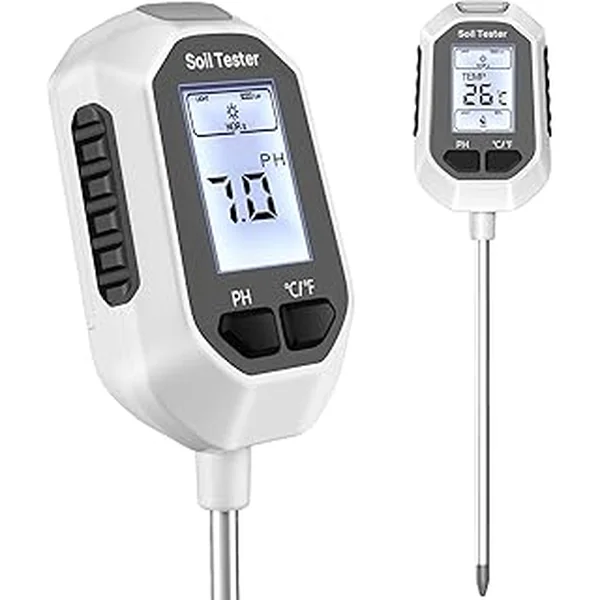
Fix: Use a soil moisture meter and water at a consistent trigger point — when the top 2–3 cm (1 in) reads just dry.
2. Sudden environmental change
Moving the plant from outdoors to indoors (or from one room to another), repotting, or a sudden drop in temperature triggers bud drop as the plant responds to stress.
Fix: Move tropical hibiscus indoors gradually over 7–10 days — put it in a sheltered spot near the door for a few days before bringing it fully inside. Never move a budding plant to a new spot if you can help it.
3. Cold draughts or temperature drops
Temperatures below 10°C (50°F) cause tropical hibiscus to drop buds and leaves. Cold draughts from open windows or air conditioning vents are particularly damaging because the chill is sudden.
Fix: Keep tropical hibiscus above 15°C (59°F) at all times during budding and flowering. Move it away from air conditioning vents and cold window draughts.
4. Low humidity
Hibiscus prefers humidity above 50%. Centrally heated rooms in winter can drop to 20–30%, which stresses the plant enough to abort buds.
Fix: Group plants together (they raise humidity around each other), set the pot on a tray of pebbles and water (the water evaporates around the foliage), or use a room humidifier nearby.
5. Spider mites
Spider mites often go unnoticed until the infestation is large. They feed on the undersides of leaves and around buds, causing fine stippling on foliage and bud abortion.
Fix: Check the undersides of leaves with a magnifier. A fine webbing between leaves and stems confirms mites. Treat immediately with a diluted neem oil spray — see the pests section below.
Overwintering tropical hibiscus indoors
Tropical hibiscus will not survive frost. In USDA zones 8 and below, bring it indoors before the first frost — usually when night temperatures consistently fall below 10°C (50°F).
Step-by-step overwintering
Step 1: Inspect and clean before bringing inside. Check the entire plant for pests — aphids, whiteflies, and spider mites are easily carried indoors. Treat any infestations outdoors with neem oil before moving the plant inside.
Step 2: Prune lightly. Cut the plant back by about one-quarter to one-third. This reduces the leaf mass the plant has to support through a low-light winter and stimulates compact new growth in spring.
Step 3: Choose the right indoor spot. The sunniest window you have — south- or west-facing. Supplement with a full-spectrum grow light if your winters are dark (less than 6 hours of usable daylight). Keep temperature above 15°C (59°F).
Step 4: Reduce watering. The plant’s growth slows significantly indoors in winter. Water only when the top 3–4 cm (1–1.5 in) of soil is dry — roughly once a week or less.
Step 5: Stop fertilizing. No feeding from late autumn through late winter. Resume in early spring as new growth appears.
Step 6: Expect some leaf drop. Some leaf yellowing and drop is normal as the plant adjusts to lower light indoors. It is not dying — it is adapting.
Step 7: Return outdoors after last frost. Harden the plant off by placing it in a sheltered, slightly shaded outdoor spot for a week before moving to its full-sun position. Sudden full outdoor sun after a winter indoors can scorch leaves.
Pruning guide
For a compact, heat-loving flowering shrub that explodes with tubular red blooms over the same long summer season as hibiscus, the firecracker plant care guide covers a great companion for a hot sunny border.
Tropical hibiscus (Hibiscus rosa-sinensis)
Hibiscus blooms on new wood — this season’s fresh growth. Pruning stimulates branching, which means more growing tips, which means more flowers.
- When to prune: Early spring, as new growth is just starting. You can also lightly trim after each main flush of flowering to encourage a second wave.
- How much to cut: Up to one-third of the total stem length. Cut just above a leaf node or a visible bud.
- Hard pruning: If the plant has become very leggy or overgrown, you can cut it back by up to one-half in early spring. It will recover — but you lose a season’s early blooms.
- Tools: Use clean, sharp bypass pruners. Wipe the blades with isopropyl alcohol between cuts to avoid spreading any disease.
Hardy hibiscus (Hibiscus moscheutos)
- When to prune: Late autumn after the plant dies back, or early spring before re-growth begins.
- How much to cut: All the way down — cut stems to 10–15 cm (4–6 in) above the ground. These plants re-sprout entirely from the crown each year.
- Late emergence: Hardy hibiscus is one of the last perennials to emerge in spring. Do not panic if nothing appears until late spring — it is normal. Mark the crown in autumn so you don’t accidentally dig it up.
Common pests: aphids and whiteflies
Hibiscus is a magnet for two main pests: aphids and whiteflies. Both suck sap, weaken new growth, and can cause bud drop if infestations are heavy.
Aphids
Aphids cluster on new growth — the soft tips of stems and developing buds. They reproduce fast: a small colony can become a large one in a week.
Identification: Tiny (1–3 mm / 0.04–0.12 in) soft-bodied insects in green, black, or pink depending on species. They excrete sticky honeydew, which attracts ants and causes sooty mould to develop on leaves below.
Treatment:
- First line: a strong blast of water from a hose dislodges aphids from stems. Repeat every 2–3 days.
- For persistence: insecticidal soap spray or diluted neem oil (5 ml / 1 tsp per 1 L / 34 fl oz water plus a drop of liquid soap). Coat all surfaces, especially the undersides of leaves and stem tips.
- Encourage predators: ladybirds, lacewings, and parasitic wasps eat aphids. Avoid broad-spectrum pesticides that kill these beneficial insects.
Whiteflies
Whiteflies are tiny white-winged flies that congregate on the undersides of leaves. Disturbing the plant causes a cloud of them to erupt. Like aphids, they excrete honeydew and cause sooty mould.
Treatment:
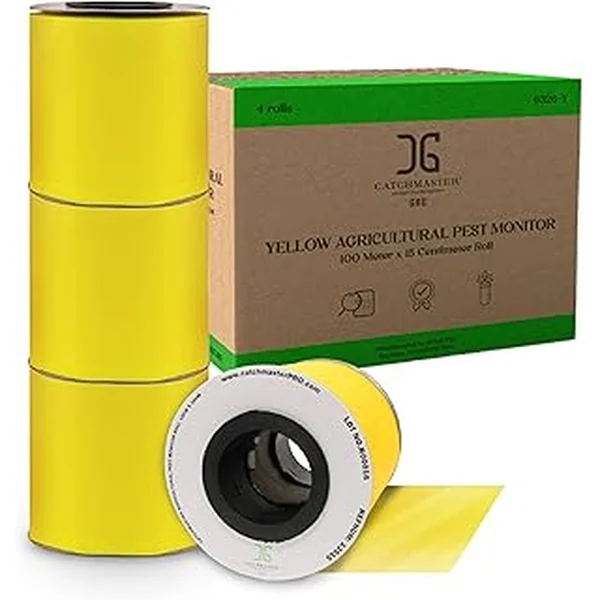
- Yellow sticky traps hung near the plant catch adult whiteflies and reduce the population quickly.
- Neem oil spray applied to leaf undersides disrupts the whitefly lifecycle (eggs and nymphs are less mobile than adults).
- Repeat treatment every 5–7 days for 3–4 cycles to break the egg-to-adult cycle completely.
Spider mites
In hot, dry conditions — especially indoors in winter — spider mites can become a problem. They leave fine yellow stippling on leaves and fine webbing between stems.
Treatment: Increase humidity immediately. Spray with neem oil or a dedicated miticide. Spider mites hate water — misting the foliage regularly is a good preventive measure.
Troubleshooting table
| Problem | Most likely cause | Fix |
|---|---|---|
| Buds dropping before opening | Inconsistent watering, cold draught, sudden move | Stabilise conditions; check soil moisture daily |
| Yellow leaves between veins (veins stay green) | Iron chlorosis (pH too high or micronutrient deficiency) | Apply chelated iron; check soil pH (aim 6.0–7.0) |
| All leaves yellow | Overwatering or root rot | Check drainage; let soil dry; reduce watering |
| Sticky residue on leaves, ants on plant | Aphid or whitefly infestation | Neem oil spray; yellow sticky traps |
| Fine webbing on stems | Spider mites | Increase humidity; neem oil spray |
| Leggy growth, few flowers | Insufficient light or too much nitrogen | Move to full sun; switch to high-K fertilizer |
| Pale washed-out leaves | Too much direct sun (rare) or iron deficiency | Check position; apply micronutrient supplement |
| No new growth in late spring | Hardy hibiscus is late to emerge | Wait — it is normal; confirm crown is still firm |
Watch: Hibiscus Plant Care Video Guide
The video below gives a practical visual walkthrough of hibiscus watering, feeding, and bud-drop troubleshooting — a useful complement to the steps above.
Internal links
- Learn how to care for another acid-loving flowering shrub in the azalea plant care guide.
- For a different dramatic perennial flower, see the peony plant care guide.
- If you grow hibiscus alongside bold-foliage companions, the coral bells care guide pairs well with it.
- Track your hibiscus watering schedule automatically with Tazart’s plant care reminders.
- Struggling to identify a plant problem? Try Dr. Afrao, Tazart’s AI plant assistant.
FAQ
Why is my hibiscus dropping buds?
Bud drop on hibiscus is almost always caused by sudden environmental stress — a change in light, a temperature swing, irregular watering, or very low humidity. The most common triggers are moving the plant from outdoors to indoors (or vice versa), letting the soil dry out completely between waterings, cold draughts below 10°C (50°F), and spider mite infestations on the undersides of leaves. Keep conditions consistent: stable warmth above 15°C (59°F), evenly moist soil, high humidity, and no sudden relocations once buds have formed.
How often should I water a hibiscus?
Water tropical hibiscus (Hibiscus rosa-sinensis) when the top 2–3 cm (1 in) of soil feels dry — typically every 2–3 days in summer and every 5–7 days in winter. Hardy hibiscus (Hibiscus moscheutos) in garden beds needs deep watering once or twice a week in dry spells. Both types prefer consistently moist soil but cannot tolerate waterlogging; always use pots with drainage holes. Leaves wilting in the morning heat, then recovering by evening, is the classic sign of underwatering.
Does hibiscus need full sun?
Yes. Tropical hibiscus (Hibiscus rosa-sinensis) needs at least 6 hours of direct sun per day to bloom reliably — a south- or west-facing spot is ideal. In less than 4 hours of sun, the plant stays green but produces few flowers. Hardy hibiscus (Hibiscus moscheutos) is the same: full sun produces the most and biggest blooms. Indoors, place tropical hibiscus directly in the sunniest window you have, or supplement with a full-spectrum grow light.
How do I overwinter a tropical hibiscus indoors?
Before the first frost, bring the pot inside to a bright, warm room — at least 15°C (59°F). Reduce watering to once a week or less, matching the plant’s slower growth in lower light. Do not fertilize from late autumn through late winter. Expect some leaf drop as the plant adjusts; this is normal. In early spring, move it to the brightest spot possible, resume regular watering and feeding, and prune back by up to one-third to stimulate fresh bushy growth before moving it outside again after the last frost.
What fertilizer makes hibiscus bloom more?
Use a high-potassium (high-K) fertilizer — look for an NPK ratio with the third number (K) being equal to or higher than the first two, such as 10-4-12 or a dedicated hibiscus fertilizer. Potassium drives flower production, bud set, and stem strength. Feed every 2 weeks during the growing season (spring through late summer). Avoid high-nitrogen feeds: too much nitrogen pushes lush leafy growth at the expense of blooms, and causes the same frustrating “all leaves, no flowers” problem.
How do I get rid of aphids on hibiscus?
For light infestations, blast aphids off with a strong stream of water from a hose — repeat every 2–3 days until gone. For persistent colonies, apply insecticidal soap or a diluted neem oil spray (5 ml / 1 tsp neem oil per 1 L / 34 fl oz water with a drop of dish soap) directly onto the aphid clusters, coating the undersides of leaves thoroughly. Whiteflies respond best to yellow sticky traps plus neem oil. Avoid broad-spectrum pesticides — they kill the beneficial insects (lacewings, parasitic wasps) that naturally control hibiscus pests.
When should I prune a hibiscus?
For tropical hibiscus (Hibiscus rosa-sinensis), prune in early spring — just before or as new growth starts — and again after each main flush of flowering. Cut stems back by up to one-third to encourage branching; more branches mean more bloom tips. For hardy hibiscus (Hibiscus moscheutos), cut all stems down to 10–15 cm (4–6 in) above the ground in late autumn or early spring. These plants die back to the crown each winter and re-shoot from the roots, so hard pruning is normal and healthy.
Sources
- Royal Horticultural Society — Hibiscus (Hibiscus rosa-sinensis)
- Missouri Botanical Garden — Hardy Hibiscus (Hibiscus moscheutos)
- University of Florida IFAS Extension — Growing Hibiscus
- UC IPM — Whitefly Management on Ornamentals
Highly recommended
The supplies that make this guide work


Tazart is an Amazon Associate — we earn from qualifying purchases at no extra cost to you. Thank you for helping us keep these guides free.
Frequently asked questions
Why is my hibiscus dropping buds?
Bud drop on hibiscus is almost always caused by sudden environmental stress — a change in light, a temperature swing, irregular watering, or very low humidity. The most common triggers are moving the plant from outdoors to indoors (or vice versa), letting the soil dry out completely between waterings, cold draughts below 10°C (50°F), and spider mite infestations on the undersides of leaves. Keep conditions consistent: stable warmth above 15°C (59°F), evenly moist soil, high humidity, and no sudden relocations once buds have formed.
How often should I water a hibiscus?
Water tropical hibiscus (Hibiscus rosa-sinensis) when the top 2–3 cm (1 in) of soil feels dry — typically every 2–3 days in summer and every 5–7 days in winter. Hardy hibiscus (Hibiscus moscheutos) in garden beds needs deep watering once or twice a week in dry spells. Both types prefer consistently moist soil but cannot tolerate waterlogging; always use pots with drainage holes. Leaves wilting in the morning heat, then recovering by evening, is the classic sign of underwatering.
Does hibiscus need full sun?
Yes. Tropical hibiscus (Hibiscus rosa-sinensis) needs at least 6 hours of direct sun per day to bloom reliably — a south- or west-facing spot is ideal. In less than 4 hours of sun, the plant stays green but produces few flowers. Hardy hibiscus (Hibiscus moscheutos) is the same: full sun produces the most and biggest blooms. Indoors, place tropical hibiscus directly in the sunniest window you have, or supplement with a full-spectrum grow light.
How do I overwinter a tropical hibiscus indoors?
Before the first frost, bring the pot inside to a bright, warm room — at least 15°C (59°F). Reduce watering to once a week or less, matching the plant's slower growth in lower light. Do not fertilize from late autumn through late winter. Expect some leaf drop as the plant adjusts; this is normal. In early spring, move it to the brightest spot possible, resume regular watering and feeding, and prune back by up to one-third to stimulate fresh bushy growth before moving it outside again after the last frost.
What fertilizer makes hibiscus bloom more?
Use a high-potassium (high-K) fertilizer — look for an NPK ratio with the third number (K) being equal to or higher than the first two, such as 10-4-12 or a dedicated hibiscus fertilizer. Potassium drives flower production, bud set, and stem strength. Feed every 2 weeks during the growing season (spring through late summer). Avoid high-nitrogen feeds: too much nitrogen pushes lush leafy growth at the expense of blooms, and causes the same frustrating 'all leaves, no flowers' problem.
How do I get rid of aphids on hibiscus?
For light infestations, blast aphids off with a strong stream of water from a hose — repeat every 2–3 days until gone. For persistent colonies, apply insecticidal soap or a diluted neem oil spray (5 ml / 1 tsp neem oil per 1 L / 34 fl oz water with a drop of dish soap) directly onto the aphid clusters, coating the undersides of leaves thoroughly. Whiteflies respond best to yellow sticky traps plus neem oil. Avoid broad-spectrum pesticides — they kill the beneficial insects (lacewings, parasitic wasps) that naturally control hibiscus pests.
When should I prune a hibiscus?
For tropical hibiscus (Hibiscus rosa-sinensis), prune in early spring — just before or as new growth starts — and again after each main flush of flowering. Cut stems back by up to one-third to encourage branching; more branches mean more bloom tips. For hardy hibiscus (Hibiscus moscheutos), cut all stems down to 10–15 cm (4–6 in) above the ground in late autumn or early spring. These plants die back to the crown each winter and re-shoot from the roots, so hard pruning is normal and healthy.