Flowers
Azalea Plant Care (Acid-Loving Beauty Done Right)
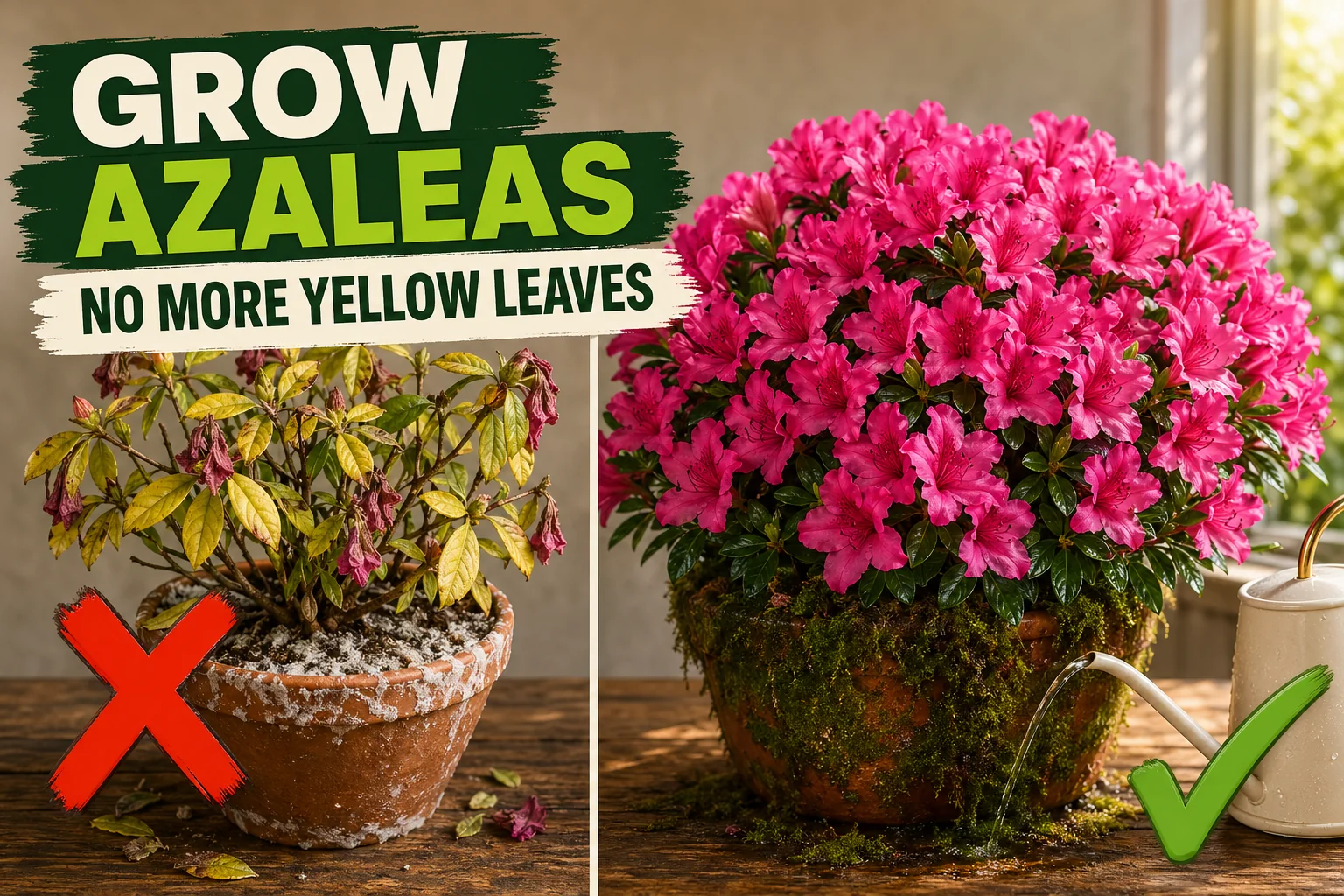
Stop the yellow leaves and get a riot of blooms. Full azalea care guide: acid soil, watering with rainwater, light, fertilizer, pruning, and indoor vs outdoor.
On this page
- Quick answer
- Why azaleas are different from other flowering shrubs
- Soil — the single most important factor
- Light
- Watering — and why rainwater matters
- Temperature and humidity
- Fertilizing
- Pruning
- Repotting indoor azaleas
- Indoor vs outdoor — which azalea do you have?
- Common mistakes
- Troubleshooting
- Watch: azalea plant care
- Related reading
- A note on conditions
Watch the visual walkthrough
Learn how to Propagate Azaleas
Learn how to Propagate Azaleas, let me show you two different ways on how propagate Azaleas. These are great plants that all ...
Azaleas are stunning when they’re happy — a single bush in full bloom can be solid colour from top to bottom. But they’re also one of the most commonly killed garden plants, and the cause is almost always the same: the soil is wrong. Get that one thing right and the rest of azalea plant care is genuinely easy.
This guide covers both the indoor florist azalea (Rhododendron simsii) and the larger outdoor garden hybrids — soil, water, light, feeding, pruning, and how to fix the dreaded yellow-leaf problem when it appears.
Quick answer
Plant azaleas in ericaceous (acid) compost at pH 4.5–6.0, in dappled shade with shelter from harsh afternoon sun. Water with rainwater whenever the top 2–3 cm (1 in) of soil is dry. Feed monthly with an ericaceous fertilizer from after flowering through midsummer. Prune within 3 weeks of the last flower fading. Hardy outdoors to roughly −15°C (5°F) for most garden hybrids; indoor florist azaleas prefer 10–16°C (50–61°F) and die in centrally heated rooms.
Why azaleas are different from other flowering shrubs
Azaleas are part of the Rhododendron genus and the Ericaceae family — the same family as blueberries, cranberries, and heathers. Every plant in this family has evolved on acid woodland or moorland soil and has a very specific quirk: the roots cannot absorb iron unless the soil pH is below about 6.0.
That single fact drives almost every problem azalea growers run into. Yellow leaves, weak flowering, leaf drop, sudden decline — most of it traces back to soil that is too alkaline, water that is too hard, or fertilizer designed for a different kind of plant.
If you treat an azalea like a normal shrub, it will sulk and slowly die. If you treat it like a blueberry, it will flower for decades.
Soil — the single most important factor
Target pH: 4.5 to 6.0.
For pots, the simplest answer is bagged ericaceous compost. Most garden centres sell it specifically labelled for “azaleas, rhododendrons, camellias, and blueberries.” Don’t substitute generic multipurpose compost — it sits at pH 6.5–7.0, which is high enough to lock out iron within a season.
For garden beds, test the soil pH first with a basic meter or test kit. If it reads above 6.0, you have three options:
- Amend with elemental sulphur or sulphur chips — drop pH gradually over 6–12 months. Follow the rate on the bag for your soil type.
- Mix in pine bark, composted oak leaves, or pine needles — naturally acidic and improve drainage at the same time.
- Plant in a raised bed of imported ericaceous topsoil — fastest and most reliable in regions with chalky or limestone soil.
Avoid at all costs:
- Mushroom compost (alkaline)
- Builder’s lime, garden lime, or wood ash (alkaline)
- Generic tomato or rose fertilizer (pushes pH up over time)
If your tap water is hard (chalky residue in the kettle is a clue), even perfect ericaceous compost slowly turns alkaline as you water. Switch to rainwater for any azalea you want to keep long-term.
Light
Azaleas are woodland-edge plants. They want bright, dappled light or morning sun with afternoon shade — not deep shade and not full all-day sun.
- Outdoor garden azaleas: 4–5 hours of gentle morning sun, then shade through the hottest part of the day. Filtered light through deciduous trees is ideal.
- Indoor florist azaleas (Rhododendron simsii): a bright north- or east-facing windowsill, away from radiators and hot south-facing glass. They prefer cool light, not heat.
In too much shade, azaleas become leggy and flower poorly. In full afternoon sun in summer, leaves scorch brown at the edges and the soil dries out faster than the shallow roots can keep up.
Watering — and why rainwater matters
Azaleas have shallow, fibrous root systems sitting in the top 15–20 cm (6–8 in) of soil. They dry out fast and do not bounce back well from a hard wilt.
- Check the top 2–3 cm (1 in) of compost daily in pots, every 2–3 days in beds.
- Water as soon as the top layer feels dry to the touch.
- Water deeply enough that drips come out of the drainage holes (pots) or the soil is moist 15 cm (6 in) down (beds).
- Mulch with 5 cm (2 in) of pine bark or composted leaves in spring to slow evaporation and gently feed acidity.
Use rainwater wherever possible. Tap water in hard-water regions is high in calcium carbonate (chalk) and steadily raises the soil pH. Over a year of tap-water-only watering, even a perfect ericaceous mix can drift up to pH 7 and trigger yellowing. A simple water butt off a downpipe is the easiest long-term fix.
If rainwater isn’t available, distilled water or harvested air-conditioning condensate work. Boiling tap water does not remove the calcium.
Temperature and humidity
Azaleas are cool-climate plants. They flower best after a winter chill and suffer in hot dry rooms.
- Outdoor hybrids: hardy to roughly −15°C (5°F), with deciduous types tougher than evergreens. Mulch the root zone in autumn in cold zones.
- Indoor florist azaleas: 10–16°C (50–61°F) ideal, up to 18°C (65°F) tolerated briefly. Above 20°C (68°F), buds drop and leaves yellow within days.
- Humidity: 50–60% is comfortable. Indoors in winter heating, set the pot on a tray of damp pebbles or group with other plants.
The single biggest killer of indoor azaleas isn’t bad watering — it’s a warm living room next to a radiator. Move the plant to a cool porch, conservatory, or unheated bedroom and it will last weeks longer.
Fertilizing
Feed monthly from after flowering through midsummer with an ericaceous (acid) fertilizer labelled for azaleas, rhododendrons, and camellias.
- Use ammonium-nitrogen formulations rather than nitrate-nitrogen — gentler on Ericaceae roots.
- Liquid feeds at half strength every 2 weeks work well for indoor pots.
- Slow-release granular ericaceous feed once in spring suits outdoor beds.
- Stop feeding by late summer so new shoots harden off before winter.
Never use:
- Generic 20-20-20 plant food
- Tomato feed (too high in potassium and lime-based filler)
- Bonemeal in containers (raises pH)
If leaves are yellow during the growing season, supplement with a chelated iron tonic — it greens the leaves up within 7–14 days while you fix the underlying soil pH problem.
Pruning
Azaleas form next year’s flower buds during summer, so timing matters more than technique.
- Prune within 3 weeks of the last flower fading — usually late spring or early summer.
- Remove dead, crossing, or rubbing stems first.
- Lightly shape the outline — azaleas naturally grow as gentle rounded mounds.
- Avoid hard cuts back to bare wood unless the plant is severely overgrown; recovery takes 2–3 seasons.
Never prune in autumn or early spring before flowering — you’ll cut off the buds that would have been the next year’s display.
Deadhead spent flowers gently by snapping them off at the base, taking care not to damage the small leaves clustered just below each truss — those carry next year’s growth.
Repotting indoor azaleas
Florist azaleas are sold pot-bound and root-clogged. After the flowers finish, repot into a slightly larger container of fresh ericaceous compost.
- Tip the plant out gently. The rootball will be a dense mat of fine roots.
- Tease the outer 1–2 cm (½ in) of roots loose with your fingers — don’t slice, don’t hack.
- Settle into a pot 2–3 cm (1 in) wider, with drainage holes, in fresh ericaceous compost.
- Water in with rainwater. Don’t fertilize for the first 4 weeks.
Most azaleas like being slightly snug in their pot. Don’t jump up more than one size at a time.
Indoor vs outdoor — which azalea do you have?
| Type | Latin name | Natural setting | Where it lives best |
|---|---|---|---|
| Florist / indoor azalea | Rhododendron simsii | Subtropical East Asia | Cool indoor rooms, bright windowsills, conservatories |
| Evergreen Japanese azalea | Rhododendron hybrids (e.g. Kurume, Satsuki) | Woodland edges, Japan | Outdoor dappled shade beds, USDA 6–9 |
| Deciduous garden azalea | Rhododendron luteum, Knap Hill, Exbury | Woodland Europe / NA | Outdoor beds with morning sun, USDA 4–7 |
Indoor florist types are often sold in foil-wrapped pots in winter as gift plants. They can be summered outdoors after their flowering, but most don’t survive cold-zone winters and are treated as glasshouse perennials.
Common mistakes
- Using regular potting compost. It’s pH 6.5–7. Yellow leaves arrive within 2 months. Always use ericaceous compost.
- Watering with tap water in a hard-water region. Slowly alkalises even perfect compost. Switch to rainwater.
- Putting an indoor azalea next to a radiator. Buds drop, leaves crisp, plant dies in days. Cool rooms only.
- Pruning in autumn or early spring. Removes the flower buds. Prune only just after flowers fade.
- Letting the rootball dry out hard. Shallow roots don’t recover well. Check daily in summer.
- Over-fertilizing. Burnt leaf tips, leggy growth, fewer flowers. Feed at half strength, monthly only.
- Planting in heavy clay without amendment. Roots rot. Raise the bed or amend heavily with pine bark and grit.
Troubleshooting
| Symptom | Likely cause | Fix |
|---|---|---|
| Yellow leaves with green veins (interveinal chlorosis) | Soil pH too high — iron lockout | Switch to rainwater; apply chelated iron; long-term repot into ericaceous compost |
| Leaves brown and crisp at the tips | Underwatering or hard tap water salt build-up | Water more deeply; flush pot with rainwater quarterly |
| Buds dropping before opening (indoor) | Room too warm or too dry | Move to a cool room (10–16°C / 50–61°F); raise humidity |
| Few or no flowers next year | Pruned too late last summer | Don’t prune after midsummer; feed normally next spring |
| Leaves chewed in scalloped notches | Vine weevil adults at night | Hand-pick at night with a torch; treat compost with nematodes for grubs |
| Whole plant wilts even in moist soil | Phytophthora root rot from waterlogging | Tip out, check roots — discard if blackened; use better-draining ericaceous mix |
| Sticky residue and pale stippling on leaves | Lace bug or red spider mite | Spray underside of leaves with horticultural soap weekly until clear |
| White chalky deposit on soil surface (pots) | Hard-water salt build-up | Top-dress with fresh ericaceous compost; switch to rainwater |
Watch: azalea plant care
A short visual walkthrough is helpful for spotting interveinal chlorosis on a real plant and seeing the difference between healthy fibrous roots and rot-affected ones. Search YouTube for “azalea care soil pH and watering” for practical guides that pair well with the steps above.
Related reading
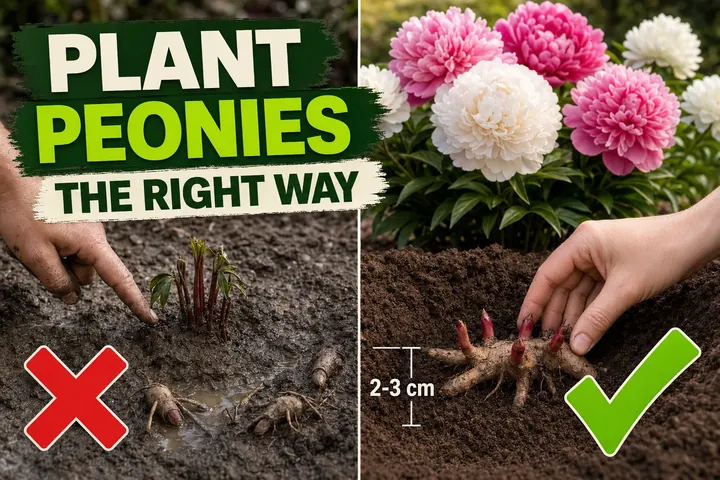
- How to plant peony bulbs — another long-lived flowering perennial that rewards careful soil prep at planting time, just like azaleas.
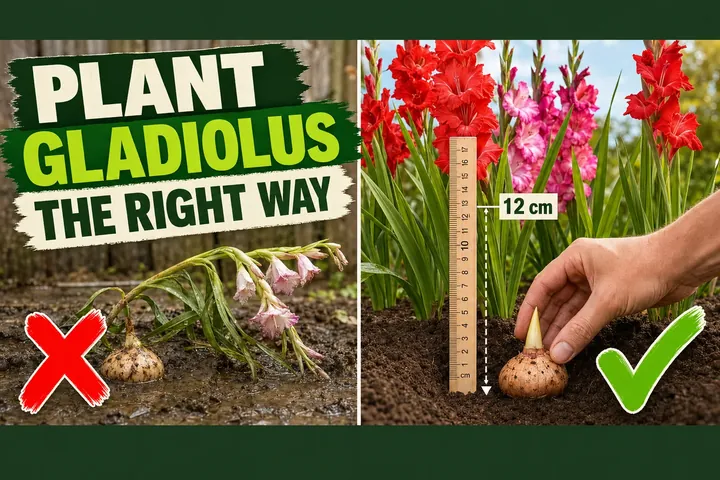
- How deep to plant gladiolus bulbs — if you’re building out a cutting-flower garden alongside your azalea bed.
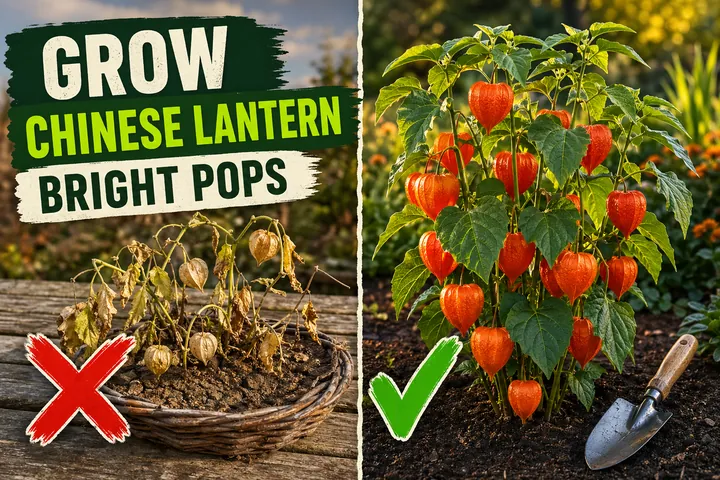
- Chinese lantern plant care — the same “right soil, right light, right pH” thinking applies to this striking autumn perennial.
Track your azalea watering, ericaceous feeding schedule, and post-flower pruning window with the free Tazart plant care app. Two reminders to set up: a daily summer water-check, and a “prune within 3 weeks of last flower” alert in late spring.
A note on conditions
Every garden and every windowsill is different. Your local water hardness, soil pH at the planting site, light angle through the year, indoor heating habits, and microclimate all change how an azalea actually grows. Use the numbers in this guide as a starting point, watch what your plant does in its first season, and adjust from there. A bush that yellows in one corner of the garden often thrives a few metres away under a different tree — azaleas are honest, and their leaves tell you when something is wrong long before you’d otherwise notice.
Highly recommended
The supplies that make this guide work
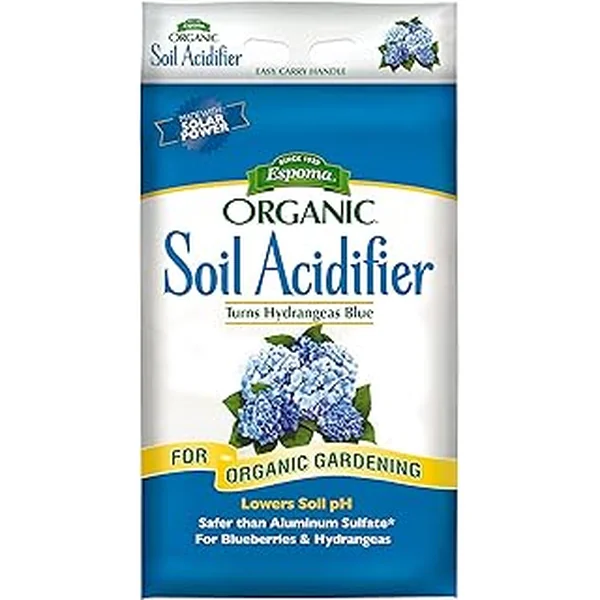
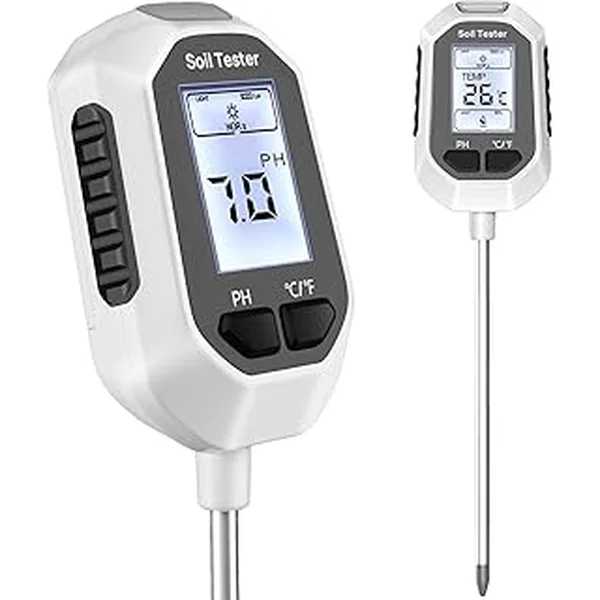
Tazart is an Amazon Associate — we earn from qualifying purchases at no extra cost to you. Thank you for helping us keep these guides free.
Frequently asked questions
Why are my azalea leaves turning yellow?
Almost always because the soil pH is too high. Azaleas are ericaceous (acid-loving) — they need a soil pH of 4.5 to 6.0 to absorb iron and manganese. In neutral or alkaline soil, the leaves yellow between the veins (chlorosis) even though the soil contains plenty of iron. Fix it by repotting into ericaceous compost, watering with rainwater instead of tap water, and applying a chelated iron tonic for fast greening.
Do azaleas need acidic soil?
Yes — strictly. Azaleas belong to the Ericaceae family and have evolved on acid woodland soils. Aim for a pH of 4.5 to 6.0. Use bagged ericaceous compost in pots, or amend garden beds with sulphur chips, pine bark, and composted oak leaves. Never use lime, mushroom compost, or generic potting mix — all push the pH up and trigger yellow leaves within weeks.
How often should I water an azalea?
Check the top 2–3 cm (1 in) of compost — water as soon as it feels dry to the touch. In a warm room or summer outdoors, that often means every 2–3 days. The shallow fibrous roots dry out fast and never recover from a hard wilt. Use rainwater or distilled water where possible: hard tap water gradually pushes the soil pH up and causes the same yellowing problem as alkaline soil.
Can azaleas grow indoors?
Yes — Rhododendron simsii (the florist or indoor azalea) is bred specifically for indoor pot culture and flowers in winter. Keep it in a cool, bright room at 10–16°C (50–61°F), away from radiators. Most indoor azaleas die from heat and dry air, not bad care otherwise. Outdoor garden hybrids are not suited to indoor life and should stay in the garden.
When should I prune my azalea?
Prune within 3 weeks of the last flower fading — usually late spring or early summer. Azaleas form next year's flower buds during summer, so any pruning later than midsummer cuts off the buds you want for the following spring. Take out dead, crossing, or weak stems first, then lightly shape. Avoid hard renewal pruning unless the plant is severely overgrown.
What is the best fertilizer for azaleas?
An ericaceous (acid-loving) plant feed labelled for azaleas, rhododendrons, and camellias. These are formulated with ammonium-form nitrogen and added iron and magnesium so they don't push the pH up. Feed monthly from after flowering through midsummer; stop in late summer so new growth has time to harden before winter. Never use generic tomato or rose feed.