Edible
How to Grow Bok Choy at Home (Step-by-Step Guide)
Learn how to grow bok choy at home in containers or ground beds. Best planting times, soil, watering, pest control, and the bolting mistake most beginners make.
On this page
- Table of Contents
- Why Bok Choy Bolts — and How to Stop It
- Best Planting Windows: Spring and Fall
- Baby Bok Choy vs Full-Size Varieties
- Starting from Seed vs Transplants
- Container vs Ground Growing
- Soil Mix Requirements
- Watering: The Consistency Rule
- Thinning Seedlings
- Pest Control: Flea Beetles and Cabbage Worms
- Harvesting and the Regrowth Trick
- Common Mistakes
- Watch: How to Grow Bok Choy Video Guide
- FAQ
- Quick-Reference: Bok Choy at a Glance
- Grow Smarter with Tazart
Watch the visual walkthrough
How to Grow Bok Choy in Containers
This video will show you how to grow Bok Choy from seed to harvest in a container in your home. This is an Advanced Complete ...
Bok choy (also called pak choi, Brassica rapa subsp. chinensis) is one of the fastest cool-season vegetables you can grow at home. Planted at the right time, a single bed can go from seed to harvest in 30 to 45 days for baby varieties, or 60 days for full-size heads.
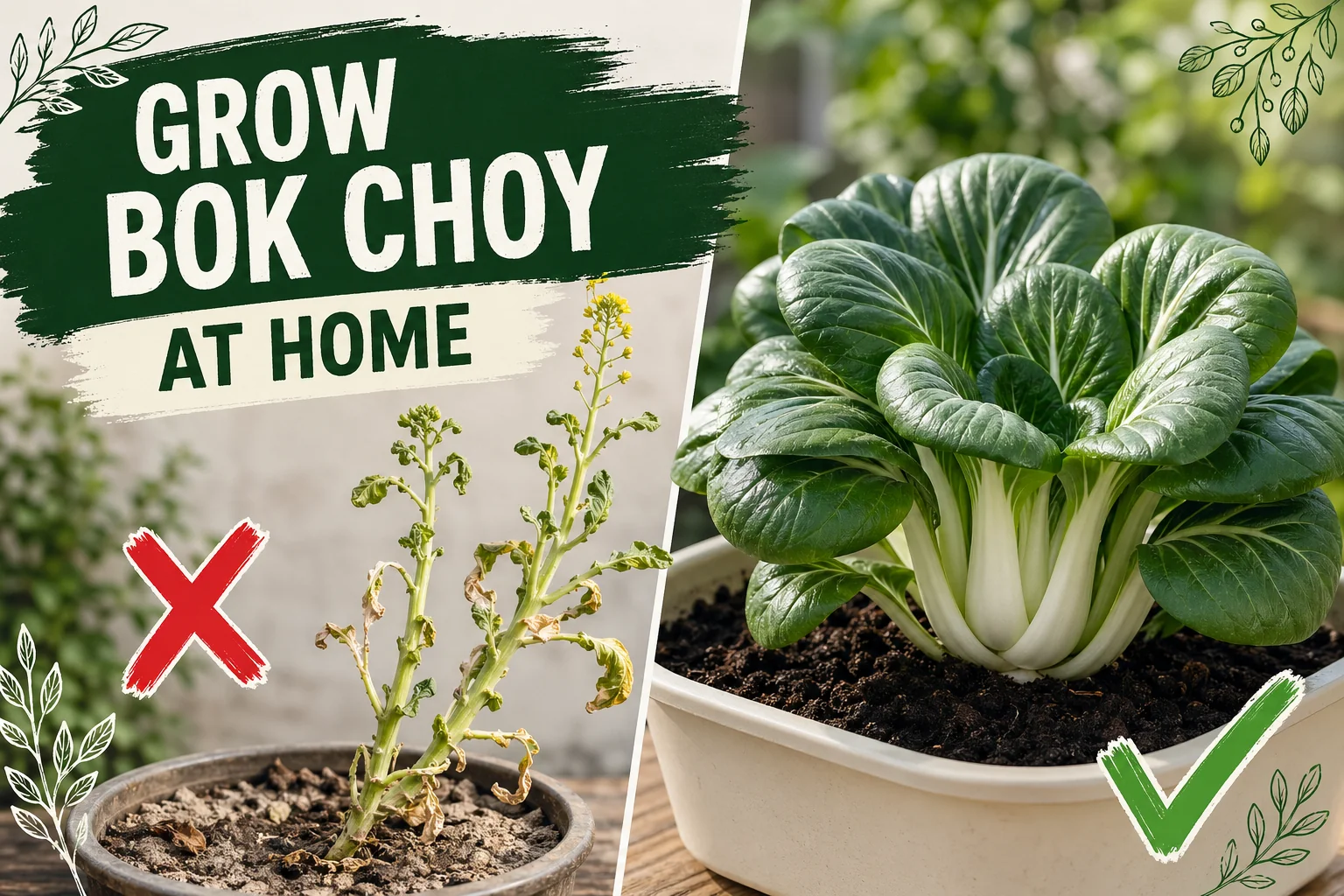
The catch: bok choy bolts — shoots up a bitter, inedible flower stalk — the moment temperatures climb above 24°C (75°F). That single mistake ruins more home crops than anything else. This guide tells you exactly how to avoid it, and how to grow bok choy successfully in beds or containers, spring or fall.
Quick answer: Sow bok choy in early spring (soil 10°C–21°C / 50°F–70°F) or late summer for a fall crop. Keep soil consistently moist, use row cover against flea beetles, and harvest baby varieties at 30–45 days before heat arrives. Full-size heads take 60 days. Cut at the base and the plant may resprout once.
Table of Contents
- Why bok choy bolts — and how to stop it
- Best planting windows: spring and fall
- Baby bok choy vs full-size varieties
- Starting from seed vs transplants
- Container vs ground growing
- Soil mix requirements
- Watering: the consistency rule
- Thinning seedlings
- Pest control: flea beetles and cabbage worms
- Harvesting and the regrowth trick
- Common mistakes
- FAQ
Why Bok Choy Bolts — and How to Stop It
Bolting is bok choy’s number one growth failure. The plant senses long days and rising heat, interprets it as the end of the growing season, and rushes to produce seeds. The result: a tall yellow flower stalk, tough bitter leaves, and a ruined crop.
The triggers are:
- Sustained heat above 24°C (75°F) — the most common cause.
- Prolonged cold below 10°C (50°F) followed by warming — a cold snap can vernalize seedlings and cause bolting when temperatures rise again.
- Drought stress — inconsistent watering pushes the plant into reproductive mode.
The fix is mostly about timing. Grow bok choy in the cool shoulder seasons — spring and fall — not in summer. Everything else in this guide supports that core principle.
Best Planting Windows: Spring and Fall
Bok choy needs soil temperatures between 10°C and 21°C (50°F and 70°F) to germinate and grow well.
Spring planting:
- Direct sow outdoors 4 to 6 weeks before your last expected frost date.
- Transplant seedlings started indoors 2 to 3 weeks before last frost.
- Expect to harvest before summer heat arrives — count backwards from your typical first hot spell and choose a baby variety if the window is short.
Fall planting:
- Direct sow outdoors 8 to 10 weeks before your first expected fall frost.
- This is often the better window. Temperatures are dropping, not rising, so bolting risk falls as the crop matures.
- Light frost (down to −2°C / 28°F) actually sweetens bok choy leaves and does little damage.
What to skip: Avoid direct summer sowing unless you are in a cool coastal climate. Germination drops sharply above 27°C (80°F) and plants that do sprout typically bolt within days of maturing.
Baby Bok Choy vs Full-Size Varieties
Baby bok choy (also called “dwarf” varieties):
- Mature in 30 to 45 days.
- Compact rosettes 10–15 cm (4–6 in) tall.
- Better suited for containers and short spring windows.
- Good varieties: Toy Choy, Joi Choi baby, Mei Qing Choi.
Full-size bok choy:
- Mature in 60 to 75 days.
- Heads 25–35 cm (10–14 in) tall, thick white stalks.
- Better for fall planting where you have a longer cool window.
- Good varieties: Prize Choy, Shanghai Green, Black Summer (bolt-resistant).
For most home growers with a short spring window, baby varieties are the safer choice. They reach harvest before heat arrives.
Starting from Seed vs Transplants
Direct sowing (recommended): Bok choy dislikes root disturbance. Sowing directly where it will grow avoids transplant shock and is simpler. Sow seeds 0.5–1 cm (¼–½ in) deep and 2–3 cm (1 in) apart. Thin to final spacing once seedlings are 5 cm (2 in) tall.
Indoor seed starting: If you need to get ahead of the season, start seeds indoors 3 to 4 weeks before the transplant date. Use small individual cells or biodegradable pots to minimize root disturbance at planting time. Harden off seedlings over 5 to 7 days before moving them outside.
Germination time: Seeds germinate in 4 to 8 days at ideal soil temperature (10°C–21°C / 50°F–70°F). Germination slows above 27°C (80°F) and stops almost entirely above 30°C (86°F).
Succession sowing: For a continuous harvest, sow a new batch every 2 weeks through the cool season. Each sowing gives you a 1 to 3 week harvest window before bolting risk rises.
Container vs Ground Growing
Ground beds:
- Retain moisture more consistently — important for preventing drought-triggered bolting.
- Larger growing area means better root run for full-size varieties.
- Amend with compost before planting.
Containers:
- Work well for baby varieties on balconies, patios, and small spaces.
- Minimum container size: 20 cm (8 in) deep, 30 cm (12 in) wide per plant. A wide trough works better for multiple plants.
- Containers dry out 2 to 3 times faster than ground beds — daily checking is essential.
- One advantage: you can move containers into shade when a heat wave arrives, buying extra days before bolting.
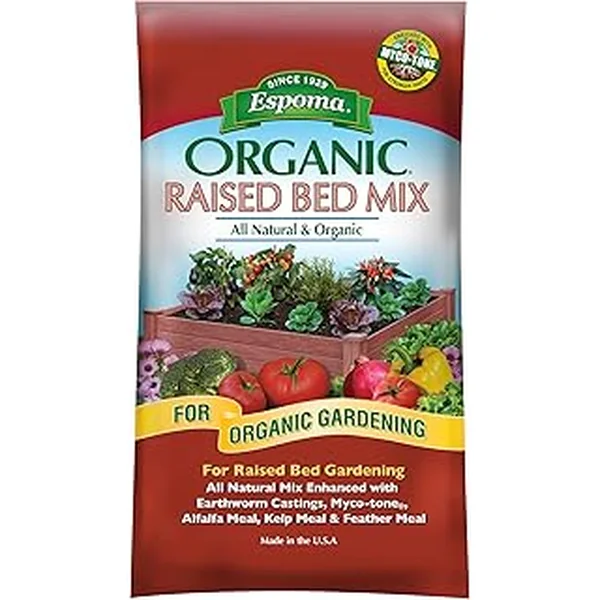
Raised beds: Raised beds are ideal — they drain well, warm up faster in early spring, and make row cover installation easy. Fill with a quality vegetable mix and add compost to the top 10–15 cm (4–6 in).
Soil Mix Requirements
Bok choy is a heavy feeder with shallow roots. It needs:
- Rich, fertile soil — work 5 cm (2 in) of compost into the top 15 cm (6 in) before planting.
- Good moisture retention — soil should stay evenly damp, not wet and not dry.
- Free drainage — waterlogged roots rot quickly. Avoid heavy clay without amendment.
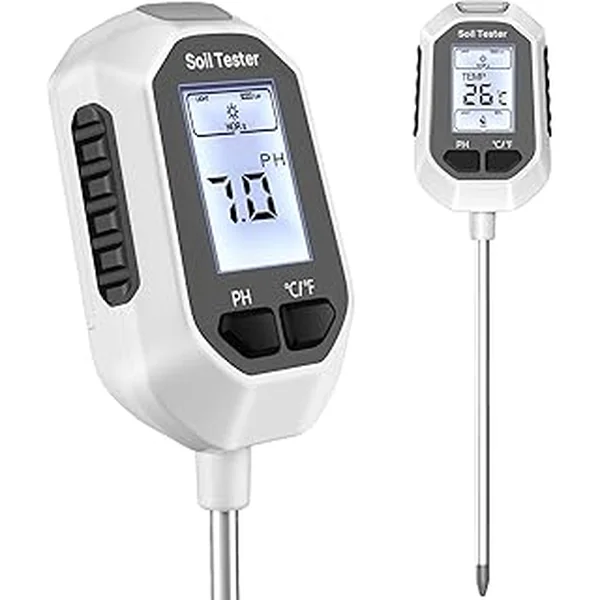
- pH 6.0 to 7.0 — test with an inexpensive soil probe if in doubt. Most vegetable gardens fall in this range naturally.
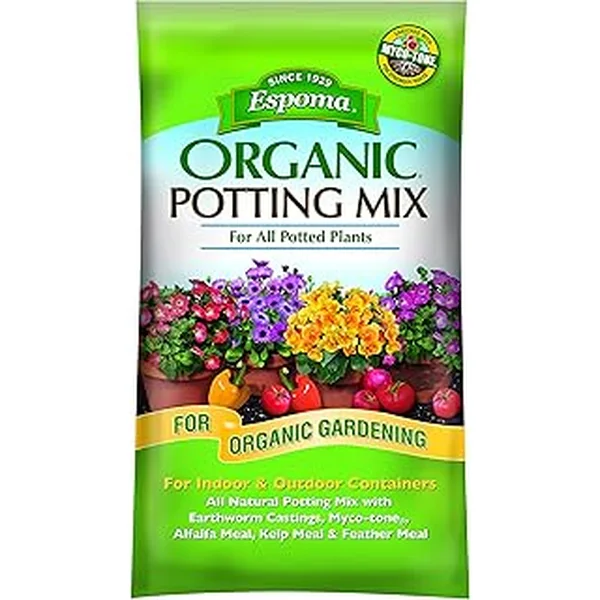
For containers, use a premium vegetable potting mix rather than garden soil, which compacts in pots and drains poorly.
A simple ground bed recipe that works well: equal parts existing garden soil, compost, and perlite or coarse grit. This produces a loose, fertile, well-draining mix bok choy roots thrive in.
Watering: The Consistency Rule
Consistent moisture is the single most controllable factor in preventing premature bolting.
How much: Bok choy needs approximately 2.5 cm (1 in) of water per week. In hot or windy conditions, this can increase to 4 cm (1.5 in).
How to water:
- Water deeply 2 to 3 times per week rather than a light daily sprinkle. Deep watering encourages roots to grow downward and become drought-resilient.
- Never let the top 2 cm (1 in) of soil dry out completely between waterings.
- Water at the base of the plant, not overhead, to reduce the risk of fungal issues on the leaves.
Mulch: Apply 5 cm (2 in) of straw or shredded leaf mulch around plants. Mulch slows evaporation, stabilizes soil temperature, and reduces the frequency of watering needed — all directly reducing bolting risk.
Signs of water stress:
- Outer leaves curling or wilting in the morning (not just afternoon heat wilt).
- Leaf edges turning brown or papery.
- Plant shooting up a central stalk before reaching harvest size.
Thinning Seedlings
After direct sowing, bok choy seedlings need thinning. Crowded plants compete for water and nutrients, produce smaller heads, and are more vulnerable to disease.
Baby varieties: Thin to 15 cm (6 in) apart. Full-size varieties: Thin to 25–30 cm (10–12 in) apart.
Thin when seedlings reach 5 cm (2 in) tall. Use scissors to snip extras at soil level rather than pulling, which disturbs nearby roots. The thinnings are edible — use them in salads or stir-fries.
Pest Control: Flea Beetles and Cabbage Worms
Bok choy’s two most damaging pests are flea beetles and imported cabbage worms. Both are manageable with the right approach.
Flea Beetles
Flea beetles are tiny, shiny black or bronze beetles 1–3 mm long that jump when disturbed. They chew hundreds of small round holes in leaves, making plants look like they were hit with buckshot.
Damage is worst on seedlings. A heavy flea beetle attack on plants under 5 cm (2 in) tall can kill them outright.
Control:
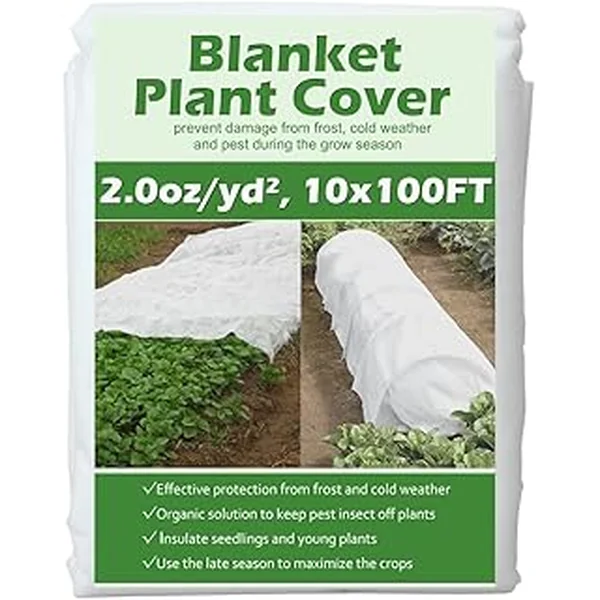
- Row cover — install floating row cover fabric immediately at sowing or transplanting and keep it in place until harvest. This is the most effective and safest method.
- Diatomaceous earth — dust along the soil surface and on lower leaves. Reapply after rain.
- Spinosad spray — an OMRI-listed organic option. Apply in the morning when beetles are active. Effective but degrades quickly in sunlight.
Imported Cabbage Worms
Cabbage worms are the pale green larvae of the white cabbage butterfly. They chew large, ragged holes in leaves and can defoliate a plant quickly.
Control:
- Row cover — prevents the butterfly from laying eggs on leaves.
- Bt (Bacillus thuringiensis) — a naturally occurring soil bacterium sold as a spray. Kills caterpillars without harming beneficial insects. Apply when you spot first-instar (tiny) larvae.
- Hand-pick — inspect the undersides of leaves for clusters of tiny yellow eggs and pale green caterpillars. Drop them into soapy water.
Row cover handles both pests simultaneously. For most home growers it is the only pest management tool needed.
Harvesting and the Regrowth Trick
Baby Bok Choy (30–45 days)
Harvest the whole rosette when it reaches 10–15 cm (4–6 in) tall. Cut with a sharp knife at soil level, leaving 2–3 cm (1 in) of stem and the root in the ground. In cool conditions, the base will resprout within 2 to 3 weeks, giving you a second smaller harvest.
Full-Size Bok Choy (60 days)
Heads are ready when stalks are thick and white, leaves are glossy dark green, and the head feels firm and compact. Cut at the base. Do not wait for the plant to reach maximum size — harvest a few days early if a heat wave is forecast.
Outer-Leaf Harvest (ongoing)
From about 30 days onward, you can harvest outer leaves individually, starting from the outermost and working inward. This extends the productive life of each plant by 1 to 3 extra weeks. The central growing point keeps producing new leaves from the middle.
Regrowth from Base
After cutting the main head, water the remaining stump and keep the soil moist. In cool weather (below 20°C / 68°F), most varieties will resprout. The regrowth won’t match the size of the original head but is excellent for stir-fries and soups. Expect regrowth leaves in 14 to 21 days.
Common Mistakes
| Mistake | What happens | Fix |
|---|---|---|
| Planting in summer | Plant bolts within days of maturing | Stick to spring and fall windows only |
| Inconsistent watering | Drought stress triggers bolting, tip burn on leaves | Check soil daily, mulch, water deeply |
| No row cover | Flea beetles shred seedlings, cabbage worms defoliate older plants | Install row cover at day one |
| Not thinning seedlings | Small, crowded heads, higher disease pressure | Thin to 15–30 cm (6–12 in) depending on variety |
| Waiting too long to harvest | Plant bolts before cut; leaves turn bitter | Harvest baby types at 30–45 days; don’t wait for max size |
| Starting in warm soil | Poor germination above 27°C (80°F) | Sow when soil is below 21°C (70°F) |
| Sandy or clay-heavy soil | Drought stress or waterlogging, both cause bolting | Amend with compost; use raised beds or containers |
Watch: How to Grow Bok Choy Video Guide
The video below gives a visual walkthrough of direct sowing, thinning, and harvesting bok choy that pairs well with the steps above.
FAQ
How long does bok choy take to grow? Baby bok choy varieties are ready to harvest in 30 to 45 days from transplant or direct sowing. Full-size heads take 60 to 75 days. Cooler weather slows growth slightly but produces sweeter, more tender leaves — warmer conditions speed it up but raise bolting risk.
Why is my bok choy bolting? Bolting is triggered by sustained temperatures above 24°C (75°F) or by a cold spell followed by warmth (vernalization). Once it bolts, the leaves turn bitter and the plant stops producing usable foliage. Plant in the correct cool-season window and mulch to stabilize soil temperature.
Can you grow bok choy in a container? Yes. Use a pot at least 20 cm (8 in) deep and 30 cm (12 in) wide per plant. Fill with rich, moisture-retentive potting mix. Containers dry out faster than ground beds, so check daily and water before the top 2 cm (1 in) dries out.
When should I plant bok choy? Sow 4 to 6 weeks before your last spring frost date, or 8 to 10 weeks before your first fall frost. The ideal soil temperature for germination is 10°C to 21°C (50°F to 70°F). Skip peak summer entirely.
How do you harvest bok choy so it grows back? Cut the whole head at soil level, leaving the root and base intact. In cool weather, many varieties resprout within 2 to 3 weeks. Alternatively, harvest outer leaves one at a time from 30 days onward to keep the plant producing longer.
What soil does bok choy need? Rich, fertile, moist, well-drained soil with a pH of 6.0 to 7.0. Work in 5 cm (2 in) of compost before planting. Avoid compacted or sandy soil — both cause uneven moisture that stresses the plant and accelerates bolting.
How do I protect bok choy from flea beetles? Cover plants with floating row cover fabric immediately after sowing or transplanting and leave it in place until harvest. Row cover is the most reliable physical barrier against both flea beetles and cabbage worms without chemicals.
How much water does bok choy need? Bok choy needs 2.5 cm (1 in) of water per week through consistent, deep waterings. The top 2 cm (1 in) of soil should never fully dry out. Uneven moisture is a leading cause of premature bolting and tip burn on outer leaves.
Quick-Reference: Bok Choy at a Glance
| Factor | Requirement |
|---|---|
| Ideal temperature | 10°C–21°C (50°F–70°F) |
| Bolting threshold | Above 24°C (75°F) sustained |
| Sowing depth | 0.5–1 cm (¼–½ in) |
| Plant spacing (baby) | 15 cm (6 in) |
| Plant spacing (full-size) | 25–30 cm (10–12 in) |
| Germination time | 4–8 days |
| Baby harvest | 30–45 days |
| Full-size harvest | 60–75 days |
| Water per week | 2.5 cm (1 in) |
| Soil pH | 6.0–7.0 |
| Key pests | Flea beetles, cabbage worms |
| Best pest control | Floating row cover |
Grow Smarter with Tazart
Tracking a cool-season crop like bok choy gets easier with watering reminders and planting date alerts. The Tazart plant care app lets you log your sow date, set custom watering schedules, and get notified when your variety’s harvest window opens — so you never leave bok choy in the ground long enough to bolt.
If you are growing other fast vegetables alongside bok choy, the guides on how to grow spinach and how to grow lettuce in containers cover the same cool-season principles with variety-specific timing details.
Sources and further reading:
- Penn State Extension — Bok Choy (Chinese Cabbage) Production
- University of Minnesota Extension — Asian Vegetables: Bok Choy and Pac Choi
- Missouri Botanical Garden — Brassica rapa (pak choi group)
- Cornell Cooperative Extension — Cole Crops and Chinese Cabbage: Insect and Disease Management
Highly recommended
The supplies that make this guide work
Tazart is an Amazon Associate — we earn from qualifying purchases at no extra cost to you. Thank you for helping us keep these guides free.
Frequently asked questions
How long does bok choy take to grow?
Baby bok choy varieties are ready to harvest in 30 to 45 days from transplant or direct sowing. Full-size heads take 60 to 75 days. Cooler weather slows growth slightly but produces sweeter, more tender leaves — warmer conditions speed it up but raise bolting risk.
Why is my bok choy bolting?
Bolting — when bok choy sends up a tall flower stalk — is triggered by sustained temperatures above 24°C (75°F) or by a cold spell followed by warmth (vernalization). Once it bolts, the leaves turn bitter and the plant stops growing usable foliage. Plant in the correct cool-season window and mulch to stabilize soil temperature.
Can you grow bok choy in a container?
Yes. Use a pot at least 20 cm (8 in) deep and 30 cm (12 in) wide per plant, or a wide trough for multiple plants at 15 cm (6 in) spacing. Fill with rich, moisture-retentive potting mix. Containers dry out faster than ground beds, so check daily and water before the top 2 cm (1 in) dries out.
When should I plant bok choy?
Sow 4 to 6 weeks before your last spring frost date, or 8 to 10 weeks before your first fall frost. The ideal soil temperature for germination is 10°C to 21°C (50°F to 70°F). Skip the peak summer window entirely — heat above 27°C (80°F) almost guarantees rapid bolting.
How do you harvest bok choy so it grows back?
Cut the whole head at soil level, leaving the root and base intact. In cool weather, many varieties will resprout from the base and give you a second — smaller — flush of leaves within 2 to 3 weeks. Alternatively, harvest outer leaves one at a time starting from 30 days to keep the plant producing longer.
What soil does bok choy need?
Bok choy needs rich, fertile, moist, well-drained soil with a pH of 6.0 to 7.0. Work in 5 cm (2 in) of compost before planting. Avoid compacted or sandy soil — both cause uneven moisture that stresses the plant and accelerates bolting.
How do I protect bok choy from flea beetles?
Cover plants with a floating row cover fabric immediately after sowing or transplanting and leave it in place until harvest. Row cover is the most reliable physical barrier. If beetles are already present, spinosad-based organic sprays applied in the morning are effective. Flea beetle pressure is highest in spring when adult beetles are actively feeding.
How much water does bok choy need?
Bok choy needs 2.5 cm (1 in) of water per week through consistent, deep waterings rather than light daily sprinkles. The top 2 cm (1 in) of soil should never fully dry out. Uneven moisture — dry then flooded — is a leading cause of premature bolting and tip burn on outer leaves.