Edible
How to Grow Lettuce in Containers (Salad on the Patio)
Grow crisp, bolt-free lettuce in pots all season. Container size, soil, watering, light, and the cut-and-come-again trick that gives you fresh salad for months.
On this page
- Quick answer
- Why lettuce thrives in containers
- What you’ll need
- Step-by-step: planting lettuce in a container
- Care after planting
- Cut-and-come-again: the harvest trick that doubles your salad
- Beat the bolt: growing lettuce in summer heat
- Common mistakes to avoid
- Troubleshooting
- Watch: growing lettuce in containers
- Related reading
- A note on conditions
Watch the visual walkthrough
How to Grow Lettuce in Containers| For Beginners| | Easy simple way|
A short visual walkthrough that pairs with the steps above.
Lettuce is the easiest salad crop you can grow in containers. It has shallow roots, doesn’t need pollinators, ripens fast, and one wide pot can feed two people for weeks if you harvest the right way.
The secret isn’t a green thumb — it’s matching lettuce’s preferences: cool weather, morning sun, shallow but wide pots, and consistent moisture. Get those four things right and you’ll cut fresh salad straight from your patio for months.
Quick answer
Use a wide shallow container at least 20 cm (8 in) deep and 40 cm (16 in) wide. Fill with a light vegetable potting mix, sow seeds 1 cm (0.5 in) deep or set transplants 20 cm (8 in) apart, give 4-6 hours of morning sun, and keep the soil evenly moist. Harvest outer leaves with scissors after 30 days for cut-and-come-again salad lasting 6-8 weeks.
Why lettuce thrives in containers
Lettuce evolved as a cool-season annual with a small, shallow root system — about 15 cm (6 in) deep. That’s perfect for pots: the roots aren’t trying to dive a metre (3 ft) down looking for water like tomatoes do.
A container also gives you three advantages a garden bed can’t:
- You can move it. When a heatwave hits, slide the pot into afternoon shade. When spring frost threatens, pull it under the eaves.
- You skip slug damage. Slugs and snails decimate ground-grown lettuce. They struggle to climb a clean container.
- You control the soil. Lettuce demands light, well-drained, fertile soil. A bag of vegetable potting mix gives you exactly that — no amending needed.
What you’ll need
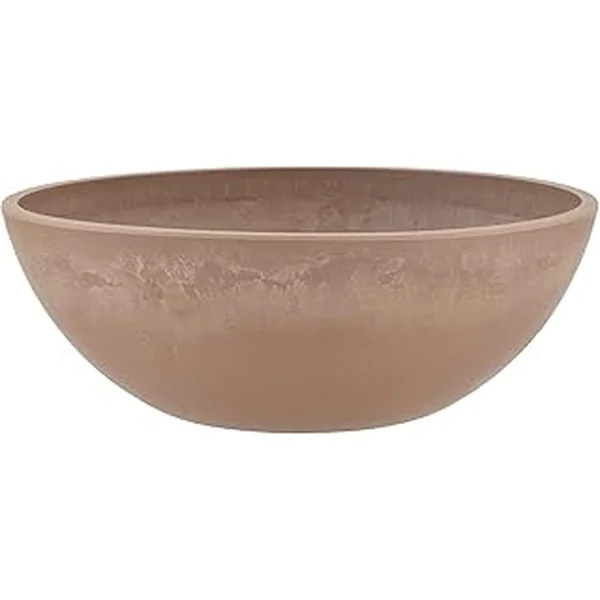
- One wide shallow container, at least 20 cm (8 in) deep and 40 cm (16 in) wide, with drainage holes
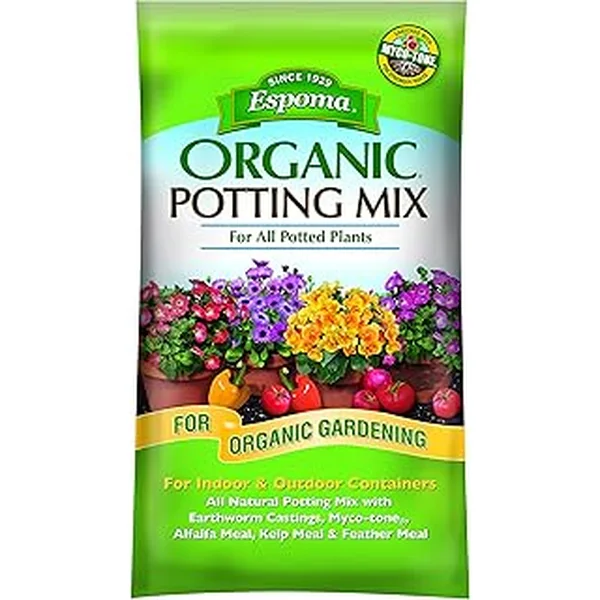
- A bag of light vegetable potting mix (not garden soil — too heavy, compacts in pots)
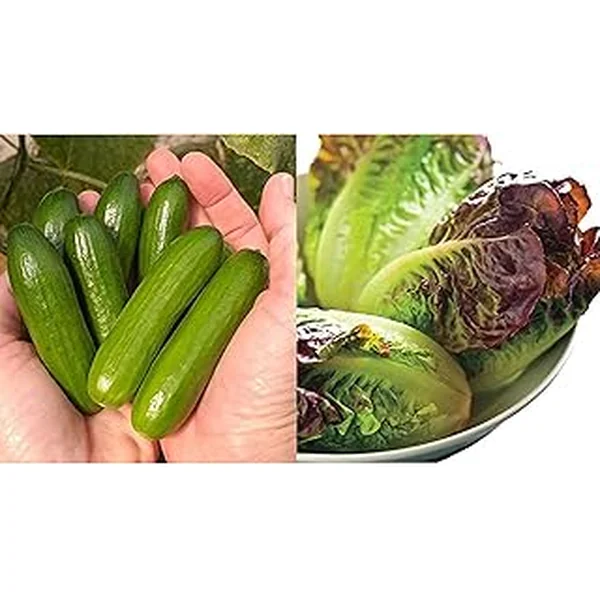
- One packet of lettuce seeds, ideally a mixed variety pack (green, red, oakleaf, butterhead)
- A spray bottle or fine-rose watering can
- A spot with 4-6 hours of morning sun and afternoon shade
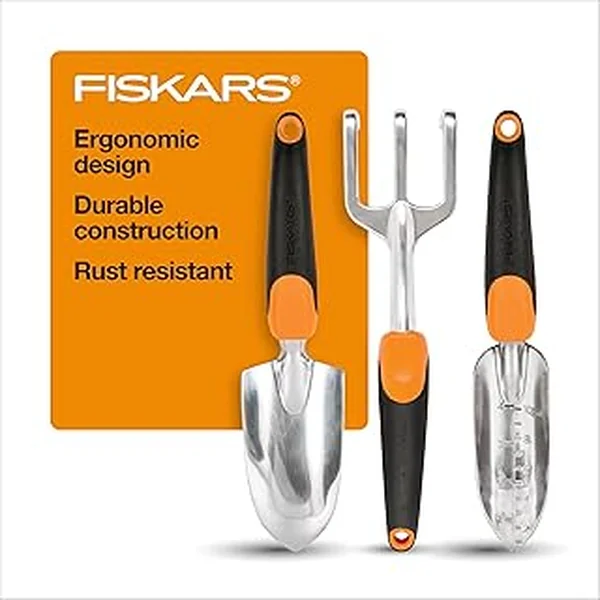
- A small trowel for thinning and transplanting
That’s it. No grow lights, no fertilizer for the first month, no pollinators, no staking.
Step-by-step: planting lettuce in a container
1. Pick the right container
Wider beats deeper. A rectangular 40-60 cm (16-24 in) long trough with a depth of 20 cm (8 in) holds 6-10 lettuce plants and stays cooler than a deep narrow pot. Cool soil = slower bolting.
If your only container is a deep round pot, that works too — just plant fewer lettuces around the rim and use the centre for a taller herb like basil or parsley.
Drainage holes are non-negotiable. A pot without drainage drowns lettuce in days.
2. Fill with light potting mix
Pour vegetable potting mix in until it sits 2-3 cm (1 in) below the rim. Tap the container gently on the ground to settle the soil — don’t pack it down. Lettuce roots need air pockets to breathe.
Skip garden soil and skip “topsoil” from the bag. Both compact in containers and choke shallow roots.
3. Sow seeds or set transplants
Two ways to start:
From seed (cheaper, more variety): scatter seeds thinly across the surface, then cover with 5 mm (¼ in) of soil. Water gently. Seeds germinate in 5-10 days at 15-20°C (60-68°F).
From nursery starts (faster, less work): dig a small hole, settle each transplant so the soil line matches the original, and space them 15-20 cm (6-8 in) apart for full heads, or 5-10 cm (2-4 in) apart for baby-leaf cut-and-come-again harvest.
4. Water gently
Use a fine spray or rose so you don’t wash seeds out of place. Water until you see drips at the drainage holes. After germination, let the surface dry slightly between waterings — but don’t let it bone-dry.
5. Thin the seedlings
Once the seedlings have two true leaves (about 10-14 days), thin them so each one has 5-8 cm (2-3 in) of space if you want baby leaves, or 15-20 cm (6-8 in) if you want full heads. Don’t pull thinnings — snip them at soil level with scissors. The thinnings are edible, by the way: that’s free microgreens for tonight’s dinner.
6. Place in morning sun
Set the pot somewhere it gets 4-6 hours of direct light, ideally in the morning, with afternoon shade:
- East-facing balcony, patio, or windowsill — ideal
- South-facing with a tree or umbrella casting afternoon shade — works
- Full direct afternoon sun in summer — bolts and bitters within a week
If you only have full sun, plan to grow lettuce in spring and fall and skip the hot summer months.
Care after planting
Lettuce is low-maintenance in containers. Three jobs:
| Task | When |
|---|---|
| Water | When the top 2 cm (0.75 in) of soil feels dry — often daily in summer, every 2-3 days in spring |
| Fertilize | After 3 weeks, a half-strength balanced liquid fertilizer every 14 days |
| Succession sow | Sow a new pinch of seeds every 2-3 weeks for non-stop salad |
A free plant care app like Tazart can hold the watering schedule for you, adjust it for your local weather, and remind you to sow the next batch — handy when you’re juggling lettuce, cilantro, and dill on the same balcony.
Cut-and-come-again: the harvest trick that doubles your salad
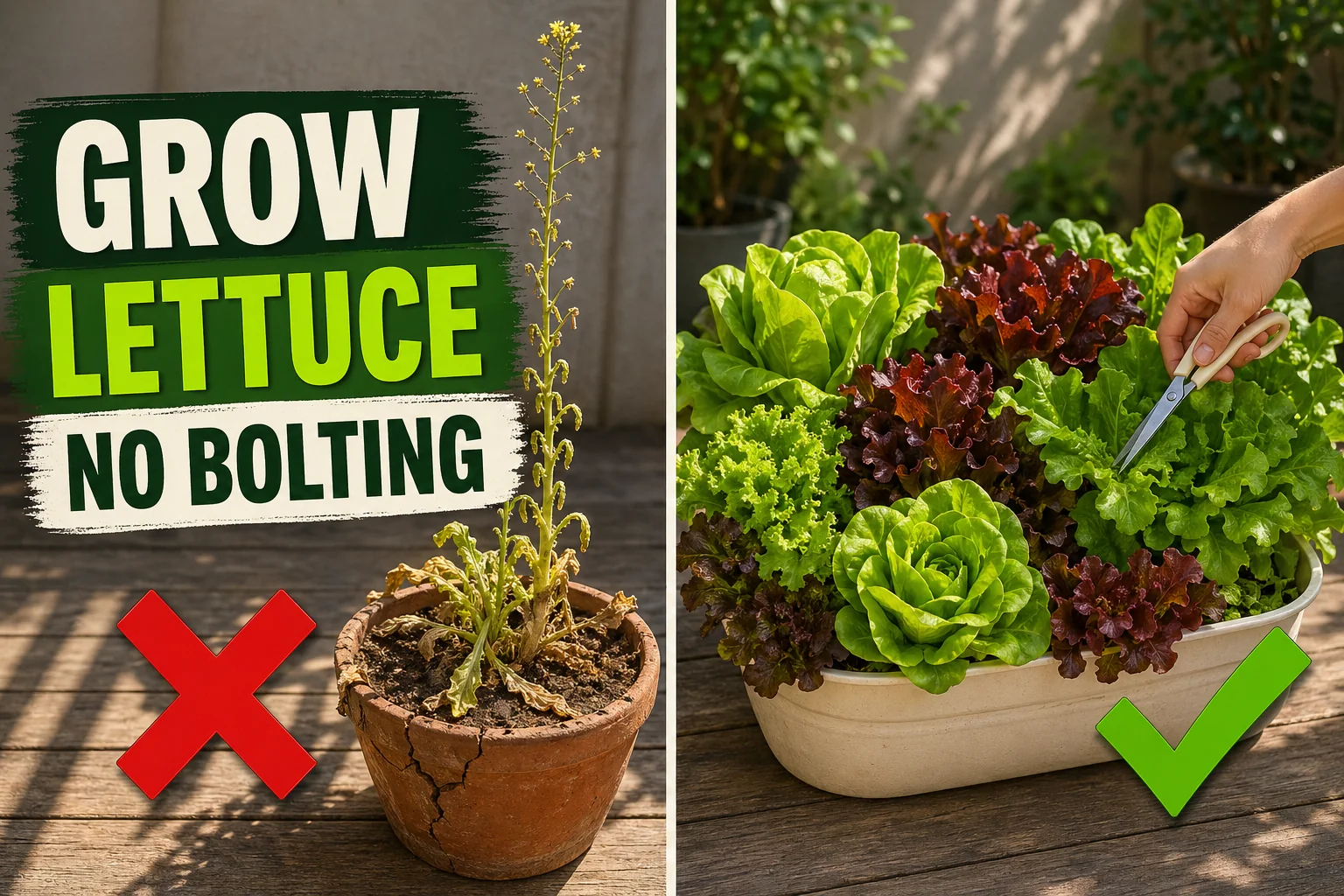
Don’t pull the whole plant when you harvest. Instead, snip the outer leaves with clean scissors, leaving the central growing point and inner leaves untouched. The plant pushes new leaves from the centre and you can re-harvest every 7-10 days for 6-8 weeks before it tires out.
This works for looseleaf, oakleaf, and most butterhead varieties. Crisphead/iceberg types form one solid head and are harvested whole.
Tip: harvest in the morning when leaves are crisp and full of water. By afternoon the leaves go limp and bitter compounds rise.
Beat the bolt: growing lettuce in summer heat
Bolting is the #1 reason container lettuce fails. Once the plant senses heat or long days it sends up a tall flower stalk, the leaves turn bitter, and it’s done.
Five ways to delay or avoid bolting:
- Choose slow-bolt varieties. Look for “Jericho”, “Slobolt”, “Nevada”, “Anuenue”, or any seed packet labelled heat-tolerant or summer crisp.
- Provide afternoon shade. Use a sheer cloth, umbrella, or a taller plant to shade the pot from 1 pm onward.
- Keep the soil consistently moist. Drying out then drowning is what triggers stress bolting.
- Mulch the container. A 2 cm (¾ in) layer of straw, fine bark, or coir on top of the soil keeps roots cool.
- Stop trying in July-August. Pause lettuce in peak summer, switch to heat-loving herbs like basil, and resume lettuce in September when nights cool down.
Common mistakes to avoid
- Deep narrow pots. Lettuce roots are shallow. Wide and shallow holds more plants and stays cooler than a tall pot.
- Letting it dry out. Container soil dries faster than ground soil. Lettuce wilts in hours and turns bitter overnight.
- Full afternoon sun. Morning sun is fine. Afternoon sun above 24°C (75°F) cooks lettuce and forces bolting.
- Pulling whole plants too early. Snip outer leaves only — you’ll harvest 3-5 times more from the same pot.
- Sowing one batch and stopping. Lettuce matures fast, then bolts. Sow a fresh pinch every 2-3 weeks for continuous salad.
Troubleshooting
| Symptom | Likely cause | Fix |
|---|---|---|
| Tall flower stalk shoots up | Bolting from heat or long days | Cut the plant; sow a slow-bolt variety; move to afternoon shade |
| Leaves taste bitter | Heat stress, drought, or over-mature plant | Harvest in morning; water consistently; pick young leaves under 15 cm (6 in) |
| Leaves are pale yellow-green | Nitrogen low or roots too crowded | Feed with half-strength liquid fertilizer; thin to 15-20 cm (6-8 in) spacing |
| Wilts every afternoon | Pot too small or drying out too fast | Move to larger/wider container; mulch surface; check water daily |
| Small holes in leaves overnight | Slugs, snails, or caterpillars | Hand-pick at dusk; copper tape on pot rim; remove debris around pot |
| Seedlings keel over at soil line | Damping-off fungus from too-wet soil | Improve drainage; let surface dry between waterings; re-sow in fresh mix |
| White powdery dust on leaves | Powdery mildew from poor airflow | Thin plants; water at soil level not on leaves; remove worst-affected leaves |
Watch: growing lettuce in containers
A short visual walkthrough pairs well with the steps above. If you’re a visual learner, search YouTube for “how to grow lettuce in containers cut and come again” and follow along — then come back for the timing in this guide.
Related reading
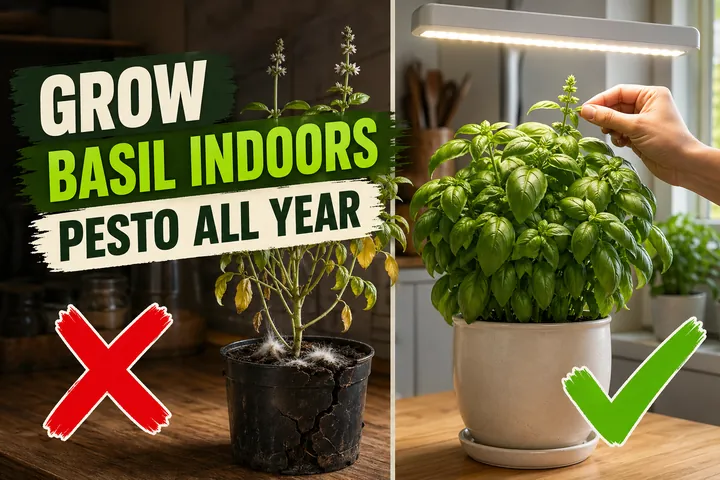
- How to grow basil indoors — pair lettuce with basil for a complete container salad bar.
- How to grow scallions on the windowsill — endless green onions from grocery-store scraps in a glass of water.
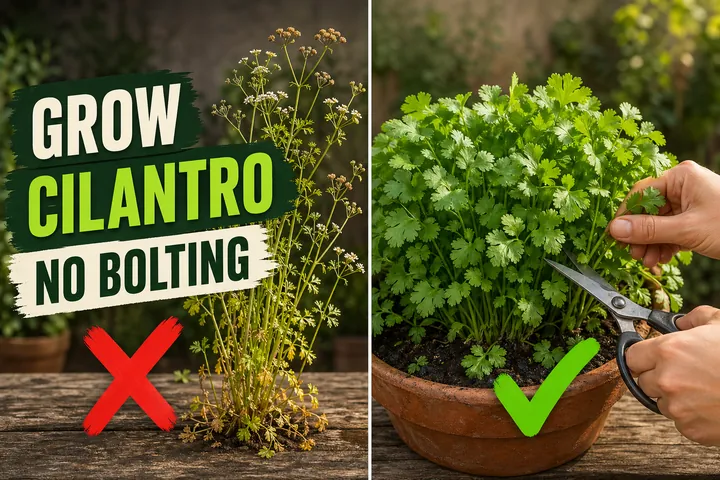
- Cilantro plant care — another cool-season herb that bolts in heat, same shade tricks apply.
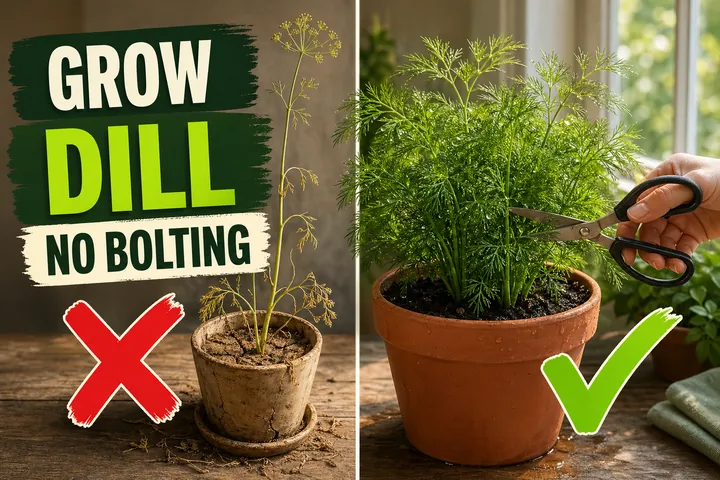
- Dill plant care — tall feathery herb that grows happily in a deeper pot beside your lettuce trough.
- How to plant lettuce — full direct-sow, transplant, and succession-planting guide for in-ground and raised-bed gardens.
- Track watering, succession sowings, and harvest dates with the free Tazart plant care app — it adjusts the schedule to your local weather automatically.
A note on conditions
Every patio is different. Sun angle, container size, wind exposure, soil mix, season, and your local heat all change how fast lettuce grows and how often it needs water. Use the steps above as a starting point and watch what your plants actually do in week two — that’s how every good gardener learns. Cool spring and fall weather are easy mode for lettuce; high summer is the test, and afternoon shade is almost always the answer.
Highly recommended
The supplies that make this guide work
Tazart is an Amazon Associate — we earn from qualifying purchases at no extra cost to you. Thank you for helping us keep these guides free.
Frequently asked questions
How deep does a container need to be for lettuce?
Lettuce roots stay shallow, so 15-20 cm (6-8 in) of soil depth is enough. Width matters far more than depth — a wide shallow tray fits more plants and stays cooler than a deep narrow pot, which is exactly what cool-season lettuce wants.
How often should I water container lettuce?
Check daily. In containers, water when the top 2 cm (0.75 in) of soil feels dry to the touch. In hot or windy weather that can mean watering once a day; in cool spring weather every 2-3 days. Lettuce wilts fast in pots and turns bitter if it dries out.
Why is my lettuce bolting?
Bolting (sending up a tall flower stalk) is triggered by heat and long day length. Once daytime temperatures stay above 24°C (75°F) for several days, most lettuces bolt. The fix: grow in spring and fall, give afternoon shade, water consistently, and choose slow-bolt varieties for summer.
How much sun does container lettuce need?
About 4-6 hours per day, ideally morning sun and afternoon shade. Full afternoon sun in summer cooks the leaves and triggers bolting. A bright east-facing balcony or under-tree dappled-light spot is perfect.
How long does lettuce take to grow in a pot?
Baby leaves are ready 28-35 days from seed. Full heads of looseleaf or butterhead take 50-65 days. Using cut-and-come-again harvesting, one container can give you fresh salad for 6-8 weeks before you need to resow.
Can you grow lettuce on a balcony?
Yes — lettuce is one of the best balcony crops. It tolerates partial sun, doesn't need pollinators, and a single 40 cm (16 in) wide planter feeds two people for weeks. Just protect it from strong wind and harsh afternoon sun.