Flowers
How to Plant Dahlia Tubers (Big Blooms All Summer)
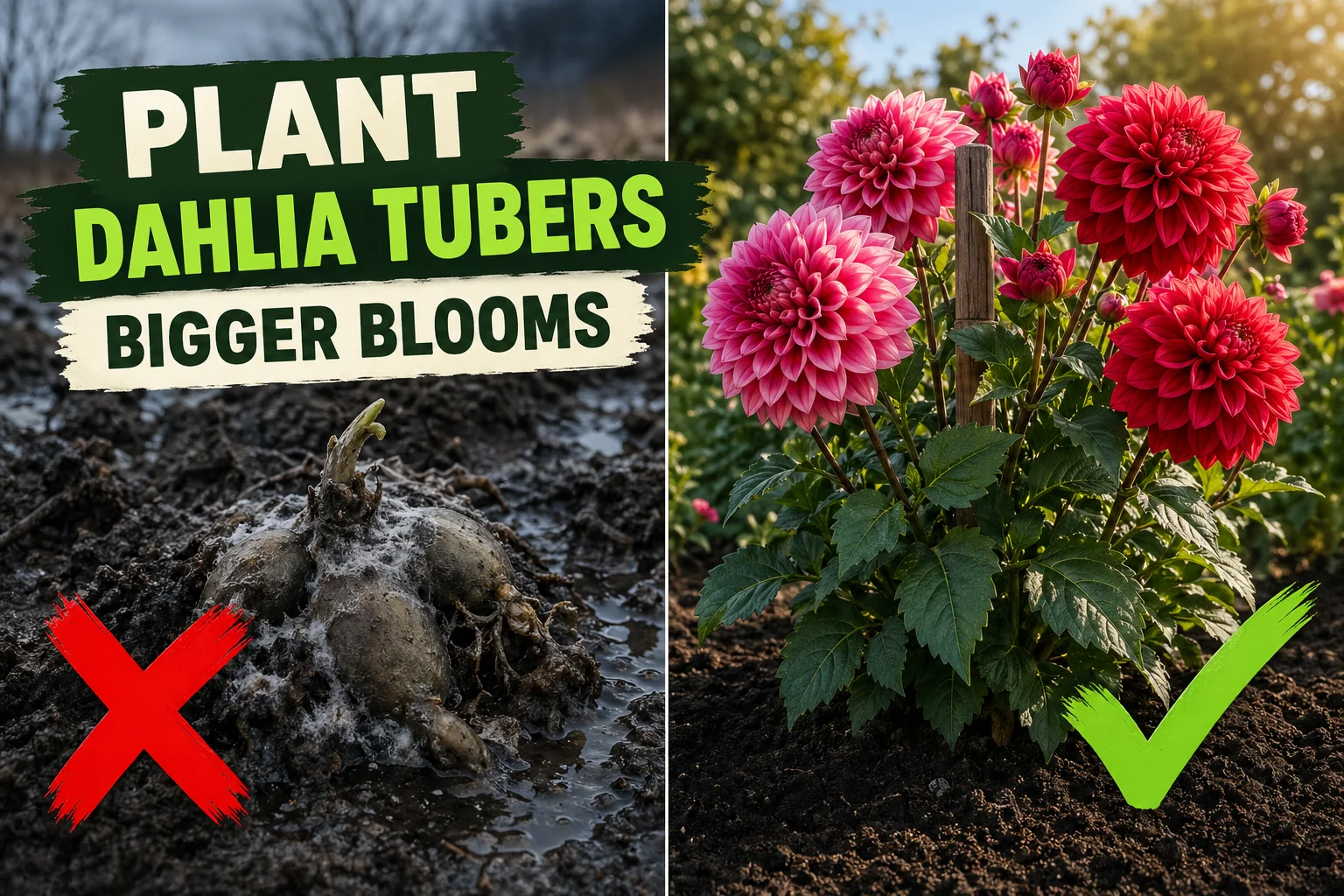
Plant dahlia tubers 10–15 cm (4–6 in) deep, eye facing up, after the last frost — the depth, spacing, and timing that turn a brown clump into dinnerplate blooms.
On this page
- Quick answer
- Why warmth, depth, and dry soil matter
- What you’ll need
- Step-by-step: planting dahlia tubers
- Care after planting
- Pinching and disbudding for bigger blooms
- Dahlias in containers
- Lifting and storing tubers in fall
- Common mistakes to avoid
- Troubleshooting
- Watch: planting dahlia tubers
- Related reading
- A note on conditions
Watch the visual walkthrough
Get started with dahlias 🌿 A guide to the basics
Don't be afraid of dahlias: They aren't the divas you might think they are. I'm sharing all the basics you need to know to start ...
If you’ve ever planted dahlia tubers and ended up with a brown rotted clump or a flopping plant with three sad flowers, the cause is almost always one of three things: cold wet soil, watering too soon, or planting upside-down. Dahlias are forgiving about colour and variety, but they are strict about depth, warmth, and patience.
This guide walks through it the way a dahlia tuber actually wants — eye facing up, 10–15 cm (4–6 in) deep, in warm soil above 16°C (60°F), with the stake set at planting time. Get those four things right and you’ll see leaves in 2–6 weeks and dinnerplate blooms by midsummer.
Quick answer
Plant dahlia tubers 10–15 cm (4–6 in) deep with the eye facing up, after the last frost and once the soil reaches 16°C (60°F). Space dinnerplate varieties 60 cm (24 in) apart and border varieties 30–45 cm (12–18 in) apart. Set stakes for tall varieties at planting, do NOT water until the first green shoot pushes through, then water deeply once a week. Pinch at 30 cm (12 in) tall for branching and bigger blooms.
Why warmth, depth, and dry soil matter
A dahlia tuber is a starchy underground food store with a single growth point — the “eye” — at its crown. Your job is to give it warm, drained, undisturbed soil for the 2–6 weeks it takes to push out roots and the first shoot. Three things ruin that head start:
- Cold soil (below 13°C / 55°F): the tuber sits dormant, then rots before it can sprout.
- Wet soil before sprouting: dahlia tubers absorb water through any cut or scar and rot from the inside.
- Upside-down planting: the shoot burns energy fighting gravity to reach the surface and often dies mid-soil.
Dahlias evolved in the highlands of Mexico and Central America, so they expect warm days, cool nights, and rich, well-drained soil — never bog conditions.
What you’ll need
- Firm, fleshy dahlia tubers with at least one visible eye (skip soft, mouldy, or hollow ones)
- A sunny spot — at least 6–8 hours of direct sun
- Rich, well-drained soil at pH 6.5–7.0, amended with compost
- A garden trowel or spade
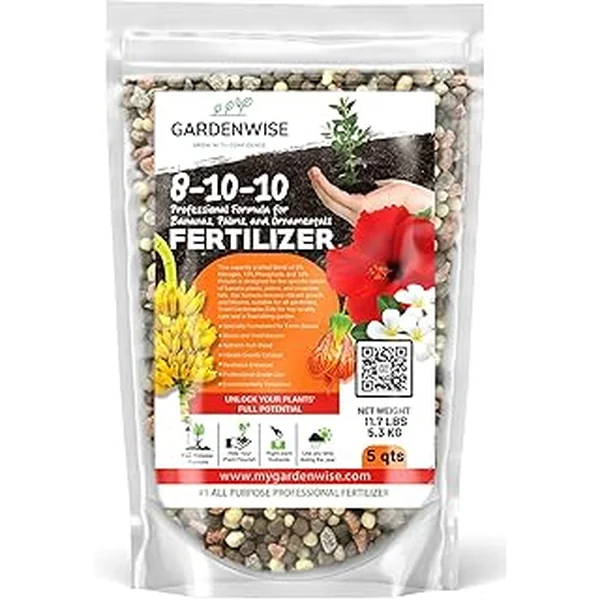
- Slow-release phosphorus-rich flower fertilizer or bone meal
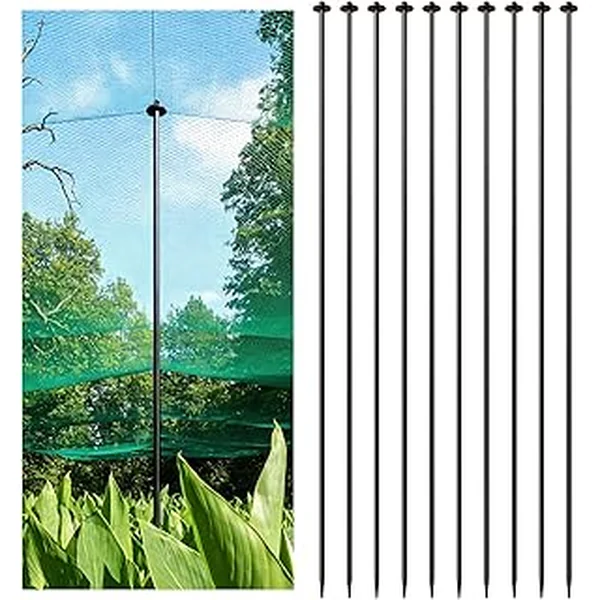
- 1.5 m (5 ft) stakes for tall and dinnerplate varieties
- 5–8 cm (2–3 in) of organic mulch
- A soil thermometer (optional but useful)
- Patience — and a plant label
Step-by-step: planting dahlia tubers
1. Choose firm, healthy tubers with a visible eye
Pick tubers that feel firm and heavy for their size, with at least one plump eye visible at the crown. Each tuber is essentially a finger-shaped food store attached at the top to a piece of last year’s stem — the eye sits where the tuber meets that stem.
Reject tubers that are:
- Soft, squishy, or shrivelled
- Showing fuzzy white, blue, or pink mould
- Rotted or hollow at the crown
- Missing an eye entirely (a tuber without an eye will never sprout, no matter how big it looks)
- Already showing weak yellow shoots longer than 5 cm (2 in) — those have stretched in poor storage
A tuber with two or three eyes will throw multiple stems and bloom heavier in year one than a single-eye tuber.
2. Time it to your soil temperature, not the calendar
Dahlias are tropical and care more about soil warmth than the date:
- Cold zones (USDA 3–5): late May through mid-June, after last frost and once nights stay above 10°C (50°F)
- Cool zones (USDA 6–7): mid-May through early June
- Mild zones (USDA 8): late March through April
- Warm zones (USDA 9–10): February through April; in zone 10 you can leave tubers in the ground year-round
Soil should be reliably 16°C (60°F) or warmer at 10 cm (4 in) deep. A cheap soil thermometer takes the guesswork out — and air temperature can be deceiving in early spring when ground soil is still cold.
To get a 4–6 week head start in cool zones, pot tubers indoors in 3 L (¾ gal) containers about 4–6 weeks before your last frost date. Keep the potting mix barely moist — never wet — at room temperature. Transplant outside once nights stay above 10°C (50°F).
3. Pick a sunny, well-drained, slightly acidic spot
Choose a site with 6–8 hours of direct sun and rich, well-drained soil at pH 6.5–7.0. Loosen the soil to 30 cm (12 in) deep and mix in 5–8 cm (2–3 in) of compost.
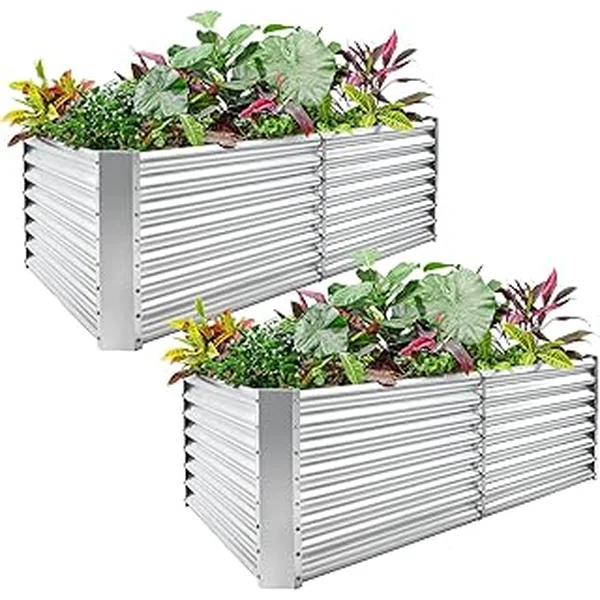
Heavy clay needs grit, sand, or compost so the tuber doesn’t sit in standing water. Pure sand needs extra compost so the bed holds enough moisture once the plant takes off. A raised bed solves both problems and warms up earlier in spring than ground beds.
Avoid low spots where rainwater pools — dahlias rot in waterlogged soil faster than almost any other summer flower.
4. Identify the eye (which way is up)
This is the single biggest mistake first-time dahlia planters make:
- Look at the crown — the rounded top of the tuber where it joins last year’s stem. The eye sits there, often as a small pinkish or white pimple.
- The eye faces up. The narrow, pointed end of the tuber faces sideways or down.
- If you see no eye at all, set the tuber in a warm spot for a week and check again — eyes often “wake up” once the tuber feels spring warmth.
- If a clump has multiple tubers, divide so each piece carries at least one eye plus a chunk of crown. Tubers without crown tissue will not sprout.
5. Dig a hole 10–15 cm deep and feed it
Dig a hole 10–15 cm (4–6 in) deep and 30 cm (12 in) wide. Sprinkle a small handful of slow-release phosphorus-rich flower fertilizer or bone meal into the bottom of the hole and stir lightly into the soil.
In sandy soil, go to the deeper end (15 cm / 6 in) so the tuber doesn’t dry out. In heavy clay or cold zones, stay shallower (10 cm / 4 in) so the tuber warms up faster and drains better.
If you’re unsure exactly how deep to set your specific variety, the dahlia tuber planting depth guide goes through soil type, tuber size, and zone adjustments in detail.
6. Set the stake before the tuber
If you’re planting a tall variety (90 cm / 36 in or taller) or any dinnerplate dahlia, drive a 1.5 m (5 ft) stake into the soil now, off to one side of the hole. Pushing a stake in later — once the plant is growing — skewers the tuber and damages roots almost every time.
Use one stake per tuber for tall varieties. Border and patio dahlias (under 90 cm / 36 in) usually self-support and don’t need staking.
7. Place the tuber eye-up and backfill — then DO NOT water
Lay the tuber horizontally with the eye facing up. Cover with the soil you removed, firm gently with your palm, and walk away.
Do NOT water at planting. This is the rule that separates dahlia growers who get blooms from those who get rot. Dahlia tubers absorb water through cuts and scars, and wet cold soil before sprouting is the fastest way to rot them. The tuber has enough food and moisture to push out roots and a first shoot on its own.
Wait until you see the first green shoot clear the soil — anywhere from 2–6 weeks depending on warmth — before watering at all.
8. Mulch, label, and watch for shoots
Top with a 5–8 cm (2–3 in) layer of organic mulch (shredded bark or leaf mould). Mulch suppresses weeds, locks in summer moisture once the plant is up, and insulates the tuber from cold snaps.
Push in a clear plant label. Dahlias don’t show above ground for 2–6 weeks and the bed looks empty — a label keeps you from accidentally digging the tuber up while planting summer annuals nearby.
Care after planting
Once the first shoot clears the soil, dahlias kick into a heavy growth phase:
| Task | When |
|---|---|
| Water | Deep watering once a week so the top 15 cm (6 in) stays evenly moist; twice a week in heatwaves above 30°C (86°F) |
| Pinch | When the plant reaches 30 cm (12 in) tall, snap out the central growing tip above the 4th leaf pair to force branching |
| Fertilize | Low-nitrogen, high-phosphorus and potassium feed every 2–3 weeks from bud set through first bloom |
| Disbud | Around each main flower bud, snap off the two side buds for show-sized dinnerplate blooms |
| Stake / tie-in | Loosely tie main stems to the stake every 30 cm (12 in) of growth with soft twine |
| Deadhead | Snap off spent blooms at the next leaf node to push side branches and repeat flowering |
A free plant care app like Tazart tracks tuber planting dates, your local soil temperatures, pinch and disbud reminders, and fertilizer intervals — useful if you’re growing more than one bed.
Pinching and disbudding for bigger blooms
Two simple cuts make the difference between a thin dahlia plant with a handful of small blooms and a bushy plant covered in show-sized flowers.
For a full year-round care schedule — feeding, lifting, and storing tubers through dormancy — the complete dahlia plant care guide covers everything beyond the initial planting stage.
Once you’ve nailed depth, the next key decision is how far apart to set your tubers — the dahlia spacing guide covers variety-by-variety recommendations and how spacing affects stem length for cutting.
Pinching is done once, when the plant reaches 30 cm (12 in) tall. Snap out the central growing tip above the fourth pair of true leaves. The plant responds by sending up multiple side stems instead of one main stem — doubling or tripling your eventual flower count.
Disbudding is done as flower buds form. Each terminal bud on a stem is flanked by two smaller side buds. Snap the side buds off while they’re still small. The plant pours all of its energy into the remaining terminal bud — that’s how you get a 25 cm (10 in) dinnerplate bloom instead of three 10 cm (4 in) blooms.
Skip disbudding if you want a generous spray of small blooms for cutting; it’s a show-grower trick, not a requirement.
Dahlias in containers
Pots work well outside warm zones, especially for patio gardens:
- Use a container at least 35–45 cm (14–18 in) wide and 30 cm (12 in) deep with drainage holes
- One tuber per 35 cm (14 in) pot
- Use rich peat-free potting mix amended with 20% compost
- Plant tuber 10 cm (4 in) below the soil surface, eye facing up
- Place in 6+ hours of full sun
- Water only after the first shoot emerges, then keep evenly moist
- Feed every 2–3 weeks with a phosphorus-rich bloom-booster — pots leach nutrients fast
In autumn, move the pot into an unheated garage or shed, water sparingly through winter, and bring back outside after last frost.
Lifting and storing tubers in fall
In USDA zones 7 and colder, the ground freezes deep enough in winter to kill dahlia tubers left in place. Lift them after the first frost blackens the foliage:
- Cut the stems back to 10 cm (4 in) above the soil
- Dig 30 cm (12 in) out from the stem on all sides with a fork to avoid spearing the tuber clump
- Lift the clump, brush off loose soil, and let it air-dry upside-down for a day in a sheltered spot
- Trim off any soft, broken, or mouldy tubers — they’ll rot the rest in storage if you skip this
- Store in dry peat moss, vermiculite, or sawdust in a cardboard box, paper bag, or open crate
- Keep at 4–10°C (40–50°F) — never freezing — in a basement, garage, or root cellar
- Check monthly through winter; remove any tubers that go soft
In USDA zones 8 and warmer, leave tubers in the ground but cover the bed with 15 cm (6 in) of bark or straw mulch for winter insulation and remove the mulch in early spring.
Common mistakes to avoid
- Watering at planting. This is the #1 dahlia killer. Dry tubers sprout; wet tubers rot. Wait for the first green shoot.
- Planting in cold soil. Below 13°C (55°F), tubers rot before they can root. Wait for warmth even if it pushes you into June.
- Planting upside-down. The eye faces up. If you can’t find the eye, plant the tuber on its side.
- Adding stakes after the plant grows. This skewers the tuber. Set stakes at planting time for any variety over 90 cm (36 in).
- Skipping the pinch. A pinch at 30 cm (12 in) tall doubles flower count for the season — it’s the highest-leverage 30 seconds in the dahlia year.
- Planting too deep. More than 18 cm (7 in) deep slows emergence and weakens early stems.
- Leaving tubers in cold-zone ground over winter. In USDA zones 7 and colder, frost rot kills tubers left in place. Lift after first frost.
Troubleshooting
| Symptom | Likely cause | Fix |
|---|---|---|
| Tuber never sprouted | Cold wet soil, upside-down planting, watered too soon, or tuber missing an eye | Wait for soil ≥ 16°C (60°F); replant eye-up; do not water before sprouting; check eye before planting |
| Lots of leaves, few or no flowers | Too much shade or too much nitrogen | Move to a 6–8 hour sun spot; switch to a low-nitrogen, high-phosphorus bloom-booster |
| Tall plant flopping or snapping | No stake or stake added too late | Set stake at planting time; tie in every 30 cm (12 in) of growth with soft twine |
| Powdery white film on leaves | Powdery mildew from crowded planting + humid air | Space at full mature width; thin lower stems for airflow; avoid overhead watering |
| Small blooms only | Skipped pinch and disbud | Pinch at 30 cm (12 in) tall; disbud side buds around each terminal bud |
| Holes in flower buds, eaten petals | Earwigs | Set rolled-up newspaper traps overnight at the base of plants and dispose in the morning |
| Tuber rotted in winter storage | Stored too wet or too warm | Air-dry 1 day before storage; pack in dry peat or vermiculite at 4–10°C (40–50°F), never freezing |
Watch: planting dahlia tubers
A short visual walkthrough pairs well with the steps above. If you’re a visual learner, watch a quick step-by-step video that shows tuber orientation, hole depth, and stake placement, then come back and follow the timing in this guide.
Related reading
- How to plant canna lily bulbs the right way — another tropical rhizome where soil warmth above 16°C (60°F) decides whether the plant sprouts at all.
- How to plant peony bulbs for years of blooms — a long-lived perennial that pairs beautifully with dahlias for layered summer-into-fall colour.
- How deep to plant gladiolus bulbs — a spring-planted corm that gives spike-shaped blooms behind the rounder dahlia clumps.
A note on conditions
Every garden is different. USDA zone, soil texture, summer rainfall, and how exposed the bed is to wind all change how dahlias perform. Use the depth, spacing, and timing in this guide as a starting point and adjust based on how your tubers come up in their first season — that’s how every good dahlia grower learns.
Highly recommended
The supplies that make this guide work
Tazart is an Amazon Associate — we earn from qualifying purchases at no extra cost to you. Thank you for helping us keep these guides free.
Frequently asked questions
When should you plant dahlia tubers?
Plant dahlia tubers outdoors only after the last frost has passed and soil temperature is reliably 16°C (60°F) or warmer at 10 cm (4 in) deep. In USDA zones 8 and warmer that's usually March or April. In zones 3–7 it's mid-May through June. Cold wet soil rots tubers fast — wait for warmth even if it pushes you a few weeks behind the calendar. To get a 4–6 week head start, pot tubers indoors in containers and transplant once nights stay above 10°C (50°F).
How deep do you plant dahlia tubers?
Plant dahlia tubers 10–15 cm (4–6 in) deep, measured from the top of the tuber to the soil surface, with the eye (the small pinkish growth point at the crown) facing up. In sandy soil go to the deeper end (15 cm / 6 in); in heavy clay or cold zones stay closer to 10 cm (4 in) so the tuber warms up and drains well. Space dinnerplate varieties 60 cm (24 in) apart and smaller border varieties 30–45 cm (12–18 in) apart.
Do dahlias need full sun?
Yes — dahlias bloom best with at least 6–8 hours of direct sun per day. Less than 4 hours and you'll get tall leggy plants, weak stems, and few flowers. The exception is hot southern climates (USDA zones 8–10) where afternoon shade in midsummer keeps petals from scorching above 32°C (90°F). Morning sun with afternoon shade is a workable compromise in those zones.
Why aren't my dahlia tubers sprouting?
The three most common reasons are cold wet soil (below 13°C / 55°F), planting upside-down so the eye faces down, and watering too soon — dahlia tubers rot fast if kept wet before the first shoot emerges. Don't water at all from planting until you see green pushing through the soil, which can take 2–6 weeks depending on soil temperature. If a tuber feels squishy or smells sour, it's already rotted; replace it.
Can you plant dahlia tubers in pots?
Yes — pots are the easiest way to grow dahlias outside warm zones. Use a container at least 35–45 cm (14–18 in) wide and 30 cm (12 in) deep with drainage holes. One tuber per 35 cm (14 in) pot is the rule. Use rich peat-free potting mix, plant the tuber 10 cm (4 in) below the soil surface, and place the pot in 6+ hours of full sun. Pots warm faster than ground soil, so potted dahlias often sprout 1–2 weeks earlier than in-ground tubers.
Do you need to lift dahlia tubers in fall?
In USDA zones 8 and warmer, dahlia tubers usually survive winter in the ground if you mulch heavily — 15 cm (6 in) of bark or straw. In zones 7 and colder, the ground freezes deep enough to kill tubers, so lift them after the first frost blackens the foliage. Cut stems to 10 cm (4 in), dig up the clump with a fork, brush off soil, let it air-dry for a day, then store in dry peat moss, vermiculite, or sawdust at 4–10°C (40–50°F) until spring.
How far apart do you plant dahlia tubers?
Spacing depends on the variety's mature size. Dinnerplate dahlias (1.2 m / 4 ft tall, 25 cm / 10 in blooms) need 60 cm (24 in) between plants — anything tighter and the foliage overlaps, airflow drops, and powdery mildew sets in. Border and patio varieties (60–90 cm / 24–36 in tall) do well at 30–45 cm (12–18 in) apart. Crowding looks lush in early summer but cuts flower count in late summer.