Flowers
How to Plant Canna Lily Bulbs (Big Tropical Blooms Fast)
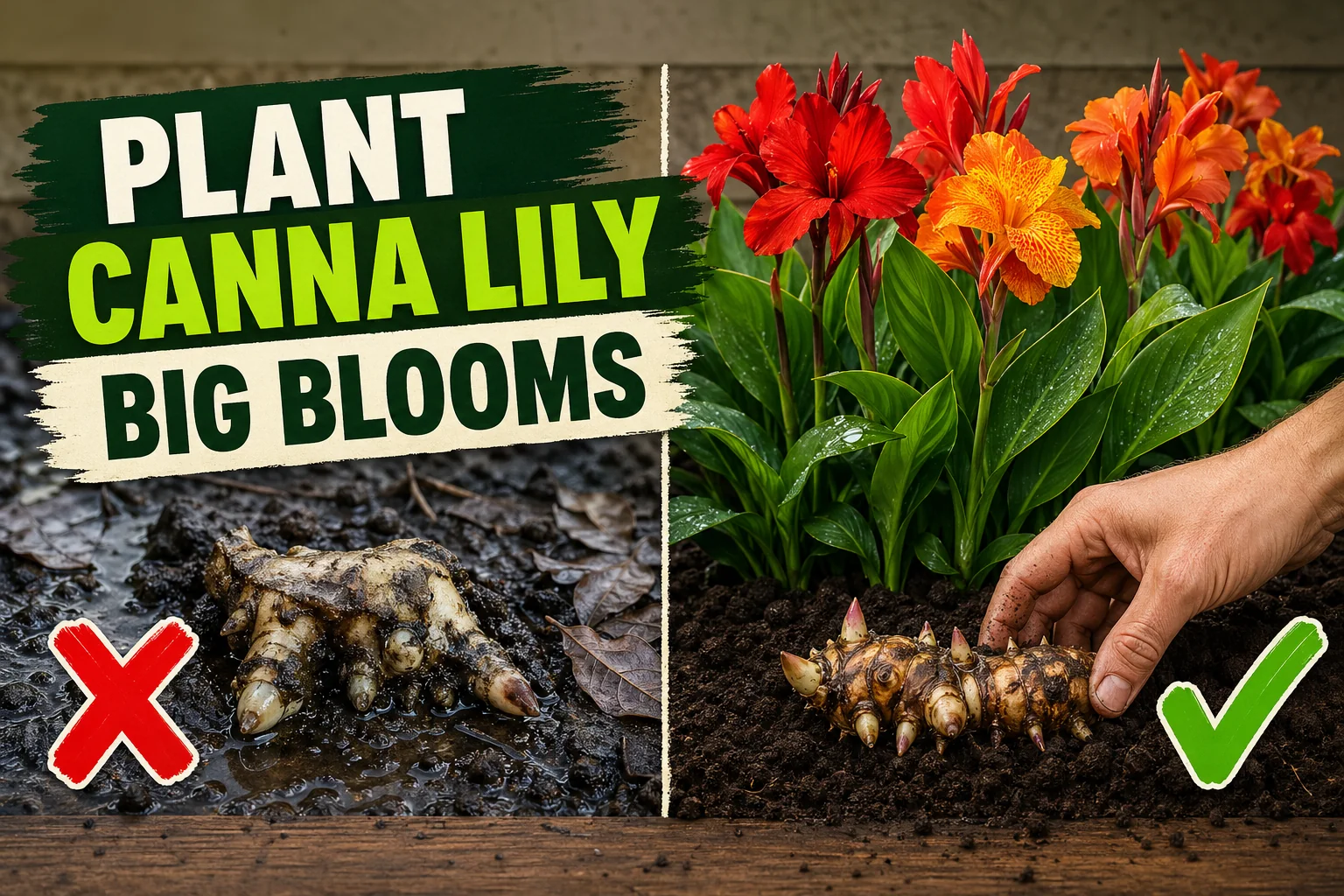
Plant canna lily rhizomes 10 cm (4 in) deep, eyes facing up, after the last frost — for tall tropical leaves and bold red, orange, and yellow blooms by midsummer.
On this page
Watch the visual walkthrough
How To Plant Canna Bulbs
Hey garden friends! Welcome back to another video! A couple months ago, before winter, we overwintered our Canna Lily's.
Canna lilies are the fastest way to inject a tropical look into a temperate garden — tall paddle leaves in green, bronze, or variegated stripes topped with bold red, orange, yellow, or pink flowers from midsummer until first frost. A single rhizome planted in spring can throw out a 1.5 m (5 ft) clump by August. The catch: those chunky underground stems aren’t actually bulbs.
Canna “bulbs” are rhizomes — horizontal underground stems with visible growth eyes — which is why depth, orientation, and warm soil matter more than they would for a true bulb like a tulip.
This guide walks through it the way a canna actually wants — eyes facing up, 10 cm (4 in) deep, in warm soil above 16°C (60°F), in full sun. Get those four things right and you’ll see leaves in 2–3 weeks and flowers by midsummer.
Quick answer
Plant canna lily rhizomes 8–10 cm (3–4 in) deep with the eyes facing up, spaced 45–90 cm (18–36 in) apart, only after the last frost has passed and soil reaches 16°C (60°F). Choose full sun, rich well-drained soil, and water deeply once at planting. Mulch with 5–8 cm (2–3 in) of bark and expect the first shoot in 2–3 weeks.
Why depth, eyes-up, and warmth matter
A canna rhizome stores enough energy to push out roots and a first set of leaves on its own. Three things ruin that head start:
- Cold soil (below 13°C / 55°F): the rhizome sits dormant, then rots before it can sprout.
- Upside-down planting: shoots burn energy fighting gravity to reach the surface, often dying mid-soil.
- Shallow planting (less than 5 cm / 2 in): the rhizome dries out and tall stems flop without anchorage.
Cannas evolved in subtropical wetlands across the Americas, so they expect warm, rich, consistently moist soil and a long growing season.
What you’ll need
- Firm, fleshy canna rhizomes with at least 2–3 visible eyes (skip soft, mouldy, or hollow ones)
- A sunny spot — at least 6 hours of direct sun
- Rich, well-drained soil amended with compost
- A garden trowel, spade, or planting auger
- Balanced bloom-boosting fertilizer or bone meal
- 5–8 cm (2–3 in) of organic mulch
- A soil thermometer (optional but useful)
- A watering can or hose
Step-by-step: planting canna lily rhizomes
1. Choose firm, healthy rhizomes
Pick rhizomes that feel firm and heavy for their size, with at least 2–3 plump eyes (small pinkish or white growth nodes). Larger pieces with more eyes produce taller stems and more flowers in year one.
Reject rhizomes that are:
- Soft, squishy, or shrivelled
- Showing fuzzy white, blue, or pink mould
- Hollow or rotted on the underside
- Already showing weak yellow shoots longer than 5 cm (2 in) — those are stretched from poor storage
2. Time it to your soil temperature
Cannas are tropical, so timing depends on warmth, not the calendar:
- Cool / cold zones (USDA 3–6): mid-May through early June, after last frost
- Mild zones (USDA 7–8): late April through mid-May
- Warm zones (USDA 9–10): any time from March, year-round in zone 11
Soil should be reliably 16°C (60°F) or warmer at 10 cm (4 in) deep. A cheap soil thermometer takes the guesswork out — and it doesn’t matter how warm the air is if the soil hasn’t caught up.
3. Pick a sunny, rich spot
Choose a site with 6–8 hours of direct sun and rich, moisture-retentive soil that still drains well. Loosen the soil to 30 cm (12 in) deep and mix in 5–8 cm (2–3 in) of compost. Heavy clay needs grit or sand; pure sand needs extra compost so the soil holds enough moisture for canna’s thirsty roots.
Cannas tolerate boggy ground well — Canna glauca and some hybrids will grow in 5 cm (2 in) of standing water — but most varieties prefer rich, evenly moist garden soil over pure bog conditions.
4. Identify the eyes (which side is up)
This is the single biggest mistake first-time canna planters make:
- Look for eyes — small pinkish or white growth points on the rhizome. The side with the eyes faces up.
- The flat or root-scarred side goes down — that’s where new feeder roots emerge.
- If the eyes point sideways, plant the rhizome horizontally with the eyes facing up.
- If you genuinely can’t tell, plant it on its side. The shoot will turn itself upward toward the light. You’ll lose a week of growth, but the rhizome won’t fail.
5. Dig a hole 10 cm deep and feed it
Dig a hole 8–10 cm (3–4 in) deep and roughly twice as wide as the rhizome. Sprinkle a small handful of balanced bloom-boosting fertilizer or bone meal into the bottom of the hole and stir lightly into the soil.
In sandy soil, go to the deeper end (10 cm / 4 in) so the rhizome doesn’t dry out. In heavy clay or cold zones, stay shallower (8 cm / 3 in) so the rhizome warms up faster and drains better.
Dahlias follow the same planting-depth logic as cannas — if you’re growing both in the same bed, see the dahlia tuber planting depth guide for how soil type adjustments apply across both genera.
6. Set the rhizome eyes-up and space generously
Place the rhizome in the hole with the eyes facing up. Cover with the soil you removed, firm gently with your palm, and don’t compact the soil hard.
Space rhizomes:
- Dwarf varieties (60–90 cm / 24–36 in tall): 45–60 cm (18–24 in) apart
- Standard varieties (1.2–1.5 m / 4–5 ft): 60–75 cm (24–30 in) apart
- Tall varieties (1.8 m / 6 ft and up): 75–90 cm (30–36 in) apart
Crowding cannas looks lush in year one but reduces airflow, encourages canna leaf rollers, and means lifting and dividing every 1–2 years.
7. Water once deeply, then mulch
Water deeply once at planting to settle the soil and start root growth. Don’t water again for 7–10 days unless your bed dries out completely — cold wet soil before sprouting is the fastest way to rot the rhizome.
Top with a 5–8 cm (2–3 in) layer of shredded bark, leaf mould, or compost. Mulch insulates the rhizome from late frosts, locks in summer moisture, and suppresses weeds while you wait for shoots.
8. Push in a label and walk away
Cannas don’t show above ground for 2–6 weeks depending on soil temperature, and the bed looks empty in the meantime. A clear plant label saves you from accidentally digging the rhizome up while planting summer annuals next to it.
Care after planting
Once shoots clear the soil, cannas are heavy feeders and heavy drinkers:
| Task | When |
|---|---|
| Water | 1–2 deep waterings per week so the top 15 cm (6 in) stays evenly moist |
| Fertilize | Balanced bloom-booster monthly through summer; stop 6 weeks before first frost |
| Deadhead | Snap off spent flower spikes to encourage repeat blooms on side shoots |
| Stake (tall types) | Insert a 1.5 m (5 ft) stake at planting if planting tall varieties in windy spots |
| Mulch top-up | Add another 2–5 cm (1–2 in) of mulch in midsummer to retain moisture |
A free plant care app like Tazart tracks rhizome planting dates, your local soil temperatures, and bloom-boost feeding intervals, then pings you when it’s time to feed or lift in fall — useful if you’re growing more than one bed.
Cannas in containers
Pots are the easiest way to grow cannas outside their hardy zones (USDA 8–11):
If you’re growing calla lilies alongside cannas in pots or a tropical-themed bed, the calla lily care guide covers the key differences in dormancy handling and watering that matter when both are in the same container setup.
- Use a container at least 35–45 cm (14–18 in) wide and 30 cm (12 in) deep
- One large rhizome per 35 cm (14 in) pot, or three rhizomes per 50 cm (20 in) pot
- Use rich peat-free potting mix amended with 20% compost
- Place in full sun and water whenever the top 5 cm (2 in) of soil dries
- Feed every 2–3 weeks with bloom-booster — pots leach nutrients fast
In autumn, move the pot into an unheated garage or shed, water sparingly through winter, and bring back outside after your last frost.
Common mistakes to avoid
- Planting in cold soil. Below 13°C (55°F), rhizomes rot before they can root. Wait for warm soil even if it means a later start.
- Planting upside-down. Eyes face up. If you can’t tell, plant on the side. Upside-down rhizomes burn energy reorienting and often rot.
- Planting too deep. More than 12 cm (5 in) deep slows emergence and weakens the first stems.
- Letting the soil dry out in summer. Cannas are wetland plants. Crispy leaf edges and stalled flower buds usually mean the bed is too dry.
- Skipping fall lift in cold zones. In USDA 7 and colder, frost rot kills rhizomes left in the ground over winter. Lift after the first hard frost.
Troubleshooting
| Symptom | Likely cause | Fix |
|---|---|---|
| Rhizomes never sprouted | Cold wet soil, upside-down planting, or rotten rhizome | Wait for soil ≥ 16°C (60°F); replant on side; check rhizome firmness before planting |
| Lots of leaves, few or no flowers | Too much shade or too much nitrogen | Move to a 6–8 hour sun spot; switch to a phosphorus-rich bloom-booster fertilizer |
| Crispy brown leaf edges | Soil dried out | Water deeply 1–2× per week; mulch 5–8 cm (2–3 in) thick to retain moisture |
| Tall stems flopping or snapping | Wind, shallow planting, or no staking | Plant 10 cm (4 in) deep; stake tall varieties at planting; site out of strong wind |
| Holes and rolled-up leaves with frass | Canna leaf roller (caterpillar) | Remove rolled leaves by hand; spray Bacillus thuringiensis (Bt) on remaining leaves |
| Streaked, distorted leaves | Canna virus | Lift and bin (do not compost) affected plants; sterilize tools; replace with virus-free rhizomes |
| Rhizome rotted over winter | Frost or freezing storage conditions | Lift in fall in zones 7 and colder; store dry at 7–13°C (45–55°F), never freezing |
Watch: planting canna lily rhizomes
A short visual walkthrough pairs well with the steps above. If you’re a visual learner, watch a quick tutorial like How to Plant Canna Lily Bulbs on YouTube and then come back to follow the timing in this guide.
Related reading
- How to plant elephant ear bulbs the right way — another tropical rhizome where soil warmth decides whether the plant sprouts at all.
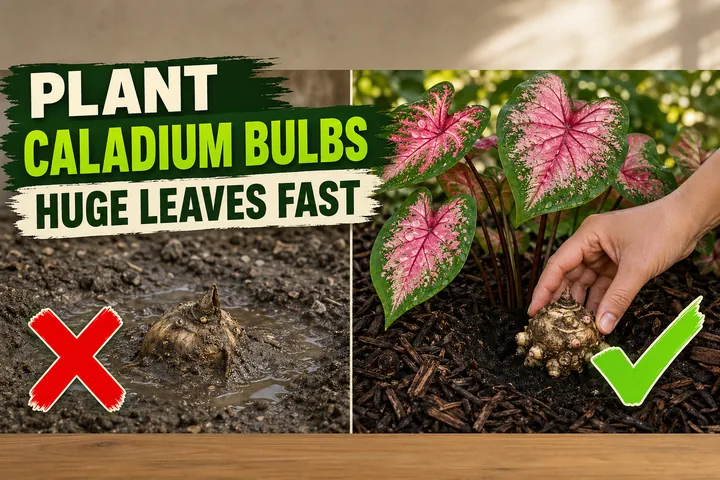
- How to plant caladium bulbs for massive leaves — a shade-loving tuber with the same eyes-up planting rule as cannas.
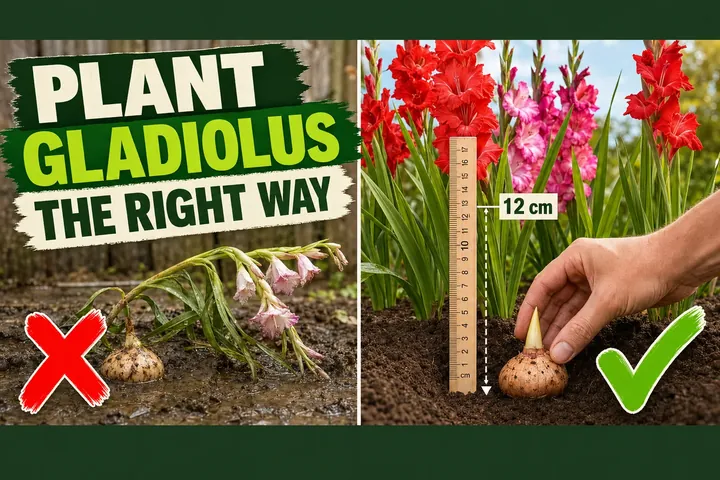
- How deep to plant gladiolus bulbs — a spring-planted corm that pairs beautifully behind canna lilies for layered summer colour.
A note on conditions
Every garden is different. USDA zone, soil texture, summer rainfall, and how exposed the bed is to wind all affect how cannas perform. Use the depth, spacing, and timing above as a starting point and adjust based on how your rhizomes come up in their first season — that’s how every good bulb gardener learns.
Highly recommended
The supplies that make this guide work
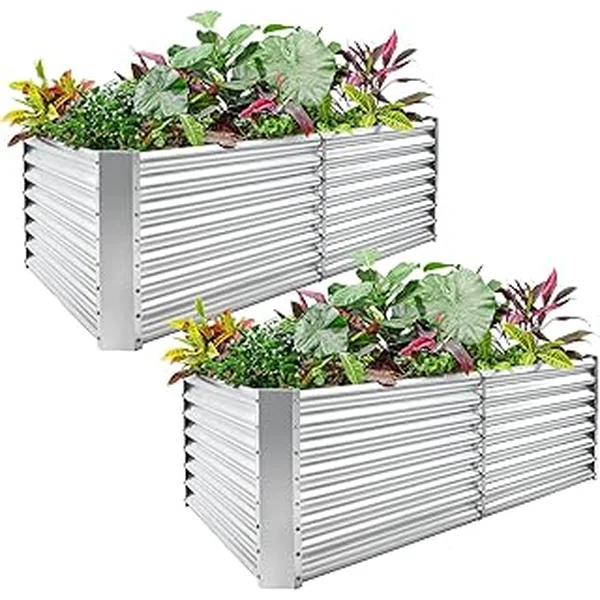

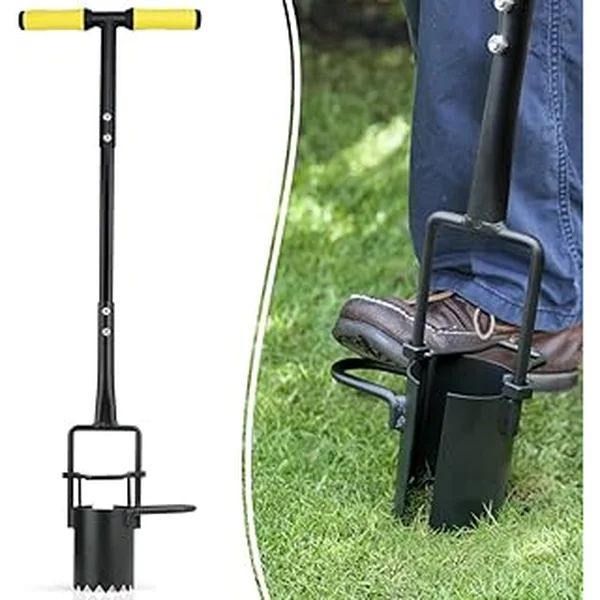
Tazart is an Amazon Associate — we earn from qualifying purchases at no extra cost to you. Thank you for helping us keep these guides free.
Frequently asked questions
How deep do you plant canna lily bulbs?
Plant canna rhizomes 8–10 cm (3–4 in) deep, measured from the top of the rhizome to the soil surface. In light sandy soil go to the deeper end (10 cm / 4 in); in heavy clay or cold zones stay closer to 8 cm (3 in) so the rhizome warms up quickly. Space rhizomes 45–60 cm (18–24 in) apart for dwarf varieties and 60–90 cm (24–36 in) for tall canna varieties that reach 1.8 m (6 ft) or more.
Which way up do canna lily bulbs go?
Canna 'bulbs' are actually rhizomes — chunky horizontal underground stems with visible eyes (small pinkish or white growth points). The side with the eyes faces up; the side with old root scars and hairy fibres faces down. If a rhizome has eyes pointing sideways, plant it horizontally with the eyes facing up — the shoots will turn upward toward the light. Planting upside-down is the most common reason a canna rhizome never sprouts.
When should you plant canna lily bulbs?
Plant outdoors only after the last frost has passed and the soil temperature is reliably 16°C (60°F) or warmer — usually mid- to late spring. Cannas are tropical and rot in cold wet ground below 13°C (55°F). To get a 4–6 week head start in cooler zones, pot the rhizomes indoors in containers 4–6 weeks before your last frost date and transplant once nights stay above 13°C (55°F).
How long do canna bulbs take to sprout?
In warm soil at 21–24°C (70–75°F), expect the first shoot in 2–3 weeks. Cool soil at 16–18°C (60–65°F) can stretch that to 4–6 weeks, which is the most common reason gardeners think their rhizomes are dead. A heat mat under indoor pots sets at 24°C (75°F) often produces shoots in 10–14 days. Once the first leaf clears the soil, growth accelerates fast.
Do canna lilies need full sun?
Yes — canna lilies bloom best in 6–8 hours of direct sun per day. Less than 4 hours and you'll get plenty of dramatic foliage but few or no flowers, and the stems will lean toward the light. The exception is hot southern climates (USDA zones 9–10) where afternoon shade keeps the leaves from scorching during summer heatwaves above 35°C (95°F).
Can you plant canna lily bulbs in pots?
Yes — and pots are the easiest way to grow them outside their hardy zones. Use a container at least 35–45 cm (14–18 in) wide and 30 cm (12 in) deep, with drainage holes. One large rhizome per 35 cm (14 in) pot, or three rhizomes per 50 cm (20 in) pot. Pots warm up faster than ground soil, so potted cannas often bloom 2–3 weeks earlier than in-ground rhizomes.
Do canna lilies come back every year?
In USDA zones 8–11, cannas are reliably perennial and come back every spring. In zones 7 and colder, lift the rhizomes after the first frost blackens the foliage, cut the stems back to 10 cm (4 in), let the rhizomes air-dry for a day, and store them in dry peat moss or sawdust at 7–13°C (45–55°F) — never freezing. Replant in spring once the soil warms again.