Edible
How Far Apart to Plant Broccoli (Spacing Chart by Variety)
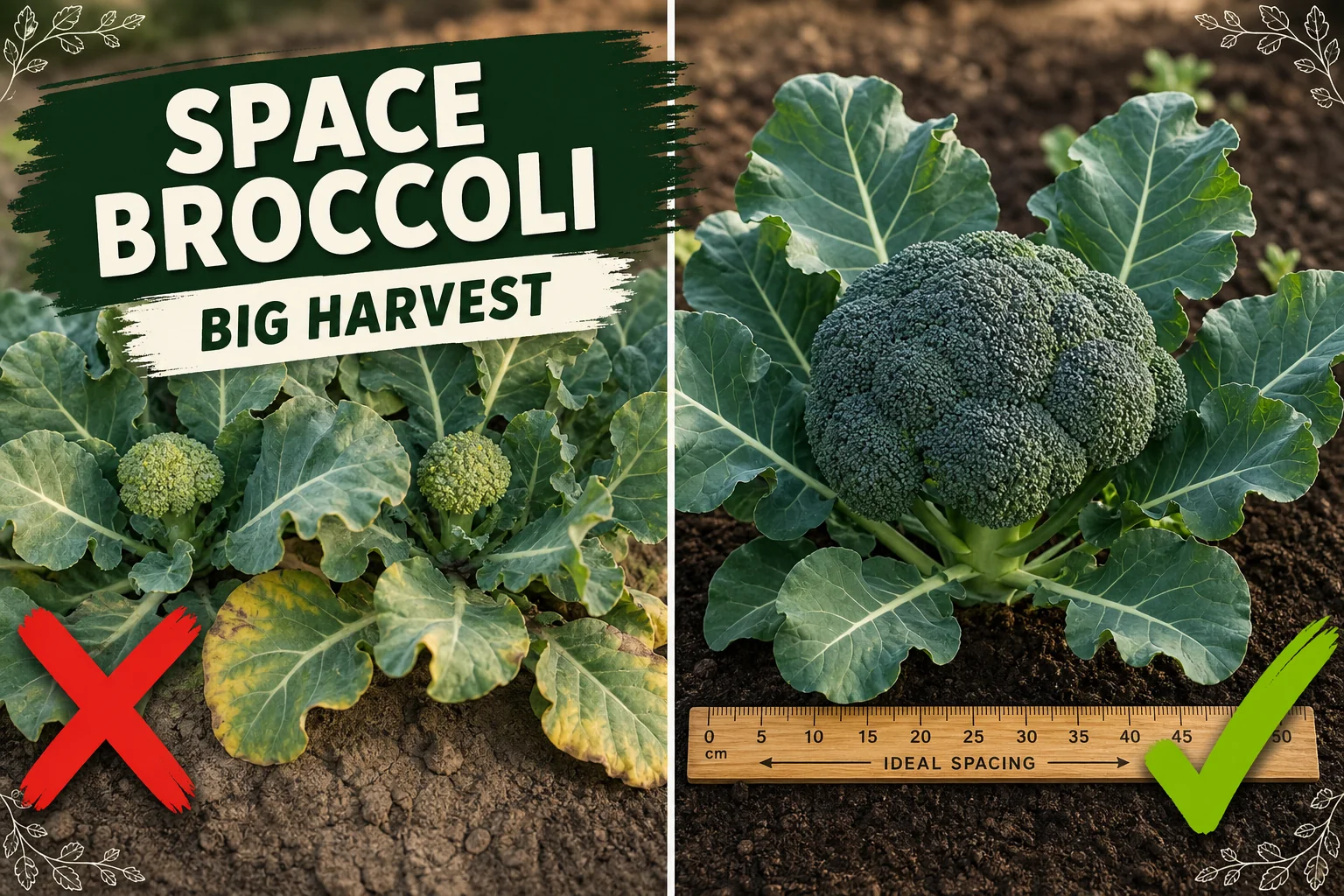
Plant broccoli 45–60 cm (18–24 in) apart, rows 75–90 cm (30–36 in) apart. Tighter for side shoots, wider for big single heads. Spacing chart by variety.
On this page
Watch the visual walkthrough
How to Grow Broccoli - Complete Guide - Seed to Harvest
In this video I'm going to take you through the whole broccoli season, seed to harvest and show you how I get a HUGE broccoli ...
If you’ve ever harvested a sad walnut-size broccoli head, the cause was almost certainly spacing — not seed quality, not variety, not weather. Broccoli is one of the few vegetables where planting distance directly determines head size, and the difference between a 30 cm (12 in) gap and a 60 cm (24 in) gap is the difference between a stir-fry’s worth of florets and a 1 kg (2 lb) crown.
This guide walks through every spacing scenario — calabrese, sprouting, raised beds, square-foot grids — with the exact distances you need for the head size you actually want.
Quick answer
Plant broccoli 45–60 cm (18–24 in) apart within the row, with rows 75–90 cm (30–36 in) apart. Tighter spacing of 30 cm (12 in) produces smaller heads with more side shoots. Sprouting broccoli (purple or white) needs 60 cm (24 in) spacing in all directions. Square-foot gardens allow one broccoli per 30 × 30 cm (1 × 1 ft) square.
Table of contents
- Why spacing controls head size
- Spacing chart by variety and goal
- In-ground row spacing
- Raised-bed and square-foot spacing
- Sprouting broccoli — different rules
- Companion plant spacing
- Common spacing mistakes
- Troubleshooting
- FAQ
Why spacing controls head size
A broccoli plant grows the size of root system and leaf canopy that its space allows. Restricted root volume → smaller water and nutrient uptake → smaller central head.
The relationship is roughly linear: a plant given 30 cm × 30 cm (1 × 1 ft) of bed space produces a head about half the diameter of a plant given 60 cm × 60 cm (2 × 2 ft). Doubling spacing roughly doubles head size up to the genetic ceiling of the cultivar.
Wider spacing also:
- Improves airflow, reducing downy mildew and head rot
- Lets you scout for cabbage worms and aphids more easily
- Makes harvesting the central head without damaging side shoots simpler
Tighter spacing trades head size for total yield per square metre — eight 30 cm-spaced plants produce more total florets than four 60 cm-spaced plants, just spread across many smaller heads.
Spacing chart by variety and goal
| Goal | In-row spacing | Row spacing | Plants per m² (sq yd) |
|---|---|---|---|
| One huge central head (calabrese) | 60 cm (24 in) | 90 cm (36 in) | 1.8 |
| Standard balanced harvest | 45 cm (18 in) | 75 cm (30 in) | 3.0 |
| Maximum side-shoot production | 30 cm (12 in) | 60 cm (24 in) | 5.5 |
| Sprouting broccoli (purple/white) | 60 cm (24 in) | 60 cm (24 in) | 2.8 |
| Square-foot garden (calabrese) | 30 cm (12 in) | n/a (grid) | ~10 per m² |
Numbers in the right column assume rectangular planting; equilateral triangle (offset row) planting fits roughly 15% more plants per area at the same spacing.
In-ground row spacing
For a traditional garden plot:
1. Lay out rows 75–90 cm (30–36 in) apart. Use a tape measure and a stretched string. Match the wider end (90 cm / 36 in) for full-size hybrids like ‘Marathon’ that throw a wide leaf canopy.
2. Walk the row and mark plant positions. Drop a wooden peg every 45–60 cm (18–24 in). For best head size, hit the wider end of that range.
3. Stagger adjacent rows. Plant the second row in offset positions (between the plants in row 1) rather than directly behind them. This adds 15% more plants without crowding and improves airflow.
4. Walk paths between rows, not over them. Compacted soil between rows is fine; compacted soil under broccoli plants is not. Keep your feet on the path side.
The 75 cm (30 in) row standard comes from the typical leaf-spread of a mature broccoli plant — about 60 cm (24 in) — plus 15 cm (6 in) of walking and harvesting clearance. Tighter than that and you’ll be stepping on outer leaves every time you check the heads.
Raised-bed and square-foot spacing
Raised beds with rich soil and consistent water tolerate tighter spacing than in-ground plots. The improved soil structure compensates for less root volume per plant.
Standard raised-bed spacing
- In-row: 45 cm (18 in)
- Row: 60 cm (24 in)
- A 1.2 × 2.4 m (4 × 8 ft) bed fits 8–10 broccoli plants with this layout.
Square-foot grid spacing
In a square-foot garden, each broccoli plant gets one 30 × 30 cm (1 × 1 ft) square. Plant in the centre of the square, leaving the surrounding squares for shorter companions like lettuce or radishes.
Do not plant two broccoli per square. Outer leaves overlap, lower foliage stays wet, and the heads rot or stay tiny.
If you’ve already laid out your bed for strawberries or carrots, broccoli’s 30 cm grid is a step up in size — plan accordingly.
Sprouting broccoli — different rules
Purple-sprouting and white-sprouting broccoli (varieties like ‘Red Spear’, ‘Cardinal’, ‘White Star’) are not the same plant as calabrese. They grow much larger, take 6–9 months to mature, and produce dozens of small spear-like florets instead of one central head.
Spacing for sprouting broccoli:
- All directions: 60 cm (24 in)
- Row spacing: 60 cm (24 in)
- Mature plant size: 90 cm (36 in) tall × 75 cm (30 in) wide
Plant sprouting broccoli in late spring for an overwintering crop that bursts into harvest in early spring the following year. The 60 cm spacing gives the dense leaf canopy room to develop without lower-leaf rot through wet winter months.
Companion plant spacing
Broccoli is part of the brassica family and pairs well with some companions, badly with others.
Good companions (plant 30–45 cm / 12–18 in away):
- Lettuce, spinach, arugula
- Onions, garlic — repel cabbage moths
- Beets, dill, chamomile
Bad companions (keep 1 m / 3 ft away or skip):
- Tomatoes, peppers, eggplant — different feeding schedule, allelopathic conflicts
- Strawberries — broccoli releases compounds that stunt strawberry runners
- Pole beans — broccoli’s heavy nitrogen feed slows bean nodulation
If you’re rotating brassicas, leave a 3-year gap before re-planting broccoli, cabbage, or cauliflower in the same bed. Clubroot and cabbage root fly populations build up in repeat brassica beds.
Common spacing mistakes
- Planting at 30 cm (12 in) and expecting full-size heads. Genetics override care — small spacing means small heads, period. Pick spacing for the head size you want.
- Skipping row offset. Direct-aligned rows shade each other and trap moisture in the inner foliage. Stagger rows in a triangle pattern instead.
- Treating sprouting broccoli like calabrese. Sprouting broccoli at 45 cm (18 in) overcrowds and reduces total spear yield by 30–40%.
- Forgetting transplant shock. Newly planted seedlings look small for 2 weeks. Resist the urge to fill the gaps — leaf spread happens fast in week 3 onward.
- Ignoring path width. A 40 cm (16 in) path between rows feels generous when plants are small but is impossible to harvest from when leaves spread to 60 cm (24 in). Plan paths for mature plants.
- Companion-planting brassicas with strawberries. Broccoli releases sulphur compounds that suppress strawberry runners. Keep at least 1 m (3 ft) between them.
Troubleshooting
| Symptom | Likely cause | Fix |
|---|---|---|
| Tiny “button” head 5 cm (2 in) across | Stress (cold, drought, nutrient deficiency) at transplant | Mulch, water consistently, side-dress with nitrogen — too late for this plant, fix for next |
| Yellow lower leaves, small head | Tight spacing + nutrient competition | Side-dress with balanced fertiliser; widen spacing next planting |
| Hollow stem at harvest | Too much nitrogen + boron deficiency | Reduce nitrogen feeds; apply 1 tsp borax dissolved in 4 L (1 gal) water per 10 m² (110 sq ft) |
| Head rots before harvest | Wet inner foliage + poor airflow from tight spacing | Widen rows; remove lower leaves; harvest sooner |
| Bolts to flower with no head | Heat stress; planted late | Switch to autumn planting; choose heat-tolerant variety |
| All leaves no head | Variety not headed; too much shade | Verify cultivar; ensure 6+ hrs direct sun |
| Cabbage worm holes everywhere | Spacing wide enough for moths to find every plant | Floating row cover from transplant onwards |
Final notes
Spacing is the lever — pick the head size you want first, then space accordingly. For most home gardeners, 45 cm × 75 cm (18 × 30 in) is the sweet spot: large enough heads to feel like a real harvest, tight enough to make a 1.2 × 2.4 m (4 × 8 ft) raised bed actually productive.
For more spacing references across the vegetable garden:
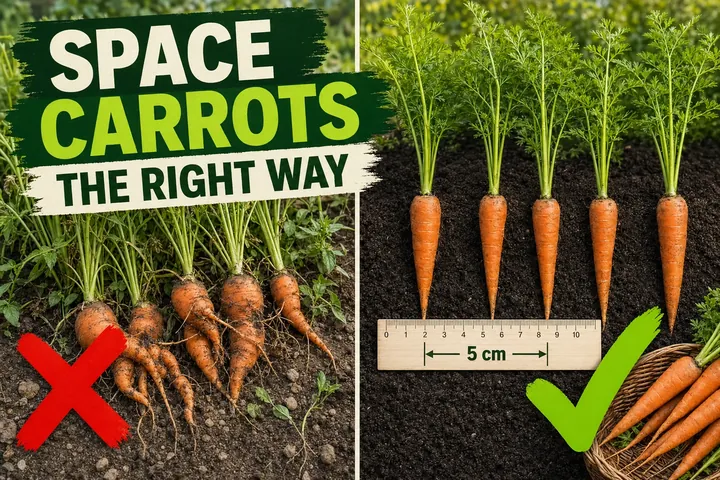
- How far apart to plant carrots — much tighter at 5–7 cm (2–3 in)
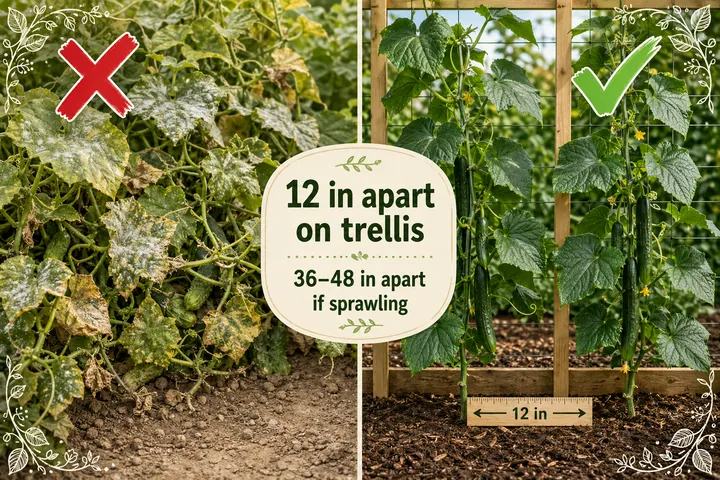
- How far apart to plant cucumbers — vining vs bush rules
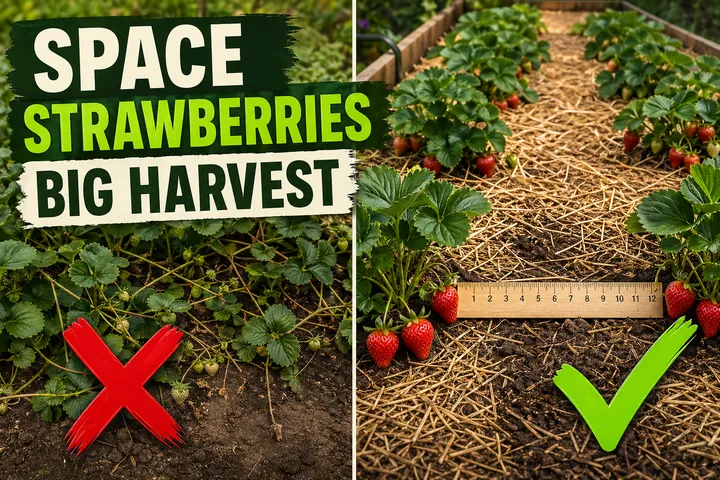
- How far apart to plant strawberries — runners change the math
- How to plant lettuce — pairs well with broccoli at 15 cm (6 in)
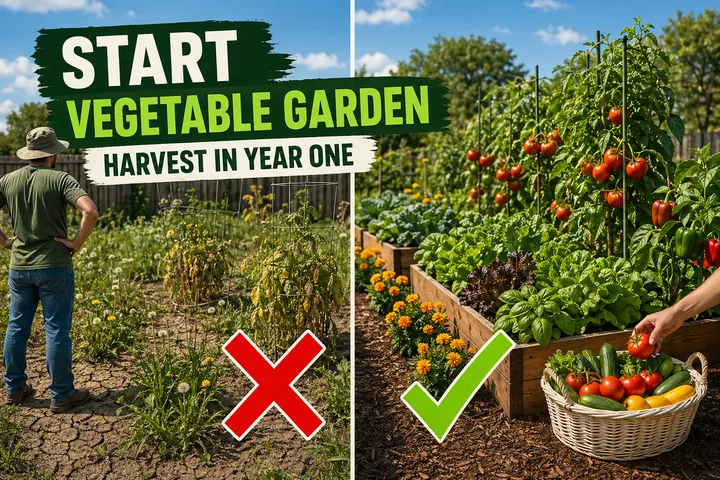
- How to start a vegetable garden — full beginner’s plot layout
Track planting dates, side-dressing reminders, and harvest windows with the free Tazart plant care app.
A note on conditions
Soil structure, raised-bed depth, climate zone, and variety all shift these numbers slightly. The spacings above are well-tested averages from university extension trials — adjust by 5–10 cm (2–4 in) based on what your specific cultivar’s seed packet recommends.
Highly recommended
The supplies that make this guide work
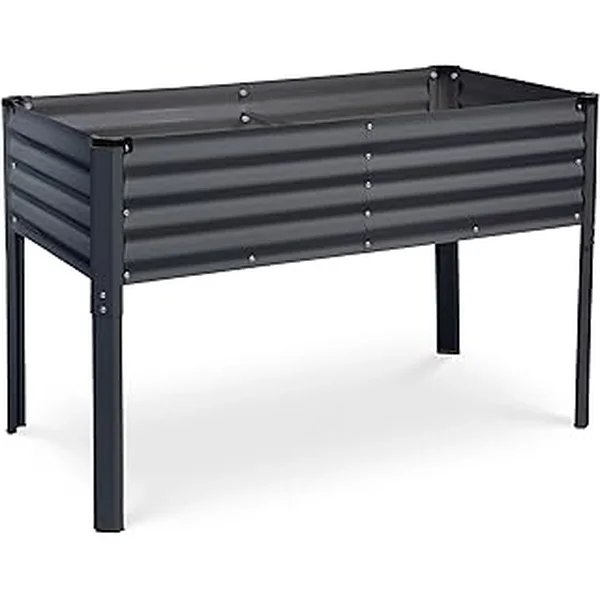
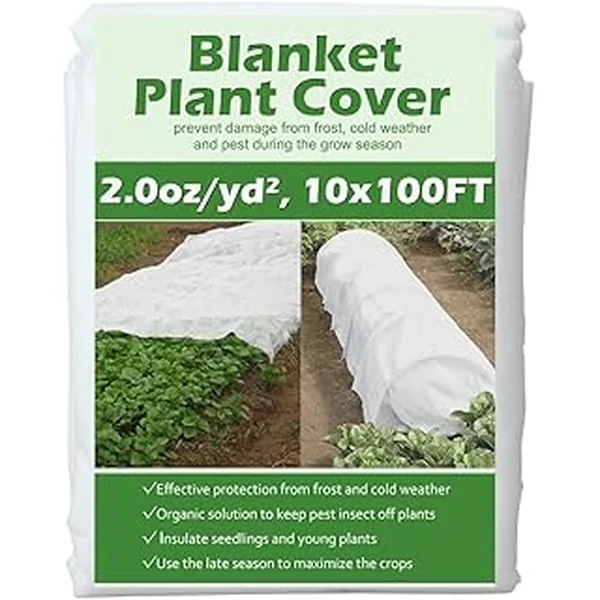
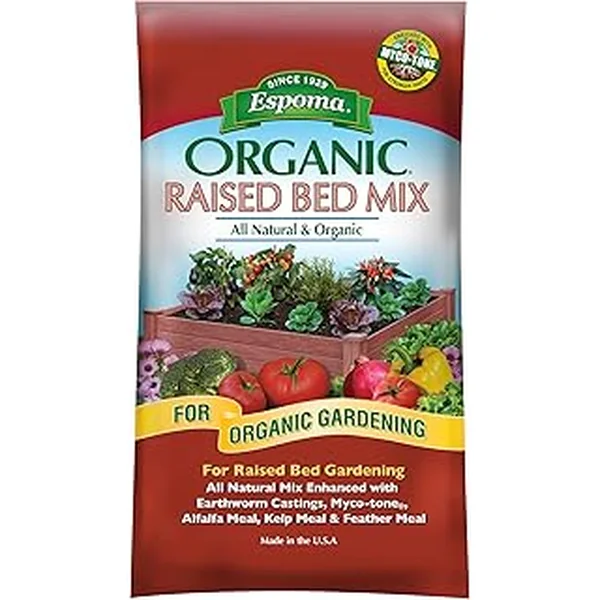
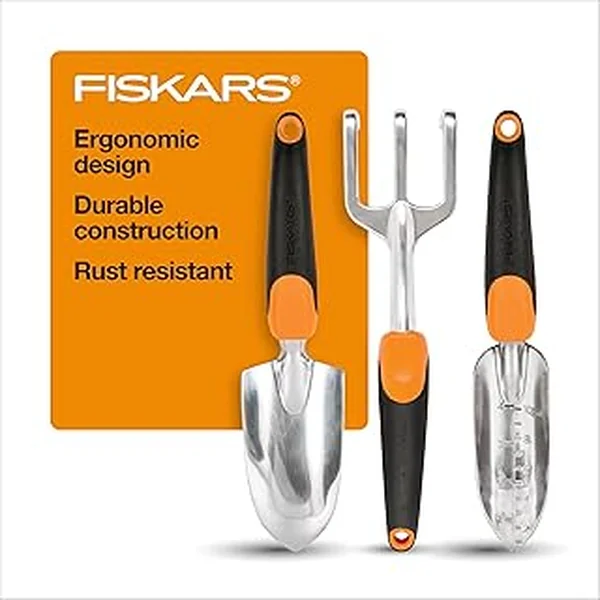
Tazart is an Amazon Associate — we earn from qualifying purchases at no extra cost to you. Thank you for helping us keep these guides free.
Frequently asked questions
How far apart should I plant broccoli?
Space standard broccoli (calabrese types) 45–60 cm (18–24 in) apart within the row, with rows 75–90 cm (30–36 in) apart. Tighter 30 cm (12 in) spacing produces smaller main heads but more side shoots; wider 60 cm (24 in) spacing produces a single very large head. For sprouting broccoli (purple or white), space 60 cm (24 in) apart in all directions.
Can I plant broccoli 12 inches apart?
Yes, but expect smaller main heads. At 30 cm (12 in) spacing, the central head will be roughly 8–10 cm (3–4 in) across instead of 15 cm (6 in), and you'll harvest more side shoots. This dense planting works well for stir-fry-size florets and is common in intensive raised beds. Make sure soil is rich and consistent moisture is available — competition for water and nutrients is the main risk.
How far apart should broccoli rows be?
Standard row spacing is 75–90 cm (30–36 in). The wider end is for full-size cultivars like 'Marathon' or 'Belstar' that develop a 60 cm (24 in) wide leaf canopy. For raised beds and intensive gardens, 60 cm (24 in) row spacing is acceptable as long as in-row plants get 45 cm (18 in). Wider rows make harvesting and pest scouting easier.
How many broccoli plants per square foot?
Square-foot gardening allows one broccoli plant per 30 cm × 30 cm (1 ft × 1 ft) square. Two plants per square is too tight — heads remain small and outer leaves rot from poor airflow. If you want side shoots over a single big head, one plant per square is still the recommended density.
Does sprouting broccoli need different spacing?
Yes. Purple-sprouting and white-sprouting broccoli grow into much larger plants over 6–9 months and need 60 cm (24 in) spacing in all directions. They can reach 90 cm (36 in) tall and produce dozens of small florets across many side stems. Standard 45 cm (18 in) calabrese spacing is too tight for sprouting types and reduces yield.
Can I plant broccoli closer together if I water and feed more?
Slightly — extra water and a nitrogen feed every 2–3 weeks lets you push spacing down to 30 cm (12 in) between plants without total stunting. But you cannot beat genetic head-size limits. A 'Marathon' broccoli will not produce a 20 cm (8 in) head at 25 cm (10 in) spacing no matter how much you feed it. Match spacing to head-size goal first.
Should broccoli rows run north-south or east-west?
North–south is generally preferred so both sides of each row get equal sun. East–west rows can shade the row behind them as plants mature. With 75–90 cm (30–36 in) row spacing and standard sun-angle, this matters most in spring and autumn when the sun is lower.
How far apart should broccoli be from companion vegetables?
Keep broccoli 45 cm (18 in) from leafy companions (lettuce, spinach) and 90 cm (36 in) from large cole crops (cabbage, cauliflower). Avoid planting broccoli within 1 m (3 ft) of strawberries, tomatoes, or pole beans — broccoli releases compounds that suppress these crops, and they all want different fertilizer schedules.