Houseplants
ZZ Plant Care (Hardest Houseplant to Kill)
ZZ plant care made simple. The water-once-a-month rule, light, soil, and the only mistake that actually kills a Zamioculcas zamiifolia — overwatering.
On this page
- Quick answer
- Why ZZ plants are the hardest houseplant to kill
- What you’ll need
- ZZ plant light requirements
- Watering a ZZ plant — the once-a-month rule
- ZZ plant soil mix
- Repotting a ZZ plant
- Fertilizing a ZZ plant
- Cleaning the leaflets
- Common mistakes to avoid
- Troubleshooting
- Watch: ZZ plant care walkthrough
- Related reading
- A note on conditions
Watch the visual walkthrough
The "Unkillable" ZZ Plant: Complete Zamioculcas Care Guide
Get free seeds, shipping, and returns: https://www.epicgardening.com/greenhouse/ If you've ever thought you just "can't grow ...
ZZ plants (Zamioculcas zamiifolia) are famous for one reason: they are nearly impossible to kill. Thick underground rhizomes store water for weeks, glossy emerald leaflets shrug off low light, and the whole plant asks for less attention than a cactus.
This guide gives you the simple rhythm that keeps a ZZ thriving — plus the one mistake (overwatering) that ruins almost every ZZ that fails.
Quick answer
Water a ZZ plant only when the soil is bone dry — usually once every 3 to 4 weeks. Place it in bright indirect light (it tolerates low light too), use a fast-draining aroid soil mix, and skip fertilizer in winter. The single rule that matters: when in doubt, don’t water.
Why ZZ plants are the hardest houseplant to kill
Most houseplants die one of two ways: too much water or not enough light. ZZ plants survive both.
Underground, the plant grows fat potato-like rhizomes that store water for weeks. Above ground, the waxy leaflets reflect light efficiently, so they keep photosynthesizing in dim corners. Together that means a ZZ can sit in a low-light office for a month, get watered once, and still look glossy.
The trade-off: ZZ plants grow slowly. New stems unfurl over weeks, not days. If you want a fast-growing trailing vine, see our pothos plant care guide — pothos is the second-best beginner plant after a ZZ.
What you’ll need
- A firm-rooted ZZ plant (rhizomes should feel like potatoes, not sponges)
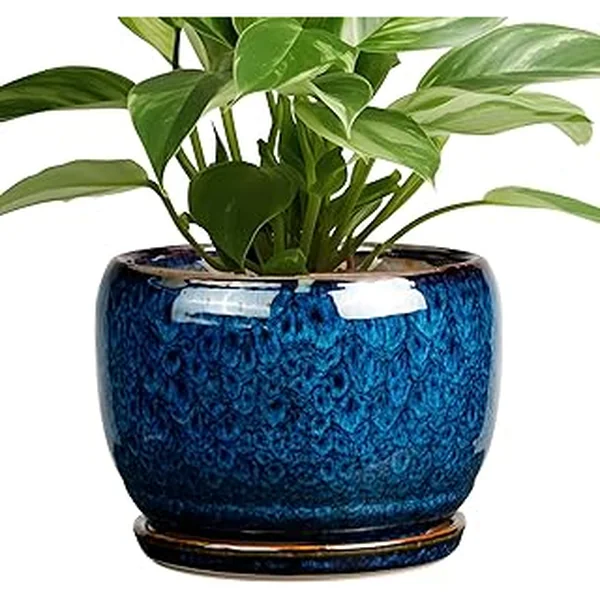
- A pot 2.5–5 cm (1–2 in) wider than the rootball, with drainage holes
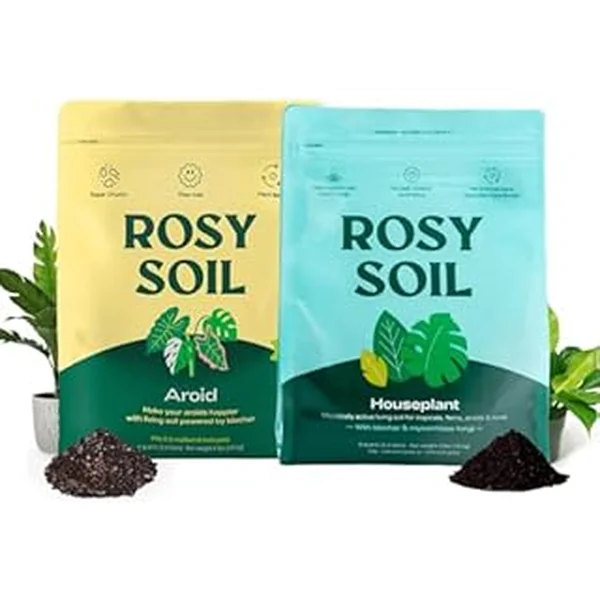
- Fast-draining potting mix — aroid mix or general houseplant mix with extra perlite
- A spot with bright indirect light (or low light, if that’s all you have)
- Watering can with a long spout
That’s the whole list. No grow lights, no humidifier, no special tools.
ZZ plant light requirements
| Light level | Will it grow? | What you’ll see |
|---|---|---|
| Bright indirect (1–2 m / 3–6 ft from a sunny window) | Yes — fastest growth | New stems every 4–8 weeks in spring/summer, deep green colour |
| Medium indirect (across the room from a window) | Yes — slower | New stems every 2–3 months, slightly darker leaflets |
| Low light (north window, hallway) | Yes — slowest | New growth a few times a year, stems can stretch toward light |
| Direct hot sun (south window, midday) | No — leaves scorch | Brown crispy patches on leaflets within days |
A ZZ in a north-facing room is fine. A ZZ on a south-facing windowsill behind a sheer curtain is fine. A ZZ in direct unfiltered afternoon sun is not.
Watering a ZZ plant — the once-a-month rule
This is the section that decides whether your ZZ thrives or dies.
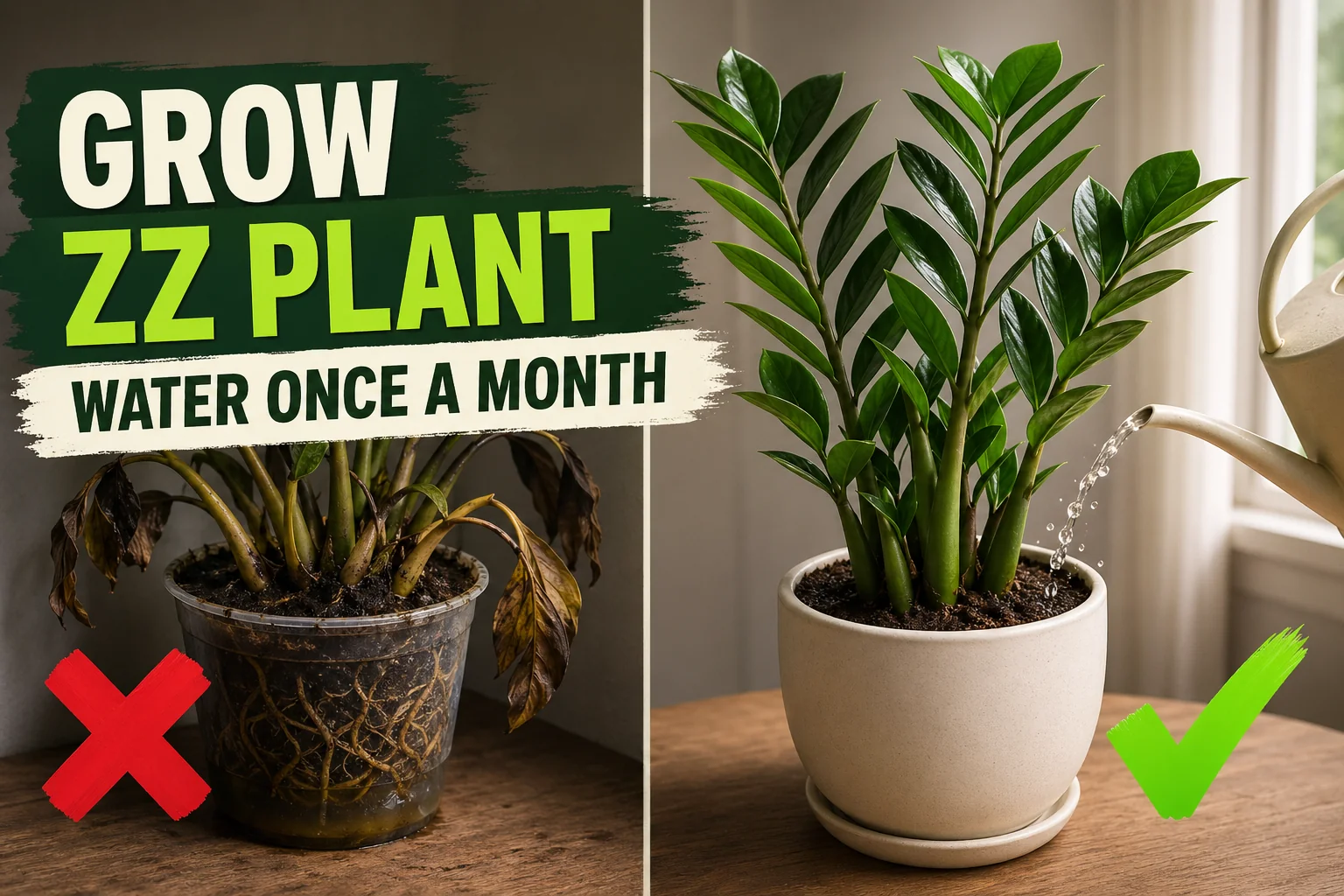
Water only when the entire pot of soil is bone dry. Push a finger 5–8 cm (2–3 in) into the soil. If it feels even slightly damp, wait. Indoors that usually means watering once every 3 to 4 weeks in spring and summer, and every 5 to 8 weeks in winter.
When you do water:
- Pour slowly until you see drips coming out of the drainage hole.
- Let the pot drain fully — never leave it sitting in a saucer of water.
- Walk away for a month.
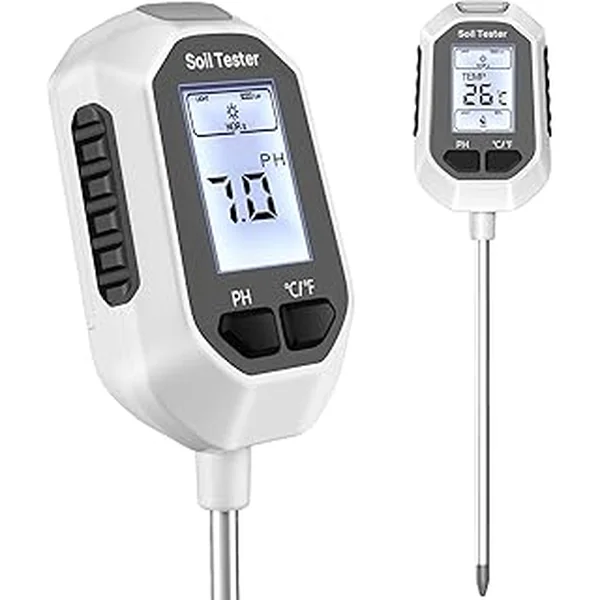
If you can’t tell whether the soil is dry, don’t water. ZZ plants die from overwatering, almost never from underwatering. A soil moisture meter helps if you tend to over-care for plants. The same dry-between-waterings rule applies to a snake plant — the two plants share the same drought-tolerant rhythm.
ZZ plant soil mix
Fast-draining is the only requirement. Use one of these:
- Bagged “aroid mix” with chunky bark and perlite (easiest)
- Standard houseplant mix + 1 part perlite + 1 part orchid bark
- Cactus/succulent mix + a handful of regular potting soil
Avoid heavy peat-based mixes that hold water. ZZ rhizomes need air pockets — wet, compacted soil suffocates them within weeks.
Repotting a ZZ plant
ZZ plants like to be a little root-bound. Repot only when:
- Rhizomes are visibly bulging against the pot wall
- The pot has cracked or warped from rhizome pressure
- Water runs straight through without absorbing — soil is exhausted
Move up just one pot size — about 2.5–5 cm (1–2 in) wider in diameter. Spring is the best season. After repotting, wait 7 to 10 days before watering so any nicked rhizomes can callus over and avoid rot.
Fertilizing a ZZ plant
ZZ plants are slow growers and don’t need much food. A simple rhythm:
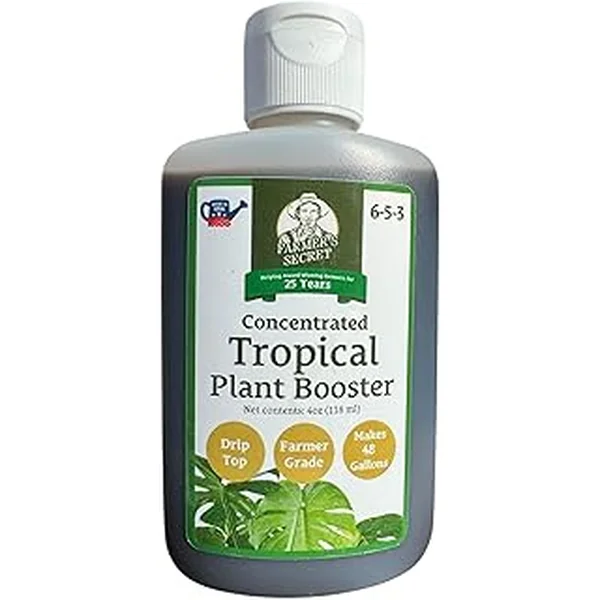
- Spring and summer: balanced liquid fertilizer at half strength, once a month
- Autumn and winter: stop fertilizing completely
- Newly repotted: wait 6–8 weeks before the first feed
Over-fertilizing causes brown leaflet tips and salt buildup in the soil. If you forget for a whole season, the plant doesn’t care.
Cleaning the leaflets
The waxy leaflets gather dust quickly, which blocks light. Once a month, wipe each leaflet with a soft damp cloth. The plant will look noticeably greener and photosynthesize better. Skip leaf-shine sprays — they clog the natural pores.
Common mistakes to avoid
- Watering on a schedule. “Every Sunday” kills more ZZ plants than anything else. The plant tells you, not the calendar.
- Using a pot without drainage. A decorative pot with no hole = standing water = rotting rhizomes within a month.
- Misting the leaves. ZZ plants don’t need extra humidity. Misting just invites fungal spots.
- Direct hot sun. Bright indirect, not direct. Leaflets scorch fast in afternoon sun.
- Repotting too often. ZZ plants like crowded roots. Disturbing the rhizomes too soon stresses growth.
Troubleshooting
| Symptom | Likely cause | Fix |
|---|---|---|
| Yellow stems falling over | Overwatering, rhizome rot | Tip out, cut mushy rhizomes, repot dry, no water for 14 days |
| Wrinkled, weak, light stems | Severe underwatering (rare) | Soak the pot in a basin for 20 minutes, drain fully, resume monthly watering |
| Brown crispy leaflet tips | Salt buildup or direct sun | Flush soil with plain water, move out of direct sun |
| Stems leaning hard toward the window | Stretching for more light | Rotate pot a quarter turn weekly; consider moving closer to a window |
| New stems are pale, almost white | Normal — new ZZ growth always starts pale | Wait. New stems darken to deep green over 2–4 weeks |
| Black or brown spots on leaflets | Cold draft below 10°C (50°F) or fungus | Move away from cold windows; remove damaged leaflets with clean scissors |
| Tiny black flying insects in soil | Fungus gnats from soil staying too damp | Let the soil dry out completely; top with 1 cm (0.5 in) of dry sand |
Watch: ZZ plant care walkthrough
A short visual walkthrough pairs well with the steps above. Search “ZZ plant care guide” on YouTube for a quick beginner-friendly tutorial that shows watering frequency and the signs of overwatering — then come back to this guide for the timing rules.
Related reading
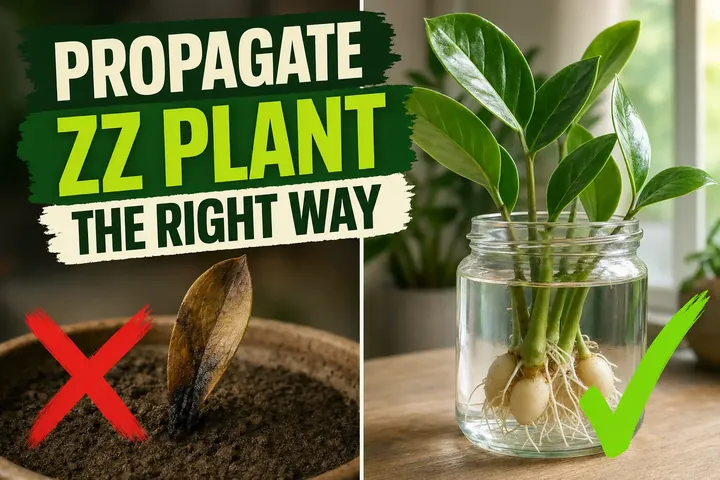
- How to propagate a ZZ plant — once your ZZ is thriving, multiply it for free with stem cuttings, leaflets, or division.
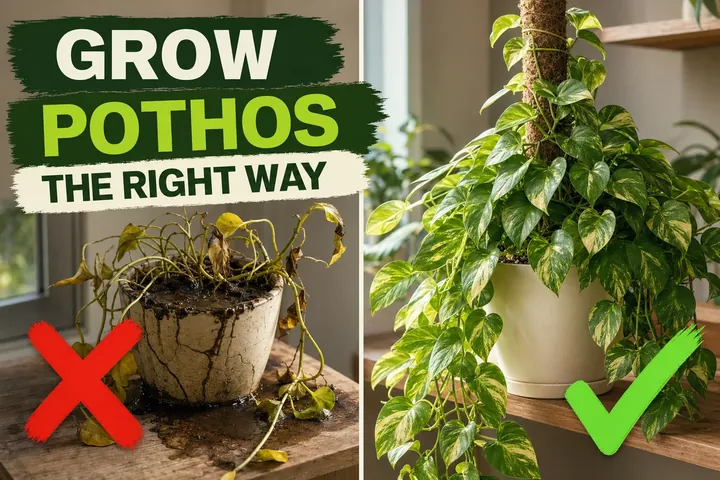
- Pothos plant care — pothos is the next-easiest houseplant after a ZZ and trails beautifully where a ZZ stays upright.
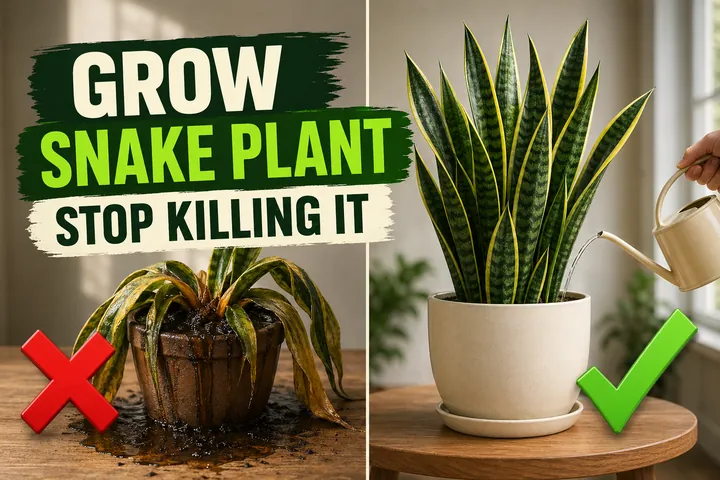
- How to take care of a snake plant — same dry-between-waterings rhythm, same low-light tolerance.
- Set a watering reminder in the free Tazart plant care app so you never overwater a ZZ again.
A note on conditions
Every home is different. Light, pot size, soil mix, season, humidity, and your local weather all change how often a ZZ plant actually needs water. Use the once-a-month rule as a starting point and adjust based on how dry the soil really is in week three — that’s how every good plant grower learns.
Highly recommended
The supplies that make this guide work
Tazart is an Amazon Associate — we earn from qualifying purchases at no extra cost to you. Thank you for helping us keep these guides free.
Frequently asked questions
How often do you water a ZZ plant?
About once every 3 to 4 weeks indoors. ZZ plants store water in thick underground rhizomes, so they prefer to dry out completely between waterings. The simplest rule: only water when the entire pot of soil is bone dry — usually once a month, sometimes longer in winter.
Do ZZ plants need sunlight?
No, not direct sunlight. ZZ plants do best in bright indirect light but tolerate low light better than almost any other houseplant. They will grow in a north-facing room or 3 m (10 ft) from a window — just slower. Avoid hot afternoon direct sun, which scorches the glossy leaflets.
Why is my ZZ plant turning yellow?
Yellow stems on a ZZ plant almost always mean overwatering. The rhizome is rotting underground and the plant is shedding stems it can no longer support. Tip the plant out, cut away any mushy brown rhizome with a clean knife, and repot in dry, fresh, fast-draining soil. Hold off watering for 2 weeks.
Can a ZZ plant grow in low light?
Yes — it's one of the few houseplants that genuinely tolerates low light. New growth will be slower and the stems can stretch toward the nearest window, but the plant survives in offices, hallways, and bathrooms with no direct sun. For faster, fuller growth, move it to bright indirect light.
Are ZZ plants toxic to pets?
Yes. ZZ plant sap contains calcium oxalate crystals, which can cause mouth irritation, drooling, and vomiting if a cat or dog chews the leaves. It's not deadly but is genuinely uncomfortable. Keep it on a high shelf or out of reach of curious pets and children.
Why is my ZZ plant drooping?
Drooping ZZ stems point one of two ways. Soft, mushy, falling-over stems = overwatering and root rot. Wrinkled, light, weak stems on bone-dry soil = severe underwatering, which is rare but possible after months of neglect. Check the soil and the rhizome before you water.