Diagnosis
Why Are My Plant Leaves Turning Yellow? (Diagnose in Minutes)
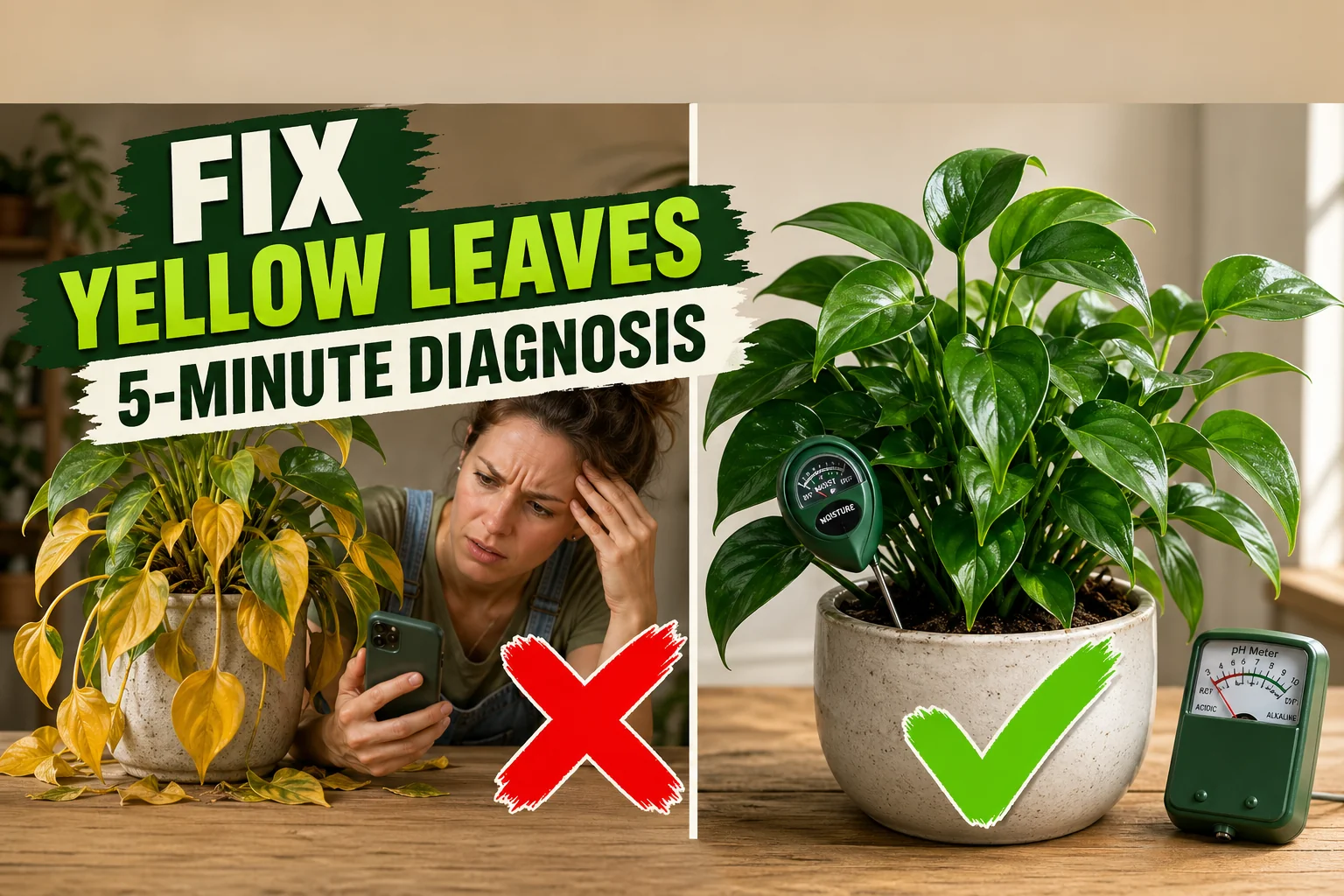
Yellow leaves usually mean overwatering — but they can also signal nutrient, light, age, or pest issues. Use this 5-step flowchart to find the cause in minutes.
On this page
- Quick answer
- The 5-minute yellow-leaf flowchart
- Step 1: Water (the cause 70% of the time)
- Step 2: Light
- Step 3: Nutrients
- Step 4: Age
- Step 5: Pests
- Outdoor plants: the same flow, plus three extras
- Should I cut off yellow leaves?
- Common mistakes that make yellow leaves worse
- Troubleshooting at a glance
- When to worry — and when not to
- Watch: yellow-leaf diagnosis walkthrough
- Related reading
- A note on conditions
Watch the visual walkthrough
How to Fix Yellow Leaves - Nitrogen, Magnesium, Sulfur & Potassium Deficiencies in Weed & Cannabis
Yellow leaves are one of the most common problems when growing marijuana weed and cannabis. There are several reasons ...
If your plant has yellow leaves, you’re not doing something exotic wrong — you’re seeing the most common symptom houseplants and garden plants show. The good news: yellow leaves point to a small, finite list of causes, and you can usually narrow it down in about five minutes.
Work through the flow below in order. Stop at the first cause that matches what you’re seeing.
Quick answer
Yellow leaves are almost always a watering problem (usually overwatering). If watering checks out, run through this order: light, nutrients, leaf age, then pests. Stick a finger 5 cm (2 in) into the soil first — soggy soil with limp yellow leaves means overwatering, dry soil with crispy yellow leaves means underwatering. Fix the actual cause and the next round of leaves will come in green.
The 5-minute yellow-leaf flowchart
Run the checks in this order. Most plants stop you at step 1.
- Water — overwatering or underwatering
- Light — too dim or sudden direct sun
- Nutrients — nitrogen or iron deficiency
- Age — normal shedding of old lower leaves
- Pests — spider mites, scale, fungus gnat larvae
Each step has a simple test. If your plant fails the test, that’s your cause. If it passes, move to the next step.
Step 1: Water (the cause 70% of the time)
The fastest test: push a clean finger 5 cm (2 in) into the soil, or use a soil moisture meter.
| What you find | Likely cause | Fix |
|---|---|---|
| Soil is wet or soggy, leaves feel limp or mushy | Overwatering / root rot | Stop watering, let soil dry to depth, lift plant and check roots — trim any black/mushy roots |
| Soil is bone dry, leaves feel crispy with brown edges | Underwatering | Water deeply until water runs out the drainage holes, then resume “let top 2–3 cm (0.75–1 in) dry between waterings” |
| Soil is evenly damp but pot has no drainage | Standing water at the bottom | Repot into a pot with drainage holes — no exception |
Overwatering is the #1 killer of houseplants. The roots suffocate, then rot, then they can’t pull water up — so the leaves yellow even though the soil is wet. It looks like underwatering, which makes people water more, which kills the plant faster.
If you’re not sure, err toward letting the soil dry. Most houseplants would rather be slightly thirsty than slightly drowned.
Step 2: Light
If watering looks right, check light next.
- Too little light: lower leaves yellow first, plant gets leggy, new leaves are pale and small. Move 30–60 cm (12–24 in) closer to a window, or supplement with a basic LED grow light.
- Sudden direct sun: a plant moved from low light to a bright south-facing window can scorch — leaves yellow then bleach in patches. Move it back to bright indirect light and acclimate over 1–2 weeks.
A simple light test: hold your hand 30 cm (12 in) above the plant on a sunny day. A crisp shadow means bright light. A soft fuzzy shadow means medium light. No shadow at all means low light — most flowering plants and edibles will struggle there.
Step 3: Nutrients
After watering and light, check feeding. The pattern of yellowing tells you which nutrient is missing.
| Yellowing pattern | Deficiency | Fix |
|---|---|---|
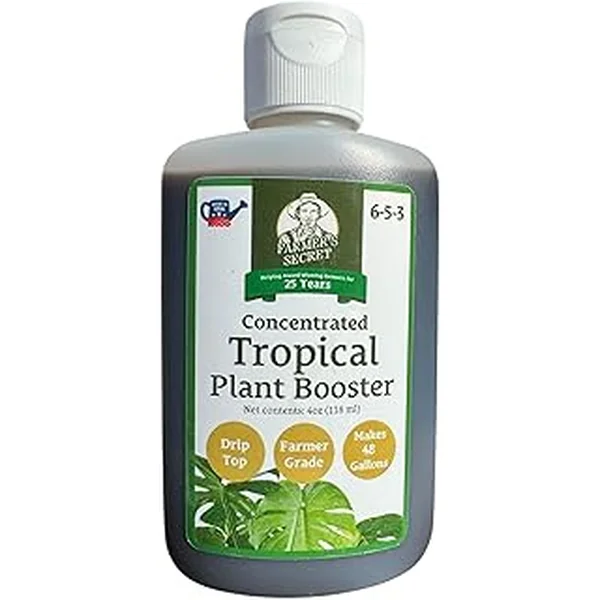
| Oldest (lower) leaves yellow uniformly | Nitrogen | Balanced liquid fertilizer at half-strength every 2 weeks during growing season |
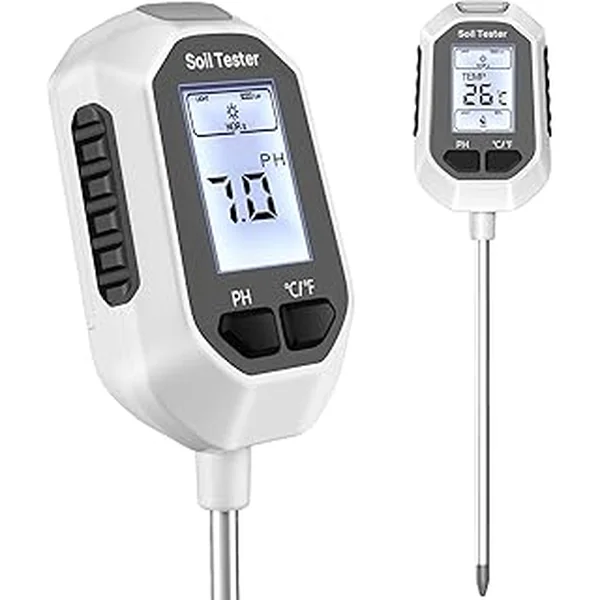
| Newest leaves yellow with green veins (interveinal chlorosis) | Iron — usually a soil pH issue, not a soil supply issue | Test soil pH; aim for 6.0–6.5 for most houseplants; flush soil if pH is too high |
| Yellow blotches between veins on middle leaves | Magnesium | Epsom salt drench, 1 tablespoon per 4 L (1 gal) water, monthly |
| Yellow leaves with purple undersides | Phosphorus | Switch to a fertilizer with higher P (the middle number on the label) |
If you’ve never fertilized, or the plant has been in the same potting mix for more than 12 months, it’s almost certainly nutrient-starved — most potting mixes only carry 6–8 weeks of nutrition.
Step 4: Age
A few yellow leaves at the very base of the plant, while the rest looks great, is usually nothing to fix.
Plants drop old leaves on purpose. Energy gets pulled from the oldest leaves into new growth, the lower leaf yellows, then drops. This is normal for almost every species — pothos, ficus, dracaena, monstera, tomatoes, peppers, even outdoor trees.
How to tell it’s just aging:
- Only 1–2 leaves at a time, always at the very bottom of the plant
- The rest of the plant looks healthy and is pushing new growth
- The yellow leaf comes off cleanly with a gentle tug
Snip the yellow leaf off at the base and move on.
Step 5: Pests
If watering, light, nutrients, and age all check out, flip a leaf over and look at the underside.
- Spider mites: tiny dots, fine webbing in leaf joints, leaves stippled yellow then bronze. Common in dry indoor air.
- Scale: small brown bumps along stems and leaf veins; leaves yellow then drop. They look like part of the plant — scrape one with a fingernail to test.
- Mealybugs: white fluffy clumps in the crooks of stems and leaf joints.
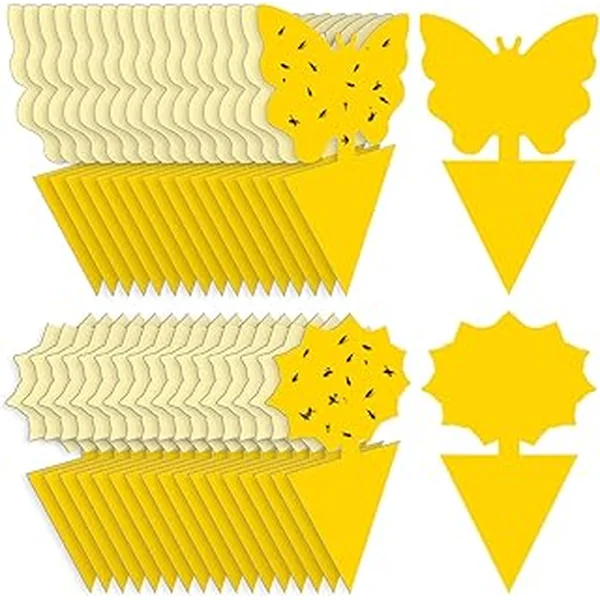
- Fungus gnat larvae: tiny black flies hovering around the soil; the larvae chew tender roots and yellow the lower leaves. Fix the watering first; see our fungus gnat removal guide for the full kill plan.
- Aphids: clusters of tiny green, black, or white bugs on new growth and flower buds (more common outdoors).
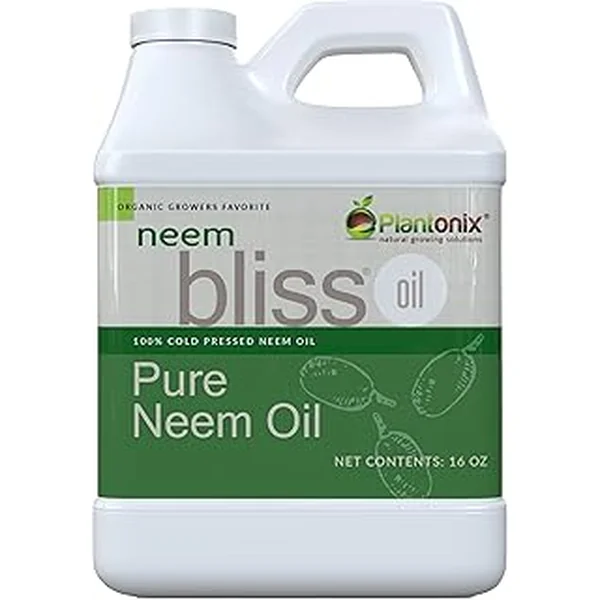
For most pests, a thorough wipe with a soft cloth dipped in soapy water plus a weekly spray of organic neem oil for 3 weeks clears the infestation.
Outdoor plants: the same flow, plus three extras
The 5-step flow above works for outdoor plants too. Add these checks:
- Cold damage: a sudden cold snap (below 10°C / 50°F for tropicals) yellows leaves overnight. Move tender plants indoors when frost is forecast.
- Sunscald: newly transplanted seedlings can yellow on the side facing the strongest sun. Shade-cloth for 5–7 days during transplanting.
- Soggy soil after heavy rain: outdoor pots without drainage drown faster than indoor ones. Tip the pot to drain, raise it on bricks, or repot into a draining container.
Should I cut off yellow leaves?
Yes — once you’ve identified the cause and started the fix.
A leaf that has fully yellowed won’t turn green again. The chlorophyll has broken down for good. Letting it hang on just costs the plant energy.
How to remove yellow leaves cleanly:
- Use sharp clean scissors or pruning shears
- Snip at the base of the leaf petiole (the stalk), not mid-leaf
- Disinfect the blades with rubbing alcohol between plants if you suspect pests or rot
Leave any leaf that’s only partially yellow. The green portion is still feeding the plant.
Common mistakes that make yellow leaves worse
- Watering more because the leaves look “thirsty.” They look thirsty because the roots are drowning. Test the soil before adding water.
- Fertilizing a sick plant. A plant with rotted roots can’t take up nutrients — fertilizer just burns what’s left of the roots. Fix the cause first.
- Repotting in a panic. Repotting a stressed plant adds shock on top of the original problem. Only repot if the issue is the pot itself (no drainage, root-bound, contaminated soil).
- Cutting off every yellow leaf the same day. That’s fine for a few leaves, but stripping a third of the foliage at once stresses the plant. Spread heavy pruning over 1–2 weeks.
- Skipping pest check. If you’ve corrected water, light, and nutrients and yellowing continues, it’s almost always a pest you missed on the leaf undersides.
Troubleshooting at a glance
| Symptom | First check | Likely cause |
|---|---|---|
| Yellow leaves, soggy soil, limp leaves | Soil moisture | Overwatering / root rot |
| Yellow leaves, bone dry soil, crispy edges | Soil moisture | Underwatering |
| Lower leaves yellowing uniformly | Fertilizer history | Nitrogen deficiency |
| New leaves yellow, veins green | Soil pH | Iron deficiency / high pH |
| One or two old leaves at the base | Plant size + new growth | Normal aging |
| Stippled yellow with fine webbing | Leaf undersides | Spider mites |
| Yellow with sticky residue | Stems and veins | Scale or aphids |
| Outdoor plant yellow after a cold night | Recent low temps | Cold damage |
When to worry — and when not to
A few yellow leaves on a plant that’s pushing healthy new growth is normal. The plant is editing itself.
Worry when:
- More than 25% of the plant has turned yellow
- Yellow leaves appear faster than new green ones
- The stem itself is going soft, brown, or mushy at the soil line
- New growth is also yellow and stunted
That last one — new growth coming in yellow — is the strongest signal that the underlying cause hasn’t been fixed yet. Run the flow again with fresh eyes.
Watch: yellow-leaf diagnosis walkthrough
A short visual walkthrough pairs well with the steps above. If you’re a visual learner, watch a 5–10 minute “why are my plant leaves turning yellow” diagnostic tutorial on YouTube and then come back to follow the order in this guide.
Related reading
- Tazart’s plant health care services — when the 5-minute flow points to a deeper problem, here’s how the in-app diagnosis works.
- How to fix root rot — the most common cause of yellow leaves on overwatered houseplants, step by step.
- How to get rid of plant gnats — fungus gnat larvae chew tender roots and yellow the lower leaves; here’s the 3-step kill plan.
- Scan the next plant you bring home with the free Tazart plant identifier and let it set up the watering schedule for you.
A note on conditions
Every home and garden is different. Light, pot size, soil mix, season, humidity, and your local weather all change how plants respond. Use the steps above as a starting point and adjust based on what your plant actually does in week two — diagnosis is a habit, not a one-time fix.
Highly recommended
The supplies that make this guide work
Tazart is an Amazon Associate — we earn from qualifying purchases at no extra cost to you. Thank you for helping us keep these guides free.
Frequently asked questions
Why are my plant leaves turning yellow?
Nine times out of ten it's a watering problem — usually overwatering, sometimes underwatering. The other common causes, in order, are: too little light, nitrogen or iron deficiency, normal old-leaf shedding at the base of the plant, and pests like spider mites or fungus gnat larvae. Run through the 5-step flow in this guide and you'll narrow it down in about 5 minutes.
Should I cut off yellow leaves?
Yes — but only after you've identified the cause. A fully yellow leaf won't turn green again because the chlorophyll has broken down for good. Snip it off at the base with clean scissors so the plant stops spending energy on it. If only the tip or edge is yellow, leave the leaf in place; the green portion is still photosynthesizing.
Will yellow leaves turn green again?
No. Once a leaf has fully yellowed, the chlorophyll is gone and it can't recover. What you want to protect is the next round of new growth. Fix the underlying cause now and the next leaves the plant pushes out should come in green and stay green.
Does yellow leaves mean too much water or too little?
Both can do it, but overwatering is far more common indoors. The tell: if the soil is wet or soggy and the yellow leaves feel limp or mushy, it's overwatering. If the soil is bone dry and the yellow leaves feel crispy, it's underwatering. Stick a finger 5 cm (2 in) into the soil — or use a soil moisture meter — to be sure.
How do I fix yellow leaves on my plant?
First diagnose, then treat. (1) Check soil moisture — adjust watering. (2) Check light — move closer to a window if pale. (3) Check nutrients — feed a balanced liquid fertilizer if it's been more than 2 months. (4) Check the leaf position — bottom leaves yellowing is often just normal aging. (5) Check for pests on the leaf undersides. Fix the actual cause and the next leaves will come in healthy.
What nutrient deficiency causes yellow leaves?
Two main ones. Nitrogen deficiency yellows the OLDEST leaves first (lower leaves on the plant) because the plant pulls nitrogen out of old leaves to feed new growth. Iron deficiency yellows the NEWEST leaves first while the veins stay green — a pattern called interveinal chlorosis. Nitrogen is fixed with a balanced fertilizer; iron is usually a soil pH issue, not a soil supply issue.