Flowers
When to Fertilize Hostas (Spring + Mid-Summer Schedule)
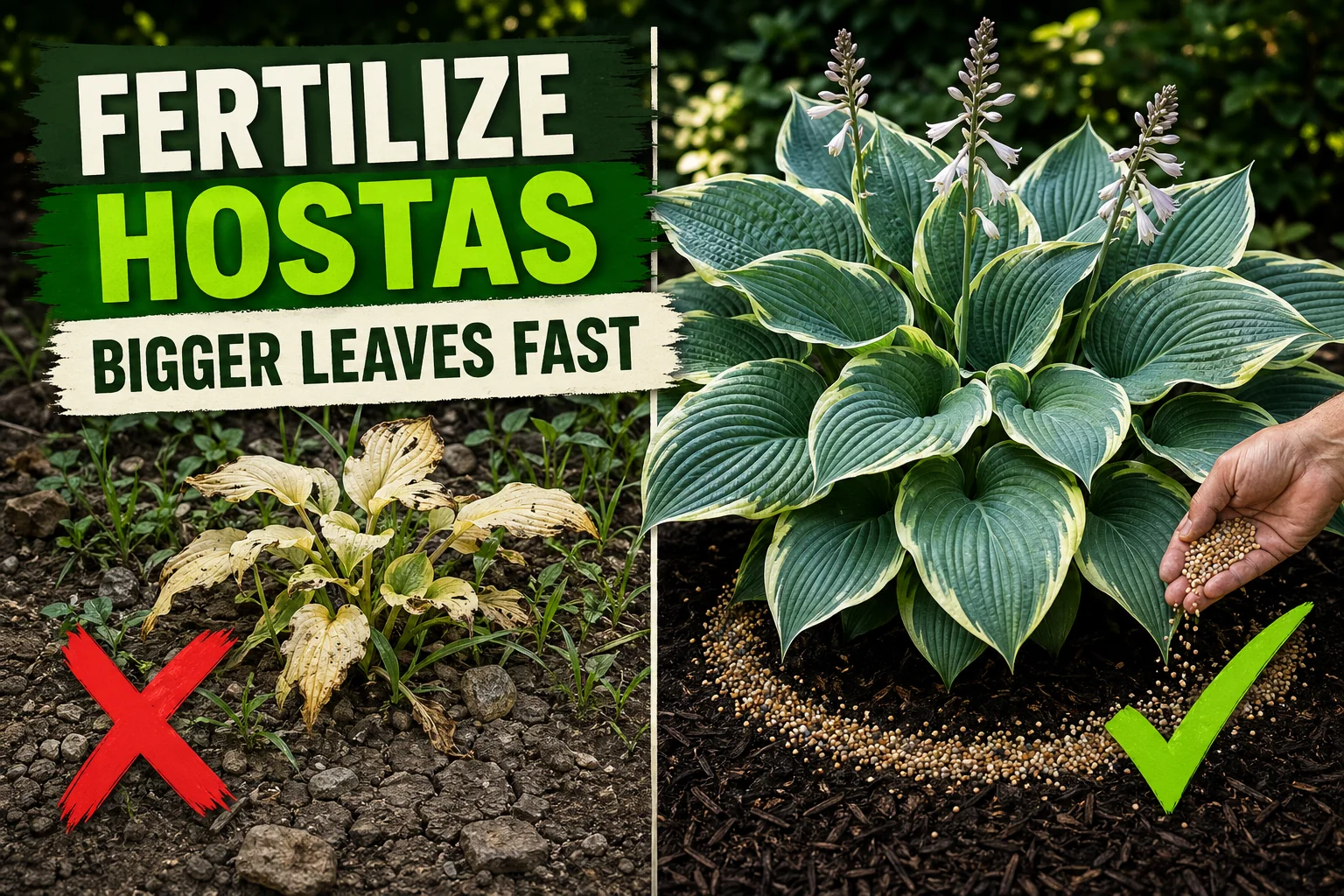
When to fertilize hostas — feed at spring shoot emergence and again in mid-summer with balanced 10-10-10 or slow-release for bigger, fuller, deeper-coloured leaves.
On this page
Watch the visual walkthrough
How to Divide Hostas, Best Time to Divide Hostas and Other Planting Tips
Hostas are fun foliage plants to have around in the garden. Over the years I've transplanted and propagated many hostas from ...
The hosta — most often Hosta plantaginea (the fragrant August lily) or Hosta sieboldiana (the giant blue-leaved type) — is the workhorse of the shade garden. Almost zero pests beyond slugs, almost zero pruning, and almost zero fuss. But hostas grown without any feeding stay small, pale, and slow. Hostas fed at the right two moments in the year double the size of their leaves, deepen blue-green colour, and push more flower scapes by midsummer.
The two moments matter more than the brand of fertilizer. Hostas pull a huge surge of nitrogen from the soil during spring root flush and again during early-summer leaf expansion — feed them then and they respond hard. Feed them at the wrong time and the plant wastes the nutrients, attracts slugs, or pushes soft growth that frost burns in autumn. This guide gives the exact schedule, the right NPK options, dose by plant size, what to do after dividing, and the common mistakes that cost most gardeners a season of growth. Every measurement is in metric and US units.
Quick answer
Fertilize hostas twice a year. First feed: early spring, the moment the new shoots (“hosta noses”) emerge from the soil and reach 5–10 cm (2–4 in) tall. Second feed: early-to-mid summer (6–8 weeks later) only if growth has slowed or leaves look pale. Use a balanced 10-10-10 granular at 30 g per mature plant (1 oz / 1 tablespoon) OR a slow-release 14-14-14 like Osmocote applied once in spring. Stop all feeding by late July; finish the year with a 5 cm (2 in) compost top-dress around the crown in fall.
Table of contents
- Why feeding timing matters for hostas
- What fertilizer to use (NPK options)
- Step-by-step: when and how to feed
- How much per plant by size
- Feeding after dividing hostas
- Common mistakes
- Troubleshooting table
- FAQs
- Related reading
- A note on conditions
Why feeding timing matters for hostas
Hostas are perennials that disappear underground every winter, so the entire season’s leaf canopy has to be built from scratch each spring. The plant pulls on stored energy in the crown during the first few weeks of growth, but it has to find fresh nitrogen from the soil within days of the shoots emerging — that root flush is when feeding pays back the most.
The second high-demand moment is leaf expansion in late spring and early summer. Hosta leaves grow from a tightly furled “spear” to full size in about 4–6 weeks, and that whole expansion is driven by nitrogen, magnesium, and water. A fertilizer that lands during this window goes straight into bigger, thicker, deeper-coloured leaves. After mid-summer, growth shifts to flowering and crown storage — extra nitrogen at that point isn’t useful and produces soft growth that won’t survive winter.
Mistime the feed and you mostly waste it. Feed in mid-fall and you get tender shoots that frost kills. Feed in mid-July when leaves are already fully out and you get nothing visible at all. The timing is more important than the brand.
What fertilizer to use (NPK options)
NPK = Nitrogen (N), Phosphorus (P), Potassium (K) — the three numbers on every fertilizer bag. For hostas, balanced is the safe choice.
Three good options:
| Option | Example | When to apply | Pros |
|---|---|---|---|
| Balanced granular 10-10-10 | Generic vegetable & flower feed | Once in early spring + once mid-summer if needed | Cheap, widely available, easy dose |
| Slow-release 14-14-14 | Osmocote, Plantone | Once in early spring only | Set-and-forget; releases over 3–4 months |
| Compost top-dress | Leaf mould or garden compost | Spring and/or fall | Improves soil texture; gentle, slug-friendly |
What N, P, K do for a hosta:
- Nitrogen (N) — leaf size, leaf colour, canopy density. The number that matters most for hostas.
- Phosphorus (P) — root strength and flower spike formation.
- Potassium (K) — disease resistance, drought and heat tolerance, winter hardiness.
Avoid:
- High-nitrogen lawn feeds (e.g. 29-0-4) — they push soft, slug-magnet growth and can scorch the crown.
- Bloom boosters (high-P like 10-30-20) — hostas are grown for foliage, not flowers; the extra phosphorus is wasted.
- Fresh manure — too “hot” for hostas; burns the crown. Composted manure is fine.
For most home gardens, a single bag of balanced 10-10-10 plus a wheelbarrow of compost covers the whole hosta bed for a year.
Step-by-step: when and how to feed
First feed — spring shoot emergence
- Watch for the shoots. Hosta “noses” — pointed purple-tinged spears — push up as soon as soil stays above 7°C (45°F). Depending on your zone that’s late March to mid-May.
- Wait until they reach 5–10 cm (2–4 in) tall. Feeding before the shoots show wastes the granules; feeding too late (after leaves have fully unfurled) gives a smaller boost.
- Pull back any heavy mulch so the granules touch soil, not bark.
- Sprinkle 30 g (1 oz / 1 tablespoon) of 10-10-10 in a ring around the crown, about 15 cm (6 in) out from the centre. Don’t pile it on top of the shoots.
- Water deeply. Aim for 2–3 L (½–¾ gal) of water per plant to dissolve the granules and carry the nutrients down to the root zone.
- Replace the mulch to lock in the moisture.
Second feed — early-to-mid summer (only if needed)
- Inspect the plant 6–8 weeks after the first feed (typically late June to mid-July).
- Skip this feed if leaves look full, dark, and the plant is flowering well. A second dose only matters if growth has stalled, leaves are pale, or the hosta is in poor soil.
- If feeding: apply half the spring dose — about 15 g (½ oz / ½ tablespoon) of 10-10-10 per mature plant — and water in well.
- Stop entirely after late July (around week 30 of the year in temperate zones).
If you used a slow-release 14-14-14 in spring, skip the second feed completely — the granules are still releasing.
Fall finishing move (not a fertilizer)
After the first frost knocks the leaves down, top-dress with 5 cm (2 in) of compost or leaf mould in a ring around the crown — never directly on top of it. This feeds the soil slowly over winter and protects the crown from freeze-thaw cycles without forcing growth.
How much per plant by size
Hostas range from miniature 15 cm (6 in) “Mouse Ears” to giant 1.5 m (5 ft) wide “Empress Wu” specimens. One dose does not fit all.
| Hosta size | Mature spread | Spring dose (10-10-10) | Slow-release (14-14-14) |
|---|---|---|---|
| Miniature | Under 30 cm (12 in) | 10 g (≈ 1 tsp) | 15 g (≈ 1 tbsp) |
| Small | 30–60 cm (12–24 in) | 20 g (≈ 2 tsp) | 30 g (≈ 2 tbsp) |
| Medium | 60–90 cm (24–36 in) | 30 g (≈ 1 tbsp) | 45 g (≈ 3 tbsp) |
| Large | 90–120 cm (36–48 in) | 45 g (≈ 1.5 tbsp) | 60 g (≈ ¼ cup) |
| Giant (Hosta sieboldiana, Empress Wu) | Over 120 cm (48 in) | 60–90 g (¼–⅓ cup) | 90 g (≈ ⅓ cup) |
Dosing tips:
- Always sprinkle in a ring 15–20 cm (6–8 in) out from the crown, never directly on top of it. Granules touching the crown can burn the growing tips.
- After application, rake gently into the top 2 cm (1 in) of soil if possible, then water.
- For a tightly planted hosta bed, calculate per plant — overlapping rings are fine.
Feeding after dividing hostas
Spring is the standard time to divide hostas — usually paired with the first feed. The order matters.
Sequence:
- Lift and divide before the leaves fully unfurl, when shoots are 5–10 cm (2–4 in) tall.
- Replant divisions at the same depth they were growing, in soil amended with 5 cm (2 in) of compost.
- Water deeply — 4–5 L (1–1.3 gal) per division to settle soil around the roots.
- Skip granular fertilizer for at least 4 weeks. The cut roots need to heal. A concentrated dose at this stage burns the freshly cut root tips.
- After 4 weeks, if the divisions look settled and have pushed new growth, apply a half dose of 10-10-10 (15 g / ½ oz / ½ tablespoon per division). Water in.
- Resume normal full-dose feeding the following spring.
For mature, undisturbed hostas in the same bed, you can feed and never divide for 6–8 years before clumps need lifting again.
Common mistakes
-
Over-fertilizing. More is not better. Doubling the dose builds up salts in the soil, attracts slugs to the soft growth, and can scorch the crown. Stick with the table doses.
-
Late-summer feeding. Anything past late July (even a “small boost”) pushes soft growth that the first frost destroys. Stop early. Use compost in fall instead.
-
Fertilizer on the leaves. Granules sitting in the leaf axils dissolve in dew and burn brown spots into the foliage. Always apply in a ring around — not on top of — the plant.
-
Feeding dry soil. Concentrated granules touching dry roots scorch them. If you’ve had a dry spell, water deeply 24 hours before feeding.
-
Using lawn fertilizer. High-nitrogen lawn feeds (e.g. 29-3-4) are formulated for grass, not foliage perennials. They produce floppy oversized leaves that slugs eat overnight and that wilt in heat.
-
Feeding newly planted or freshly divided hostas full strength. Wait 4–6 weeks. The root system isn’t ready.
-
Skipping the fall compost top-dress. This is the slowest, gentlest, and most beneficial feed of all — and the one most often forgotten. It feeds the soil organisms that feed the plant.
Troubleshooting
| Symptom | Likely cause | Fix |
|---|---|---|
| Pale yellow-green leaves through spring | Nitrogen deficiency; feed missed or washed out | Apply half-dose 10-10-10 (15 g / ½ tbsp) and water in well; mulch to slow leaching |
| Brown crispy leaf edges after feeding | Granules touched the crown or soil too dry | Pull granules off; flush soil with 6–8 L (1.5–2 gal) plain water; skip next feed |
| Slug damage spiked after fertilizing | Soft nitrogen-rich growth attracting slugs | Switch to balanced 10-10-10 (not lawn feed); apply iron phosphate pellets; copper rings around crown |
| Soft floppy oversized leaves | Over-fertilized or wrong NPK | Skip the next two scheduled feeds; check the bag — should be roughly balanced, not high-N |
| New growth in fall that frost burns | Late-season nitrogen | Stop feeding after late July; use compost top-dress only in fall |
| Hosta sieboldiana losing blue colour | Excess nitrogen or strong sun | Lower feeding rate; move to deeper shade; the waxy blue coating returns with cooler conditions |
FAQs
(See structured FAQ section in the page metadata; questions answered above include newly planted hostas, slugs and fertilizer, coffee grounds, fall feeding, NPK ratio, and feeding after division.)
Related reading
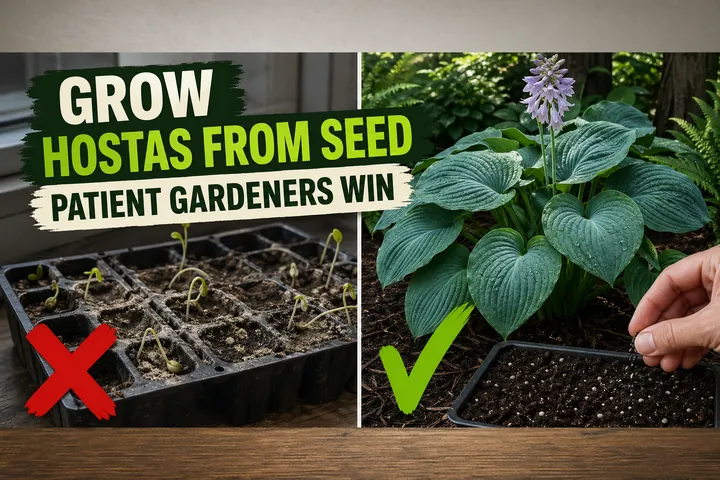
- How to plant hosta seeds: full germination guide — start hostas from seed, including the cold stratification and seedling feeding rules that pair with this fertilizing schedule.
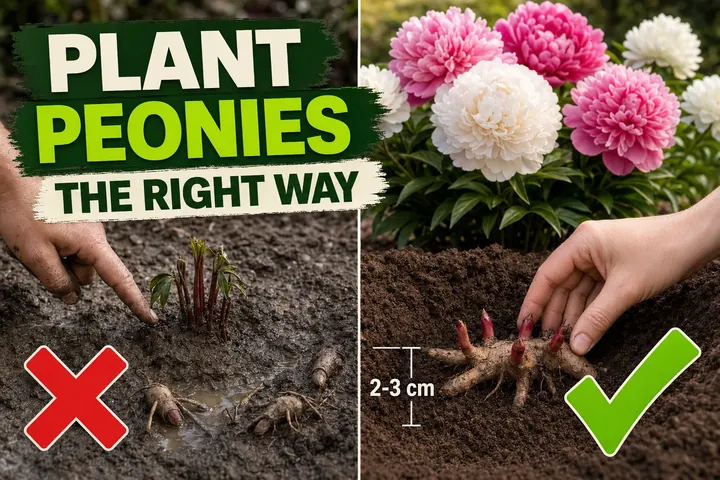
- How to plant peony bulbs — another shade-tolerant perennial with its own spring + fall feeding rhythm worth pairing with hostas in the same bed.
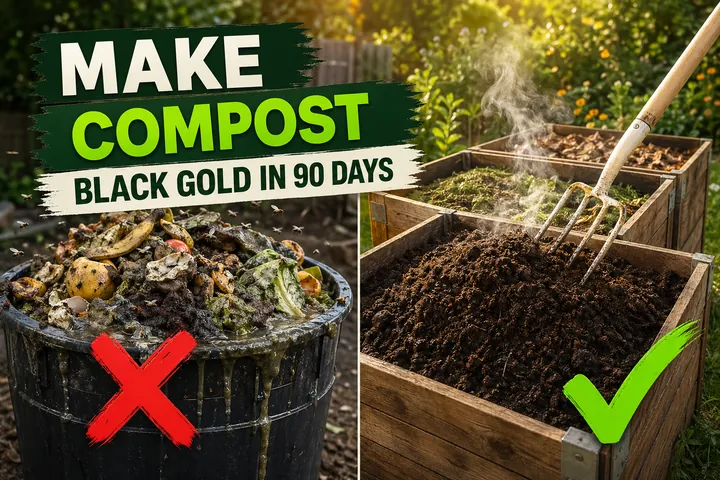
- How to make compost at home — the fall top-dress this guide ends on works best with kitchen-and-leaf compost you’ve made yourself.
Track the spring shoot emergence, the mid-summer check-in, and the fall compost top-dress automatically with the free Tazart plant care app. It logs each feed by plant, fires the next reminder at the right week, and Dr. Afrao — the in-app AI plant assistant — can diagnose pale leaves, fertilizer burn, or slug damage from a quick photo.
A note on conditions
Hosta varieties, climates, and soils all push these dates around. Cold-zone gardeners may not see shoots emerge until early May; warm-zone gardeners may be feeding by mid-March. Sandy soils leach fertilizer faster and may need the second mid-summer feed every year, while heavy clay holds nutrients much longer and rarely needs a second dose. Watch the plant — pale leaves and slowed growth always mean “feed half a dose”; lush floppy leaves and slug damage always mean “back off”. The schedule in this guide is a solid starting point; your specific bed will fine-tune itself within one or two seasons of careful observation.
Highly recommended
The supplies that make this guide work
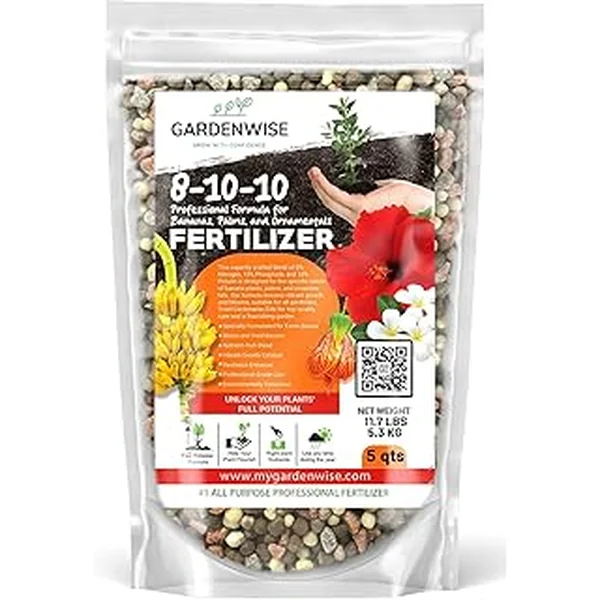

Tazart is an Amazon Associate — we earn from qualifying purchases at no extra cost to you. Thank you for helping us keep these guides free.
Frequently asked questions
Should I fertilize newly planted hostas?
Light feeding only. A first-year hosta is busy growing roots, not leaves, so skip granular fertilizer for the first 6–8 weeks after planting. After that, a single half-strength liquid feed in late spring is plenty. The bigger boost — a full granular spring feed — should wait for year two when the crown is established and the plant pushes its first proper flush of leaves.
Will fertilizer attract slugs to my hostas?
High-nitrogen fertilizers can. Soft, lush, nitrogen-pumped hosta leaves are softer to chew and slugs find them faster. Stick with a balanced 10-10-10 (or a slow-release 14-14-14 like Osmocote) rather than a lawn-style high-nitrogen feed, and pair the spring feeding with slug control — copper rings, iron phosphate pellets, or beer traps. The fertilizer itself is not what attracts slugs; the soft growth it produces is.
Can I use coffee grounds on hostas?
Yes — sparingly. Used coffee grounds add a small amount of nitrogen and improve soil structure when worked into the top 2–3 cm (1 in) of soil or composted first. They should not replace a balanced fertilizer. Don't dump fresh wet grounds in a thick layer at the crown — they mat down, repel water, and can grow mould. A thin sprinkle a few times per season is fine.
Should I fertilize hostas in fall?
No — stop fertilizing by late July or early August. Late-season nitrogen pushes soft new growth that doesn't have time to harden off before the first frost, which then dies back and stresses the crown. The right late-season move is a 5 cm (2 in) top-dress of compost or leaf mould around (not on top of) the crown — it feeds the soil slowly over winter without forcing growth.
What is the best NPK ratio for hostas?
A balanced 10-10-10 is the safest all-purpose choice. Slow-release options like 14-14-14 Osmocote work equally well and only need to be applied once in spring. Avoid high-nitrogen lawn feeds (anything starting with 20+ as the first number) — they push lush soft leaves that slugs love and that wilt fast in heat. Hostas grown for blue-leaved varieties (Hosta sieboldiana) actually colour better at slightly lower nitrogen.
How do I fertilize hostas after dividing them?
Wait. Don't fertilize freshly divided hostas for at least 4 weeks. The cut roots are healing, and concentrated fertilizer at this stage burns the new root tips. Water deeply with plain water, mulch with 5 cm (2 in) of compost around (not on) the crown, and resume normal feeding the following spring once the plant has visibly recovered and is pushing new leaves.