Edible
What Conditions Do Red Peppers Need to Grow? (Full Guide)
Red peppers need 8+ hrs of sun, 21–29°C (70–85°F) days, pH 6.0–6.8 well-drained soil, steady water, and a 90–150 day season. Conditions guide.
On this page
Watch the visual walkthrough
4 Tips For a Huge PEPPER Harvest
In this video I'm going to go through my top 4 tips to get a huge pepper harvest. Organic gardening doesn't have to be difficult.
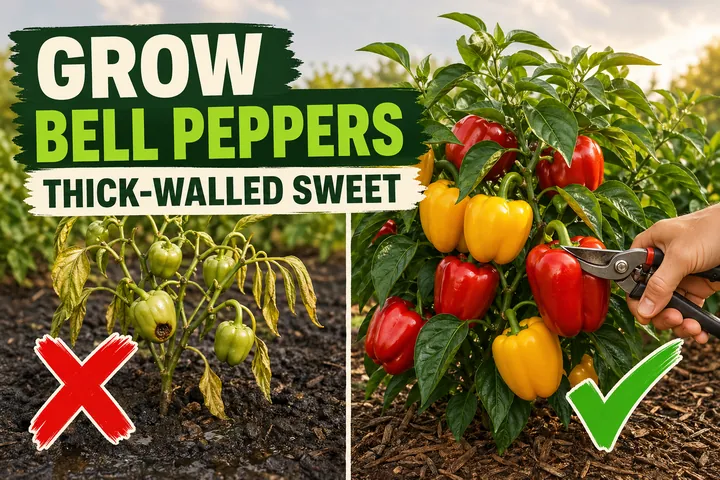
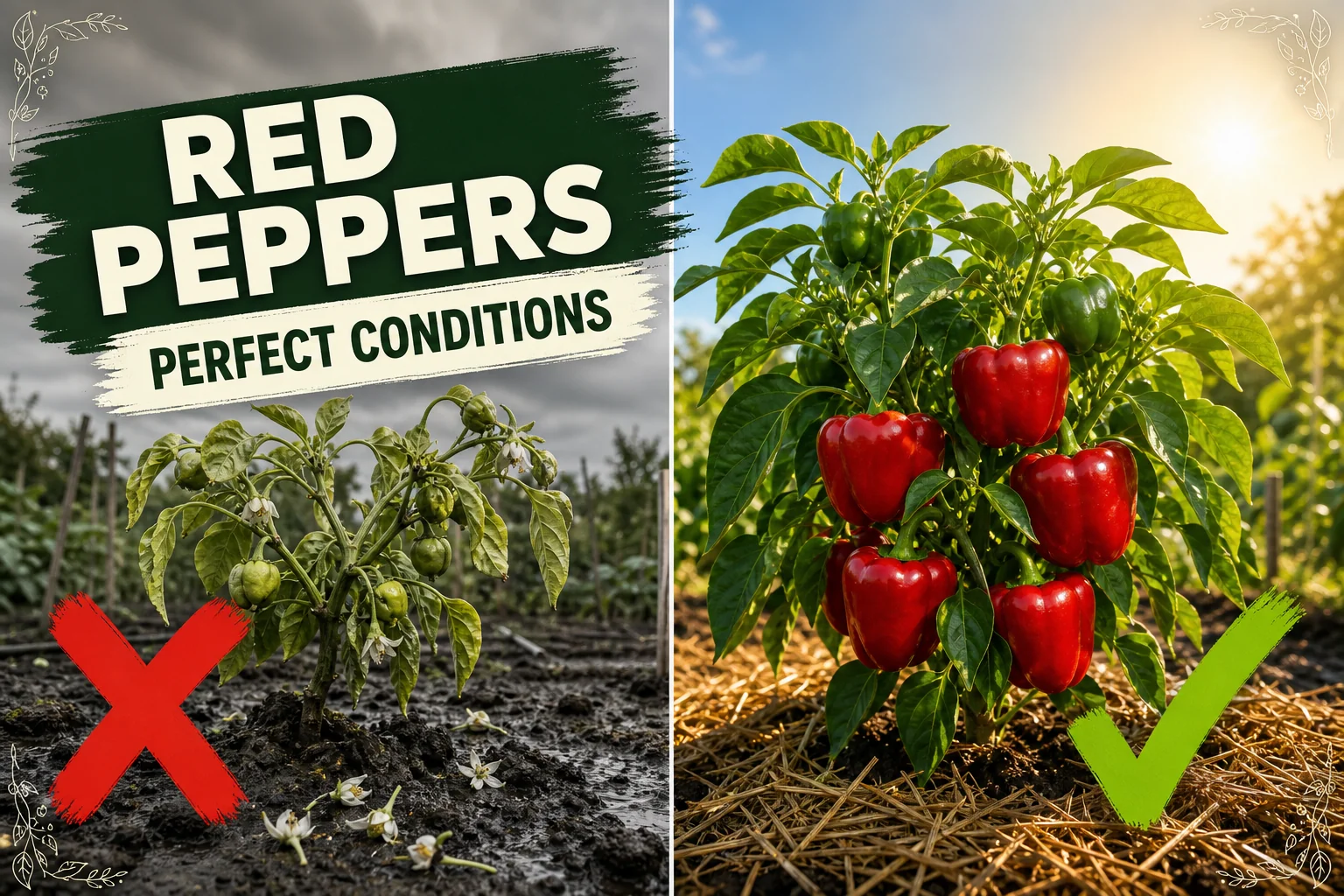
Red peppers ask more from a garden than almost any other common vegetable: they want a long warm season, full sun, consistent moisture, slightly acidic soil, and a frost-free window of 90–150 days. Get every condition right and a single plant produces 5–10 ripe red peppers worth picking. Miss the temperature window or skip mulch, and the same plant gives you three pale green specimens.
This guide covers each environmental condition red peppers actually need — temperature, light, soil, water, humidity, season length — with the numbers from university extension research and the practical fixes when conditions fall short.
Quick answer
Red peppers need 6–8+ hours of direct sun, daytime temperatures of 21–29°C (70–85°F) and night temperatures of 16–21°C (60–70°F), pH 6.0–6.8 well-drained soil, 2.5–4 cm (1–1.5 in) of water weekly, and a 90–150 day frost-free window. Soil temperature must be 18°C (65°F) before transplanting. Below 13°C (55°F) flowers drop and growth stops.
Table of contents
- Temperature requirements
- Light and sun requirements
- Soil and pH
- Water needs
- Season length and timing
- Humidity and airflow
- Indoor growing conditions
- Common condition-related problems
- Troubleshooting
- FAQ
Temperature requirements
Temperature is the single biggest variable in red pepper success.
Optimal ranges
| Stage | Day temp | Night temp | Soil temp |
|---|---|---|---|
| Seed germination | 24–30°C (75–86°F) | 21–24°C (70–75°F) | 24–29°C (75–85°F) |
| Seedling growth | 21–27°C (70–80°F) | 16–21°C (60–70°F) | n/a |
| Transplant | 21–27°C (70–80°F) | 13–18°C (55–65°F) | 18°C (65°F) min |
| Flowering / fruit set | 21–29°C (70–85°F) | 16–21°C (60–70°F) | 21°C (70°F) |
| Fruit ripening | 21–29°C (70–85°F) | 18–24°C (65–75°F) | 21°C (70°F) |
Critical thresholds
- Below 13°C (55°F) night — growth stops, flowers drop. Most common cause of “no peppers” in cool summers.
- Below 4°C (40°F) — chilling injury (dark patches on leaves, slow plant decline).
- Below 0°C (32°F) — frozen and dead.
- Above 32°C (90°F) day — pollen becomes sterile, fruit set fails.
- Above 35°C (95°F) — leaf wilt even with adequate water.
Warming the soil
Soil temperature lags air temperature by 2–4 weeks in spring. To accelerate:
- Black plastic mulch warms soil 5°C (10°F)
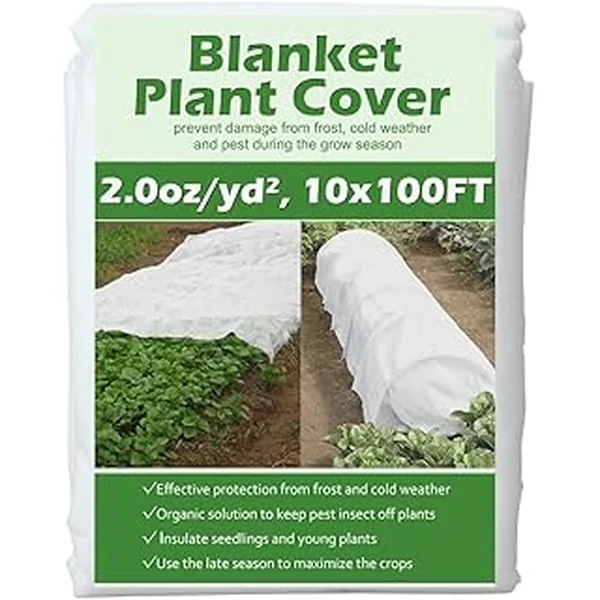
- Row cover adds 3°C (5°F) and protects from cold nights
- Raised beds warm 2 weeks faster than ground beds
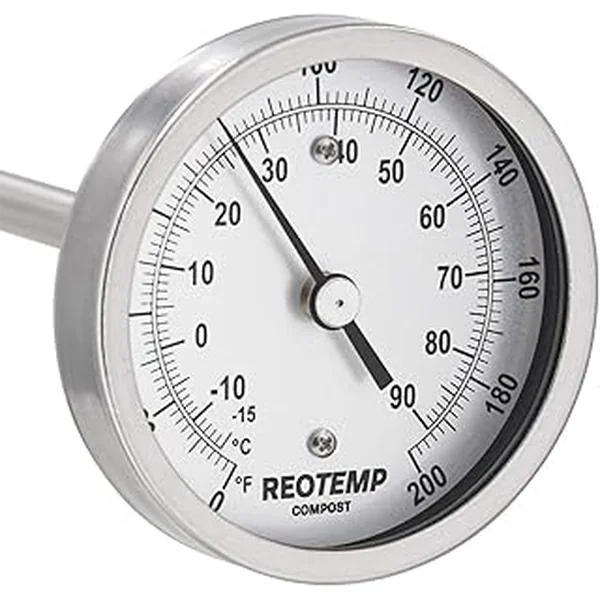
A soil thermometer is the cheapest investment a pepper grower makes. Don’t transplant until the reading is reliably 18°C (65°F).
Light and sun requirements
Red peppers are full-sun crops — they evolved in tropical Mexico and Central America where bright daily sun is the default.
| Daily direct sun | Result |
|---|---|
| 8+ hours | Optimal — heaviest yields, fastest ripening |
| 6–8 hours | Good — typical home garden yield |
| 4–6 hours | Reduced yield (40–60% of optimum), slow ripening |
| Below 4 hours | Plants survive but rarely fruit usefully |
Light intensity
Outdoor full sun delivers 100,000+ lux at peak. Peppers need at least 32,000 lux (about 600 μmol/m²/s) sustained for fruit set. Cloudy weeks during flowering can stall production.
Indoor / greenhouse light
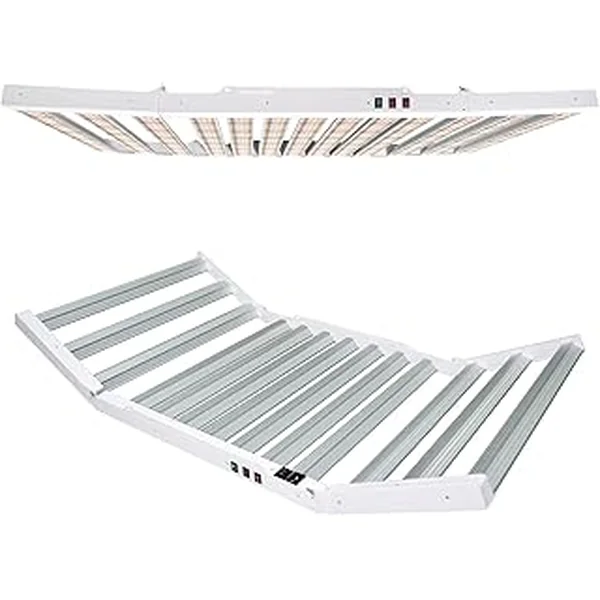
Indoor LED grow lights need to provide 200+ μmol/m²/s at canopy level (about 12,000 lux) for at least 14 hours per day to support fruiting. Most home grow setups produce vigorous foliage but skimpy fruiting because the lighting is below this threshold.
For full indoor lighting guidance, see how to use grow lights for indoor plants.
Soil and pH
Peppers prefer rich, well-drained, slightly acidic to neutral soil.
pH range
- Optimal: 6.0–6.8
- Acceptable: 5.8–7.2
- Outside range: Calcium uptake fails → blossom-end rot
Texture
- Best: Sandy loam to loam
- Acceptable: Clay loam (amended with compost)
- Avoid: Heavy clay (rots roots), pure sand (drains too fast)
Amendment
- Loosen soil to 30 cm (12 in) deep
- Mix in 5–8 cm (2–3 in) of well-rotted compost
- Add 60 g per m² (2 oz per sq yd) of balanced organic fertiliser at planting
- Side-dress with a calcium source (gypsum or calcium nitrate) at first flower
Drainage
Pepper roots rot in waterlogged soil. If your bed pools water for more than 30 minutes after rain, plant in raised beds or amend heavily with organic matter.
Water needs
Peppers want moderate, consistent moisture.
Weekly water target
- 2.5–4 cm (1–1.5 in) per week, including rain
- Deep watering twice per week beats light daily sips
- Drip irrigation or soaker hose preferred — overhead watering invites disease
When to water
- Morning is best (foliage dries before evening)
- Check soil at 5–7 cm (2–3 in) depth — water when this layer feels dry
- Containers may need daily checks in heat
Mulch
A 5–8 cm (2–3 in) mulch layer is the most effective single intervention for pepper water management:
- Stabilises moisture levels
- Keeps soil cool in heat
- Prevents soil splash that spreads disease
Straw, shredded leaves, or grass clippings (in thin layers) all work.
Common water mistakes
- Inconsistent watering: the #1 cause of blossom-end rot
- Drying then flooding: cracks develop in fruit
- Overhead watering at evening: invites bacterial spot and leaf disease
- Light surface sips: encourage shallow roots that wilt at first heat
Season length and timing
Peppers are slow. From transplant to red-ripe pepper:
| Variety type | Days to green-mature | Days to red-ripe |
|---|---|---|
| Bell peppers (early types) | 60–70 | 75–95 |
| Bell peppers (standard) | 70–80 | 90–110 |
| Italian/lipstick types | 65–75 | 80–100 |
| Long-season heirlooms | 80–90 | 110–150 |
Frost-free window required
- Minimum: 90 days from last spring frost to first autumn frost
- Comfortable: 110 days
- Long-season heirlooms: 130+ days
In short-season climates (zones 3–5, latitudes above 45°N), choose early varieties or start seeds indoors 8–10 weeks before transplant. See how to grow bell peppers for the full timeline.
Extending the season
- Start seeds indoors 8–10 weeks early
- Use black plastic mulch + row cover for 2-week head start
- Cover plants on cold autumn nights to extend ripening window
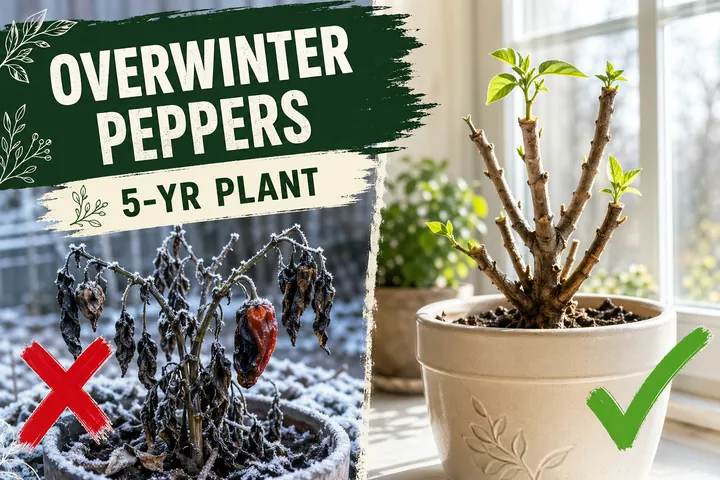
- Bring potted plants indoors for last-stage ripening — see how to overwinter pepper plants
Humidity and airflow
Peppers prefer moderate humidity (50–70%) with good airflow.
- Below 40%: Flowers may dry out before pollination
- 40–70%: Optimal range
- Above 80% sustained: Bacterial spot and other diseases thrive
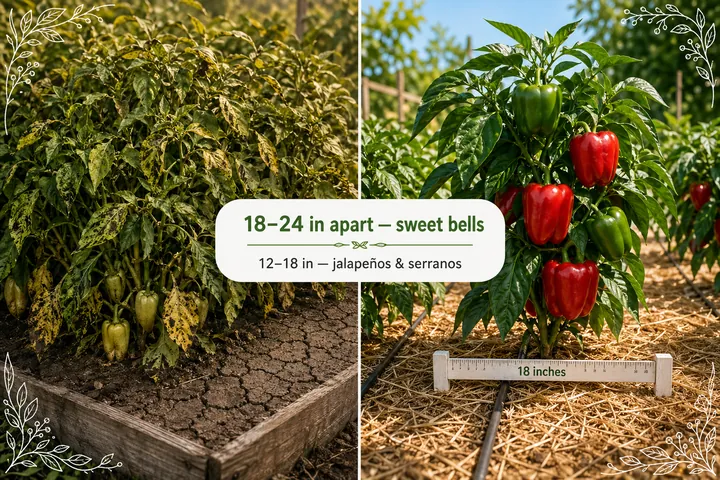
In humid climates, prioritise wide spacing for airflow — see how far apart to plant peppers for the spacing chart. Drip irrigation also helps — wet foliage at evening is the high-disease combination.
Indoor growing conditions
Yes, peppers can grow indoors, but it requires meeting all conditions simultaneously.
Required setup
| Variable | Indoor target |
|---|---|
| Light | 200+ μmol/m²/s at canopy, 14–16 hr/day |
| Temperature | 21–29°C day, 18–24°C night |
| Humidity | 50–60% |
| Airflow | Small fan running constantly |
| Pollination | Hand pollinate every 2–3 days at flower |
| Pot size | 19 L (5 gal) minimum per plant |
Indoor pepper yields are 20–40% of outdoor — feasible for hobby growing, not economical for food production.
Common condition-related problems
| Symptom | Likely condition cause |
|---|---|
| Flower drop | Night temp below 13°C (55°F) or above 24°C (75°F) |
| Blossom-end rot | Inconsistent water + low calcium + soil pH out of range |
| Sunscald (white leathery patches on fruit) | Sudden full-sun exposure after cloudy spell, or sparse foliage |
| Slow ripening | Cool nights below 18°C (65°F); short remaining season |
| Pale yellow leaves | Nitrogen or magnesium deficiency, or pH out of range |
| Curled leaves | Aphids, viral disease, or sudden temperature drop |
| Cracked fruit | Inconsistent watering — dry then heavy soak |
| Stunted growth all season | Cold-soil transplant shock |
Troubleshooting
| Symptom | Likely cause | Fix |
|---|---|---|
| No flowers despite vigorous foliage | Excess nitrogen, too much shade | Switch to balanced fertiliser; ensure 6+ hr sun |
| Flowers drop without setting fruit | Night temp too cold or too hot | Row cover at night; afternoon shade in heat |
| Black sunken spots on fruit bottoms | Blossom-end rot (calcium uptake issue) | Mulch heavily; consistent water; gypsum side-dress |
| Peppers stay green, never turn red | Variety, season ended, cool nights | Wait longer; pick green if frost imminent |
| White leathery patches on fruit | Sunscald | Maintain leaf canopy; afternoon shade if reduced foliage |
| Wilting despite wet soil | Root rot from waterlogged conditions | Improve drainage; raised bed |
| Wilting despite dry soil | Heat stress + dry soil | Mulch; deeper watering twice weekly |
| Cracked fruit | Inconsistent watering | Mulch + drip irrigation |
| Tiny pale fruit | Insufficient sun + nutrient deficiency | More sun; balanced fertiliser; check pH |
Final notes
If you can give red peppers full sun, warm nights, well-drained 6.0–6.8 pH soil, and steady 2.5–4 cm (1–1.5 in) of weekly water — they will reward you with deep red fruit. The most common reason home-grown peppers don’t turn red is simply that the season ended before they had time. Plan for a 110-day frost-free window from transplant, and most varieties will fully ripen.
For more pepper-specific guidance:
- How to grow bell peppers — full lifecycle
- How far apart to plant peppers — spacing for airflow
- How many red peppers per plant — yield expectations
- How to overwinter pepper plants — second-year heads start
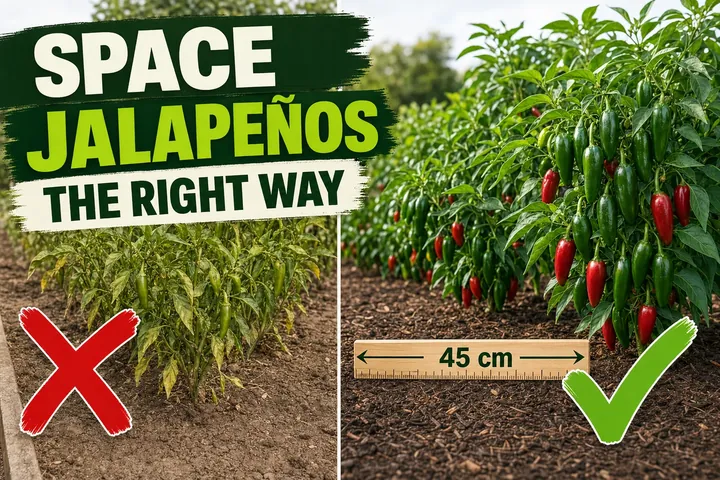
- How far apart to plant jalapenos — hot pepper variant
Track soil temperature, transplant timing, and ripening windows with the free Tazart plant care app.
A note on conditions
Climate zone, variety, and microclimate all shift these numbers slightly. The conditions above are well-tested averages from university extension research — adjust based on your specific local climate and what your seed-packet variety recommends.
Highly recommended
The supplies that make this guide work
Tazart is an Amazon Associate — we earn from qualifying purchases at no extra cost to you. Thank you for helping us keep these guides free.
Frequently asked questions
What temperature do red peppers need to grow?
Red peppers need daytime temperatures of 21–29°C (70–85°F) and night temperatures of 16–21°C (60–70°F) to grow well. Below 13°C (55°F) at night, growth stops and flowers drop. Above 32°C (90°F), pollen becomes sterile and fruit set fails. Soil temperature for transplanting should be at least 18°C (65°F).
How much sun do red peppers need?
Red peppers need 6–8 hours of direct sun minimum, with 8+ hours producing the best yields. In northern latitudes (above 45°N), aim for the maximum sun your site offers — full south or south-west exposure. In hot southern climates, light afternoon shade prevents sunscald on ripening fruit but daily sun should still total at least 6 hours.
Do red peppers need a lot of water?
Red peppers need 2.5–4 cm (1–1.5 in) of water per week — moderate, consistent moisture. Drying out causes flower drop and small wrinkled fruit; oversaturation causes root rot and blossom-end rot. Mulch heavily and water deeply once or twice a week with drip irrigation rather than light daily sips.
What pH soil do red peppers like?
Red peppers prefer slightly acidic to neutral soil, pH 6.0–6.8. Outside this range, nutrient uptake is impaired — calcium deficiency (which causes blossom-end rot) is much more common in soils below 6.0 or above 7.2. Test before planting and adjust with lime (if too acidic) or elemental sulphur (if too alkaline).
How long do red peppers take to turn red?
Red peppers take 90–150 days from transplant to reach full red colour, depending on variety. Bell peppers typically reach green-mature in 60–80 days, then need an additional 3–4 weeks of warm sunny weather to ripen to red. In short-season climates, picking some peppers green frees the plant to ripen the rest before frost.
Can red peppers grow indoors?
Yes, with strong supplemental lighting. Indoor red peppers need 14–16 hours of full-spectrum LED grow light at 200+ μmol/m²/s (about 12,000 lux at canopy), 21–29°C (70–85°F), and consistent 50–60% humidity. Pollination must be done by hand using a small brush — there are no insects indoors. Yields are lower than outdoors but possible.
What happens if red peppers get too cold?
Below 13°C (55°F): growth stops, flowers drop, plant becomes susceptible to disease. Below 4°C (40°F): leaves develop chilling injury (dark patches, slow death over weeks). Below 0°C (32°F): plant freezes and dies. Cold-shocked pepper plants rarely recover full vigor and produce reduced yields even after temperatures warm.
Why won't my peppers turn red?
Three main reasons: (1) the season ended before they had time to ripen — peppers need 3–4 extra weeks of warm sun after green-mature stage to redden. (2) Variety: some cultivars are picked at green stage and never turn red. Check the seed packet. (3) Cool weather: nighttime temperatures below 18°C (65°F) slow ripening dramatically. Peppers may green-mature but never redden in cool autumn weather.