Houseplants
Swiss Cheese Plant Care (Monstera adansonii Made Simple)
Get your Swiss cheese plant (Monstera adansonii) to grow dramatic holed leaves. Full care guide: light, watering, humidity, moss pole, and fenestration fixes.
On this page
Watch the visual walkthrough
Monstera Deliciosa Plant Care: Beginner Swiss Cheese Plant Tips
Want to know how to clean monstera leaves, or why the leaves are curling? This tropical plant is definitely a household favorite, ...
The Swiss cheese plant (Monstera adansonii) is one of the easiest tropical aroids you can grow indoors — and it’s the one with the dramatic hole-punched leaves you see all over plant Instagram. Get the light, watering and humidity right and every new leaf comes in bigger and more fenestrated than the last.
This guide covers exactly what Monstera adansonii needs to push out Swiss-cheese leaves, how to fix the three problems every grower hits, and how to tell it apart from its much larger cousin Monstera deliciosa.
Quick answer
Grow Monstera adansonii in bright indirect light, about a metre (3 ft) from a south- or east-facing window. Pot it in a chunky peat-free aroid mix in a 15–20 cm (6–8 in) pot with drainage. Water when the top 3–4 cm (1–1.5 in) of mix is dry — usually every 5–9 days in summer. Keep humidity above 50% and give it a damp moss pole to climb. Feed monthly in spring and summer with a balanced liquid fertilizer at half strength. Expect mature Swiss-cheese fenestrated leaves within 2–3 new leaves once it has light, height to climb and humidity.
Monstera adansonii vs Monstera deliciosa
People mix these up constantly because both are sold as “Monstera.” They’re related but very different plants.
| Feature | Monstera adansonii (Swiss cheese plant) | Monstera deliciosa (split-leaf philodendron) |
|---|---|---|
| Mature leaf size | 10–25 cm (4–10 in) | 45–90 cm (18–36 in) |
| Leaf shape | Oval, holes inside the leaf | Heart-shaped, splits to the edge |
| Habit | Trailing or climbing vine | Large free-standing climber |
| Mature height indoors | 1.8–2.4 m (6–8 ft) on a pole | 2.4–3 m (8–10 ft)+ |
| Best display | Hanging basket or moss pole | Floor pot with sturdy moss pole |
Both are in the family Araceae and share very similar care, but adansonii is a little thirstier for humidity and a little more forgiving of cooler rooms.
What you’ll need
- A young Monstera adansonii (a 4–6 leaf cutting or nursery plant is ideal)
- A 15–20 cm (6–8 in) pot with drainage holes
- A chunky peat-free aroid mix — bark, perlite and coco coir
- A moss pole at least 60 cm (24 in) tall, or a hanging basket
- A bright indirect light spot near a south- or east-facing window
- A spray bottle for misting the moss pole and aerial roots
That’s all you need for the first six months of growth.
Step-by-step: setting up your Swiss cheese plant
1. Pick the right pot and mix
Use a pot only 2–3 cm (1 in) wider than the rootball. Monstera adansonii hates being over-potted — extra wet soil around the roots is the fastest route to rot. Drainage holes are non-negotiable.
For mix, skip standard houseplant compost. Use a chunky aroid blend: roughly 40% bark, 30% peat-free potting mix, 20% perlite, 10% coco coir or charcoal. The chunks keep air pockets around the roots so they breathe.
2. Position the moss pole
Push the moss pole down to the bottom of the pot before you add the plant. Adding it later disturbs the roots.
If you’re using a hanging basket instead, pick one with at least 18 cm (7 in) depth so the rootball isn’t squashed sideways.
3. Plant and tie loosely
Set the rootball next to the pole so the main stem can be guided up the moss. Use soft plant ties or strips of pantyhose every 15–20 cm (6–8 in) — never wire, which cuts into the stem. The aerial roots will grip the moss within 2–3 weeks if you mist the pole regularly.
4. Water it in
Water deeply until it drips from the drainage holes, then tip the saucer empty. Place it in bright indirect light — about a metre (3 ft) from a south- or east-facing window is the sweet spot.
After this first watering, wait until the top 3–4 cm (1–1.5 in) of mix is dry before watering again. A cheap soil moisture meter takes the guesswork out.
5. Mist the pole every 2–3 days
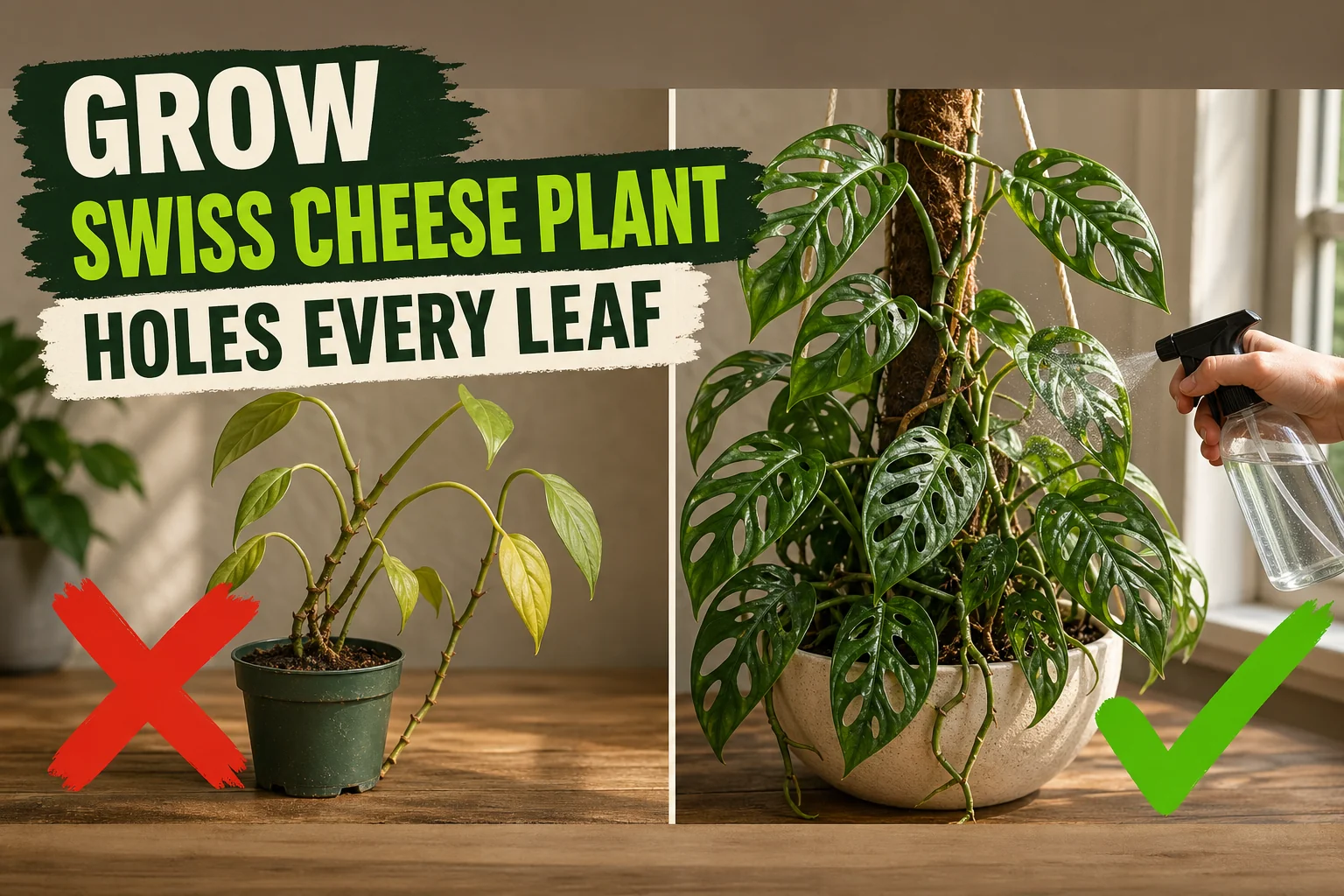
This is the small habit that triggers Swiss-cheese leaves. Damp moss = aerial roots latch on = bigger leaves with more fenestrations. Don’t mist the leaves themselves — that just causes spotting. Aim the spray at the moss pole and the aerial roots clinging to it.
Care after planting
| Task | When |
|---|---|
| Water | When the top 3–4 cm (1–1.5 in) of mix is dry — every 5–9 days in summer, every 10–14 days in winter |
| Mist moss pole | Every 2–3 days |
| Fertilize | Monthly in spring and summer with balanced liquid feed at half strength; pause in winter |
| Rotate the pot | Quarter turn every week so growth stays even |
| Wipe leaves | Once a month with a damp cloth — dust blocks light |
| Repot | Every 18–24 months in spring, or when roots circle the bottom |
A free plant care app like Tazart holds the watering schedule for you, adjusts it for your local weather, and pings you on Apple Watch when it’s time — handy if you’re growing a few aroids alongside your Swiss cheese plant.
How to get bigger holes (fenestrations)
Three triggers, in order of impact:
- Light. Move the plant closer to a bright window — but never into direct midday sun. Aim for 200–400 PPFD measured at the leaves; if you can read a book without a lamp at midday, that’s roughly the right level.
- A moss pole to climb. Climbing leaves get more fenestrated than trailing ones because the plant senses it has reached the canopy in the wild.
- Consistency. Skipping waterings for two weeks then drowning it confuses the plant and produces small, closed leaves. Steady = holed.
Most plants begin fenestrating after the 4th to 6th leaf. If yours has 8+ solid leaves and still no holes, light is almost always the problem.
Watch: Swiss cheese plant care
A short visual walkthrough pairs well with the steps above. If you’re a visual learner, watch a quick Monstera adansonii care tutorial on YouTube and then come back to follow the watering and pole-misting schedule in this guide.
Common mistakes to avoid
- Pot too big. Wet mix far from the roots stays soggy and rots them. Go up one size at a time.
- Standard houseplant compost. Too dense — the roots suffocate. Use a chunky aroid blend.
- Direct midday sun. Burns thin adansonii leaves within hours. Always indirect light.
- Misting the leaves instead of the pole. Wet leaves get bacterial spotting. Mist the moss pole.
- No support. A trailing Monstera adansonii can stay holeless for years. Give it something to climb.
- Watering on a fixed schedule. Always feel the top 3–4 cm (1–1.5 in) of mix first.
Troubleshooting
| Symptom | Likely cause | Fix |
|---|---|---|
| New leaves are small with no holes | Not enough light, or no moss pole | Move closer to a bright window or add a grow light at 30–40 cm (12–16 in); install a moss pole |
| Yellow leaves all over the plant | Overwatering / soggy mix | Let mix dry; repot into a chunky aroid blend; check pot drainage |
| Brown crispy leaf edges | Low humidity (under 40%) | Group plants together or run a small humidifier; aim for 50–60% |
| Black mushy stems at the base | Root rot | Unpot, cut off black roots and stems, repot the firm crown in fresh dry mix |
| Pale green new growth | Underfeeding | Feed monthly with balanced liquid fertilizer at half strength in growing season |
| Tiny webs and stippled leaves | Spider mites (love dry indoor air) | Shower the plant, wipe both leaf sides, raise humidity, treat with insecticidal soap weekly for 3 weeks |
| Aerial roots hanging in air | Moss pole is dry | Soak the pole or mist daily until roots latch on |
Related reading
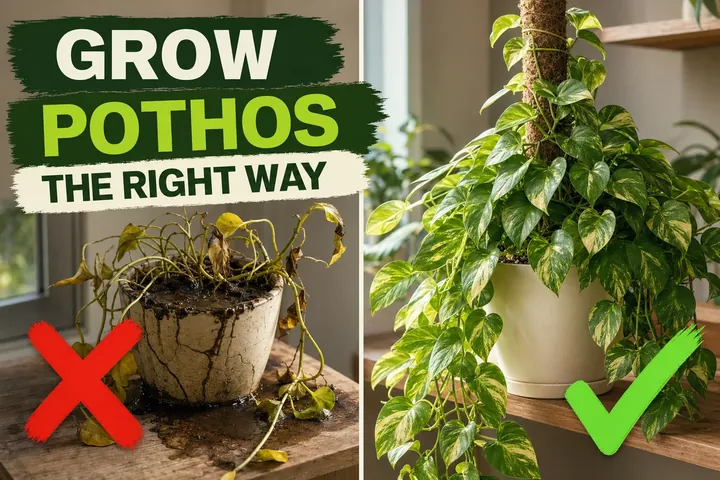
- Pothos plant care: the easiest trailing aroid for beginners — same family as Monstera adansonii, even more forgiving.
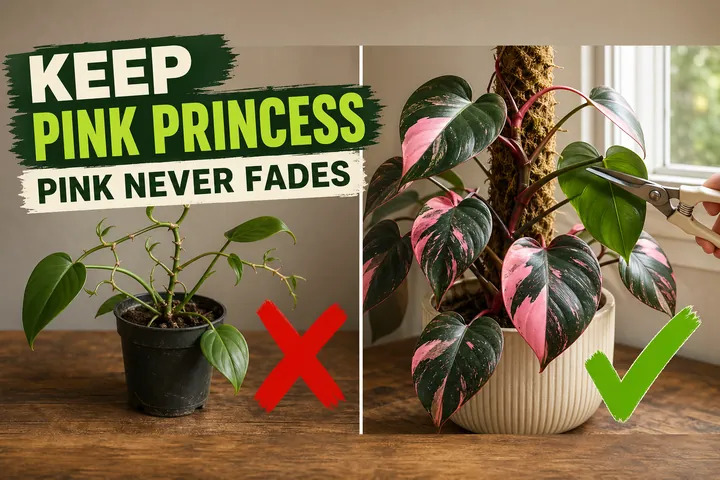
- Pink Princess Philodendron care — another climbing aroid that loves a moss pole.
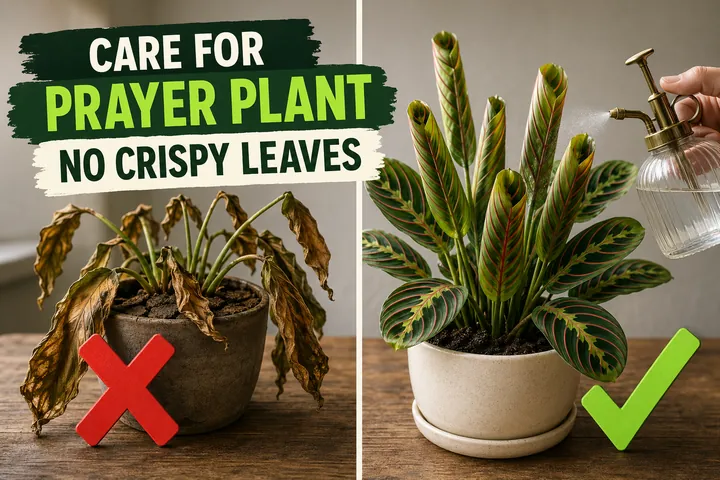
- How to take care of a prayer plant — pairs well with adansonii for a humid jungle corner.
- Scan any new aroid you bring home with the free Tazart plant identifier and let it set up the watering schedule for you.
A note on conditions
Every home is different. Light, pot size, mix, season, humidity and your local weather all change how fast a Monstera adansonii grows and how soon it starts fenestrating. Use the steps above as a starting point and adjust based on what your plant actually does in week two — that’s how every good aroid grower learns.
Highly recommended
The supplies that make this guide work
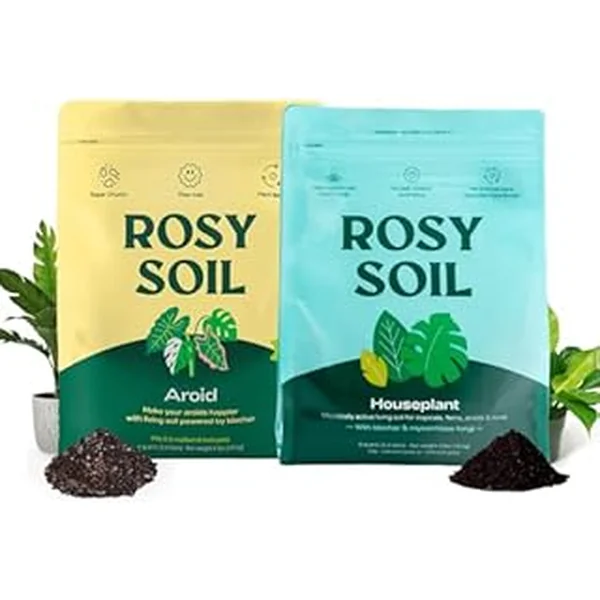
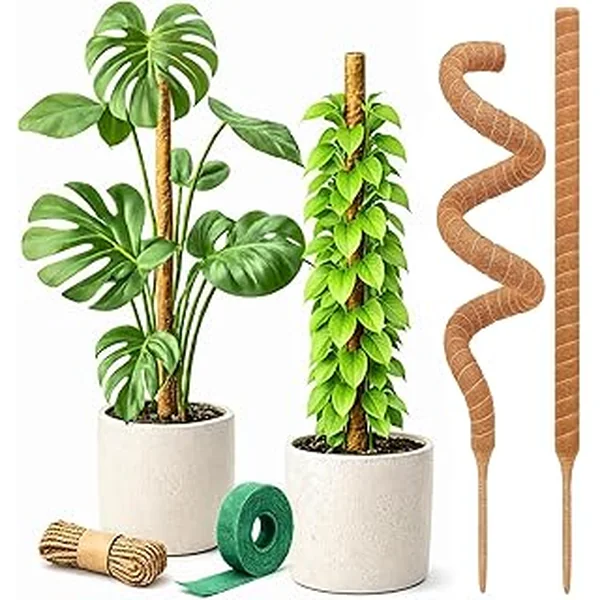
Tazart is an Amazon Associate — we earn from qualifying purchases at no extra cost to you. Thank you for helping us keep these guides free.
Frequently asked questions
Is Swiss cheese plant the same as Monstera deliciosa?
No. Swiss cheese plant is Monstera adansonii — a smaller, vining cousin of the more famous Monstera deliciosa (the giant split-leaf philodendron). Adansonii leaves are smaller (10–25 cm / 4–10 in), oval with closed holes through the leaf body, and the plant naturally trails or climbs. Deliciosa leaves grow much larger (45–90 cm / 18–36 in), heart-shaped, and have splits that reach the leaf edge. Both are in the family Araceae and share similar care, but adansonii needs a little more humidity to hole up nicely.
Why doesn't my Monstera adansonii have holes?
Three usual causes: (1) the plant is still juvenile — every Monstera grows several solid leaves before fenestrating; (2) not enough light — under 150 PPFD, leaves stay small and closed; (3) it has nothing to climb. Give it bright indirect light (a metre / 3 ft from a south- or east-facing window), a damp moss pole, and consistent watering, and you'll usually see the first holed leaf within 2–3 new leaves.
How often do you water a Swiss cheese plant?
Let the top 3–4 cm (1–1.5 in) of mix dry out before watering again — usually every 5–9 days in summer and every 10–14 days in winter, depending on pot size and light. Always water deeply until it drips from the drainage holes, then tip out the saucer. Monstera adansonii roots rot fast in soggy mix, so err slightly dry rather than wet.
Does Monstera adansonii need a moss pole?
Not strictly — it will trail beautifully from a hanging basket — but a moss pole produces noticeably bigger, more dramatically fenestrated leaves. In nature it's a hemi-epiphyte that climbs trees with aerial roots, and giving it a damp pole to grip mimics that. Mist the pole every 2–3 days; the aerial roots will latch on within a couple of weeks.
Is Swiss cheese plant toxic to pets?
Yes. Like all aroids (family Araceae), Monstera adansonii contains insoluble calcium oxalate crystals. Chewing leaves causes mouth pain, drooling and vomiting in cats and dogs. Hang it well out of reach of pets and children, and wash hands after pruning.
How much light does a Swiss cheese plant need?
Bright indirect light — 6–8 hours per day. Ideal is about a metre (3 ft) back from a south- or east-facing window, or right next to a north-facing window. Direct midday sun scorches the thin leaves within a few hours. Too little light is the most common reason holes never appear; if you only have a dim spot, a basic full-spectrum LED 30–40 cm (12–16 in) above the plant fixes it.