Care
Should You Water a Plant After Repotting? (When Yes, When No)
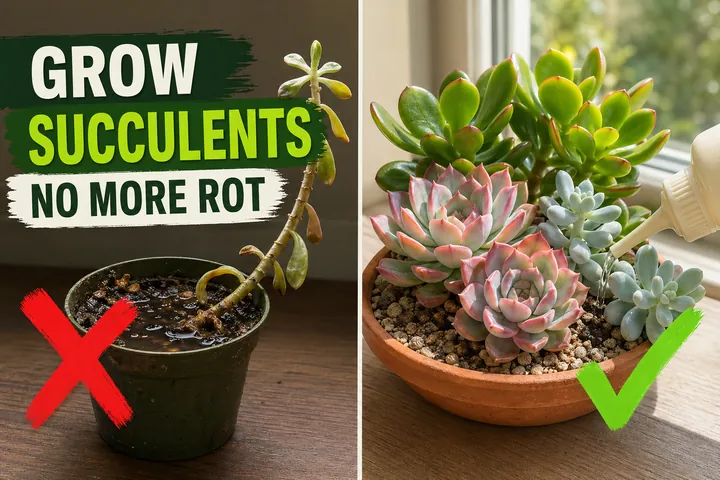
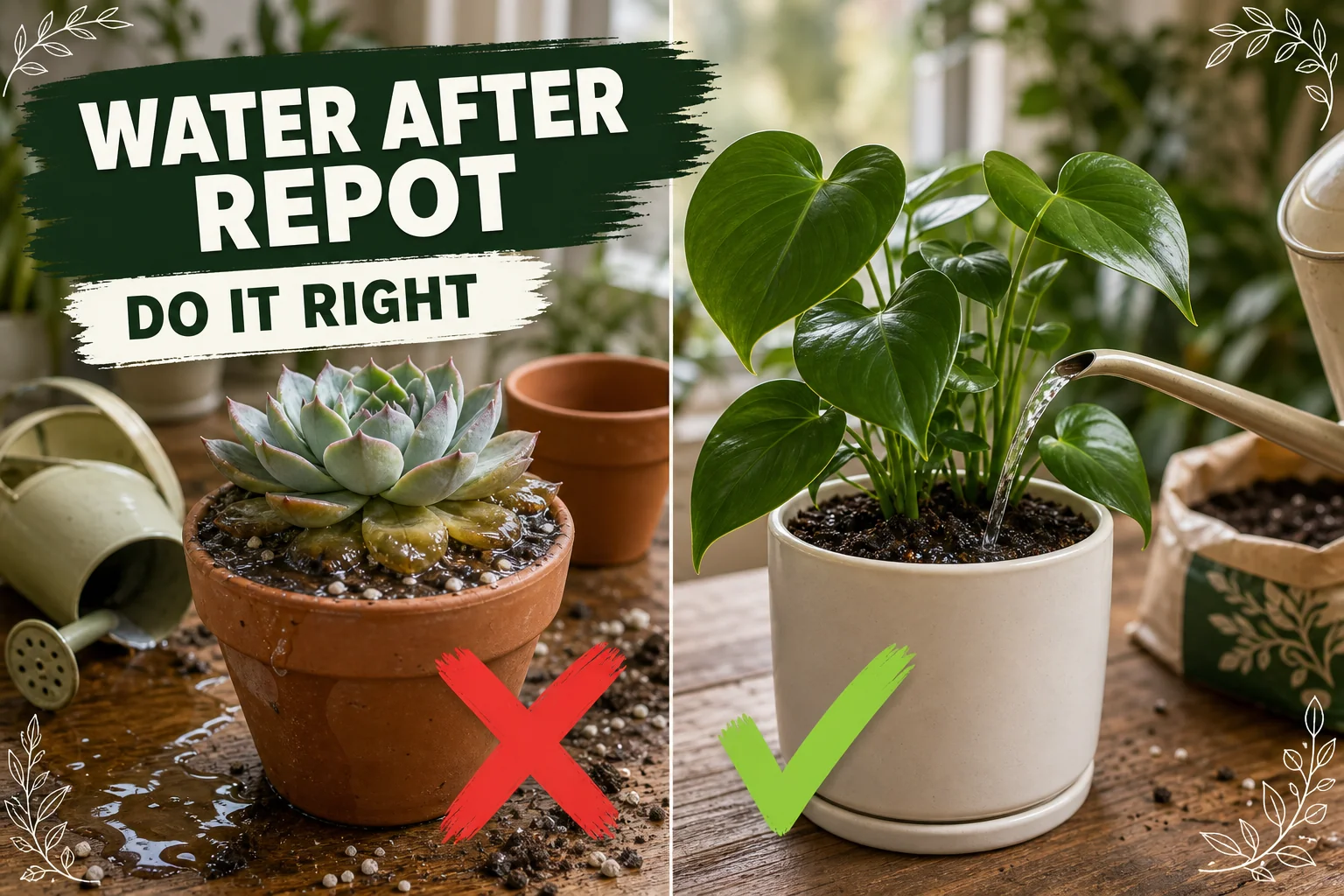
For most plants, yes — water immediately after repotting to settle soil and remove air pockets. Wait 7 days for succulents, 3–5 days for plants with mushy roots.
On this page
- Quick answer
- Table of contents
- Why most plants need water immediately after repotting
- The exceptions: when to wait
- How much water — by pot size
- Post-repot care for the next 2–3 weeks
- Signs of recovery (and trouble)
- Watering before vs after repotting
- Common mistakes
- Troubleshooting
- A quick rule of thumb
Watch the visual walkthrough
How to Transplant Water-Rooted Cuttings Without Killing Them (Foolproof)
Get free seeds, shipping, and returns: https://www.epicgardening.com/greenhouse/ Houseplant propagation can be tricky, ...
The single most-asked repotting question is also the most confusing one — because the answer is “yes, except when it’s no.” For 95% of houseplants, watering immediately after repotting is the correct move. For succulents, cacti, and plants with rot, it’s the fastest way to kill them.
This guide covers the right call for every plant type, exactly how much to water, and the post-repot care that makes the difference between a plant that thrives and one that limps for months.
Quick answer
For most tropical houseplants — yes, water deeply right after repotting. The water settles the fresh soil around the roots and eliminates air pockets. Wait 7–14 days for succulents and cacti so damaged roots callous over. Wait 3–5 days for plants you repotted because of root rot. Don’t fertilize for 4–6 weeks afterward.
Table of contents
- Why most plants need water immediately after repotting
- The exceptions: when to wait
- How much water — by pot size
- Post-repot care for the next 2–3 weeks
- Signs of recovery (and trouble)
- Watering before vs after repotting
- Common mistakes
- Troubleshooting
- FAQ
Why most plants need water immediately after repotting
When you repot a plant, the new soil doesn’t sit perfectly against the roots — it’s full of small air pockets where roots and soil don’t touch. Roots can’t pull water from air pockets, and dry pockets can dry out fine root hairs.
A deep first watering does three things:
- Settles the soil — the water collapses air pockets and presses fresh mix against every root.
- Rehydrates damaged roots — repotting tears fine root hairs; a soak helps the plant recover faster.
- Triggers the recovery response — the plant’s first signal that it’s safe to put out new roots in the new mix.
Skip the first watering on most tropicals and you get a plant that sits in transplant shock for weeks longer than it should.
Plants that almost always want water right after repotting:
- Pothos, philodendron, monstera, syngonium and other aroids (unless rot is present)
- Ferns of all types
- Spider plants, peperomia, parlor palm
- Calathea, prayer plants, alocasia
- Most flowering houseplants (peace lily, anthurium, African violet)
- Outdoor annuals and perennials being potted up
- Vegetable transplants (tomatoes, peppers, herbs)
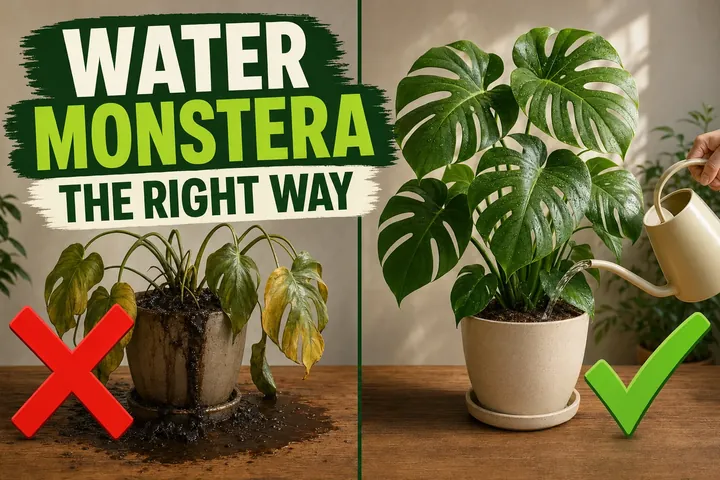
For plants like monstera, the post-repot soak is the same as a normal deep watering — soak fully, then let drain.
The exceptions: when to wait
Three groups should NOT be watered immediately after repotting.
1. Succulents and cacti — wait 7–14 days
Succulents store water in their leaves and stems and are far more vulnerable to root rot than most houseplants. Repotting always damages a few roots, and watering damp soil onto fresh root wounds invites bacterial and fungal rot.
The right protocol:
- Repot only when the plant is fully dry (don’t water for a week beforehand).
- Use dry, gritty cactus mix.
- Place the plant in bright indirect light (not full sun) for 7–14 days.
- Wait until you see new growth or 10+ days have passed before watering.
- The first watering after repot is a normal soak — just delayed.
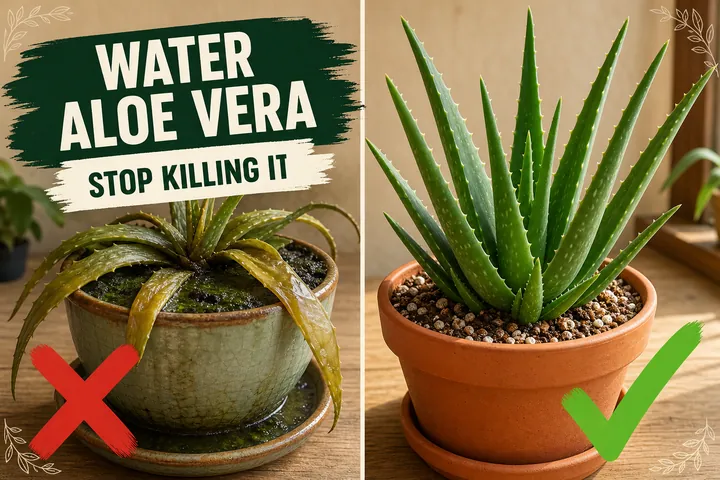
This applies to aloe vera, jade, echeveria, sedum, haworthia, all true cacti, donkey tail, and string-of-pearls. See the aloe vera watering schedule for season-by-season timing afterward.
2. Plants repotted because of root rot — wait 3–5 days
If you repotted a plant specifically because it had rotting roots, the goal is the opposite of a normal repot: keep the rootball drier than usual so any remaining infection can’t spread.
Protocol:
- Trim off all black, mushy, or smelly roots back to firm white tissue.
- Dust cuts with cinnamon (a mild antifungal) or let them air-dry for 30 minutes.
- Repot in fresh, dry, well-draining mix.
- Wait 3–5 days before watering — long enough for cuts to seal, short enough that surviving roots don’t dehydrate.
- First watering is light, not a full soak. Let the top 2.5 cm (1 in) get moist; not soaked.
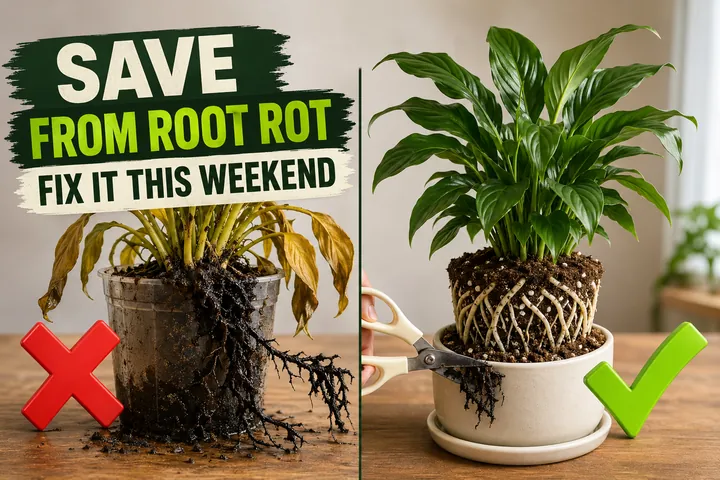
The full recovery protocol is in how to fix root rot.
3. Plants moved into significantly larger pots — water lightly, not deeply
If you went up two or more pot sizes (e.g. from a 10 cm / 4 in pot into a 20 cm / 8 in one), the new soil volume can hold so much water that the rootball stays soggy for weeks. In that case, water just enough to settle the soil — typically 250–500 ml (8–17 fl oz) — instead of a full deep soak.
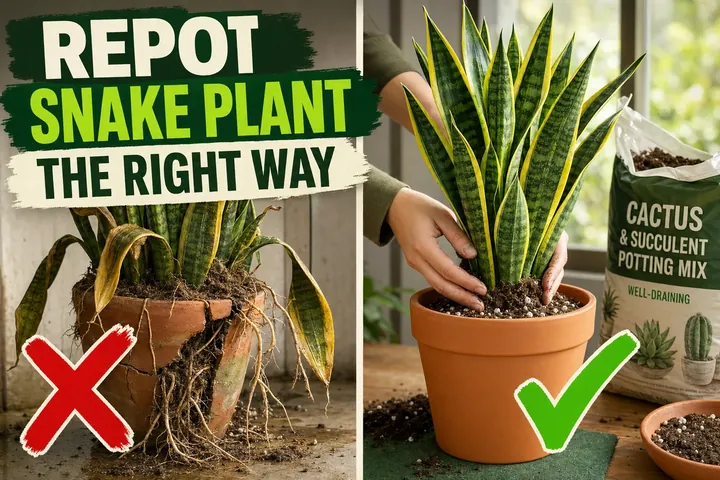
Going up only one pot size at a time is the gold-standard fix. See the snake plant repotting guide for the right pot-up rules.
How much water — by pot size
For the post-repot soak (most tropicals):
| Pot size | Water volume | Notes |
|---|---|---|
| 10 cm (4 in) | 100–250 ml (3–8 fl oz) | Until water runs clear from drainage |
| 15 cm (6 in) | 250–500 ml (8–17 fl oz) | Standard houseplant size |
| 20 cm (8 in) | 500–1000 ml (17–34 fl oz) | Soak slowly, let absorb |
| 25 cm (10 in) | 1000–1500 ml (34–50 fl oz) | Multiple passes; soil takes time to wet |
| 30 cm (12 in)+ | 1500–2500 ml (50–85 fl oz) | Soak in a tray for 30 min if peat-based |
Pour slowly around the soil edge and let the water absorb between passes. The first watering may need 2–3 passes before water runs from the drainage hole — that’s normal because dry potting mix absorbs in stages.
Post-repot care for the next 2–3 weeks
The first 14–21 days after repotting are recovery time. Treat the plant gently:
Light. Move to bright indirect light. Direct sun stresses recovering roots — even sun-loving plants benefit from filtered light for 1–2 weeks.
Water. After the initial soak, let the top 2.5 cm (1 in) dry before watering again. Don’t keep the soil constantly moist — that drowns recovering roots. Most houseplants need their second watering 5–10 days after repotting.
No fertilizer. Wait 4–6 weeks. Fresh potting mix has enough nutrients, and feeding damaged roots can burn them. New growth is your green light.
No pruning, no propagation. Don’t cut leaves or take cuttings until the plant is visibly recovering. Every cut adds another stress.
Stable temperature. Avoid drafty windows, AC vents, or heaters. 18–24°C (65–75°F) is ideal recovery range.
Skip the humidity tent. A loose plastic bag tent helps for serious transplant shock, but for routine repotting it traps humidity and can cause fungal problems. Most plants don’t need it.
Signs of recovery (and trouble)
Good signs (within 2–3 weeks):
- Leaves stay turgid (not wilted) after the first day
- New leaf growth or new shoot tips visible
- Roots starting to show through drainage holes
- Soil drying at a normal rate (top dries in 5–10 days)
Concerning signs:
- Persistent wilting past day 7 — check roots
- Yellowing leaves spreading from the base — overwatering
- Leaves dropping suddenly — severe shock; reduce light, ease watering
- Soil staying soggy 14+ days — pot too large or drainage poor
- Sour smell from soil — rot starting; lift and inspect
If wilting persists, gently lift the plant and check the roots. Healthy roots are firm and white. Mushy black roots mean rot — back to the root rot recovery protocol.
Watering before vs after repotting
There’s a small but useful trick: water the plant 1–2 days BEFORE repotting most tropicals.
Moist (not soggy) rootballs hold together when you slide the plant out of its old pot. Dry rootballs crumble, breaking more roots and increasing transplant shock.
The pattern:
- Day −2: Water lightly so the soil is moist on repotting day.
- Day 0: Repot.
- Day 0 (right after): Water deeply to settle the new mix.
- Day 5–10: Check soil; water again when top 2.5 cm (1 in) is dry.
- Day 30–45: First fertilizer feed at half strength.
For succulents, flip this entirely: repot only when fully dry, don’t water before or after for at least a week.
Common mistakes
- Skipping the first soak on tropical houseplants. Air pockets in the new mix slow recovery for weeks.
- Watering succulents on day 1. Almost guaranteed root rot. Wait 7+ days.
- Fertilizing right after repotting. Burns recovering roots. Wait 4–6 weeks.
- Pot-up too aggressively. Going from a 10 cm (4 in) to a 25 cm (10 in) pot keeps soil soggy for weeks. Go up one size at a time.
- Putting the plant in direct sun. Recovering roots can’t keep up with leaf transpiration. Bright indirect light only for 1–2 weeks.
- Wrapping in a humidity tent unnecessarily. Most routine repots don’t need one and the trapped moisture can cause fungal problems.
- Watering on a fixed schedule afterward. The new mix dries differently than the old one. Always check before watering.
Troubleshooting
| Symptom | Likely cause | Fix |
|---|---|---|
| Mild wilting first 3–7 days | Normal transplant shock | Keep soil lightly moist; bright indirect light; no action needed |
| Wilting worsens past day 7 | Roots damaged or rot | Lift plant; check roots; trim and replant in fresh mix if needed |
| Yellow lower leaves at week 1 | Overwatering | Skip next watering; let top 5 cm (2 in) dry |
| Soil staying soggy 14+ days | Pot too big or poor drainage | Go down a pot size; check drainage hole |
| Succulent leaves shriveling at day 10 | Normal — first water due | Light watering now; resume normal schedule |
| Black mushy stem at base | Rot from too-soon watering (succulents) | Cut above rot; let callous; replant top in dry mix |
| New growth slow / stalled | Recovery still in progress | Wait — most plants resume growth at week 3–4 |
| Brown crispy leaf tips | Low humidity stress | Group plants; pebble tray (humidity tent only if severe) |
| Soil pulling away from pot | Hydrophobic dry mix | Submerge pot in tray of water 20 min |
| New growth at week 2 | Roots have settled | Resume normal care; first fertilizer in 2–3 weeks |
A quick rule of thumb
If you just repotted a houseplant — water it. If you just repotted a succulent — wait. If you repotted because of rot — wait 3–5 days, then water lightly. Get those three rules right and you’ve solved 95% of post-repot watering questions.
For specific plants, see how to repot a snake plant and the aloe vera watering schedule. The Tazart plant care app tracks repot dates and reminds you when it’s safe to start fertilizing again — useful when you’re managing more than a couple of recovering plants.
Highly recommended
The supplies that make this guide work
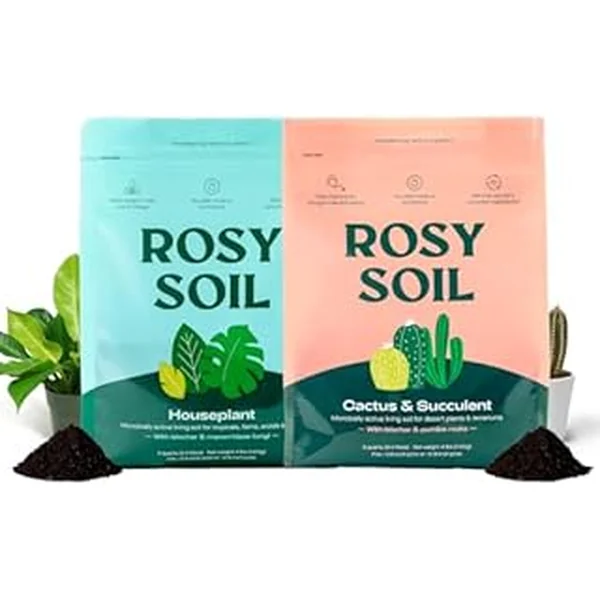
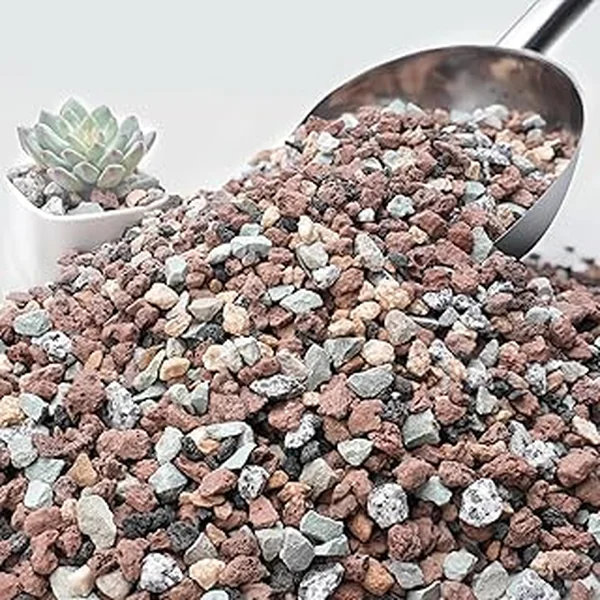
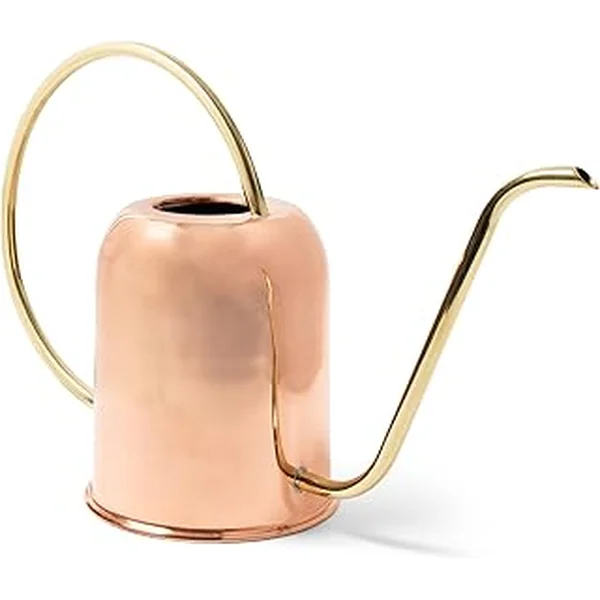

Tazart is an Amazon Associate — we earn from qualifying purchases at no extra cost to you. Thank you for helping us keep these guides free.
Frequently asked questions
Should I water my plant immediately after repotting?
For most houseplants — yes, water deeply right after repotting. The water settles the fresh soil around the roots, eliminates air pockets, and helps the root system make contact with the new mix. The main exceptions are succulents, cacti, and plants you repotted because of root rot — those should stay dry for several days while damaged roots callous over.
How long after repotting should I water a succulent?
Wait at least 7 days, and ideally 10–14 days, before watering a freshly repotted succulent or cactus. Repotting almost always damages roots, and damp soil on broken roots is the fastest path to rot. Let the cuts callous over in dry mix, then resume your normal watering schedule.
Do you water plants before or after repotting?
Water lightly 1–2 days before repotting most tropical houseplants — moist (not soggy) soil holds the rootball together and reduces transplant shock. Then water deeply right after repotting to settle the new mix. For succulents, do the opposite: repot when the plant is fully dry and don't water again for at least a week.
Why is my plant wilting after repotting?
Mild wilting for 3–7 days after repotting is normal transplant shock — the roots are re-establishing contact with the new soil. Keep the soil lightly moist (not soggy), move the plant out of direct sun for 1–2 weeks, and don't fertilize. If wilting worsens past day 7, gently lift the plant and check the roots for rot or damage.
Should I fertilize after repotting?
No — wait at least 4–6 weeks. Fresh potting mix already contains enough nutrients to support new root growth, and adding fertilizer to damaged or recovering roots can burn them. New growth resuming is your cue that roots have settled and feeding is safe.
How much water does a freshly repotted plant need?
Water until you see it run out the drainage hole — typically 250–750 ml (8–25 fl oz) for a 15 cm (6 in) pot, depending on soil. The goal is to fully saturate the new mix so it makes contact with every root. Then drain completely and don't water again until the top 2.5 cm (1 in) of soil is dry.
What if my plant has root rot — should I water after repotting?
No — wait 3–5 days for damaged roots to callous over, then water lightly. Soak the soil in a tray of water for 5 minutes rather than top-watering, which can wash off any healing tissue. Resume normal watering only when you see new growth on the plant.