Houseplants
Pothos Plant Care: The Complete Guide for Lush Vines
How to care for a pothos at home — the right light, watering rhythm, soil mix, and pruning tricks that turn a leggy plant into long, bushy, variegated vines.
On this page
Watch the visual walkthrough
POTHOS Care | Epipremnum Aureum Care Tips & Tricks
Subscribe for more ›› http://bit.ly/2vuUCeo What's not to love about pothos! They seriously are one of the easiest houseplants to ...
If there is one houseplant worth getting right, it’s the pothos. Epipremnum aureum — also called devil’s ivy — is famously forgiving, fast-growing, and just as happy trailing from a shelf as climbing a moss pole. Get three things right (light, water, and the occasional haircut) and a single small plant turns into long, bushy, variegated vines.
This guide covers exactly how to care for a pothos at home: how much light it actually wants, the watering test that beats every schedule, the soil and pot it prefers, and the pruning trick that keeps it full instead of bare and leggy. The same care works for every popular variety — Golden, Marble Queen, Neon, Pearls and Jade, Manjula, Cebu Blue, and Satin pothos all want the same basic conditions.
Quick answer
Bright indirect light, water when the top 3 cm (1 in) of soil is dry (usually every 7–14 days), regular potting mix in any pot with a drainage hole, 18–29°C (64–84°F), and prune leggy vines back to a leaf node a few times a year. Skip a feeding for a month and the plant won’t even notice.
Light
Pothos does its best work in medium to bright indirect light — the kind of spot a few feet back from a sunny window. In that range you get fast new growth, large leaves, and bold variegation.
It will tolerate low light better than almost any other houseplant, which is why it’s the standard pick for offices and bathrooms. The trade-off: in low light the variegation fades to plain green, growth slows to a crawl, and the vines stretch out leggy.
Avoid hot midday sun directly on the leaves — pothos leaves scorch and bleach if pressed against a south-facing window in summer. A soft east-facing window or a few feet inside a south/west-facing room is the sweet spot.
Quick check: if you can comfortably read a book in the spot without turning on a lamp during the day, your pothos will be happy there.
Water
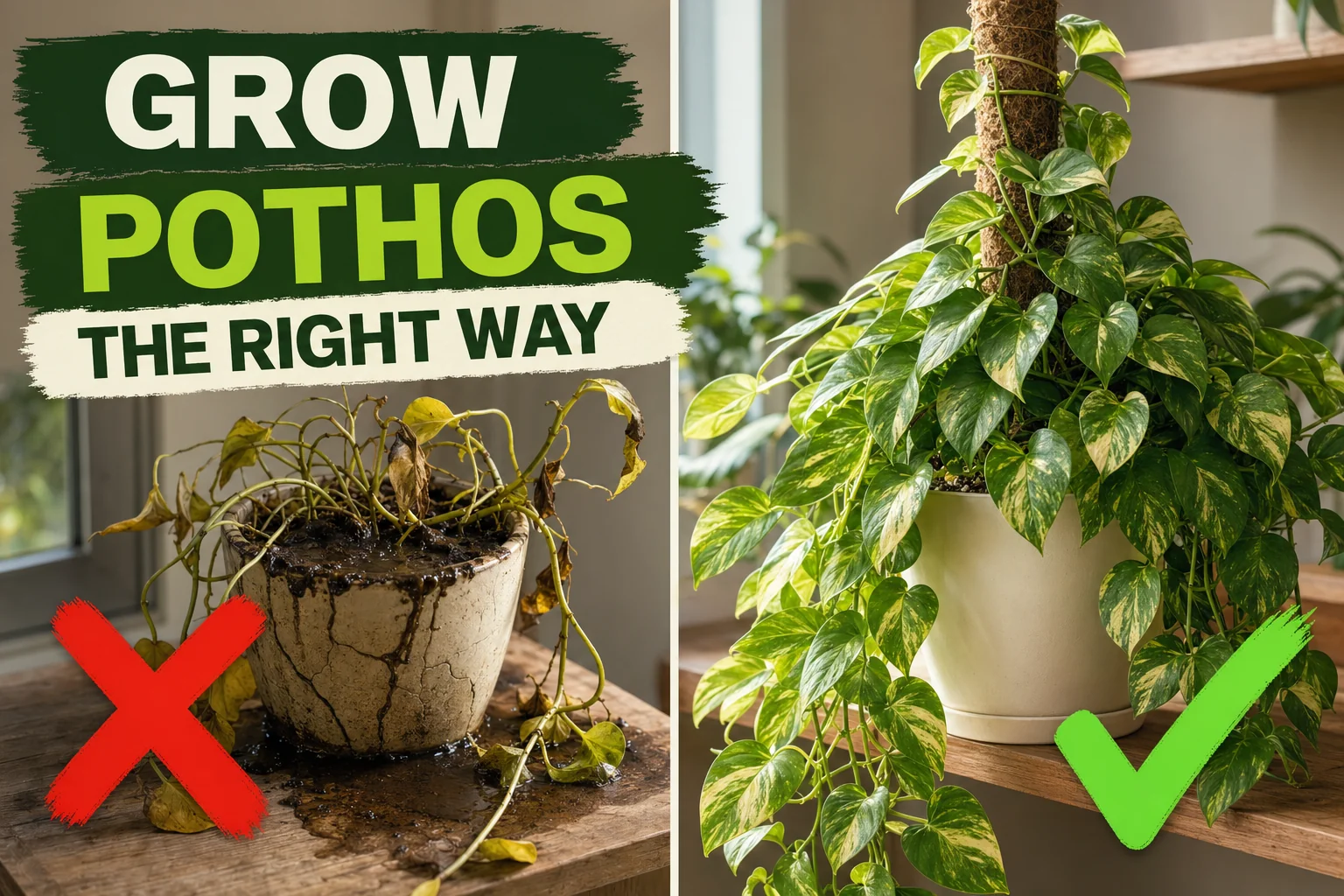
This is where most pothos go wrong, and the fix is simple: water by the soil, not by the calendar.
Push a finger 3 cm (1 in) down into the soil. If it’s dry, water deeply until you see water draining from the bottom of the pot. If it’s still damp, wait a couple of days and check again.
In a bright warm room, that usually lands around every 7 days. In winter, in a cooler or lower-light spot, it can stretch to 10–14 days. A pothos signals thirst clearly — the leaves go slightly limp and droop. Water within a few hours of seeing that and the plant perks up like nothing happened.
Common watering mistakes:
- Watering on a fixed weekly schedule regardless of soil dryness — the #1 cause of root rot
- Letting the pot sit in a saucer of standing water — empty it 15 minutes after watering
- Using ice-cold water from the tap — let it come to room temperature first
Tazart tip: A free plant care app like Tazart tracks each pothos by name, learns how fast its soil dries in your home, and pings you only when it’s actually time to water — not on an arbitrary weekly drip.
Soil and pot
Pothos isn’t fussy about soil. A bag of regular indoor potting mix works perfectly. If your mix feels dense or muddy when wet, stir in a generous handful of perlite for extra drainage — that one tweak prevents almost every root-rot story you’ll read online.
Any pot works as long as it has a drainage hole. Terracotta, plastic, ceramic — all fine. Terracotta dries out fastest, which suits people who tend to overwater. Plastic and glazed ceramic hold moisture longer, which suits people who tend to forget.
Don’t repot too often. Pothos actually grows better when slightly root-bound. Repot only when:
- Roots are spiraling out of the drainage hole
- The plant dries out within 2–3 days of watering
- The pot has visibly bulged or cracked
When you do repot, go up just one pot size (about 5 cm (2 in) wider) — a giant pot of wet soil is worse for the plant than a snug pot.
Temperature and humidity
Pothos is a tropical vine and likes what people like: 18–29°C (64–84°F) room temperature. It tolerates short dips down to about 10°C (50°F) without dying, but cold drafts from a winter window or an air-conditioning vent will brown the leaf tips fast.
Humidity isn’t a serious concern. Pothos handles dry indoor air better than most tropicals. If your home is very dry in winter, a small humidifier or grouping plants together is plenty — no daily misting required.
Fertilizer
Light feeding goes a long way. During the active growing season (spring and summer) use a balanced liquid houseplant fertilizer once a month at half strength.
Skip fertilizer in autumn and winter — the plant’s growth slows and excess fertilizer salts just build up in the soil and burn the roots. If you ever see a white crust on the soil surface or around the rim of the pot, flush the soil with plain water several times to wash the salts out before feeding again.
Pruning to keep it bushy
A pothos left alone for a year turns into long bare vines with all the leaves at the tip. Pruning is what keeps the plant full.
The rule is simple: cut just above a leaf node — the small bump on the stem where a leaf and a tiny aerial root meet. Within 2–3 weeks, two new shoots emerge from that node, and the plant doubles in fullness at that spot.
A few tips:
- Prune anytime in spring or summer, less in winter
- For a quick refresh, pinch the very tips of the longest vines with your fingertips
- For a serious reset on a leggy plant, cut bare vines back hard — even down to 10–15 cm (4–6 in) above the soil — and watch new growth fill in
- Every cutting you remove is a free new plant. Drop the cut end in a glass of water with at least one node submerged, and roots appear in 7–10 days
That last point is the secret to a lush pothos: every haircut creates two new shoots on the parent and a new plant you can pot up to make the original even fuller.
Common pothos varieties — same care, different look
The good news: every popular pothos wants the same conditions described above. They differ mostly in leaf colour, size, and how fast they grow.
- Golden pothos — the classic green with yellow splashes. Fast, hardy, the most forgiving.
- Marble Queen — heavy white-and-green marbling. Slightly slower because of less chlorophyll; needs brighter indirect light to keep its variegation.
- Neon pothos — solid bright lime green leaves, no variegation. Striking under bright light.
- Pearls and Jade — small leaves with cream and grey-green patches. Slower-growing, holds variegation well.
- Manjula pothos — wavy edges, large patches of cream and green. Beautiful but the priciest, and needs bright indirect light to look its best.
- Cebu Blue pothos — silvery-blue narrow leaves; develops dramatic mature leaves with fenestration when given a moss pole to climb.
- Satin pothos (Scindapsus pictus) — technically a different genus, but cared for identically. Velvety leaves with silver markings.
If you can keep a Golden pothos thriving, you can keep any of these thriving.
Common mistakes to avoid
- Putting it in a dark corner and expecting growth. It survives, but it won’t grow or stay variegated. Move it closer to a window.
- Watering on a fixed schedule. Always check the soil first. The same plant in the same spot drinks at a different rate in summer vs. winter.
- Ignoring the early signs of root rot. Mushy black stems at the soil line, a swampy smell, and yellowing lower leaves all at once = stop watering, unpot, cut off rotted roots, and replant in fresh dry-ish mix.
- Never pruning. A pothos that’s never cut goes leggy and bare. Two or three trims a year keep it full.
- Hard tap water on sensitive varieties. Crispy brown leaf tips can be a fluoride/chlorine reaction. Use room-temperature filtered or rainwater if your tap is heavily treated.
- Repotting too often. Pothos likes to be a little root-bound. Constant repotting into bigger pots stalls the plant.
Troubleshooting
| Symptom | Likely cause | Fix |
|---|---|---|
| Yellow leaves | Overwatering (most common) or natural old-leaf shedding | Check soil — if wet, let it dry out fully. Trim off old yellow leaves at the base. |
| Brown crispy leaf tips | Underwatering, very dry air, or hard tap water | Water more deeply, switch to filtered water, or move away from a heater vent. |
| Long leggy vines, bare in the middle | Not enough light | Move closer to a bright window; cut leggy vines back to a node — new leaves will fill in. |
| Drooping, limp leaves | Soil bone-dry — plant is thirsty | Water deeply within a few hours; the plant usually perks up overnight. |
| Variegation fading to plain green | Light too low | Move to brighter indirect light; the new leaves will return to variegated. |
| Mushy black stems at the soil line | Root rot from chronic overwatering | Unpot, cut away black roots and stems, repot in fresh dryer mix, water sparingly until recovery. |
Watch: pothos plant care
A short visual walkthrough pairs well with the steps above. If you’re a visual learner, watch a quick tutorial like Pothos Plant Care — Light, Water, and Pruning on YouTube and then come back to follow the rhythms in this guide for your specific home.
Related reading
- How to water a Monstera the right way — the same “let the soil dry between waterings” rule that keeps pothos happy.
- How to take care of a spider plant — another easy trailing houseplant that pairs beautifully with pothos on a shelf.
- How to propagate a rubber plant — once you’ve mastered pothos cuttings, these are the natural next step.
- Arrowhead plant care: Syngonium podophyllum made simple — the next aroid to add once your pothos is thriving, with the same light and watering needs.
- Caladium plant care guide — pair pothos with show-stopping pink-and-white heart-shaped Caladium leaves for a layered tropical look.
- Corn plant care (Dracaena fragrans) — the tall woody-caned houseplant that pairs perfectly above a trailing pothos for a layered tropical look.
- Money tree care (Pachira aquatica) — the braided-trunk lucky houseplant that thrives in the same bright indirect light as pothos.
- Fiddle leaf fig care (stop the brown spots) — when you’re ready for a dramatic indoor tree, the same “let the top soil dry” rule keeps Ficus lyrata happy.
- Scan the next plant you bring home with the free Tazart plant identifier and let it set up the watering schedule for you.
A note on conditions
Every home is different. Light angle, pot size, soil mix, season, humidity, and your local weather all change how fast a pothos grows and how often it needs water. Use the numbers above as a starting point and adjust based on what your plant actually does in week two — that’s how every good plant grower learns.
Highly recommended
The supplies that make this guide work
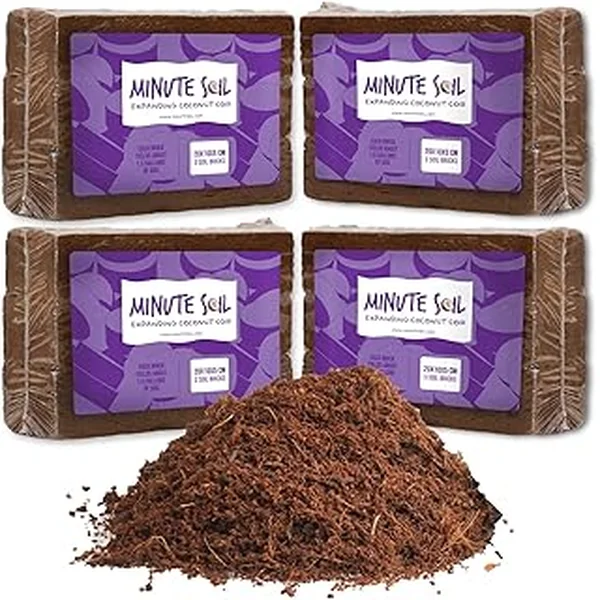

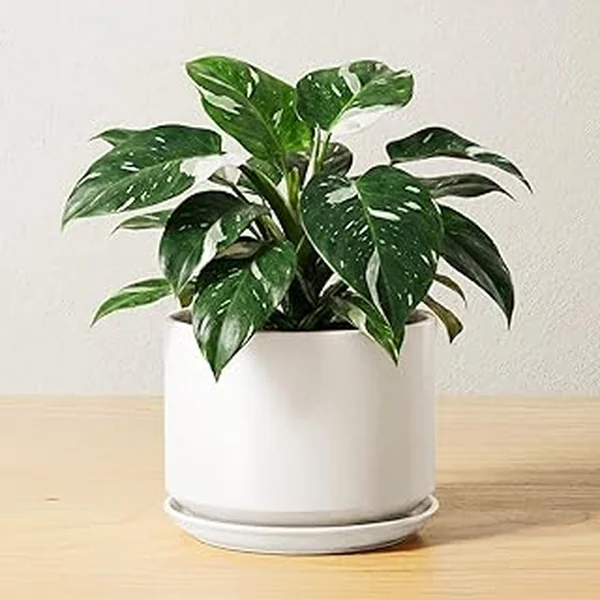

Tazart is an Amazon Associate — we earn from qualifying purchases at no extra cost to you. Thank you for helping us keep these guides free.
Frequently asked questions
How often should I water a pothos?
There's no fixed schedule. Stick a finger 3 cm (1 in) into the soil — if it's dry, water deeply until you see drips from the drainage hole. In a bright warm room, that usually lands around every 7 days. In a cooler or lower-light spot, it can stretch to 10–14 days. The plant tells you, not the calendar.
Why are my pothos leaves turning yellow?
The most common cause is overwatering — soggy soil suffocates the roots and they slowly die back, which shows up as yellow leaves. Other causes include very low light, a sudden cold draft, or natural shedding of the oldest leaves at the base of long vines. Check the soil first: if it's wet two days after a watering, you're watering too often.
Does pothos need direct sunlight?
No. Pothos thrives in bright indirect light. A few hours of soft morning sun is fine, but harsh afternoon sun will scorch the leaves. The plant will survive in low light, but the variegation fades and growth nearly stops.
How do I make my pothos bushier?
Pinch or cut the tips of every long vine back to a leaf node (the small bump where a leaf meets the stem). Within 2–3 weeks, two new shoots will emerge from that node, doubling the fullness. Every cutting you take is also a free new plant — drop it in water and it roots in about a week.
Why is my pothos leggy with bare vines?
Leggy growth means not enough light. The plant is stretching toward the brightest spot in the room and skipping leaves along the way. Move it closer to a bright window and prune the long bare vines back hard — new leaves will fill in from the cuts.
Can pothos grow in low light?
Yes — it's one of the most low-light tolerant houseplants. But 'tolerate' is not 'thrive'. In low light expect slower growth, smaller leaves, and faded variegation. For a lush, fast-growing pothos, give it bright indirect light.