Houseplants
Ponytail Palm Care: Complete Beaucarnea Guide
Everything you need to grow a healthy Beaucarnea recurvata indoors — watering schedule, light, soil, temperature, and how to avoid the #1 killer: root rot.
On this page
- Quick answer
- It’s not a palm — why this matters for care
- The bulbous caudex: your plant’s built-in water tank
- Light
- Watering: the most common mistake
- Soil and potting
- Temperature and humidity
- Feeding
- Why yours barely grows
- Pruning the leaves
- Propagation from offsets
- Common mistakes
- Troubleshooting
- Watch: ponytail palm care visual guide
- Related reading
- A note on conditions
Watch the visual walkthrough
Ponytail Palm Care (Light, Water, Soil, Fertilizer, Pot Types, and brown tips and yellow leaves)
This video discusses Ponytail Palm (Beaucarnea recurvata) care in detail. Topics of light, watering, fertilizing, soil, pot types are ...
The ponytail palm is one of the easiest plants you can own — once you understand one important thing: it is not a palm, and it does not want to be watered like one.
Get that right, and this sculptural desert plant will outlive most of your furniture. Get it wrong, and a soft, rotting caudex base is usually the first sign of a problem that started weeks earlier.
Quick answer
Ponytail palm care in one sentence: bright light (south or west window), water every 2–4 weeks letting the soil dry completely between waterings, gritty cactus mix, temperatures of 18–29°C (64–84°F), and virtually no fertilizer. The most common mistake is overwatering — this plant stores water in its bulbous base and thrives on neglect.
It’s not a palm — why this matters for care
Beaucarnea recurvata belongs to the Asparagaceae family, the same biological group as asparagus, agave, and yucca. It has nothing in common with coconut palms or date palms except that its long, strappy leaves superficially resemble them.
What it actually is: a succulent tree native to semi-arid regions of eastern Mexico. It evolved to survive months without rain by storing large quantities of water in its swollen base — the caudex — which can look like an elephant’s foot when the plant matures. Every care decision you make should start from that fact: this plant is built for drought, not moisture.
The bulbous caudex: your plant’s built-in water tank
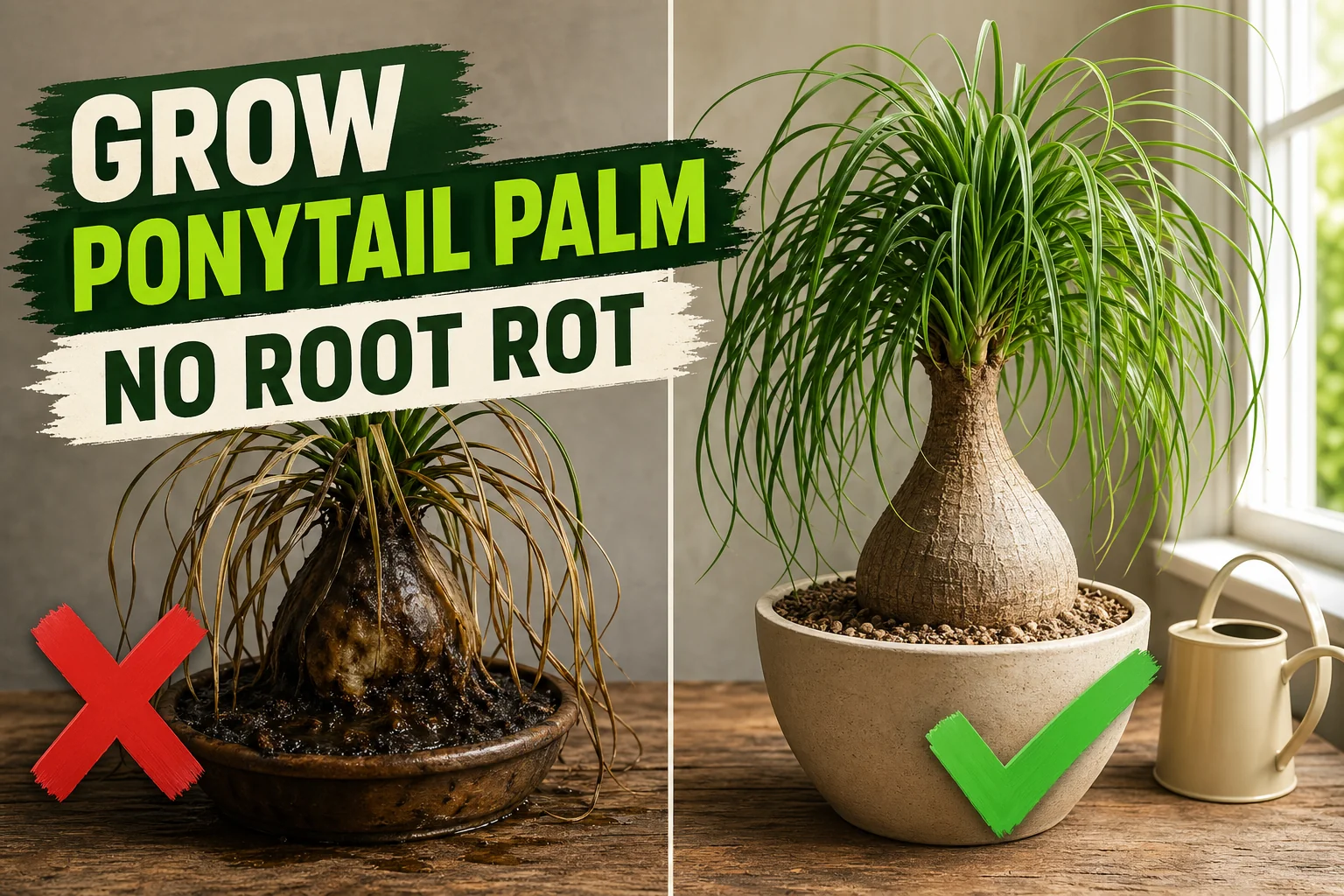
The caudex is not a root ball or a disease — it is the defining feature of a healthy Beaucarnea recurvata. A large, firm, slightly wrinkled caudex means your plant has adequate water reserves. A small, shrunken, wrinkled caudex means it needs water. A soft, mushy caudex means it has too much water and root rot may be underway.
As the plant grows, the caudex expands naturally. Indoors, a well-cared-for specimen might develop a caudex 15–30 cm (6–12 in) across over 10 to 15 years. Do not confuse the caudex’s natural skin texture — slightly papery and wrinkled at the surface — with disease.
Light
The ponytail palm needs bright, direct or intense indirect light for most of the day. The ideal position indoors is:
- South-facing window — best option, maximum daily light
- West-facing window — strong afternoon sun, excellent second choice
- East-facing window — acceptable, slower growth, keep watering even more conservative
- North-facing window — not recommended; the plant will survive but remain stunted and vulnerable
If you move the plant outdoors for summer, acclimatise it gradually over two weeks to avoid leaf scorch. It can take full outdoor sun once adjusted, and outdoor summers dramatically accelerate growth compared to indoor conditions.
Leggy, floppy, or pale leaves are a reliable indicator that the plant is not getting enough light — not that it needs more water.
Watering: the most common mistake
Most ponytail palms that die indoors are killed by too-frequent watering, not drought. The caudex holds enough water to sustain the plant for weeks between drinks, so a regular weekly watering schedule is almost always too much.
Watering schedule:
| Season | Frequency | Method |
|---|---|---|
| Spring / Summer | Every 2–4 weeks | Water deeply, let all excess drain, then do not water again until soil is bone dry |
| Autumn / Winter | Every 6–8 weeks | Minimal; the plant is not actively growing |
How to check: push a finger 5 cm (2 in) into the soil. If you feel any moisture at all, wait. The goal is completely dry soil before the next watering — not just dry at the surface.
When you do water, water thoroughly until it drains from the bottom. Then leave it alone.
Signs you are overwatering:
- Soft, yellowing leaves at the base
- Mushy or discoloured caudex
- Soggy soil that stays wet for more than a week
- Visible mould on the soil surface
Signs you are underwatering:
- Caudex feels noticeably shrunken and soft (not mushy — shrunken)
- Leaf tips turn brown and crispy
- Leaves feel thin and papery rather than firm
A plant care app like Tazart can track your last watering date, remind you to check the soil before watering again, and flag when your schedule is drifting too frequent for a drought-adapted plant.
Soil and potting
Standard potting mix retains too much moisture for Beaucarnea recurvata. Use a cactus and succulent mix, or make your own:
- 50% standard potting mix
- 25% perlite or pumice
- 25% coarse horticultural grit or fine gravel
The pot must have drainage holes — this is not optional. Terracotta pots are ideal because they wick moisture away from the soil and visually show you (by darkening) when the soil is still wet.
Pot size: choose a pot only slightly larger than the caudex. A pot that is too large holds more soil, which holds more water, which increases rot risk. When repotting, go up by one size only — roughly 2–3 cm (0.75–1 in) wider in diameter.
Repotting frequency: every 3 to 4 years, or when the caudex is visibly cramped against the pot walls. Spring is the best time to repot. Do not water for the first week after repotting to allow any disturbed roots to callous.
Temperature and humidity
Beaucarnea recurvata is comfortable in the same temperatures most homes maintain year-round.
If you want a second architectural statement plant that tolerates low humidity and infrequent watering, the parlor palm care guide covers a graceful, slow-growing palm that thrives in similar indoor conditions without the need for bright direct sun.
- Ideal range: 18–29°C (64–84°F)
- Minimum: 10°C (50°F) — brief cold is tolerated but sustained cold causes damage
- Maximum: 38°C (100°F) — tolerates high heat well if not overwatered
It does not need high humidity. The 40–60% relative humidity found in most homes is perfectly adequate. Avoid placing the plant near cold draughts, air-conditioning vents, or heating radiators — sudden temperature swings stress the plant more than steady heat or cold.
Feeding
The ponytail palm is a very light feeder. In its native habitat, it grows in nutrient-poor rocky soil, so heavy fertilizing does more harm than good.
- Feed once in spring and once in early summer with a balanced liquid fertilizer at half the recommended strength (e.g., 10-10-10 diluted to half dose)
- Do not feed in autumn or winter when growth slows
- Never fertilize a dry, stressed, or recently repotted plant — always water first, then fertilize
Over-fertilizing causes brown leaf tip burn and forces the kind of soft, rapid growth that makes the plant more vulnerable to disease.
Why yours barely grows
Slow growth is completely normal for this species. A healthy Beaucarnea recurvata growing indoors adds roughly 2–3 cm (0.75–1 in) of height per year under good conditions — sometimes less. This is not a sign of a problem.
Growth is fastest when the plant has:
- Maximum bright light (south window or outdoor summer)
- Correct watering rhythm — not too frequent
- Slightly root-bound conditions — a pot that is just barely big enough
- Warm temperatures above 21°C (70°F) through spring and summer
Do not attempt to accelerate growth with heavy fertilizing or excessive watering. Both backfire.
Pruning the leaves
Ponytail palms do not need regular pruning. The long strappy leaves grow outward and downward naturally, forming the cascading “ponytail” shape the plant is named for.
The only pruning worth doing:
- Brown leaf tips: trim with clean scissors at a slight angle to match the natural leaf taper. Do not cut into the green part.
- Fully dead leaves: pull or cut at the base. Never tear them — tearing can damage the growing point.
- Browning outer trunk leaves (skirt): these naturally dry and hang down on older specimens. They can be left for texture or removed cleanly.
Do not cut the central growing tip. The ponytail palm has a single growing point at the top of each stem — removing it stops upward growth permanently. Branching only occurs naturally, usually after the plant flowers, and sometimes after accidental tip damage.
Propagation from offsets
Beaucarnea recurvata occasionally produces offsets — small side shoots called “pups” that emerge from the base of the caudex. These are the most reliable way to propagate the plant.
How to remove and root an offset:
- Wait until the pup is at least 8–10 cm (3–4 in) tall and has its own visible leaves
- Use a clean, sharp knife to cut the pup away from the main plant as close to the caudex as possible
- Let the cut end callous in open air for 24–48 hours
- Plant in barely moist cactus mix in a small terracotta pot
- Place in bright indirect light and water very sparingly for the first 3–4 weeks while roots establish
- Once the pup shows new leaf growth, treat it as a mature plant
Propagation from seed is possible but very slow — germination takes 2–4 weeks and seedlings take years to develop a visible caudex.
Common mistakes
-
Watering on a fixed weekly schedule. The caudex makes this plant fundamentally different from leafy tropical houseplants. Treat it like a cactus: check soil dryness, not the calendar.
-
Using standard potting mix without amendment. Standard mix stays wet too long. Always add perlite or grit to improve drainage before potting.
-
Putting it in a low-light corner. “Tolerates low light” means it won’t die immediately — it means pale weak growth and a compromised immune system that makes root rot more likely.
-
Repotting into a pot that is too large. A big pot = more soil = more retained moisture = higher rot risk. Always go up only one size.
-
Misting the leaves or caudex. This plant does not benefit from humidity. Misting the caudex can introduce moisture against the bark and promote fungal issues.
-
Ignoring a soft caudex. A soft, mushy base is a rot emergency, not a slow decline. Unpot immediately, assess root damage, cut away affected tissue, let dry, and repot in fresh dry mix.
Troubleshooting
| Symptom | Likely cause | Fix |
|---|---|---|
| Soft, mushy caudex base | Root rot from overwatering | Unpot immediately; trim rotten roots; dust with cinnamon; air-dry 24–48 h; repot in dry cactus mix |
| Brown crispy leaf tips | Low humidity, underwatering, or salt build-up from over-fertilizing | Trim tips at an angle; flush soil thoroughly; reduce fertilizer |
| Yellowing lower leaves | Overwatering or insufficient light | Let soil dry completely; move to brighter window |
| Pale, floppy, elongated leaves | Insufficient light (etiolation) | Move to south or west window; if indoors, consider a grow light supplement |
| No growth for over a year | Low light, root-bound (severely), or being kept too cool in winter | Move to brighter location; check if repot is needed; ensure 18°C (64°F)+ through growing season |
| White crusty deposit on soil surface | Mineral build-up from hard tap water or fertilizer | Flush soil thoroughly with filtered water; hold fertilizer for 2 months |
Watch: ponytail palm care visual guide
A visual walkthrough helps when you are identifying whether your plant’s caudex texture is normal or worrying. Search YouTube for “Beaucarnea recurvata care” or “ponytail palm root rot” for a side-by-side comparison that pairs well with the troubleshooting section above.
Related reading
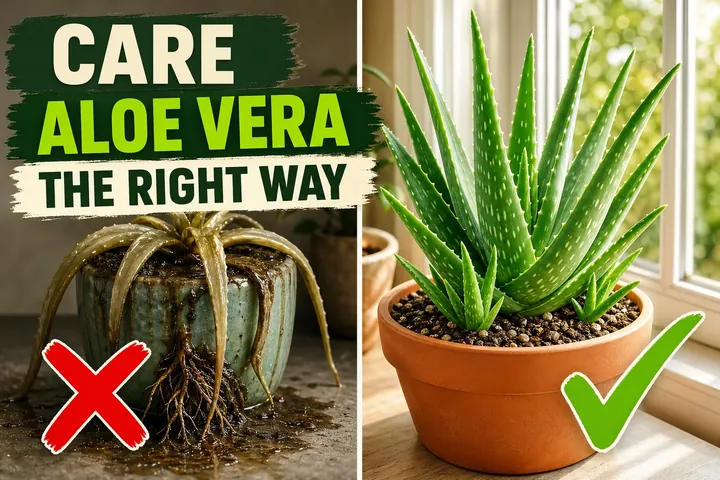
- Aloe vera care: how to keep it alive and thriving — aloe and Beaucarnea share the same watering philosophy: drought first, water second.
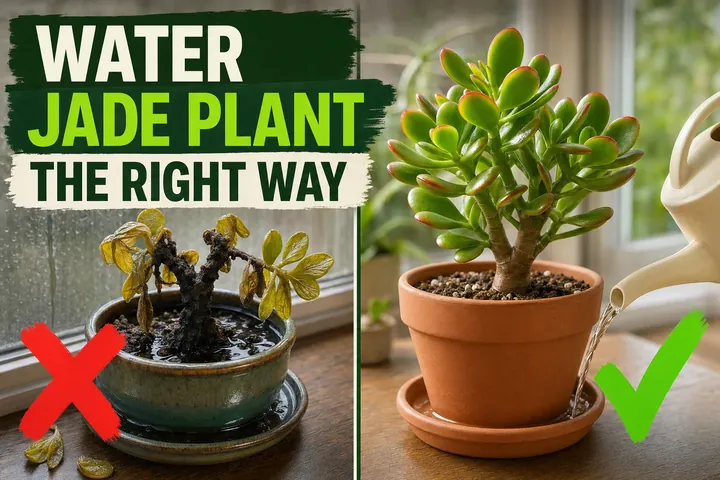
- How often to water a jade plant — the soil-dryness test used for jade applies directly to ponytail palm care.
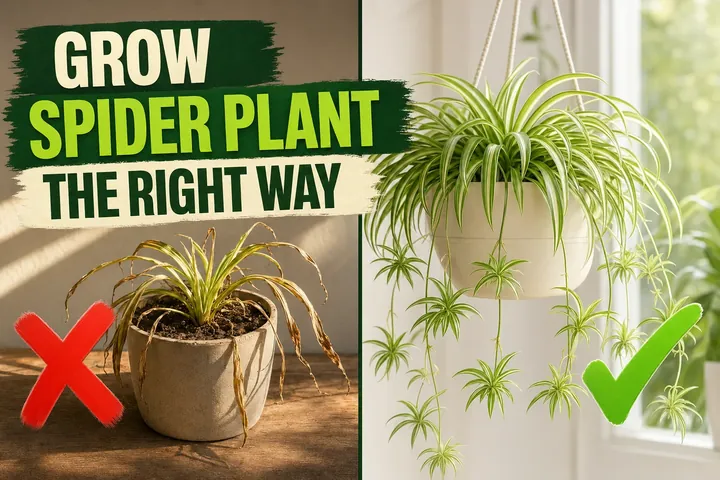
- How to take care of a spider plant — if you want a fast-growing companion plant that tolerates the same bright indirect light, the spider plant is a good match.
- Track your ponytail palm’s watering history with the free Tazart plant care app — set a drought-adapted reminder interval and let Dr. Afrao diagnose any symptoms before they become serious.
A note on conditions
Every home is different. The 2–4 week watering interval above is a starting point — a south-facing window in a dry climate with a terracotta pot and a small caudex may need water closer to every 2 weeks. A north-facing window in a humid flat with a large glazed ceramic pot may need water every 6–8 weeks even in summer. Use the caudex firmness and the complete soil dryness test as your guide, not the calendar.
Highly recommended
The supplies that make this guide work
Tazart is an Amazon Associate — we earn from qualifying purchases at no extra cost to you. Thank you for helping us keep these guides free.
Frequently asked questions
How often should I water a ponytail palm?
Water every 2 to 4 weeks in spring and summer, allowing the soil to dry out completely between waterings. In autumn and winter, stretch this to once every 6 to 8 weeks. The thick caudex base stores water, so underwatering is far safer than overwatering.
Is a ponytail palm a succulent or a palm?
It is a succulent, not a true palm. Beaucarnea recurvata belongs to the Asparagaceae family — the same family as asparagus and agave — not the palm family (Arecaceae). It stores water in its swollen caudex base exactly the way a cactus stores water in its stem.
Why is my ponytail palm turning yellow?
Yellowing leaves are almost always caused by overwatering or poorly draining soil. Check the caudex — if it feels soft or mushy, you have root rot. Remove the plant from its pot, trim any black or mushy roots, let the roots air-dry for 24 hours, and repot in fresh gritty cactus mix. If the caudex is firm and the leaves are just pale yellow, move the plant to a brighter window.
How big does a ponytail palm get indoors?
Indoors, a ponytail palm grows very slowly — typically 2 to 3 cm (1 in) per year. Most houseplant specimens reach 60 to 120 cm (47 in) over 10 to 20 years. In their native Mexican habitat, wild plants can reach 6 metres, but container life limits root expansion and slows growth significantly.
Can a ponytail palm survive low light?
It tolerates moderate indirect light but will barely grow and may develop pale, weak leaves. For healthy growth, it needs a south- or west-facing window with at least 4 to 6 hours of bright direct or intense indirect light per day. Avoid deep shade, which makes the base vulnerable to rot.
How do I fix root rot on a ponytail palm?
Unpot the plant immediately. Cut away all black, brown, or mushy roots with clean scissors. If the caudex base is soft but not completely rotten, scrape away the affected area, dust with powdered cinnamon or sulphur as a natural fungicide, and let everything air-dry for 24 to 48 hours. Repot in bone-dry cactus mix, water lightly after one week, and keep the plant in bright light with excellent airflow.