Flowers
Plumeria Plant Care (Frangipani Tropical Bloom Guide)
Grow fragrant Plumeria (frangipani) for Hawaiian lei flowers. Full care guide for sun, gritty soil, watering, high-phosphorus feeding, winter dormancy
On this page
- Quick answer
- Plumeria at a glance
- Light: full sun, no compromise
- Soil: gritty and fast-draining
- Watering: deep soak, then dry
- Fertilizing for heavy bloom
- Potting and repotting
- Winter dormancy: the make-or-break season
- Pruning and shaping
- Common mistakes to avoid
- Troubleshooting
- Watch: plumeria growing tour
- Related reading
- A note on conditions
Watch the visual walkthrough
Growing Plumerias with Steve Hampson
A short visual walkthrough that pairs with the steps above.
Plumeria — better known as frangipani — is the tropical tree behind every classic Hawaiian lei. Its fragrant pink, yellow, and white blooms perfume warm evenings, and a single mature plant in a pot can flower nonstop from May through October.
The good news: plumeria is forgiving once you understand its three demands — full sun, gritty fast-draining soil, and a dry winter rest. Get those right and it blooms reliably for decades.
This guide covers Plumeria rubra (the classic rainbow-flowered species) and Plumeria obtusa (the evergreen white-flowered “Singapore” frangipani) for outdoor tropical gardens and container culture in cooler climates.
Quick answer
Plant plumeria in full sun (6+ hours), in a gritty cactus-style mix, in a deep terracotta pot at least 30 cm (12 in) wide. Water deeply only when the top 5 cm (2 in) of soil is dry — usually once a week in summer. Feed every 2 weeks with high-phosphorus 10-50-10 from May to August. Stop watering and bring indoors before temperatures drop below 13°C (55°F). It’s hardy outdoors only in USDA zones 10–12.
Plumeria at a glance
| Trait | Detail |
|---|---|
| Botanical name | Plumeria rubra (deciduous), Plumeria obtusa (evergreen) |
| Family | Apocynaceae (dogbane family) |
| Mature height (pot) | 1.5–2.4 m (5–8 ft) |
| Mature height (ground) | 4.5–7.5 m (15–25 ft) |
| Light | Full sun, 6+ hours daily |
| Soil | Gritty, fast-draining (cactus mix + extra perlite/pumice) |
| Water | Deep soak when top 5 cm (2 in) of soil is dry |
| Hardiness | USDA zones 10–12 outdoors; container elsewhere |
| Bloom season | Late spring to autumn (May–October northern hemisphere) |
| Flower fragrance | Strong, sweet, citrus-jasmine — peaks at night |
| Toxicity | Milky sap mildly toxic; skin irritant — wear gloves |
Light: full sun, no compromise
Plumeria evolved on sun-baked Caribbean and Mexican slopes. It needs at least 6 hours of direct sunlight per day, and ideally 8 or more, to bloom heavily.
- Outdoors (zones 10–12): plant in the sunniest spot you have — south- or west-facing.
- Container culture: the brightest patio or balcony you own. Move pots into the sun as the angle shifts through summer.
- Indoors: plumeria does not thrive long-term indoors. It tolerates a bright south-facing window in winter dormancy but needs to go outside as soon as nights stay above 13°C (55°F).
If your plumeria is leafy but never flowers, low light is the most likely cause.
Soil: gritty and fast-draining
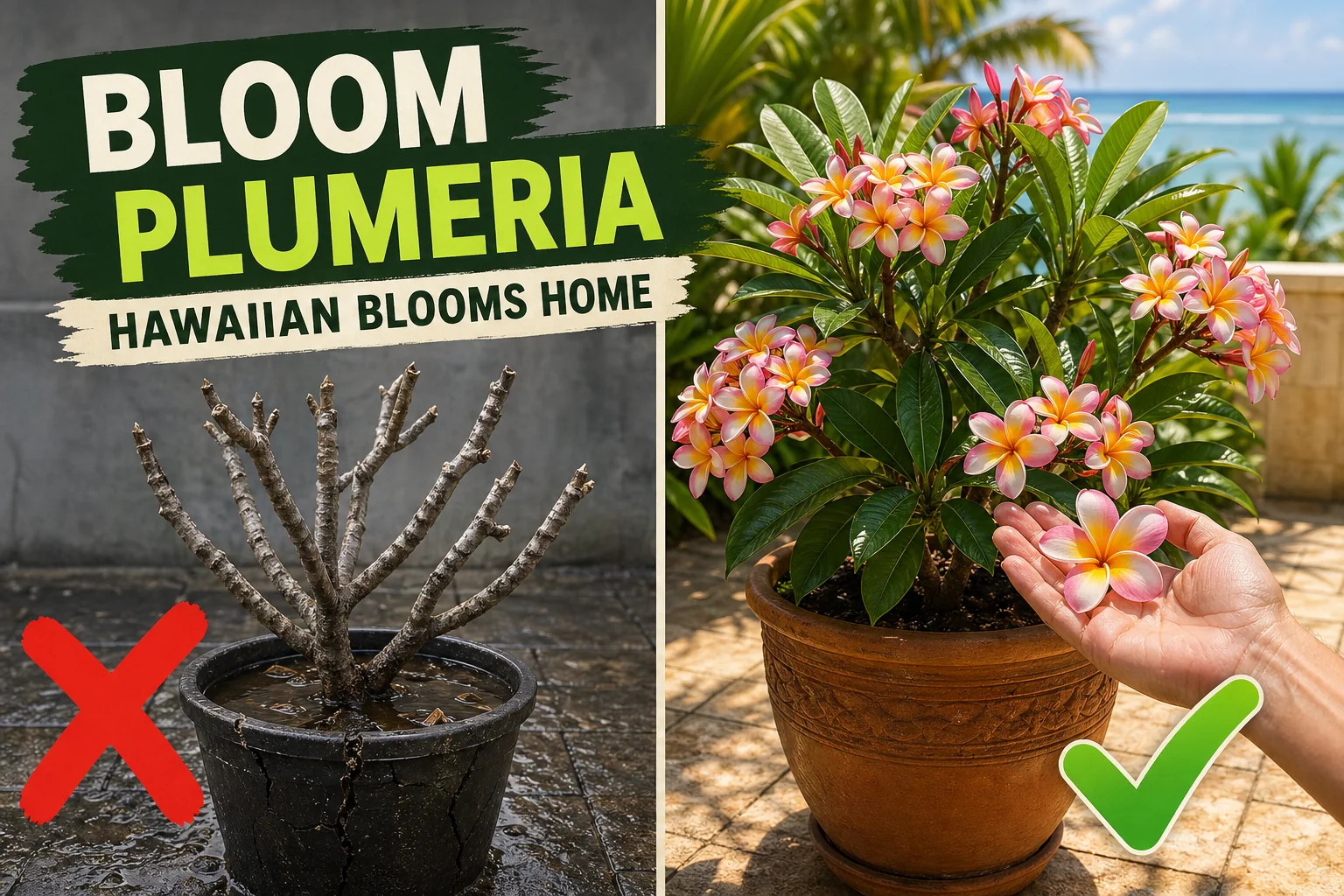
The fastest way to kill a plumeria is to plant it in regular potting soil. Its fleshy roots store water like a succulent and rot quickly in a saturated mix.
A proven plumeria mix:
- 50% commercial cactus / succulent soil
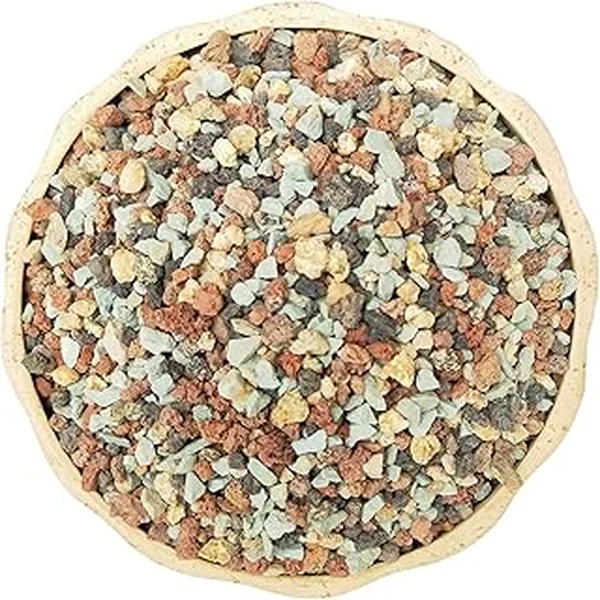
- 25% coarse perlite or pumice
- 25% coarse sand or fine bark
The mix should drain water in seconds when you pour it through a fistful. If water pools at all, add more perlite. Slightly acidic to neutral pH (6.0–7.0) is fine.
In the ground (zones 10–12), amend heavy clay with sand and gravel, or build a raised mound 30 cm (12 in) above grade so water runs off the root zone.
Watering: deep soak, then dry
Plumeria prefers a dry-wet-dry cycle, like a desert plant.
Active growing season (spring–early autumn):
- Stick a finger 5 cm (2 in) into the soil. If it’s dry, water deeply until water runs out the drainage holes.
- In peak summer heat, this is usually every 5–7 days for potted plants, longer in the ground.
- Never let the pot sit in a saucer of water.
Late autumn through winter (dormancy):
- Stop watering completely once leaves drop and the plant is bare.
- A dormant plumeria stem stores all the water it needs for 4–5 months.
- Resume watering only when new green tips emerge in spring.
If you’re growing more than one or two plants, a free care app like Tazart can hold the seasonal watering schedule and ping you on Apple Watch when the soil is due to dry — useful when summer travel breaks up your routine.
Fertilizing for heavy bloom
Plumeria are heavy feeders during the growing season. The trick is high phosphorus, low nitrogen — phosphorus is the middle number on the bag, and it drives flowering, not leafy growth.
| Period | Fertilizer | Frequency |
|---|---|---|
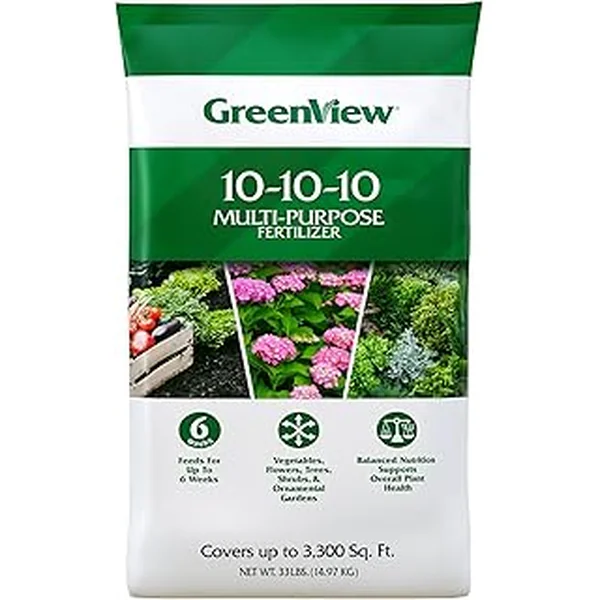
| May – August | 10-50-10 bloom booster | Every 14 days, half-strength on potted plants |
| September | One last feed early September | Then stop — let the plant harden off |
| October – April | None | Dormancy / cool season |
Avoid lawn fertilizers (they’re nitrogen-heavy and produce floppy leaves and zero flowers). A teaspoon of bone meal worked into the topsoil in spring also helps build flower-producing roots.
Potting and repotting
Plumeria likes to be slightly rootbound in a pot — it actually triggers more flowers when roots fill the container. Repot only every 2–3 years, in early spring before growth starts.
- Pot size: start with a 25–30 cm (10–12 in) pot for a young cutting. Step up one pot size at each repot, max 45–50 cm (18–20 in) for most home growers.
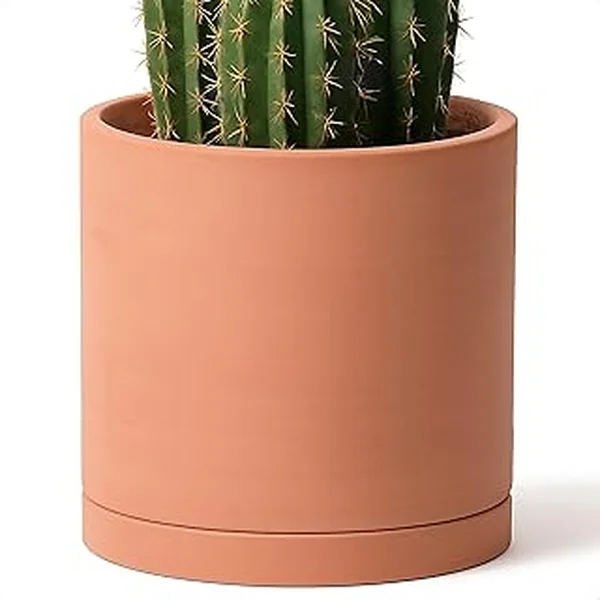
- Pot material: unglazed terracotta is best — it wicks moisture away and is heavy enough to anchor a 1.5 m (5 ft) plant in summer wind.
- Drainage: the pot must have at least one large drainage hole. Add a 2 cm (0.75 in) layer of gravel or broken terracotta at the bottom for extra insurance.
When you repot, gently shake off old soil, trim any dark mushy roots with sterile pruners, and pot back into fresh gritty mix. Wait 5–7 days before watering — let cuts callus first.
Winter dormancy: the make-or-break season
Plumeria rubra is deciduous — it sheds all its leaves in autumn and goes fully dormant. Skipping this rest period is the second-biggest reason plumeria refuses to bloom (after low light).
In zones 10–12 (outdoor culture): the plant handles dormancy on its own. Just stop fertilizing in September and let nature do the rest. Reduce watering as leaves drop.
In zones 9 and colder (container culture):
- Stop fertilizing in early September.
- Reduce watering through October.
- Before the first night below 4°C (40°F), move the pot indoors.
- Place in a cool, dry, frost-free spot: an unheated garage, basement, or spare room at 10–15°C (50–59°F).
- Light is optional during full dormancy — the bare stems don’t photosynthesize.
- Do not water for 4–5 months. The thick stems store enough water to survive.
- In spring, when you see green tips swell at the branch ends, move outside on a mild day, water lightly, and resume care as temperatures rise above 18°C (65°F).
Plumeria obtusa (Singapore frangipani) is evergreen — it doesn’t drop leaves but still slows growth in winter. Cut watering by half and skip fertilizer until spring.
Pruning and shaping
Plumeria has soft, easily managed wood. Prune in early spring before growth resumes.
If you’re building a tropical-style container garden around your plumeria, the firecracker plant care guide covers a fast-growing, heat-loving companion that adds a contrasting spike of tubular red blooms through the same summer period.
- Remove dead, crossing, or weak branches at the base.
- Cut leggy stems back by up to a third to encourage branching.
- Each cut tip will sprout 2–3 new branches — and each new branch tip can flower.
- Always wear gloves: the white sap is a skin irritant.
- Sterilize pruners with rubbing alcohol between cuts to prevent disease spread.
Save healthy 30 cm (12 in) cuttings to root — plumeria propagates almost effortlessly from stem cuttings (callus the cut end for 1–2 weeks, then plant in dry gritty mix).
Common mistakes to avoid
- Heavy potting soil. Standard mix holds too much water. Always use a gritty cactus-style mix.
- Pot with no drainage. Even with the right soil, no drainage = root rot in days.
- Watering through winter. A dormant plumeria does not need water. Watering wakes the roots up early and they rot.
- Wrong fertilizer. High-nitrogen lawn or all-purpose fertilizer makes leaves, not flowers. Switch to 10-50-10.
- Too much shade. Filtered light = no blooms. Move into 6+ hours of direct sun.
- Frost exposure. Below 4°C (40°F) the plant suffers; below 0°C (32°F) it usually dies. Bring indoors before frost.
Troubleshooting
| Symptom | Likely cause | Fix |
|---|---|---|
| Stems mushy and dark at the base | Root rot from waterlogged soil | Unpot, cut away rot to clean white tissue, dust with cinnamon, repot in gritty mix and don’t water for 7 days |
| Lots of leaves but no flowers | Too much nitrogen, not enough sun | Switch to 10-50-10 bloom booster; move to 6+ hours of full sun |
| Yellow leaves dropping in late summer | Normal pre-dormancy leaf drop | No action — stop fertilizing and reduce watering |
| Yellow leaves dropping in mid-summer | Overwatering or sudden cold | Let soil dry out fully; protect from nights below 13°C (55°F) |
| White cottony specks on stems | Mealybugs | Spray with insecticidal soap or 70% rubbing alcohol on a cotton swab; repeat weekly for 3 weeks |
| Orange-rust pustules under leaves | Plumeria rust fungus | Remove infected leaves, improve airflow, apply sulfur or neem fungicide weekly |
| Stem soft and shrivelled in winter | Dehydration from too-warm dormant storage | Mist stem lightly once a month; ideal storage is 10–15°C (50–59°F) |
| Black tips on branches | Frost damage | Cut back to firm green tissue in spring; healthy buds will branch from below the cut |
Watch: plumeria growing tour
A short visual walkthrough of plumeria pots in full bloom is one of the fastest ways to calibrate what “right” looks like. Search for Plumeria care for beginners on YouTube and watch a tour of a mature potted plumeria collection through summer.
Related reading
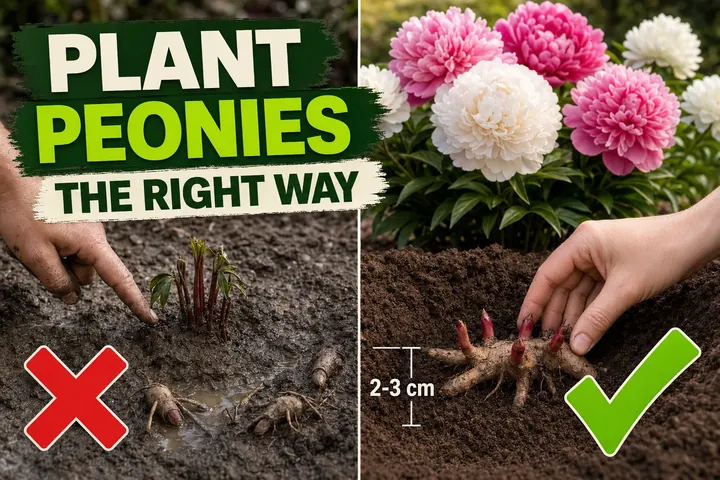
- How to plant peony bulbs — another sun-loving flowering plant where soil drainage and timing decide bloom success.
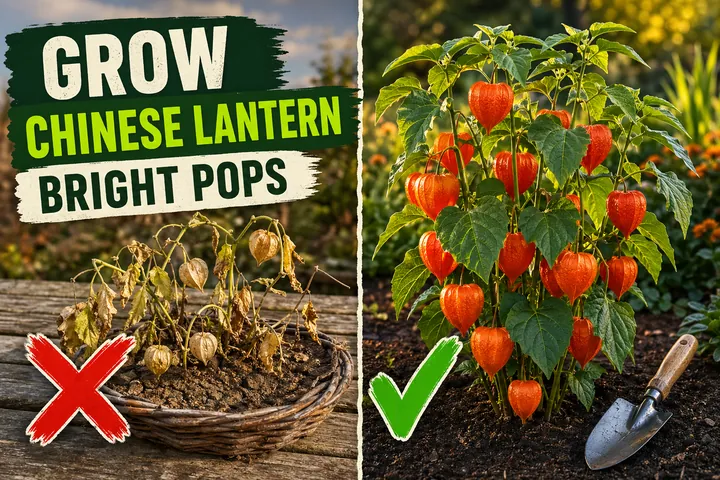
- Chinese lantern plant care — a hardier ornamental for cold-climate gardens that can’t host plumeria year-round.
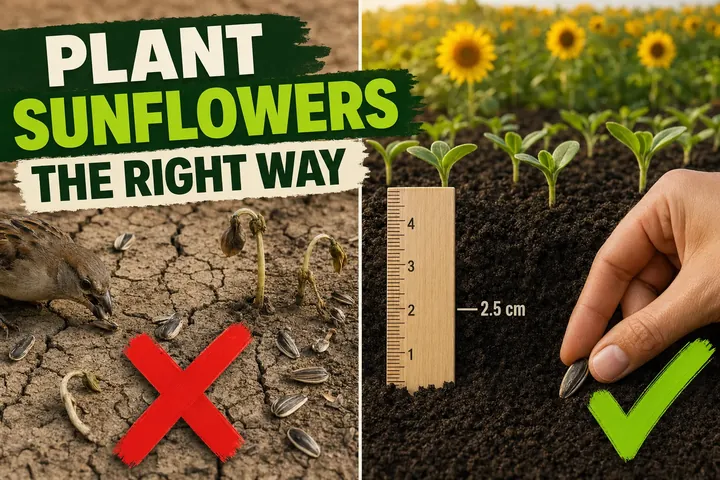
- How deep to plant sunflower seeds — pair tall sunflowers behind plumeria pots for a fragrant, sun-soaked summer display.
- Set up a custom watering schedule for your plumeria with the free Tazart plant care app — it adjusts for your local weather, dormancy timing, and pot size.
A note on conditions
Every garden and patio is different. Sun angle, pot size, soil mix, summer heat, winter low temperatures, and your local rainfall all change how often a plumeria needs water and how heavily it blooms. Use this guide as a baseline and adjust based on what your plant actually does in its second and third year — that’s when most plumeria settle into a reliable bloom rhythm.
Highly recommended
The supplies that make this guide work

Tazart is an Amazon Associate — we earn from qualifying purchases at no extra cost to you. Thank you for helping us keep these guides free.
Frequently asked questions
How do you take care of a plumeria plant?
Give plumeria 6+ hours of direct sun, plant in fast-draining gritty soil (cactus mix plus extra perlite or pumice), water deeply only when the top 5 cm (2 in) of soil dries out, and feed with a high-phosphorus fertilizer like 10-50-10 every 2 weeks during the growing season. In winter, stop watering, move the plant indoors below 13°C (55°F) regions, and let it go fully dormant until spring.
How often should I water my plumeria?
In summer, water deeply once a week (or every 4–5 days in extreme heat) — only when the top 5 cm (2 in) of soil is fully dry. In spring and autumn, every 10–14 days is plenty. From late autumn through winter, stop watering completely while the plant is leafless and dormant. Overwatering is the #1 killer of plumeria.
Why is my plumeria not blooming?
The most common reasons are: not enough direct sun (it needs 6+ hours), wrong fertilizer (too much nitrogen pushes leaves not flowers — switch to a 10-50-10 high-phosphorus bloom booster), the plant is too young (seedlings can take 3–5 years; cuttings 1–2 years), or it didn't get a proper dry winter dormancy. Stress-free, well-fed, sun-soaked plumeria reliably bloom in their second or third summer from cutting.
Can plumeria survive winter outside?
Only in USDA zones 10–12 (roughly 30°C / 86°F summers and minimums above 4°C / 40°F). Below zone 10, plumeria will die if left outdoors in winter. In zones 9 and colder, grow in a pot and overwinter indoors in a cool, dry, frost-free spot — a garage or unheated room at 10–15°C (50–59°F) is ideal. Stop watering once leaves drop.
How much sun does a plumeria need?
At least 6 hours of direct sun per day — and the more the better. Full all-day sun produces the most flowers and the strongest stems. In low light, plumeria becomes leggy, drops leaves prematurely, and refuses to bloom. South- or west-facing patios, balconies, and garden spots are ideal.
Is plumeria toxic to pets?
Yes — all parts of plumeria contain a milky white sap that is mildly toxic if ingested by cats, dogs, or humans, and can cause skin irritation on contact. Symptoms include drooling, vomiting, and mild dermatitis. Wear gloves when pruning, wash skin if sap touches it, and keep cuttings and fallen branches away from pets and children.