Care
Plant Water Dropper Guide: Self-Watering Globes, Spikes & Bulbs
Plant water dropper guide: how self-watering globes, terracotta spikes, and DIY bottle droppers work, how long they last, and which plants actually benefit.
On this page
- Quick answer
- Table of contents
- How a plant water dropper actually works
- The three main types
- How long different droppers last
- Which plants benefit most
- Which plants you should never use them on
- Vacation watering: how reliable are they really?
- DIY: turning a wine bottle into a water dropper
- Common problems and fixes
- Pot size matchup table
- How to use one without killing your plant
- A note on conditions
- Related reading
Watch the visual walkthrough
5 Genius Ways to Water Your Plants When You are Away on Vacation - Indoor Plants Automatic Watering
When you are away from home you need to make provisions to ensure that your plants stay healthy. If you are unable to get a ...
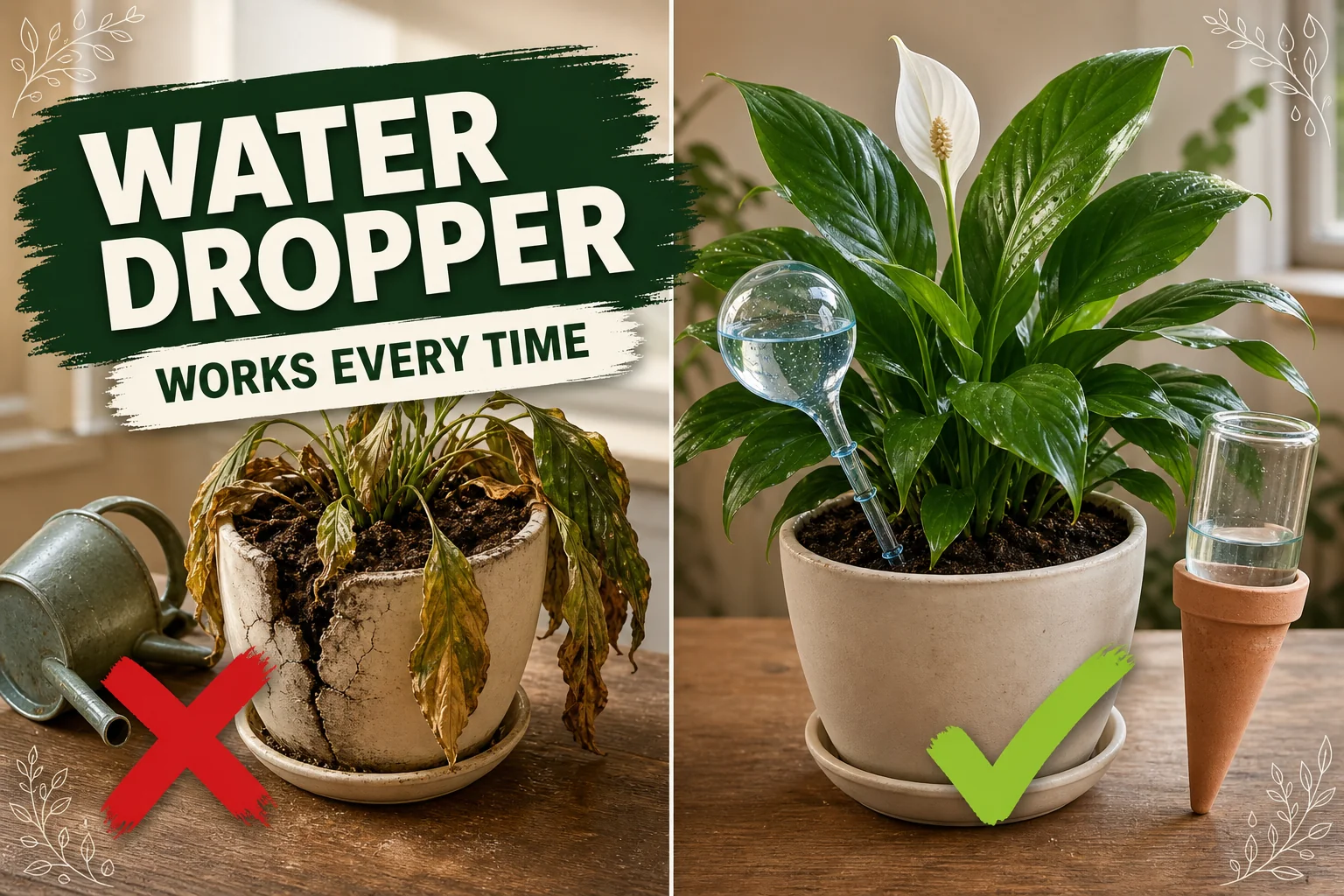
A plant water dropper is the simplest piece of irrigation hardware in the houseplant world: a glass globe, a terracotta spike, or even an upturned wine bottle stuck into the soil to release water gradually as the plant uses it. They go by many names — Aqua Globes, watering bulbs, self-watering spikes, plant droppers — but the underlying physics is the same, and the practical question is whether they actually work for your specific plant and your specific situation.
This guide covers what plant water droppers really do, how long different types last, which plants benefit and which actively suffer, and how to build a reliable DIY version from a wine bottle. By the end you will know whether to buy one for your next vacation or stick with a plant-sitter.
Quick answer
A plant water dropper is a refillable reservoir (glass globe, terracotta spike, or upturned bottle) inserted into the soil that slowly releases water through capillary action. Small globes hold 200-300 ml (7-10 fl oz) and last 3-7 days; larger globes hold 500-750 ml (17-25 fl oz) and last 1-2 weeks. They work brilliantly for moisture-loving plants (peace lily, calathea, ferns), and poorly for drought-tolerant plants (succulents, snake plants, ZZ plants). DIY wine-bottle versions cost nothing but flow faster.
Table of contents
- How a plant water dropper actually works
- The three main types
- How long different droppers last
- Which plants benefit most
- Which plants you should never use them on
- Vacation watering: how reliable are they really?
- DIY: turning a wine bottle into a water dropper
- Common problems and fixes
- Pot size matchup table
- How to use one without killing your plant
- FAQ
How a plant water dropper actually works
Every plant water dropper combines three forces: gravity pulling water down, atmospheric pressure pushing it out through a narrow opening, and the suction created by drying soil.
When the bulb is pushed neck-down into damp soil, water cannot flow freely out because the soil acts as a partial seal — air cannot get in to replace the leaving water. As the surrounding soil dries, microscopic air bubbles slip up into the neck, break that seal, and allow a small amount of water to drip down. The cycle repeats — slow, steady, demand-driven.
Two important consequences flow from this physics:
- The flow rate depends on soil dryness, not gravity alone. Plug a globe into a soaking-wet pot and almost no water comes out. Plug it into bone-dry soil and the whole reservoir empties in hours.
- Soil texture changes everything. Heavy clay-based houseplant compost throttles the air-bubble exchange; chunky aroid mixes drain so freely that globes empty too fast.
The three main types
1. Glass watering globes (Aqua Globes, decorative bulbs)
A hand-blown glass sphere with a long narrow neck, sized from 200 ml (7 fl oz) for small herbs up to 750 ml (25 fl oz) for large pots. Pros: decorative, easy to refill. Cons: glass breaks if knocked; the narrow neck clogs in chunky aroid mixes.
2. Terracotta watering spikes
A porous unglazed clay cone screwed onto a standard plastic or glass bottle. The water seeps through the wall of the spike directly into the surrounding soil at a rate set by soil dryness. Pros: the most consistent slow release; longest-lasting; flexible reservoir size. Cons: the spike clogs with mineral buildup over time and needs occasional vinegar soaking.
3. Plastic refillable bulbs (Plantsmith, Blumat-style)
Hard plastic dropper bulbs designed for repeated use, some with adjustable flow controls or wider necks for chunky aroid mixes. Pros: unbreakable; large reservoir options up to 1 L (33 fl oz). Cons: uglier than glass; cheap unbranded versions clog or leak.
How long different droppers last
Real-world durations from indoor houseplant testing — assume average room temperature 18-22°C (65-72°F) and standard peat-based potting mix:
| Dropper type | Reservoir | Pot size | Typical duration |
|---|---|---|---|
| Small glass globe | 200 ml (7 fl oz) | 10-15 cm (4-6 in) | 3-5 days |
| Medium glass globe | 350 ml (12 fl oz) | 15-20 cm (6-8 in) | 5-7 days |
| Large glass globe | 500-750 ml (17-25 fl oz) | 20-25 cm (8-10 in) | 7-12 days |
| Terracotta spike + 500 ml bottle | 500 ml (17 fl oz) | 15-20 cm (6-8 in) | 7-10 days |
| Terracotta spike + 1 L bottle | 1 L (33 fl oz) | 25 cm (10 in) | 10-14 days |
| Wine bottle DIY | 750 ml (25 fl oz) | 20-25 cm (8-10 in) | 5-10 days |
These numbers double if the room is cool and humid, and halve if the room is warm and dry or the pot sits in direct afternoon sun. A south-facing window in summer is the worst case; a cool north-facing bathroom is the best.
Which plants benefit most
Plant water droppers work best for plants that genuinely want consistently moist soil — those evolved in tropical or subtropical understorey habitats.
- Peace lily (Spathiphyllum) — wilts dramatically when dry, recovers fast when moist; perfect feedback loop for a globe.
- Calathea and Maranta (prayer plants) — fussy about consistent moisture; a globe smooths out forgetful-week dry-outs.
- Ferns (Boston, maidenhair, bird’s nest) — most ferns die fast when allowed to fully dry.
- Fittonia (nerve plant) — collapses within hours of going dry; recovers quickly.
- African violet — soil wants to stay damp. Use a small globe positioned away from the crown.
- Most aroids that aren’t drought-tolerant — pothos, philodendron, alocasia, anthurium. Use a wide-neck bulb for chunky soil.
Which plants you should never use them on
Plant water droppers actively harm plants that need a clear wet-dry cycle. The constant trickle creates the exact conditions that rot drought-adapted roots.
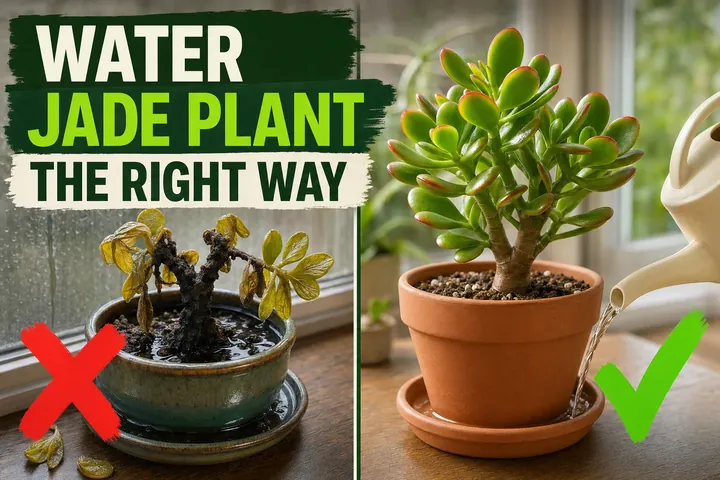
- Succulents (jade, echeveria, sedum, haworthia) — see how often to water a jade plant for the wet-dry cycle these plants actually need. A globe collapses that cycle.
- Snake plant (Sansevieria/Dracaena trifasciata) — drought-tolerant by design; rots fast in continuously moist soil.
- ZZ plant (Zamioculcas zamiifolia) — stores water in fat rhizomes and rots in damp soil. Never use a globe.
- Cacti — same logic as succulents. Even desert species that “drink hard” want full dry-down between drinks.
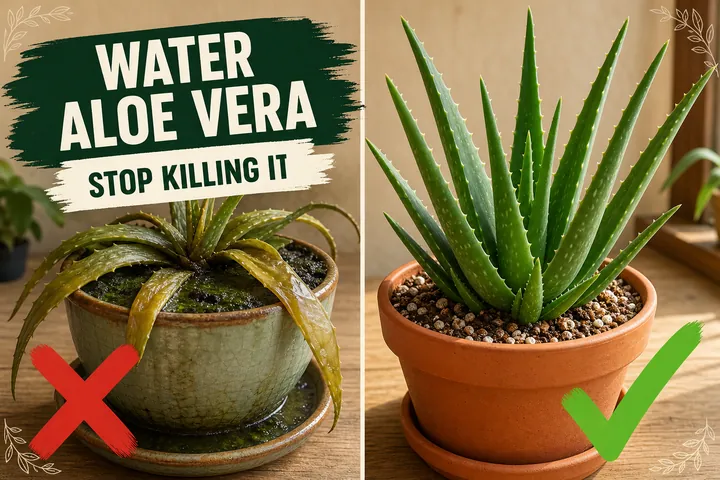
- Aloe vera — see how often to water aloe vera plant — drought tolerance is part of the plant’s biology.
- Ponytail palm and other caudiciforms — the swollen base stores water; constant soil moisture rots the caudex.
- Orchids in bark mix — bark dries in irregular pulses; a globe can’t replicate the soak-and-dry rhythm orchid roots need.
If your plant cares about drying out fully between waterings, a plant water dropper is the wrong tool. For these species, a single thorough watering before a 7-10 day absence is safer than fitting a bulb.
Vacation watering: how reliable are they really?
The honest answer: reliable for short trips, risky for long ones, never a substitute for a plant sitter.
- Up to 7 days: glass globes and DIY bottle systems are highly reliable for moisture-loving plants. A single globe fitted the day before you leave carries most peace lilies, calatheas, and ferns through a week.
- 7-14 days: terracotta spikes paired with 1 L (33 fl oz) bottles are the most reliable single-piece solution. Test the duration on your specific plant first.
- Over 14 days: combine multiple droppers per pot, group plants to raise local humidity, move them out of direct sun, and arrange a friend to check at the midpoint.
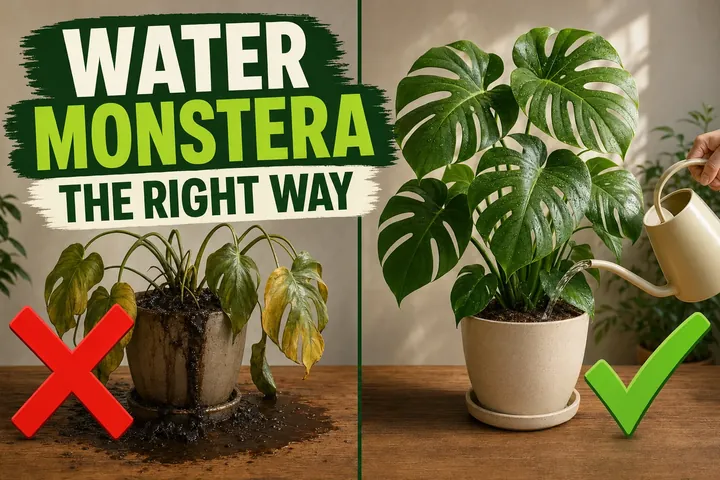
For monsteras specifically, the chunky aroid mix interacts with droppers in unusual ways — see how to water a monstera.
DIY: turning a wine bottle into a water dropper
The cheapest reliable plant water dropper is an empty wine bottle: long narrow neck, wide reservoir, standard 750 ml (25 fl oz) capacity.
- Rinse a clean 750 ml (25 fl oz) wine bottle thoroughly. No detergent residue.
- Fill with room-temperature water (cold water releases bubbles too fast; hot water cools and pulls water out unpredictably).
- Place a clean thumb firmly over the neck, invert, and push the neck about 5 cm (2 in) into pre-moistened potting soil.
- Release your thumb only after the neck is fully buried.
- Check after 30 minutes. A few large air bubbles climbing up is normal; a continuous stream means the soil is too dry — water the pot first, then re-insert.
A 750 ml bottle in a 20 cm (8 in) pot of moisture-loving houseplant typically lasts 5-10 days. Wine bottles drain faster than globes because the neck is wider, and the high centre of gravity can tip small pots — use a heavier ceramic pot or push the bottle deeper.
Common problems and fixes
| Symptom | Likely cause | Fix |
|---|---|---|
| Globe empties in 24 hours | Soil too dry at insertion | Water pot first, then insert globe |
| Globe stays full for 2 weeks | Soil too wet | Wait until top 2 cm (1 in) is dry, then re-insert |
| Globe never empties at all | Neck clogged with soil | Clear the neck with a thin wire; refill |
| Plant wilts despite full globe | Soil compacted around neck — water can’t escape | Aerate the surface with a chopstick |
| Mineral crust on terracotta spike | Hard tap water | Soak overnight in 50/50 white vinegar, rinse, reuse |
| Fungus gnats around globe | Constant surface moisture | Switch to a deeper-set spike; let surface dry |
| Pot tips over | Wine-bottle centre of gravity too high | Use a heavier pot or push bottle deeper |
| Algae growing inside globe | Sunlight + standing water | Use opaque or amber glass; rinse weekly |
Pot size matchup table
A simple rule of thumb for matching dropper count to pot:
| Pot size | Recommended droppers |
|---|---|
| 10-15 cm (4-6 in) | 1 small globe (200 ml / 7 fl oz) |
| 15-20 cm (6-8 in) | 1 medium globe or 1 small bottle spike |
| 20-25 cm (8-10 in) | 1 large globe or 1 medium bottle spike |
| 25-30 cm (10-12 in) | 2 medium globes or 1 large bottle spike |
| 30+ cm (12+ in) | 3 globes or 1 large bottle spike + 1 medium globe |
Distribute multiple globes evenly around the root zone — never cluster them in one spot — and push each to the same depth, about 5 cm (2 in) below the soil surface.
How to use one without killing your plant
Five rules that prevent the most common dropper disasters:
- Water the pot thoroughly the day before inserting a globe. A globe added to bone-dry soil drains in hours; a globe added to evenly moist soil lasts days.
- Choose the right plant. Moisture-lovers benefit; drought-tolerant plants suffer. When in doubt, skip the globe.
- Test before a long trip. Fit the globe a week before you leave and check daily. If the duration matches your trip length, you are good. If it empties in 2 days, you need a bigger reservoir or a different plant.
- Don’t bury the neck too deep. 5 cm (2 in) is the sweet spot. Shallower drains too fast; deeper drains too slow.
- Refill only when the soil starts to dry. Topping up a globe in soaking-wet soil traps water against the roots and risks rot.
A free reminder helps with this. Track your watering globe refills, vacation prep, and per-plant watering schedules in the Tazart plant care app — set a “test the globe” reminder a week before any trip longer than 4 days.
A note on conditions
Every home is different. Local humidity, room temperature, soil mix, and pot porosity all change how long a water dropper lasts. Use the durations above as a starting point and run a one-week test before relying on a globe for a vacation — a globe that lasts 7 days in a cool bathroom often lasts only 3 in a hot south-facing living room.
Related reading
- How to water a monstera — chunky aroid mix interacts with watering globes in unusual ways; this guide explains why.
- How often to water aloe vera plant — why succulents and globes don’t mix.
- How often to water jade plant — the wet-dry cycle that water droppers actively prevent.
Highly recommended
The supplies that make this guide work
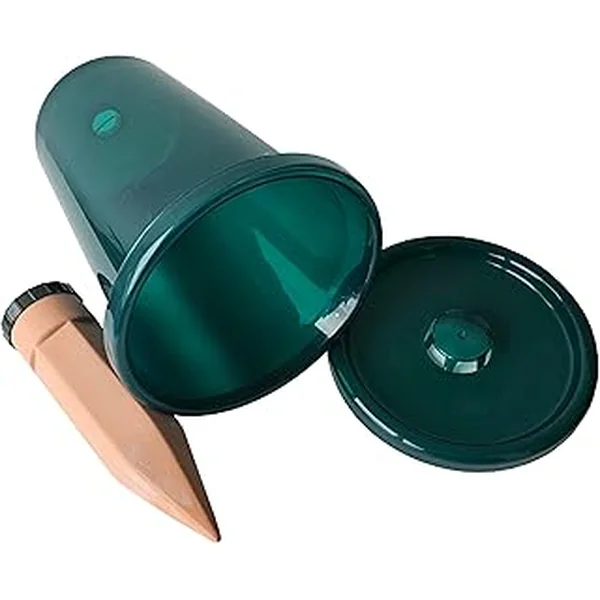
Tazart is an Amazon Associate — we earn from qualifying purchases at no extra cost to you. Thank you for helping us keep these guides free.
Frequently asked questions
How does a plant water dropper work?
A plant water dropper (whether a glass globe, a terracotta spike, or a DIY bottle insert) uses a slow capillary release. As the surrounding soil dries, water inside the reservoir is gradually drawn out through a narrow neck or porous wall. When the soil is moist, an air seal stops further flow. The plant effectively pulls only what it needs.
How long does a plant watering globe last?
A small 200-300 ml (7-10 fl oz) globe typically lasts 3-7 days in a 15 cm (6 in) pot, depending on plant size, temperature, and soil mix. A larger 500-750 ml (17-25 fl oz) globe lasts 1-2 weeks. Hot, dry rooms drain globes faster; cool humid bathrooms extend them. Always test the duration on your specific plant before relying on one for a long vacation.
Are plant watering globes worth it?
Yes for moisture-loving houseplants (peace lily, calathea, ferns, prayer plants) and for short vacations of 7-14 days. They are less reliable for drought-tolerant plants like succulents, snake plants, and ZZ plants — these prefer to dry out fully between waterings, and a constant water supply rots their roots.
Which plants are best for self-watering globes?
Plants that evolved in consistently moist tropical or subtropical conditions: peace lilies, calatheas, ferns, prayer plants (Maranta), African violets, fittonias, and most aroids except those that prefer to dry between watering. Avoid using globes on succulents, cacti, snake plants, ZZ plants, ponytail palms, and orchids — these need a clear wet-dry cycle to stay healthy.
Can I use a wine bottle as a plant water dropper?
Yes — fill a clean wine bottle with room-temperature water, place a thumb over the neck, invert it, and push the neck about 5 cm (2 in) into moist soil. The same capillary mechanism applies. A 750 ml (25 fl oz) bottle typically lasts 5-10 days. The downside is unreliable flow rate — bottles drain faster than purpose-made globes because the neck is wider, and the heavy bottle can tip a small pot over.
Do plant water droppers work for succulents?
Generally no — succulents and cacti rot in continuously moist soil. A water dropper provides exactly the kind of slow constant moisture that these plants are evolved to avoid. For short vacations of under 2 weeks, most succulents are happier left dry than fitted with a watering bulb. If you must water a succulent during a long absence, ask a friend to do a single deep soak instead.
How many watering globes do I need per pot?
One small globe per 15 cm (6 in) pot, two small globes (or one large globe) per 25 cm (10 in) pot, and three globes (or one extra-large bottle insert) per 30+ cm (12+ in) pot. Distribute multiple globes evenly around the root zone rather than clustering them in one spot, and place each at the same depth — about 5 cm (2 in) below the soil surface.