Houseplants
Pitcher Plant Care (Carnivorous Houseplant Made Simple)
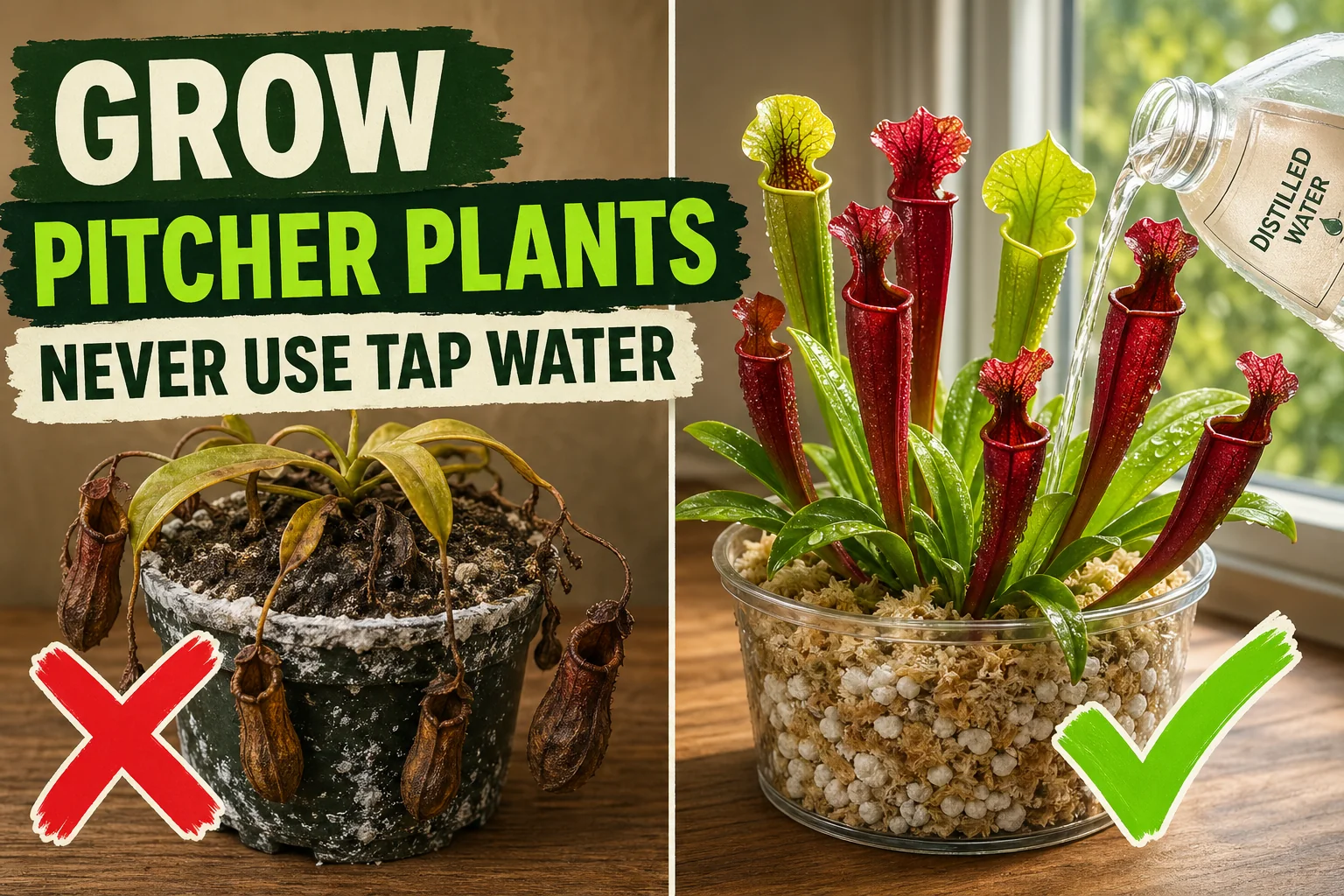
Pitcher plant care made easy — never use tap water, plant in sphagnum and perlite, give bright light. Healthy red and green pitchers in 6–8 weeks.
On this page
Watch the visual walkthrough
5 Most Common Mistakes When Growing Nepenthes
Hi plant lovers, I wanted to share the 5 most common mistakes I see amongst Nepenthes growers. If you want your plants to thrive, ...
Pitcher plants are easier to keep alive than their reputation suggests — but the rules are nothing like a regular houseplant. Tap water, normal potting soil, and a fertilizer schedule will kill them in weeks. Get the water and soil right, and they thrive on neglect.
This guide walks you through everything you need: choosing the right species, the no-fail soil mix, the only safe water sources, light, feeding, and winter dormancy.
Quick answer
Plant your pitcher plant in a 1:1 mix of long-fibered sphagnum moss and coarse perlite, water it only with distilled or rainwater, and give it 6+ hours of bright light. Keep the soil constantly moist (Sarracenia can sit in a 2–3 cm / 1 in water tray). Don’t fertilize. New pitchers form in 6–8 weeks.
Nepenthes vs Sarracenia: know which one you have
The two common pitcher plants sold as houseplants behave very differently. Care basics overlap, but light and dormancy do not.
| Trait | Nepenthes (tropical pitcher) | Sarracenia (North American pitcher) |
|---|---|---|
| Origin | Southeast Asia rainforest | US bogs |
| Pitchers | Hang from leaf tips | Stand upright from the crown |
| Light | Bright indirect or filtered sun | Full direct sun, 6+ hours |
| Humidity | 50–70% preferred | Tolerates dry air |
| Water tray | Avoid deep standing water | Sit in 2–3 cm (1 in) tray |
| Dormancy | None — grows year round | Required winter dormancy at 4–10°C (40–50°F) |
| Best for | Indoor terrariums and bright bathrooms | Sunny patios and outdoor bog gardens |
If you bought yours at a generic garden center labelled just “pitcher plant,” check the leaves: hanging cup-on-a-vine = Nepenthes; tube rising directly from the base = Sarracenia.
What you’ll need
- Long-fibered sphagnum moss — pure, no fertilizer added
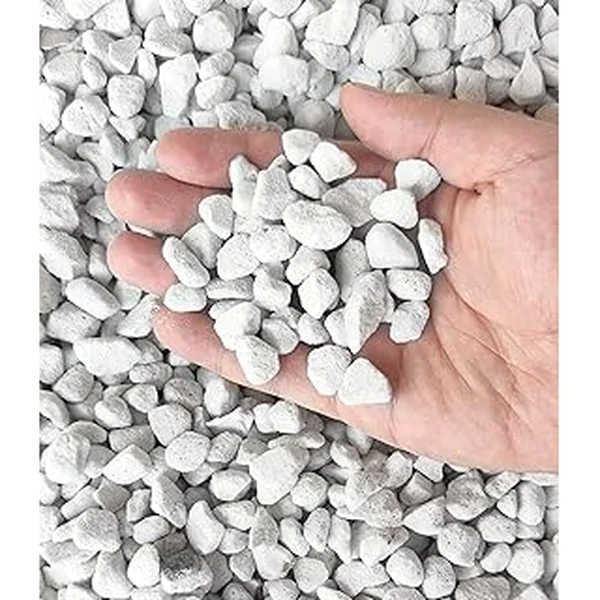
- Coarse horticultural perlite — rinsed in distilled water before use to remove dust
- A clear or unglazed plastic pot, at least 10 cm (4 in) wide with drainage holes
- A jug of distilled water, reverse-osmosis water, or collected rainwater
- A saucer or shallow tray (Sarracenia only)
- Bright window or grow light
That’s the entire kit. No fertilizer, no compost, no garden soil, no charcoal.
Step-by-step: setting up a healthy pitcher plant
1. Test your water first
Carnivorous plants are killed by mineral buildup, not by underwatering. Tap water in most cities is 100–400 ppm TDS (total dissolved solids). Pitcher plants need water under 50 ppm.
Cheapest fix: a 4 L (1 gal) jug of distilled water from any grocery store. A single jug lasts a small plant 4–6 weeks. Rainwater collected in a clean container is also free and safe. Skip filtered, softened, spring, and bottled mineral water — all still too high in dissolved minerals.
2. Mix the soil
Pre-soak the sphagnum moss in distilled water for 10 minutes, then squeeze out the excess. Rinse the perlite in a sieve under distilled water until the runoff is clear (perlite dust is alkaline and can shock the roots).
Combine 1 part wet sphagnum to 1 part rinsed perlite in a bowl and toss until evenly mixed. The texture should be fluffy and spring back when squeezed.
3. Pot the plant
Place a small mound of mix in the bottom of the pot. Set the pitcher plant in so the crown — where the leaves emerge — sits right at the soil surface. Burying the crown rots it within days.
Backfill loosely around the roots. Press only gently with your fingertips. Water it in with distilled water until you see drips at the drainage holes.
4. Place it in the right light
- Sarracenia: outdoors in full sun, or pressed against the brightest south-facing window you have. A 30 cm (12 in) full-spectrum LED grow light at 30–45 cm (12–18 in) above the plant works year-round indoors.
- Nepenthes: an east- or west-facing window with bright indirect light, or 30–60 cm (12–24 in) under a grow light. Direct midday sun through glass can scorch the leaves.
If the new pitchers come in pale and small, the plant needs more light. Healthy red coloration only develops with strong, sustained light.
5. Keep humidity reasonable
Nepenthes prefers 50–70% humidity. A bathroom window, a clear plastic dome, or a small humidifier nearby usually does it. Sarracenia is far more tolerant — typical indoor humidity of 30–50% is fine.
Avoid grouping a Nepenthes right next to a heating vent or a cold drafty window — sudden swings cause new pitchers to abort before they open.
6. Water on the right rhythm
Keep the soil constantly moist, never soggy or bone dry.
- Nepenthes: top water with distilled water until it drains, every 3–5 days. Empty any water that pools in the saucer within an hour. Standing water rots the roots.
- Sarracenia: sit the pot in a saucer with 2–3 cm (1 in) of distilled water at all times during the growing season. Refill as it evaporates. Empty completely in winter dormancy.
A simple plant care app like Tazart can hold the watering rhythm for you and adjust it for the season — useful if you collect more than one carnivorous plant.
Feeding: do you need to drop in bugs?
Outdoors, your pitcher plant catches its own meals — wasps, ants, fruit flies, small beetles. You don’t need to do anything.
Indoors, feeding is optional but accelerates growth. Every 4–6 weeks, drop one or two small dead or live insects into a few open pitchers — fruit flies, fungus gnats, small ants, dried bloodworms (rehydrated). Never feed:
- Hamburger, raw meat, or cheese (rots and kills the pitcher)
- Fertilizer of any kind, even half-strength
- Insects bigger than 1/3 the pitcher’s interior — they overflow and rot
A healthy plant can also go months indoors with no prey at all and still produce pitchers.
Common mistakes to avoid
- Using tap, filtered, softened, or spring water. Minerals build up in the soil and kill the roots in 2–6 months. Distilled or rainwater only.
- Potting in regular soil or compost. Carnivorous roots evolved for nutrient-poor, acidic bogs. Anything fertilized burns them.
- Adding fertilizer to the soil. It’s the fastest way to kill a pitcher plant. Feed via the pitchers, not the roots.
- Letting Nepenthes sit in standing water. Sarracenia loves it; tropical Nepenthes rots in it.
- Skipping Sarracenia winter dormancy. Without 3–4 months at 4–10°C (40–50°F), it weakens and dies within 2–3 years.
- Cutting off all the brown pitchers in a panic. Old pitchers naturally die after 2–3 months even on healthy plants. Trim only fully brown ones.
Troubleshooting
| Symptom | Likely cause | Fix |
|---|---|---|
| Pitchers turn brown and shrivel one by one | Normal end-of-life cycle for that pitcher | Trim brown pitchers at the base; healthy plant keeps producing new ones |
| Most pitchers brown together, leaves yellow | Tap water mineral buildup | Switch to distilled water, repot in fresh sphagnum-perlite, flush soil |
| New pitchers small, pale, no red color | Not enough light | Move closer to a south window or add a grow light at 30 cm (12 in) |
| Crown looks black or mushy | Buried too deep, or stagnant water at base | Lift the plant, replant with crown at soil level, drain saucer |
| White crust on soil and pot rim | Tap or hard water mineral residue | Repot in fresh mix; only ever use water under 50 ppm TDS |
| Mold on the soil surface | Low light + stagnant air | Increase airflow, raise the pot off the saucer between waterings |
| Sarracenia goes brown all at once in fall | Natural dormancy starting | Trim dead foliage in spring; move to 4–10°C (40–50°F) for 3–4 months |
| Nepenthes pitchers form, then dry up before opening | Humidity too low (under 40%) | Add a humidifier or clear dome; avoid heating vents |
Repotting
Pitcher plants like fresh media every 1–2 years, even if they haven’t outgrown the pot. Old sphagnum breaks down into a slimy, low-oxygen sludge that suffocates the roots.
Best time to repot: early spring, just before new growth pushes. Lift the plant gently, shake off as much old mix as you can, rinse the roots in distilled water, and replant in fresh 1:1 sphagnum-perlite at the same crown depth.
Watch: pitcher plant care basics
A short visual walkthrough makes the soil mix and watering rhythm obvious. If you’re a visual learner, search YouTube for pitcher plant care tutorials from established carnivorous plant growers, then come back to follow the timing in this guide.
Related reading
- Prayer plant care guide — another humidity-loving houseplant that pairs well with Nepenthes on a bright bathroom shelf.
- Aglaonema plant care — a low-light houseplant for the rooms where carnivorous plants won’t thrive.
- Pothos plant care — the easiest companion plant for beginners building their first indoor jungle.
- Identify the next plant you bring home with the free Tazart plant identifier and let it set up a watering schedule tailored to that species.
A note on conditions
Every home is different. Light intensity, water source, humidity, season, and the species you bought all change how a pitcher plant grows. Use the steps above as a starting point and adjust based on what your plant actually does in week two or three — that’s how every successful carnivorous plant keeper learns.
Highly recommended
The supplies that make this guide work


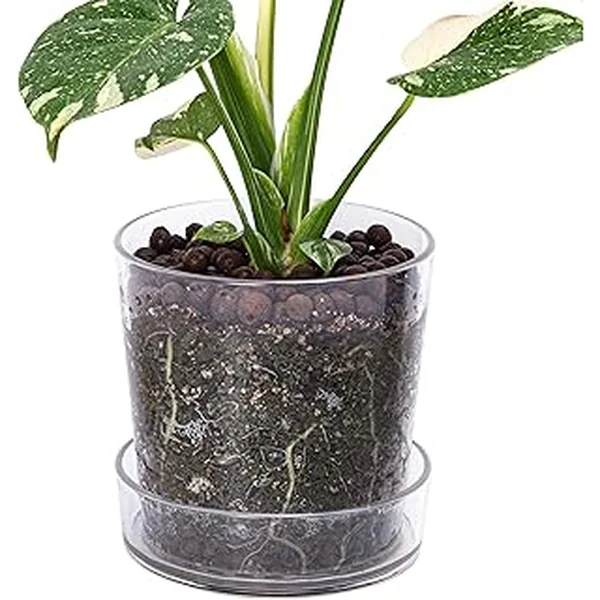
Tazart is an Amazon Associate — we earn from qualifying purchases at no extra cost to you. Thank you for helping us keep these guides free.
Frequently asked questions
How do you take care of a pitcher plant?
Water only with distilled or rainwater, plant in a 1:1 mix of long-fibered sphagnum moss and coarse perlite, and give it 6+ hours of bright light. Keep the soil moist but never sit it in deep standing water for tropical Nepenthes — Sarracenia tolerates a shallow water tray of 2–3 cm (about 1 in). Skip fertilizer in the soil; the pitchers feed themselves by trapping insects.
Can I water a pitcher plant with tap water?
No. Tap water contains dissolved minerals — typically 100–400 ppm of total dissolved solids (TDS) — that build up in the nutrient-poor soil and kill carnivorous roots within a few months. Use only distilled water, reverse-osmosis water, or collected rainwater under 50 ppm TDS. Filtered or softened water is also unsafe.
What kind of soil do pitcher plants need?
A nutrient-poor, acidic, airy mix. The standard is 1:1 long-fibered sphagnum moss to coarse perlite, or pure live sphagnum for Nepenthes. Never use regular potting soil, compost, or anything containing fertilizer, lime, or wood bark fines — these all kill carnivorous plants quickly.
How much sun does a pitcher plant need?
Sarracenia (North American pitcher) wants full sun — 6+ hours of direct sunlight outdoors or in the brightest south-facing window. Nepenthes (tropical pitcher) prefers very bright indirect light or filtered sun; harsh midday rays can scorch the leaves. Without enough light, neither plant produces colorful pitchers.
Do pitcher plants need to be fed bugs?
Outdoors, no — they catch their own. Indoors, a Nepenthes can go months without prey and stay healthy, but it grows faster if you drop one or two small live or freshly-killed insects (fruit flies, gnats, ants, small crickets) into a few pitchers every 4–6 weeks. Never feed it human food, raw meat, or fertilizer — both will rot the pitcher.
Why are my pitcher plants turning brown?
Most often it's tap water mineral buildup, dry air, or end-of-season dieback. Pitchers naturally die after 2–3 months even on a healthy plant. If most pitchers brown at once and the leaves yellow, switch to distilled water immediately, repot in fresh sphagnum-perlite mix, and raise the humidity above 50%. Sarracenia also goes dormant in winter and browns out completely — that's normal.