Houseplants
Mother of Thousands Plant Care (Kalanchoe daigremontiana)
Master mother of thousands plant care — bright light, fast drainage, plantlet management, pet/livestock toxicity warning, and how to tell it from mother of millions.
On this page
- Quick answer
- Table of contents
- What is mother of thousands?
- Light requirements
- Watering mother of thousands
- Soil and potting
- Temperature and USDA zones
- Fertilising
- The plantlet problem
- Toxicity — read this before buying
- Mother of thousands vs mother of millions
- Invasiveness in warm climates
- Troubleshooting table
- Watch: Mother of thousands plant care video guide
- Related reading
- Summary: mother of thousands plant care checklist
Watch the visual walkthrough
Most Prolific Succulent Ever?! Kalanchoe Care Guide
Kalanchoe succulents are weird, wonderful, and, above all, easy to grow! Some types, known as Mother of Thousands or Mother ...
Mother of thousands is one of the most distinctive plants in the entire houseplant world — the broad triangular leaves rimmed with hundreds of perfect little plantlets are unmistakable. It is also one of the easiest succulents to grow, and one of the most invasive when it escapes outdoors.
This guide covers the care, the propagation (which you cannot really stop), the serious toxicity issues to know before bringing one home, and how to tell it from its close relative mother of millions.
Quick answer
Mother of thousands (Kalanchoe daigremontiana) is a Madagascar succulent that wants bright light, gritty fast-draining soil, and infrequent deep watering — usually every 2–3 weeks. It propagates itself constantly by dropping tiny rooted plantlets from leaf edges. It contains bufadienolide cardiac glycosides — significantly toxic to pets, livestock, and children. Grow indoors only; never outdoors in frost-free climates, where it becomes invasive. Hardy outdoors only in USDA zones 9b–11.
Table of contents
- What is mother of thousands?
- Light requirements
- Watering mother of thousands
- Soil and potting
- Temperature and USDA zones
- Fertilising
- The plantlet problem
- Toxicity — read this before buying
- Mother of thousands vs mother of millions
- Invasiveness in warm climates
- Troubleshooting table
- FAQ
What is mother of thousands?
Kalanchoe daigremontiana (sometimes listed as Bryophyllum daigremontianum) is a succulent in the Crassulaceae family, native to the limestone hills of southwestern Madagascar. Like other Madagascar succulents, it evolved for extreme drought tolerance — thick leaves that store water, waxy cuticles to slow evaporation, and the unusual reproductive trick of producing fully formed plantlets along the leaf edges.
Indoors, the plant grows on a single upright stem with paired broad triangular blue-grey-green leaves. The plantlets along each leaf edge are not seeds — they are vegetative clones with their own miniature root systems, ready to drop and grow wherever they land.
It is sometimes called the “alligator plant” (for the leaf shape) or “Mexican hat plant” (despite being from Madagascar). The species shows up across plant memes for a reason — those plantlet-rimmed leaves are genuinely striking.
Light requirements
Mother of thousands wants bright light. Stretched leggy growth is the most common complaint, and it always traces back to too little light.
| Light level | Result |
|---|---|
| Direct full sun outdoors | Tolerable; may bronze the leaf edges (this is normal) |
| Bright south or west window | Ideal — compact, upright, full plantlet production |
| Bright east window | Good — slower growth but healthy |
| Medium indirect light | Plant stretches and stops producing plantlets |
| Low light | Floppy, etiolated, eventually fatal |
Best position indoors: a south or west-facing window (in the Northern Hemisphere) or a north or west-facing window (in the Southern Hemisphere). The plant should get at least 4–6 hours of strong light per day.
If your home is too dim: use a full-spectrum LED grow light positioned 20–30 cm (8–12 in) above the plant on a 12–14 hour timer.
Watering mother of thousands
This is a true drought-tolerant succulent. Underwatering is forgivable; overwatering is fatal.
The rule: Wait until the soil is completely dry top to bottom, then water deeply until liquid runs from drainage holes. Let it drain fully. Repeat the cycle.
Typical frequency:
- Spring and summer: every 2–3 weeks
- Autumn: every 3–4 weeks
- Winter (dormancy): every 4–6 weeks; sometimes longer
- Hot dry indoor air: check weekly but only water when bone-dry
How to check dryness: push a wooden chopstick or your finger 5 cm (2 in) into the soil. If any dampness clings, wait.
Signs of overwatering:
- Soft mushy lower leaves
- Black or brown patches on the stem
- A musty smell from the soil
- Plantlets dropping en masse from healthy-looking leaves
Signs of underwatering:
- Wrinkled, sunken leaves
- Lower leaves shrivelling
- Stem feels light and hollow
If in doubt, wait another week. Mother of thousands recovers from drought in days; root rot is often unrecoverable.
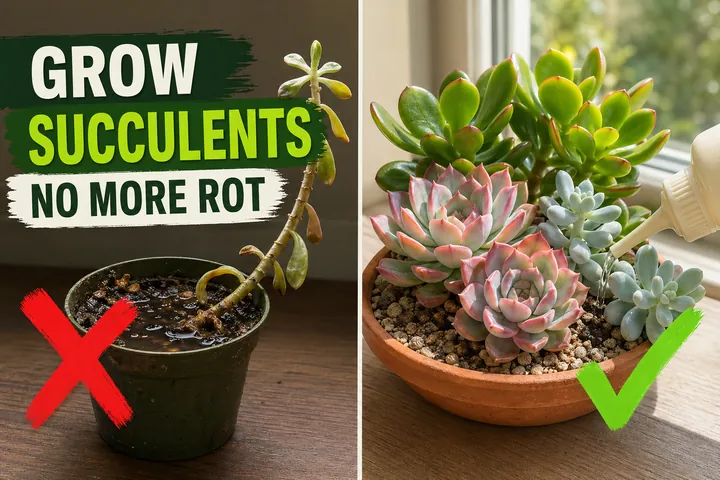
For broader succulent watering principles, see our general guide on how to take care of a succulent plant.
Soil and potting
The right soil is the difference between a thriving and a rotting mother of thousands.
- Texture: very loose, gritty, fast-draining
- Recipe: 50% cactus/succulent potting mix + 25% perlite + 25% coarse sand or pumice
- pH: 6.0 to 7.5 (slightly acidic to neutral)
- Drainage: essential — never use a pot without drainage holes
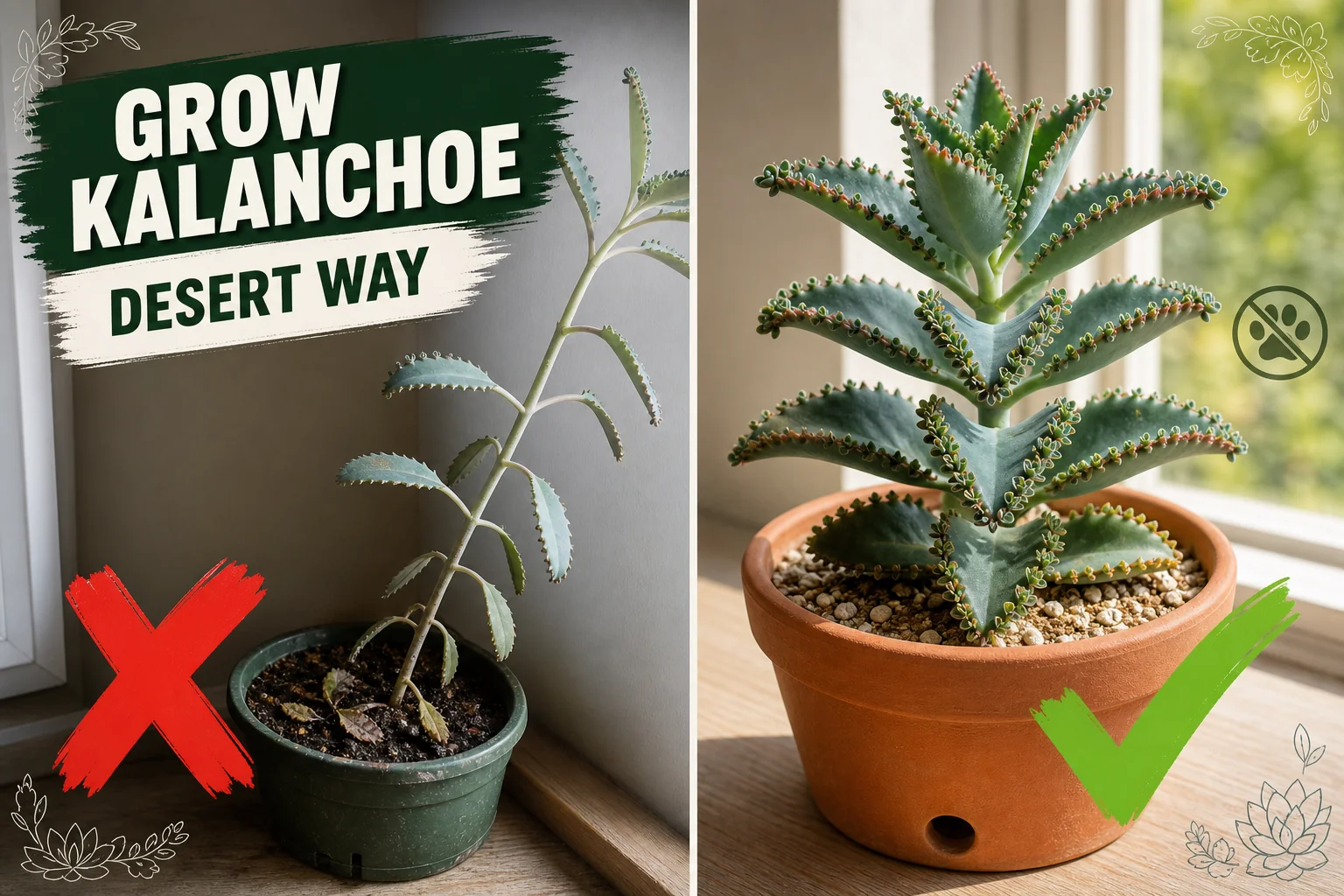
- Material: unglazed terracotta is ideal — its porous walls wick excess moisture away
Pot size: mother of thousands prefers tight quarters. A 12.5 cm (5 in) pot is plenty for a 30 cm (12 in) tall plant. Oversized pots hold too much soil moisture and rot roots.
Repotting: every 2–3 years in spring, or whenever roots fill the pot completely. Upsize by no more than 2.5 cm (1 in) in pot diameter each time.
Temperature and USDA zones
Mother of thousands is a true tropical succulent — frost kills it outright.
| Temperature | Behaviour |
|---|---|
| Above 32°C (90°F) | Tolerable with shade; growth slows |
| 18–24°C (65–75°F) | Ideal — typical indoor range |
| 10°C (50°F) | Minimum — growth stops below this |
| 5°C (41°F) | Damage begins |
| Below 0°C (32°F) | Plant dies |
USDA outdoor hardiness: 9b–11, but see the invasiveness section below before considering outdoor planting.
Indoor placement: away from cold draughts (single-glazed windows in winter), heating vents (dries leaves), and air-conditioning blasts.
Fertilising
Mother of thousands is a very light feeder. In its native habitat it survives on poor rocky soil.
- What: balanced succulent or cactus fertiliser (low strength, e.g. 2-7-7 or balanced 10-10-10)
- Rate: diluted to quarter strength
- When: once a month from April through September only
- Skip: all feeding through autumn and winter
Overfeeding signs: unusually large soft leaves, weak floppy stems, salt crust on soil surface. Flush the pot with plain water to leach out salts if you suspect overfeeding.
The plantlet problem
The plantlet-edged leaves are the species’ defining feature — and the main maintenance challenge.
Every mature leaf produces 50–100+ plantlets along its edge. These drop continuously, especially when the plant is disturbed. Every plantlet that lands on soil — its own pot, a neighbour’s pot, a forgotten crack in a saucer — will root and grow into a new plant.
To manage:
- Place the pot on a tray of pebbles or in a saucer that catches dropped plantlets
- Vacuum or sweep up any plantlets on nearby surfaces
- Check neighbouring pots monthly for unintentional offspring
- Decapitate the parent stem if it gets too tall — root the top in a fresh pot and gift or compost the bottom
If you actively want more plants (gifting, swapping, building a collection), simply scrape a few plantlets off a leaf edge and press them onto dry succulent soil. They root within 1–2 weeks.
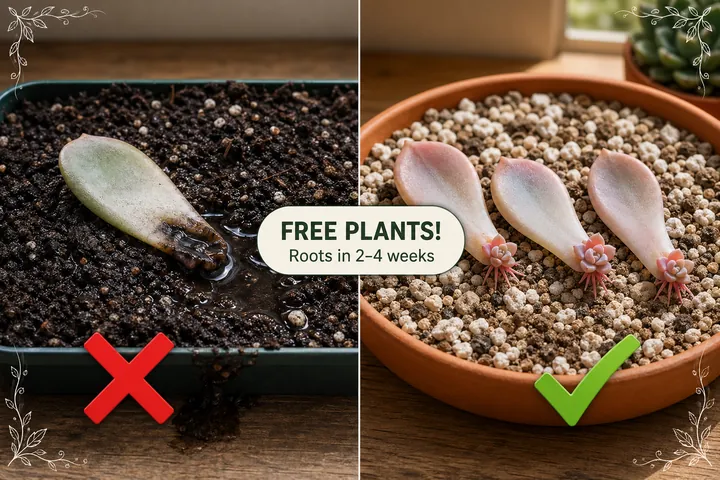
For deliberate succulent propagation techniques (which work for cousins like jade, donkey tail, and string of pearls), see our guide on propagating succulents from leaves.
Toxicity — read this before buying
This is the single most important section in the guide.
Mother of thousands contains bufadienolide cardiac glycosides — a class of toxins related to those found in foxglove and oleander. They affect heart muscle function. Toxic to:
- Dogs and cats: vomiting, drooling, weakness, irregular heart rhythm. Treat ingestion as a veterinary emergency.
- Children: can cause severe symptoms even from a small accidental bite. Keep absolutely out of reach.
- Livestock (sheep, goats, cattle, horses): documented deaths in Australia, South Africa, and parts of the Americas where the plant has naturalised. Whole flocks have been lost grazing wild Kalanchoe stands.
- Wildlife: also affected — do not allow plantlets to escape to outdoor spaces frequented by browsing animals.
Practical implications:
- Pet households: place far out of reach; consider whether the risk of fallen plantlets being eaten is acceptable
- Children at home: keep on high shelves only
- Outdoor planting: never, anywhere livestock or wildlife can access it
- Disposal: bag plantlets in sealed plastic and put in landfill — never compost (plantlets re-root readily)
The plant is not so toxic that having one in your home is reckless — many people grow it safely for years. But you must know what you have, and you must store and dispose of it carefully.
Mother of thousands vs mother of millions
These two species are confused constantly. Both are Kalanchoe, both drop plantlets, and both are toxic — but they look very different and have slightly different growing habits.
| Feature | Mother of thousands (K. daigremontiana) | Mother of millions (K. delagoensis) |
|---|---|---|
| Leaf shape | Broad triangular, flat | Narrow tubular pencil-like |
| Plantlet location | Along edges of mature leaves | At leaf tips (visible “crowns” at ends) |
| Plant form | Upright single stem | Slimmer, often clumping |
| Flowers | Pink to mauve clusters when mature | Reddish-orange tubular |
| Invasiveness | High in warm climates | Very high — listed weed in Australia and Hawaii |
| Toxicity | Significant | Significant — equally dangerous |
Both have very similar care needs: bright light, fast-draining soil, infrequent water. Confusion between the two is harmless from a growing perspective.
For the broader Kalanchoe genus (and the more familiar florist Kalanchoe blossfeldiana), see our Kalanchoe plant care guide.
Invasiveness in warm climates
In any frost-free region, mother of thousands is invasive. The combination of asexual plantlet production, drought tolerance, and toxicity to grazers makes it a near-perfect invader.
Documented invasive populations:
- Florida (USDA 10–11)
- Coastal California (zones 9b+)
- Hawaii
- Eastern and northern Australia (declared noxious weed in Queensland)
- Coastal southern Africa
- Caribbean islands
Do not plant outdoors in any of these climates, even in a contained-looking garden bed. Plantlets are easily moved by water, soil, wind, and pets, and once established in a wild area they are nearly impossible to remove.
If you live in zones 5–8 (where outdoor frost prevents naturalisation), you can grow mother of thousands outdoors in summer in containers, but bring containers indoors before any chance of frost.
Troubleshooting table
| Symptom | Most likely cause | Fix |
|---|---|---|
| Stretched leggy growth | Insufficient light | Move to brighter window or grow light |
| Soft mushy lower leaves | Overwatering | Stop watering; check roots; repot in dry mix |
| Wrinkled sunken leaves | Underwatering | Deep soak; resume regular cycle |
| Plantlets dropping en masse | Drought, root rot, or natural cycle | Check soil moisture; inspect roots |
| Pale washed-out colour | Overfeeding or low light | Flush pot; brighter position |
| Bronze or purplish leaf edges | High light exposure (normal) | No action needed |
| Stem flopping sideways | Pot too small / leggy plant | Top-cut and reroot; new fresh start |
| Tiny plants everywhere | Plantlets rooting in nearby pots | Sweep up; tray under main pot |
| Pet ingested leaves | Bufadienolide toxicity | Contact veterinarian immediately |
| Plant stops growing in winter | Natural dormancy | Reduce water; resume in spring |
Watch: Mother of thousands plant care video guide
A visual walkthrough of plantlet management and overhead light setup pairs well with the written guide.
Related reading
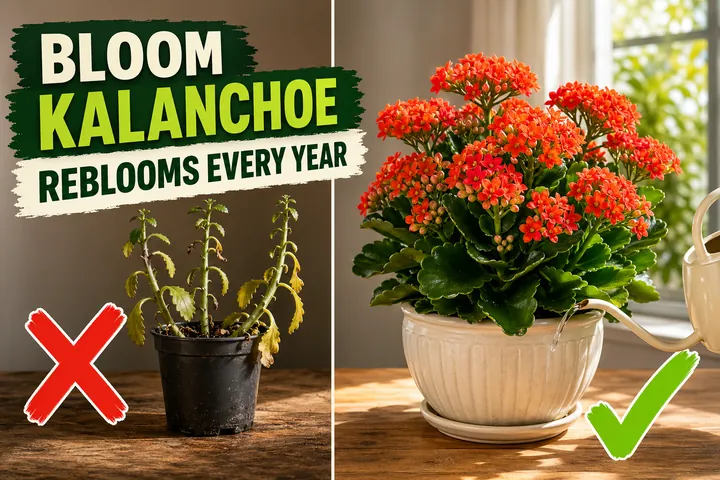
- Kalanchoe Plant Care — the broader genus, including the popular florist Kalanchoe
- How to Take Care of a Succulent Plant — general succulent principles
- How to Propagate Succulents from Leaves — for jade, echeveria, and friends
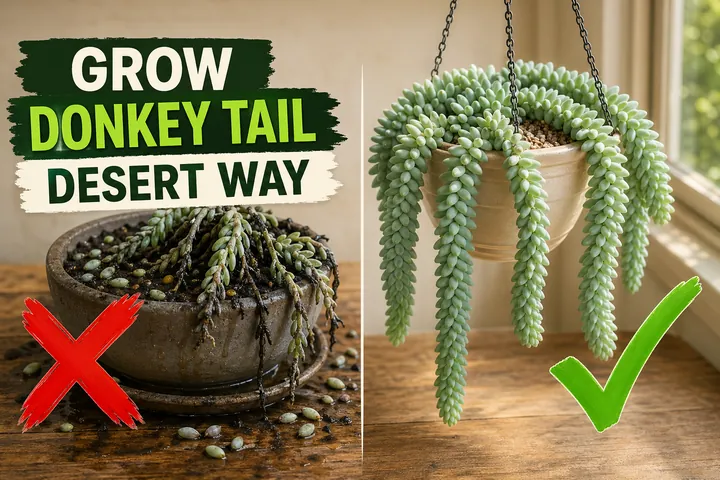
- Donkey Tail Plant Care — another trailing succulent classic
Summary: mother of thousands plant care checklist
- Light: bright direct or strong indirect; 4–6+ hours daily
- Water: every 2–3 weeks in growing season; bone-dry between waterings
- Soil: gritty succulent mix with 25% perlite + 25% sand
- Pot: small terracotta with drainage; avoid oversized containers
- Temperature: 18–24°C (65–75°F); minimum 10°C (50°F)
- Fertilise: quarter-strength succulent feed monthly April–September only
- Plantlets: drop continuously; manage tray and sweep regularly
- Toxicity: significantly toxic to pets, livestock, children — keep out of reach
- Outdoor planting: never in frost-free climates; invasive in USDA 9b+
- Mature size: 60–90 cm (2–3 ft) indoors
Mother of thousands is an undemanding houseplant with one big quirk and one serious warning: it will plant itself everywhere, and it should never be eaten. Keep it bright, keep it dry, keep it out of reach — and it will give you decades of weird, beautiful, plantlet-fringed leaves.
Want personalised watering reminders and seasonal care alerts for your mother of thousands? The Tazart app builds a care calendar tied to your local climate and lets Dr. Afrao, our AI plant assistant, answer your specific succulent questions in real time.
Highly recommended
The supplies that make this guide work
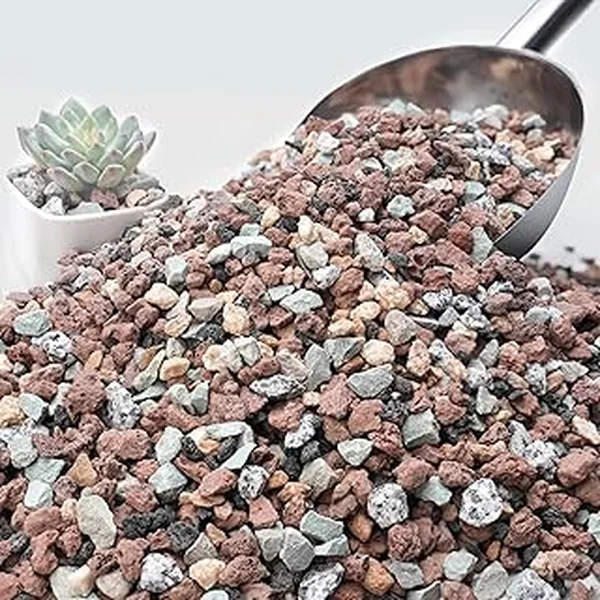
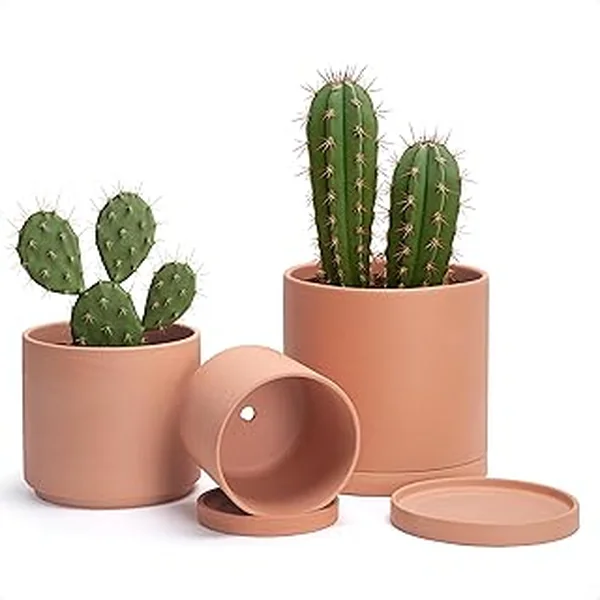
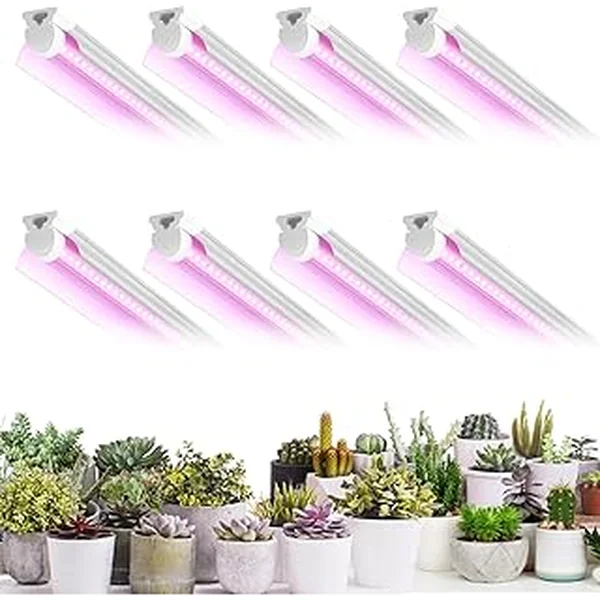

Tazart is an Amazon Associate — we earn from qualifying purchases at no extra cost to you. Thank you for helping us keep these guides free.
Frequently asked questions
How often do you water a mother of thousands plant?
Water mother of thousands (Kalanchoe daigremontiana) only when the soil is completely dry — typically every 2–3 weeks in spring and summer, and every 4–6 weeks in winter. This is a true succulent that stores water in its thick leaves. Overwatering is by far the most common cause of death. Always water deeply until liquid runs from drainage holes, let the pot drain fully, and never leave it sitting in a saucer of water.
Is mother of thousands toxic to cats, dogs, and livestock?
Yes — significantly. Mother of thousands contains bufadienolide cardiac glycosides, the same class of compound found in foxglove. Ingestion can cause vomiting, drooling, weakness, and serious heart rhythm disturbances in dogs, cats, sheep, goats, and cattle. Livestock deaths from grazing Kalanchoe daigremontiana have been documented in Australia and South Africa. Keep this plant out of reach of pets and children, and never plant it where livestock can access it.
How do you propagate mother of thousands?
You barely need to — propagation happens by itself. Mother of thousands drops fully formed tiny plantlets from the edges of its leaves. Each plantlet has its own roots, leaves, and the ability to grow into a full plant as soon as it touches soil. To deliberately propagate, scrape a few plantlets off a leaf edge and press them gently onto the surface of dry succulent soil. Mist lightly every few days. New roots establish within 1–2 weeks.
What is the difference between mother of thousands and mother of millions?
Both are Kalanchoe species, both drop plantlets, and both contain cardiac glycosides. The biggest visual difference is leaf shape: mother of thousands (K. daigremontiana) has broad triangular leaves with plantlets along the edges of mature leaves; mother of millions (K. delagoensis) has narrow tubular pencil-like leaves with plantlets at the tip. Mother of millions is more invasive in warm climates and is treated as a noxious weed in parts of Australia and Hawaii. Care is essentially identical.
Is mother of thousands invasive?
Yes — in any frost-free climate where it can survive outdoors year-round, mother of thousands becomes invasive. It is listed as a weed in Florida, parts of California, much of Australia, southern Africa, and tropical Pacific islands. Each plant drops thousands of plantlets, every plantlet roots, and the species easily outcompetes native flora. Grow it as a houseplant only; never plant it outdoors in USDA zones 9–11.
Why is my mother of thousands stretching tall and floppy?
This is etiolation — the plant stretching toward inadequate light. Mother of thousands needs at least 4–6 hours of bright direct or strong indirect light per day. In dim conditions, the stem elongates, internodes lengthen, and leaves become smaller, paler, and floppy. The fix is gradually moving it to a brighter spot (south or west-facing window or under a grow light). You cannot un-stretch an etiolated plant — but you can behead it, root the top, and start fresh.
How big does a mother of thousands plant get?
Indoors, mother of thousands typically reaches 60–90 cm (2–3 ft) tall. In frost-free climates outdoors, it can reach 1 m (3.3 ft) before the parent stem dies back after flowering. The plant is monocarpic by lineage — the original stem usually dies after flowering, but by then dozens of plantlets have already rooted around it, ensuring the colony continues. Pruning the top off keeps mother plants shorter and stops them from looking too leggy.