Houseplants
Money Tree Care (Pachira aquatica Made Easy)
Complete money tree care guide for Pachira aquatica. Light, watering, humidity, braided trunk care, yellow leaves fix, and propagation — grow it indoors with confidence.

On this page
- Quick answer
- Table of contents
- What is a money tree? (Pachira aquatica, not jade)
- Light requirements
- Watering — and the soggy soil trap
- Soil and potting
- Temperature and humidity
- Feeding
- Yellow and brown leaves — what they mean
- Braided trunk care
- Propagation from cuttings
- Toxicity and pets
- Common mistakes
- Troubleshooting
- Watch: money tree care guide
- Related reading
- A note on conditions
Watch the visual walkthrough
Money Tree (Pachira Aquatica) Care
Get free seeds, shipping, and returns: https://www.epicgardening.com/greenhouse/ GIVEAWAY OVER! Pachira aquatica, also ...
The money tree — botanically Pachira aquatica — is the braided-trunk tropical houseplant with bright green five-leaflet palmate leaves you see in offices, restaurants, and bright living rooms across the world. It’s a feng shui staple, a popular housewarming gift, and one of the more forgiving large indoor plants. The catch: it rots fast in soggy soil and drops leaflets when it’s unhappy.
This guide gives you every specific number and condition you need to grow a healthy 1.5–1.8 m (5–6 ft) money tree indoors — from light and watering to braided trunk care and the yellow-leaf fix.
Quick answer
A money tree (Pachira aquatica) wants bright indirect light, watering when the top 5 cm (2 in) of soil are dry, a well-draining peat-free potting mix, temperatures of 18–24°C (65–75°F), and 50–60% humidity. Overwatering and cold draughts are the two biggest killers. Feed at half strength once a month in spring and summer, never in winter.
Table of contents
- What is a money tree? (Pachira aquatica, not jade)
- Light requirements
- Watering — and the soggy soil trap
- Soil and potting
- Temperature and humidity
- Feeding
- Yellow and brown leaves — what they mean
- Braided trunk care
- Propagation from cuttings
- Toxicity and pets
- Common mistakes
- Troubleshooting table
- Watch: money tree care guide
- Related reading
- A note on conditions
What is a money tree? (Pachira aquatica, not jade)
When people say “money tree” in a houseplant context, they almost always mean Pachira aquatica — a tropical wetland tree from Central and South America with smooth woody trunks and palmate leaves split into five long leaflets. It belongs to the Malvaceae family, the same group as cotton, hibiscus, and cacao.
It is a different plant from the jade tree (Crassula ovata), which is also called a money tree in some regions. If your “money tree” has thick fleshy oval leaves on a small succulent shrub, it’s a jade — care rules are very different.
Pachira aquatica earned its lucky reputation in 1980s Taiwan, where a truck driver braided several young trunks together as a feng shui gift. The five leaflets are said to represent the five elements (water, earth, fire, wood, metal), and a braided trunk is believed to “trap good fortune.” Whether or not you buy the symbolism, a healthy braided money tree is a striking statement plant.
Light requirements
Pachira aquatica is forgiving on light, but light controls how lush the canopy looks and how fast it grows.
What works:
- Bright indirect light is the sweet spot — 1–2 m (3–6 ft) back from a south, east, or west window
- Medium indirect light — fine; growth slows, but leaves stay healthy
- A few hours of gentle morning sun through a sheer curtain is welcomed in winter
What doesn’t work:
- Direct harsh midday sun — scorches leaflets within hours, leaving bleached white patches that never recover
- Deep dark corners with no natural light — leaflets shrink, gaps stretch, and lower leaves drop one by one
If your money tree’s lower leaves are dropping and the canopy is “leggy” (long bare stem with leaves only at the tips), light is the answer. Move it 30–60 cm (12–24 in) closer to a window and rotate the pot a quarter turn every week so all sides get even light. New growth should fill in over 6–10 weeks.
Watering — and the soggy soil trap
Watering a money tree has two parts: how often, and how thoroughly. Most people get the rhythm wrong by either watering on a fixed weekly schedule or by giving small splashes that never reach the deeper roots.
How often
Water when the top 5 cm (2 in) of soil feel dry. Press a finger into the soil — if it comes out with damp soil clinging, wait a few days. If it comes out dry or barely damp, water thoroughly until water drains freely from the bottom of the pot.
Seasonal rhythm:
- Spring and summer: every 7–10 days on average
- Autumn and winter: every 14–21 days — growth slows and the plant uses much less water
The trunk and roots store water, so Pachira aquatica handles a missed watering far better than a soggy week. Roots rot within 5–10 days in waterlogged soil.
How thoroughly
When you do water, soak deeply. Pour water until it streams out of the drainage holes for a few seconds, then stop. Empty the saucer 10–15 minutes later — never let the pot stand in water.
Splash watering (a small cup on the surface every few days) is the second-fastest way to kill a money tree. The lower roots stay dry while the top stays wet, and roots eventually die back.
If you struggle to remember when you last watered or whether the soil has actually dried out, a free plant care app like Tazart tracks the schedule for you, adjusts it by season, and pings you when the soil should be checked.
Soil and potting
Money trees need a well-draining, peat-free or low-peat mix that holds light moisture without staying soggy. Heavy, water-retentive soil is the fastest way to lose a Pachira.
Good mix recipe:
- 60% peat-free potting compost (coir-based or bark-based)
- 25% perlite (for air pockets and drainage)
- 15% coarse orchid bark or pine bark fines
Pot choice:
- Always a pot with drainage holes — no exceptions
- Heavy ceramic or terracotta in a 20–25 cm (8–10 in) wide pot for a young braided plant — the woven trunks are top-heavy, and a light plastic pot tips over
- Only go up one pot size (2–3 cm / 1 in wider) when repotting — too much fresh soil holds excess moisture the roots can’t use
Repotting schedule: every 2–3 years, in spring. Use fresh mix each time. Old, compacted soil holds water and offers almost no nutrition. If the plant is very tall and you’re worried about disturbing the braided trunk, top-dress instead — scrape off the top 5 cm (2 in) of soil and replace with fresh mix.
Temperature and humidity
Pachira aquatica is tropical and intolerant of cold draughts.
Ideal temperature: 18–24°C (65–75°F)
Absolute minimum: 13°C (55°F) — never below this, even briefly. Cold damage shows up as sudden leaf drop, blackened leaf bases, and curling leaflets within 24–48 hours.
Practical tips:
- Move the plant away from cold windows in autumn and winter
- Never place a money tree directly under or beside an air conditioning vent — the dry cold blast burns leaflet tips faster than dry soil does
- Avoid drafty hallways and front doors that open to outside in winter
Humidity
Money trees prefer 50–60% relative humidity, which matches a typical home in spring and summer. They tolerate 40% but you’ll see more crispy leaflet tips at the lower end.
Easy ways to raise humidity:
- Group plants together
- Place a tray of pebbles with water under the pot (water level below the pot base, not touching it)
- Run a small humidifier nearby in winter when central heating dries the air below 30%
- A weekly leaf wipe with a damp microfiber cloth keeps dust off and creates brief humidity at the leaf surface
Avoid heavy misting in cool conditions — wet leaves plus cool air invites fungal spotting.
Feeding
Money trees are light feeders. Overfertilising builds salt in the soil, which burns roots and shows up as brown leaflet edges.
Schedule:
- Spring and summer: once a month with a balanced liquid fertiliser (e.g. 10-10-10 or 20-20-20) diluted to half strength
- Autumn and winter: no feeding — growth pauses and the plant cannot use the nutrients
Flush the soil with plain water every 3–4 months to wash out excess salts. Pour water through until it runs freely from the drainage holes, wait a few minutes, and repeat once.
Yellow and brown leaves — what they mean
Yellow drooping leaves and brown crispy leaflet tips are the two questions every money tree owner asks. The fix depends on which symptom you’re seeing.
| Symptom | Likely cause | Fix |
|---|---|---|
| Whole leaves yellowing and drooping | Overwatering / soggy soil | Stop watering; let the top 5 cm (2 in) dry; check drainage; trim any rotted roots |
| Brown crispy leaflet tips | Low humidity (under 40%) or fertiliser salt buildup | Pebble tray or humidifier; flush the soil with plain water |
| Pale washed-out leaflets | Too little light | Move 30–60 cm (12–24 in) closer to a bright indirect window |
| Leaves dropping suddenly after a cold night | Cold damage | Move away from draughts; keep above 13°C (55°F) |
| Black mushy patches at the base of the trunk | Advanced root rot | Unpot, cut all blackened roots, repot in dry fresh mix; reduce watering |
Trimming damaged leaflets: cut at the base of the leaflet with clean scissors. Don’t cut through the green leaflet tissue — it invites more browning. New healthy leaflets typically appear in 4–8 weeks once the underlying cause is fixed.
Braided trunk care
A braided money tree is several young Pachira aquatica trunks (usually 3, 5, or 7) woven together while still flexible, then grown on as one plant. The trunks lignify and hold the braid permanently as the plant matures.
Maintain the braid:
- Once or twice a year, gently tuck any new growth back into the weave before it stiffens
- Don’t force-bend a trunk that has already turned woody — it will snap
- Rotate the pot a quarter turn weekly so all sides of the braid get even light
If a trunk dies:
- Pull it out of the soil at the base; the remaining trunks usually keep the shape
- A dead trunk in the middle of a braid will rot quickly if left in place — remove it within a week
Should you re-braid? Most home growers don’t. Once the trunks are 3–5 years old they’re rigid, and re-braiding usually breaks them. Buy a new young plant if you want a tighter braid.
Propagation from cuttings
Money tree propagation works, but it is slower and less reliable than plants like pothos or spider plants. Stem cuttings are the most common method.
Method 1: water rooting
- Cut a 15–20 cm (6–8 in) section of healthy semi-woody stem with a leaf cluster at the top, using clean sharp shears
- Strip the lower 5 cm (2 in) of leaflets
- Stand the cutting in a glass of clean water with the cut end submerged 5 cm (2 in)
- Place in bright indirect light at room temperature 21–24°C (70–75°F)
- Change the water every 5–7 days
- Roots usually appear in 6–10 weeks; pot up once roots reach 5 cm (2 in)
Method 2: soil rooting
- Take a cutting as above
- Dust the cut end with rooting hormone powder (recommended — Pachira is slow without it)
- Push the cut end 5 cm (2 in) deep into a small pot of moist propagation mix (50% perlite, 50% peat-free compost)
- Keep the soil lightly moist — never soggy
- Loosely cover with a clear plastic bag for the first 3–4 weeks to hold humidity
- Roots and new growth in 8–12 weeks
A new plant grown from a cutting won’t have the bottle-shaped trunk base that nursery-grown seedlings develop, but it will still produce the classic five-leaflet leaves.
Toxicity and pets
Pachira aquatica is non-toxic to cats and dogs, according to the ASPCA. That is one of the reasons it’s such a popular pet-friendly houseplant — alongside spider plants and parlour palms.
That said, no plant is meant to be eaten. A pet that chews large amounts of any leaf can still get an upset stomach. Discourage chewing, place the pot somewhere stable so a curious cat can’t tip it over, and call a vet if a pet eats a significant amount and starts vomiting.
Common mistakes
-
Watering on a fixed weekly schedule. Money trees need the soil to dry between waterings. A “weekly watering” routine kills more Pachira than anything except cold damage.
-
Pot without drainage. Decorative pots without holes trap water at the root zone within hours. Always plant in a pot with drainage and slip it inside a decorative cover-pot only.
-
Splash watering. Small surface watering keeps the top wet and the roots dry. Always soak until water drains from the bottom.
-
Direct sun. Money trees come from filtered tropical understorey. Direct midday sun bleaches leaves within a few hours.
-
Fertilising in winter. Growth pauses in winter. Adding fertiliser when the plant can’t use it leads to salt buildup and root burn.
-
Forcing a stiff braid. A 3–5 year old braided trunk is woody and rigid — bending it breaks it. Tuck only new flexible growth.
-
Ignoring a cold draught. A money tree near a winter window or AC vent drops leaves faster than you can replace them.
Troubleshooting
| Symptom | Likely cause | Fix |
|---|---|---|
| Yellow drooping leaves | Overwatering / root rot | Stop watering; check drainage; let the top 5 cm (2 in) dry; trim rotted roots if needed |
| Brown crispy leaflet tips | Low humidity or salt buildup | Raise humidity to 50–60%; flush soil with plain water |
| Pale washed-out leaflets | Too little light | Move 30–60 cm (12–24 in) closer to a window; avoid direct sun |
| Bleached white patches on leaves | Direct sun burn | Move to bright indirect light |
| Sudden leaf drop, blackened bases | Cold damage | Move away from draughts; keep above 13°C (55°F) |
| Leggy growth, leaves only at the top | Low light + age | Increase light; prune the top to encourage branching |
| Sticky residue on leaves, tiny bumps | Scale insects | Wipe with diluted neem oil weekly until clear |
| Tiny black flying insects in soil | Fungus gnats from staying too wet | Let soil dry fully; top with 1 cm (0.5 in) layer of dry sand |
| Plant tilting in the pot | Top-heavy in a small light pot | Repot in a heavier ceramic pot at least 20–25 cm (8–10 in) wide |
Watch: money tree care guide
A visual walkthrough pairs well with the steps above — watching someone diagnose yellow leaves on a money tree, untuck and re-tuck a braided trunk, and rescue a Pachira from root rot makes the rules easier to internalise. Search YouTube for Pachira aquatica money tree care — credible houseplant channels often show the before-and-after of a rot rescue and the proper soak-and-drain watering technique.
Related reading
- Pothos plant care — pair with a money tree on a shelf for a layered tropical look in the same room, with similar watering principles.
- Aglaonema (Chinese Evergreen) care — another low-light tolerant indoor plant with the same “dry between waterings” rhythm as Pachira aquatica.
- Corn plant care (Dracaena fragrans) — a tall woody-stemmed houseplant that thrives in the same bright indirect spot as a money tree.
Track your money tree’s watering schedule automatically with the free Tazart plant care app. It adjusts reminders by season, lets you log the last watering date, and Dr. Afrao — the in-app AI plant assistant — can diagnose yellow leaves, brown tips, and root rot from a photo.
A note on conditions
Every home is different. The numbers in this guide — 18–24°C (65–75°F), 50–60% humidity, water every 7–10 days — are solid starting points, but your specific light levels, pot size, soil mix, season, and local climate all change how a money tree actually behaves. Watch the plant for the first month after you bring it home. New leaf colour, leaflet condition, and how fast the soil dries will tell you what to adjust. That feedback loop — observe, adjust, observe again — is how every confident plant owner is made.
Highly recommended
The supplies that make this guide work
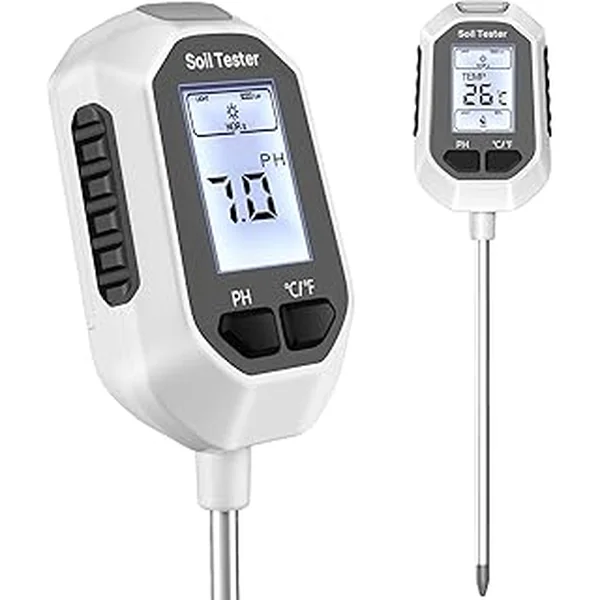
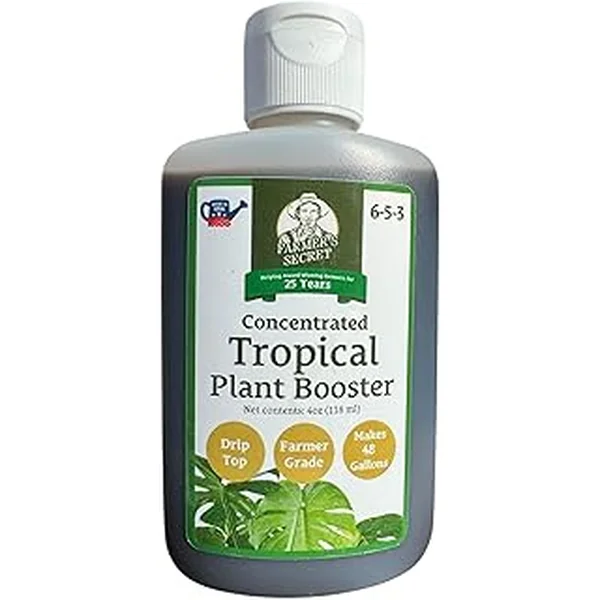
Tazart is an Amazon Associate — we earn from qualifying purchases at no extra cost to you. Thank you for helping us keep these guides free.
Frequently asked questions
How often should I water a money tree?
Water a Pachira aquatica when the top 5 cm (2 in) of soil feel dry — usually every 7–10 days in spring and summer, and every 14–21 days in autumn and winter. Soak until water drains from the bottom, then empty the saucer. Money trees rot fast in soggy soil, so always check the soil with your finger before watering instead of following a fixed schedule.
Why is my money tree turning yellow?
Yellow leaves on a money tree are most often caused by overwatering and soggy soil, which suffocates the roots within a week or two. Other common causes are sudden temperature drops below 13°C (55°F), low light, and fertiliser salt buildup. Let the soil dry to the top 5 cm (2 in) before the next watering, move the plant out of cold draughts, and check that the pot has drainage holes.
Do money trees need direct sunlight?
No — Pachira aquatica prefers bright indirect light, 1–2 m (3–6 ft) from a south, east, or west window. Direct midday sun scorches the leaflets within hours, leaving bleached white patches that don't recover. Money trees also tolerate medium and lower light, but growth slows and the canopy thins.
Are money trees toxic to cats and dogs?
No. Pachira aquatica is listed as non-toxic to cats and dogs by the ASPCA, which is one reason it's a popular pet-friendly houseplant. Eating large amounts may still upset a pet's stomach, so discourage chewing, but accidental nibbles are not dangerous.
How do you care for a braided money tree?
A braided money tree is several young Pachira aquatica trunks woven together while flexible, then grown on as one plant. Care for it like any money tree — bright indirect light, water when the top 5 cm (2 in) of soil are dry, and 50–60% humidity. Keep the braid tight by gently re-tucking new growth into the weave once or twice a year; the trunks lignify and hold the shape on their own as the plant matures.
Can a money tree grow in low light?
It survives low light for months but doesn't thrive. Expect smaller leaflets, longer gaps between leaf clusters, and slower growth. For a full bushy canopy, give it medium to bright indirect light. North-facing windows are usually too dim for long-term growth — pair with a small grow light if that's your only option.