Edible
Jalapeno Plant Care: Full Grow Guide & Pepper Harvest
Jalapeno plant care: full sun 8+ hours, warm soil above 21°C, deep watering, calcium for blossom-end rot, and harvest at green or red ripe stage.
On this page
Watch the visual walkthrough
5 Pepper Growing Mistakes to Avoid
Get free seeds, shipping, and returns: https://www.epicgardening.com/greenhouse/ EDIT: MISTAKE 1 IS...A MISTAKE! Flavor isn't ...
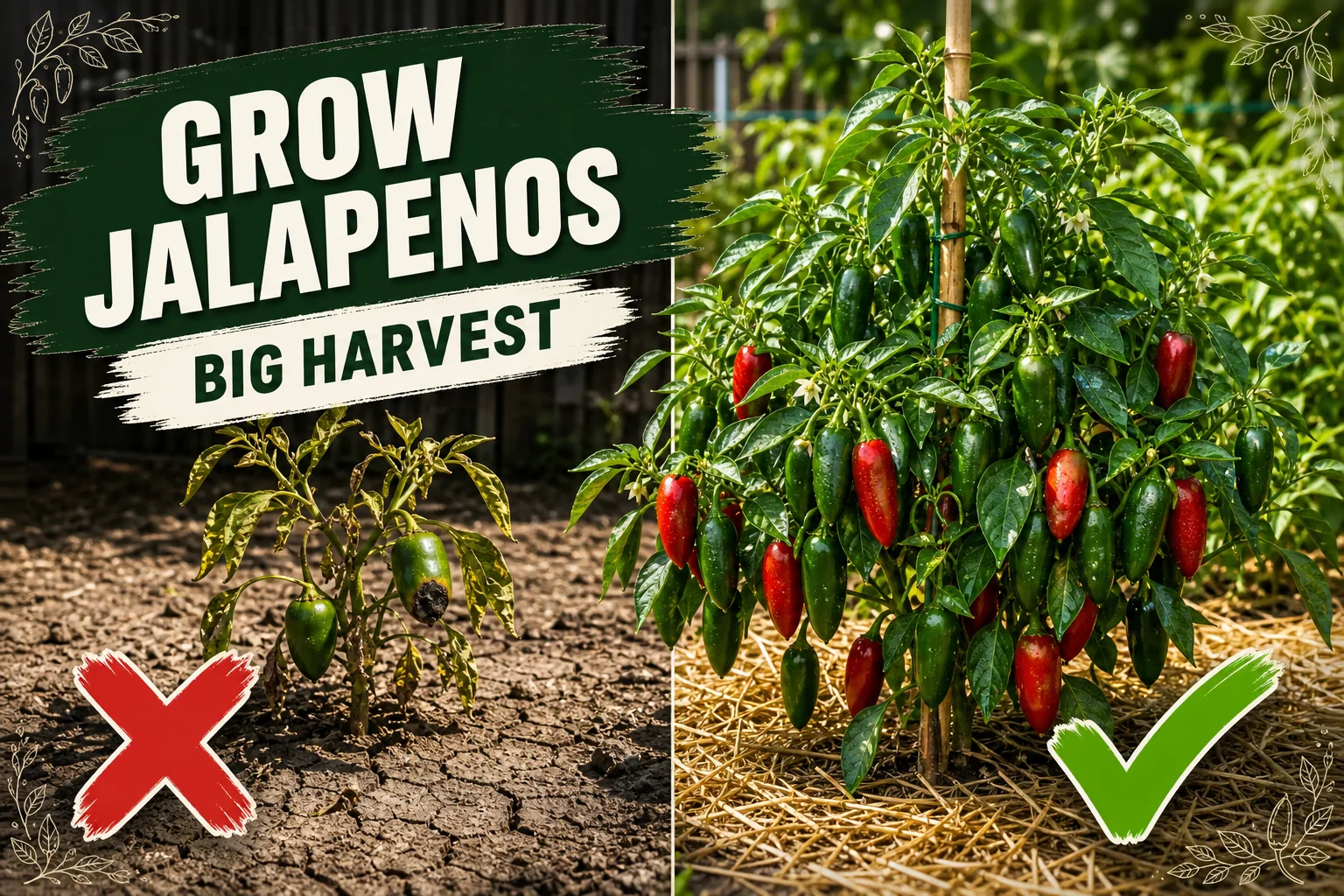
Jalapenos are one of the most rewarding crops in a home garden — a single transplant can produce 30-50 peppers in a single season, and the plant keeps going from early summer through your first hard frost. They’re also one of the most commonly mis-grown vegetables. The two persistent mistakes (high nitrogen fertilizer, uneven watering) account for most of the failure stories.
This guide covers the full grow cycle: seed starting, transplant timing, light, soil, watering, fertilizing, staking, pests, harvest timing, and the difference between green-stage and red-stage picking.
Quick answer
Grow jalapenos in full sun (8+ hours) in well-drained loam at pH 6.0-6.8, transplanting only after soil hits 21°C (70°F). Water deeply 2-3 times a week to prevent blossom-end rot, feed with low-nitrogen 5-10-10 every 3-4 weeks during fruiting, stake at transplant, and harvest at the green stage for volume or leave to ripen red for sweetness and heat. Expect 25-50 peppers per plant; container growing in 20-25 L (5-7 gal) pots works exceptionally well.
Table of contents
- What a jalapeno is
- Seed starting and transplant timing
- Light
- Soil and pH
- Watering
- Fertilizing
- Staking and support
- Pollination
- Pests and disease
- Harvesting — green vs red
- Container growing
- Succession planting
- Troubleshooting
- FAQ
What a jalapeno is
The jalapeno is Capsicum annuum, the same species as bell peppers, banana peppers, anchos, and many others. The cultivar is selected for medium heat (2,500-8,000 Scoville units), compact growth habit, and prolific fruiting. Plants reach 60-90 cm (2-3 ft) tall and 50 cm (20 in) wide at maturity, with deep glossy green leaves and small white flowers.
Common cultivars:
- ‘Early Jalapeno’ — 60 days to green harvest; reliable cool-summer producer.
- ‘Jalapeno M’ — the classic commercial type, glossy, heavy yielder.
- ‘Mucho Nacho’ — larger pepper, slightly milder, photogenic.
- ‘TAM Mild Jalapeno’ — heat reduced to 1,000-2,500 SHU for the spice-averse.
- ‘Purple Jalapeno’ — fruits turn purple then red as they ripen; striking ornamental.
Jalapenos are technically perennials in tropical climates (USDA zones 9-11) but are almost always grown as warm-season annuals.
Seed starting and transplant timing
Jalapenos need a long warm growing season. Start seeds 8-10 weeks before your last frost date indoors:
- Sow seeds 6 mm (¼ in) deep in seed-starting mix.
- Provide bottom heat at 24-29°C (75-85°F) — a seedling heat mat is the difference between 7-day germination and 21-day frustration.
- Once sprouted, give 14-16 hours of strong light (window plus grow light or LED setup).
- Transplant up to 10 cm (4 in) pots when seedlings have 2-3 true leaves.
- Harden off over 7-10 days before transplanting outdoors.
Transplant when:
- All danger of frost has passed.
- Nighttime temperatures stay above 13°C (55°F).
- Soil temperature at 10 cm (4 in) depth is 21°C (70°F) or higher.
Cold soil is the most common cause of stunted jalapeno transplants. Plants set out in 15°C (59°F) soil sulk for 2-3 weeks while warmer transplants put on growth — by mid-season the late-set plants catch up and outproduce them.
Light
Jalapenos need 8+ hours of direct sun per day. They’re heat-loving Solanaceae plants from Mexico and need bright, hot conditions for vigorous growth and fruit set.
Symptoms of too little light:
- Leggy stems, pale green leaves
- Few flowers, more flower drop
- Small peppers if any
- Increased aphid susceptibility
In zones 9-10 with extreme afternoon heat above 35°C (95°F), light shade cloth (30%) during the hottest part of the afternoon prevents flower drop. Morning sun is essential — never plant under or behind buildings that shade the east side.
Soil and pH
Target pH: 6.0-6.8 — slightly acidic, the same as tomatoes. Most vegetable garden beds fall in this range without amendment.
Texture and structure:
- Well-drained loam ideal. Heavy clay needs amending with compost and coarse sand.
- Pure sand drains too fast and starves plants in dry summers — amend heavily with compost.
- Raised beds with 30 cm (12 in) depth of compost-amended soil are optimal.
Pre-plant soil prep:
- Dig in 5 cm (2 in) of finished compost.
- Add 1 tablespoon of bone meal per planting hole for phosphorus.
- Mix in a balanced pre-plant vegetable fertilizer at label rate.
Test your soil if you’ve had blossom-end rot or yellowing problems in past seasons. Calcium-deficient soils are rare in most home gardens; the cause is almost always uneven watering, not soil chemistry.
Watering
Even watering is the single most important factor for jalapeno success. The plant tolerates moderate drought but punishes you with blossom-end rot when water swings dry-then-wet.
Frequency:
- Established plants: deep soak 2-3 times a week in normal weather.
- In heat above 32°C (90°F): daily or every other day for in-ground plants.
- Containers: daily check in summer; water when top 2.5 cm (1 in) of soil is dry.
Volume:
- Aim for 2.5-4 cm (1-1.5 in) of water per week total at the root zone.
- Deep soaks build deep roots; light daily watering builds shallow weak roots.
Method:
- Drip irrigation or soaker hose at the soil surface — keeps foliage dry and reduces disease.
- Overhead sprinklers wet the foliage and increase bacterial leaf spot risk.
Mulch:
- 5 cm (2 in) of straw, bark, or shredded leaves smooths out moisture swings.
- Black plastic mulch warms soil in cold-summer regions and conserves moisture.
Fertilizing
Less nitrogen, more phosphorus. The mistake new growers make is feeding peppers like lawns and ending up with 1 m (3 ft) tall leaf factories that flower little.
Use a low-nitrogen, balanced or phosphorus-forward formula like 5-10-10 or 5-10-5. Apply:
- At planting: a tablespoon of bone meal and a half-strength dose of granular feed.
- At first flowering: a full-strength application of granular 5-10-10 scratched into the soil and watered in.
- Every 3-4 weeks during fruiting: liquid feed at half strength, or top-dress with compost.
Avoid all high-nitrogen lawn or general-purpose fertilizers (10-10-10 and above on the N number). For wider context, our starter fertilizer guide covers the N-P-K basics.
Staking and support
A heavily fruiting jalapeno plant can topple in a thunderstorm. Install a stake or small cage at transplant:
- 60-90 cm (24-36 in) bamboo or hardwood stake driven 25 cm (10 in) into the soil at planting.
- Or a small tomato cage (the 90 cm / 36 in size) over the transplant.
- Tie the stem loosely with soft jute as it grows.
Retrofitting support to a 60 cm tall plant carrying 30 peppers risks breaking the main stem — get it in early.
Pollination
Jalapenos are self-pollinating, but yield improves significantly with bee activity. Avoid broad-spectrum insecticides during flowering. Plant pollinator-friendly companions (basil, marigolds, borage) to draw bees to the garden.
In greenhouse or indoor culture, gently shake the plant or run a small fan to vibrate flowers and improve fruit set. A soft brush dabbed across open flowers also works.
Pests and disease
Aphids: clusters of green or black soft-bodied insects on new growth. Squish by hand, blast off with water, or use insecticidal soap. Heavy infestations transmit viral diseases. Full protocol in how to get rid of aphids.
Tomato hornworms: large green caterpillars with white diagonal markings; eat huge amounts of foliage and fruit. Hand-pick at dawn or dusk (they’re easier to spot then). Bt (Bacillus thuringiensis) sprays work if you find them young.
Spider mites: fine yellow stippling and webbing under leaves in hot, dry conditions. See how to get rid of spider mites.
Pepper weevil: small black beetle that lays eggs in flowers; larvae develop inside fruit. Hand-pick affected fruits and dispose of them (not in compost).
Blossom-end rot: black, sunken, leathery patch on the bottom of the pepper. Cause: uneven watering. Fix: mulch and deep, consistent watering. Foliar calcium sprays help short-term but the root cause is irrigation, not soil chemistry.
Bacterial leaf spot: small dark spots on leaves and fruit. Caused by wet foliage and warm humid conditions. Water at the soil only, space plants for airflow, and remove badly infected leaves.
Harvesting — green vs red
Jalapenos can be picked at two stages:
Green stage (most common)
- Glossy dark green skin, firm to the touch, no corking.
- Mature size: 5-10 cm (2-4 in) long, 2.5 cm (1 in) wide.
- 70-80 days from transplant for first fruits.
- Milder, crisper texture; classic taqueria pepper.
- Maximum yield per plant — frequent picking encourages more flowers.
Red stage (ripe)
- Skin turns red as fruit fully ripens on the plant.
- Higher capsaicin (hotter), sweeter underlying flavour, higher vitamin C.
- Slightly softer texture.
- Reduces total plant yield by 30-40% because the plant slows new flower production while ripening reds.
The “corking” (fine white lines and pale stretch marks on the pepper skin) is a sign of full maturity — these are the hottest, most flavour-developed green peppers. Many growers consider corked peppers the prime green-stage harvest.
Pick with sharp scissors or by gently twisting upward; never yank the fruit, which can snap the main stem.
Container growing
Jalapenos are exceptional container plants:
- Pot size: 20-25 L (5-7 gal) minimum per plant. Bigger is better.
- Mix: high-quality vegetable potting mix with 2 cm (1 in) of compost worked in.
- Drainage: drainage holes mandatory; never use a pot with a saucer that holds standing water.
- Watering: check daily in summer; the pot dries out faster than ground.
- Feeding: liquid balanced feed every 2-3 weeks during fruiting.
- Sun: position on the brightest patio or balcony — south-facing.
Container plants can be wheeled into a sheltered spot to extend harvest into autumn or to protect from unseasonable cold snaps.
Succession planting
For continuous harvest, sow a second batch of jalapeno seeds 4-6 weeks after your first sowing. Transplant the second batch as your first set hits peak production; when the first set tires in late summer, the second set is just hitting full stride. This roughly doubles your total seasonal yield.
In zones 9-11 with long growing seasons, three successions across spring-summer-fall give nearly year-round fresh jalapenos.
Troubleshooting
| Symptom | Likely cause | Fix |
|---|---|---|
| Black sunken patches on pepper bottoms | Blossom-end rot from uneven watering | Mulch heavily, water deeply 2-3x/week, foliar calcium short-term |
| Flower drop, no fruit set | Heat above 32°C (90°F), too little water, or too much nitrogen | Afternoon shade cloth, deep watering, switch to 5-10-10 |
| Tall leggy plant, few flowers | Too much nitrogen | Stop high-N fertilizer immediately; switch to 5-10-10 |
| Pale green leaves, slow growth | Cold soil at transplant | Transplant only when soil reaches 21°C (70°F) |
| Small misshapen peppers | Poor pollination | Plant pollinator companions; brush flowers in greenhouse |
| Holes in foliage and fruit | Tomato hornworms | Hand-pick at dawn or dusk; Bt spray on small caterpillars |
| Sticky residue, curled new growth | Aphids | Water-blast or insecticidal soap |
| Fine stippling, webbing | Spider mites | Increase humidity, rinse foliage, oil spray |
| Stem snaps under fruit load | No staking | Stake at transplant next season |
| Plant frozen overnight | Cold below 0°C (32°F) | Containers indoors; in-ground plants are lost |
Related reading
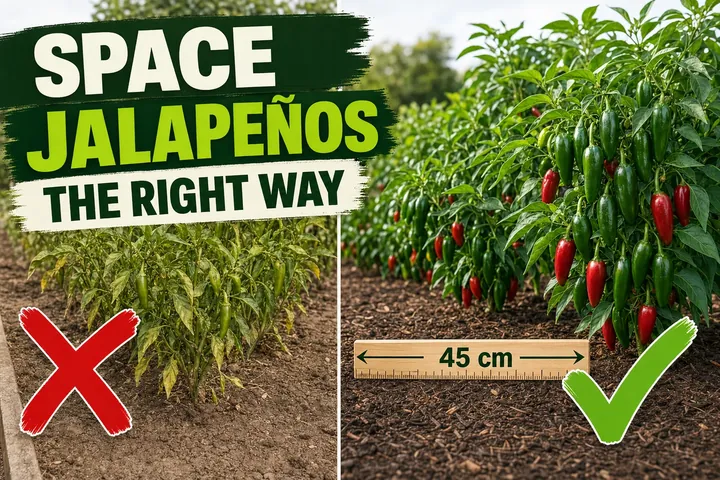
- How far apart to plant jalapenos — exact spacing chart for in-ground and container plantings.
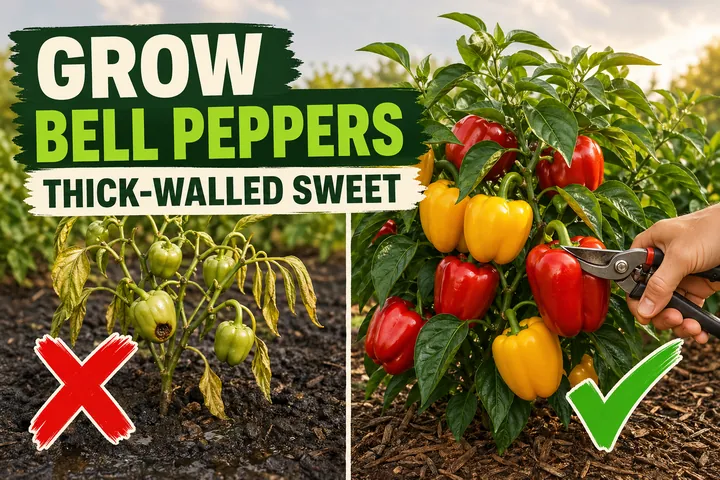
- How to grow bell peppers — same species, very similar care, different harvest timing.
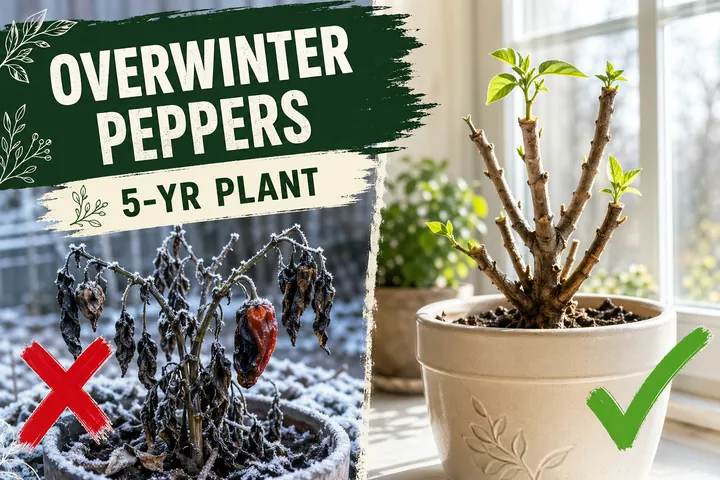
- How to overwinter pepper plants — squeeze a second year out of a productive jalapeno plant.
- How to get rid of aphids — the most common jalapeno pest; treat early before viral disease sets in.
- How far apart to plant peppers — broader spacing guide across all Capsicum varieties.
Track transplant date, fertilizer rounds, and harvest windows with the free Tazart plant care app — uneven watering is responsible for nearly every blossom-end rot case we see, and a simple reminder cycle prevents it before the first black spot appears.
A note on conditions
Soil, zone, microclimate, cultivar, and container size all change the numbers. The constants are: full sun, warm soil at transplant, deep even watering, low nitrogen, mulch, and stake at planting. Skip nothing and a jalapeno will pay you back in dozens of peppers per plant. The plant communicates clearly — blossom-end rot means check watering; leggy growth means cut nitrogen; flower drop means check heat and water.
Highly recommended
The supplies that make this guide work
Tazart is an Amazon Associate — we earn from qualifying purchases at no extra cost to you. Thank you for helping us keep these guides free.
Frequently asked questions
How much sun do jalapeno plants need?
Jalapenos need a minimum of 8 hours of direct sun per day for maximum yield and good fruit development. Anything under 6 hours produces leggy plants with few flowers and small peppers. In zones 9-10 with intense afternoon heat above 35°C (95°F), light afternoon shade can prevent flower drop, but morning and midday sun is non-negotiable. Container plants on a south-facing patio outperform garden plants in a partly shaded bed.
How often should I water jalapeno plants?
Water deeply 2-3 times a week in normal weather, more often in heat. Aim for 2.5-4 cm (1-1.5 in) of water per week at the root zone, applied in 2-3 deep soaks rather than light daily watering. Containers dry out much faster — check daily in summer and water when the top 2.5 cm (1 in) of soil is dry. Mulch with 5 cm (2 in) of straw or bark to keep moisture even and prevent the wet-dry cycles that cause blossom-end rot.
When should I harvest jalapenos?
You have two windows. Harvest at the classic green stage — glossy dark green, firm, 5-10 cm (2-4 in) long with no corking — for crisp texture and milder heat. Or leave fruits on the plant to ripen red — sweeter, hotter, and more vitamin-rich, but yields drop by 30-40% because the plant slows new fruit production while ripening reds. Most growers pick most fruits green for volume and leave a few to redden for variety.
Why are my jalapenos getting black spots on the bottom?
That's blossom-end rot — a calcium-uptake disorder caused by uneven watering, not a calcium deficiency in the soil. Soil calcium is usually adequate; what prevents it from reaching developing fruit is irregular watering. Mulch heavily, water deeply 2-3 times a week, and avoid letting plants wilt between watering. A foliar calcium spray helps short-term but consistent watering is the only long-term fix. Compost-amended soil with even moisture rarely shows the problem.
How do I get bigger jalapenos?
Bigger peppers come from steady warmth above 21°C (70°F), deep consistent watering, balanced phosphorus-forward fertilizer (5-10-10), and reducing fruit count per plant. If you've got 30 small jalapenos competing for resources, thinning to 15-20 by removing the smallest gives the rest space to size up. Heat above 32°C (90°F) in dry air causes flower drop and pushes plants into survival mode — provide partial shade or mist in dry-heat zones.
Can I grow jalapenos in containers?
Yes — jalapenos do exceptionally well in containers and a 20-25 L (5-7 gal) pot is enough for one plant. Use a high-quality vegetable potting mix with 2 cm (1 in) of compost mixed in. Place in full sun, water deeply when the top 2.5 cm (1 in) is dry, and feed every 2-3 weeks with a balanced liquid fertilizer. Container jalapenos warm up faster in spring than in-ground plants and can be moved to a sheltered spot to extend the harvest into autumn.
How long does a jalapeno plant produce fruit?
Jalapenos produce continuously from about 70-80 days after transplant until the first frost. In zones 9-11, plants can produce for 8-10 months and may live 2-3 seasons as short-lived perennials. In zones 4-8, expect 3-4 months of harvest from transplant to frost. A single mature plant typically produces 25-50 peppers per season, with succession planting (a second batch sown 4-6 weeks after the first) extending peak production.