Edible
How to Take Care of a Rosemary Plant (Without Killing It)
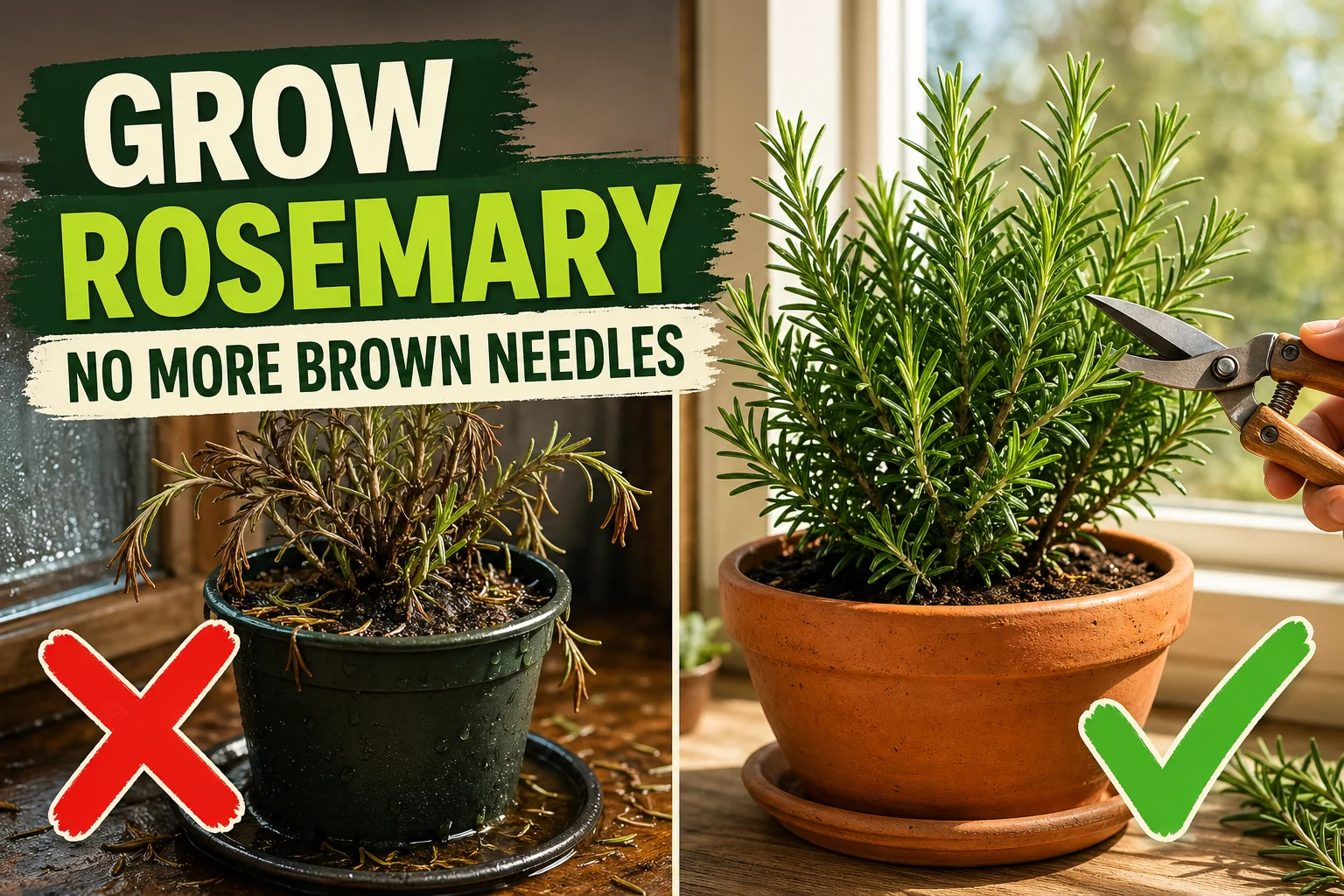
Rosemary dies from love, not neglect. Here's the exact light, watering, soil, and pruning routine that keeps a rosemary plant green, woody, and bushy for years.
On this page
- Quick answer
- What rosemary actually is (and why it matters)
- What you’ll need
- Step-by-step: setting a rosemary plant up to live
- Watering rosemary correctly
- Light and temperature
- Pruning to keep it bushy
- Fertilizing
- Overwintering rosemary
- Common mistakes to avoid
- Troubleshooting
- Watch: rosemary care walkthrough
- Related reading
- A note on conditions
Watch the visual walkthrough
ROSEMARY GROWING GUIDE: Planting, Growing & Propagation
A short visual walkthrough that pairs with the steps above.
Rosemary is the herb people kill with kindness. It is a tough Mediterranean shrub built to survive on rocky hillsides with full sun, gritty soil, and weeks of drought — and yet supermarket rosemary plants die in kitchens within a month, every time.
The fix is not more attention. It is the right kind of attention. Get four things right — light, soil, pot, watering — and a single rosemary plant will give you fresh sprigs for years.
Quick answer
Give a rosemary plant 6+ hours of direct sun, a gritty fast-draining potting mix, an unglazed terracotta pot at least 20–25 cm (8–10 in) wide with drainage holes, and water only when the top 3–4 cm (1–1.5 in) of soil is dry — usually every 7–14 days indoors. Prune lightly in spring, never cut into bare wood, and move outdoors whenever nights stay above 4°C (40°F).
What rosemary actually is (and why it matters)
Rosemary — Salvia rosmarinus, formerly Rosmarinus officinalis — is a woody evergreen shrub from the Mediterranean coast. In its native range it grows in cracked limestone, full sun, salt spray, and almost no summer rain. The plant has tough needle-like leaves and deep roots evolved to scavenge water from dry, well-drained soil.
Knowing this collapses 90% of the care debate. Rosemary is happy when its conditions look like a sun-baked Italian hillside, and it dies when its conditions look like a damp office desk. Every care rule below is just a way of recreating Mediterranean conditions in your kitchen or balcony.
What you’ll need
- A healthy rosemary plant or starter — bushy, dark green, no brown branches
- A terracotta pot 20–25 cm (8–10 in) wide with drainage holes
- Gritty, fast-draining potting mix (Mediterranean herb mix, or 2 parts potting soil + 1 part perlite + 1 part coarse sand)
- A spot with at least 6 hours of direct sun per day
- Sharp bypass pruners or kitchen scissors
- Optional: a basic full-spectrum LED grow light for winter
That is the entire kit. No special fertilizer, no humidity tray, no misting bottle.
Step-by-step: setting a rosemary plant up to live
1. Repot it the day you bring it home
Supermarket and big-box rosemary plants almost always arrive in cheap plastic pots stuffed with peat-heavy soil that holds water like a sponge. Even if the plant looks fine, the roots are usually circling and starting to rot. Repot before you do anything else.
Slide the plant out, gently tease the root ball apart with your fingers, and shake off as much of the wet peat soil as you can without breaking the major roots.
2. Use a terracotta pot with drainage holes
Switch to an unglazed terracotta pot 20–25 cm (8–10 in) wide. Terracotta breathes — the clay walls wick moisture out of the soil between waterings, which is exactly what rosemary wants. Plastic and glazed ceramic pots both keep soil too wet for rosemary’s taste.
The pot must have at least one drainage hole at the bottom. No drainage = standing water = root rot.
3. Plant it in gritty, fast-draining soil
Fill the pot with a Mediterranean herb mix, or build your own from:
- 2 parts general potting soil
- 1 part perlite
- 1 part coarse horticultural sand or fine gravel
Sit the rosemary in the centre at the same depth it was in the original pot. Backfill with the gritty mix and tap the pot to settle the soil — don’t pack it down. Water once thoroughly until water runs out the drainage hole.
4. Place it in the sunniest spot you have
Rosemary needs at least 6 hours of direct sun per day. Outdoors, that means full sun. Indoors, that means a south- or west-facing windowsill — east windows usually aren’t bright enough for long-term survival.
If your brightest window cannot supply 6 hours, set up a basic full-spectrum LED grow light on a 12-hour timer 20–30 cm (8–12 in) above the plant. Indoor rosemary in winter is the single most common kill scenario, and it almost always comes down to light.
Watering rosemary correctly
This is where most rosemary plants die. The single rule:
Water only when the top 3–4 cm (1–1.5 in) of soil is dry.
In practice, that’s:
- Indoors: every 7–14 days, depending on pot size and indoor air
- Outdoors in summer: every 3–7 days
- Outdoors in cool / rainy seasons: rarely or never — the rain is doing the work
When you water, water deeply: pour slowly until water comes out of the drainage hole, then stop. Empty the saucer 10 minutes later — rosemary roots will not sit in standing water without rotting.
Stick a finger 3 cm (just over an inch) into the soil before every watering. If it comes out cool and damp, wait. If it comes out dry, water. Do this for two weeks and you’ll have an internal feel for your plant’s rhythm.
Light and temperature
| Condition | Range |
|---|---|
| Direct sunlight | 6+ hours per day, ideally 8 |
| Daytime temp | 18–27°C (65–80°F) ideal; tolerates up to 32°C (90°F) |
| Night temp | Above 4°C (40°F) for tender varieties; some hardneck rosemaries take −15°C (5°F) |
| Humidity | Low to moderate. Hates damp stagnant air |
Rosemary likes airflow. A small fan in winter — pointed at the plant for a few hours a day — dramatically reduces powdery mildew, the most common indoor disease.
Pruning to keep it bushy
Pruning is what separates a leggy, woody, half-dead supermarket rosemary from a thick fragrant kitchen-garden specimen. Two rules:
- Prune in spring after new growth appears. Snip the top 5–8 cm (2–3 in) of each stem, cutting just above a pair of leaves. The plant responds by branching from each cut.
- Never cut into bare brown wood. Rosemary almost never re-sprouts from old leafless wood. Always leave green needles below your cut.
Light, frequent pinching — taking small sprigs for cooking once a week — is the best long-term shape strategy. A bushy rosemary is a happy rosemary.
Fertilizing
Rosemary is a light feeder. In its native habitat, soil is poor and rocky.
- Spring and summer: a gentle organic herb fertilizer at half-strength, once a month
- Autumn and winter: nothing
Over-fertilizing pushes soft, sappy growth that flops, attracts aphids, and tastes weaker. Less is more.
A free plant care app like Tazart can hold your rosemary’s watering and fertilizing schedule for you and adjust it for your local weather — useful if you’re growing several Mediterranean herbs together.
Overwintering rosemary
This is where rosemary owners diverge into two paths: in-ground and in-pot.
In-ground in mild climates (USDA zones 7+): rosemary survives outside year-round. Mulch the base with 5–8 cm (2–3 in) of straw or bark in late autumn and let nature do the rest.
In-pot or cold climates (zones 6 and colder): bring the pot inside before the first hard frost. Place it in your brightest window, drop watering frequency to every 2–3 weeks, and skip fertilizer entirely. Keep the room cool (10–18°C / 50–65°F) if possible — warm dry indoor air is the second-biggest indoor rosemary killer after overwatering.
Move it back outside as soon as nights stay above 4°C (40°F). Harden it off over a week — first a few hours of morning sun, then a full day, then leave it out — to avoid leaf scorch from the sudden change.
Common mistakes to avoid
- Watering on a fixed schedule. “Once a week” is not a watering rule. The soil tells you when. A weekly schedule kills more rosemary than any pest or disease.
- Plastic pots and peat-heavy soil. Both hold too much water. Switch to terracotta + gritty mix the day you bring the plant home.
- Misting it. Rosemary hates damp leaves. Misting causes powdery mildew. Skip it.
- Cutting into bare wood. Old leafless rosemary stems rarely re-sprout. Always prune above green needles.
- Low light in winter. A north-facing windowsill in December is a death sentence. Move it to your sunniest window or add a grow light.
- Repotting with no drainage holes. Pretty pots without holes are rosemary coffins. Drill a hole or use a nursery pot inside the decorative one.
Troubleshooting
| Symptom | Likely cause | Fix |
|---|---|---|
| Whole branches turning brown / brittle | Root rot from overwatering | Lift plant, trim mushy roots, repot in gritty soil, water only when top 3–4 cm (1–1.5 in) is dry |
| Just the needle tips browning | Low humidity / salt build-up / underwater | Water deeply once, flush with rainwater, raise humidity slightly |
| Yellow lower leaves, soggy soil | Overwatering | Stop watering, let soil dry out fully, check drainage hole |
| Pale, leggy growth | Not enough light | Move to a sunnier window or add a full-spectrum LED grow light |
| White powdery dust on leaves | Powdery mildew (poor airflow + humidity) | Improve airflow with a small fan, prune dense growth, water at the soil only |
| Sticky leaves with tiny green insects | Aphids | Rinse plant in the shower; spot-treat with insecticidal soap; check weekly |
| New shoots flopping over | Over-fertilizing or low light | Cut feeding back to monthly half-strength; move to brighter spot |
| Plant survives summer, dies in winter | Indoor air too warm / too dark / overwatered | Cool bright spot, water every 2–3 weeks only, skip fertilizer until spring |
Watch: rosemary care walkthrough
A short visual walkthrough pairs nicely with the steps above. If you’re a visual learner, watch a quick tutorial like How to Care for a Rosemary Plant on YouTube and then come back to follow the timing in this guide.
Related reading
- Cilantro plant care: stop the bolting — another Mediterranean herb where timing and temperature matter more than fertilizer.
- How to grow chives (hardy perennial herb) — the easiest perennial herb to add alongside rosemary in a sunny kitchen bed; one clump produces for a decade.
- How to plant garlic cloves the right way — pair garlic and rosemary in the same raised bed and you’ve got most of a Mediterranean kitchen.
- How far apart to plant jalapeños — sun-loving companion that thrives next to rosemary in a south-facing bed.
- Use the free Tazart plant identifier to scan your rosemary and let it set up a watering schedule that adjusts for your local weather.
A note on conditions
Every home is different. Light intensity, pot size, soil mix, indoor humidity, season, and your local weather all change how often a rosemary plant needs water and how vigorously it grows. Use the steps above as a starting point and watch how your plant actually responds in week two — that’s how every good herb grower learns.
Highly recommended
The supplies that make this guide work
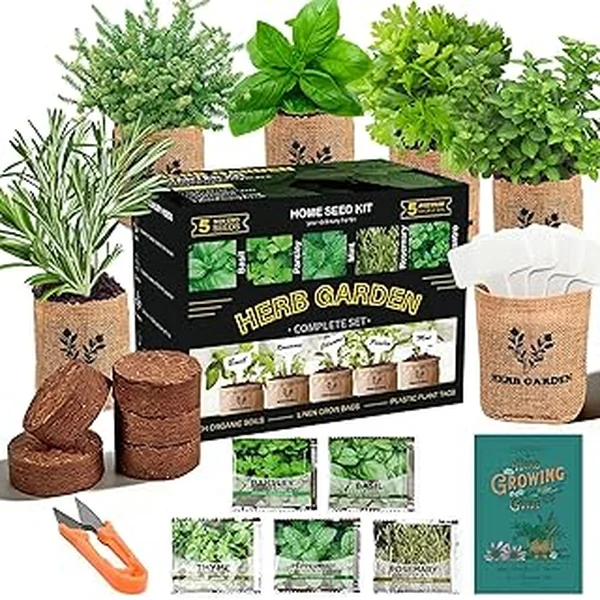
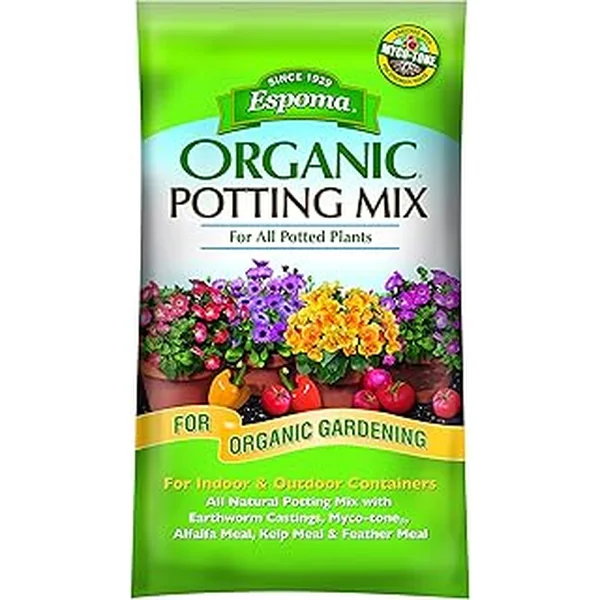


Tazart is an Amazon Associate — we earn from qualifying purchases at no extra cost to you. Thank you for helping us keep these guides free.
Frequently asked questions
How often should I water a rosemary plant?
Water only when the top 3–4 cm (1–1.5 in) of soil is dry — usually every 7–14 days indoors and every 3–7 days outdoors in summer. Rosemary is a Mediterranean shrub adapted to dry, gritty soil. Overwatering is the #1 killer. Stick a finger into the soil before every watering; if it feels cool and damp, wait.
Why is my rosemary turning brown?
Brown needles almost always mean root rot from staying too wet, or sometimes the opposite — a pot so dry that roots have died back. Lift the plant and check: black mushy roots = overwatering, dust-dry shrivelled roots = underwatering. Repot into gritty soil, water deeply once, then let it dry between waterings. Brown tips alone (not whole branches) usually mean low humidity or salt build-up from tap water.
Does rosemary need full sun?
Yes — at least 6 hours of direct sunlight per day. Indoors, that means a south-facing windowsill or a grow light. Rosemary in low light gets leggy, pale, and prone to powdery mildew. If a windowsill cannot supply 6 hours of direct sun, supplement with a basic full-spectrum LED on a 12-hour timer.
Can rosemary grow indoors?
Yes, but it is one of the harder herbs to keep indoors long term. Indoor rosemary needs the brightest window in the house, gritty fast-draining soil, a terracotta (not plastic) pot, and good airflow. Most indoor rosemary deaths happen in winter — short days plus warm dry indoor air plus over-attentive watering equals dead plant. Move it outside as soon as nights stay above 4°C (40°F).
How do you prune a rosemary plant?
Prune in spring after new growth starts. Snip the top 5–8 cm (2–3 in) of each stem just above a leaf node, and never cut into the bare woody base — rosemary rarely re-sprouts from old wood. Light, frequent pinching (taking sprigs for cooking) is the best long-term shape control. A hard prune once a year keeps the plant bushy instead of leggy.
Why is my indoor rosemary dying?
The standard sequence: a supermarket plant arrives stressed and pot-bound, gets watered every few days out of habit, and the roots suffocate within 2–3 weeks. Fix it by repotting into a 20–25 cm (8–10 in) terracotta pot with gritty Mediterranean soil mix, moving it to the sunniest window you have, and only watering when the top 3–4 cm (1–1.5 in) of soil is dry. If it makes it to spring, move it outside — that's where rosemary actually wants to live.