Beginners
How to Start a Vegetable Garden (First-Year Beginners Guide)
A first-year vegetable garden plan that actually works. Pick the right spot, choose raised beds or in-ground, plant easy crops, and harvest in year one.
On this page
- Quick answer
- Step 1 — Pick the right spot
- Step 2 — Decide between raised beds and in-ground
- Step 3 — Get the soil right
- Step 4 — Choose the easiest crops for year one
- Step 5 — Plant correctly
- Step 6 — Water deeply, not often
- Step 7 — Mulch the soil
- Step 8 — Feed the plants once a month
- Common first-year mistakes to avoid
- Troubleshooting
- Year-one harvest expectations
- Watch: starting a vegetable garden visual walkthrough
- Related reading
- A note on conditions
Watch the visual walkthrough
New Vegetable Garden: How To Get Started
A short visual walkthrough that pairs with the steps above.
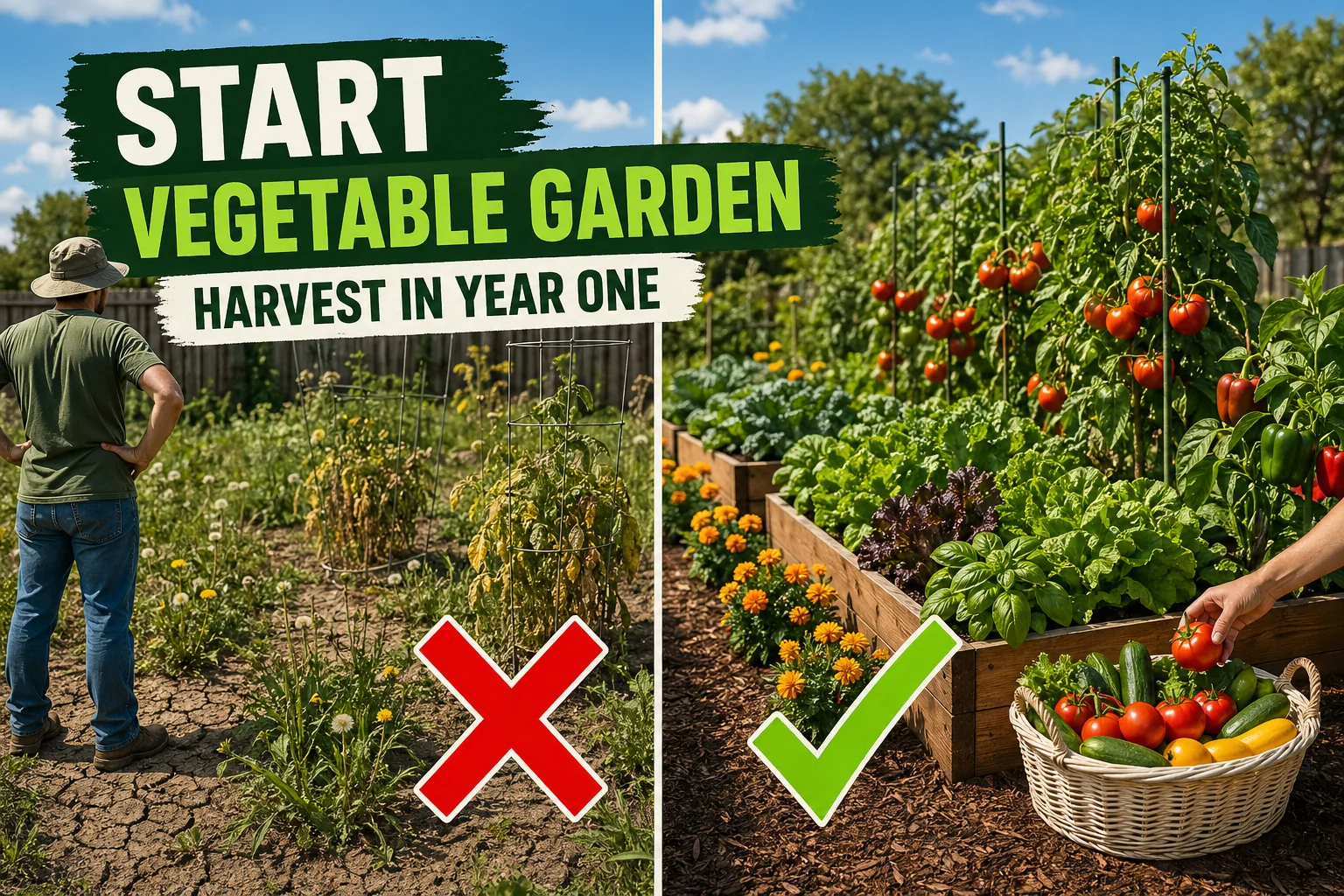
Most first-year vegetable gardens fail for the same five reasons: not enough sun, bad soil, watering on a fixed schedule, planting the wrong crops, and going too big. Fix those five things and you will harvest real food in your first season.
This guide walks through every step a beginner needs — picking the spot, choosing between raised beds and in-ground, the easiest crops to start with, and the common mistakes to skip.
Quick answer
Pick the sunniest spot in your yard (6+ hours of direct sun), start with one bed about 1.2 x 2.4 m (4 x 8 ft), fill it with quality vegetable garden soil + compost, and plant 4 to 6 forgiving crops: lettuce, cherry tomatoes, bush beans, zucchini, peppers, and basil. Water deeply twice a week, mulch the soil, and you will be harvesting within 30 to 60 days.
Step 1 — Pick the right spot
Sunlight is the single biggest factor in a successful first-year garden. Walk your yard at 9 a.m., noon, and 4 p.m. and pick the spot that is in direct sun all three times.
What you are looking for:
- 6+ hours of direct sun per day (8+ for tomatoes and peppers)
- Flat or near-flat ground — water sheets off slopes and washes seedlings away
- Within hose reach of an outdoor tap — you will water 3 to 5 times a week in summer
- Away from large trees — tree roots steal water and nutrients up to 6 m (20 ft) from the trunk
- Sheltered from strong wind — a fence or hedge on the windward side helps
If your sunniest spot only gets 4 to 5 hours, do not panic — you can still grow lettuce, kale, spinach, herbs, and radishes. Just skip tomatoes and peppers in year one.
Step 2 — Decide between raised beds and in-ground
Both work. The right answer depends on your soil, budget, and back.
| Factor | Raised bed | In-ground |
|---|---|---|
| Upfront cost | USD 80–250 per bed (kit + soil) | Near-zero (just seeds and a shovel) |
| Soil quality | Perfect from day one | Whatever you have — often clay or rocky |
| Weeding | Minimal first 2 years | Constant in year one |
| Bending | Less (30–60 cm / 12–24 in tall beds) | Full bend — hard on knees and back |
| Spring start | 2–3 weeks earlier (warmer soil) | Tied to local soil temp |
| Drainage | Excellent | Depends on site |
| Best for | Small yards, bad soil, beginners | Big gardens, good native soil, low budget |
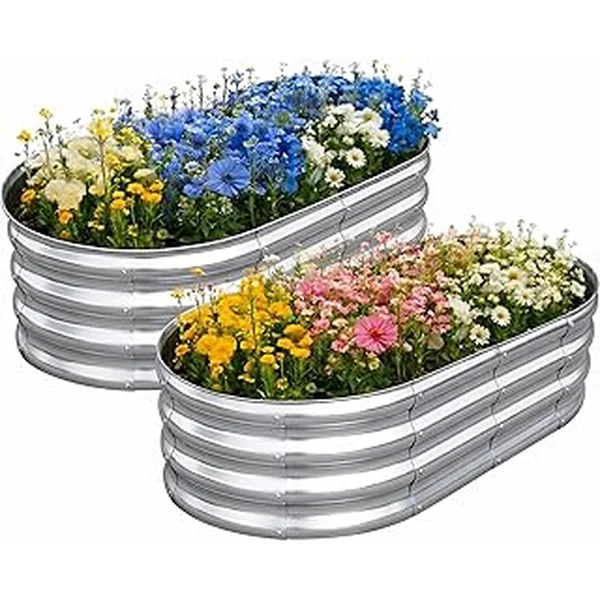
Recommendation for a true beginner: one metal or cedar raised bed, 1.2 x 2.4 m (4 x 8 ft), 30–45 cm (12–18 in) tall. It is the highest-success starting point, and you will not lose half the season fighting clay soil or weeds.
If you go in-ground, run a soil test first (most county extension offices offer them for under USD 20) so you know what you are working with.
Step 3 — Get the soil right
This is where most first-year gardens quietly die. Native soil — especially in new construction yards — is usually compacted, low in organic matter, and missing the nutrients vegetables need.
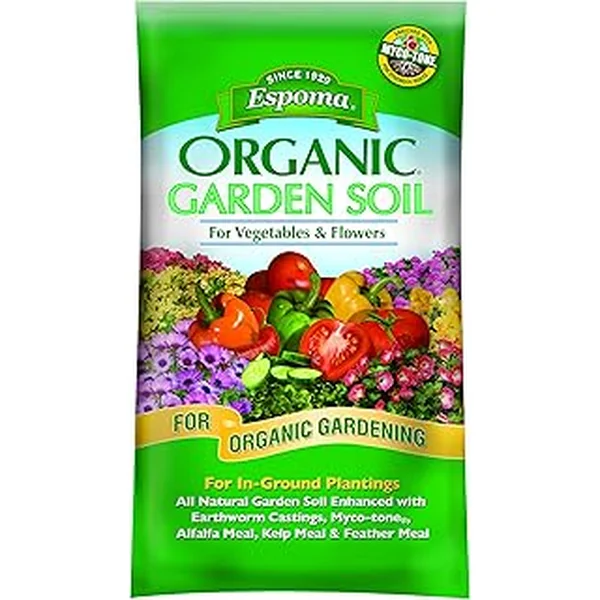
For a raised bed: fill it with a 50/50 mix of bagged vegetable garden soil and compost. A 1.2 x 2.4 m (4 x 8 ft) bed at 30 cm (12 in) deep needs about 0.9 cubic meters (1.2 cubic yards) of mix — roughly 12–15 large bags or one bulk delivery.
For in-ground: spread 5–8 cm (2–3 in) of compost over the bed and dig it into the top 20 cm (8 in) of native soil. Repeat every spring.
Skip the urge to use straight topsoil from a landscape supplier — it is often heavy clay and will compact in a single season.
Step 4 — Choose the easiest crops for year one
Pick from this list. These are the crops with the highest success rate for absolute beginners.
Plant in spring (cool weather):
- Lettuce (loose-leaf — not head)
- Spinach
- Radishes (ready in 25–30 days — instant gratification)
- Sugar snap peas
- Kale
Plant after last frost (warm weather):
- Cherry tomatoes (one transplant, fruit for 4 months)
- Bell or banana peppers
- Bush beans (no trellis needed)
- Zucchini (one plant feeds a family — do not plant 4)
- Basil
- Cucumbers (on a small trellis)
Skip in year one:
- Cauliflower, broccoli, Brussels sprouts (pest magnets, picky)
- Carrots (need very deep, fluffy soil)
- Head lettuce (bolts in heat)
- Corn (needs a big block, low yield per square meter)
- Melons (sprawl, need a long warm summer)
A good first-year mix: 2 cherry tomato plants, 2 pepper plants, 6 lettuce plants, 1 zucchini, 1 row of bush beans, 1 row of radishes, 2 basil plants. That fits comfortably in a 1.2 x 2.4 m (4 x 8 ft) bed and feeds a family of four something fresh every week from June through September.
Step 5 — Plant correctly
Each crop has its own depth and spacing. Here is the cheat sheet for the year-one shortlist:
| Crop | Depth | Spacing | Days to harvest |
|---|---|---|---|
| Lettuce (seed) | 0.5 cm (¼ in) | 20 cm (8 in) | 30–50 |
| Radish (seed) | 1 cm (½ in) | 5 cm (2 in) | 25–30 |
| Bush beans (seed) | 2.5 cm (1 in) | 10 cm (4 in) | 50–60 |
| Cherry tomato (transplant) | bury to first leaves | 60 cm (24 in) | 55–70 from transplant |
| Pepper (transplant) | same depth as pot | 45 cm (18 in) | 65–80 from transplant |
| Zucchini (seed or transplant) | 2.5 cm (1 in) | 90 cm (36 in) | 50–60 |
| Basil (transplant) | same depth as pot | 30 cm (12 in) | 30 from transplant |
Water seeds in gently with a watering can rose, not a hose nozzle on full blast. The first 10 days are when seeds wash away or rot — keep the surface evenly moist but not soggy.
Step 6 — Water deeply, not often
The single biggest first-year mistake is shallow daily watering. Roots only grow as deep as you train them, and shallow daily watering creates a shallow root system that wilts the moment you skip a day.
The rule: water deeply 2 to 3 times a week so the top 15 cm (6 in) of soil is moist after each watering. In hot weather (above 30°C / 86°F), bump it up to every other day.
How to check: push your finger 5 cm (2 in) into the soil. If it feels dry, water. If it feels cool and damp, wait a day.
A cheap soil moisture meter takes the guesswork out of the first season — push it into the bed before you turn the hose on, and you will quickly learn what your specific soil feels like at the right moisture level.
Step 7 — Mulch the soil
A 5–8 cm (2–3 in) layer of mulch on top of the soil does four things at once:
- Cuts watering frequency in half
- Smothers 80% of weeds before they sprout
- Keeps soil temperature stable (cooler in summer, warmer in spring)
- Slowly breaks down and feeds the soil
Use shredded leaves, straw (not hay — hay has weed seeds), or untreated wood chips. Skip rubber mulch and dyed bark — they are made for ornamentals, not edibles.
Apply mulch after seedlings are up and 8 cm (3 in) tall, never on top of fresh seeds.
Step 8 — Feed the plants once a month
In year one, a single bag of balanced organic granular fertilizer (something like 4-4-4 or 5-5-5) is enough. Sprinkle a small handful around each plant once a month from June through August, scratch it into the top 2 cm (¾ in) of soil, and water it in.
Skip synthetic high-nitrogen lawn fertilizer — it pushes leafy growth at the cost of fruit. Tomatoes fed too much nitrogen turn into 1.8 m (6 ft) jungles with three sad green tomatoes on top.
Common first-year mistakes to avoid
- Going too big. A 9 sq m (100 sq ft) garden is a part-time job. Start with 3 sq m (32 sq ft).
- Planting too early. Tomatoes set out before the soil hits 16°C (60°F) sit and sulk for a month — you would have caught up if you waited.
- Planting too late. Lettuce and peas planted after mid-May (in temperate zones) bolt to seed before producing.
- Using native clay soil in a raised bed. Defeats the entire point of the bed.
- Watering for 3 minutes daily. Roots stay in the top 2 cm and wilt every afternoon.
- No mulch. Turns weeding into a 4-hour weekend chore.
- One zucchini? Try four. One zucchini plant produces 4–8 fruit per week at peak. Four plants will bury you.
- Skipping the cages and stakes. Indeterminate tomatoes hit 1.8 m (6 ft) and snap themselves on the ground if not staked.
- Spraying insecticide on day-one bug sightings. Most “pests” in a healthy garden are eaten by ladybugs and parasitic wasps within a week.
- Quitting in July. Months 2 and 3 are when the rewards finally come — push through.
Troubleshooting
| Symptom | Likely cause | Fix |
|---|---|---|
| Seeds never sprouted | Soil too cold, planted too deep, or washed away | Check soil temp (most veg need 13°C / 55°F+); replant at correct depth; water with a gentle rose |
| Seedlings flop over and die at the base | Damping-off fungus from overwatering | Let soil surface dry between waterings; thin seedlings to improve airflow |
| Yellow lower leaves on tomatoes | Nitrogen low or overwatering | Side-dress with compost; let top 5 cm (2 in) dry between waterings |
| Tomatoes set fruit but rot at the bottom | Blossom-end rot from inconsistent watering | Water deeply 2x/week on a consistent schedule; mulch heavily |
| Lettuce shoots up a tall stalk | Bolting from heat | Pick a partial-shade spot for summer lettuce; switch to heat-tolerant varieties |
| Holes in leaves overnight | Slugs or cabbage worms | Hand-pick at dusk; sprinkle iron-phosphate slug bait around the bed |
| Plants are huge but no fruit | Too much nitrogen | Stop fertilizing; switch to a low-N, high-P&K bloom fertilizer |
| Beans / peas have white fuzzy patches | Powdery mildew | Improve airflow; water at the base, not the leaves; remove worst leaves |
Year-one harvest expectations
With a 1.2 x 2.4 m (4 x 8 ft) raised bed and the crop list above, a typical first-year harvest looks like:
- June: 6–10 heads of lettuce, 2 bunches of radishes, fresh basil
- July: 1–2 zucchini per week, first cherry tomatoes, sugar snap peas
- August: 2–3 kg (4–7 lb) cherry tomatoes per week, peppers, beans
- September: Tomatoes wind down, second lettuce planting starts
Total: roughly 18–32 kg (40–70 lb) of produce from one bed, valued at USD 200–450 depending on what you grow and where you live.
Watch: starting a vegetable garden visual walkthrough
A short video walkthrough pairs well with the steps above. If you are a visual learner, watch a beginner-friendly tutorial like How to Start a Raised Bed Vegetable Garden on YouTube and then come back to this guide for the timing and spacing details.
Related reading
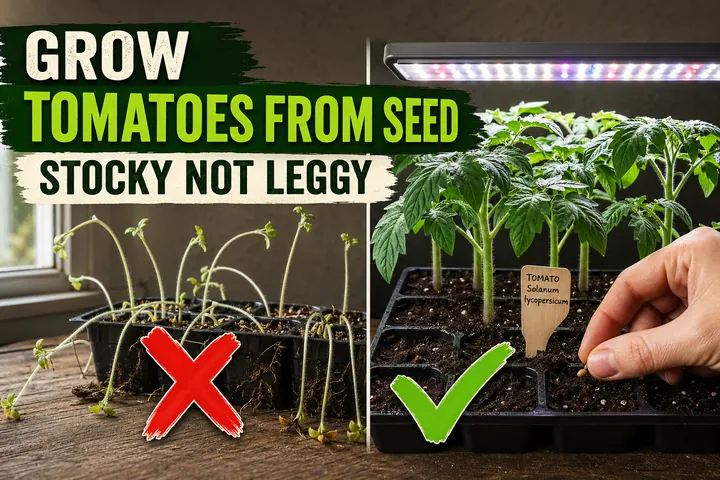
- How to grow tomatoes from seed — the deepest part of the year-one plan: starting your own tomato transplants.
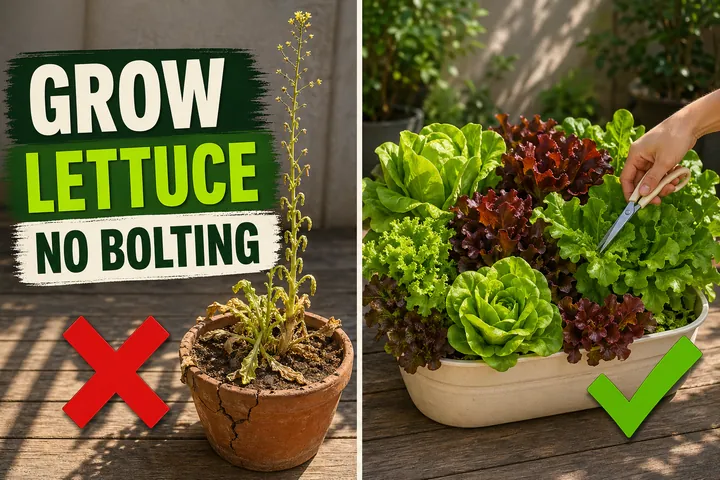
- How to grow lettuce in containers — perfect if you do not have ground space yet.
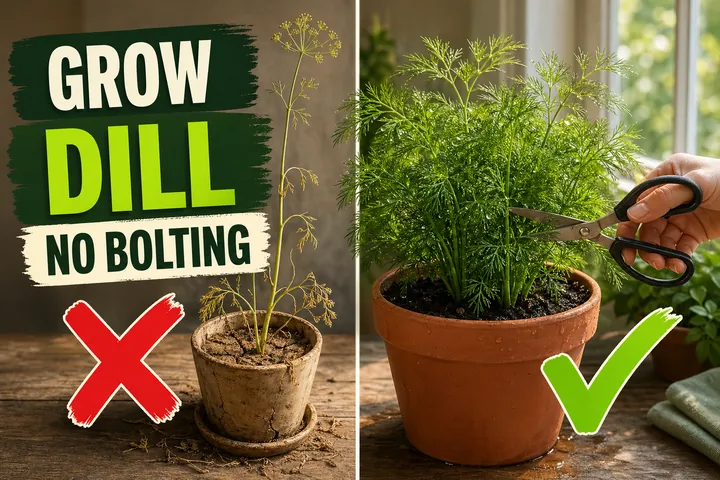
- Dill plant care — the easiest companion herb to slip into any vegetable bed.
- Use the free Tazart plant identifier to scan unknown seedlings, set watering schedules per crop, and get harvest reminders.
A note on conditions
Every yard is different. Light, soil, season, climate zone, and local weather all change how fast vegetables grow and how often they need water. Use the steps above as a starting point and adjust based on what your garden actually does in week three — that is how every good gardener learns.
Highly recommended
The supplies that make this guide work
Tazart is an Amazon Associate — we earn from qualifying purchases at no extra cost to you. Thank you for helping us keep these guides free.
Frequently asked questions
How do I start a vegetable garden for beginners?
Pick the sunniest spot in your yard (6+ hours of direct sun), start small — about 1.2 x 2.4 m (4 x 8 ft) is plenty for year one — fill it with quality vegetable garden soil, and plant 4 to 6 easy crops like lettuce, tomatoes, peppers, basil, beans, and zucchini. Water deeply twice a week and mulch the soil. You'll be harvesting within 30 to 60 days.
What is the easiest vegetable to grow for a beginner?
Lettuce, radishes, bush beans, zucchini, and cherry tomatoes are the most forgiving first-year crops. Lettuce and radishes go from seed to harvest in 25 to 35 days. Cherry tomatoes produce for months from a single transplant. Skip cauliflower, celery, and head lettuce in year one — they are picky.
Is it cheaper to grow your own vegetables?
Year one usually costs more than the harvest is worth — you are paying for the bed, the soil, and the tools. From year two onward, a 1.2 x 2.4 m (4 x 8 ft) bed of tomatoes, peppers, and herbs typically returns 4 to 8 times its annual running cost in produce, and the flavor is something you cannot buy.
How big should my first vegetable garden be?
Start with one bed about 1.2 x 2.4 m (4 x 8 ft) — roughly 3 sq m (32 sq ft). It is big enough to grow a meaningful amount of food, small enough to weed and water in 10 minutes a day. Most beginners who go bigger burn out by July.
When should I start my first vegetable garden?
Cool-season crops (lettuce, peas, radishes, kale) go in 2 to 4 weeks before your last spring frost. Warm-season crops (tomatoes, peppers, beans, squash, basil) wait until 1 to 2 weeks after your last frost, when soil temperature is at least 16°C (60°F). Search 'last frost date + your zip/postal code' to get your dates.
Do I need raised beds or can I plant in the ground?
Both work. In-ground is cheaper (free, basically) and easier for big gardens, but you are stuck with whatever soil you have. Raised beds cost USD 80 to 250 each but give you perfect soil from day one, warmer earlier in spring, fewer weeds, and less bending. For a first-year gardener, one raised bed is usually the higher-success option.
How much sun does a vegetable garden need?
Fruiting crops (tomatoes, peppers, squash, beans) need at least 6 to 8 hours of direct sun per day. Leafy crops (lettuce, spinach, kale, herbs) tolerate 4 to 6 hours. Less than 4 hours and almost nothing will produce food — pick a different spot.