Houseplants
How to Propagate String of Pearls (Curio rowleyanus)
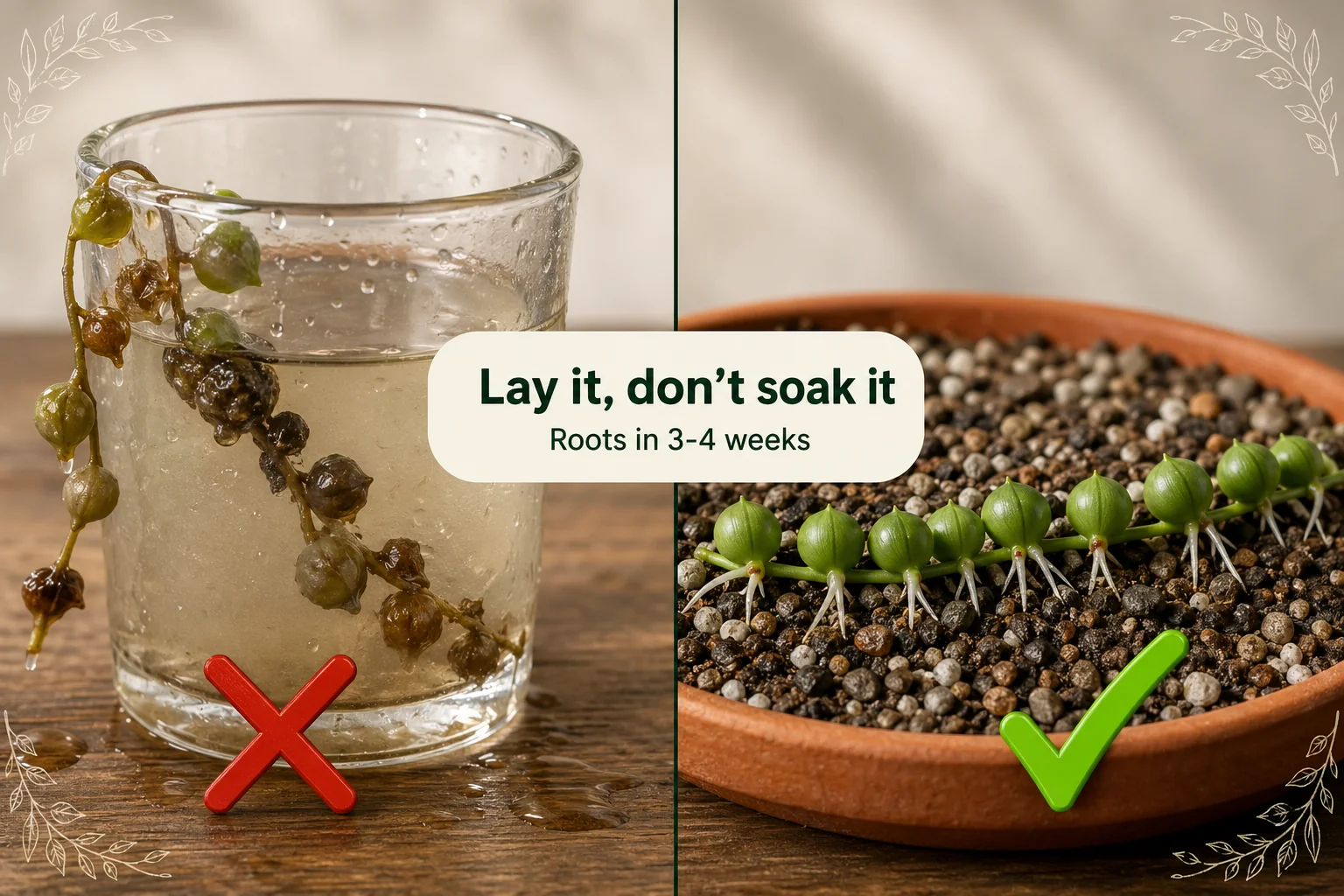
Propagate string of pearls from stem cuttings laid flat on dry succulent mix. Roots in 3-4 weeks — water rots them. Here is what actually works.
On this page
- Quick answer
- About the plant
- Stem cutting method (lay flat — recommended)
- Single-pearl method (not reliable)
- Soil vs water vs sphagnum: what works
- Light, temperature, and humidity
- Watering during propagation
- Patience: realistic timeline
- Common failures and how to fix them
- Related reading
- A note on conditions
Watch the visual walkthrough
How to save your String of Pearls Plant!
If you have a sad String of Pearls plant let me walk you through exactly what I did to take mine from unaliving to thriving (lol) in less ...
String of pearls (Curio rowleyanus, formerly Senecio rowleyanus) is one of the most photogenic trailing succulents — and one of the easiest to kill during propagation if you treat it like a typical houseplant cutting. The mistake almost everyone makes: water propagation. The pearls are leaves, and submerged leaves on a true succulent rot within days. Get the technique right and a single 15 cm (6 in) strand will root at every node and turn into a cascading curtain in a single growing season.
This guide covers the lay-flat soil method (by far the most reliable), the rare cases where water can work, and the small details that decide whether your cuttings root or rot.
Quick answer
Take a 10–20 cm (4–8 in) strand with 5 to 8 pearls, callous the cut end for 24–48 hours, then lay the strand flat on top of barely-damp gritty succulent mix (70% cactus soil, 30% perlite). Pin the nodes against the soil. Bright indirect light, 20–24°C (68–75°F), water only when the top 2–3 cm (1 in) is bone dry. Roots appear in 3 to 4 weeks. Do not propagate string of pearls in water — the pearls rot.
About the plant
Curio rowleyanus — recently reclassified from Senecio rowleyanus — is a creeping succulent in the Asteraceae (daisy) family native to dry, rocky parts of southwest Africa. Its round, pea-shaped pearls are not fruits or flowers — they are heavily modified leaves that store water. A small clear stripe (the “window”) on each pearl is a natural light-channel that lets photosynthesis happen inside the pearl despite its almost-spherical shape.
That arid origin is the key to propagation success. The plant evolved to root from any node that touches the ground after a stem trails along sandy soil. It expects:
- Dry, gritty soil (not potting mix)
- Long dry intervals between waterings
- Strong but indirect light
- Warm temperatures of 20–24°C (68–75°F)
Treat propagation like you would a desert succulent, not a tropical houseplant.
Stem cutting method (lay flat — recommended)
The lay-flat method is the most reliable way to propagate string of pearls. Instead of one stem rooting from one buried cut end, you encourage every node along the strand to root simultaneously, producing a fuller, denser new plant in a single propagation cycle.
What you need
- A healthy parent string of pearls with strands at least 15 cm (6 in) long
- Clean, sharp scissors or micro-tip snips (sterilize with isopropyl alcohol)
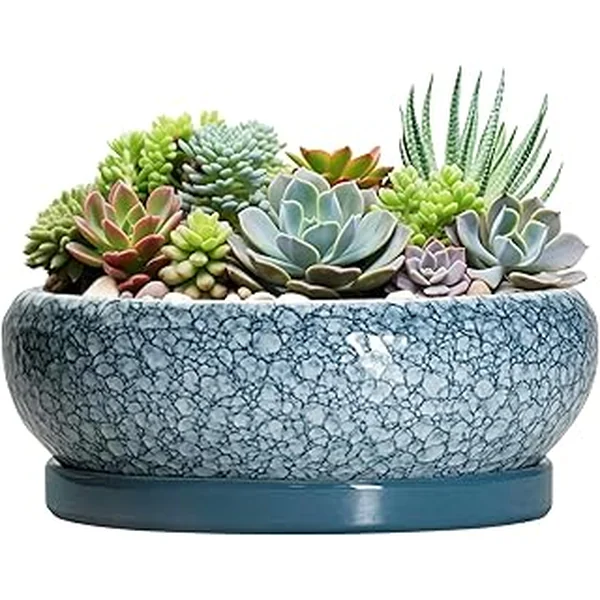
- A shallow pot or terracotta dish 10–15 cm (4–6 in) wide with a drainage hole
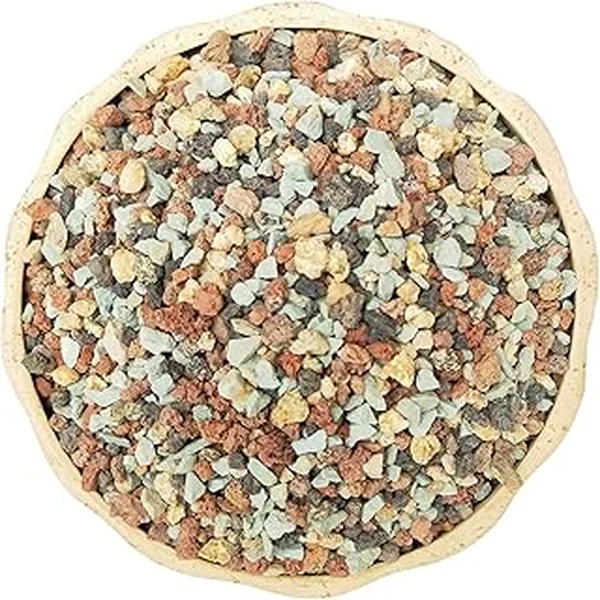
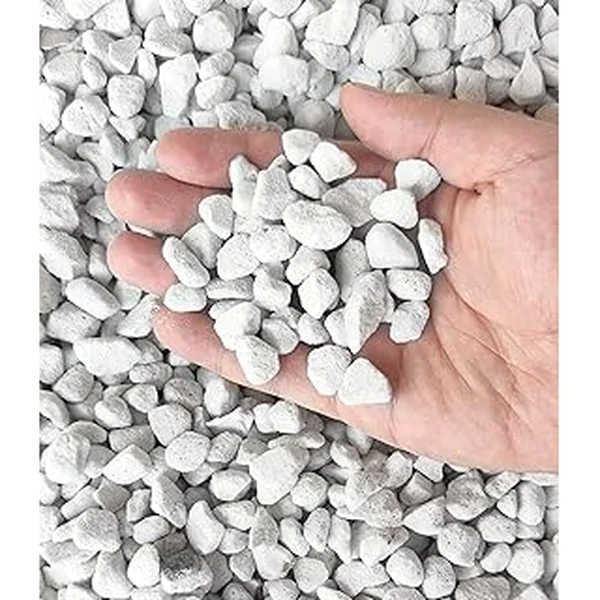
- Gritty succulent mix (70% cactus soil + 30% coarse perlite)
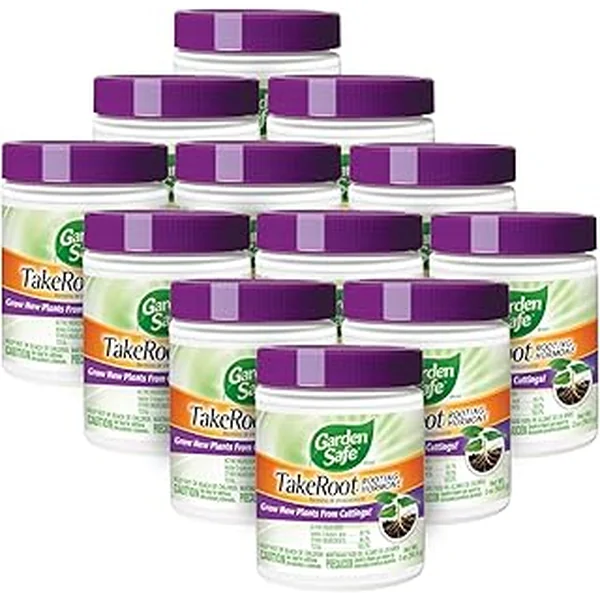
- Optional: rooting hormone powder, small stones or bent paperclips for pinning
- A bright indirect light spot at 20–24°C (68–75°F)
Step by step
1. Choose a healthy strand. Pick a strand with plump, glossy, jade-green pearls and visible nodes. Avoid any strand with shriveled, translucent, or yellowing pearls — those rarely recover. Aim for 10–20 cm (4–8 in) of length with 5 to 8 pearls minimum.
2. Cut just below a node. Sterilize your scissors and snip the strand just below a node (the small bump where each pearl meets the stem). Cut at a slight angle to expose more surface area for callousing.
3. Callous the cut for 24 to 48 hours. This is the step almost everyone skips — and it is the single biggest reason cuttings rot. Lay the strand on a dry paper towel in a shady, dry spot for 1 to 2 days. The cut end should look dry, dull, and slightly puckered before you place it. Calloused tissue resists bacteria; fresh wet tissue does not.
4. Prepare the soil surface. Fill a shallow terracotta dish with the 70/30 cactus/perlite mix. Mist the surface lightly so it is barely damp — squeeze a handful and only a few drops should fall. Standing water in the pot is the kiss of death.
5. Lay the strand flat — do not bury it. Place the calloused strand horizontally on top of the soil so the nodes (the bare bits of stem between the pearls) are in firm contact with the surface. For longer strands, coil them gently in a spiral. The pearls themselves should sit on the soil, not under it. Pin with tiny stones or bent paperclips if the strand wants to lift away.
6. Optional: dust with rooting hormone. Lightly dip the calloused cut end in rooting hormone powder. This is optional but speeds rooting by 7 to 10 days, especially on cuttings taken in autumn or winter.
7. Place in bright indirect light. Set the pot 60–90 cm (24–36 in) from a south- or west-facing window, or right next to an east-facing window. Direct midday sun heats the pearls and can scorch them; deep shade stalls rooting indefinitely.
8. Wait 7–10 days, then start sparingly watering. Do not water again until the top 2–3 cm (1 in) of soil is bone dry — typically every 10 to 14 days. Water around the strand at the soil level; do not splash the pearls.
9. Look for new growth at 3 to 4 weeks. Tiny white roots anchor the strand at multiple nodes within 3 to 4 weeks. Fresh new pearl tips appear at the growing end shortly after. Resist the urge to lift the strand to check — disturbance damages the fragile new roots and resets the clock.
Single-pearl method (not reliable)
Many viral propagation videos show single detached pearls sprouting roots in shot glasses. In reality, a pearl on its own rarely succeeds because Curio rowleyanus roots from the nodes on the stem — not from the pearl. The pearls are leaves; leaves can produce calluses on a true succulent like jade, but string of pearls almost never does.
If a pearl detaches with a tiny piece of stem still attached (the petiole and part of the node), it has a small chance of rooting in barely damp succulent mix. But for any reliable result, always take a stem section with several pearls and intact nodes.
If you have lots of loose pearls from a damaged strand, scatter them on top of dry mix anyway — you may get one or two sprouts as a bonus, but never plan a propagation around them.
Soil vs water vs sphagnum: what works
| Medium | Pros | Cons | Verdict |
|---|---|---|---|
| Gritty succulent mix (lay flat) | Roots at every node; no transfer step; mimics native habitat | Slow for the first 2 weeks; harder to see roots forming | Best — recommended for every cutting |
| Sphagnum moss | Visibility of roots; humidity helps in dry rooms | Holds too much water for a true succulent; high rot risk | Possible but risky |
| Water propagation | Easy to see roots; familiar method from other plants | Pearls rot within 5–10 days if any touch the water; transferred roots collapse on contact with dry soil | Avoid — fails ~80% of the time |
Water propagation can occasionally work if you suspend only the bare stem (no pearls in or near the water), change the water every 4 to 5 days, and transfer to soil the moment roots reach 1–2 cm (0.4–0.75 in). But it is more work and far less reliable than the lay-flat method.
Light, temperature, and humidity
Light. Bright indirect light is essential. A spot 60–90 cm (24–36 in) from a south- or west-facing window or directly next to an east-facing window is ideal. Insufficient light is the second-most common cause (after overwatering) of cuttings that simply sit and never root.
Temperature. Keep the propagation pot at 20–24°C (68–75°F). Below 18°C (65°F) rooting stalls dramatically. Above 27°C (80°F), pearls can shrivel from heat stress before roots form. Avoid cold windowsills, drafts from air conditioning, and direct heat sources.
Humidity. Unlike tropical cuttings, string of pearls does not need a humidity dome. Normal household humidity of 30–50% is fine. A dome traps moisture against the pearls and accelerates rot. The exception: extremely dry rooms (under 25% humidity, common in winter heating) — there a loose pebble tray nearby helps without trapping moisture against the leaves.
Watering during propagation
This is where most propagation attempts go wrong. String of pearls is a desert succulent, and cuttings need almost no water during the rooting phase.
A reliable schedule:
- Day 1: mist the soil surface lightly — barely damp, never wet.
- Days 2–10: no water at all. Let the cutting settle and the cut end seal further.
- Days 10 onwards: check by pushing a finger 2–3 cm (1 in) into the soil. If it is bone dry, water around the strand at soil level. If there is any moisture, wait another 3 to 5 days.
- Most propagation pots need water every 10 to 14 days during the rooting period.
Never water from above onto the pearls. Always water at the soil surface on the side of the pot away from the strand. Surface water on pearls causes them to rot in 24 to 48 hours.
Patience: realistic timeline
| Milestone | Timeframe |
|---|---|
| Cut end fully calloused | 24 to 48 hours |
| First white root tips at the nodes | 3 to 4 weeks |
| First new pearl growth at the tip | 5 to 7 weeks |
| Strand visibly anchored when gently nudged | 6 to 8 weeks |
| Cutting starts trailing past the pot edge | 3 to 5 months |
| Full cascading plant (30+ cm / 12 in trailing) | 6 to 12 months |
A plant care tracker like Tazart can hold a “check rooting” reminder for week 4 so you do not need to peek and disturb the strand.
Common failures and how to fix them
Pearls turn translucent and mushy This is overwatering. The medium is too wet, water is splashing on the pearls, or the pot has no drainage. Fix: switch to a 70/30 cactus mix to perlite blend in a pot with a drainage hole. Water only when bone dry. Discard any rotting strands and start fresh.
Cut end goes black before any roots form The cutting was not calloused, or the soil was too wet at placement. Fix: always callous fresh cuttings for 24 to 48 hours on a dry paper towel before placing them on barely-damp soil.
Strand sits unchanged for 6+ weeks Usually a temperature or light problem. Below 18°C (65°F), string of pearls cuttings barely metabolize and rooting can take 8 to 12 weeks instead of 3 to 4. Move the pot to a warmer spot (20–24°C / 68–75°F) and into brighter indirect light. Also re-check that the nodes are in firm contact with the soil — a strand floating above the surface cannot root.
Roots form but the strand still detaches when nudged Roots are very fine for the first month. They anchor properly only after 6 to 8 weeks. Do not test by pulling — wait for visible new pearl growth at the tip as your signal.
Pearls shrivel but stem stays firm The cutting is using up its water reserves. Either the room is too hot and dry, or the soil has been bone dry for too long. Mist the soil lightly (not the pearls) and move out of any direct sun. Pearls usually plump back up within a week of resumed light watering.
Related reading
- How to propagate jade plant — another succulent that needs callousing and dry soil propagation; useful parallel technique.
- How to take care of a succulent plant — the watering, light, and soil principles that keep your newly rooted string of pearls alive long term.
- Donkey tail plant care — a close trailing succulent relative with similar lay-flat propagation behaviour.
- Track your cuttings’ 3 to 4 week rooting window with a free reminder in the Tazart plant care app — Dr. Afrao, the in-app AI, can also help troubleshoot stalled cuttings.
A note on conditions
Every home is different. Room temperature, light intensity, soil composition, and the time of year all affect how quickly your string of pearls cuttings root. Spring and early summer cuttings — taken from actively growing strands — root noticeably faster than autumn or winter cuttings. The 3 to 4 week timeline in this guide is a reliable average for warm, bright spring conditions; expect 6 to 8 weeks for autumn cuttings or cooler rooms. Trust the process, water sparingly, and resist the urge to disturb the strand.
Highly recommended
The supplies that make this guide work
Tazart is an Amazon Associate — we earn from qualifying purchases at no extra cost to you. Thank you for helping us keep these guides free.
Frequently asked questions
How long does string of pearls take to root?
Expect tiny white roots to anchor at the leaf nodes within 3 to 4 weeks when the strand is laid flat on barely moist, gritty succulent mix at 20–24°C (68–75°F). New pearl growth follows in another 4 to 6 weeks. Cool rooms (below 18°C / 65°F) easily double that timeline. The cutting will look unchanged for the first 2 weeks even when rooting normally — resist the urge to peek and disturb the strand.
Can you propagate string of pearls in water?
Technically yes, but it usually fails. The pea-shaped pearls are leaves, and submerged or splashed pearls turn translucent and rot within 5 to 10 days. If you must try water, suspend only the bare stem (no pearls touching the water), change water every 4 to 5 days, and transfer to soil the moment roots reach 1–2 cm (0.4–0.75 in). The far more reliable method is laying the strand on dry, gritty succulent mix.
Why are my string of pearls cuttings rotting?
Three causes: (1) the medium is too wet — Curio rowleyanus is a true succulent and rots in soggy conditions; (2) the cut end was not allowed to callous before placement, so bacteria entered the open wound; (3) the cuttings are sitting in standing water or the pot has no drainage. Fix: callous fresh cuttings for 24 to 48 hours, use a 70/30 cactus mix to perlite blend, water only after the soil has been bone-dry for 3 to 5 days, and use a pot with a drainage hole.
Should you lay string of pearls flat or stick it in soil?
Lay it flat on top of the soil — this is the single biggest difference from most propagation guides. String of pearls roots from the leaf nodes along the stem, not just from a single buried cut end. A 10–20 cm (4–8 in) strand laid flat on barely damp succulent mix will root at multiple points along its length, producing a fuller plant. You can also coil a longer strand inside a wider pot for an even bushier result. Pinning the strand with bent paperclips or tiny stones keeps it in firm contact with the soil.
Can you propagate string of pearls from a single pearl?
A single detached pearl rarely roots because it has no leaf node attached. The pearls are leaves, and Curio rowleyanus produces roots from the nodes on the stem between the pearls — not from the pearls themselves. If a pearl breaks off with a tiny piece of stem still attached, it has a small chance, but for reliable propagation always take a stem section with at least 5 to 8 pearls and visible nodes.
When should I water string of pearls cuttings?
Mist the soil surface lightly the day you place the cutting, then leave it alone for 7 to 10 days. After that, water sparingly only when the top 2–3 cm (1 in) of soil is bone dry — usually every 10 to 14 days. Overwatering during propagation is the
Why isn't my string of pearls cutting rooting?
Five common reasons: room temperature is too cold, light is too dim, the cut was not allowed to callous, the soil is too wet (rotting the stem before roots form), or the strand is not in firm contact with the soil. String of pearls needs bright indirect light, 20–24°C (68–75°F), a calloused cut, gritty fast-draining mix, and the strand pinned flat against the soil. Take a fresh cutting from healthy growing tips in spring or early summer if your first attempt stalled.