Flowers
How to Propagate Roses from Cuttings (Semi-Hardwood Method)
Learn how to propagate roses from cuttings using softwood, semi-hardwood, and hardwood timing. Step-by-step guide with rooting hormone, humidity tent, and 4-8 week
On this page
- Quick answer
- Softwood vs semi-hardwood vs hardwood: which cutting type to take
- How to choose the right stem
- Step-by-step: semi-hardwood rose propagation
- Rooting hormone: gel vs powder, and how to use it
- The humidity tent: how it works and common mistakes
- The potato method: why it doesn’t work
- Transplanting rooted cuttings: when and how
- First year care for propagated roses
- Common mistakes to avoid
- Related reading
- A note on conditions
- Every propagation batch is different. Temperature, ambient humidity, the health of the parent plant, the cutting’s stage of growth, and even the time of day you take it all affect the outcome. The 4–8 week timeline and 70–90% success rate cited above reflect semi-hardwood cuttings under a humidity tent with IBA gel at 18–24°C (65–75°F). Your results in cooler or more humid conditions will vary. Use the first batch as a calibration run — most propagators refine their timing and technique over two or three seasons before it becomes routine.
Watch the visual walkthrough
How to grow Rose from cuttings using toilet paper | Rose propagation from cuttings
Follow me on Instagram- https://www.instagram.com/johnsonengleng/ How to grow Rose from cuttings using toilet paper | Rose ...
Growing roses from seed takes years. Growing them from cuttings takes 4 to 8 weeks, costs nothing, and produces a genetically identical plant — same flower color, same fragrance, same growth habit as the parent. Once you understand which cutting type to take and when, the process is more reliable than most gardeners expect.
This guide covers the three cutting types — softwood, semi-hardwood, and hardwood — explains why summer is the easiest window, debunks the potato myth, and walks through every step of the semi-hardwood method that consistently delivers rooted plants.
Quick answer
Take a 15–20 cm (6–8 in) semi-hardwood cutting in mid to late summer, strip the lower leaves, wound the base lightly, dip in IBA rooting hormone gel, and plant in a 50/50 perlite and compost mix. Cover with a clear plastic humidity tent. Roots form in 4 to 8 weeks at 18–24°C (65–75°F). The potato method adds nothing — skip it.
Softwood vs semi-hardwood vs hardwood: which cutting type to take
Rose stems change character as the season progresses, and each stage produces a different type of cutting with different propagation requirements.
| Cutting type | When to take | Stem feel | Root time | Difficulty |
|---|---|---|---|---|
| Softwood | Late spring (May–June) | Soft, bends easily | 3–4 weeks | High — wilts fast |
| Semi-hardwood | Mid to late summer (July–August) | Firm but not woody | 4–6 weeks | Low — easiest |
| Hardwood | Autumn to early winter (October–December) | Fully woody, dormant | 8–12 weeks | Medium — slow but forgiving |
Softwood cuttings come from the current season’s new growth before it has firmed up. They root quickly because the tissue is hormonally active, but they lose water through their leaves faster than roots can replace it — meaning they collapse without near-constant humidity management. Beginners often lose softwood cuttings in the first week.
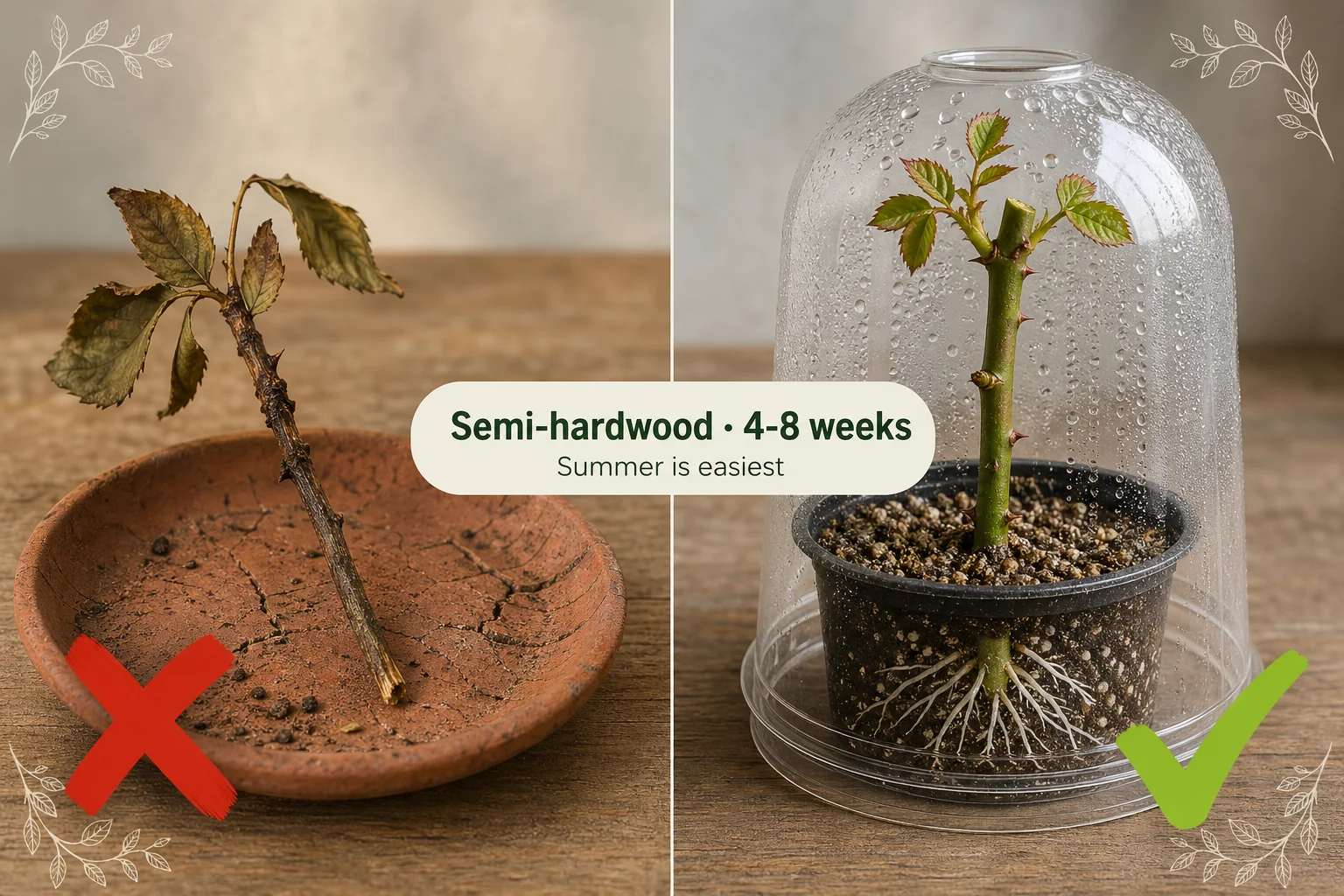
Semi-hardwood is the window most professional propagators use for roses. The stem has partially lignified (hardened), which means it holds its shape and water content without collapsing while still being soft enough to initiate roots rapidly. Success rates of 70–90% are achievable with a basic humidity tent and IBA gel.
Hardwood cuttings are taken from fully dormant stems in autumn. They are the most forgiving in terms of timing and handling — you can take a bundle, wrap them in damp newspaper, and store them for weeks before planting. The downside is the slow rooting time, especially in cool conditions.
Start with semi-hardwood unless you have a heated propagation bench for softwood or are specifically growing rugosa or species roses (which root hard wood reliably).
How to choose the right stem
Not every stem on the plant makes a good cutting. Selection at this stage sets up the entire propagation.
A good semi-hardwood cutting comes from:
- A non-flowering shoot, or one where the flower has recently finished and the hip is just beginning to form
- A stem that is pencil-thick or slightly thinner — about 5–8 mm (0.2–0.3 in) in diameter
- Healthy, undamaged wood with no signs of black spot, rose dieback, or soft brown patches
- This season’s growth — not old canes from previous years
Avoid stems that are:
- Still in full bloom (the plant is directing energy to the flower, not root formation)
- Very thin and whippy (not enough stored carbohydrate to sustain the cutting)
- Showing any signs of disease or pest damage
Take your cuttings in the morning after the plant has had overnight time to fully hydrate the stems. A wilted afternoon stem makes a poor cutting.
Step-by-step: semi-hardwood rose propagation
What you need
- Sharp, clean bypass pruners (sterilize with dilute bleach or isopropyl alcohol)
- IBA rooting hormone gel (preferred) or powder
- A clean knife for wounding
- 10 cm (4 in) plant pots with drainage holes
- Propagation mix: 50/50 perlite and multi-purpose compost, or specialist cuttings grit
- Clear plastic bags and short sticks (tent poles)
- A dibber or pencil (to make the planting hole)
The method
1. Cut 15–20 cm (6–8 in) of the right stem. Use your pruners to cut just below a leaf node at the base — the node is where a leaf attaches to the stem, and it is the site from which roots will emerge. Cut at a 45-degree angle to maximize surface area and allow water to drain off the cut surface.
2. Strip the lower half. Remove all leaves from the bottom 7–10 cm (3–4 in) of the cutting. Leave 2 to 3 leaves at the top. Remove thorns from the buried section with a firm downward scrape.
3. Wound the base. Use a clean knife to scrape a thin 2–3 cm (1 in) strip of bark from one side of the base of the cutting, just enough to expose the pale green or cream cambium layer underneath. Wounding isn’t universally required, but controlled trials consistently show it improves rooting speed and percentage on roses.
4. Apply rooting hormone. Dip the base of the cutting — including the wounded strip and the cut tip — into IBA gel. Coating should be thin and even. Tap the cutting gently against the inside of the jar to remove any excess clumps.
5. Plant in damp propagation mix. Make a hole with a dibber before inserting the cutting — pushing it directly into the mix without a pilot hole wipes off the hormone gel. Insert to a depth of 5–7 cm (2–3 in). Firm the mix gently around the stem. One cutting per small pot gives the best airflow.
6. Set up the humidity tent. Push 2 to 3 short sticks into the mix as tent poles. Slip a clear plastic bag over the pot so the bag sits above the leaves without touching them. Secure at the base.
7. Place in bright indirect light. Find a spot at 18–24°C (65–75°F) with bright light but no direct sun through the plastic — it amplifies heat quickly inside the tent. A north or east-facing windowsill works well. Outdoors in dappled shade is fine in summer.
8. Wait and check. Ventilate the tent briefly every 2 days to prevent botrytis buildup. After 4 to 5 weeks, tug the cutting gently. If it resists — roots have formed. New leaf growth above is the clearest signal that rooting is underway.
Rooting hormone: gel vs powder, and how to use it
IBA (indole-3-butyric acid) is the active compound in commercial rooting hormones. It mimics the plant’s own auxin signalling pathway, directly stimulating the production of root initials at the cut surface.
Gel vs powder: Gel adheres to the full cut surface and into the wounded strip, giving better coverage. Powder tends to clump and can fall off before the cutting is planted. If you have both, use gel.
Concentration: Most commercial products contain 0.1–0.3% IBA, which is appropriate for semi-hardwood cuttings. Higher concentrations are used for hardwood cuttings but can inhibit softwood. Read the label.
Do not double-dip. Once the cutting touches the gel or powder in the container, discard any residue rather than returning it to the jar — contamination with plant pathogens can spread from one batch to the next.
Homemade willow water (an infusion made from soaking willow bark) contains naturally occurring IBA and salicylic acid and has some evidence behind it, but the concentration is inconsistent and far lower than commercial preparations. Use commercial rooting hormone if you want reliable results.
The humidity tent: how it works and common mistakes
The humidity tent solves the core problem of cutting propagation: the cutting has no roots to replace the water it loses through its leaves, so it needs the surrounding air to be almost saturated with moisture — around 80–90% relative humidity — to survive long enough to callus and root.
A correctly made tent:
- Does not touch the leaves (touching = condensation drips onto foliage = botrytis)
- Is transparent or clear (the cutting still needs light)
- Is ventilated briefly every 2 days
- Is removed gradually once rooting is confirmed, not all at once
Common tent mistakes:
- Tent touching leaves: condensation collects on the point of contact and causes fungal rot within a week
- No ventilation: anaerobic conditions inside the bag encourage botrytis (grey mould) which kills the cutting even after it has rooted
- Removing the tent all at once once roots are confirmed: the cutting has been in near-100% humidity for weeks. Sudden removal into ambient 40–60% humidity causes the leaves to lose water faster than the new young roots can compensate. Remove the tent over 5 to 7 days, cracking it open further each day
The potato method: why it doesn’t work
The idea is simple: push the bottom of a rose cutting into a potato and bury both in the ground. The potato, supposedly, releases moisture and nutrients that help the cutting root.
In practice, the potato adds nothing that a well-maintained propagation setup doesn’t already provide:
- Moisture: A humidity tent over damp propagation mix maintains adequate moisture at the stem base. The potato provides no more.
- Nutrients: Rose cuttings do not need nutrients to root — they root on stored carbohydrates from the parent stem. Nutrients at the rooting stage can actually promote bacterial or fungal growth rather than root initiation.
- Auxin stimulus: Potatoes contain no meaningful IBA or rooting hormone compounds.
The RHS, the American Rose Society, and Texas A&M AgriLife Extension’s propagation resources do not include the potato method in their guidance. It appears to have spread through social media because it looks unusual and photogenic. Skip it. A humidity tent, IBA gel, and a gritty propagation mix will outperform it every time.
Transplanting rooted cuttings: when and how
A cutting is ready to transplant when:
- It resists a firm but gentle tug
- New leaf growth has extended at least 2–3 cm (1 in) beyond the original leaves
- You can see root tips beginning to appear at the drainage holes of the pot (this is a strong signal, but not required before transplanting)
How to transplant:
- Water the propagation pot an hour before transplanting — moist mix clings to the roots and reduces breakage.
- Tip the pot gently and ease the root ball out without pulling the stem.
- Move into a 10–15 cm (4–6 in) pot of rose compost mixed with 20% perlite for drainage.
- Set the plant at the same depth it was growing in the propagation pot.
- Water in gently and place in a sheltered, bright spot — not in direct midday sun yet.
- Keep in a cold frame or sheltered porch for the remainder of the first growing season.
Do not plant directly into open ground in the first season. Roots from a propagated cutting are young and fine, and the plant needs to bulk up in a pot before it can compete with soil life and weather extremes.
First year care for propagated roses
A newly rooted rose cutting is not the same as an established plant. It has a small root system, no root reserves, and no resistance to stress yet.
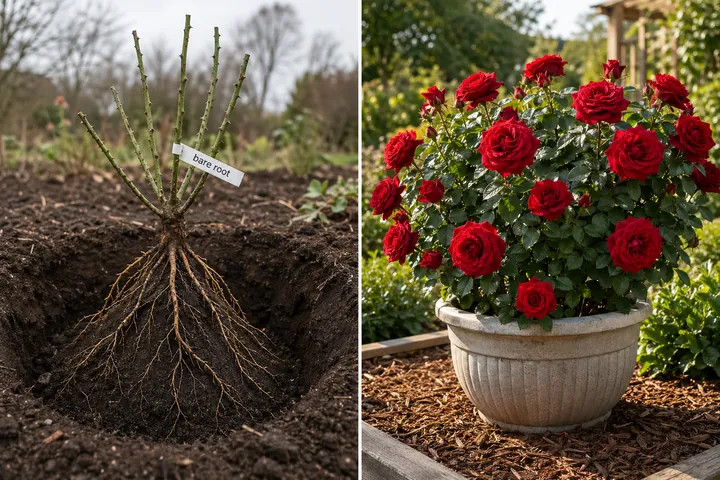
When you’re eventually ready to plant your rooted cuttings alongside purchased roses, the bare-root rose planting guide is useful context — bare-root and cutting-grown roses have similar first-year needs and the hole prep steps are the same.
| Task | First season guidance |
|---|---|
| Watering | Keep consistently moist but not waterlogged — the root ball is small and dries quickly |
| Feeding | Start a dilute balanced liquid feed 6 weeks after transplanting, once you see clear new growth |
| Sun | Introduce to full sun gradually over 2 weeks — start with morning sun only |
| Overwintering | In cold zones (USDA 6 and below), overwinter in a frost-free cold frame or unheated greenhouse rather than outdoors |
| Pruning | Do not hard prune in year one — light deadheading only |
| Planting out | Plant into open ground in spring of year two, once the root system has filled a 15 cm (6 in) pot |
A plant care app like Tazart can hold a watering reminder for each cutting, flag the 6-week fertilizing mark, and log your transplant date — useful when you’re running multiple pots from a batch of cuttings taken the same day.
Common mistakes to avoid
- Taking softwood cuttings without constant humidity management. Softwood is fast but demanding. Without near-100% humidity and warmth, softwood cuttings collapse within days. Use semi-hardwood for your first attempts.
- Wiping off rooting hormone when planting. Always make the planting hole with a dibber before inserting the cutting. Pushing the stem directly into the mix removes the gel from the base — exactly where you need it.
- Skipping ventilation on the tent. Two days without ventilation and botrytis spores multiply inside the bag. Grey mould can kill a rooted cutting just as it begins to establish.
- Transplanting too early. A cutting that has only just rooted has roots shorter than 2–3 cm (1 in). Moving it now puts those fragile roots into the stress of transplanting before they can support the plant. Wait for visible new leaf extension.
- Using the potato method. See above. It adds nothing the correct method doesn’t already deliver, and the potato can introduce fungal rot to the base of the cutting.
- Taking cuttings from diseased wood. Black spot and other rose pathogens travel with the cutting. Start clean — sterilize your pruners and select only healthy, unblemished stems.
Related reading
- How to plant a rose bush — once your cutting has filled a 15 cm (6 in) pot in its second season, this guide covers exactly how to get it established in open ground.
- How to propagate azaleas — azaleas also propagate from semi-hardwood cuttings in summer; the humidity tent and IBA hormone method is nearly identical.
- How to propagate fuchsia — fuchsia softwood and semi-hardwood propagation runs on the same principles; a good companion reference for the summer propagation season.
- Use the free Tazart plant identifier to scan an unfamiliar rose variety and confirm whether it is a modern shrub, hybrid tea, or species type — the propagation success rate varies slightly by group.
A note on conditions
Every propagation batch is different. Temperature, ambient humidity, the health of the parent plant, the cutting’s stage of growth, and even the time of day you take it all affect the outcome. The 4–8 week timeline and 70–90% success rate cited above reflect semi-hardwood cuttings under a humidity tent with IBA gel at 18–24°C (65–75°F). Your results in cooler or more humid conditions will vary. Use the first batch as a calibration run — most propagators refine their timing and technique over two or three seasons before it becomes routine.
Highly recommended
The supplies that make this guide work
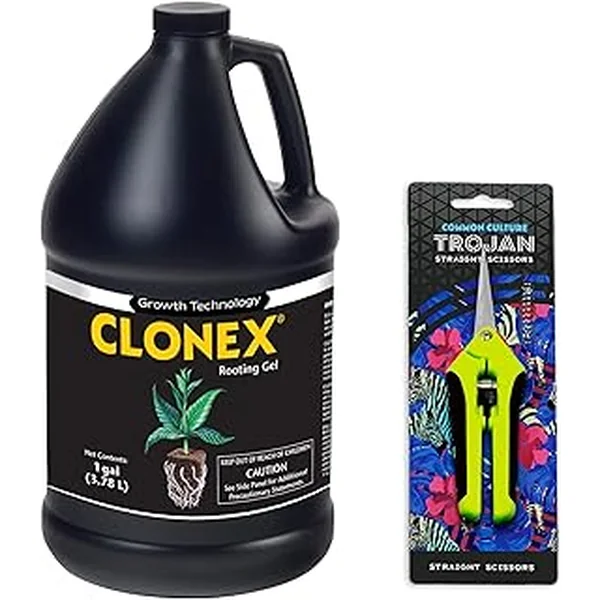
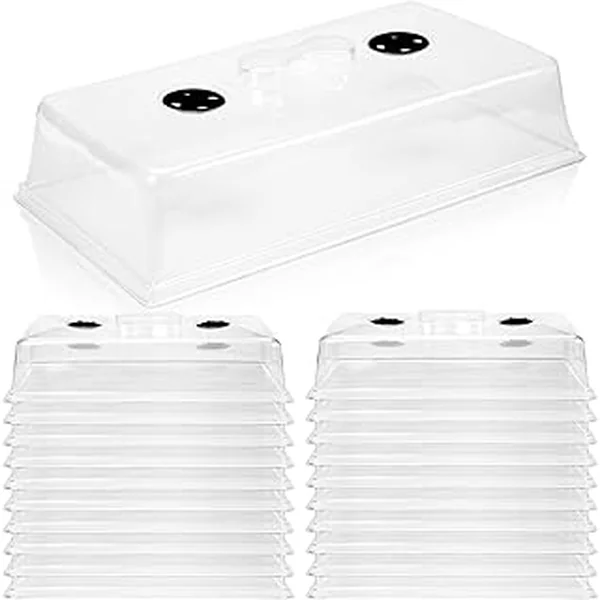
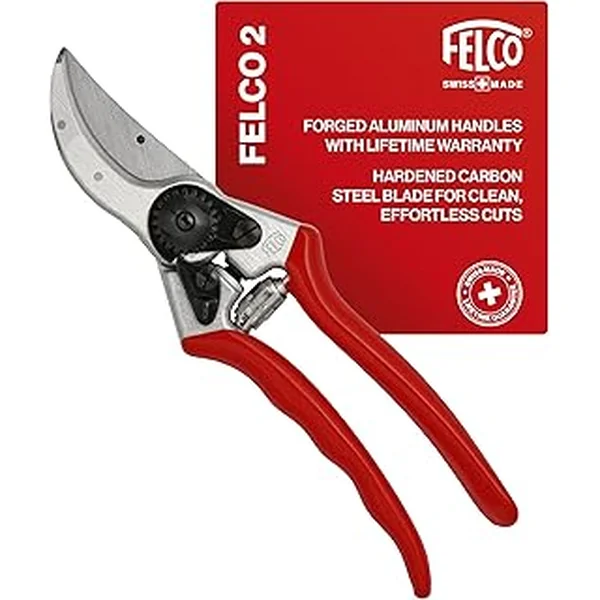
Tazart is an Amazon Associate — we earn from qualifying purchases at no extra cost to you. Thank you for helping us keep these guides free.
Frequently asked questions
How long does it take rose cuttings to root?
Most rose cuttings root in 4 to 8 weeks. Semi-hardwood cuttings taken in summer typically root in 4 to 6 weeks under a humidity tent at 21–24°C (70–75°F). Softwood cuttings from spring can root in as little as 3 weeks but are more fragile. Hardwood cuttings taken in autumn root more slowly — often 8 to 12 weeks — because cooler temperatures slow auxin activity. The cutting is rooted when you feel resistance to a gentle tug.
What is the best time to take rose cuttings?
Semi-hardwood cuttings taken in mid to late summer (June through August in the Northern Hemisphere) are the easiest to root and have the highest success rate. The stem is firm enough not to wilt instantly but still contains enough growth hormones to generate roots quickly. Softwood cuttings from spring work but demand more humidity management. Hardwood cuttings from dormant autumn stems are the most forgiving of neglect but the slowest to root.
Do rose cuttings need rooting hormone?
Rooting hormone is not strictly required — roses can root without it — but using it increases your success rate significantly, especially for species that root slowly. IBA (indole-3-butyric acid) gel or powder directly stimulates root cell development at the cut surface. Gel formulas give better stem contact than powder. Dip the bottom 2–3 cm (1 in) of the cutting and shake off any excess before planting.
Does the potato method work for roses?
The potato method — pushing a rose cutting into a potato before planting — is mostly myth. The potato adds no meaningful auxin, nutrients, or rooting stimulus. Any moisture the potato releases is equivalent to simply keeping the soil evenly damp, which you should be doing anyway. Controlled trials and professional propagation resources (RHS, American Rose Society) do not endorse it. Use a humidity tent and rooting hormone gel instead — both are evidence-based.
How do you make a humidity tent for rose cuttings?
After planting the cutting in propagation mix, push two or three short sticks into the pot around the cutting to act as tent poles. Slip a clear plastic bag over the whole pot so the bag does not touch the leaves. Secure the base with a rubber band. The tent should trap moisture and maintain 80–90% relative humidity around the cutting. Crack the bag open for 15 minutes every 2 days to prevent fungal buildup. Remove the tent once new leaf growth appears, which signals successful rooting.
When should you transplant rooted rose cuttings?
Transplant once the cutting resists a gentle tug and shows at least 2–3 cm (0.75–1 in) of new leaf growth above the original leaves. For semi-hardwood cuttings, that is typically 5 to 7 weeks after planting. Move the cutting into a 10–15 cm (4–6 in) pot with well-draining rose compost and keep it in a sheltered spot for 2 more weeks before hardening off outdoors. Do not transplant directly into open ground in the first season.
What type of rose cutting roots easiest?
Semi-hardwood cuttings from modern shrub roses, floribundas, and climbing roses root most reliably because they are firm enough to resist wilting but still hormonally active. Hybrid tea roses root well but slightly less readily. Species roses (Rosa canina, Rosa rugosa) root easily from all cutting types. Old garden roses and some David Austin varieties can be more challenging — stick to the semi-hardwood window and use IBA gel to improve the odds.