Flowers
How to Propagate Fuchsia (Roots in 2–4 Weeks)
Propagate fuchsia from softwood tip cuttings in spring or hardwood cuttings in autumn. Step-by-step guide to rooting, humidity domes, and transplant timing.
On this page
- Quick answer
- When to take fuchsia cuttings: softwood vs hardwood
- Stem selection: what to look for
- Step-by-step: softwood tip cuttings
- Hardwood method
- Rooting hormone: is it worth it?
- Why a humidity dome matters
- Transplant timing
- Troubleshooting
- Care after transplanting
- Related reading
- A note on conditions
Watch the visual walkthrough
How to Take Fuchsia Cuttings for Beginners - A Step by Step Guide to Endless Free Flower Plants #104
If you're new to gardening or just looking to expand your plant collection, taking cuttings is a great way to propagate your favourite ...
Fuchsia is one of the most rewarding plants to propagate. A single trailing basket plant can yield dozens of free cuttings in a single spring, and each one roots reliably in 2 to 4 weeks with minimal equipment. Whether you grow trailing or upright varieties, the technique is the same: soft tip cuttings in spring, hardwood cuttings in late autumn.
This guide covers both methods in full — stem selection, stripping, rooting hormone, humidity domes, and exactly when to transplant.
Quick answer
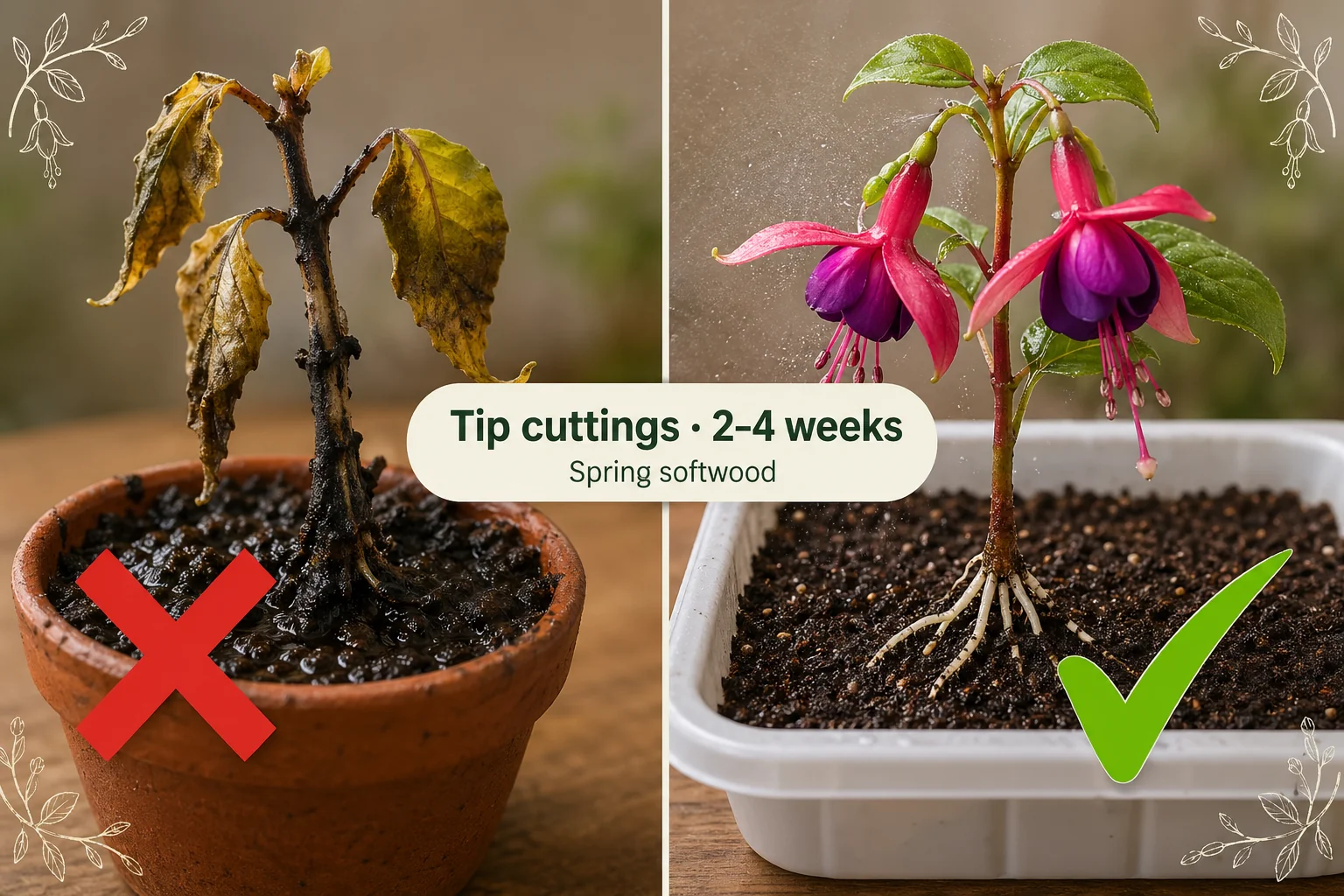
Take a non-flowering softwood shoot tip 8–10 cm (3–4 in) long in spring. Strip the lower leaves, dip the cut end in rooting hormone gel, insert into moist propagation compost, and cover with a clear humidity dome. Keep at 18–21°C (65–70°F) in bright indirect light. First roots appear in 14–21 days; transplant into 8–10 cm (3–4 in) pots once roots are 3–5 cm (1–2 in) long, around 4 weeks in.
When to take fuchsia cuttings: softwood vs hardwood
Fuchsia offers two distinct propagation windows, and which one you use depends on the time of year.
Softwood cuttings: spring to early summer
April through June is the prime window in the northern hemisphere. The plant is pushing new growth and the shoot tips are soft, green, and pliable — ideal cutting material. Softwood roots in 2 to 4 weeks, which is fast for a flowering shrub.
The trade-off is fragility. Soft stems and large leaves lose water quickly, which is why a humidity dome is non-negotiable.
Hardwood cuttings: late autumn
Once the plant has finished its flowering season — October through November — the current season’s stems have firmed up and can be taken as semi-ripe or hardwood cuttings. These root more slowly (6 to 10 weeks) but are sturdier and less prone to wilting.
Hardwood cuttings are particularly useful if you want to overwinter fuchsia cuttings as young plants to replace an old basket the following spring.
Avoid midsummer for both types. Stems are partially hardened, the plant is under heat stress, and rooting success drops sharply.
Stem selection: what to look for
Good cutting material makes or breaks propagation. For softwood:
- Choose non-flowering tips only. Flowering stems divert energy to blooms rather than roots. Pick shoots that have not yet formed buds, or pinch off any buds present before rooting.
- Length: 8–10 cm (3–4 in). Long enough to have 2–3 leaf pairs above ground, with 2–3 cm (1 in) of bare stem below.
- Colour: fresh green. Reject anything yellowing, brown-tipped, or showing signs of pest damage.
- Texture: pliable. If the stem snaps rather than bends, it has already begun to harden — choose a younger tip closer to the growing point.
For hardwood, select firm but not brittle stems from the current year’s growth. They should be the same diameter as a pencil or slightly thinner.
Step-by-step: softwood tip cuttings
1. Take the cutting
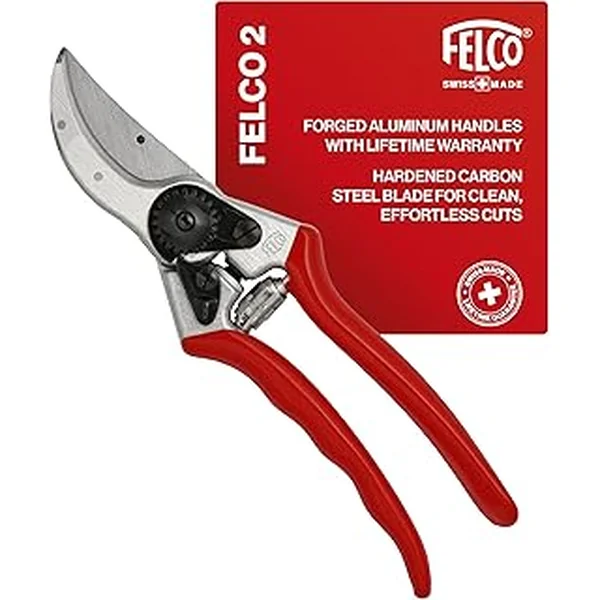
With clean, sharp bypass pruning shears, cut just below a leaf node — the point where a pair of leaves joins the stem. Each cutting: 8–10 cm (3–4 in) long, 2–3 pairs of leaves, no flower buds.
If you’re taking multiple cuttings, place them in a plastic bag with a damp paper towel and work quickly. Fuchsia tips wilt within 15 to 20 minutes in dry air.
2. Prepare the stem
Strip the lowest two pairs of leaves cleanly by snapping them off at the base. Pinch off any flower buds. The bare section of stem — 2–3 cm (1 in) — is what you’ll insert into the compost.
You should be left with a cutting that has 1 or 2 pairs of healthy green leaves at the top and a clean, bare stem below.
3. Apply rooting hormone
Dip the cut end into rooting hormone gel or powder, covering the bottom 1–2 cm (0.5 in) of stem. Tap off excess powder. This step is optional for softwood but adds a meaningful speed and success rate advantage.
4. Insert into propagation medium
Fill a cell tray or small 8 cm (3 in) pot with moist propagation compost, seed-and-cutting compost, or a 50:50 mix of perlite and multi-purpose compost. Make a pilot hole with a pencil or dibber — this prevents the rooting hormone from being wiped off — and insert the cutting 2–3 cm (1 in) deep. Firm gently.
Water lightly to settle the compost. The medium should be moist but never waterlogged — sodden compost causes basal rot before roots can form.
5. Cover and place
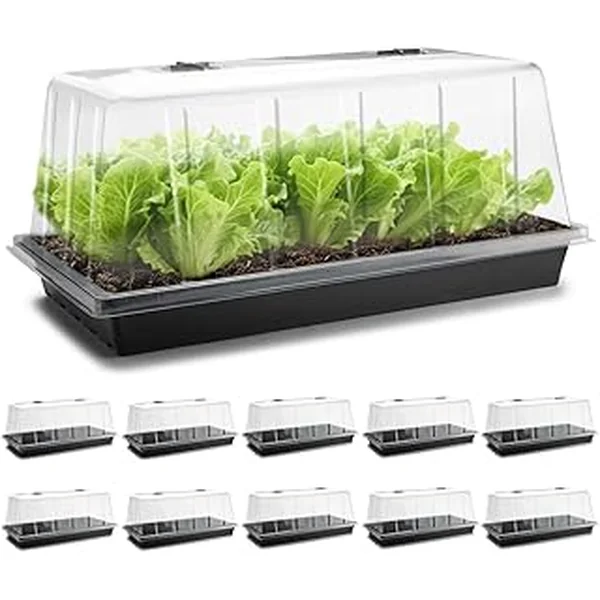
Cover the tray with a clear humidity dome or tent loosely with a clear plastic bag held off the leaves with small stakes. Aim for 80–90% humidity inside.
Place in bright indirect light at 18–21°C (65–70°F). An east-facing windowsill, a bright north-facing sill, or an indoor grow light on a 14-hour cycle all work well. Avoid direct afternoon sun, which overheats the dome and wilts the cuttings.
Ventilate for 5 to 10 minutes every 2 days to prevent grey mould (Botrytis).
6. Wait and check
After 2 weeks, gently tug a cutting. If it resists, roots are forming. If it slides out cleanly, give it another week.
Most softwood fuchsia cuttings are well-rooted at 4 weeks: roots 3–5 cm (1–2 in) long with side branching visible.
Hardwood method
Hardwood fuchsia cuttings follow the same basic steps but with a few differences:
- Take 10–15 cm (4–6 in) stems of firm, current-season wood in late autumn. The stem should be noticeably firmer than softwood — it bends without snapping but does not feel soft.
- Strip the lower half of leaves, keeping 2–3 pairs at the top.
- Rooting hormone is more important here — dip the cut end in gel hormone for best results.
- Insert into a gritty, free-draining mix: 50% perlite to 50% compost works well. Hardwood rots more easily in heavy, wet compost.
- Cover with a humidity dome and keep at a cooler temperature: 15–18°C (59–65°F) is adequate. A cool greenhouse, unheated conservatory, or cold frame suits hardwood cuttings better than a warm indoor windowsill.
- Allow 6 to 10 weeks for rooting. Check by tugging gently after 6 weeks.
Hardwood cuttings will not have visible root growth from above the surface — new leaf buds breaking at the tip is your sign that the cutting has rooted and is ready to transplant.
Rooting hormone: is it worth it?
For softwood fuchsia cuttings, rooting hormone is useful but not essential — fuchsia softwood roots freely without it in good conditions. Expect roots in 2–4 weeks either way, but hormone typically shaves 5–10 days off that window and raises success rate from roughly 70% to closer to 90%.
For hardwood cuttings, hormone is strongly recommended. The woody stem has fewer rooting initials than softwood and needs extra chemical encouragement to begin root development.
Gel vs powder: Gel hormone adheres more evenly to the stem and is less likely to be washed off by watering. Powder works well if you let the cut surface dry for 1–2 minutes first. Both are effective.
IBA (indole-3-butyric acid) is the active ingredient to look for — it’s the standard auxin used in commercial cutting production and is widely available in home-garden formulations.
Why a humidity dome matters
Fuchsia cuttings have no roots yet — they cannot draw water from the growing medium. All moisture regulation happens through the leaves, and fuchsia leaves have large surface areas that lose water rapidly.
Without a humidity dome, cuttings wilt within hours, never recover, and fail before rooting can begin. With a dome at 80–90% humidity, the cutting loses almost no water and can focus all available energy on root development.
If you don’t have a purpose-built propagation tray with a dome, a clear plastic bag secured over a pot with an elastic band works equally well. The key is that the plastic does not touch the leaves — use small sticks or canes as a tent frame.
Misting the inside of the dome lightly every 2 days (not the cutting itself) tops up humidity without waterlogging the compost.
Transplant timing
Transplant too early and the tiny roots are damaged before they can establish. Transplant too late and the roots circle the cell, become pot-bound, and suffer transplant shock.
The right moment is when:
- The tug test produces clear resistance
- Roots are visible through the cell base (3–5 cm / 1–2 in long)
- Side root branching has begun
This is typically 4 weeks for softwood, 8 weeks for hardwood.
How to transplant:
- Pot into 8–10 cm (3–4 in) pots with drainage holes, filled with general-purpose potting mix.
- Make a deep hole and lower the cutting in so the roots sit naturally — don’t force or bend them.
- Backfill gently, firm, and water until drainage runs clear.
- Keep the dome on for the first 3 to 4 days after potting to ease the transition.
- Remove the dome gradually — crack it open for increasing periods over days 4 to 7.
- Once acclimatised to open air, move to a bright spot and begin regular care.
Use the free Tazart plant care app to set a propagation check reminder at 14 days and a transplant reminder at 4 weeks — useful when you’re running multiple batches of cuttings at once.
Troubleshooting
| Symptom | Likely cause | Fix |
|---|---|---|
| Cutting wilts and collapses within 24 hours | No humidity dome, or dome not sealing | Seal the dome; mist inside lightly; ensure no direct sun heating the enclosure |
| Stem turns black at the base (basal rot) | Compost too wet, or cutting taken from flowering stem | Reduce watering; improve drainage with perlite; choose non-flowering tip shoots only |
| No roots after 5 weeks (softwood) | Room too cold (below 15°C / 59°F), or cutting from too-hard stem | Move to warmer spot; re-take cuttings from soft new growth |
| Leaves drop but stem stays green | Normal moisture-stress response during rooting | Keep humidity high; do not remove the cutting — check for roots with a gentle tug |
| Grey mould (Botrytis) forming on leaves | Insufficient ventilation inside dome | Ventilate for 10 minutes every day; remove any mouldy leaves immediately |
| Roots formed but plant wilts after transplanting | Transplant shock from sudden humidity drop | Replace dome for 3–4 days post-transplant; ease it off gradually |
| Cutting produces new leaves but no visible roots | Normal for hardwood — new shoots precede visible roots | Trust the process; wait another 2 weeks before retesting |
Care after transplanting
Once your fuchsia cuttings are potted up and acclimatised, care is straightforward.
For a complete reference on keeping fuchsia blooming through summer, overwintering, and managing the pinching cycle on established plants, the fuchsia plant care guide covers everything that comes after the rooted cutting stage.
| Task | When |
|---|---|
| Water | When the top 2 cm (0.75 in) of compost feels dry — roughly every 3–5 days indoors |
| Light | Bright indirect light; some direct morning sun is beneficial. Avoid hot afternoon sun |
| Feed | Begin half-strength liquid fertilizer 4 weeks after potting; switch to high-potash feed when buds form |
| Pinch out | Pinch the growing tip once or twice in the first 4 weeks to encourage bushiness |
| Temperature | Keep above 5°C (41°F); most cultivars prefer 10–21°C (50–70°F) during active growth |
Related reading
- Azalea plant care — another acid-loving flowering shrub; the pruning-window logic is similar to managing fuchsia after flowering.
- How to plant hydrangeas in the ground — if you’re building out a mixed flowering border alongside your propagated fuchsias.
- Begonia care — begonias are another excellent cutting candidate with a similar humidity-dome propagation method.
Track your fuchsia cuttings’ rooting progress, watering schedule, and transplant dates with the free Tazart plant care app. Set two reminders: a 14-day root-check alert and a 4-week transplant prompt — useful across a whole tray of cuttings.
A note on conditions
Results vary by variety, season, room temperature, and light quality. Trailing fuchsias (Fuchsia magellanica types) often root faster than large upright cultivars. Early spring cuttings taken as the plant wakes from dormancy root quicker than late-summer cuttings from a plant that is already winding down. Use these timings as a starting point and watch what your cuttings tell you — a tray that roots in 12 days in a warm April is not unusual.
Highly recommended
The supplies that make this guide work


Tazart is an Amazon Associate — we earn from qualifying purchases at no extra cost to you. Thank you for helping us keep these guides free.
Frequently asked questions
How long does it take fuchsia cuttings to root?
Softwood tip cuttings taken in spring or summer typically show first roots in 14 to 21 days at 18–21°C (65–70°F) in moist potting mix. By 4 weeks, roots are usually well-developed enough to transplant. Hardwood cuttings taken in late autumn root more slowly — allow 6 to 10 weeks. Cold rooms below 15°C (59°F) significantly slow rooting on both types.
Can you propagate fuchsia in water?
Yes, but moist potting mix or a mix of perlite and compost is more reliable. Water propagation works — submerge only the bare stem (1–2 nodes) in a small jar of clean room-temperature water and change it every 5 days. Roots form in 3–5 weeks, then pot up carefully. The risk with water is that water-adapted roots can struggle to transition to soil, so pot up early when roots are just 2–3 cm (1 in) long.
When should I take fuchsia cuttings?
The best time is spring to early summer (April to June in the northern hemisphere) when the plant is producing soft, actively growing shoot tips — these are softwood cuttings and root fastest. A second window opens in late autumn (October to November) after the plant has finished flowering, when semi-ripe or hardwood material is available. Avoid midsummer when stems are already hardening and the plant is stressed by heat.
Do fuchsia cuttings need rooting hormone?
Rooting hormone is optional but genuinely helpful. Fuchsia is a moderate rooter — it will form roots without hormone, but dipping the cut end in rooting hormone gel or powder typically speeds rooting by 5 to 10 days and increases the percentage of cuttings that succeed. It matters most for hardwood cuttings, which root more reluctantly than softwood. Gel formulations tend to coat the stem more evenly than powder.
When can I transplant rooted fuchsia cuttings?
Transplant once roots are at least 3–5 cm (1–2 in) long with visible side branching, which is usually 4 weeks for softwood cuttings. A reliable test: gently tug the cutting — if it resists, roots have formed. Don't wait too long; overcrowded roots in a propagation cell circle and become pot-bound before establishing well. Pot into 8–10 cm (3–4 in) pots of general-purpose potting mix with added perlite.
What is the difference between softwood and hardwood fuchsia cuttings?
Softwood cuttings come from the soft, flexible green shoot tips in spring and early summer. They root quickly (2–4 weeks) but wilt easily and need a humidity dome to prevent desiccation. Hardwood cuttings come from firm, woody stems in late autumn after flowering. They root more slowly (6–10 weeks) but are more robust and can tolerate slightly drier conditions. Both methods are effective; softwood is preferred for speed.
Why are my fuchsia cuttings wilting and dying?
The most common cause is moisture loss — fuchsia cuttings have soft leaves that lose water quickly before roots form. Make sure you're covering the cuttings with a clear humidity dome or plastic bag to hold 80–90% humidity. Other causes: stems cut from flowering shoots (take non-flowering tips only), cutting too long (over 10 cm / 4 in), soggy waterlogged compost, or a room that is too warm above 24°C (75°F). Strip all flower buds before propagating.