Houseplants
How to Propagate Begonia (Leaf, Stem, and Rhizome Methods)
Propagate begonia from leaf cuttings, stem cuttings, or rhizome divisions. Step-by-step rooting in water or moist mix with timings, humidity tips, and troubleshooting.
On this page
- Quick answer
- Begonia types and which method to use
- Method 1: stem cuttings (cane and wax begonias)
- Method 2: leaf cuttings (rex and rhizomatous begonias)
- Watch: begonia propagation video guide
- Method 3: rhizome division
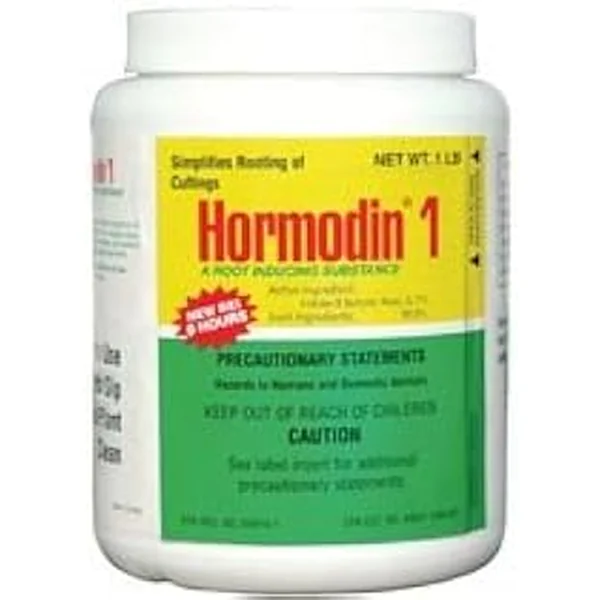
- Rooting hormone: when it matters
- Why a humidity dome matters
- Common mistakes
- Troubleshooting
- Care after transplanting
- Related reading
- A note on conditions
Watch the visual walkthrough
How to Propagate Begonias from leaves and stem cuttings
How to take begonia cuttings to propagate cane begonias like the Begonia Maculata or Begonia Polka Dot, and rhizomatous ones ...
Begonias are one of the most generous houseplants for free new plants. A single rex begonia leaf can produce six or more new plantlets, a wax begonia stem cutting roots in a glass of water on the kitchen windowsill, and a rhizome division turns one mature plant into three or four overnight.
Different begonia types use different methods, but the underlying principles — clean cut, moist medium, high humidity, warm room — stay the same. This guide covers leaf cuttings (best for rex and rhizomatous types), stem cuttings (best for cane and wax begonias), and rhizome division for established plants.
Quick answer
Take a non-flowering 10–15 cm (4–6 in) stem cutting from a cane or wax begonia, strip the lower leaves, and root in a jar of clean water or a tray of moist seed-and-cutting compost. For rex begonias, slice a healthy leaf into triangular vein-bearing wedges and press each one vein-side-down into moist propagation mix. Cover with a clear humidity dome at 21–24°C (70–75°F). Stem cuttings root in 2–4 weeks; leaf wedges form plantlets in 6–10 weeks.
Begonia types and which method to use
Begonia is a huge genus with three main propagation groups, and choosing the right method matters more than the technique itself.
| Begonia type | Best method | Time to roots | Time to transplant |
|---|---|---|---|
| Cane (e.g. Angel Wing, Dragon Wing) | Stem cuttings in water or soil | 2–3 weeks | 3–4 weeks |
| Wax (Begonia semperflorens) | Stem cuttings in water or soil | 2–3 weeks | 3–4 weeks |
| Rex (Begonia rex-cultorum) | Leaf wedge or whole-leaf vein cuts | 3–4 weeks (roots) / 6–10 weeks (plantlets) | 8–12 weeks |
| Rhizomatous (e.g. Iron Cross) | Rhizome division or leaf cuttings | 3–6 weeks | 6–8 weeks |
| Tuberous | Tuber division in early spring | N/A — plant directly | Same season |
If you are unsure which type you have, the simplest test is the stem: cane and wax begonias have visible upright stems, rex begonias grow from a fleshy rhizome with no real upright stem, and tuberous begonias grow from a flat brown tuber that becomes dormant in winter.
For a beginner, a wax or cane begonia stem cutting in water is the most reliable starting point — the kind of cutting that roots almost regardless of effort.
Method 1: stem cuttings (cane and wax begonias)
This is the easiest method and works in either water or soil. Spring and early summer give the best results because the parent is actively growing and the cuttings root in the warmest conditions.
1. Take the cutting
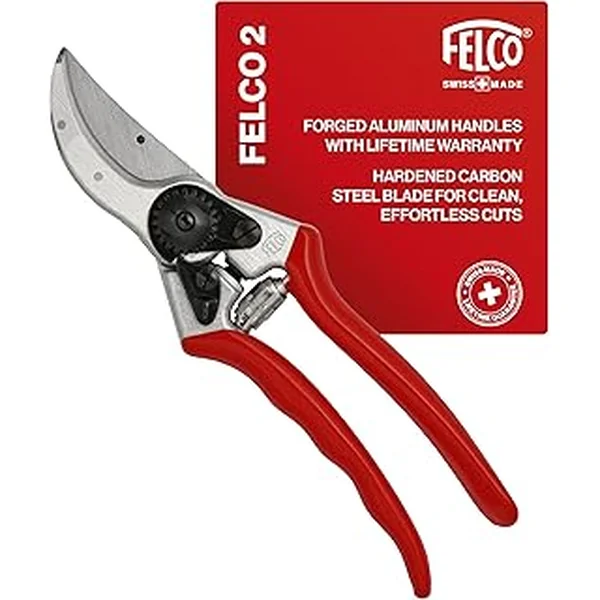
With clean, sharp bypass pruning shears, cut a non-flowering shoot 10–15 cm (4–6 in) long, just below a leaf node. Each cutting needs at least 2–3 leaf nodes — the lower one will become the rooting zone.
If the parent plant is in flower, choose a side-shoot that has not yet bolted. Flowering stems divert energy to blooms instead of roots.
2. Strip the lower leaves
Snap or snip off the bottom two leaf pairs cleanly, leaving a 2–3 cm (1 in) bare section at the base. Pinch off any flower buds. The cutting should be left with one or two pairs of healthy green leaves at the top.
3. Choose water or soil
For water: drop the cutting into a small jar of clean room-temperature water, with the bare stem submerged but the leaves above the rim. Place on a bright windowsill out of direct sun. Change the water every 5 days. Roots appear in 2–3 weeks.
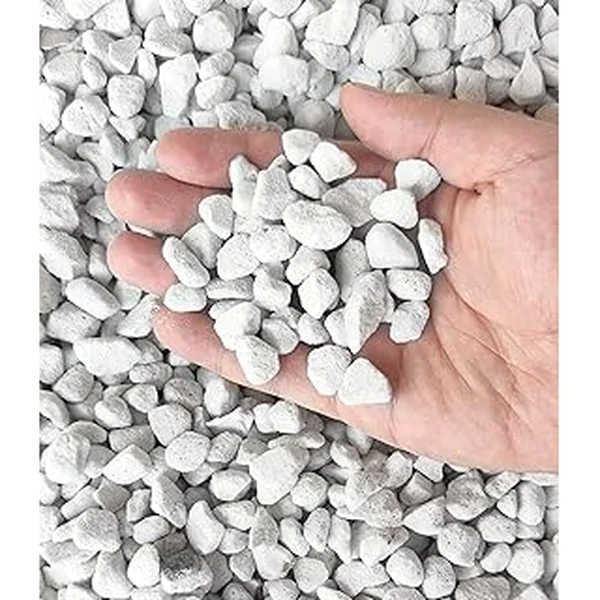
For soil: dip the cut end in rooting hormone gel (optional), make a pilot hole with a pencil in a small pot of moist seed-and-cutting compost or a 50:50 perlite-peat mix, and insert the cutting 3–5 cm (1–2 in) deep. Firm gently. Cover with a clear humidity dome or plastic bag.
Either method works. Soil cuttings settle into normal growth slightly faster after potting up because their roots are already adapted to compost; water cuttings are more visually satisfying because you can watch the roots grow.
4. Pot up at 3–5 cm (1–2 in) of root
Once roots are 3–5 cm (1–2 in) long with visible side branching, pot into an 8–10 cm (3–4 in) pot of light, free-draining houseplant compost. Water in and keep the humidity dome on for 3–4 days post-transplant to ease the transition.
Method 2: leaf cuttings (rex and rhizomatous begonias)
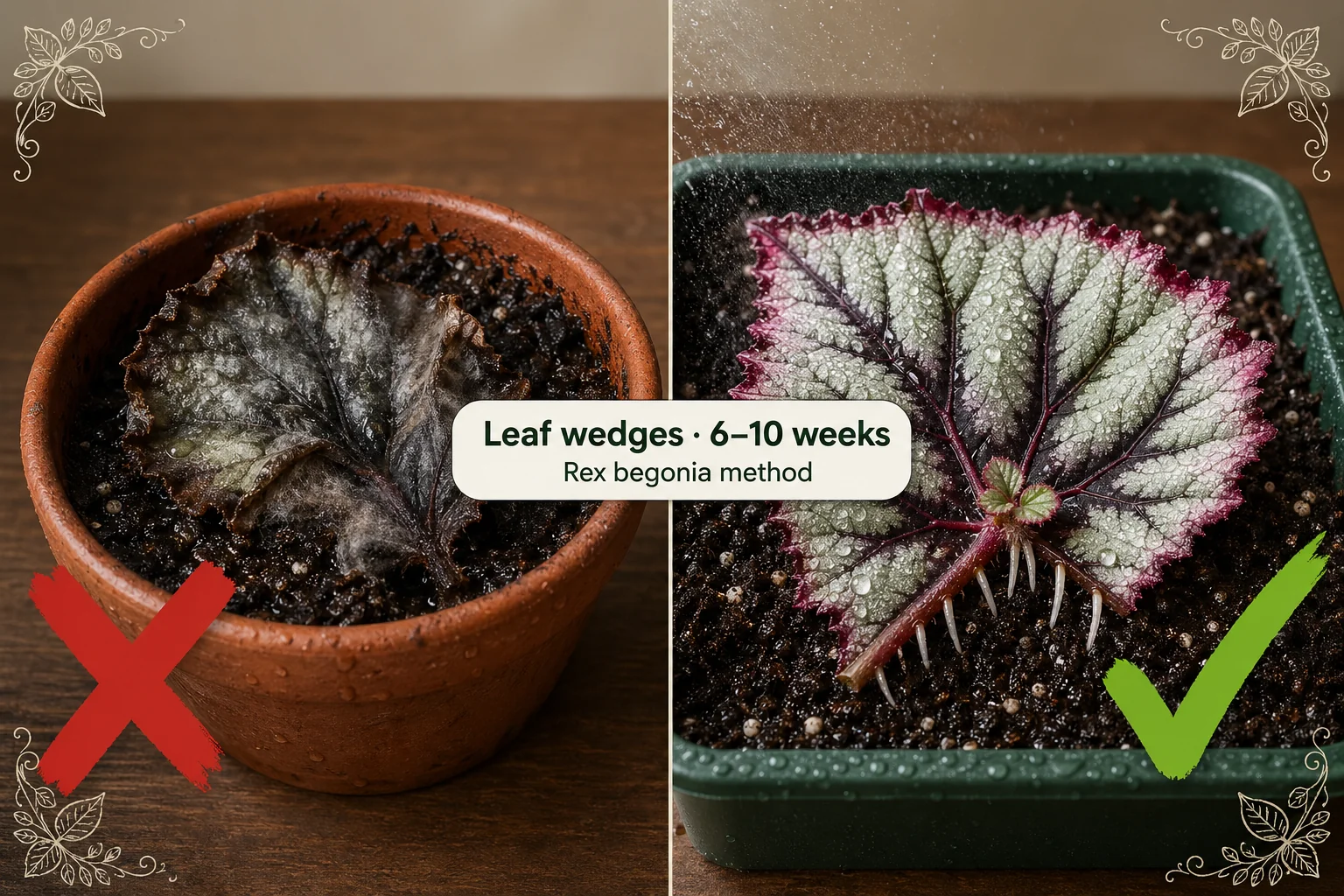
Rex begonia leaves are propagation gold — a single mature leaf can produce six to ten new plantlets if the cuts are made correctly. There are two reliable techniques.
Wedge method (easiest)
- Cut a healthy mature leaf from the plant with 2–3 cm (1 in) of stem still attached.
- Lay the leaf flat on a clean cutting board, underside up.
- Slice the leaf into triangular wedges, each containing a clear central vein running from the cut vein to the leaf edge. A typical mature leaf yields 4–6 wedges.
- Dip the cut vein of each wedge in rooting hormone gel.
- Press each wedge vein-side-down halfway into a tray of moist seed-and-cutting compost or 50:50 perlite-peat mix. The wedge should stand upright at a slight angle.
- Cover with a humidity dome at 21–24°C (70–75°F).
Roots emerge from the cut vein at the bottom in 3–4 weeks. Tiny plantlets form at the cut vein in 6–10 weeks, each one with its own roots and first true leaves.
Whole-leaf vein method
- Cut a mature leaf with stem attached.
- Turn the leaf upside-down and slash across the major veins on the underside, making 5–7 cuts about 2 cm (0.75 in) apart. Each cut should sever the vein cleanly.
- Place the leaf flat on moist propagation mix, vein-side-down. Pin in place with bent paper clips or small wire pins.
- Cover with a humidity dome at 21–24°C (70–75°F).
Plantlets form at each severed vein. This method produces more plantlets per leaf than the wedge method but is fussier to keep flat.
Watch: begonia propagation video guide
A video walkthrough pairs especially well with rex begonia leaf cuttings — seeing the angle of the wedge and the depth of insertion is much clearer in motion than in still photos.
This visual guide complements the steps above and is worth watching before you take your first cuts.
Method 3: rhizome division
For established rhizomatous begonias (Iron Cross, beefsteak begonia, and many rex hybrids grown from a creeping rhizome), division is the fastest way to produce mature new plants.
- Unpot the parent in early spring, just as new growth begins.
- Gently brush off excess soil so you can see the rhizome.
- With a clean knife, cut the rhizome into sections, each with at least one growing point and several roots.
- Dust the cut surfaces with rooting hormone or cinnamon powder to discourage rot.
- Pot each section into a fresh 10–15 cm (4–6 in) pot of light, free-draining houseplant compost. The rhizome should sit on the surface, half-buried, not deeply planted.
- Water lightly and keep at 21°C (70°F) in bright indirect light.
Each division should be growing strongly within 4 to 6 weeks. The advantage over leaf cuttings is that you skip the long juvenile phase — every division is already a mature plant.
Rooting hormone: when it matters
| Method | Hormone needed? |
|---|---|
| Cane/wax stem cuttings in water | No — water rooting works fine without |
| Cane/wax stem cuttings in soil | Optional — speeds rooting by 5–10 days |
| Rex leaf wedges | Strongly recommended — raises success from ~60% to ~85% |
| Whole-leaf vein cuts | Optional — useful if your home is below 21°C (70°F) |
| Rhizome division | Optional — dust cut surfaces to seal them |
Use a gel formulation containing IBA (indole-3-butyric acid). Gel sticks to the cut surface better than powder and is less likely to wash off when you water in.
Why a humidity dome matters
Begonia cuttings — and especially rex leaf wedges — have no roots yet. They cannot replace water lost through the leaves, so the only way to keep them turgid is to slow that loss to almost zero. A clear plastic dome at 80–90% humidity does exactly that.
Without a dome, leaf wedges desiccate within 24 hours and never recover. Stem cuttings in water are the exception — they sit with their bare stem submerged so water loss is constantly replaced from below.
If you don’t have a propagation tray with a fitted dome, a clear plastic takeaway box, a glass cloche, or a clear plastic bag tented over a pot with sticks all work. The plastic must not touch the leaves — condensation transferred to the leaf surface is a fast route to rot.
Ventilate for 5 to 10 minutes daily to prevent grey mould (Botrytis), which thrives in stagnant humid air.
Common mistakes
- Cutting from a flowering shoot. Energy goes to blooms instead of roots. Pick non-flowering side shoots, or pinch off all buds before propagating.
- Soggy compost. Begonia cuttings need a moist medium, not a wet one. The mix should feel like a wrung-out sponge — damp to touch, no water dripping when squeezed.
- Cold rooms. Below 18°C (65°F), rooting slows dramatically. A heat mat under the propagation tray (set to 21–24°C / 70–75°F) makes a noticeable difference, particularly in spring before central heating warms cooler rooms.
- Direct sun on the dome. A dome in full sun overheats fast — leaves cook, condensation pools, and cuttings collapse. Bright indirect light only.
- Skipping the daily ventilation. Closed domes for 7+ days breed grey mould. Open daily for 5–10 minutes; remove any mouldy leaves immediately with a sterile blade.
- Transplanting too early. Wait until roots are 3–5 cm (1–2 in) long with side branching. A single thread of root is not enough to support an unenclosed cutting.
Troubleshooting
| Symptom | Likely cause | Fix |
|---|---|---|
| Stem turns black at the base (basal rot) | Compost too wet, or cutting taken from flowering stem | Reduce watering; improve drainage with perlite; choose non-flowering shoots |
| Leaf wedge curls and goes brown | Dome too hot in direct sun, or wedge inserted too shallow | Move out of direct sun; press wedge vein in firmly to half its height |
| No roots after 5 weeks (stem cutting) | Room too cold (below 18°C / 65°F) | Move to a warmer spot or use a heat mat at 21–24°C (70–75°F) |
| Grey fuzzy mould on leaves | Insufficient ventilation | Vent dome 5–10 minutes daily; remove mouldy leaves with a sterile blade |
| Whole leaf rots before plantlets form | Leaf left flat on waterlogged mix; veins not cut deep enough | Use a 50:50 perlite-peat mix; cut veins fully through; pin leaf flat above mix |
| Roots in water but plant wilts after potting | Water-roots not adapted to soil | Pot earlier (roots at 2–3 cm / 1 in); keep dome on for 4 days post-transplant |
| Cutting produces flowers but no roots | Energy diverted from rooting | Pinch off all flower buds; keep going — flowers in propagation are a delay, not a fail |
Care after transplanting
Once your new begonias are potted up and their domes have been gradually removed over 4–7 days, regular care is straightforward:
| Task | When |
|---|---|
| Water | When the top 2 cm (0.75 in) of compost feels dry — roughly every 5–7 days indoors |
| Light | Bright indirect light. Rex begonias prefer slightly lower light than canes; both burn in direct hot sun |
| Humidity | 50–60% is ideal; rex begonias appreciate a pebble tray or grouped plants |
| Feed | Half-strength balanced liquid fertilizer every 2–3 weeks during active growth |
| Temperature | Keep above 13°C (55°F); most cultivars prefer 18–24°C (65–75°F) |
Track each new begonia’s watering schedule and the next feed window with the free Tazart plant care app — useful when you have a tray of fresh propagations on different timelines.
Related reading
- Begonia care — full comparison of wax, rex, and tuberous begonia care after your propagated cuttings have established.
- How to propagate a rubber plant — another houseplant where rooting hormone and a humidity dome make a clear difference.
- How to propagate a jade plant — leaf-cutting principles overlap with rex begonia propagation, useful side-by-side reading.
Set a 14-day root-check reminder and an 8–12 week transplant prompt in the free Tazart plant care app — particularly handy when you are running mixed batches of stem cuttings and leaf wedges that root on different timelines.
A note on conditions
Results vary by variety, season, room temperature, light quality, and the age of the parent plant. Cane begonias root markedly faster than rex types regardless of method. Spring and early-summer cuttings root quicker than late-autumn ones because the parent is in active growth. A heat mat under the tray at 21–24°C (70–75°F) often halves rooting time in cool spring rooms. Use these timings as a starting point and watch what your cuttings tell you — a tray of wax begonia stem cuttings rooting in 10 days is not unusual on a warm windowsill in May.
Highly recommended
The supplies that make this guide work

Tazart is an Amazon Associate — we earn from qualifying purchases at no extra cost to you. Thank you for helping us keep these guides free.
Frequently asked questions
How long does it take begonia cuttings to root?
Stem cuttings of cane and wax begonias root in 2–4 weeks at 21–24°C (70–75°F) in moist potting mix or water. Rex and rhizomatous leaf cuttings are slower — first roots appear in 3–4 weeks, but visible plantlets at the cut vein take 6 to 10 weeks. Cool rooms below 18°C (65°F) significantly slow rooting on every begonia type.
Can you propagate begonia in water?
Yes. Cane and wax begonia stem cuttings root very reliably in water — submerge a 10–15 cm (4–6 in) stem with the bottom node bare in a small jar of clean room-temperature water and change it every 5 days. Roots form in 2–3 weeks. Rex begonia leaf cuttings root better in soil than in water because the leaf wedges quickly rot when fully submerged. Pot up water-rooted stems once roots reach 3–5 cm (1–2 in).
How do you propagate a rex begonia from a leaf?
Cut a healthy mature leaf from the parent plant, then either (1) slice the leaf into triangular wedges with a clear central vein in each, or (2) lay the whole leaf flat on moist propagation mix and slash across the major veins on the underside. Press each piece vein-side-down into a tray of moist seed-and-cutting compost, cover with a clear humidity dome at 21–24°C (70–75°F), and tiny new plantlets form at the cut veins in 6–10 weeks.
Do begonia cuttings need rooting hormone?
Rooting hormone is optional but useful. Stem cuttings of cane and wax begonias root reliably without it; expect a 5–10 day speed-up if used. For rex begonia leaf wedges, hormone is more valuable — it raises the success rate from roughly 60% to closer to 85%, particularly on older or thicker leaves. A light dip of the cut vein into rooting hormone gel is the cleanest application. IBA (indole-3-butyric acid) is the active ingredient to look for.
When can I transplant rooted begonia cuttings?
Transplant once roots are at least 3–5 cm (1–2 in) long with side branching. For stem cuttings this is usually 3–4 weeks; for rex leaf wedges, wait until tiny plantlets at the cut vein have 2–3 leaves of their own — typically 8–12 weeks. A reliable test: gently tug the cutting — if it resists, roots have formed. Pot into 8–10 cm (3–4 in) pots of light, free-draining mix.
What is the easiest way to propagate begonia?
For a beginner, the easiest method is a stem cutting from a cane or wax begonia rooted in water. Snip a 10–15 cm (4–6 in) non-flowering stem just below a node, strip the lower leaves, drop into a jar of clean water, and change the water every 5 days. Roots appear in 2–3 weeks and the cutting can be potted up once roots reach 3–5 cm (1–2 in). Rex begonia leaf wedges are more rewarding but slower and need a humidity dome.
Why is my begonia cutting rotting?
The most common cause is a soggy growing medium that holds water around the cut surface. Begonia cuttings need moisture in the air more than in the soil — high humidity from a dome, but a well-drained mix below. Other causes: stem cut from a flowering shoot (energy goes to bloom not roots), a non-sterile blade introducing fungal spores, room temperature below 18°C (65°F), or leaf wedges sitting flat in waterlogged compost. Switch to a 50:50 perlite-and-peat mix and keep the dome ventilated for 5–10 minutes daily.