Flowers
How to Plant Zinnia Seeds in the Ground (Cut-Flower Garden Guide)
Learn how to plant zinnia seeds in the ground — sow 0.6 cm (1/4 in) deep after last frost in soil 18°C (65°F)+, space 15-30 cm (6-12 in), water gently.
On this page
- Quick answer
- When to plant zinnia seeds in the ground
- Why direct sow zinnias instead of starting indoors
- Choosing your zinnia variety
- Soil preparation
- Spacing and depth (the two numbers that matter most)
- Sowing step-by-step
- Watering newly planted zinnia seeds
- Thinning seedlings
- The pinch that doubles your harvest
- Succession sowing for continuous bloom
- Common problems
- Related reading
- A note on conditions
Watch the visual walkthrough
Zinnias: The Perfect Flower to Grow in Your Garden?
Get free seeds, shipping, and returns: https://www.epicgardening.com/greenhouse/ Learn to grow zinnias and add them to your ...
Zinnias are one of the easiest cut flowers to grow from seed in the ground — direct sown, full sun, warm soil, shallow depth, and a daily watering rhythm for the first two weeks. This guide walks you through every step from frost timing to the pinch that doubles your stem count.
Quick answer
Plant zinnia seeds 0.6 cm (1/4 in) deep, 15-30 cm (6-12 in) apart, in full sun, after your last frost when soil reaches 18°C (65°F)+. Don’t soak. Water gently to keep top 2.5 cm (1 in) moist until germination in 5-10 days. Pinch the central stem at 15-20 cm (6-8 in) tall for more flowers per plant.
When to plant zinnia seeds in the ground
Zinnias (Zinnia elegans) are tender annuals from Mexico’s high deserts. They love heat, hate cold, and germinate fast — but only in warm soil.
The hard rules:
- Wait at least 1-2 weeks after your last frost date. A single light frost on emerging seedlings kills them outright.
- Soil temperature at 5 cm (2 in) deep must be at least 18°C (65°F), ideally 21-29°C (70-85°F).
- Overnight air temperatures reliably above 10°C (50°F).
| US region | Typical sow window |
|---|---|
| Gulf Coast / Florida | March – April |
| Mid-South / Southwest | April – early May |
| Mid-Atlantic / Midwest | Mid-May – early June |
| New England / Pacific Northwest | Late May – mid-June |
| Northern Plains / Zone 4 | Early June |
Use an inexpensive soil thermometer at 5 cm (2 in) depth — air warms weeks before soil catches up. Pushing zinnias into cold ground is the most common reason people give up and assume the seed was bad.
Why direct sow zinnias instead of starting indoors
Zinnias have a sensitive taproot. Disturbing the root system during transplanting sets growth back 1-2 weeks — which generally cancels any head start indoor sowing might give you.
For the vast majority of US zones, direct sowing produces stronger, faster-flowering plants than transplants. The only exception is very short-season gardens (Zone 4 and colder) where you may need to start in soil blocks or paper pots that go into the ground intact, root-system undisturbed.
If your growing season is 120+ frost-free days, sow directly. Every time.
Choosing your zinnia variety
Variety choice drives spacing, height, and use:
| Variety type | Height | Best for | Spacing |
|---|---|---|---|
| Dwarf (Thumbelina, Profusion) | 15-30 cm (6-12 in) | Borders, containers | 15 cm (6 in) |
| Mid-size (Lilliput, Persian Carpet) | 45-75 cm (18-30 in) | Mass plantings | 20-23 cm (8-9 in) |
| Cut-flower (Benary’s Giant, Queen Lime, Oklahoma) | 90-120 cm (3-4 ft) | Bouquet stems | 23-30 cm (9-12 in) |
For cut flowers, prioritize the tall varieties — they have the long, sturdy stems florists need. For containers and front-of-bed color, dwarf and mid-size varieties stay neat without staking.
Soil preparation
Zinnias tolerate average soil but reward soil prep with bigger blooms and longer stems.
What zinnias need:
- pH 6.0-7.5 — slightly acidic to slightly alkaline
- Loose, well-draining soil — heavy wet clay rots seeds and stunts roots
- Moderate fertility — too much nitrogen produces foliage at the expense of flowers
How to prepare the bed:
- Work 5 cm (2 in) of finished compost into the top 15-20 cm (6-8 in) of soil.
- If your soil is heavy clay, add coarse perlite, aged bark, or sand to open it up.
- Rake the surface smooth and break up clumps so seeds sit at consistent depth.
- Skip high-nitrogen fertilizer at planting — wait until plants are 15-20 cm (6-8 in) tall before any feeding.
A simple soil test from your local extension office is worth doing if you’ve never tested the bed. Zinnias in soil below pH 6.0 show poor germination and pale lower leaves even with adequate watering.
Spacing and depth (the two numbers that matter most)
Zinnias have two strict rules: shallow planting and adequate spacing.
| Parameter | Measurement |
|---|---|
| Planting depth | 0.6 cm (1/4 in) |
| Spacing within row (cut-flower varieties) | 23-30 cm (9-12 in) |
| Spacing within row (dwarf varieties) | 15 cm (6 in) |
| Row spacing | 45-60 cm (18-24 in) |
| Seeds per station | 2-3 (thin to 1 strong seedling) |
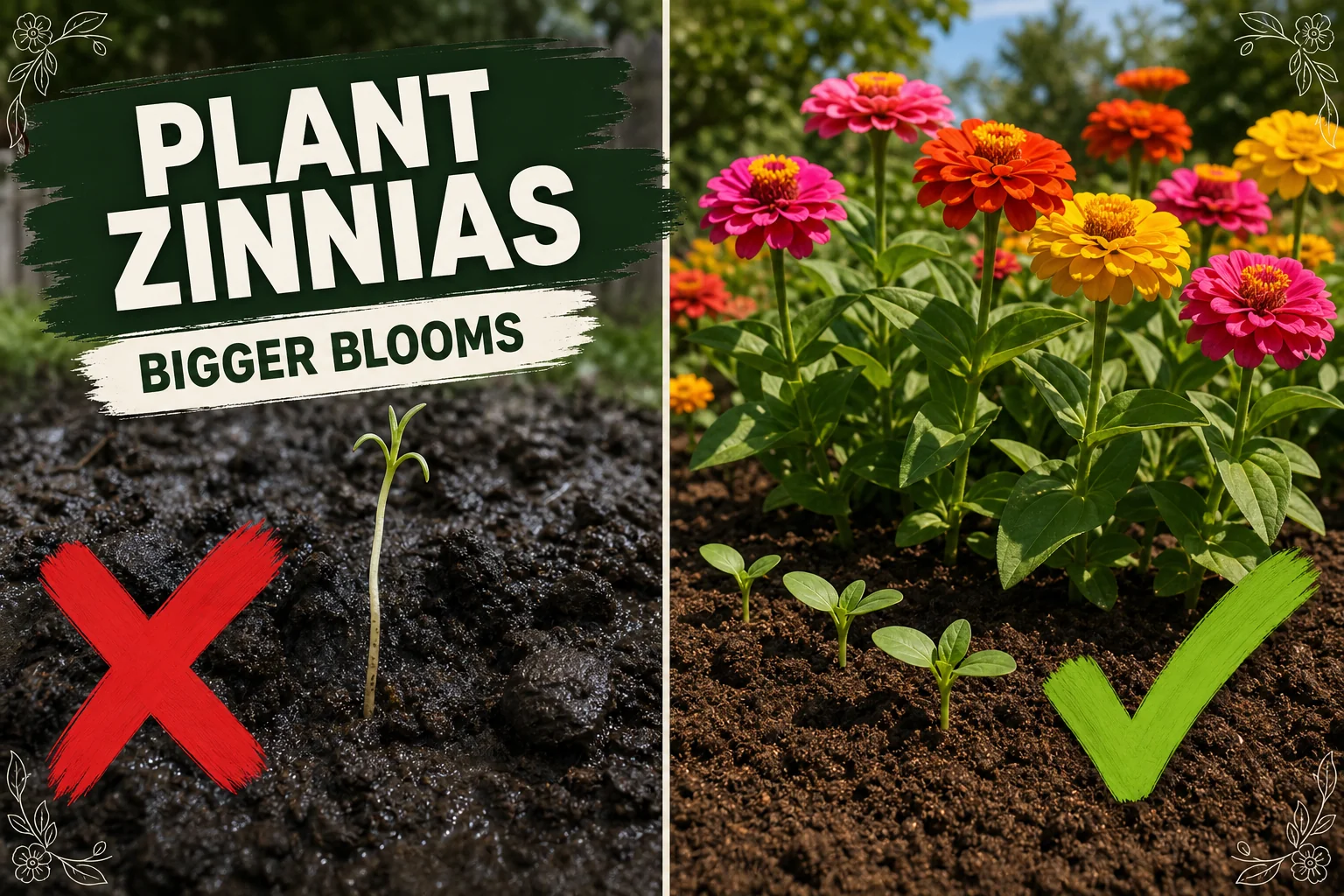
Why 0.6 cm (1/4 in)? Zinnia seeds are flat and lightweight — buried deeper than 1.3 cm (1/2 in) they often rot before they can push through, especially in heavy soil.
Why such wide row spacing? Powdery mildew. Zinnias are notoriously susceptible mid-to-late summer when nights cool. Wide row spacing gives airflow that dramatically reduces disease pressure.
Sowing step-by-step
- Make shallow furrows at 0.6 cm (1/4 in) depth using a dibber, the edge of a board, or your finger.
- Drop 2-3 seeds per station spaced 15-30 cm (6-12 in) apart depending on variety.
- Cover with fine soil or compost — barely a dusting. Firm gently with the back of your hand.
- Water in with a fine rose or mist setting on a hose — never a hard stream that can wash seeds out of position.
- Mark the row so you don’t accidentally weed-pull seedlings before you recognize them. Zinnia true leaves are oval and slightly fuzzy.
Watering newly planted zinnia seeds
The first two weeks are when zinnia plantings succeed or fail.
Until germination (days 1-10):
- Keep the top 2.5 cm (1 in) of soil consistently moist
- In warm weather, light watering every 1-2 days is typical
- Do NOT overwater — soggy soil rots flat seeds
After germination (week 2 onward):
- Switch to deep watering 1-2 times per week
- Aim for 2.5 cm (1 in) total water per week including rain
- Always water at soil level, not overhead — wet foliage in summer heat is the #1 trigger for powdery mildew
A simple soaker hose or drip line at the base of the row makes this routine effortless and cuts disease risk in half.
Thinning seedlings
Once true leaves appear (typically days 14-21), thin to one strong seedling per station. Snip extras at soil level with scissors rather than pulling — pulling can damage the keeper plant’s roots.
This step is non-optional. Crowded zinnias grow tall, thin, and shaded; they fall over in summer storms and produce small flowers on weak stems.
The pinch that doubles your harvest
When plants reach 15-20 cm (6-8 in) tall, snip out the top 2.5-5 cm (1-2 in) of the central stem just above a pair of leaves. This single cut forces the plant to produce 4-6 side branches instead of one main stem, dramatically increasing the number of cuttable flowers per plant.
This works on any cut-flower zinnia variety. You’ll lose 7-10 days of bloom time but gain weeks of additional harvests and far more total stems. Track the Tazart app for a “pinch reminder” that fires when plants hit the target height.
Succession sowing for continuous bloom
A single zinnia sowing peaks for 4-6 weeks before declining. For non-stop flowers from midsummer through frost, sow a fresh row every 2-3 weeks until about 90 days before your average first fall frost.
| Sow date | Peak bloom |
|---|---|
| Late May | Late July – August |
| Mid-June | Mid-August – September |
| Early July | Early September – October (in mild zones) |
Stop sowing when there are fewer than 75 days until first fall frost — later sowings don’t have time to flower before being killed.
Common problems
Seeds didn’t germinate
The most common cause is cold soil. If you sowed when soil was below 18°C (65°F), seeds either rot or sit dormant until conditions improve. Re-check soil temperature, wait for warmer weather, and re-sow into a fresh row.
Secondary causes: planting too deep (more than 1.3 cm / 1/2 in), letting the seedbed dry out completely between waterings, or birds picking exposed seed off the surface.
Leggy seedlings
Tall, thin, pale seedlings = not enough light or sown too thickly. Zinnias need 6-8+ hours of direct sun. Thin aggressively to single seedlings per station and pinch the growing tip at 15-20 cm (6-8 in) to force branching.
Powdery mildew on leaves
White powdery coating on leaves typically appears late summer when nights cool below 18°C (65°F). It rarely kills zinnias but reduces flowering. Prevention: wide spacing, base-level watering, full sun, and removing infected lower leaves promptly. A potassium bicarbonate or neem oil spray can slow active outbreaks.
Aphids on flower buds
Clusters of small green or black insects on new growth. Blast them off with a strong stream of water early in the morning, or spray with diluted insecticidal soap. Ladybugs and lacewings show up within a week or two and clean up the rest naturally.
Few flowers, lots of foliage
Usually too much nitrogen. Skip fertilizer at planting and feed lightly only after the first buds form. If you’re growing in rich vegetable garden soil that’s been heavily amended, zinnias may flower late but eventually pick up.
Related reading
- How to grow cosmos flowers — another heat-loving direct-sown annual that pairs beautifully with zinnias in cut-flower beds.
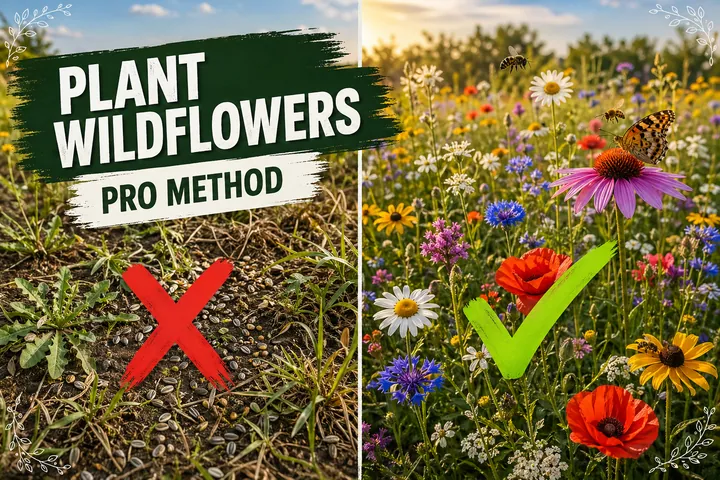
- How to plant wildflower seeds — broader guide to direct sowing native and annual mixes that complement zinnias.
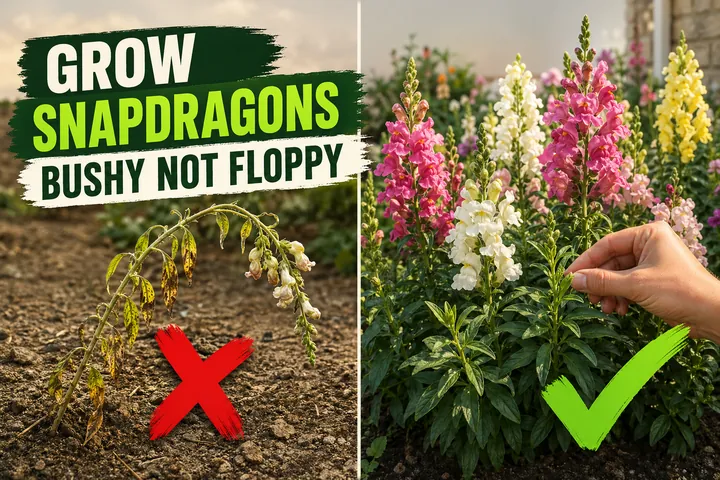
- How to grow snapdragons — cool-season cut flower that takes over before zinnias bloom and overlaps mid-summer.
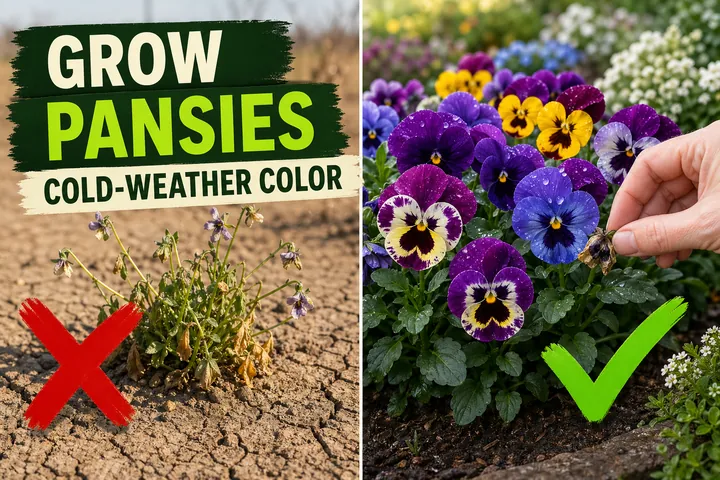
- How to grow pansies — early-season annual that finishes just as zinnia season starts.
- Track your zinnia sowing dates and pinch reminders with the free Tazart plant app — set alerts for soil temperature, succession sowings, and the 15-20 cm (6-8 in) pinch window.
A note on conditions
Zinnia growing conditions vary widely by region, variety, and weather. Soil temperature at sowing time, local humidity, day length, and whether you’re in a humid mildew-prone climate all affect germination speed and disease pressure. Use this guide as your baseline and adjust based on what your seedlings show you in the first 2-3 weeks — that’s how every experienced cut-flower gardener calibrates a season.
Highly recommended
The supplies that make this guide work


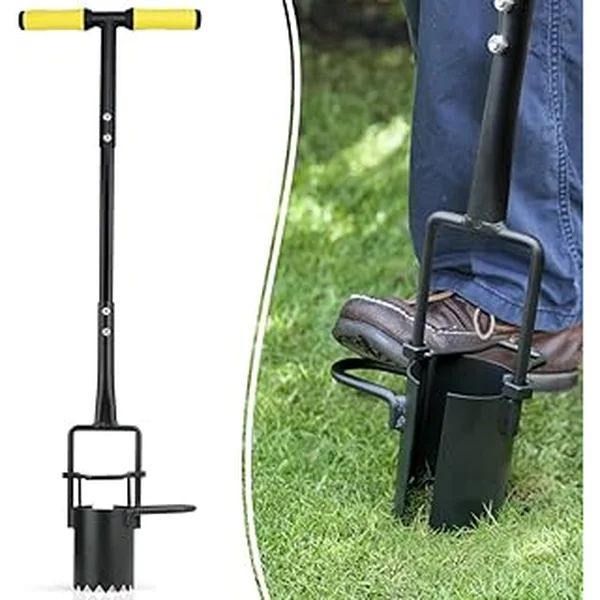
Tazart is an Amazon Associate — we earn from qualifying purchases at no extra cost to you. Thank you for helping us keep these guides free.
Frequently asked questions
How deep do you plant zinnia seeds in the ground?
Plant zinnia seeds 0.6 cm (1/4 in) deep — barely covered. Zinnias are shallow germinators and seeds planted deeper than 1.3 cm (1/2 in) often rot or fail to push through. Sprinkle seed on prepared soil, cover lightly with fine soil or compost, and firm gently with the back of your hand so there's good seed-to-soil contact.
When should I plant zinnia seeds outside?
Plant zinnia seeds outdoors 1-2 weeks after your last frost date, when soil temperature reaches at least 18°C (65°F) and ideally 21-29°C (70-85°F). Zinnias are tender annuals and a single light frost can kill seedlings. Air temperatures should be reliably above 10°C (50°F) overnight as well. In most US zones, that's mid-May to early June.
How far apart should zinnia seeds be spaced?
Space zinnia seeds 15-30 cm (6-12 in) apart depending on variety. Dwarf types like Thumbelina need 15 cm (6 in) spacing; mid-size cut-flower varieties like Benary's Giant or Queen Lime need 23-30 cm (9-12 in). Rows should be 45-60 cm (18-24 in) apart to allow airflow that prevents powdery mildew, which is the main disease problem zinnias face late in the season.
Do zinnia seeds need to be soaked before planting?
No — zinnia seeds do not need to be soaked. Their seed coats are thin and they germinate readily in warm, moist soil within 5-10 days. Soaking can actually cause some seeds to rot before sprouting. Just sow into warm prepared soil, water gently, and keep consistently moist for the first 1-2 weeks until seedlings emerge.
How long do zinnia seeds take to germinate?
Zinnia seeds germinate in 5-10 days in warm soil at 21-29°C (70-85°F). In cooler soil (18-21°C / 65-70°F) it may take 10-14 days. If you don't see emergence by day 14, soil is likely too cold or you've over-watered and the seeds rotted. Wait for warmer conditions and re-sow — seeds are cheap and zinnias germinate fast once soil warms.
Can zinnias be direct sown or do they need to be started indoors?
Direct sowing is the preferred method for zinnias. They have sensitive taproots that resent transplanting — disturbed roots set growth back 1-2 weeks, which often cancels any head start from indoor sowing. The exception is in very short-season climates (Zone 4 and colder) where starting indoors 4 weeks before the last frost in soil blocks or paper pots avoids transplant shock.
Why are my zinnia seedlings leggy?
Leggy zinnia seedlings — tall, thin, pale stems — almost always mean too little light or too much heat without enough sun. Zinnias need 6-8+ hours of direct sun. If sown too thickly, seedlings shade each other and stretch upward. Thin to recommended spacing as soon as true leaves appear, and pinch out the growing tip when plants reach 15-20 cm (6-8 in) tall to encourage branching.
How often should I water newly planted zinnia seeds?
Water newly planted zinnia seeds gently to keep the top 2.5 cm (1 in) of soil consistently moist — not waterlogged — until seedlings emerge. In warm weather that usually means a light watering every 1-2 days. After germination, water deeply 1-2 times per week (about 2.5 cm / 1 in total per week including rain). Always water at the base; wet foliage in heat invites powdery mildew.