Edible
How to Plant Rhubarb (For 10 Years of Pies)
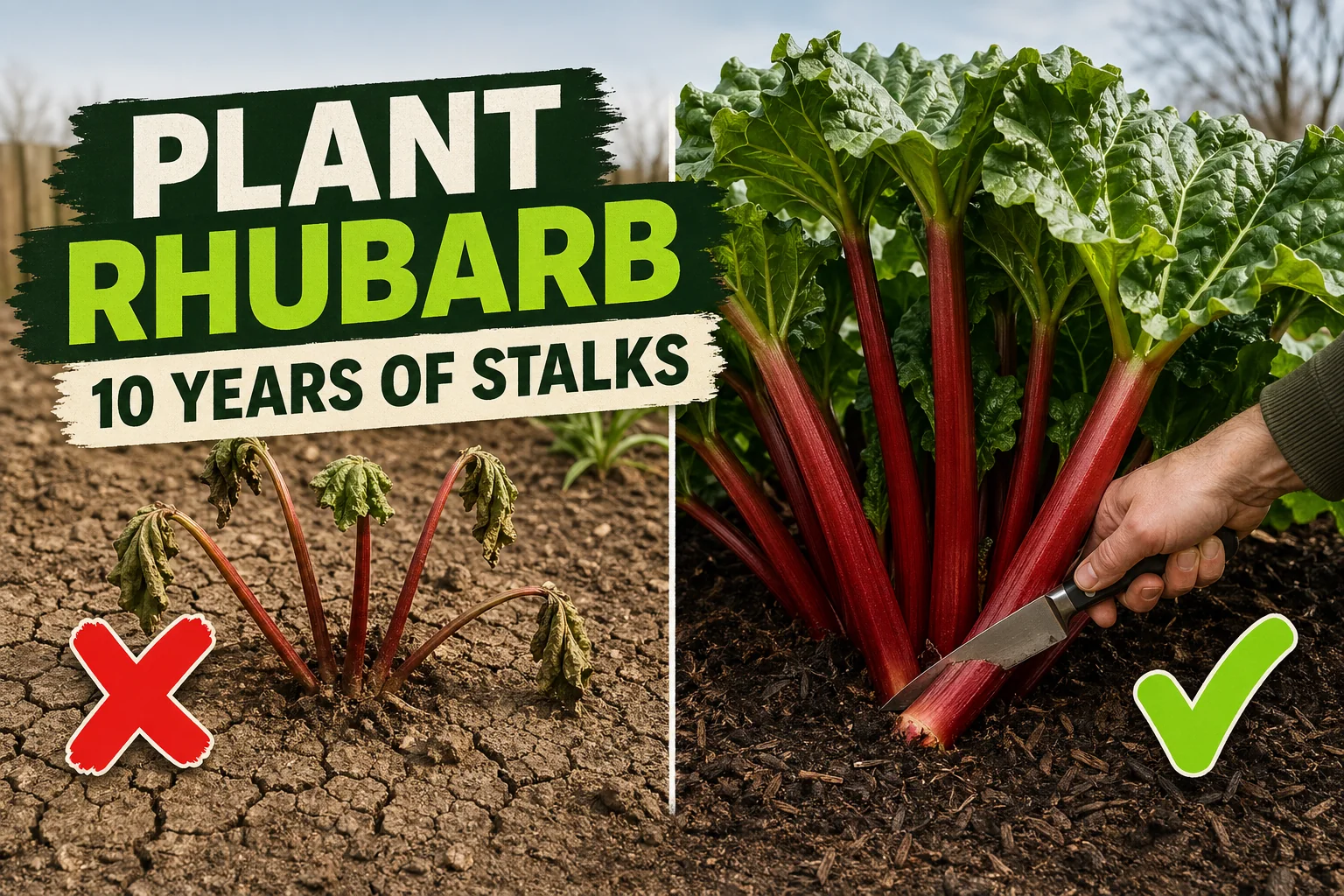
Plant rhubarb the right way — bury crowns 5 cm (2 in) deep in full sun, space 90 cm (3 ft) apart, skip year-1 harvest. A real pie crop for the next 10 years.
On this page
Watch the visual walkthrough
Rhubarb: From Planting To Harvest ❤️ 💚
A short visual walkthrough that pairs with the steps above.
Yes — you can plant rhubarb once and harvest it every spring for the next 10 to 15 years. It’s the longest-lived vegetable in most backyard gardens, and getting the first season right is the entire trick: shallow planting, full sun, cool roots, and zero harvest in year 1.
This guide walks you through it step by step: picking a healthy crown, planting depth, spacing, watering, and exactly when you can finally make that first pie.
Quick answer
Plant dormant rhubarb crowns in early spring, 90–120 cm (3–4 ft) apart, in full sun (6+ hours), with the bud tips sitting just 2.5–5 cm (1–2 in) below the soil surface. Mix a big handful of compost into each hole, mulch with 5–8 cm (2–3 in) of shredded bark, and skip the harvest entirely in year 1. Pull a few stalks in year 2, and harvest fully from year 3 onward — for the next decade.
Pick the right rhubarb variety
Most backyard gardeners only grow one or two crowns, so variety choice matters. The wrong cultivar in the wrong zone gives you skinny green stalks all summer instead of thick red ones in spring.
| Variety | Stalk color | Best zones | Notes |
|---|---|---|---|
| Victoria | Red base, green tips | USDA zones 3–8 | The all-purpose classic — sweetest flavor, biggest stalks, most forgiving. |
| Canada Red | Deep red all the way through | USDA zones 3–7 | Sweeter than most, no peeling needed for pies. |
| MacDonald | Bright red | USDA zones 3–8 | Disease-resistant, great for the pie crowd. |
| Crimson Cherry | Cherry red | USDA zones 4–8 | Compact crown — good in smaller beds. |
| Riverside Giant | Mostly green | USDA zones 3–7 | Huge stalks, milder flavor — pick this one if you want yield over color. |
If you’re north of zone 5 and unsure, plant Victoria. It’s the most reliable backyard rhubarb on the planet.
What you’ll need
- One or more dormant rhubarb crowns (1-year-old bare root is ideal)
- A planting site with full sun — 6+ hours of direct light, with cool morning exposure if possible
- A spade (not a trowel — the holes are wide)
- A bucket of water
- A big handful of compost or aged manure per crown
- 5–8 cm (2–3 in) of mulch (shredded bark, wood chips, or straw)
- A garden fork for loosening compacted soil
That’s the whole list. No fertilizer in the planting hole — concentrated nutrients burn fresh crown buds.
Step-by-step: planting a rhubarb crown
1. Pick a healthy crown
A good 1-year-old rhubarb crown has at least three plump pink growing buds (called eyes), a chunk of fleshy storage root the size of a fist, and no soft, blackened, or moldy spots.
Reject any crown that:
- Feels soft or hollow when squeezed
- Has white fuzzy mold on the buds or roots
- Has shriveled, papery roots with no firm tissue inside
- Already has long pale stalks pushing — those will die back
If you can’t plant the same day, store the crown in damp wood shavings or sawdust at 4–7°C (40–45°F) for up to a week. Don’t soak rhubarb crowns in water like you would a bare-root tree — they rot fast.
2. Pick the spot — and commit to it
Rhubarb sits in the same hole for a decade or more. Choose carefully.
- Full sun: 6+ hours of direct light per day, ideally morning sun and afternoon shade in zones 7+.
- Well-drained soil: rhubarb hates wet feet. Standing water for 2 days = crown rot. If your soil is clay, plant on a 15 cm (6 in) raised mound or in a raised bed.
- Cool root zone: the back of a perennial border, the north side of a garden, or anywhere the soil stays cool in July is perfect.
- Out of the way: the mature plant is 1.2 m (4 ft) wide and 1 m (3 ft) tall — don’t plant it in the middle of an annual bed you’ll be digging up.
3. Dig a wide shallow hole
Dig a hole 30 cm (12 in) wide and 20–25 cm (8–10 in) deep. Loosen the bottom with a fork down to 30 cm (12 in) — rhubarb roots can dive 60–90 cm (24–36 in) over the crown’s life, and compacted subsoil stunts that.
Mix one big handful of compost or aged manure into the backfill pile. Don’t dump fertilizer in the hole — concentrated nitrogen burns fresh buds.
4. Position the crown
Make a small mound of soil in the bottom of the hole. Set the crown on the mound with the buds pointing straight up and the storage root spreading downward. Adjust the height so the bud tips sit 2.5–5 cm (1–2 in) below the final soil line.
This is the single most important step in the whole process. Buried deeper than 5 cm (2 in), the crown rots before it sprouts. Sitting at the surface, the buds dry out and the crown won’t establish. Use a stick laid across the hole as a depth guide if you’re new to this.
5. Backfill and water
Fill the hole with the compost-amended soil. Firm gently with the flat of your hand — just enough that the crown stays put. Don’t stomp it down.
Pour 4–8 L (1–2 gal) of water slowly over the crown. The first watering settles the soil around the buds and signals dormant tissue that it’s safe to start growing. Roots will follow within 10–14 days in 10°C (50°F) soil.
6. Mulch — but keep it off the buds
Spread 5–8 cm (2–3 in) of shredded bark, wood chips, or straw in a 60 cm (2 ft) circle around the crown. Keep the mulch 5 cm (2 in) clear of the bud zone — mulch piled on the buds traps moisture and rots them.
Mulch is non-negotiable in year 1. It keeps the root zone cool through summer, holds spring moisture, and smothers the weeds that would otherwise outcompete a slow-establishing crown.
7. Mark the spot
A dormant rhubarb crown is invisible above ground for the first 3–5 weeks. Push a labeled stake in next to it so you don’t forget where it is and accidentally dig it up while planting tomatoes in May.
First-year care
Year 1 is about building the crown, not making pie. Treat the plant gently and you’ll get a 10-year producer.
| Task | When |
|---|---|
| Water | 4–8 L (1–2 gal) per crown, once a week, all summer if no rain |
| Mulch top-up | Mid-summer if the layer thins below 5 cm (2 in) |
| Cut off any flower stalks | Immediately — they steal energy from root growth |
| Pull stalks for harvest | Don’t. Skip year 1 entirely. |
| Fertilize | One light side-dressing of compost in mid-summer is plenty |
A free plant care app like Tazart can hold the watering and care schedule for you, adjust watering for your local rainfall, and ping you on Apple Watch when the next step is due — useful if you’re managing rhubarb alongside fruit trees and other long-lived perennials.
When and how to harvest
Year 1: zero harvest. Every stalk you pull is energy stolen from root development. If a flower stalk pushes up, cut it off at the base.
Year 2: light harvest. Pull 4–5 of the thickest red stalks total over a 2-week window in late spring. Stop early.
Year 3 onward: real harvest. From May through early July, pull stalks at least 30 cm (12 in) long and as thick as your thumb or thicker. Twist gently at the base and pull sideways — don’t cut with a knife, which leaves a stub that rots back into the crown. Stop harvesting by July 4th in most zones; the crown needs the rest of summer to rebuild for next spring.
Rule of thumb: never take more than half the stalks at any one time, and always leave at least 4 healthy stalks on the crown.
Cut the leaves off immediately. Rhubarb leaves contain toxic oxalic acid — never eat them. Toss the leaves on the compost pile (the oxalic acid breaks down safely) and bring only the stalks into the kitchen.
Common mistakes to avoid
- Planting too deep. Bud tips more than 5 cm (2 in) under the soil = the crown rots before it sprouts. Shallow is right.
- Harvesting in year 1. This is the single biggest reason backyard rhubarb dies young. Wait until year 2.
- Letting it flower. A flower stalk steals enough energy to halve next year’s yield. Cut every flower off the moment you see it.
- Planting in shade. Less than 6 hours of sun = thin pale stalks all summer.
- Wet feet. Rhubarb in heavy clay rots within 2 wet seasons. Plant on a mound or in a raised bed if your soil holds water.
- Eating the leaves. Oxalic acid in rhubarb leaves can cause kidney damage. Stalks only.
- Skipping mulch. Bare soil bakes the crown in July and the plant dies back early. Always mulch.
Troubleshooting
| Symptom | Likely cause | Fix |
|---|---|---|
| Thin spindly stalks all summer | Not enough sun, or harvested too soon | Move to 6+ hours direct sun next dormancy; rest the crown one full season |
| Crown didn’t sprout after 6 weeks | Buried too deep, or rotted in wet soil | Lift carefully, replant on a mound with bud tips just below soil |
| Tall flower stalk shoots up | Heat stress, age, or nutrient shortage | Cut flower at the base immediately; topdress with compost |
| Yellow drooping leaves in midsummer | Heat stress or underwatering | Add mulch; deep water once a week; harvest stops naturally in heat |
| Stalks stay green, never turn red | Variety is naturally green (Riverside Giant) or the plant is in shade | Confirm variety; move to full sun if shaded |
| Brown soft spot at the crown | Crown rot from waterlogged soil | Cut out the rotten section, dust with sulfur, replant on a mound |
| Slugs eating the new shoots | Damp mulch right against the crown | Pull mulch back 5 cm (2 in); set beer traps or copper tape |
Watch: planting a rhubarb crown
A short visual walkthrough pairs well with the steps above. If you’re a visual learner, watch a quick tutorial like How to Plant a Rhubarb Crown on YouTube to see the bare-root prep, hole depth, and the shallow planting in real time, then come back to follow the timing in this guide.
Related reading
- How to plant asparagus roots for a 20-year harvest — the other classic long-lived perennial vegetable, same patient first-year mindset.
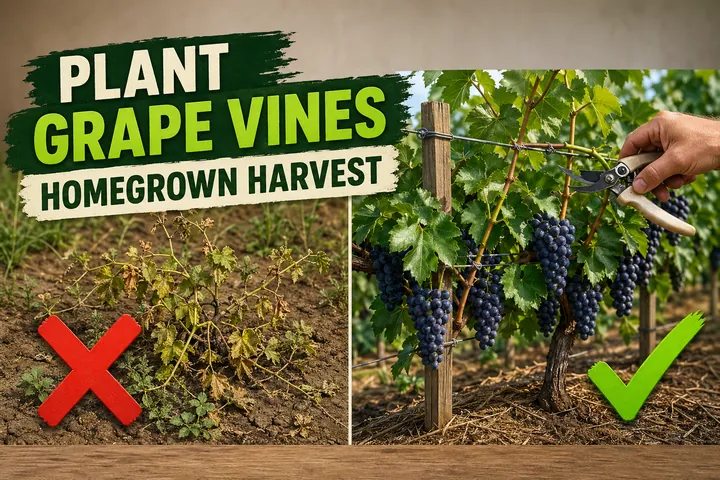
- How to plant grape vines (backyard vineyard starter guide) — same skip-the-first-harvest rule that makes long-lived perennial crops thrive.
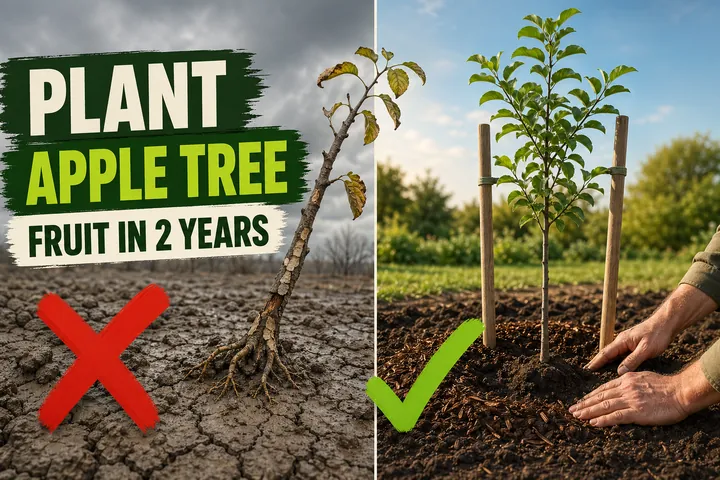
- How to plant an apple tree the right way — the soil prep, full sun, and graft-depth thinking from apple trees applies to rhubarb spacing too.
- Scan the next plant you bring home with the free Tazart plant identifier and let it set up the watering and care schedule for you.
A note on conditions
Every yard is different. Sun hours, soil drainage, summer heat, winter low, and the specific rhubarb variety you chose all change how fast a crown establishes and when the first real pie harvest lands. Use the steps above as a starting point and adjust based on what your crown actually does in season two — that’s how every good grower learns.
Highly recommended
The supplies that make this guide work
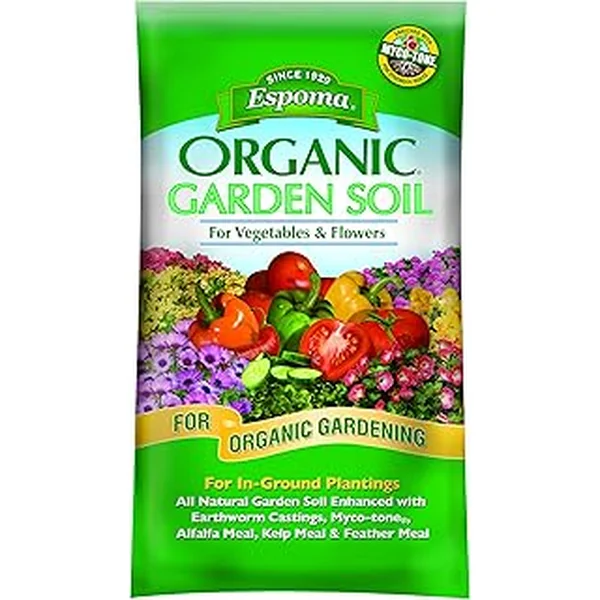
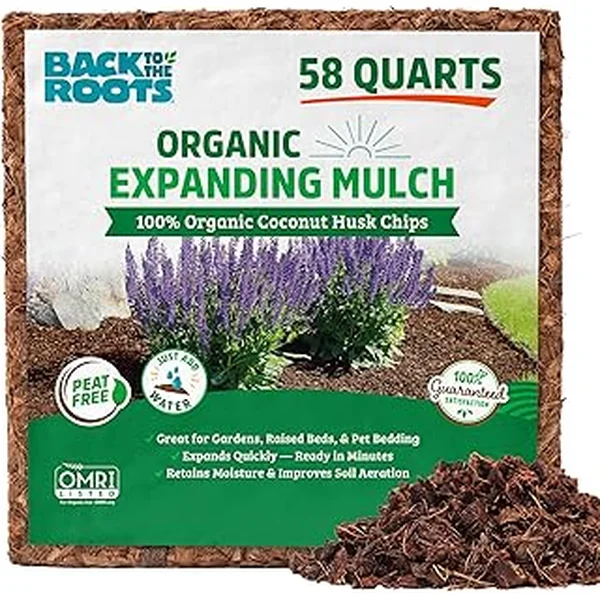
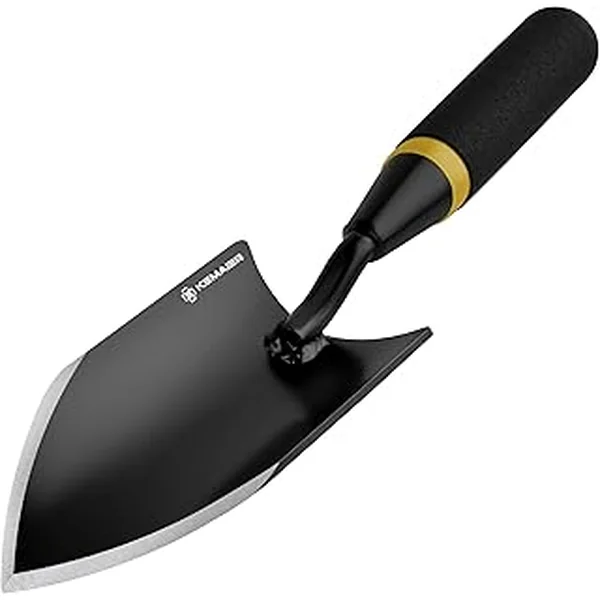
Tazart is an Amazon Associate — we earn from qualifying purchases at no extra cost to you. Thank you for helping us keep these guides free.
Frequently asked questions
When is the best time to plant rhubarb?
Early spring, as soon as the soil is workable and night frosts are mostly done — typically March to early May depending on your zone. Bare-root crowns transplant best while still dormant. Fall planting (September to early October) also works in zones 5+ as long as the crown has 6 weeks to root before the ground freezes.
How deep should I plant a rhubarb crown?
Plant the crown so the buds (the pink growing tips) sit 2.5–5 cm (1–2 in) below the soil surface. Buried any deeper, the crown rots. Sitting on top, it dries out. Make a wide shallow hole 30 cm (12 in) across, settle the crown in, and backfill so just the bud tips peek through when you're done.
How far apart should rhubarb be planted?
Space crowns 90–120 cm (3–4 ft) apart in every direction. Mature rhubarb forms a 1.2 m (4 ft) wide clump and needs the airflow to avoid crown rot. A single plant feeds a household of four. Two plants give you enough for pies, freezing, and a couple of jars of compote each year.
Does rhubarb need full sun?
Yes — at least 6 hours of direct sun per day, and ideally cool morning sun rather than blazing afternoon heat. Rhubarb is a cool-season crop that originated in Siberia. It needs winter cold below 5°C (40°F) for 7–9 weeks to break dormancy, and it sulks in summers above 32°C (90°F). In hot southern zones, give it afternoon shade.
Can you eat rhubarb the first year?
No — skip the year-1 harvest entirely. Every stalk you pull in the first season is energy stolen from root development, and a rhubarb crown that fruits in year 1 often dies in year 2. In year 2 you can pull 4–5 stalks lightly. Year 3 onward, harvest freely from May through early July.
Are rhubarb leaves poisonous?
Yes. Rhubarb leaves contain oxalic acid at toxic levels and should never be eaten. Cut the leafy blade off and compost it the moment you harvest a stalk — the compost pile breaks the oxalic acid down safely. The red-green stalks themselves are perfectly safe and what every pie recipe calls for.