Flowers
How to Plant Ranunculus Bulbs (Soak, Plant, Bloom)
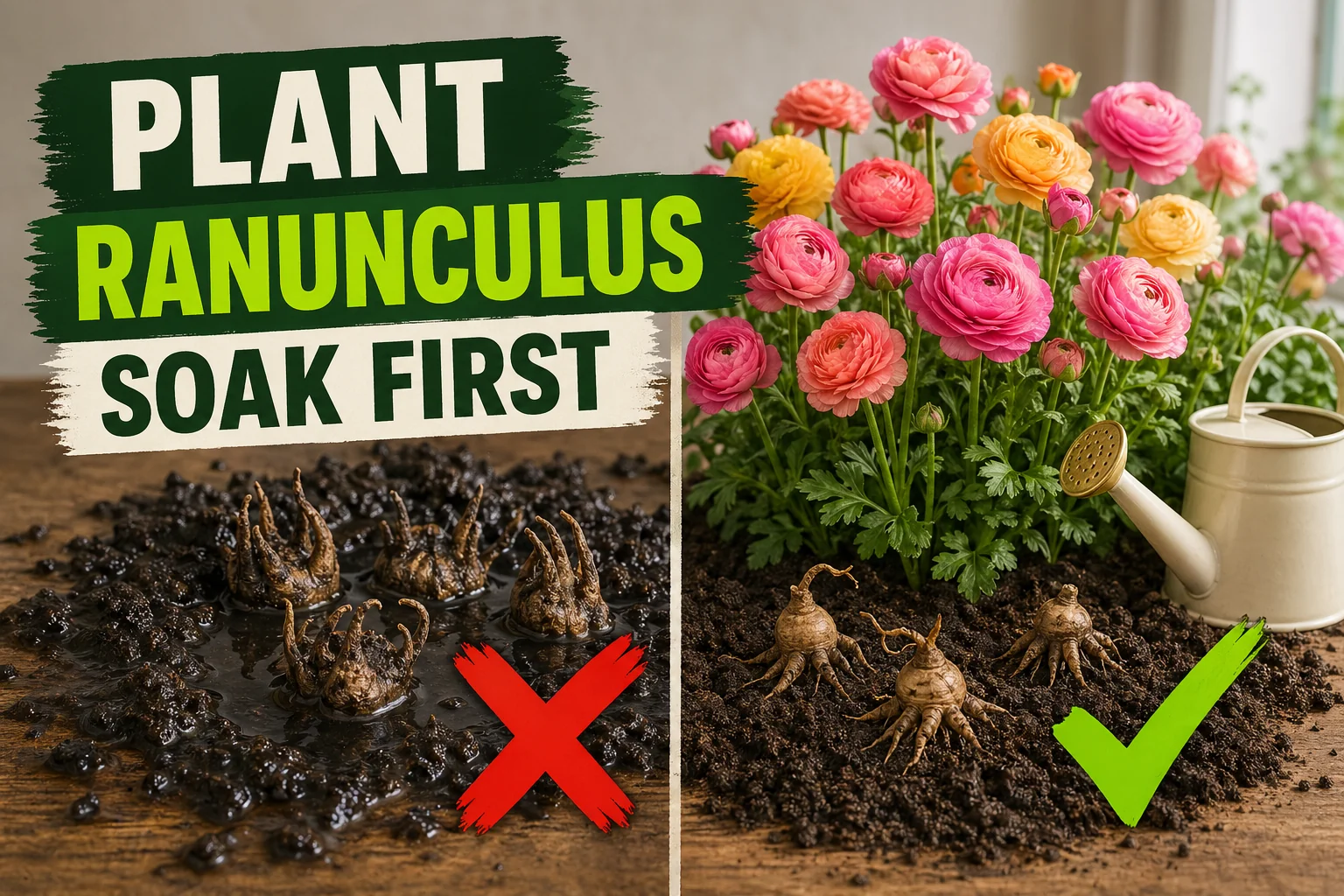
Plant ranunculus corms claws-down, 5 cm (2 in) deep, after a 3–4 hour pre-soak — the exact depth, timing, and chill that turn dry tubers into rose-like blooms.
On this page
- Quick answer
- Are ranunculus bulbs really bulbs?
- Why the soak matters so much
- What you’ll need
- Step-by-step: planting ranunculus corms
- Pre-sprouting (optional, gives 1–2 week earlier blooms)
- Care after planting
- Ranunculus in containers
- Common mistakes to avoid
- Troubleshooting
- Watch: planting ranunculus corms
- Related reading
- A note on conditions
Watch the visual walkthrough
How I Grow Ranunculus (+ Schedule of Planting Dates)! 🌸🙌💚 // Garden Answer
Ranunculus Violet - http://bit.ly/3kkgmpS Ranunculus Tecolote Yellow - http://bit.ly/3H0GC1F Ranunculus Tecolote White ...
If you’ve ever planted ranunculus and ended up with rotted corms or a single sad leaf, the cause is almost always one of three things: no pre-soak, claws planted upside-down, or warm waterlogged soil. Ranunculus are forgiving about variety and colour, but they are strict about hydration, orientation, and cool drainage.
This guide walks through it the way a ranunculus corm actually wants — soaked for 3–4 hours, claws-down, 5 cm (2 in) deep, in cool well-drained soil. Get those four things right and you’ll cut layered, rose-like blooms for weeks.
Quick answer
Soak ranunculus corms (technically tuberous corms) in cool water for 3–4 hours, then plant claws-down at a depth of 5 cm (2 in), spaced 15–23 cm (6–9 in) apart, in full sun and well-drained soil. Plant in fall in USDA zones 8–10 or in late winter/early spring in zones 3–7. Mulch with 3–5 cm (1–2 in) of bark, water once, and the first shoots will emerge in 6–10 weeks.
Are ranunculus bulbs really bulbs?
Strictly speaking, what you plant is a tuberous corm, not a true bulb. Each corm looks like a tiny dried-out octopus — a rounded crown on top and finger-like legs (claws) underneath. The claws are the swollen storage roots, and the crown is where the shoots emerge. Most catalogues sell them as “ranunculus bulbs” because that’s what gardeners search for, but the planting rules are corm rules: claws-down, shallow, and pre-soaked.
Why the soak matters so much
A dry ranunculus corm looks dead. It’s wrinkled, brittle, and weighs almost nothing. Inside, the storage tissue is dehydrated to survive shipping. The 3–4 hour soak does three things:
- Rehydrates the storage tissue, which more than doubles the corm’s size and weight.
- Triggers root initiation in the claws, so root growth starts before the shoot pushes up.
- Cuts 1–2 weeks off the time to bloom compared with planting dry corms.
Don’t soak longer than 4 hours. The corms can’t breathe underwater for long, and over-soaking is the most common reason new growers see early rot.
What you’ll need
- Firm, claw-shaped ranunculus corms (avoid soft, mouldy, or hollow ones)
- A bowl of cool water (room temperature, not warm)
- A sunny spot — at least 6 hours of direct sun
- Well-drained soil; if you have heavy clay, mix in 5 cm (2 in) of coarse compost or grit
- A bulb planter or trowel
- Organic bone meal (a small handful per hole)
- 3–5 cm (1–2 in) of organic mulch (shredded bark or leaf mould)
- A watering can
Step-by-step: planting ranunculus corms
1. Soak the corms for 3–4 hours
Drop the dry corms into a bowl of cool water and let them sit for 3–4 hours. They’ll plump from raisin-like to a fat, claw-shaped tuber that feels heavier than it looks. Refresh the water once if it gets murky.
Do not soak overnight. Anything past 4 hours starves the corms of oxygen, and you’ll see soft, blackened claws by the next morning.
2. Pick the right spot and timing
Ranunculus are cool-season flowers — they need soil temperatures around 4–13°C (40–55°F) to set buds, and they stop flowering once daytime highs cross 27°C (80°F). Aim for:
- Mild zones (USDA 8–10): plant in fall, October to early December, for late winter and spring blooms
- Cool zones (USDA 6–7): plant in late winter or very early spring, as soon as the soil can be worked
- Cold zones (USDA 3–5): plant in early spring after the last hard frost, around 4–6 weeks before your last frost date
- Greenhouse / hoop house: plant in fall everywhere — protected from extreme cold and you’ll cut from late winter
3. Prepare the soil
Loosen the soil to a depth of 25–30 cm (10–12 in) and pull out rocks and roots. If your soil is heavy clay, mix in 5 cm (2 in) of compost or coarse grit so water drains away. If it’s pure sand, mix in compost so the soil holds enough moisture for root growth.
Work a small handful of organic bone meal into the bottom of each hole. Phosphorus is what corms actually use to fuel roots and flower buds through cool weather.
4. Dig planting holes 5 cm (2 in) deep
Dig holes about 5 cm (2 in) deep, measured from the top of the corm to the soil surface. Shallower than 2.5 cm (1 in) and you’ll get frost heave and weak floppy stems; deeper than 8 cm (3 in) and shoots struggle to push through cool soil.
A long-handled bulb planter cuts a clean 5 cm (2 in) cylinder fast — useful when you’re putting in a 50-corm cut-flower row.
5. Set the corm claws-down
Place each soaked corm in its hole with the claws (finger-like legs) pointing down and the rounded crown facing up. If a corm is too symmetrical to tell, plant it on its side — the shoots will correct course toward the light.
Space corms 15–23 cm (6–9 in) apart. Closer spacing crowds the foliage and invites powdery mildew once growth picks up. For a tight cut-flower row aim for 23 cm (9 in) on centre; for a mixed border 15–20 cm (6–8 in) gives a fuller drift.
6. Backfill, water once, and mulch
Cover with the soil you removed, firm gently, and water once to settle the soil and start root growth. Don’t water again unless the soil dries completely.
Top with 3–5 cm (1–2 in) of organic mulch. Mulch keeps the soil cool (which ranunculus love), holds moisture, and buffers frost heave through winter.
7. Protect through cold snaps
Ranunculus foliage shrugs off light frost, but flower buds are tender and a hard frost below −4°C (25°F) can damage early growth. If a deep cold night is forecast, cover the bed with a light row cover or pile on an extra 5 cm (2 in) of straw. Pull the cover off once temperatures rise.
8. Walk away until shoots emerge
Shoots usually push through in 6–10 weeks. Once buds form, water deeply once a week (avoid wetting the foliage) and feed lightly with a balanced flower fertilizer every 2–3 weeks. Cut blooms when the buds show colour but haven’t opened — they’ll open in the vase and last 7–10 days.
Pre-sprouting (optional, gives 1–2 week earlier blooms)
If you want a head start in cold zones, pre-sprout the soaked corms indoors before transplanting outside:
- Fill a shallow tray with 5 cm (2 in) of damp seed-starting mix
- Lay the soaked corms claws-down on the mix and cover with a thin layer of soil
- Keep the tray at 10–13°C (50–55°F) — a cool basement, garage, or unheated porch works
- Within 10–14 days the claws will sprout fine white roots and the crown will show a small green nub
- Transplant outside, keeping the orientation, once your spring planting window arrives
Pre-sprouting beats planting dry corms by 1–2 weeks of bloom time and dramatically cuts the rate of corm rot.
Care after planting
Once shoots emerge, ranunculus are nearly self-sufficient. The four things that matter:
| Task | When |
|---|---|
| Water | Once a week, deeply, only after shoots emerge — avoid wetting foliage |
| Fertilize | A balanced flower fertilizer every 2–3 weeks once buds form |
| Cut blooms | When buds show colour but haven’t opened — they finish in the vase |
| Let foliage yellow | Don’t cut leaves until they yellow — that’s the corm refilling |
A free plant care app like Tazart tracks corm soaking time, planting dates, and your local frost timing, then pings you when it’s time to plant, mulch, or feed — useful if you’re managing a row of cut flowers.
Ranunculus in containers
Ranunculus do well in pots if you treat the container like a slightly cooler version of the ground:
- Use a wide, shallow pot at least 25 cm (10 in) deep with drainage holes
- Fill with a free-draining potting mix (one third potting soil, one third compost, one third coarse perlite)
- Plant the soaked corms 5 cm (2 in) deep, 15 cm (6 in) apart
- Keep the pot in a cool, bright spot — under 18°C (65°F) until shoots emerge
- Move into full sun once buds appear; bring inside only if a hard frost is forecast
Containerized ranunculus are usually one-season displays — replace the corms each fall (or each spring) instead of trying to overwinter them in the pot.
Common mistakes to avoid
- Skipping the soak. Dry corms can take 1–2 extra weeks to root, and many never wake up at all. Soak for 3–4 hours, no longer.
- Planting claws-up. Crown up, claws down — or on the side if you can’t tell. Upside-down corms waste energy correcting course and often rot.
- Planting too deep. Ranunculus shoots can’t push through 8+ cm (3+ in) of cool soil. Stick to 5 cm (2 in).
- Wet, low-lying soil. Corms rot fast in soggy ground. Plant on a slight slope or amend clay with compost and grit.
- Planting in warm soil. Above 13°C (55°F) and the corms sprout weakly, then collapse once highs cross 27°C (80°F). Cool soil is the whole game.
- Cutting leaves before they yellow. Green foliage is recharging the corm. Cut early and you’ll get fewer blooms (or none) the next season.
Troubleshooting
| Symptom | Likely cause | Fix |
|---|---|---|
| Corms rotted before shoots appeared | Soaked too long, planted upside-down, or soggy soil | Soak only 3–4 hours, plant claws-down, improve drainage with compost or grit |
| All leaves, no flowers | Soil too warm at planting, or not enough sun | Plant earlier so soil is 4–13°C (40–55°F); move to a 6+ hour sun spot |
| Shoots emerged then collapsed | Hard frost below −4°C (25°F) or fungal stem rot | Cover with row cover during cold snaps; thin foliage and improve airflow if mildew appears |
| Blooms small and short-stemmed | Crowded planting or weak corms | Space 15–23 cm (6–9 in) apart; choose larger Jumbo-grade corms next season |
| Powdery mildew on foliage | Too humid, too crowded, overhead watering | Water at the base; thin to 23 cm (9 in) spacing; remove badly affected leaves |
| Blooms stopped early in spring | Daytime highs crossed 27°C (80°F) | Provide afternoon shade or grow in a cooler microclimate; treat as annuals in hot zones |
Watch: planting ranunculus corms
A short visual walkthrough pairs well with the steps above. If you’re a visual learner, watch a quick tutorial on soaking and planting ranunculus and then come back to follow the timing in this guide.
Related reading
- How to plant tulip bulbs the right way — another fall-planted flower where depth and orientation make the difference between blooms and bare leaves.
- How to plant crocus bulbs for early spring colour — pair early crocus with ranunculus for a longer cool-season flower window.
- How to plant peony bulbs — extend the cut-flower season from spring ranunculus into early summer peonies.
A note on conditions
Every garden is different. USDA zone, soil drainage, mulch depth, summer heat, and night-time lows all affect how ranunculus perform. Use the soak time, depth, and spacing above as a starting point and adjust based on how your corms come up in their first season — that’s how every good cut-flower grower learns.
Highly recommended
The supplies that make this guide work
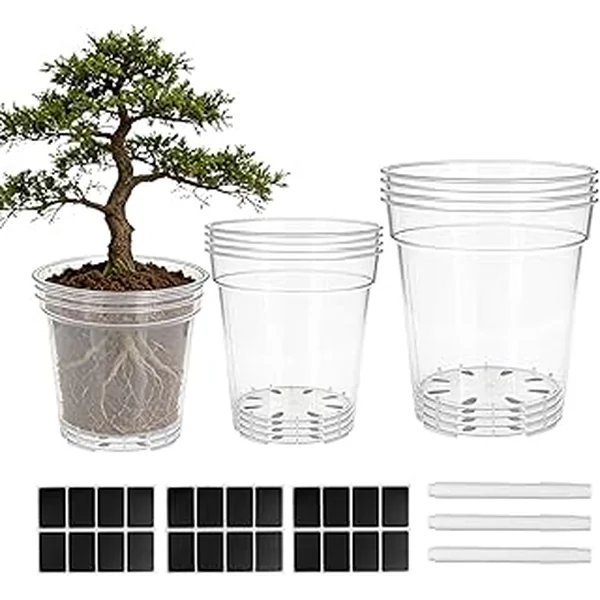

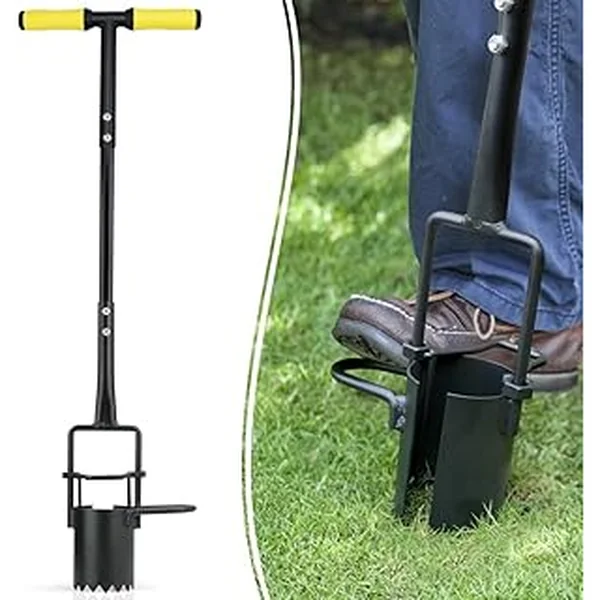

Tazart is an Amazon Associate — we earn from qualifying purchases at no extra cost to you. Thank you for helping us keep these guides free.
Frequently asked questions
Do you soak ranunculus bulbs before planting?
Yes — soak ranunculus corms in cool water for 3–4 hours before planting. The dry, claw-shaped corms more than double in size as they rehydrate, which kick-starts root growth and shaves 1–2 weeks off the time to bloom. Don't soak for longer than 4 hours — extended soaking starves the corms of oxygen and invites rot.
How deep do you plant ranunculus bulbs?
Plant ranunculus corms about 5 cm (2 in) deep, measured from the top of the corm to the soil surface. Set them with the claws (legs) pointing down and the smooth crown facing up. Shallow planting (less than 2.5 cm / 1 in) leaves corms exposed to frost heave and weak floppy stems; deeper than 8 cm (3 in) and the shoots struggle to break through cool soil.
When should you plant ranunculus bulbs?
Plant in fall (October to early December) in mild zones (USDA 8–10) for blooms from late winter through spring. In cold zones (USDA 3–7) plant in late winter or very early spring as soon as the soil can be worked and night temperatures stay above −4°C (25°F). Ranunculus are cool-season flowers — they bloom in soil at 4–13°C (40–55°F) and stop flowering once daytime highs cross 27°C (80°F).
Which way do ranunculus claws face?
The claws (the finger-like legs of the corm) point down, and the rounded, slightly pointed crown faces up. If a corm is so symmetrical you can't tell, plant it on its side — the shoots will turn themselves toward the light. Upside-down corms waste energy correcting course and often rot before reaching the surface.
Can you plant ranunculus bulbs in spring?
Yes — in zones 3–7 spring is the standard planting window. Pre-soak the corms for 3–4 hours and, if you want earlier blooms, pre-sprout them indoors at 10–13°C (50–55°F) in a tray of damp potting mix for 10–14 days before transplanting outside. Spring-planted ranunculus typically bloom in late spring through early summer until heat shuts them down.
How far apart should ranunculus bulbs be planted?
Space corms 15–23 cm (6–9 in) apart for healthy airflow and full-size blooms — closer spacing crowds the foliage and invites powdery mildew. For a tight cut-flower row aim for 23 cm (9 in) on centre; for a mixed border 15–20 cm (6–8 in) gives a fuller drift without sacrificing airflow.
Do ranunculus bulbs come back every year?
In USDA zones 8–10 ranunculus often return for 2–3 seasons if the soil drains well and summers aren't extreme. In colder zones (3–7) they're usually grown as annuals or lifted, dried, and stored over winter. Cold-wet soil and summer heat are the two biggest reasons corms fail to return — improve drainage and provide afternoon shade in warm climates to extend their life.