Edible
How to Plant Potatoes in a Bucket (5-Gallon Step-by-Step Guide)
Plant 3 chitted seed potatoes in a 5-gallon bucket with drainage, mound the soil as they grow, and harvest 1–2 kg of fresh potatoes in 90–100 days.
On this page
Watch the visual walkthrough
How to Grow POTATOES in a 5 GALLON BUCKET!
A short visual walkthrough that pairs with the steps above.
If you’ve got a sunny balcony, a patio corner, or a small yard, a single 5-gallon bucket can give you a real potato harvest — usually 1 to 2 kg of fresh potatoes from just 3 seed potatoes, in about 90 to 100 days. No tilling, no garden bed, no fancy equipment.
This guide walks you through the whole bucket method step by step: drilling drainage, chitting your seed potatoes, planting depth, hilling as they grow, and exactly when to dump the bucket out for harvest.
Quick answer
Drill 6–8 drainage holes in a food-grade 5-gallon bucket, fill it 1/3 with potting mix, plant 3 chitted seed potatoes 5 cm (2 in) deep with sprouts facing up, and water. As the foliage grows, mound more soil around the stems (hilling) until the bucket is nearly full. Harvest in 90–100 days when the leaves yellow and die back.
Why a bucket actually works
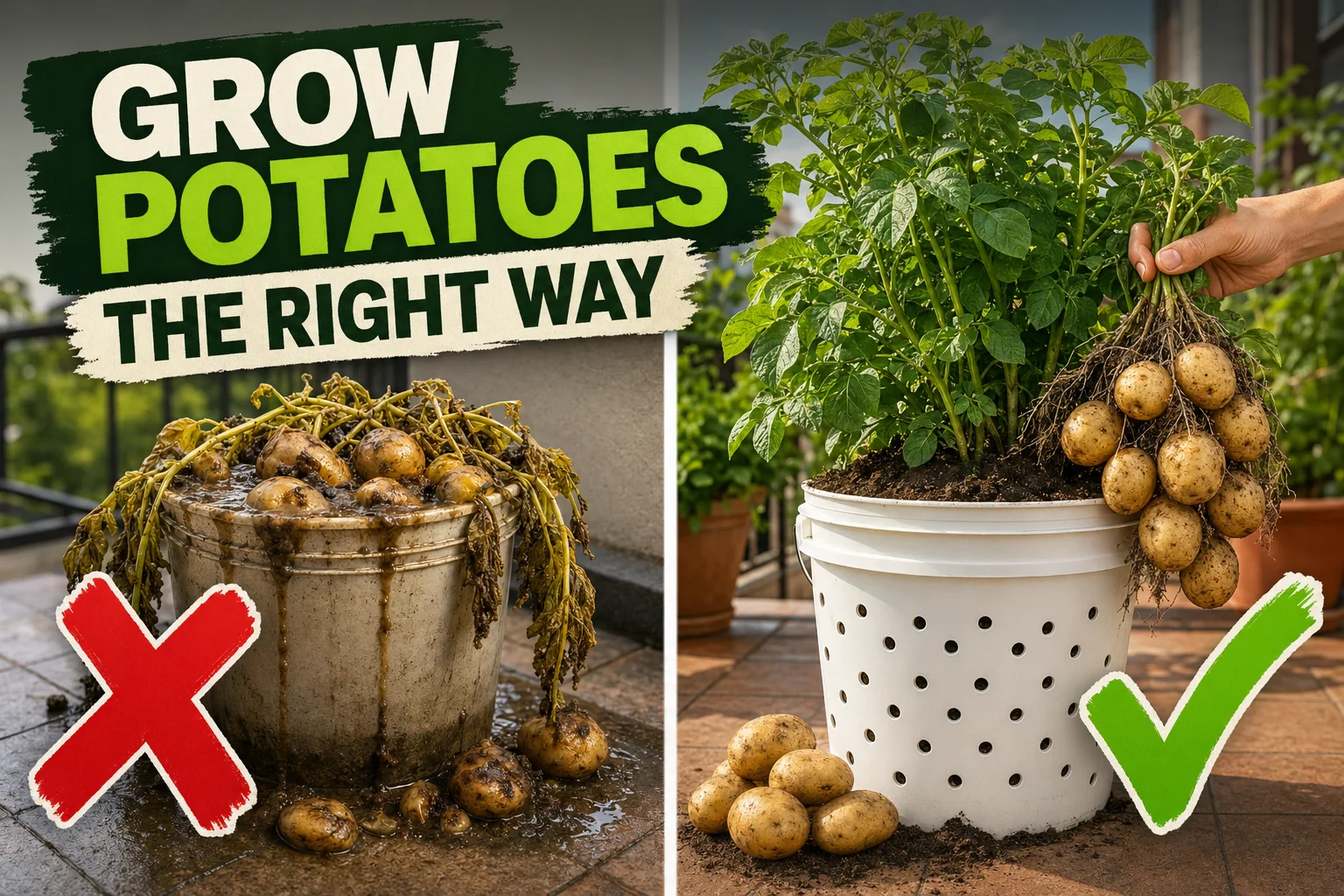
Potatoes don’t need a field — they need loose soil, sun, and steady water. A 5-gallon bucket gives them all three, with a few real advantages over a garden bed:
- Small-space friendly. Fits on a balcony, fire escape, patio, or any sunny step.
- Mobile. You can rotate it for sun, drag it under cover during a storm, or move it as the season changes.
- No digging at harvest. When the leaves die back, you tip the bucket over and the potatoes fall out clean. No fork, no damaged tubers.
- Pest control is easier. Slugs, voles, and most soil pests struggle to find a raised bucket.
The trade-off: buckets dry out faster than open ground. We’ll handle that in the watering section.
What you’ll need
- One food-grade 5-gallon bucket (look for HDPE / recycle code #2 — non-food buckets can leach chemicals into the soil)
- A drill with a 10 mm bit (or any drill that can make 6–8 holes through plastic)
- 3 chitted seed potatoes — certified seed potatoes from a garden centre, not supermarket potatoes (which are often sprout-suppressed)
- High-quality potting mix mixed roughly 3:1 with compost — about 25–30 litres total to fill the bucket
- A spot with at least 6 hours of direct sun per day
- Watering can or hose
That’s the whole list. You don’t need fertilizer for the first 3–4 weeks — the seed potato carries enough energy to get the plant started.
Step-by-step: planting potatoes in a bucket
1. Drill the drainage holes
Flip the bucket upside down and drill 6 to 8 holes through the bottom, evenly spaced. Aim for about 10 mm wide. This is non-negotiable — without drainage, the bucket holds water like a swamp and the seed potatoes rot before they sprout.
If you’re worried about soil washing out, line the bottom with a single sheet of newspaper or a square of landscape fabric. Don’t use a saucer underneath — it traps water.
2. Fill the bucket 1/3 with soil
Add about 10–12 cm (4–4.5 in) of your potting mix + compost blend to the bottom of the bucket. Don’t pack it down. The roots and new tubers need air pockets to expand into.
3. Plant the chitted seed potatoes
Chitting just means letting your seed potatoes sit somewhere bright and cool for 2–3 weeks until they grow short, stubby green sprouts. Already chitted? Perfect.
Sit 3 seed potatoes on top of the soil layer, spaced evenly, with the sprouts (eyes) facing up. Cover them with about 5 cm (2 inches) of soil. That’s your planting depth.
Three is the right number for a 5-gallon bucket. Cramming in 4 or 5 reliably produces a bucket of marble-sized potatoes instead of a real harvest.
4. Water in gently
Pour water slowly around the base until you see drips coming out of the drainage holes. This settles the soil around the seed potatoes and signals the plant to wake up.
5. Mound (hill) as the plant grows
Once the foliage is about 15 cm (6 in) tall, add another 5–8 cm (2–3 in) of soil around the stems, leaving the top leaves exposed. Repeat every 1–2 weeks as the plant grows, until the bucket is filled to within about 3 cm (1 in) of the rim.
Hilling is the trick that makes bucket potatoes work — buried stems grow more tubers along their length. Skip the hilling and you halve your harvest.
6. Start fertilizing at week 4
Once the plant is well-established and you’ve hilled at least once, start a balanced liquid fertilizer (something like 10-10-10) every 2–3 weeks. Stop fertilizing once the plant flowers — at that point all the energy should go into the tubers.
Care after planting
Potato buckets are simple but they’re not set-and-forget. Two things matter most: water and hilling.
| Task | When |
|---|---|
| Water | When the top 3 cm (1 in) of soil is dry — buckets dry fast in sun, often daily in summer |
| Hill | Every 1–2 weeks, adding 5–8 cm (2–3 in) of soil around the stems |
| Fertilize | Balanced liquid feed every 2–3 weeks, starting at week 4, stopping at flowering |
| Rotate the bucket | Quarter turn weekly so the foliage grows evenly |
A free plant care app like Tazart can hold the watering and hilling schedule for you, adjust it for your local weather, and remind you on Apple Watch when it’s time — handy if you’re running more than one bucket.
When and how to harvest
You have two harvest paths.
Early new potatoes (60–70 days): once the plant flowers, you can carefully reach a hand into the side of the bucket and pull out a few small thin-skinned new potatoes. The plant keeps growing.
Full harvest (90–100 days): wait until the green foliage yellows and flops over on its own. Stop watering for 7–10 days to let the skins toughen up, then tip the entire bucket over onto a tarp. The potatoes fall out of the loose soil — no digging, no fork damage. Brush them off, let them air-dry in a shaded spot for a few hours, and store somewhere cool and dark.
If a flower stalk goes to seed and the plant looks stressed in summer heat, that’s normal — heat above 30 °C (86°F) can stop tuber growth. Move the bucket to afternoon shade if you can.
Common mistakes to avoid
- Using a non-food-grade bucket. Old paint or chemical buckets can leach into the soil. Look for HDPE / recycle code #2 and the words “food grade”.
- Skipping the drainage holes. This is the #1 killer of bucket potatoes. No holes = rotted seed potatoes within a week.
- Planting too many seed potatoes. Three per 5-gallon bucket. Four or five gives you a bucket of pebbles.
- Letting the soil dry out fully. Buckets dry fast — checking the top 3 cm (1 in) every day in summer is normal.
- Forgetting to hill. Buried stems grow extra tubers. Without hilling you cap your harvest at whatever the original 3 seed potatoes produce.
- Harvesting too early. If the foliage is still green and lush, the tubers are still bulking up. Wait for the leaves to yellow.
Troubleshooting
| Symptom | Likely cause | Fix |
|---|---|---|
| Foliage is pale and floppy | Not enough sun | Move bucket to a spot with 6+ hours of direct sun |
| Leaves wilting even after watering | Drainage holes blocked or bucket sitting in a saucer | Clear the holes, lift the bucket onto bricks so water can escape |
| Seed potatoes never sprouted | Rotted from waterlogged soil, or were sprout-suppressed supermarket potatoes | Use certified chitted seed potatoes; confirm drainage holes are open |
| Lots of foliage, tiny potatoes at harvest | Over-fertilized with nitrogen, or didn’t hill enough | Stop fertilizing once flowering starts; hill 2–3 times per season |
| Black or hollow patches inside harvested tubers | Heat stress or inconsistent watering | Move to afternoon shade above 30 °C (86°F); water before the soil fully dries |
| Green patches on the potato skin | Tubers exposed to sunlight through cracks in the soil | Hill more aggressively; cut away green parts before eating (they contain solanine) |
Watch: planting potatoes in a bucket
A short visual walkthrough pairs well with the steps above. If you’re a visual learner, watch a quick tutorial like How to Plant Potatoes in a 5-Gallon Bucket on YouTube and then come back and follow the timing in this guide.
Related reading
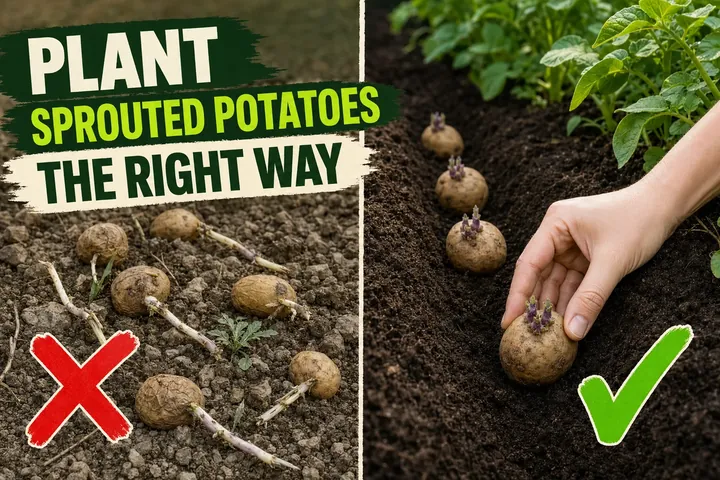
- How to plant sprouted potatoes from your kitchen — if you don’t want to buy seed potatoes, kitchen sprouts can work as a backup.
- How far apart to plant carrots — pair your potato bucket with a carrot row for a full small-space crop.
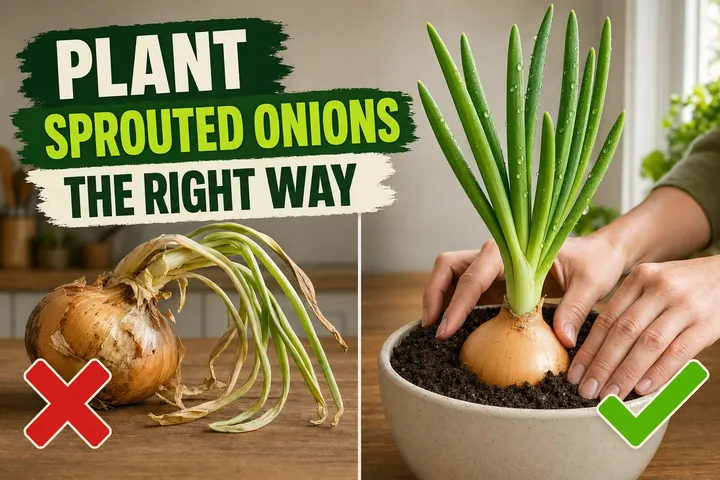
- How to plant sprouted onions — same kitchen-scrap, container-friendly approach as bucket potatoes.
- Track every bucket, watering day, and harvest date with the free Tazart plant care app — set the schedule once and let it remind you.
A note on conditions
Every balcony and patio is different. Sun hours, summer temperatures, bucket colour (dark buckets cook the roots in heat), potting mix, and your local rainfall all change how fast bucket potatoes grow and how often they need water. Use the steps above as a starting point and adjust based on what your plant actually does in week three — that’s how every good container grower learns.
Highly recommended
The supplies that make this guide work
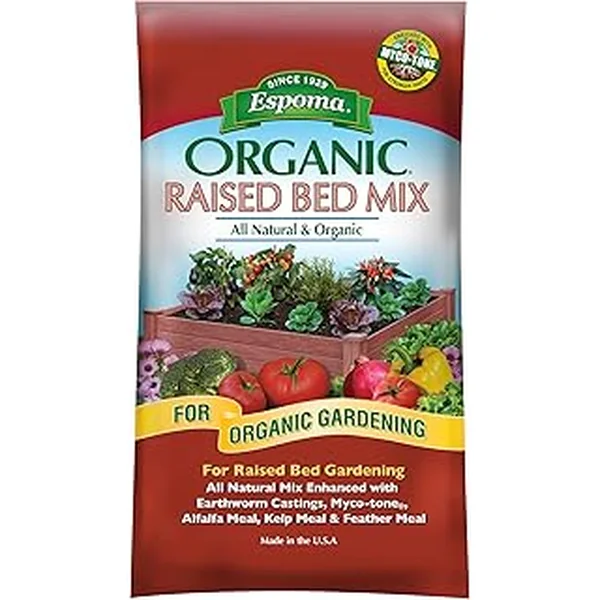

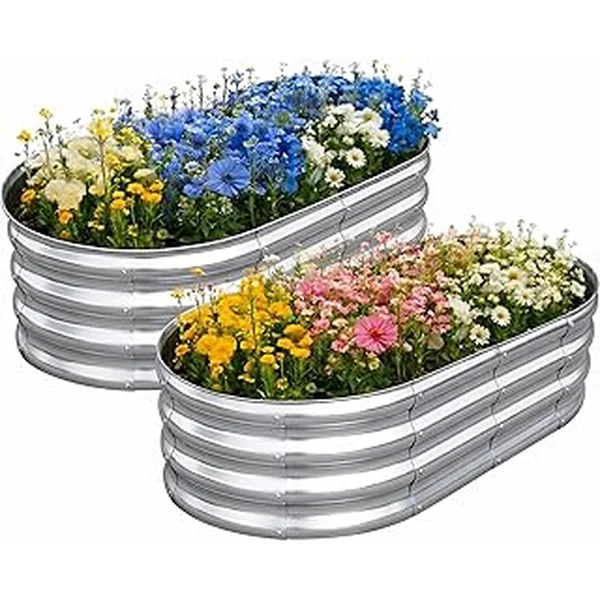
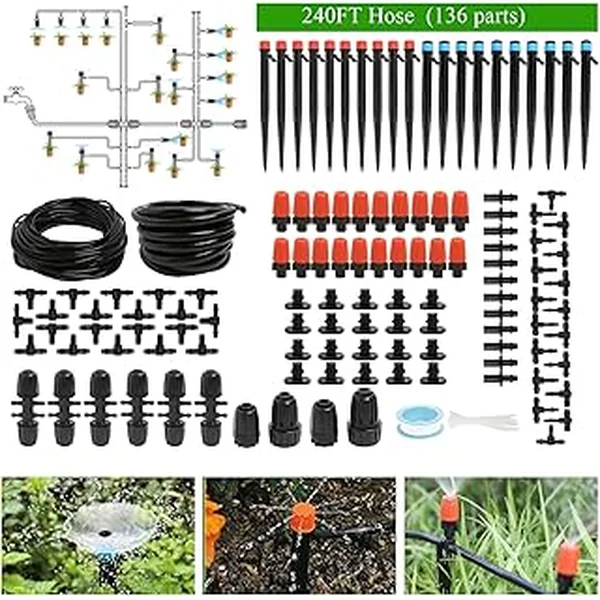
Tazart is an Amazon Associate — we earn from qualifying purchases at no extra cost to you. Thank you for helping us keep these guides free.
Frequently asked questions
How many potatoes can I plant in a 5-gallon bucket?
Three chitted seed potatoes per 5-gallon bucket. Any more and they crowd each other underground, fight for water, and produce a pile of marble-sized potatoes instead of a real harvest. Three is the sweet spot for yield and root space.
Do potato buckets need drainage holes?
Yes — and this is the single most important step. Drill 6 to 8 holes (about 10 mm wide) in the bottom of the bucket before you add any soil. Without drainage, water pools at the base and the seed potatoes rot within a week. A bucket without holes will kill your crop faster than any pest.
How deep do you plant seed potatoes in a bucket?
Plant chitted seed potatoes about 5 cm (2 inches) deep, sprouts pointing up, sitting on a 10–12 cm (4–4.5 in) layer of potting mix at the bottom of the bucket. As the foliage grows you'll add more soil on top — that's called hilling — until the bucket is nearly full.
How long do potatoes take to grow in a bucket?
Plan on 90 to 100 days from planting to full harvest. You can steal a few small new potatoes around day 60–70 once the plant flowers, but waiting until the foliage yellows and dies back gives you the largest, best-storing tubers.
Can you grow potatoes in a bucket on a balcony?
Yes — bucket potatoes are made for balconies, patios, and small yards. A 5-gallon bucket is light enough to move into the sun, holds enough soil for a real harvest, and costs almost nothing. Just make sure your balcony gets at least 6 hours of direct sun per day.
What's the expected yield from one 5-gallon bucket?
Roughly 1 to 2 kg of potatoes per bucket from 3 seed potatoes, depending on variety, sun, and how diligently you hill. Early varieties yield slightly less; main-crop varieties like Maris Piper or Yukon Gold tend to hit the upper end.