Flowers
How to Plant Nasturtium Seeds (Edible Flowers in 60 Days)
Plant nasturtium seeds the easy way — soak, sow shallow in poor soil, full sun. Edible peppery flowers and leaves harvest-ready in about 60 days.
On this page
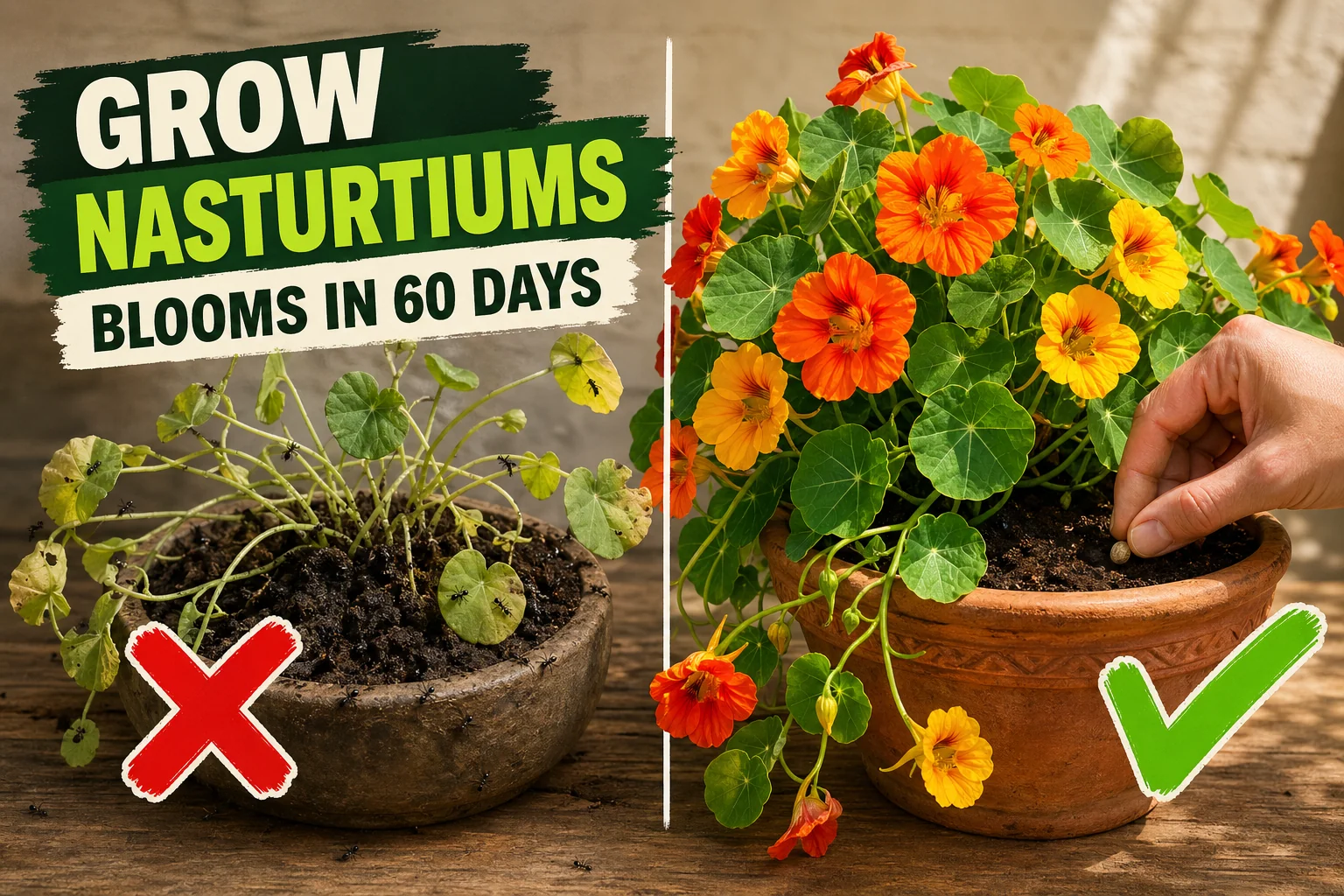
Watch the visual walkthrough
Nasturtiums: From Seed to Bloom
A short visual walkthrough that pairs with the steps above.
Nasturtiums (Tropaeolum majus) are the easiest edible flower you can grow from seed — bold orange, yellow, and red trumpet blooms with peppery leaves you can toss into salads. They thrive on neglect, deter aphids from nearby vegetables, and reach first bloom in about 60 days from sowing.
This guide walks you through the whole process: choosing seeds, soaking, sowing depth, soil mix, sun, watering, and exactly when to expect the first edible flower.
Quick answer
Soak nasturtium seeds in lukewarm water for 12–24 hours, then sow 1.5 cm (0.5 in) deep and 25–30 cm (10–12 in) apart in poor, well-drained soil after your last frost. Place in 6+ hours of full sun, water sparingly, and skip the fertilizer. Sprouts appear in 5–7 days and edible orange and yellow flowers open about 50 to 65 days after sowing.
Why grow nasturtiums from seed
Nasturtiums are one of the rare flowers that punish you for being too kind. The richer the soil and the more you fertilize, the fewer blooms you get. Plant them in plain potting mix or lean garden soil and they explode.
A few things make them stand out from other annuals:
- Every part of the plant is edible — peppery leaves taste like watercress, flowers taste sweet and mild
- They flower in 50 to 65 days from sowing — fast for any flowering plant
- They act as a “trap crop” for aphids, drawing pests away from your tomatoes, beans, and brassicas
- Trailing varieties spill 1.8 m (6 ft) over walls and pots; climbers will scramble up a 1.8 m (6 ft) trellis
- They self-seed gently in mild climates, so you usually get volunteers next year for free
The one thing they ask for is sun and lean soil. Get those right and the seeds practically grow themselves.
What you’ll need
- One packet of nasturtium seeds (10–25 seeds covers a 1 m / 3 ft border or two pots)
- A small bowl of lukewarm water for soaking
- A pot at least 20 cm (8 in) wide and 20 cm (8 in) deep with drainage holes — terracotta is ideal
- General-purpose potting mix or lean garden soil — not rich compost or tomato soil
- A sunny windowsill, balcony, or outdoor spot with 6+ hours of direct light
- A small trowel and a watering can
That’s the whole list. No fertilizer, no rooting hormone, no special seed-starting setup.
Step-by-step: planting nasturtium seeds
1. Pick the right variety for your space
Nasturtium seeds come in three growing habits — pick by where you want them to grow:
- Bush / dwarf (e.g. Alaska, Tom Thumb) — 30 cm (12 in) tall, neat mounds, perfect for pots and edging
- Trailing (e.g. Empress of India) — 60–90 cm (24–36 in) cascading stems, perfect for hanging baskets and walls
- Climbing (e.g. Spitfire, Moonlight) — up to 1.8 m (6 ft), needs a trellis or netting
If unsure, start with a bush variety in a 20 cm (8 in) terracotta pot — it’s the most foolproof setup.
2. Soak the seeds for 12–24 hours
Drop seeds in lukewarm water and leave them on the counter overnight. The wrinkled, pea-sized seeds will swell and soften, which cuts germination from 10–14 days to 5–7 days.
After soaking, discard any seeds still floating on the surface — they’re hollow and won’t sprout.
3. Prepare the pot or bed
Fill a pot with plain potting mix to about 3 cm (1 in) below the rim. Don’t pack it down — roots need air pockets.
If sowing in the ground, loosen the top 15 cm (6 in) of soil with a trowel. Do not mix in compost or fertilizer. Lean soil = more flowers. Dig out any compost-heavy patches if you’re working a vegetable bed.
4. Sow the seeds shallow
Press each soaked seed 1.5 cm (0.5 in) deep — about a knuckle’s depth — and cover lightly with soil. Press down with the flat of your fingertip so the seed makes good contact with the soil but isn’t compacted.
Spacing depends on the variety:
| Variety type | Spacing |
|---|---|
| Bush / dwarf | 25–30 cm (10–12 in) apart |
| Trailing | 30–45 cm (12–18 in) apart |
| Climbing | 30–45 cm (12–18 in) apart at the base of a trellis |
In an 20 cm (8 in) pot, sow 2 to 3 seeds and thin to the strongest seedling once they reach 5 cm (2 in) tall.
5. Water it in gently
Pour water slowly over the soil until you see drips coming out of the drainage holes. Use a watering can with a rose or your fingertips to break the stream — a heavy pour can wash the seed up.
After this first watering, let the top 2–3 cm (0.75–1 in) of soil dry out before watering again. Soggy soil rots nasturtium seeds before they sprout.
6. Place in full sun
Set the pot or bed somewhere it’ll get at least 6 hours of direct sun per day:
- Indoors (for early starts): south- or west-facing window
- Outdoors: full sun, sheltered from heavy wind for the first week
Soil temperature matters more than air temperature — wait until the ground hits at least 13°C (55°F) before sowing outside.
Care after sowing
Nasturtiums are low-maintenance once they germinate. Three things to remember:
| Task | When |
|---|---|
| Water | When the top 2–3 cm (0.75–1 in) of soil is dry — usually every 4–7 days |
| Fertilizer | None. Skip it entirely. Rich soil = leaves, not flowers |
| Deadhead | Pinch off spent flowers weekly to keep new buds opening |
A free plant care app like Tazart can hold the watering schedule and pinging you on Apple Watch when each pot is dry — useful if you’re growing more than two or three.
When and how to harvest
Nasturtiums give you three edible parts:
Leaves (4 weeks): snip young round leaves once the plant has at least 8 leaves. Use them like watercress — peppery, mustardy, great in salads and sandwiches.
Flowers (50–65 days): pick fully open flowers in the morning when they’re freshest. Use whole on salads, stuffed with soft cheese, or chopped into vinegar to make peppery infusions.
Seed pods (after flowering): the green pea-sized seed pods that form after a flower drops can be pickled and used like capers — sometimes called “poor man’s capers.”
Pick lightly and often. The more you pick flowers, the more buds the plant pushes out.
Common mistakes to avoid
- Using rich compost or tomato soil. This is the #1 reason for “all leaves, no flowers.” Plant in plain potting mix or lean soil.
- Fertilizing. Don’t. Nasturtiums evolved on poor soil. Feeding them suppresses flowering for 2–4 weeks.
- Sowing too deep. Anything past 1.5 cm (0.5 in) and the seed often rots before reaching the surface.
- Cold soil. Sown into soil under 13°C (55°F), seeds sit and rot. Wait until after last frost.
- Overwatering. Soggy roots = stem rot in days. Let the top 2–3 cm (0.75–1 in) dry between waterings.
- Too much shade. Less than 4 hours of direct sun and you’ll get leafy plants with almost no flowers.
Troubleshooting
| Symptom | Likely cause | Fix |
|---|---|---|
| Lots of leaves, no flowers | Soil too rich or too much shade | Stop fertilizing; move to brighter sun; flowers usually return in 2–3 weeks |
| Seeds never sprouted after 14 days | Soil too cold, too wet, or seeds buried too deep | Re-sow at 1.5 cm (0.5 in) in warmer (≥18°C / 65°F), drier soil; pre-soak 24 hours |
| Yellow lower leaves | Overwatering | Skip the next watering; let top 2–3 cm (0.75–1 in) dry; check for drainage holes |
| Aphids covering tips | Doing its job — trap crop | Hose off lightly or trim infested tips; this is what nasturtiums are meant to do |
| Leaves chewed with holes | Cabbage white caterpillars or slugs | Pick off caterpillars by hand; ring beds with crushed eggshells or copper tape against slugs |
| Stems leggy and pale | Not enough sun | Move to a spot with 6+ hours of direct sun |
| Flowers small and few | Heat stress over 30°C (86°F) | Provide light afternoon shade; mulch around the base; water deeply once a week |
Watch: planting nasturtium seeds
A short visual walkthrough pairs well with the steps above. If you’re a visual learner, watch a quick tutorial like How to Plant Nasturtium Seeds on YouTube and then come back to follow the timing in this guide.
Related reading
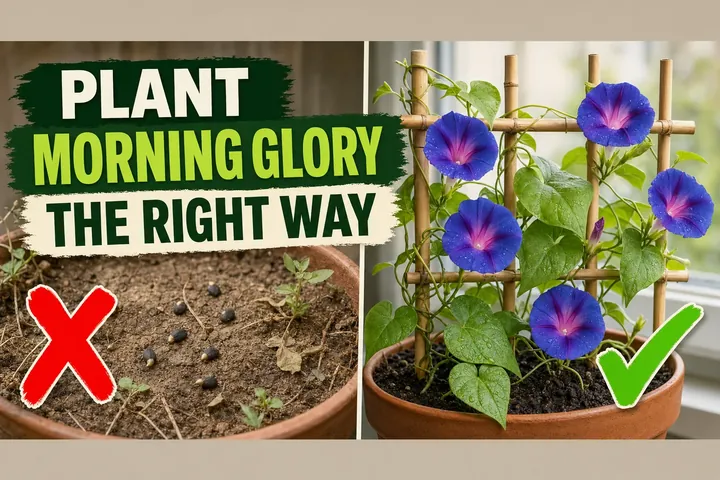
- How to plant morning glory seeds — another fast, sun-loving annual climber that pairs beautifully with nasturtiums on the same trellis.
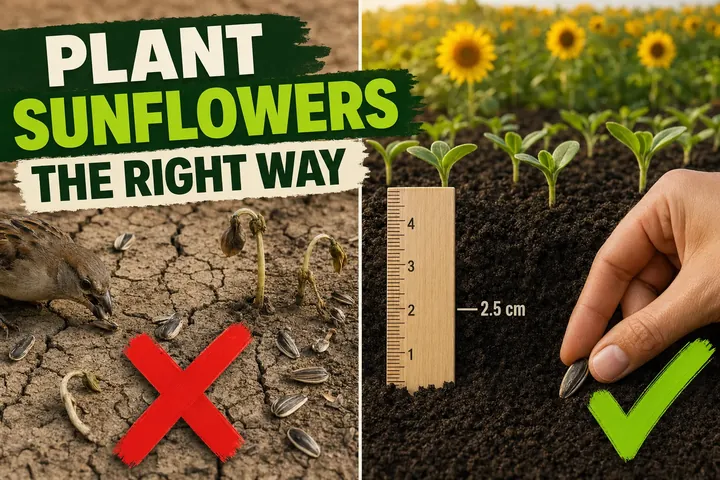
- How deep to plant sunflower seeds — exact sowing depth for the other classic full-sun summer flower.
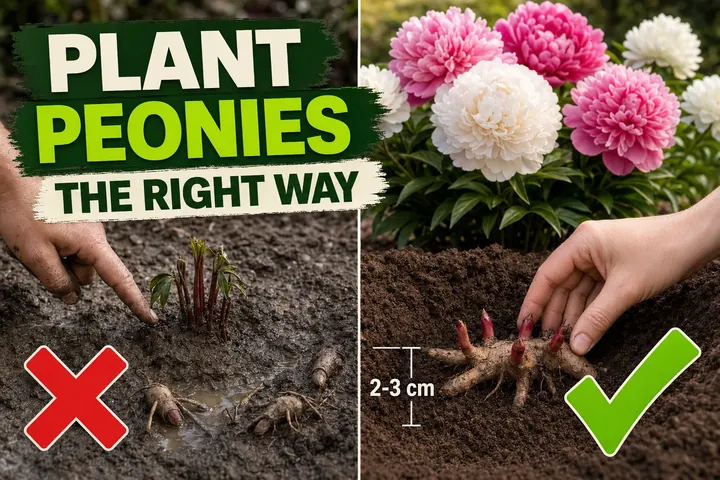
- How to plant peony bulbs — for gardeners who want long-lived perennial blooms alongside their annual nasturtiums.
- How to grow cosmos flowers — another lean-soil, full-sun annual that thrives in the same beds as nasturtiums and feeds pollinators all summer.
- Track watering for every pot you grow with the free Tazart plant care app — dryness alerts adjusted to your local weather.
A note on conditions
Every garden is different. Light, soil mix, pot size, season, humidity, and your local weather all change how fast nasturtiums grow and how often they need water. Use the steps above as a starting point and adjust based on what your plants actually do in week two — that’s how every good gardener learns.
Highly recommended
The supplies that make this guide work
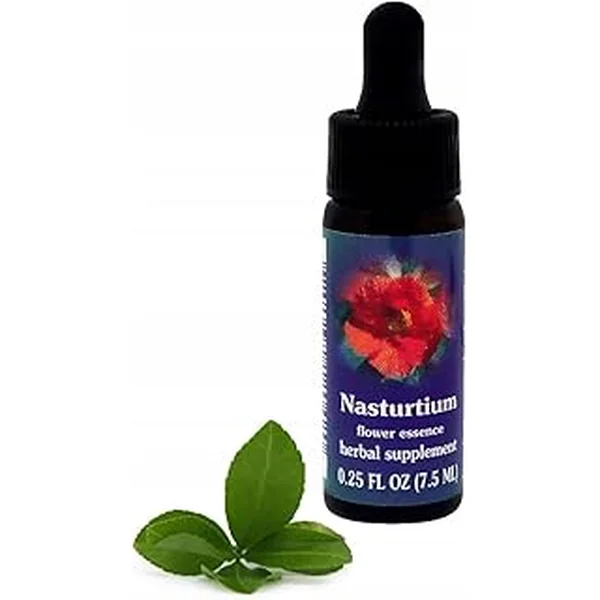
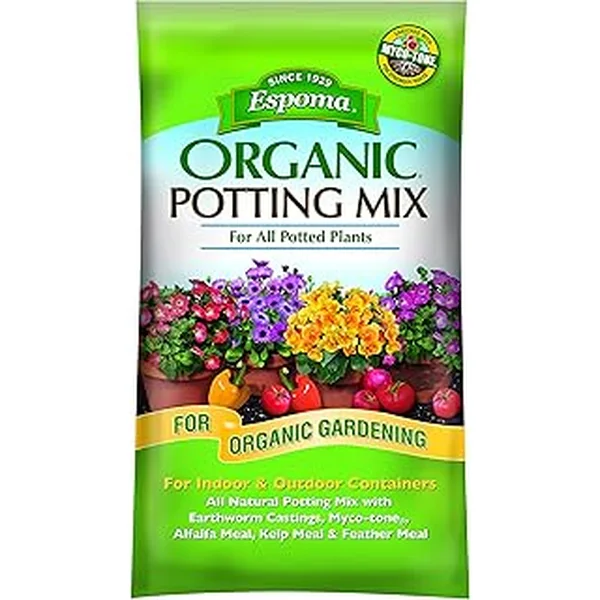
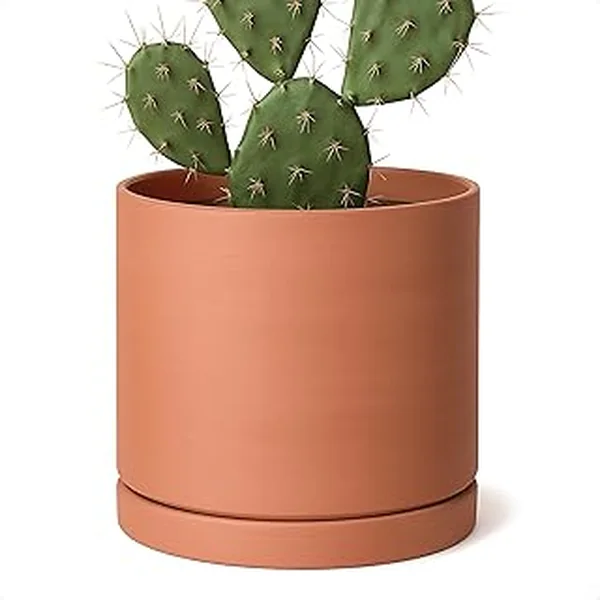
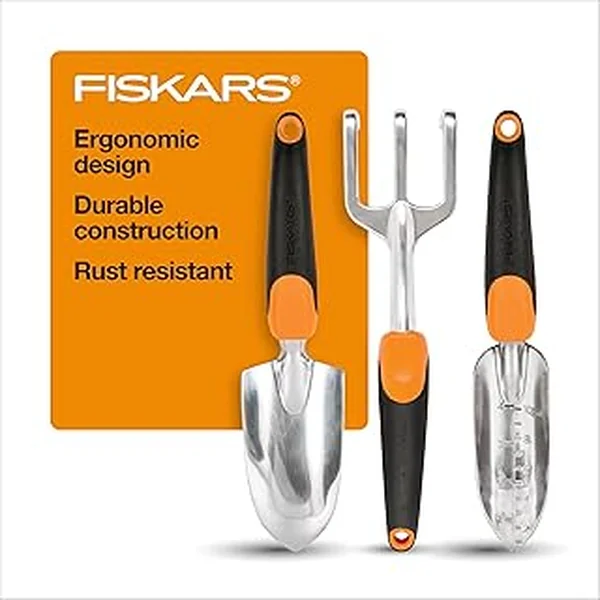
Tazart is an Amazon Associate — we earn from qualifying purchases at no extra cost to you. Thank you for helping us keep these guides free.
Frequently asked questions
Do you need to soak nasturtium seeds before planting?
Soaking is optional but strongly recommended. Nasturtium seeds have a hard, wrinkled coat that slows water uptake. Soaking in lukewarm water for 12 to 24 hours softens the coat and cuts germination time roughly in half — from 10 to 14 days down to 5 to 7 days. Discard any seeds that float after the full soak.
How long do nasturtium seeds take to germinate?
Pre-soaked seeds sprout in 5 to 7 days at soil temperatures of 18–24°C (65–75°F). Unsoaked seeds take 10 to 14 days. Soil cooler than 13°C (55°F) often causes seeds to rot before they sprout, so wait until the last frost has passed before direct sowing.
When should I plant nasturtium seeds?
Direct sow outdoors after your last frost date when soil has warmed to at least 13°C (55°F). For an early start, sow indoors 2 to 4 weeks before last frost in biodegradable pots — nasturtiums dislike root disturbance, so transplant the whole pot. From sowing to first bloom is roughly 50 to 65 days.
How deep do you plant nasturtium seeds?
Sow 1.5 cm (0.5 in) deep, no deeper — the seeds are big enough to push through that depth easily but rot if buried too far. Space seeds 25–30 cm (10–12 in) apart for bushy types and 30–45 cm (12–18 in) apart for trailing or climbing varieties.
Do nasturtiums prefer full sun or shade?
Full sun for the most flowers — at least 6 hours of direct light per day. They tolerate light afternoon shade in hot climates above 30°C (86°F), where partial shade actually extends bloom life. In deep shade, you'll get plenty of leaves but very few flowers.
Why are my nasturtiums all leaves and no flowers?
Almost always too much nitrogen. Nasturtiums evolved to thrive in poor, lean soil — rich compost or fertilizer pushes leafy growth at the expense of blooms. Stop feeding, hold back on watering slightly, and move the plant to brighter sun. Flower buds usually appear within 2 to 3 weeks of changing conditions.