Edible
How to Plant Lettuce (Seeds, Seedlings & Succession)
Sow lettuce seeds 0.3–0.6 cm (⅛–¼ in) deep, 10–30 cm (4–12 in) apart by type. Cool-season crop. Guide for direct sow, transplants, and succession.
On this page
- Quick answer
- Table of contents
- Lettuce types — pick by harvest style
- When to plant lettuce
- Preparing the bed
- How to direct-sow lettuce
- How to plant lettuce transplants
- Spacing by lettuce type
- Cut-and-come-again method
- Succession planting for continuous harvest
- Container and raised-bed planting
- Common mistakes
- Troubleshooting
- Final notes
- A note on conditions
Watch the visual walkthrough
How To Grow The BEST LETTUCE Of Your Life With 5 EASY Tips!
In this video, I share 5 easy tips that will teach you how to grow the best lettuce of your life so you can grow tons of lettuce all year ...
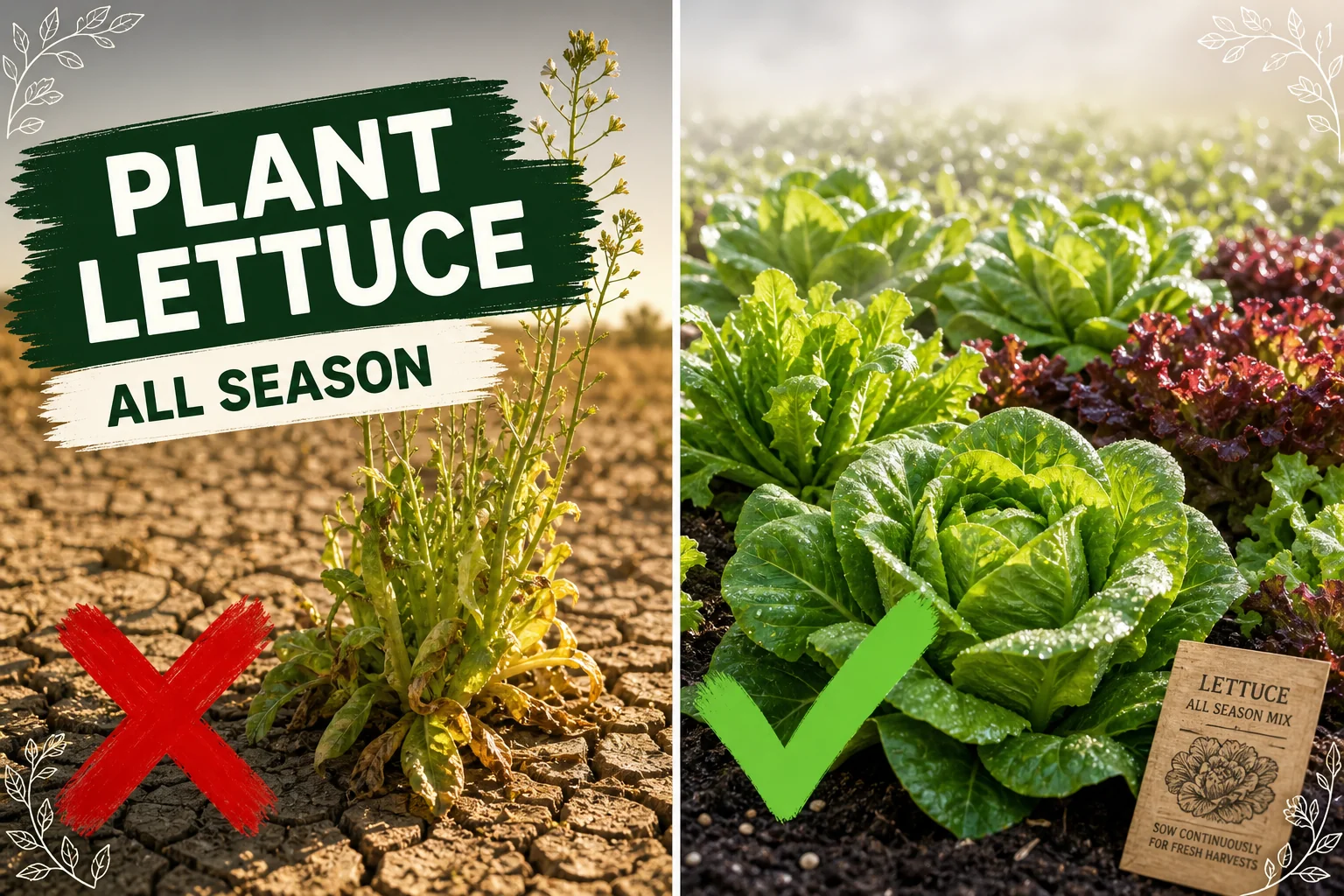
Lettuce is the fastest, easiest vegetable in the home garden — a single packet of seeds can produce a continuous supply of fresh salad greens from early spring through autumn if you plant in succession. The trick isn’t horticultural skill; it’s timing. Plant when the weather is cool, plant often, and succession-sow every 2–3 weeks instead of one big bed.
This guide covers every method — direct sowing, transplants, container, and cut-and-come-again — with the spacings, depths, and succession timing that turn one packet of seeds into months of salads.
Quick answer
Sow lettuce seeds 0.3–0.6 cm (⅛–¼ in) deep, spaced 10–30 cm (4–12 in) apart depending on type. Plant in cool weather — 4–6 weeks before last frost in spring, or 6–8 weeks before first frost in autumn. Optimal temperature 10–18°C (50–65°F). Sow a new short row every 14–21 days for continuous harvest.
Table of contents
- Lettuce types — pick by harvest style
- When to plant lettuce
- Preparing the bed
- How to direct-sow lettuce
- How to plant lettuce transplants
- Spacing by lettuce type
- Cut-and-come-again method
- Succession planting for continuous harvest
- Container and raised-bed planting
- Common mistakes
- Troubleshooting
- FAQ
Lettuce types — pick by harvest style
Lettuce comes in four main types. Each has different spacing, growing time, and harvest method.
| Type | Examples | Days to harvest | Harvest method |
|---|---|---|---|
| Leaf (loose-leaf) | ‘Black-Seeded Simpson’, ‘Salad Bowl’, ‘Red Sails’ | 30–45 | Cut outer leaves; plant regrows |
| Butterhead (Boston/Bibb) | ‘Buttercrunch’, ‘Tom Thumb’ | 50–65 | Cut whole head when mature |
| Romaine (Cos) | ‘Parris Island’, ‘Jericho’, ‘Little Gem’ | 60–75 | Cut whole head; tall upright leaves |
| Crisphead (iceberg) | ‘Great Lakes’, ‘Iceberg’ | 70–85 | Cut tight crisp head |
For first-time growers and the easiest continuous supply, start with leaf lettuce. It’s the most forgiving, fastest, and lets you harvest outer leaves while the plant keeps producing.
When to plant lettuce
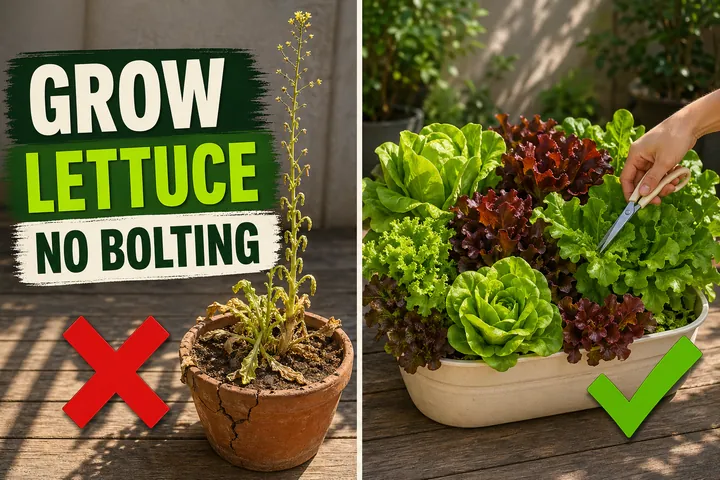
Lettuce is a cool-season crop that thrives at 10–18°C (50–65°F). Above 24°C (75°F) it bolts (shoots up flower stalks), turns bitter, and stops producing usable leaves.
Spring planting:
- Direct sow 4–6 weeks before last frost
- Soil temperature 10°C (50°F) or warmer (lettuce won’t germinate below 4°C / 40°F)
- Continue succession sowing through late spring
Autumn planting:
- Direct sow 6–8 weeks before first frost
- Cooler soil and shorter days favour quality
- Often produces the best lettuce of the year
Summer:
- Skip the hottest 6–8 weeks in most climates
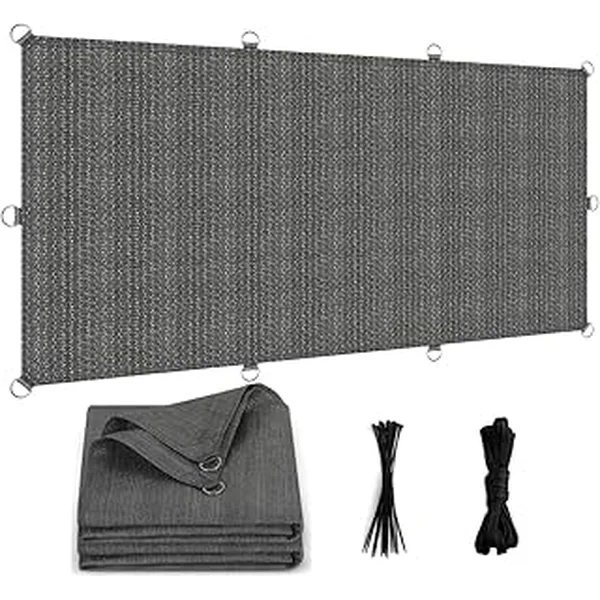
- Or use 30–50% shade cloth, heavy mulch, daily watering, and bolt-resistant cultivars
Mild winter climates (zones 8+):
- Lettuce can be grown right through winter
- May need a row cover on hard-frost nights below -3°C (27°F)
Preparing the bed
Lettuce roots are shallow and fine — they don’t need deeply dug beds, but they do need rich, fertile, evenly moist soil to grow fast. Slow-growing lettuce is bitter lettuce.
1. Loosen soil to 15 cm (6 in). Lettuce roots rarely go deeper, but the top 15 cm needs to be friable.
2. Work in compost. A 2–3 cm (1 in) layer of well-rotted compost mixed into the top 10 cm provides the steady nutrition lettuce needs.
3. Target pH 6.0–7.0. Lettuce isn’t picky but performs best at slightly acidic to neutral.
4. Smooth the surface. Tiny lettuce seeds get lost in chunky soil. Rake to a fine, level seedbed.
5. Pre-water before sowing. Water the bed 24 hours before sowing — this ensures even moisture from below without disturbing newly sown seeds.
How to direct-sow lettuce
Direct sowing is the fastest path from packet to plate.
1. Open shallow furrows. Use the edge of a hoe, a pencil, or your fingertip to draw furrows 0.3–0.6 cm (⅛–¼ in) deep, spacing rows 30 cm (12 in) apart.
2. Sow seeds thinly. Drop seeds every 2–3 cm (1 in) along the furrow. Lettuce seeds are tiny — pinch a small amount between fingers and sprinkle.
3. Cover lightly. Lightly cover with a thin layer of fine soil or vermiculite. Lettuce seeds need light to germinate — deep planting (>1 cm / ½ in) drastically reduces germination.
4. Water with a mist. A fine spray prevents seeds from washing into clusters.
5. Keep soil surface moist. Don’t let the soil crust over. Mist daily until germination.
6. Germination in 7–14 days. Cooler soil takes longer; 18°C (65°F) is the sweet spot at 5–7 days.
7. Thin to final spacing. When seedlings have 2 true leaves, thin to the spacing for your variety type. Use thinnings in salads.
How to plant lettuce transplants
Transplants give you a 3–4 week head start in spring or extend the autumn season.
Indoor sowing:
- Start 4–6 weeks before outdoor planting date
- Use plug trays or soil blocks (deep transplant disturbance kills lettuce)
- Bottom-water to avoid damping off
- Harden off 7–10 days before transplanting
Outdoor planting:
- Plant when soil is workable and air temp is reliably above 4°C (40°F)
- Set plug at the same depth it grew — never bury the growing point
- Space at the final type-specific distance immediately
- Water in deeply
Lettuce sulks for a few days after transplant — this is normal. Keep the soil consistently moist and growth resumes within a week.
Spacing by lettuce type
| Lettuce type | In-row spacing | Row spacing | Plants per m² |
|---|---|---|---|
| Leaf lettuce | 10–15 cm (4–6 in) | 30 cm (12 in) | 22–33 |
| Butterhead | 20–25 cm (8–10 in) | 30–40 cm (12–16 in) | 10–17 |
| Romaine | 25–30 cm (10–12 in) | 35–40 cm (14–16 in) | 8–11 |
| Crisphead/iceberg | 30 cm (12 in) | 45 cm (18 in) | 7 |
| Cut-and-come-again | broadcast 1–2 cm (½ in) apart | n/a | ~400 (no thinning) |
For other vegetable bed layouts, see how far apart to plant broccoli — broccoli and lettuce make excellent companions in the same bed.
Cut-and-come-again method
The fastest, easiest way to grow lettuce — broadcast seeds densely and harvest baby greens repeatedly.
1. Broadcast seeds evenly across a 30 × 60 cm (1 × 2 ft) area. Aim for one seed every 1–2 cm (½–¾ in) — denser than traditional sowing.
2. Press seeds in lightly with the back of a hoe or a flat board. Don’t bury — light surface contact is enough.
3. Mist daily until germination at 5–10 days.
4. Harvest at 5–8 cm (2–3 in) tall — usually 21–30 days. Cut leaves 2.5 cm (1 in) above soil with scissors.
5. Plant regrows in 14–21 days for a second cut, then a third. After three cuts, vigour declines — pull and resow.
This method works brilliantly in a single 60 × 90 cm (2 × 3 ft) raised bed corner, providing salad greens nearly continuously.
Succession planting for continuous harvest
A single 1 m (3 ft) row of lettuce produces a glut for 2 weeks, then nothing. Succession sowing prevents this.
The rhythm:
- Sow a new 1 m (3 ft) row every 14–21 days
- 4–6 successions in spring (March–May)
- 4–6 successions in autumn (August–October)
- Pause for the hottest mid-summer weeks
Visual planning:
- Mark a calendar with sowing dates from 4 weeks before last frost through 4 weeks after.
- Repeat with autumn dates from 8 weeks before first frost backwards.
- Each batch matures while the previous is being harvested.
For container or balcony growers, replace one lettuce pot at a time on the same schedule. See how to grow lettuce in containers for the small-space version.
Container and raised-bed planting
Lettuce excels in containers and raised beds — shallow roots, no need for deep soil.
Containers:
- Minimum depth 15 cm (6 in)
- Window box or wide shallow container ideal
- Fill with quality potting mix mixed with compost
- Water more often than in-ground (containers dry faster)
Raised beds:
- 30 cm (12 in) deep is plenty
- Excellent for spring early starts (soil warms faster)
- Combine with shorter companions (radishes, scallions, arugula)
For full-shade indoor growing, lettuce works well under inexpensive LED grow lights — see how to use grow lights for indoor plants.
Common mistakes
- Planting too deep. Anything beyond 1 cm (½ in) blocks light and kills germination.
- Sowing in heat. Soil above 24°C (75°F) inhibits germination — wait for the cool window.
- One big planting instead of successions. A 2-week glut, then 8 weeks of nothing. Succession sow.
- Forgetting to thin. Crowded lettuce stays small, bitter, and prone to rot.
- Letting soil dry out. Inconsistent moisture causes bitter leaves and bolting.
- Heavy watering on young seedlings. Washes seeds together. Mist instead.
- Planting under tall crops. Lettuce tolerates partial shade but won’t thrive in dense shade.
- Not protecting from slugs. New lettuce is a slug magnet — set traps or apply iron phosphate.
Troubleshooting
| Symptom | Likely cause | Fix |
|---|---|---|
| No germination after 2 weeks | Soil too warm, seeds too deep, or dried out | Re-sow with shallow cover; mist twice daily; pre-cool soil with shade cloth |
| Tall flower stalks shooting up | Bolting from heat | Harvest immediately; replant in cooler weather; choose bolt-resistant variety |
| Bitter leaves | Heat stress, drought, or nutrient deficiency | Steady water, mulch, switch to autumn planting |
| Slimy or rotting outer leaves | Overhead watering + crowding | Switch to drip irrigation; thin to proper spacing |
| Slug holes everywhere | Standard for new lettuce | Iron phosphate granules; beer traps; copper tape around bed |
| Pale yellow leaves | Nitrogen deficiency or low light | Side-dress with diluted liquid fertiliser; ensure 4+ hrs sun |
| Tip burn (brown edges) | Calcium imbalance from inconsistent water | Mulch heavily; keep moisture even |
| Aphids clustered on undersides | Standard cool-season pest | Strong water spray; ladybug attractants |
Final notes
If you remember just three things: shallow seed cover (light is needed), cool weather (10–18°C / 50–65°F), and frequent succession sowing — you’ll have lettuce for months without any specialist knowledge.
For more cool-season green guidance:
- How to grow lettuce in containers — small-space version
- How to grow arugula indoors — fast salad partner
- How to grow spinach — pairs in the same cool window
- How to start a vegetable garden — full beginner’s plot
- How far apart to plant broccoli — bed companion
Track succession dates and never miss a planting window with the free Tazart plant care app.
A note on conditions
Climate, variety, soil type, and seasonal weather all shift these numbers slightly. The depths, spacings, and timings above are well-tested averages — adjust by 1–2 weeks based on your local frost dates and what your specific cultivar’s seed packet recommends.
Highly recommended
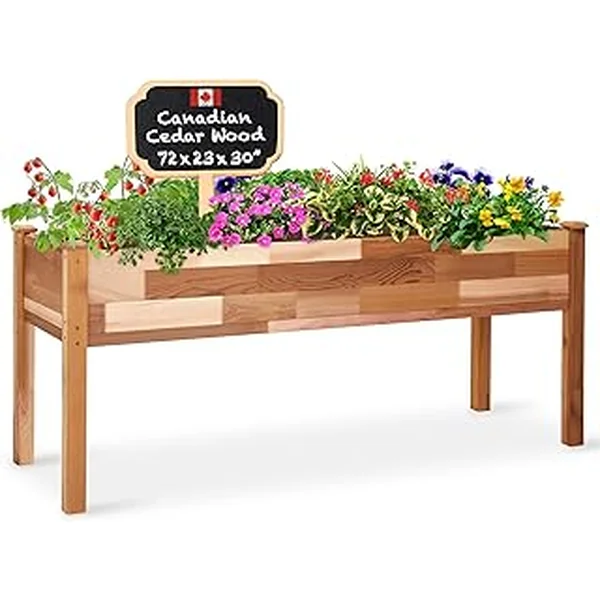
The supplies that make this guide work
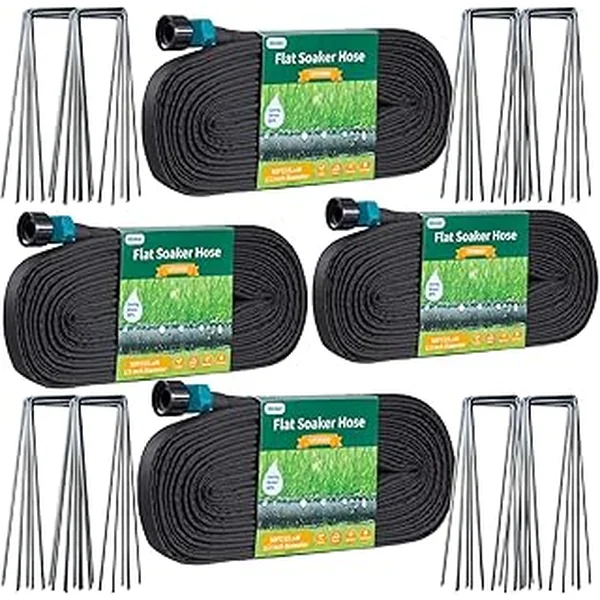
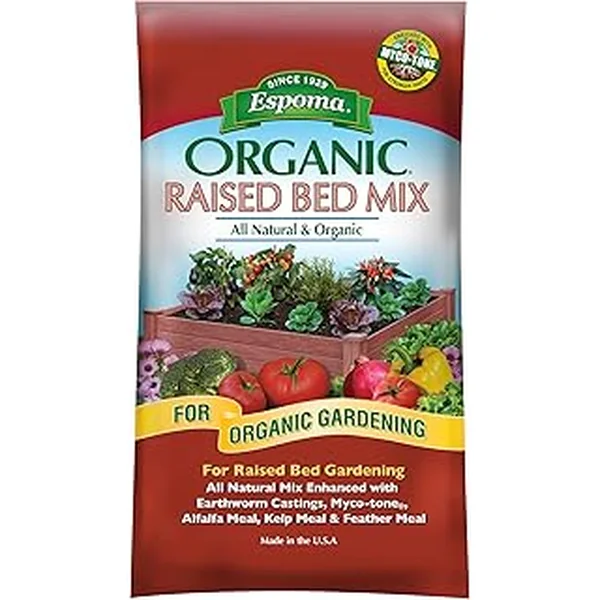
Tazart is an Amazon Associate — we earn from qualifying purchases at no extra cost to you. Thank you for helping us keep these guides free.
Frequently asked questions
How deep do you plant lettuce seeds?
Sow lettuce seeds just 0.3–0.6 cm (⅛–¼ in) deep. The seeds need light to germinate, so deeper than 1 cm (½ in) and germination drops sharply. Press seeds into the soil surface and cover with the thinnest possible layer of fine soil or vermiculite. Water gently with a fine mist.
When should you plant lettuce?
Plant lettuce in cool weather — early spring (4–6 weeks before last frost) and again in late summer/early autumn (6–8 weeks before first frost). Avoid mid-summer planting in hot climates. Lettuce thrives at 10–18°C (50–65°F) and bolts (shoots up flower stalks) above 24°C (75°F). In mild climates, lettuce can be grown nearly year-round.
How far apart do you plant lettuce?
Spacing depends on type. Leaf lettuce: 10–15 cm (4–6 in) apart. Butterhead and romaine: 20–25 cm (8–10 in) apart. Crisphead/iceberg: 30 cm (12 in) apart. Rows 30–45 cm (12–18 in) apart. For cut-and-come-again leaf lettuce, broadcast seeds and harvest at 5–8 cm (2–3 in) tall — no thinning needed.
Can lettuce be planted in summer?
Only with shade and consistent moisture. Lettuce bolts and turns bitter above 24°C (75°F), so summer planting works only with 30–50% shade cloth, heavy mulch, and daily watering. Choose heat-tolerant varieties like 'Jericho', 'Slobolt', or 'Salad Bowl'. Most growers skip the summer window entirely and resume sowing in late August for an autumn harvest.
How long does lettuce take to grow?
Leaf lettuce (cut-and-come-again): 30–45 days from seed to first cut. Butterhead and romaine: 50–65 days. Crisphead/iceberg: 70–85 days. Baby greens for salad mix: 21–30 days. Day-length, temperature, and variety all affect timing — colder weather slows growth significantly.
Should I start lettuce indoors or direct sow?
Direct sowing works for most home gardeners and avoids transplant shock. Start indoors 4–6 weeks before transplanting only if you want a head start in cold zones, or are growing crisphead types that need a long season. Lettuce transplants well as long as you avoid disturbing the rootball — use plug trays or soil blocks.
How often should I succession-plant lettuce?
Sow a new short row or container every 14–21 days from early spring through early summer, then resume in late summer. This gives a continuous supply rather than one big glut. Each succession matures while the previous batch is being harvested, eliminating gaps.
What pH does lettuce need?
Lettuce prefers slightly acidic to neutral soil, pH 6.0–7.0. It's not particularly fussy but performs best when fed regularly with a light nitrogen source — rapid leafy growth needs steady nutrition. Mix compost into the bed before planting and side-dress with diluted liquid fertiliser every 3 weeks.