Flowers
How to Plant Hyacinth Bulbs (Indoor & Outdoor Guide)
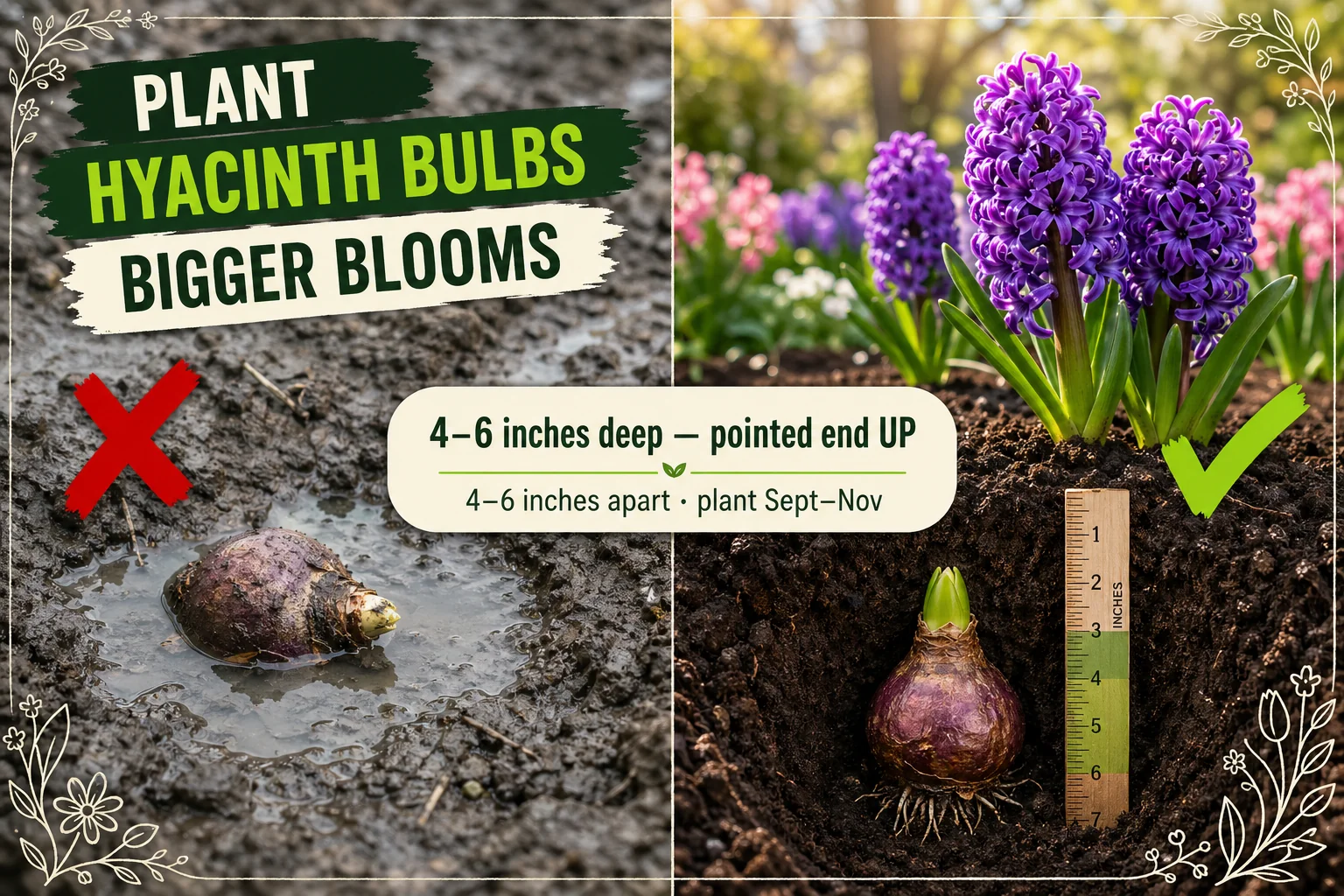
Plant hyacinth bulbs 4–6 inches deep, pointed end up, in fall before the ground freezes. Here's the exact depth, spacing, timing, and forcing method for fragrant spring
On this page
- Quick answer
- When to plant hyacinth bulbs
- Depth and spacing
- Soil preparation
- Step-by-step planting
- Forcing hyacinth bulbs indoors
- After-bloom care
- Storing bulbs after foliage dies
- Getting hyacinths to rebloom year after year
- Common mistakes to avoid
- Troubleshooting
- Related reading
- A note on conditions
Watch the visual walkthrough
How to Grow Hyacinths | Everything You Need to Know! | Guide to Growing Indoor Hyacinth Bulbs!
In this episode I show you how to grow indoor Hyacinths - a handy, but in-depth guide to everything you need to know!
If you have ever planted hyacinth bulbs and been met with nothing but limp leaves — or no growth at all — the cause is almost always the same: too shallow, too wet, or planted too late. Hyacinths are one of the most fragrant spring bulbs you can grow, but they are strict about cold, drainage, and orientation.
This guide covers everything in one place — outdoor fall planting, the correct depth and spacing, soil prep, the indoor forcing method, and how to keep the same bulbs reblooming for years.
Quick answer
Plant hyacinth bulbs in fall (September through November), pointed end up, 4–6 inches (10–15 cm) deep and 4–6 inches apart, in well-drained soil with at least 6 hours of sun. Mulch with 2–3 inches of bark, water once at planting, and leave them alone. They need 12–14 weeks of cold dormancy to bloom — in warm zones or for indoor forcing, refrigerate dry bulbs at 35–48°F (2–9°C) for that same window.
When to plant hyacinth bulbs
The fall planting window exists because hyacinths need a sustained cold period — 12–14 weeks below 48°F (9°C) — to unlock the flower bud inside each bulb. Plant too late and the ground freezes before roots establish. Plant too early and the bulb breaks dormancy in warm soil and rots.
Fall planting window by zone
| USDA Zone | Typical planting window |
|---|---|
| 3–4 (very cold) | Early to mid-September |
| 5–6 (cold) | Mid-September to mid-October |
| 7 (cool-temperate) | Mid-October to early November |
| 8 (mild) | November |
| 9–10 (warm) | Pre-chill in the refrigerator; plant December–January |
The signal to plant is soil temperature around 50°F (10°C), not the calendar date. If the soil still feels warm in October, wait another two weeks. If you missed the window and the ground hasn’t frozen yet, plant anyway — late is far better than storing bulbs through winter in a warm garage.
Depth and spacing
Planting depth: 4–6 inches
The standard rule is two to three times the bulb’s own height. Most hyacinth bulbs are about 2 inches (5 cm) tall, putting the correct depth at 4–6 inches (10–15 cm) measured from the base of the bulb to the soil surface.
Adjust for soil type:
- Sandy or loamy soil: 6 inches (15 cm) — sand drains fast and bulbs can settle
- Standard garden soil: 5 inches (12–13 cm) — the safe middle ground
- Heavy clay: 4–4.5 inches (10–11 cm) — deeper planting in clay increases waterlogging risk
Shallow planting (under 3 inches / 8 cm) is the single most common mistake. Shallow bulbs get frost-heaved out of the ground, eaten by squirrels, or produce floppy stems that fall over once the flower spike opens.
Spacing: 4–6 inches apart
Space bulbs 4–6 inches (10–15 cm) apart for a border drift. Closer spacing (3–4 inches / 8–10 cm) creates a denser block of colour and amplifies the fragrance — hyacinths planted close enough to form a mass are noticeable from across the garden. Never let bulbs actually touch; touching bulbs share moisture and fungal spores.
For containers, plant almost shoulder-to-shoulder with just a finger-width between each bulb for a solid show.
Soil preparation
Hyacinths evolved on rocky, fast-draining slopes in the eastern Mediterranean. Their core requirement is soil that does not hold standing water. Before planting:
- Loosen the bed to 8 inches (20 cm) with a fork or spade
- Remove rocks, root debris, and compacted layers
- Work in a 2–3 inch (5–8 cm) layer of compost if the soil is very sandy or very clay-heavy
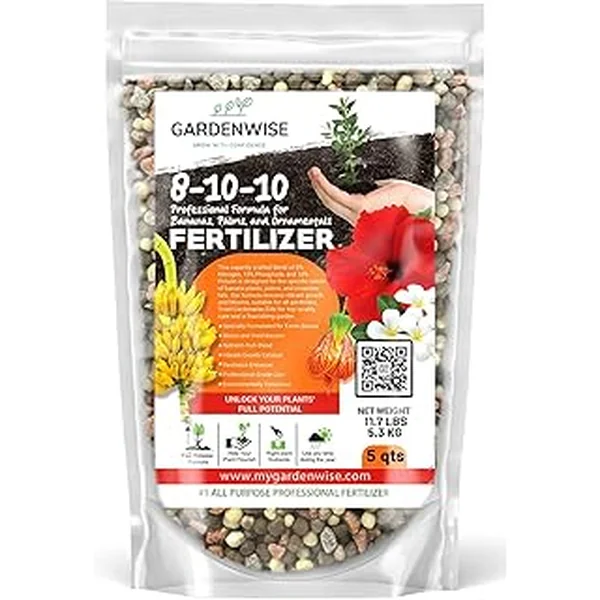
- Drop a teaspoon of slow-release bulb fertilizer or bone meal at the bottom of each hole — phosphorus feeds root and flower development, not leaf growth
- If the bed tends to puddle after rain, either switch to a raised bed or mix coarse grit (1 part grit to 3 parts soil) throughout the top 8 inches
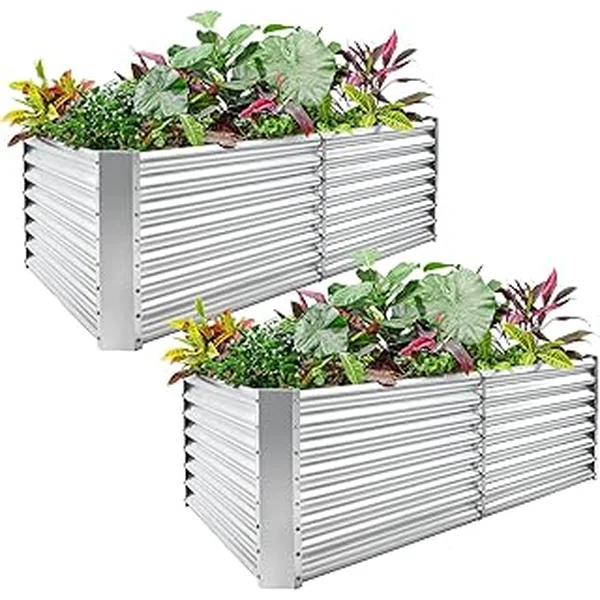
The easiest long-term fix for drainage problems is a metal raised garden bed filled with a 50/50 blend of topsoil and horticultural grit. Hyacinths in a raised bed almost never rot.
Step-by-step planting
1. Inspect the bulbs
Good bulbs feel firm and heavy for their size, with unbroken papery brown or purple skins. Reject any bulb that is:
- Soft or spongy when squeezed
- Showing fuzzy mould at the base or tip
- Noticeably light or hollow
- Already producing more than 1 inch (2.5 cm) of pale shoot
A note on skin irritation: hyacinth bulb skins contain calcium oxalate crystals that irritate bare skin in some people. Wear thin gloves during planting if you have sensitive skin.
2. Dig to the right depth
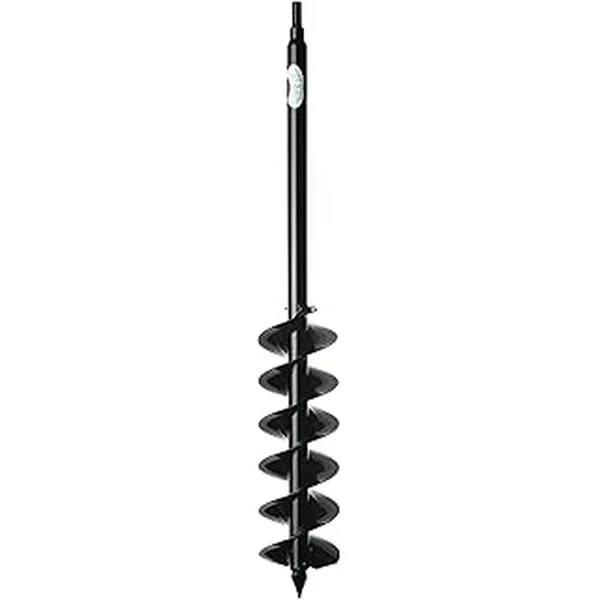
A bulb auger drill bit fitted to a cordless drill bores a clean hole in firm soil in seconds. For 50 or more bulbs it saves considerable time and wrist strain compared to a trowel. A long-handled bulb planter also works well. Set depth to 4–6 inches depending on your soil type.
3. Orient the bulb correctly
Pointed tip up, flat basal plate down. The tip is where the shoot emerges; the basal plate is where the roots grow. If you cannot tell the two ends apart, plant on its side — the shoot self-corrects toward the light, though it costs the bulb a little energy.
4. Backfill and water in
Cover with the removed soil, firm gently with your palm, and water slowly and deeply once — about 1 gallon (4 L) per square foot. That first watering settles the soil around the basal plate so roots can grow into close contact with the soil. Do not water again routinely; autumn and winter rain handles the rest.
5. Mulch
Spread a 2–3 inch (5–8 cm) layer of shredded bark or leaf mould over the bed. Mulch keeps the soil temperature stable through freeze-thaw cycles, retains moisture through dry autumn spells, and makes the bed less attractive to squirrels by masking the disturbed scent of fresh digging.
Forcing hyacinth bulbs indoors
Forcing means providing the 12–14 week cold period artificially, then bringing the bulbs into warmth to bloom mid-winter — a technique that works whether you garden in zone 10 or just want fragrant blooms in January.
Refrigerator method (dry forcing)
- Place dry bulbs in an open paper bag or mesh net — never sealed plastic, which traps moisture and causes rot
- Store in the main refrigerator (not the freezer) at 35–48°F (2–9°C) for 12–14 weeks
- Keep bulbs away from apples, pears, and bananas — ripening fruit releases ethylene gas that kills the flower embryo inside the bulb
- After the cold treatment, pot the bulbs in barely moist potting mix with the tips just above the soil surface
- Place in bright indirect light at room temperature (60–65°F / 15–18°C)
- Flower spikes emerge within 3–4 weeks
Hyacinth forcing vase (water method)
A hyacinth forcing glass vase is designed so the bulb sits in the neck with its base hovering just above (not submerged in) the water. This lets you watch the roots develop — the effect is striking on a windowsill.
How to do it:
- After the 12–14 week refrigerator chill, fill the vase with clean water to just below the bulb’s base
- Set the pre-chilled bulb in the neck so the base barely touches the water surface
- Keep in a cool, dimly lit spot for 2 weeks while roots establish
- Move to bright indirect light — blooms follow in 2–3 weeks
- Top up water weekly, keeping the level just below the base so the roots reach down for it
Forcing in water is a one-season use: water-forced bulbs are usually too exhausted to rebloom reliably and are best composted after flowering or planted outdoors as a long-shot recovery.
After-bloom care
What you do after the flowers fade determines whether your hyacinths return next year.
For a broader look at seasonal hyacinth routines — including fragrance-variety selection, container growing, and troubleshooting poor re-bloom — the hyacinth plant care guide covers the full lifecycle.
| Task | When | Why |
|---|---|---|
| Deadhead the spent spike | As soon as petals drop | Stops the plant putting energy into seeds |
| Leave foliage completely alone | 6–8 weeks after bloom | Green leaves are refilling the bulb — cutting them early starves next year’s flower |
| Feed with slow-release bulb fertilizer | When buds first form in spring | Phosphorus at this moment tops up the bulb’s reserves |
| Remove yellowed foliage | Once it pulls free easily | Only then is the bulb fully recharged |
| Water lightly if spring is very dry | During foliage phase | Prevents the bulb drying out before it has finished refilling |
A free plant care app like Tazart tracks the post-bloom recharge window for each bulb variety and pings you when it is safe to cut the foliage — useful when you have multiple spring bulbs with different timing.
Storing bulbs after foliage dies
In zones 4–7, hyacinth bulbs can stay in the ground year-round. In zones 8–10, or if your soil is very wet over summer, lifting and storing gives the bulbs a better chance of reblooming:
- Lift gently with a fork once the foliage has fully yellowed and pulls free
- Brush off loose soil — do not wash
- Let bulbs air-dry in a shaded spot for one to two weeks
- Store in a paper bag or net in a cool, dark place at 50–60°F (10–15°C) — a basement or garage shelf works well
- Replant in fall following the same depth and spacing guidelines
Do not store in sealed plastic or anywhere humid. Inspect stored bulbs in late summer: discard any that have gone soft.
Getting hyacinths to rebloom year after year
The honest answer is that hyacinths bloom most impressively in their first and second years. By year three or four the flower spike typically becomes shorter and less dense. To maximize repeat performance:
- Never cut the foliage early. The leaves charging the bulb for six to eight weeks after bloom is non-negotiable.
- Feed at the right moment. A teaspoon of slow-release bulb fertilizer scratched in as the first buds emerge gives the developing flower spike the phosphorus it needs.
- Lift and chill in warm zones. In zones 8–10, bulbs left in warm summer soil often skip a bloom year because they never get cold enough. Lift in early summer, store cool, refrigerate for 12–14 weeks in fall, and replant.
- Replace tiring bulbs every 4–5 years. Fresh bulbs are inexpensive and the fragrance from a new, large-grade bulb is noticeably stronger than a fourth-year bulb.
- Avoid high-nitrogen fertilizer. Nitrogen drives leafy green growth, not flowers. Stick to bone meal or a low-nitrogen bulb blend.
Common mistakes to avoid
- Planting pointed end down. The shoot has to double back on itself to reach the surface, wasting energy it needs for the flower spike.
- Planting too shallow. Under 3 inches (8 cm) and the bulb freezes, heaves, or gets dug up by squirrels.
- Wet or clay-heavy soil without amendment. Hyacinths rot in standing water. Drainage is the single biggest factor in whether bulbs survive their first winter.
- Refrigerating near fruit. Ethylene gas from ripening apples kills the flower embryo inside the bulb — keep them on a different shelf.
- Cutting the foliage after bloom. The leaves are the pipeline between the sun and the bulb. Cut them before they yellow and the bulb goes into its summer rest partially empty.
- Skipping the cold treatment in warm zones. Without 12–14 weeks below 48°F (9°C), the bloom trigger does not fire.
Troubleshooting
| Symptom | Likely cause | Fix |
|---|---|---|
| Leaves but no flower spike | Insufficient cold treatment, or bulb too shallow | Ensure 12–14 weeks of chill; replant 1–2 inches deeper next fall |
| Stubby, deformed spike | Cold treatment too short, or ethylene exposure during chilling | Extend refrigerator time to 14 weeks; store away from fruit |
| Bulbs rotted before spring | Waterlogged soil or bulbs planted too deep in clay | Improve drainage; move to raised bed; reduce depth in clay |
| Floppy stems that fall over | Planted too shallow, or forced in too much heat | Plant deeper; keep forced bulbs at 60–65°F (15–18°C), not warmer |
| No rebloom in year two | Foliage cut back early, or insufficient feeding | Let leaves yellow fully; apply bulb fertilizer as buds form |
| Blooms shrink each year | Natural aging of the bulb | Replace with fresh bulbs every 4–5 years |
Related reading
- How to plant tulip bulbs — same fall window as hyacinths, slightly deeper planting depth, and a few squirrel-proofing tricks that work for both.
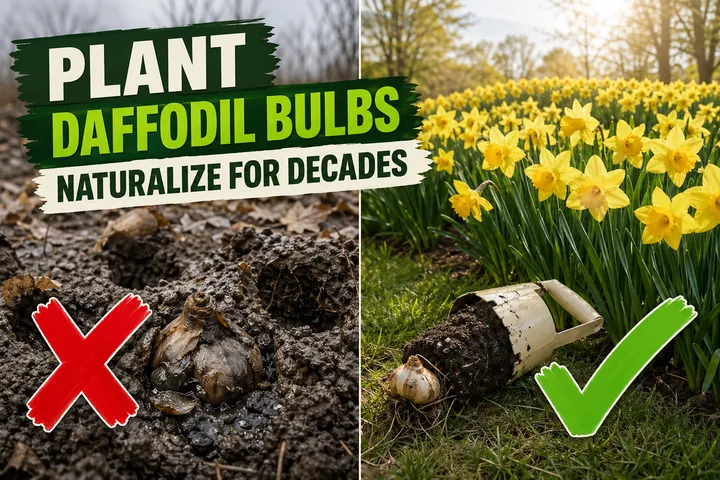
- How to plant daffodil bulbs — the most rodent-proof spring bulb you can pair with hyacinths in a mixed fall border.
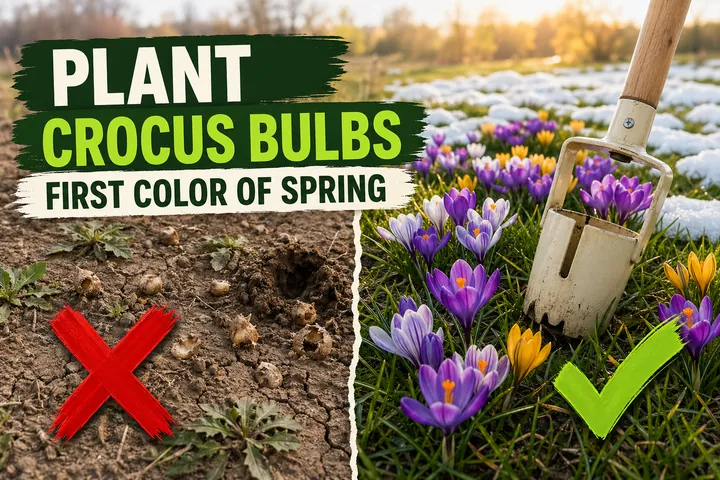
- How to plant crocus bulbs — plant crocus at the same time as hyacinths for blooms that bridge late winter and early spring.
A note on conditions
Every garden is different. Your USDA zone, soil drainage, mulch depth, and winter rainfall all change how hyacinths perform. The depths, spacings, and cold-treatment windows in this guide are the starting point — adjust based on what your bulbs actually do in year one, which is how every good bulb gardener learns their soil.
Highly recommended
The supplies that make this guide work
Tazart is an Amazon Associate — we earn from qualifying purchases at no extra cost to you. Thank you for helping us keep these guides free.
Frequently asked questions
How deep do you plant hyacinth bulbs?
Plant hyacinth bulbs 4–6 inches (10–15 cm) deep, measured from the base of the bulb to the soil surface. That's roughly two to three times the bulb's height. In sandy soil go to the deeper end (6 in / 15 cm); in heavy clay stay at 4–5 inches (10–12 cm) to reduce waterlogging risk. Shallow planting leaves bulbs exposed to freeze-thaw heave and squirrel damage.
When should you plant hyacinth bulbs?
Plant in fall, roughly six weeks before the ground freezes hard — that's typically September through November depending on your zone. Hyacinths need 12–14 weeks of cold dormancy (soil below 48°F / 9°C) to trigger bloom hormones. Miss the outdoor window and you can refrigerate dry bulbs for 12–14 weeks, then plant in late winter for spring colour.
Which way is up on a hyacinth bulb?
The pointed tip faces up; the flat, slightly concave basal plate faces down. Roots emerge from the basal plate, the flower shoot from the tip. If you genuinely cannot tell the two ends apart, plant the bulb on its side — the shoot will self-correct toward the light, at the cost of a little energy.
How do you force hyacinth bulbs indoors?
Store dry bulbs in an open paper bag in your refrigerator (not the freezer, not near apples) at 35–48°F (2–9°C) for 12–14 weeks. After that cold treatment, pot them up with the tip just above the soil surface, or set a single bulb in a hyacinth forcing vase so the base barely touches the water. Move to bright indirect light at room temperature and blooms follow in 3–4 weeks.
Do hyacinth bulbs need cold to bloom?
Yes — without 12–14 weeks at temperatures below 48°F (9°C), the bulb's internal chemistry cannot unlock the flower bud. Outdoors in zones 4–8 the cold comes naturally. In warmer zones (9–10) or for indoor forcing at any time of year, you must provide the chill artificially in a refrigerator.
How long do hyacinth bulbs need in the refrigerator?
12–14 weeks minimum at 35–48°F (2–9°C). Ten weeks is usually not enough and produces short, weak flower spikes. Keep the bulbs dry in a paper or mesh bag — never sealed in plastic, which traps moisture and promotes rot. Keep them away from ripening fruit, which releases ethylene gas and can kill the flower embryo inside.
Can hyacinth bulbs rebloom every year?
Yes, but the second and third blooms are reliably strong only if you let the foliage yellow completely after bloom (6–8 weeks minimum), feed lightly with a slow-release bulb fertilizer as buds form, and avoid cutting the leaves early. In zones 4–7 most hyacinths rebloom steadily for 3–5 years before the spikes thin out. Lifting and chilling the bulbs each fall prolongs performance.
How far apart should hyacinth bulbs be planted?
Space hyacinth bulbs 4–6 inches (10–15 cm) apart for a full border display. Closer spacing (3–4 in / 8–10 cm) gives a denser block of colour and fragrance but means you'll need to lift and divide sooner. In containers, you can plant almost shoulder-to-shoulder — just make sure bulbs never actually touch, as touching bulbs invite fungal rot.