Guide
How to Plant Grass Seed on an Existing Lawn (Overseeding Guide)
Overseed a thin patchy lawn into a thick green one. Exact seed rate, soil temperature, watering schedule, and timing for a fuller lawn in 6–8 weeks.
On this page
Watch the visual walkthrough
Fix an Ugly Lawn with Overseeding // Complete Step by Step Guide For Beginners
A short visual walkthrough that pairs with the steps above.
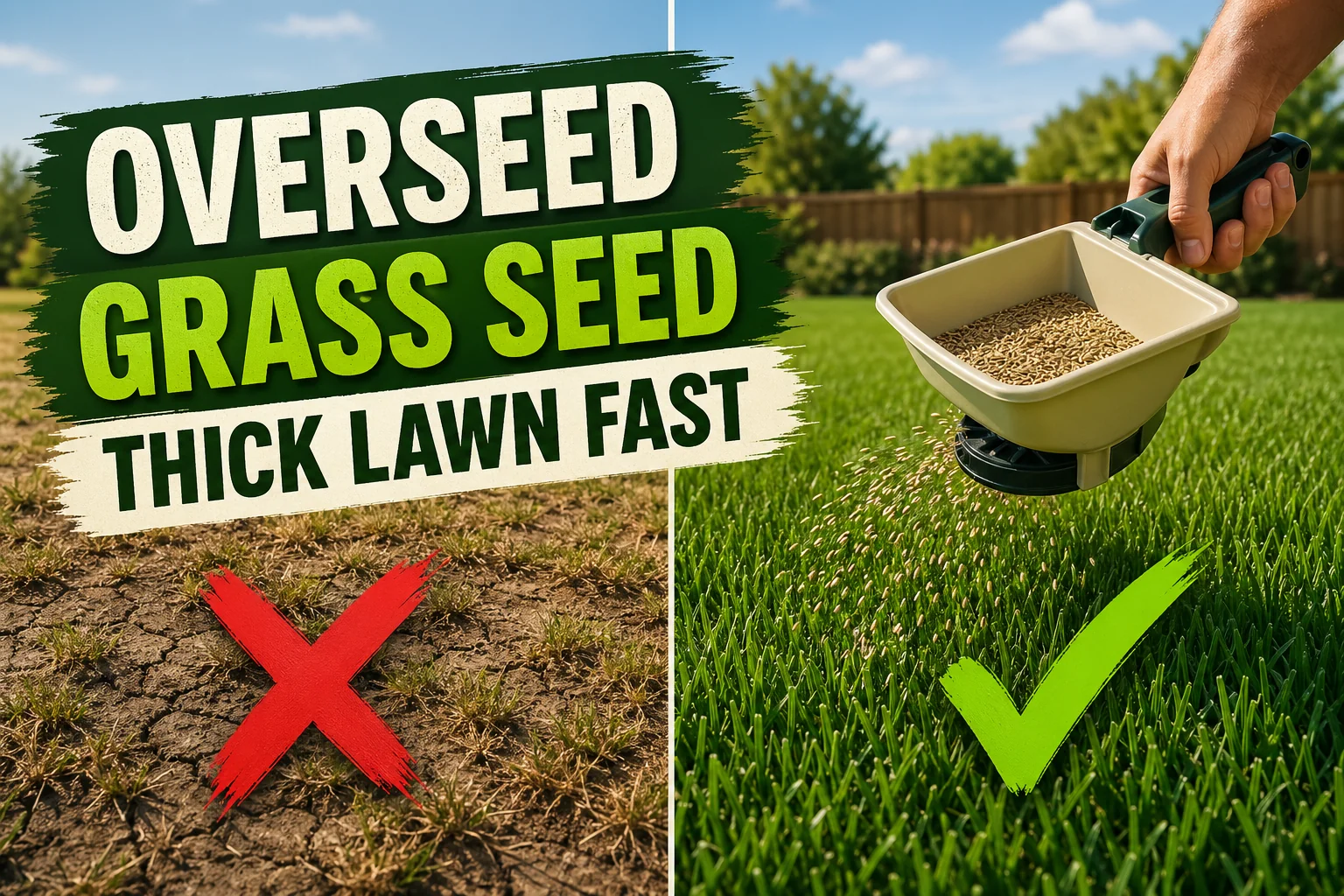
If your lawn has thinned out, gone patchy, or developed bare spots, you don’t need to tear it up and start over. Overseeding — spreading new grass seed directly onto an existing lawn — fills in gaps, thickens the turf, and crowds out weeds, all without a full renovation. Done in the right window with the right prep, a tired lawn comes back thick and uniform in 6–8 weeks.
This guide walks through every step: the right time to do it, prep, seed choice, exact seed rate, watering, and the first mow.
Quick answer
Mow the existing lawn short (2.5–3 cm (1–1 in)), rake or dethatch to expose soil, then spread grass seed at 1.5–2.5 kg per 100 m² when soil temperature is 13–24°C (55–75°F). Topdress with a thin layer of compost, water lightly twice a day for 14–21 days until germination, and wait until the new grass reaches 7.5 cm (3 in) before the first mow. Full establishment takes 6–8 weeks.
When to overseed (best season)
Timing is the single biggest factor in whether overseeding works or fails. The seed needs warm soil, consistent moisture, and weeks of mild weather to root before extreme heat or hard frost arrives.
Cool-season grasses (tall fescue, perennial ryegrass, Kentucky bluegrass):
- Best: early autumn — soil is still warm from summer, weed pressure has dropped, and rain is more reliable
- Backup: mid-to-late spring, after the last hard frost
- Avoid: mid-summer heat, deep winter
Warm-season grasses (Bermuda, zoysia, centipede, St. Augustine):
- Best: late spring into early summer, once soil temperature stays above 18°C (64°F) overnight
- Avoid: autumn — seedlings won’t establish before dormancy
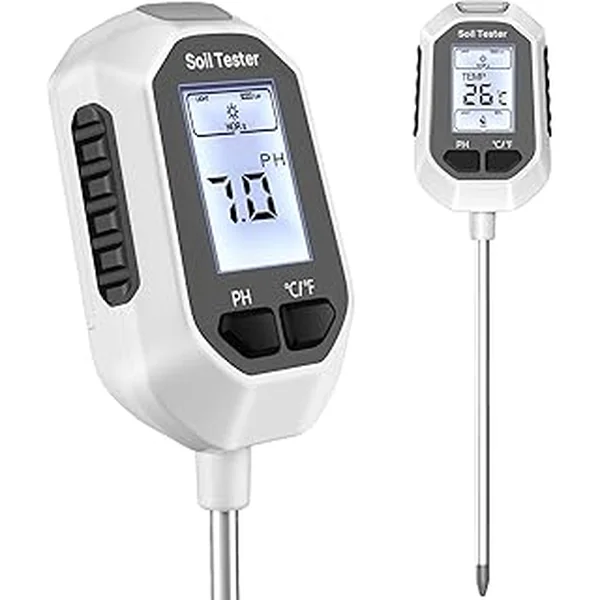
Use a soil thermometer pushed 5 cm (2 in) into the ground for two days running. 13–24°C (55–75°F) is the sweet spot for germination.
What you’ll need
- Bag of grass seed matched to your climate (cool-season vs warm-season)
- Lawn mower set to its lowest comfortable height
- Metal lawn rake or, for heavy thatch, a dethatcher / scarifier
- Core aerator (optional — only if soil is compacted)
- Broadcast or drop spreader for even coverage
- A thin bag of screened compost or topsoil for topdressing
- A sprinkler or hose with a fine rose head
- A soil thermometer (cheap, optional but useful)
Step-by-step: overseeding an existing lawn
1. Mow short
Set the mower to its lowest comfortable height — around 2.5–3 cm (1–1 in) — and cut the existing lawn. Bag the clippings instead of mulching them. Short grass lets sunlight reach the seed and stops existing blades from shading new seedlings to death.
If the lawn is uneven, do a second pass at the same height the next day.
2. Dethatch and rake
Vigorously rake the entire area with a metal lawn rake. You’re trying to do two things: pull up dead grass and thatch, and scratch the soil surface so seed can make contact.
If the thatch layer is more than 1.5 cm (0.5 in) thick (push your fingers into the lawn — if you feel a spongy mat above the soil, it’s too much), rent a power dethatcher or scarifier. Heavy thatch is the #1 cause of overseeded lawns that fail to germinate.
3. Aerate if needed
If the soil is compacted — common in foot-traffic areas, pet zones, and clay soils — run a core aerator over the lawn. Leave the soil plugs on the surface; rain and mowing break them down within a week, and the holes themselves act as protected seed pockets.
You can skip aeration if a screwdriver pushes easily into your moist lawn soil. Loose, loamy soil doesn’t need it.
4. Choose the right seed type
Match the seed to your climate, not the other way around.
| Climate | Best seed types |
|---|---|
| Cool / temperate | Tall fescue, perennial ryegrass, Kentucky bluegrass, fine fescues |
| Hot / humid / subtropical | Bermuda, zoysia, centipede, St. Augustine |
| Mixed / transition zone | Tall fescue blends, or zoysia for hotter spots |
Buy a high-quality blend rather than a single species. Blends germinate at different speeds and root at different depths, which produces a more resilient, even lawn.
5. Spread seed
Spread at 1.5–2.5 kg per 100 m² for overseeding. Heavier rates don’t help — seeds compete with each other and you waste seed.
For even coverage, split the bag in half. Walk the lawn in one direction with the first half, then walk perpendicular to that with the second half. A drop spreader gives the most even coverage; a broadcast (rotary) spreader is faster but needs a steadier walking pace.
For small bare patches, hand-spread to roughly double the rate so the patch matches the surrounding density.
6. Topdress with compost
Sprinkle a thin (5–10 mm) layer of screened compost or fine topsoil over the seeded area. Topdressing locks moisture around the seed, protects it from birds, and adds organic matter to the surface — all of which improves germination.
Don’t bury the seed under more than 1 cm (0.5 in) of material. Most grass seed needs light to germinate.
7. Water in
Water lightly immediately after seeding to settle the seed and topdress into the soil. Then commit to two short waterings per day for 14–21 days — enough to keep the top 1 cm (0.5 in) of soil consistently moist but never soggy. Mornings and late afternoons are best.
If you can feel dry soil under the topdress at any point in those three weeks, you’ve under-watered and the seed will fail.
Once seedlings reach 2–3 cm (0.75–1 in) tall, drop to one watering per day for a week, then transition to deeper, less frequent watering (every 2–3 days) to encourage deep roots.
8. First mow
Wait until the new grass reaches about 7.5 cm (3 in) tall — usually 3–4 weeks after germination — then mow it back to 5 cm (2 in). Use a sharp blade. A dull mower rips young grass out by the roots.
Don’t bag the first mow’s clippings; let them fall and break down to feed the new lawn. After the first mow, return to your normal mowing height and schedule.
Care after overseeding
For the first 6–8 weeks, the new lawn is fragile. Three rules to follow:
| Task | When |
|---|---|
| Water | Twice daily for 14–21 days, then taper to deep + infrequent |
| Foot traffic | Keep off as much as possible until after the second mow |
| Fertilizer | Apply a starter fertilizer at seeding, then a balanced lawn feed at 4–6 weeks |
A free plant care app like Tazart can hold the watering and fertilizing schedule for you, adjust it for local weather, and ping you when soil temperature, rainfall, or weather change the timing — useful when the first 21 days of an overseed are make-or-break.
Common mistakes to avoid
- Skipping the rake. Seed thrown on a thick lawn never reaches soil. Most failed overseedings trace to this single step.
- Overseeding in the wrong season. Cool-season seed in mid-summer or warm-season seed in autumn won’t establish in time.
- Watering too little, or too much. Soil should be consistently moist, not dry and not soggy. Crusted-over soil seals seed in a dry tomb; waterlogged soil rots it.
- Mowing too soon. New blades pulled from shallow roots = bald patches. Wait until 7.5 cm (3 in).
- Using cheap seed or old seed. Old seed has poor germination. Check the date and germination rate on the bag.
- Walking the lawn during germination. Footprints compact the soil and crush seedlings. Restrict traffic until after the first mow.
Troubleshooting
| Symptom | Cause | Fix |
|---|---|---|
| Seed never germinates | Soil too cold, soil too dry, or seed buried too deep | Check soil temp, water 2× daily, redo with light topdress |
| Patchy germination | Uneven spreading or birds eating exposed seed | Top up bare areas, topdress with thin compost layer |
| Seedlings yellow and floppy | Underwatering or hot sun on shallow roots | Water more often (lightly), shade with light straw mulch |
| Damping-off / fungus on seedlings | Overwatering, poor airflow | Cut back to one short watering a day, no overhead at night |
| New grass washes away | Heavy rain on bare soil with no topdress | Re-seed eroded patches, topdress, water gently with rose head |
| Weeds take over | Bare soil + no pre-emergent (which can’t be used at overseeding) | Hand-pull weeds; mow regularly; weed control only after 2nd mow |
Watch: overseeding in action
A short visual walkthrough pairs well with the steps above. If you’re a visual learner, watch a quick tutorial like How to Overseed a Lawn on YouTube and then come back to follow the timing in this guide.
Related reading
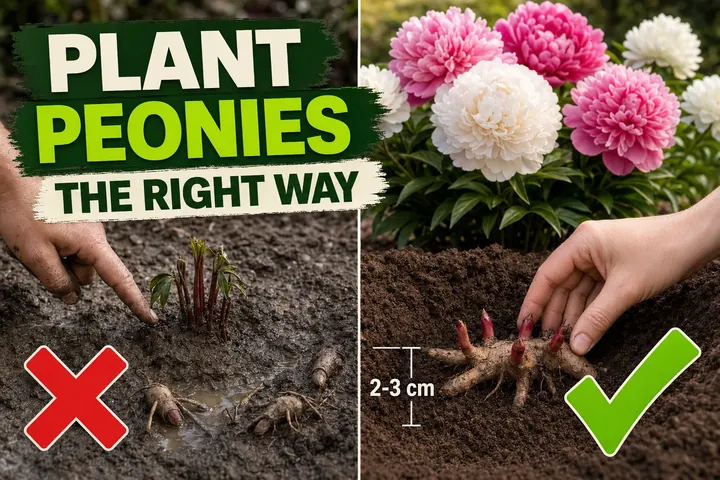
- How to plant peony bulbs the right way — depth, timing, and aftercare for autumn-planted bulbs.
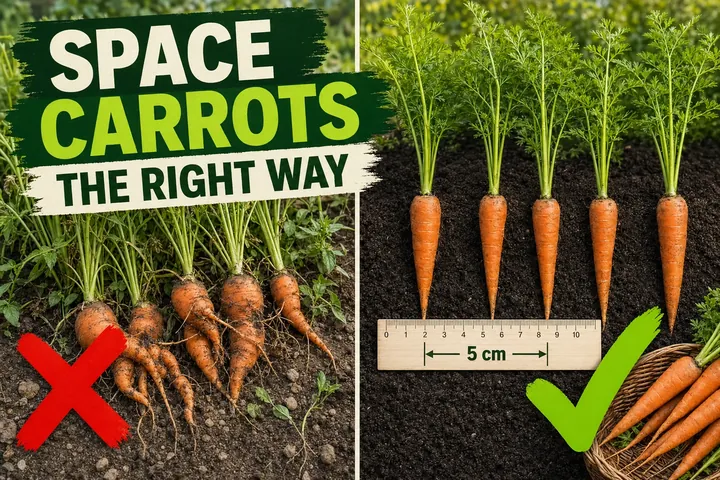
- How far apart to plant carrots for a strong crop — spacing rules that, like seed rates, make or break a planting.
- How to find a good plant nursery near you — where to source quality grass seed, soil, and compost locally.
- Track watering, fertilizing, and overseeding schedules with the free Tazart plant care app and let it adjust for your local weather.
A note on conditions
Every lawn is different. Grass type, sun exposure, soil mix, slope, foot traffic, recent weather, and your local climate all change how an overseed performs week to week. Use the steps above as a starting point and adjust based on what your lawn actually does in the first 14 days — that’s the window where small course corrections fix everything else.
Highly recommended
The supplies that make this guide work


Tazart is an Amazon Associate — we earn from qualifying purchases at no extra cost to you. Thank you for helping us keep these guides free.
Frequently asked questions
Can you just throw grass seed on an existing lawn?
No — seed scattered on top of dense grass or thatch rarely makes good contact with soil, and what does sprout dries out fast. Mow short, rake or dethatch to expose bare soil, then spread the seed at 1.5–2.5 kg per 100 m² and water consistently. That's overseeding done right.
When is the best time to overseed a lawn?
Overseed when soil temperatures are 13–24°C (55–75°F). For cool-season grasses (fescue, ryegrass, Kentucky bluegrass), early autumn is best, with late spring as a backup. For warm-season grasses (Bermuda, zoysia), late spring into early summer once soil is warm. Avoid mid-summer heat and hard frost periods.
How long does grass seed take to grow on an existing lawn?
Most grass seed sprouts in 7–21 days depending on type. Perennial ryegrass shows green in 5–10 days, tall fescue in 7–14, Kentucky bluegrass in 14–21, Bermuda in 7–14. Full establishment takes 6–8 weeks before the lawn is ready for normal traffic and a regular mowing schedule.
Do I need to rake before overseeding?
Yes — if the existing lawn is thick or has more than 1 cm (0.5 in) of thatch, rake or dethatch first. Seed needs soil contact to germinate. A vigorous rake with a metal lawn rake is enough on most lawns; heavy thatch (over 1.5 cm (0.5 in)) needs a power dethatcher or scarifier.
Should I aerate before overseeding?
Aerate if the soil is compacted (foot traffic areas, clay soils). Core aerate, leave the plugs to break down, then overseed — the holes are perfect seed pockets. Skip aeration on already-loose loamy soil; raking is enough there.
How often should I water new grass seed?
Water lightly twice a day for the first 14–21 days, just enough to keep the top 1 cm (0.5 in) of soil consistently moist. Once seedlings reach 2–3 cm (0.75–1 in) tall, drop to once a day for a week, then transition to deep, less frequent watering as roots establish.