Guide
How to Plant Grass Seed in Spring (Complete Timing Guide)
Plant grass seed in spring the right way: cool-season vs warm-season timing, soil prep, watering schedule, and when fall is actually a smarter window.
On this page
- Quick answer
- Spring vs fall — should you really seed in spring?
- When to seed in spring (soil temperature, not the calendar)
- What you’ll need
- Step-by-step: planting grass seed in spring
- A note on crabgrass preventer
- Care in the first 8 weeks
- Common mistakes to avoid
- Troubleshooting
- Watch: a quick spring seeding walkthrough
- Related reading
- A note on conditions
Watch the visual walkthrough
How to OVERSEED an UGLY LAWN in SPRING
Overseeding your tired, worn out or ugly lawn is a great way to renovate it in place. This pro secret is a perfect way do it with the ...
Spring is the most popular time to plant grass seed — but it’s also the trickiest. Cool soil, late frosts, fast-rising weed pressure, and the hot weeks of summer arriving before young roots are ready can all turn a fresh seeding into a patchy mess.
The good news: spring seeding works reliably if you wait for soil temperature, prep the soil properly, and stay on top of watering for the first three weeks. This guide walks through the timing, the prep, the seeding rate, and the post-care window that decides everything.
Quick answer
Plant grass seed in spring once soil temperature at 5 cm (2 in) reads 13–18°C (55–65°F) for cool-season grasses or above 18°C (65°F) for warm-season grasses. Loosen the top 7.5–10 cm (3–4 in) of soil, spread at 2.5–4 kg per 100 m² (5–8 lb per 1000 sq ft), apply a phosphorus-heavy starter fertilizer, topdress with 5–10 mm (0.25–0.5 in) of compost, then water lightly twice a day for 14–21 days. Expect 7–21 days to germination and 6–8 weeks to a mowable lawn.
Spring vs fall — should you really seed in spring?
Honest answer: fall is usually the smarter window for cool-season grasses. Soil is still warm from summer, the air is cooling, weed pressure has dropped, and rain is more reliable. Seedlings get two cool growing seasons (autumn + spring) before the first hot summer.
Spring is the second-best window. It works — millions of lawns are seeded in spring every year — but you have a tighter runway. Cool-season seedlings need to be deeply rooted before mid-summer heat arrives, which means seeding in early-to-mid spring, not late spring.
For warm-season grasses (Bermuda, zoysia, centipede), spring is actually better than fall — they need warm soil to germinate and grow strong before going dormant in autumn.
When to seed in spring (soil temperature, not the calendar)
The single biggest mistake is seeding too early on the first warm-air day. Soil temperature lags air temperature by 2–3 weeks in spring.
| Grass type | Soil temp at 5 cm (2 in) | Typical US window |
|---|---|---|
| Tall fescue | 13–18°C (55–65°F) | Mid-March to mid-April (South), mid-April to mid-May (North) |
| Perennial ryegrass | 10–18°C (50–65°F) | Same window — fastest cool-season germinator |
| Kentucky bluegrass | 13–18°C (55–65°F) | Mid-April to late-May (cooler North) |
| Bermuda grass | 18–24°C (65–75°F) | Late April to early June |
| Zoysia | 21–27°C (70–80°F) | Mid-May to mid-June |
Push a soil thermometer 5 cm (2 in) into bare soil and check first thing in the morning for two days running. Match the average to the chart above before pulling the trigger.
What you’ll need
- Bag of grass seed matched to your climate (check the label’s germination rate — over 85 percent is good)
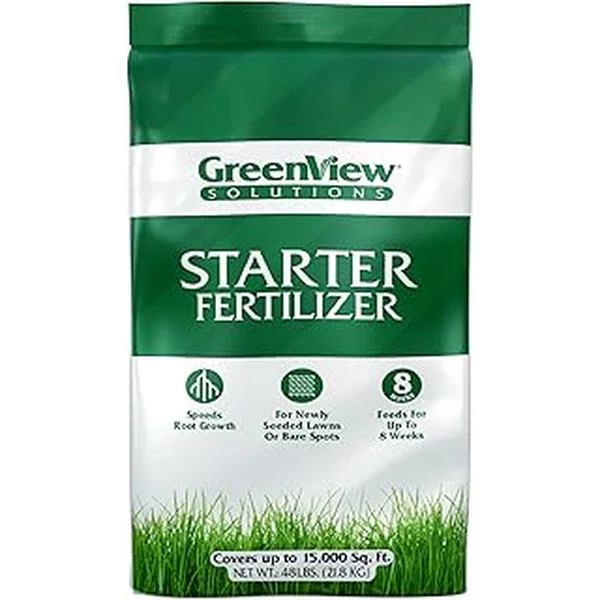
- Phosphorus-rich starter fertilizer (look for a middle number like 10-20-10 or 18-24-12)
- Garden rake or thatch rake (and a rototiller for new lawns over 100 m² (1000 sq ft))
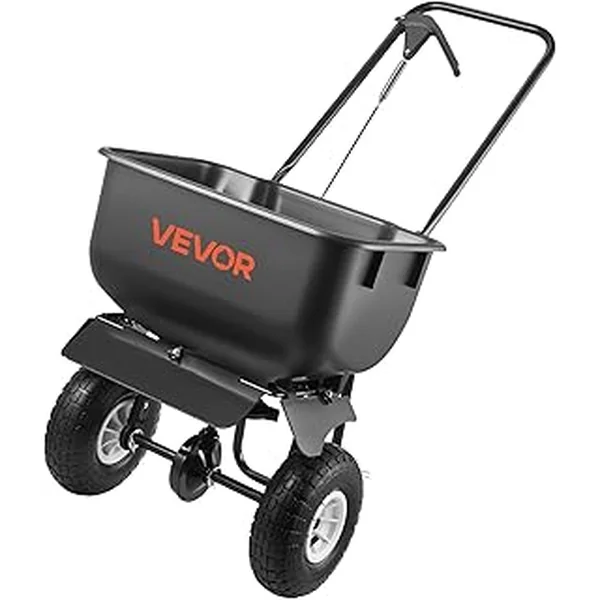
- Broadcast or drop spreader for even coverage
- Screened compost or fine topsoil for topdressing
- Sprinkler with a fine rose head or oscillating sprinkler
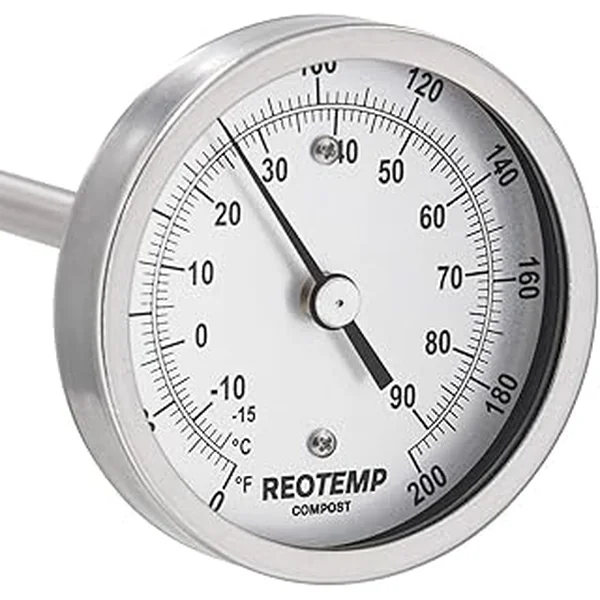
- Soil thermometer (cheap, removes all guesswork)
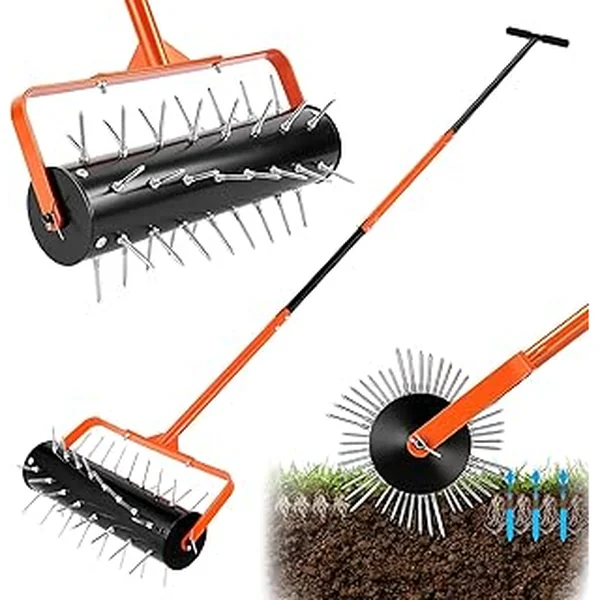
- Optional core aerator for compacted soil
Step-by-step: planting grass seed in spring
1. Test and prep the soil
For a brand-new lawn, loosen the top 7.5–10 cm (3–4 in) of soil with a rake or rototiller. Pull out rocks, old roots, and dead sod. Level low spots with topsoil and rake the surface smooth and slightly textured — seed needs to make contact with soil, not sit on a polished crust.
If you can swing it, take a quick soil pH test. Most lawn grasses prefer pH 6.0–7.0. Lime corrects acidic soil; sulfur corrects alkaline soil. Apply at the bag rate two to four weeks before seeding if possible.
For overseeding into an existing thin lawn, skip the tilling — see our dedicated overseeding guide for the prep that fits that case.
2. Pick the right seed for your climate
Match the seed to your climate, not the other way around.
| Region | Recommended seed |
|---|---|
| Cool / temperate (North) | Tall fescue blend, Kentucky bluegrass + perennial ryegrass mix, fine fescues for shade |
| Hot / humid / subtropical (South) | Bermuda, zoysia, centipede, St. Augustine |
| Mixed / transition zone | Tall fescue blends, or zoysia for hotter/sunnier spots |
Buy a blend rather than a single species. Different cultivars germinate at different speeds and root at different depths, which produces a more resilient lawn that handles disease, drought, and traffic better.
3. Spread seed at the right rate
For a new spring seeding, the right rate is 2.5–4 kg per 100 m² (5–8 lb per 1000 sq ft) — heavier than overseeding because there’s no existing turf. Lighter at the bottom of the range for fine-textured grasses (Kentucky bluegrass, fine fescues), heavier for coarse-textured types (tall fescue).
Higher rates don’t help — seedlings compete with each other and you end up with a thin, patchy stand. Lower rates leave gaps for weeds.
For even coverage, split the bag in half. Walk the lawn in one direction with the first half, then walk perpendicular with the second half. A drop spreader gives the most even coverage; a broadcast (rotary) spreader is faster but needs a steady walking pace.
4. Apply starter fertilizer
Spread a phosphorus-rich starter fertilizer immediately after seeding, at the bag’s seeding rate. Look for a middle number (P) that’s noticeably higher than the others — something like 10-20-10 or 18-24-12.
Phosphorus drives root development in the first four weeks. Spring seedlings need deep roots before summer heat, and starter fertilizer is the biggest lever you have.
Some states restrict phosphorus on established lawns — but new seedings are almost always exempt. Check your local rules. Our starter fertilizer guide covers the full timing and follow-up feed.
5. Topdress with compost
Sprinkle a thin 5–10 mm (0.25–0.5 in) layer of screened compost or fine topsoil over the seeded area. Topdressing locks moisture around the seed, hides it from birds, adds organic matter, and improves germination by 10–20 percent in most trials.
Don’t bury seed under more than 1 cm (0.5 in) of material. Most grass seed needs light to germinate.
Rake the surface very gently with the back of a rake to nestle seed into the top 5 mm (0.25 in) of soil.
6. Water in immediately
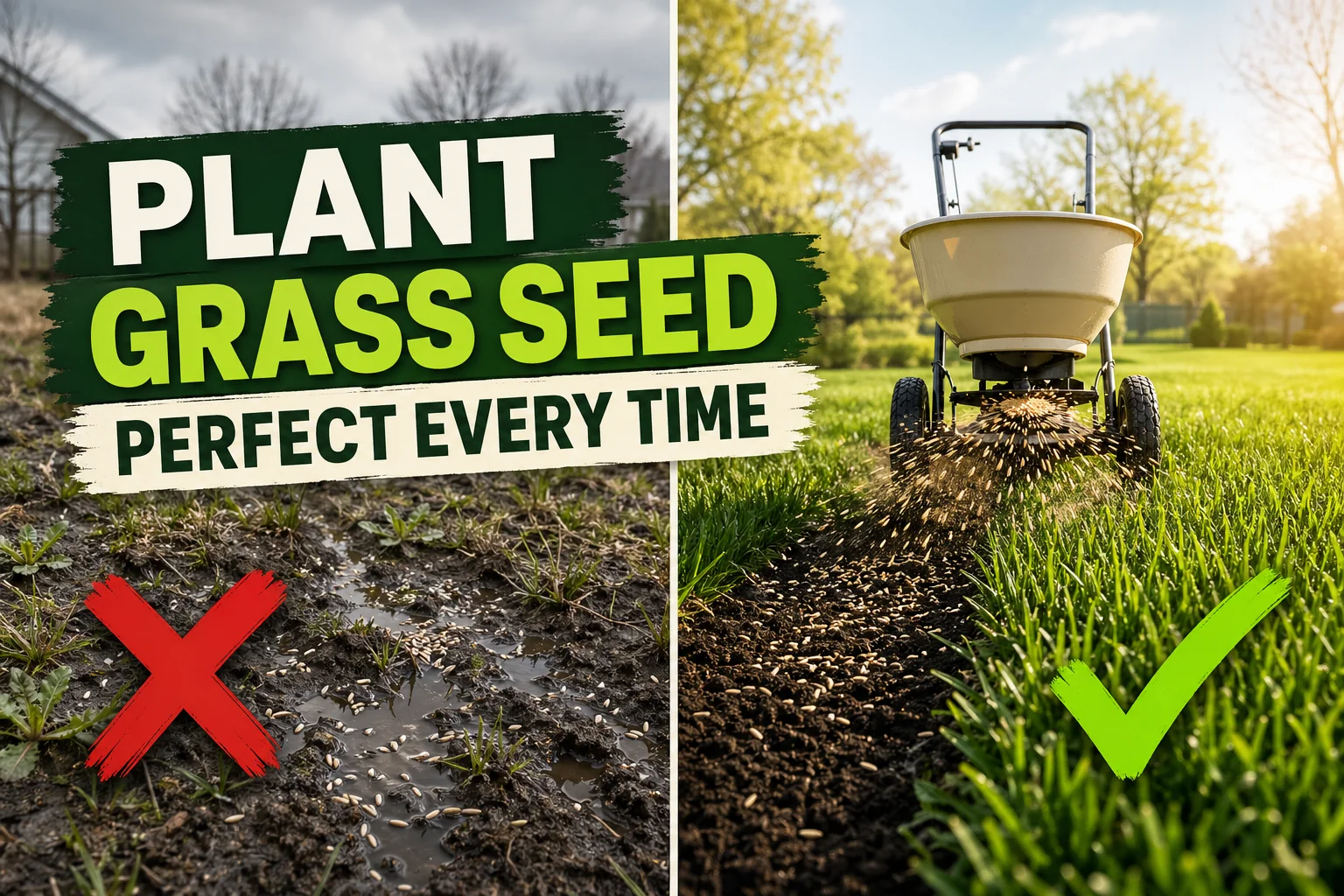
Water lightly right after spreading seed and topdress to settle everything in. Use a sprinkler with a fine rose head — a hard stream washes seed into puddles and leaves stripes for the next two months.
Then commit to two short waterings per day for 14–21 days. The goal is moist top 1 cm (0.5 in) at all times, never soggy. Spring wind dries topsoil faster than people expect, especially in the first week before the seedling canopy forms.
If you can feel dry soil under the topdress at any point in those three weeks, you’ve under-watered and the seed will fail.
Once seedlings reach 2–3 cm (0.75–1 in) tall, drop to one watering per day for a week, then taper to deep, less-frequent watering (every 2–3 days) to push roots down.
A free plant care app like Tazart can hold the watering schedule and adjust it for local rainfall and wind — which matters most in the make-or-break first 21 days of a spring seeding.
7. The first mow
Wait until the new grass reaches about 7.5 cm (3 in) tall — usually 3–4 weeks after germination — then mow it back to 5 cm (2 in). Use a sharp blade. A dull mower rips young grass out by the shallow roots.
Don’t bag the first mow’s clippings; let them break down to feed the new lawn. After the second mow, you can return to your normal mowing height.
For when to apply the first follow-up feed, see how long after seeding can I fertilize the lawn.
A note on crabgrass preventer
This is the classic spring trap. Most crabgrass pre-emergents (prodiamine, pendimethalin, dithiopyr) block grass seed from germinating too. If you’ve already applied pre-emergent this spring, wait 12–16 weeks before seeding, or skip seeding until fall.
The one common exception is mesotrione (sold as Tenacity), which is seed-safe and can go down at seeding to suppress crabgrass and many broadleaf weeds. Read the label — it has rules around grass type and application timing.
Care in the first 8 weeks
The first six to eight weeks are the fragile window. Three rules to follow:
| Task | When |
|---|---|
| Water | Twice daily for 14–21 days, then taper to deep + infrequent |
| Foot traffic | Keep off as much as possible until after the second mow |
| Fertilizer | Starter at seeding, then a balanced lawn feed at 4–6 weeks |
For ongoing fertilizer timing, our how often to fertilize your lawn guide covers the year-round rhythm once the lawn is established.
Common mistakes to avoid
- Seeding too early. Air at 18°C (65°F) with soil at 7°C (45°F) is the classic spring trap. Use a soil thermometer.
- Seeding too late. Cool-season seed put down in late May has only a few weeks before summer heat. Earlier is safer in spring.
- Crabgrass preventer + new seed. Most pre-emergents kill grass seed too. Plan around it or use mesotrione.
- Skipping starter fertilizer. Spring seedlings need phosphorus to push roots down before summer.
- Letting the seed dry out. Even a single hot dry afternoon can kill a freshly germinated seedling. Stay on the watering schedule.
- Mowing too soon. New blades pulled from shallow roots leave bald patches. Wait until 7.5 cm (3 in).
- Cheap or old seed. Old seed has poor germination. Check the date and germination rate on the bag.
Troubleshooting
| Symptom | Cause | Fix |
|---|---|---|
| Seed never germinates | Soil too cold, dry, or seed buried too deep | Check soil temp, water 2× daily, redo with light topdress |
| Patchy germination | Uneven spreading or birds eating exposed seed | Top up bare areas, topdress with thin compost |
| Seed washed away after rain | Steep slope or hard rain on bare soil | Re-seed eroded patches, topdress, water gently |
| Seedlings yellow and floppy | Underwatering or hot sun on shallow roots | Water more often (lightly), shade with light straw mulch |
| Damping-off / fungus on seedlings | Overwatering, no airflow, watering at night | Shift to one short morning watering, no overhead at night |
| New grass dies in late May | Hit summer heat before roots set | Seed earlier next year, or switch to fall seeding |
Watch: a quick spring seeding walkthrough
If you’re a visual learner, a short tutorial pairs well with the steps above. Watch a quick spring lawn seeding video and then come back to follow the timing and watering schedule here — that’s the part most YouTube videos skim.
Related reading
- How to plant grass seed on an existing lawn (overseeding) — the lighter-touch version when you’re filling in a thin lawn.
- How long after seeding can I fertilize the lawn? — when to put down the first follow-up feed.
- How often to fertilize your lawn — the year-round rhythm once the lawn is established.
- Track watering, fertilizing, and seeding schedules with the free Tazart plant care app and let it adjust for your local weather.
A note on conditions
Every yard is different. Soil texture, slope, sun exposure, USDA zone, microclimate, and the specific spring weather you happen to get all shift the timing by a week or two. Use the steps above as a starting point and adjust based on what your soil thermometer and your seedlings actually show in the first 21 days — that’s the window where small course corrections fix everything else.
Highly recommended
The supplies that make this guide work
Tazart is an Amazon Associate — we earn from qualifying purchases at no extra cost to you. Thank you for helping us keep these guides free.
Frequently asked questions
When can I plant grass seed in spring?
Plant grass seed in spring once soil temperature at 5 cm (2 in) deep stays consistently between 13–18°C (55–65°F) for cool-season grasses and above 18°C (65°F) for warm-season grasses. In most US zones that's mid-March to mid-April for the South and mid-April to late-May for the North. Spring soil temp lags air temp by 2–3 weeks, so don't seed on the first warm day.
Is spring or fall better for planting grass seed?
For cool-season grasses (fescue, ryegrass, Kentucky bluegrass), early autumn is better — warm soil, cool air, less weed pressure. Spring is the second-best window and works fine if you seed early enough to establish before summer heat. For warm-season grasses (Bermuda, zoysia), late spring into early summer is the best window, and autumn is too late.
How long does grass seed take to germinate in spring?
Spring germination runs 7–21 days depending on grass type and soil temperature. Perennial ryegrass shows green in 5–10 days, tall fescue in 7–14, Kentucky bluegrass in 14–21, and Bermuda in 7–14 once soil hits 21°C (70°F). Cooler spring soil at the bottom of the range slows germination by up to a week.
What temperature does grass seed need to germinate?
Cool-season grass seed needs soil temperatures of 10–18°C (50–65°F) to germinate well; warm-season seed needs 18–29°C (65–85°F). Soil thermometers are cheap and remove all the guesswork. Air temperature is not a reliable proxy in spring — use soil temp at 5 cm (2 in) deep.
Can I put down crabgrass preventer with new grass seed in spring?
No — most crabgrass pre-emergents block grass seed from germinating too. If you've already applied pre-emergent, wait at least 12–16 weeks before seeding, or use a seed-safe product like mesotrione (sold as Tenacity) which can go down at seeding. Otherwise, skip the preventer this spring and plan it for next year.
How often should I water new grass seed in spring?
Water lightly twice a day for the first 14–21 days — just enough to keep the top 1 cm (0.5 in) of soil consistently moist. Spring rain helps, but cool windy days dry topsoil fast. Once seedlings reach 2–3 cm (0.75–1 in), drop to once a day for a week, then transition to deeper, less frequent watering as roots establish.
Should I till the soil before planting grass seed in spring?
For a brand-new lawn or a major renovation, yes — loosen the top 7.5–10 cm (3–4 in) of soil, level it, then rake smooth before seeding. For overseeding bare patches in existing turf, skip tilling; rake to expose soil and drop seed instead. Heavy tilling on an established lawn just brings dormant weed seeds to the surface.