Edible
How to Plant Grape Vines (Backyard Vineyard Starter Guide)
Plant grape vines the right way — full sun, a sturdy trellis, vines spaced 1.8–2.4 m (6–8 ft) apart. Exact depth, soil, and pruning for a year-3 harvest.
On this page
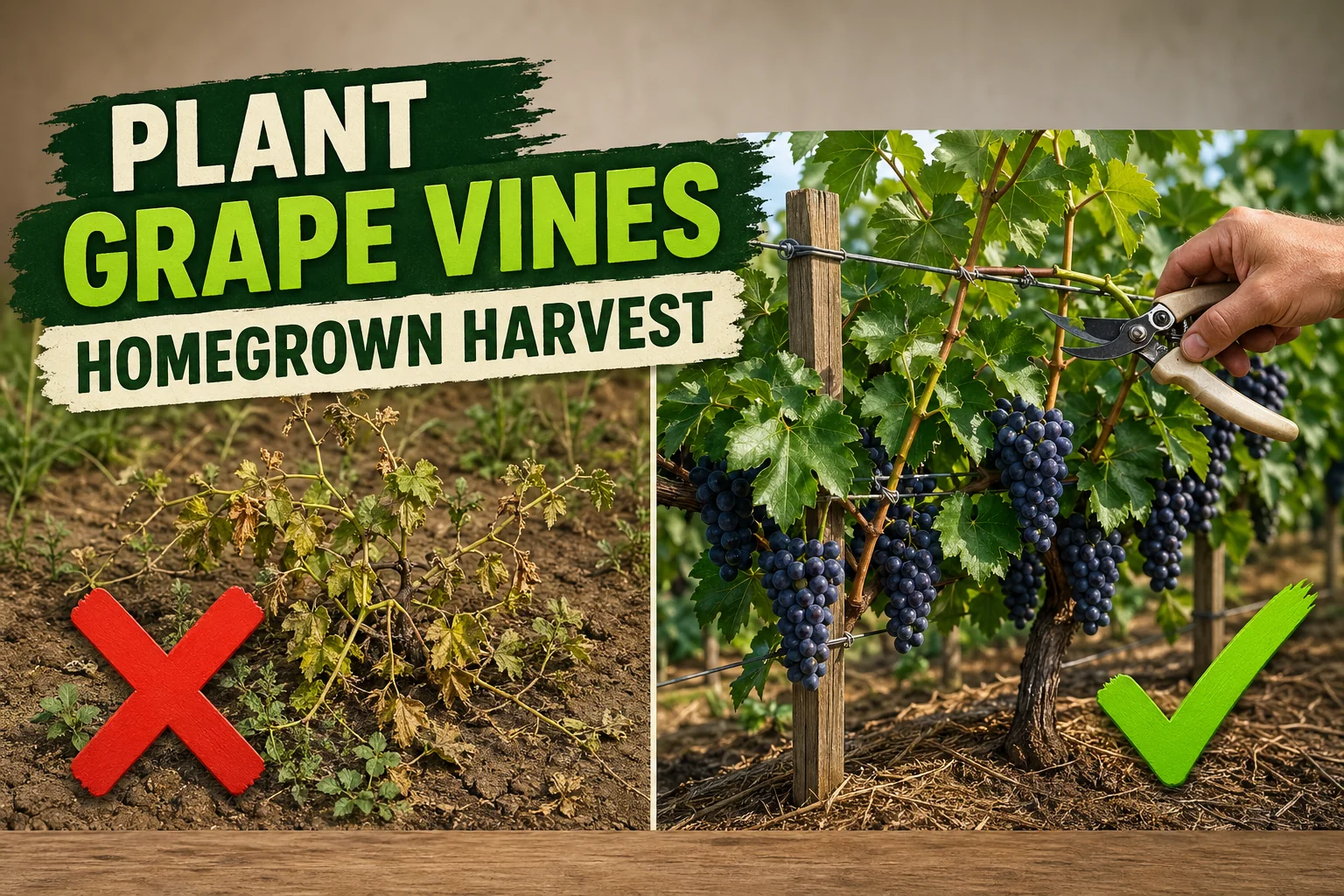
Watch the visual walkthrough
How to Plant Wine Grapes
A short visual walkthrough that pairs with the steps above.
Yes — you can absolutely plant grape vines in a backyard, and once they’re established they’ll keep producing fruit for 30 to 60 years. The trick is getting the first season right: full sun, a real trellis from day one, and the graft union sitting just above the soil.
This guide walks you through it step by step: picking the right variety, dig depth, spacing, the simplest reliable trellis, and how to prune in year 1 so you actually get a harvest in year 3.
Quick answer
Plant bare-root grape vines in early spring, 1.8–2.4 m (6–8 ft) apart, in full sun (7+ hours), with the graft union 5 cm (2 in) above the soil line. Install a 1.8 m (6 ft) wood-post and wire trellis the same day you plant. Water deeply once a week the first summer, prune hard the first winter, and expect a real harvest in year 3.
Pick the right variety for your zone
Grape vines split into two big families. Choosing the wrong one is the #1 reason backyard vineyards fail.
| Family | Best for | Examples | Cold tolerance |
|---|---|---|---|
| Vitis labrusca (American) | Fresh eating, jam, juice | Concord, Niagara, Reliance | USDA zones 4–8 |
| Vitis vinifera (European/wine) | Wine, table fruit in warm zones | Cabernet Franc, Pinot Gris, Thompson Seedless | USDA zones 6–10 |
| French-American hybrids | Wine in cold zones | Marquette, Frontenac, Vidal Blanc | USDA zones 4–9 |
If you’re north of zone 5 and unsure, start with Concord. It’s the easiest grape on the planet, shrugs off mildew, and ripens reliably even in a short summer.
What you’ll need
- One or more bare-root or potted grape vines (1-year-old #1 grade is the sweet spot)
- A planting site with full sun — 7+ hours of direct light, ideally a south- or southwest-facing slope
- A spade and a digging fork
- A bucket of water
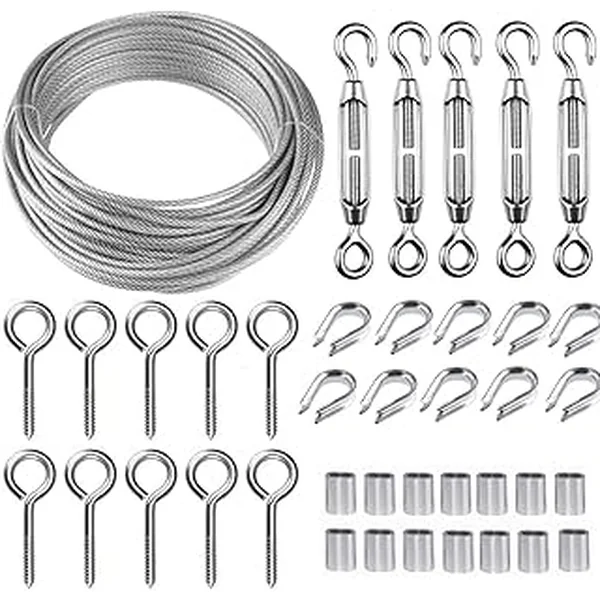
- Trellis materials per vine: two 2.4 m (8 ft) wooden posts (cedar or pressure-treated), 30 m (100 ft) of 12-gauge galvanized wire, eye bolts, a turnbuckle
- A handful of compost
- 5–8 cm (2–3 in) of mulch (wood chips or straw)
- Hand pruners
That’s the whole list. No fertilizer the first year — fresh roots burn easily, and grape vines actually do better in lean soil.
Step-by-step: planting a grape vine
1. Pick a healthy bare-root vine
A good 1-year-old vine has at least three thick fibrous roots, a single straight pencil-thick cane, and a clearly visible graft union (a swollen knob about 10 cm (4 in) up the stem) if you’re buying a grafted vinifera type.
Reject any vine that:
- Has shriveled, crispy, or blackened roots
- Has white mold on the cane or roots
- Already has long pale shoots from being stored too warm — those will die back
If you can’t plant the same day, soak the roots in a bucket of cool water for 4–24 hours, no longer.
2. Build the trellis FIRST
This is the step every beginner skips, and every beginner regrets. A grape vine left to sprawl on the ground for one season tangles, mildews, and stops the cordon (main horizontal arm) from forming straight. Build the trellis the day you plant.
The simplest reliable backyard system is a 2-wire vertical trellis:
- Sink two 2.4 m (8 ft) wooden posts at each end of the row, 60–75 cm (24–30 in) deep, 4.5–6 m (15–20 ft) apart.
- Run one wire 75 cm (30 in) above the soil — this is the cordon wire, where the main arms will sit.
- Run a second wire 1.5 m (5 ft) above the soil — this catches the new fruiting shoots each summer.
- Tension both wires with a turnbuckle so they don’t sag.
For a single vine on a fence, screw two horizontal eye-bolts at 75 cm (30 in) and 1.5 m (5 ft), and run wire between them.
3. Dig the hole and prep the soil
Dig a hole 30–45 cm (12–18 in) deep and 30 cm (12 in) wide, directly below the cordon wire. Loosen the bottom with a fork — grape roots can dig down 1.8–2.4 m (6–8 ft) over the vine’s life, and compacted subsoil stunts that.
Mix one handful of compost into the backfill pile. Don’t dump fertilizer or manure into the hole — concentrated nutrients burn fresh roots.
4. Position the vine
Make a small mound of soil in the bottom of the hole. Set the vine on the mound and spread the roots downward and outward like an octopus. Adjust the height so the graft union sits 5 cm (2 in) above the final soil line, or for own-root vines, so the lowest bud on the cane sits right at soil level.
If the graft ends up below the soil, the rootstock will send up its own shoots and quietly take over. Lift the vine and add more soil to the mound until the graft sits high.
5. Backfill and water
Fill the hole halfway with the compost-amended soil. Pour in 4–8 L (1–2 gal) of water and let it soak in to settle the soil around the roots. Top off the hole, firm gently with your foot — just enough so the vine stands upright when you let go.
Water in again with another 4 L (1 gal) right at the base.
6. Cut the vine back hard
This feels wrong, but it’s the most important step of the whole season. Prune the cane down to 2 strong buds above the graft union — about 10–15 cm (4–6 in) of stem. The vine will use its full root energy to push 1–2 powerful shoots instead of 6 weak ones, and one of those shoots becomes the permanent trunk.
If you skip this and leave the long cane, you’ll get a tangled bush instead of a trained vine.
7. Mulch and tie
Spread 5–8 cm (2–3 in) of wood chips or straw in a 60 cm (2 ft) circle around the vine, keeping the mulch 5 cm (2 in) clear of the trunk. Mulch keeps the root zone cool, holds moisture, and smothers weeds — the three things that decide whether year 1 succeeds.
Loosely tie the strongest emerging shoot to the cordon wire as it grows during summer, using soft tying tape or strips of old t-shirt.
First-year care
Grape vines are surprisingly low-maintenance once they’re in the ground. The first season is about building roots, not fruit.
| Task | When |
|---|---|
| Water | 4–8 L (1–2 gal) per vine, once a week, all summer if no rain |
| Mulch top-up | Mid-summer if the layer thins below 5 cm (2 in) |
| Tie new growth | Every 2–3 weeks as the shoots reach the wire |
| Pinch off any flower clusters | Immediately — let the vine put all energy into roots |
| Fertilize | Skip year 1 entirely. Compost mulch is enough. |
A free plant care app like Tazart can hold the watering and pruning schedule for you, adjust watering for your local rainfall, and ping you on Apple Watch when the next training step is due — useful if you’re managing more than one or two vines.
When and how to harvest
Year 1: zero harvest. Pinch every flower cluster off the moment you see it.
Year 2: leave 5–10 small clusters on a strong vine. You’ll get a taste — enough to confirm the variety is right.
Year 3: first real crop, roughly 4.5–9 kg (10–20 lb) per vine. Harvest when the grapes taste sweet, not when they look ripe — color changes 2–3 weeks before sugar peaks. Cut whole clusters off with hand pruners; pulling tears the cane.
Year 5 and beyond: 9–13.5 kg (20–30 lb) per mature vine, every year, for decades.
Common mistakes to avoid
- Planting in part shade. Less than 7 hours of sun = sour grapes and constant mildew. Move the vine if you have to.
- Burying the graft union. This kills the wine grape variety you paid for and lets the rootstock take over.
- Skipping the trellis. A vine sprawled on the ground in year 1 will never train cleanly.
- Letting the vine fruit in year 1 or 2. Every cluster is energy stolen from root growth. Pinch them off.
- Heavy fertilizing. Grapes evolved on poor stony soil. Rich nitrogen = lots of leaves, no fruit, soft canes that get diseased.
- Crowding the planting. 1.8 m (6 ft) minimum between vines. Crowded canopies invite powdery mildew and black rot.
- Watering daily. Deep weekly watering forces roots down. Shallow daily watering keeps them at the surface where they dry out fast.
Troubleshooting
| Symptom | Likely cause | Fix |
|---|---|---|
| Pale yellow leaves with green veins | Iron chlorosis from waterlogged or alkaline soil | Improve drainage; mulch with pine needles to acidify |
| White powdery coating on leaves | Powdery mildew (poor airflow) | Thin shoots to one every 10 cm (4 in); spray with potassium bicarbonate weekly |
| New shoots wilt and brown overnight | Black rot or Pierce’s disease | Remove and burn affected canes; spray copper at bud break |
| Vine grew strong but produced no fruit by year 3 | Too much shade or too much nitrogen | Move to full sun OR stop fertilizing for 2 seasons |
| Birds stripping the ripening fruit | Standard backyard problem | Drape bird netting 2 weeks before harvest |
| Ants and wasps on the fruit | Already-split or over-ripe grapes | Pick promptly; remove damaged clusters |
| Suckers shooting up from below the graft | Graft union got buried | Cut suckers flush; raise the soil grade if needed |
Watch: planting a backyard grape vine
A short visual walkthrough pairs well with the steps above. If you’re a visual learner, watch a quick tutorial like How to Plant a Grape Vine on YouTube to see the bare-root prep, hole depth, and the year-1 hard prune in real time, then come back to follow the timing in this guide.
Related reading
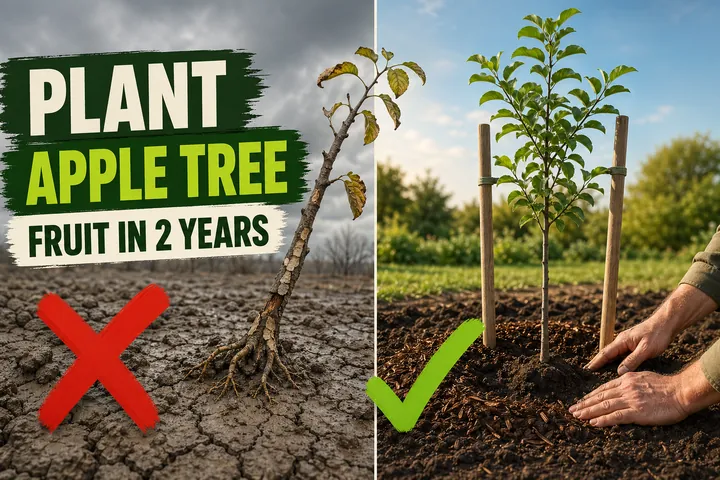
- How to plant an apple tree the right way — same “graft union above soil” rule applies to most fruiting plants.
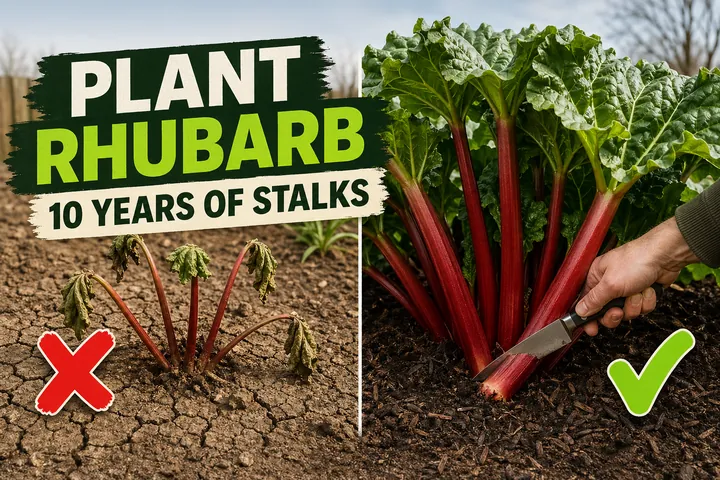
- How to plant rhubarb crowns for a 10-year harvest — another long-lived perennial that rewards a careful first year.
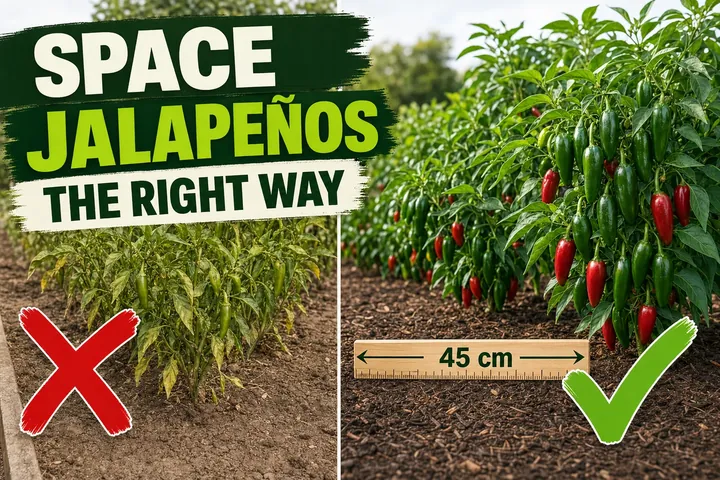
- How far apart to plant jalapeños — spacing logic for hot-sun crops, similar reasoning to grape rows.
- Scan the next plant you bring home with the free Tazart plant identifier and let it set up the watering and pruning schedule for you.
A note on conditions
Every yard is different. Sun hours, slope, soil type, summer humidity, winter low, and the specific grape variety you chose all change how fast a vine establishes and when the first real harvest lands. Use the steps above as a starting point and adjust based on what your vine actually does in season two — that’s how every good grower learns.
Highly recommended
The supplies that make this guide work
Tazart is an Amazon Associate — we earn from qualifying purchases at no extra cost to you. Thank you for helping us keep these guides free.
Frequently asked questions
When is the best time to plant grape vines?
Early spring, as soon as the soil is workable and hard frosts are done. Bare-root vines transplant best while still dormant — they wake up in their new home and put on a full season of root growth before summer heat. Container-grown vines can go in any time from spring through early fall, but spring planting still produces the strongest first-year root system.
How deep should I plant a grape vine?
Set the vine so the graft union (the swollen knob near the base) sits about 5 cm (2 in) above the soil line, with the roots spread out in a hole roughly 30–45 cm (12–18 in) deep and 30 cm (12 in) wide. Burying the graft causes the rootstock to send up its own shoots and ruins the vine. For own-root Concord types with no graft, plant so the lowest bud on the stem sits at the soil line.
How far apart should grape vines be planted?
Space vines 1.8–2.4 m (6–8 ft) apart in the row, with rows 2.4–3 m (8–10 ft) apart. Vigorous wine grapes (Cabernet, Syrah) take the wider spacing; table grapes like Concord and Niagara are happy at 1.8 m (6 ft). Tighter spacing crowds the canopy, blocks airflow, and invites mildew.
Do grape vines need full sun?
Yes — at least 7–8 hours of direct sun a day. Grapes are a Mediterranean crop; the sugar in the fruit is built directly from sunlight on the leaves. Partial shade gives you a leafy vine, sour grapes, and a much higher disease load. South- or southwest-facing slopes ripen fruit earliest.
How long until grape vines produce fruit?
Expect a small first taste in year 2 (5–10 clusters) and a real harvest in year 3 (4.5–9 kg / 10–20 lb per vine). Fully mature vines (year 5+) can yield 9–13.5 kg (20–30 lb) of fruit per vine for 30–60 years if pruned correctly each winter.
Can I grow grapes in a backyard?
Yes — a single trellised vine fits in a 3 m (10 ft) stretch of fence and produces enough grapes for fresh eating and a few jars of jam each year. Pick a disease-resistant table variety like Concord, Niagara, or Reliance for cold zones, and a Vitis vinifera like Cabernet Franc or Pinot Gris if you live in USDA zone 6 or warmer and want wine.