Edible
How to Plant Blueberry Bushes (For 30 Years of Berries)
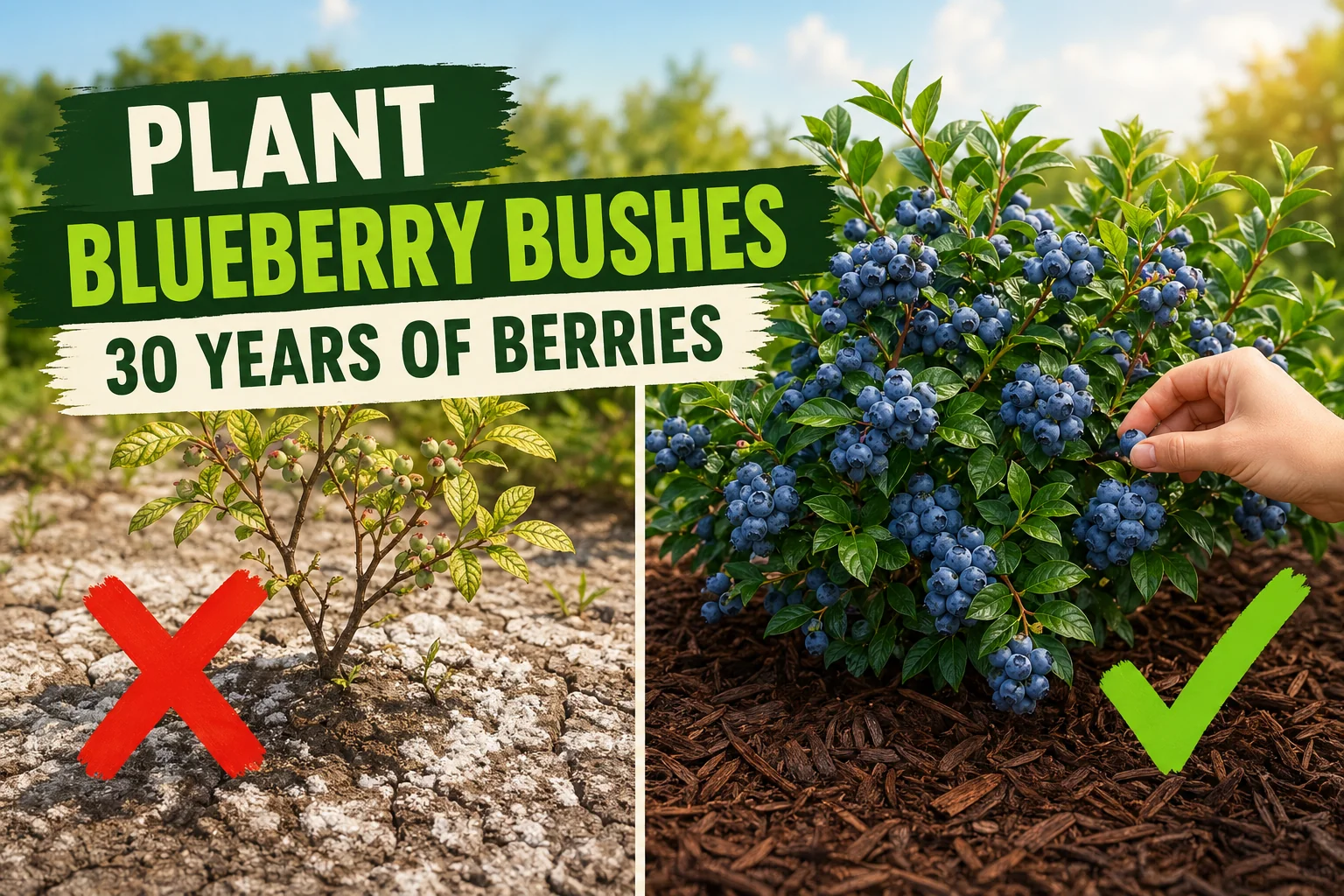
Plant blueberry bushes the right way — acidic soil at pH 4.5–5.5, two cultivars for cross-pollination, proper depth, and mulch — for 20–30 years of heavy harvests.
On this page
Watch the visual walkthrough
How to Plant Blueberries at Home for AMAZING Results!
A short visual walkthrough that pairs with the steps above.
Blueberry bushes are one of the most rewarding fruit plants you can put in the ground — a single highbush will keep cropping for 20 to 30 years, often longer, with almost no pest problems. But they’re also the fussiest fruit in the home garden when it comes to soil. Get the pH wrong and you’ll watch a healthy nursery bush slowly starve.
This guide walks you through it step by step: choosing cultivars, fixing soil pH, planting depth, spacing, mulching, and the first year of care.
Quick answer
Plant two different blueberry cultivars in early spring, in acidic soil at pH 4.5–5.5, spaced 1.2–1.5 m (4–5 ft) apart. Dig a hole twice as wide as the root ball, set the crown level with the soil, water it in, and top with 7–10 cm (3–4 in) of pine-bark mulch. Expect a light first crop in year 2 and full production by year 4.
Why two cultivars matter
A blueberry bush will set some fruit on its own, but it will set up to twice as much — with noticeably bigger berries — when pollinated by a different cultivar of the same type.
This means:
- Plant two different highbush varieties (e.g. ‘Bluecrop’ + ‘Duke’) for highbush gardens
- Or two lowbush varieties for cold northern climates
- Place them within 3 m (10 ft) of each other so bees can shuttle between them
- Don’t mix highbush with rabbiteye — they bloom at different times and won’t cross-pollinate well
A single bush in a corner is the most common reason home growers complain about “tiny” or “few” blueberries.
What you’ll need
- Two compatible blueberry cultivars (bare-root or potted, 1–2 years old)
- Soil pH test kit or meter
- Ericaceous (acidic) compost or peat moss
- Elemental sulphur if your soil is above pH 5.5
- Pine-bark mulch — at least 7–10 cm (3–4 in) deep
- Garden fork or spade
- Watering can, ideally with rainwater for the first watering
- A sunny spot with 6+ hours of direct sun per day
That’s the whole list. No fertilizer goes in at planting.
Step-by-step: planting a blueberry bush
1. Test your soil — months in advance if you can
Take a soil sample from the planting site, 15 cm (6 in) deep, and run a pH test. Blueberries need pH 4.5–5.5.
- pH 4.5–5.5 — perfect, plant directly
- pH 5.6–6.5 — amend with elemental sulphur 6–12 months before planting, following the bag rate (typically 100–200 g per m² / 0.2–0.4 lb per sq yd)
- pH 6.5+ — skip the in-ground plan and grow in pots filled with ericaceous compost
You cannot meaningfully drop pH in a single weekend. Sulphur takes months of microbial activity to acidify soil. Trying to “force” alkaline soil acidic by dumping vinegar or coffee grounds doesn’t work and can hurt the plant.
2. Pick the planting site
Blueberries want:
- Full sun — at least 6 hours direct, 8 hours is better
- Well-drained soil — they hate waterlogging, despite loving moisture
- Shelter from drying wind, especially in spring when buds are tender
- Distance from large trees — tree roots will outcompete shallow blueberry roots
Avoid low spots that pool water in winter. Avoid sites where lawn fertilizer drifts in — most lawn feed is alkaline and will sabotage your pH.
3. Dig the hole
Dig a planting hole twice as wide as the root ball and only as deep as the root ball is tall. Wide and shallow beats narrow and deep — blueberry roots are fibrous and stay in the top 30 cm (12 in) of soil.
Mix the soil you removed half-and-half with ericaceous compost or moistened peat moss. This gives the new roots an acidic, organic-rich medium to grow into.
4. Position the bush at the correct depth
Set the bush in the hole. The top of the root ball should sit level with or 1–2 cm (½–¾ in) above the surrounding soil — never below.
For bare-root bushes, fan the roots out gently and rest the topmost roots just under the soil surface. The point where stems meet roots (the crown) must not be buried.
Burying the crown is the single most common planting mistake. It traps moisture against the stem and causes rot within months.
5. Backfill and firm gently
Push your amended soil mix back around the roots. Firm it down lightly with your hand — enough to remove air pockets, not enough to compact it. Water never penetrates compacted soil well.
If you’re planting bare-root, give the bush a gentle wiggle as you backfill so the soil settles between every root.
6. Water it in deeply
Water slowly with at least 4–8 L (1–2 gal) of water per bush, ideally rainwater or filtered water. Hard tap water (high in calcium and magnesium) will nudge your acidic planting hole back toward neutral over time, so save it for emergencies.
This first watering removes air gaps and tells the roots to start exploring.
7. Mulch heavily
Spread a thick layer of pine-bark mulch, pine needles, or sawdust 7–10 cm (3–4 in) deep in a circle 60–90 cm (24–36 in) wide around the bush. Keep the mulch a hand’s width away from the stems — piled against the bark, it can rot the crown.
Mulch does four critical jobs for blueberries:
- Keeps the soil acidic as it breaks down (pine bark especially)
- Locks in moisture for the shallow roots
- Suppresses weeds — blueberries hate root competition
- Buffers soil temperature in summer and winter
Top up the mulch every spring. It’s the single most important thing you do for blueberries after planting.
8. Pinch off the first year’s flowers
If your bush flowers in year one, pinch every flower off before it sets fruit. This redirects all the plant’s energy into roots and shoots — the foundation for heavy crops in years three through thirty. It feels brutal but pays off enormously.
Care after planting
Blueberries are low-maintenance once established. The first year, you only need to do four things.
If you want to add another fruiting cane to the same soft-fruit garden, the raspberry plant care guide covers a berry that thrives in similarly acidic, well-drained soil and gives you a summer harvest that perfectly complements blueberry season.
| Task | When |
|---|---|
| Water | Whenever the top 5 cm (2 in) of soil is dry — usually 2–3× per week in summer |
| Mulch | Refresh to 7–10 cm (3–4 in) every spring |
| Fertilize | Skip in year 1; from year 2, ammonium sulphate or an acid-loving fertilizer in early spring |
| Prune | Skip in years 1–2; light pruning of dead/crowded stems from year 3 onward |
A free plant care app like Tazart can hold the watering schedule for you and adjust it for your local weather — useful for berry plants where consistency matters more than volume.
Choosing the right cultivars by climate
| Climate / region | Best blueberry type | Example cultivars |
|---|---|---|
| Cold winters (USDA 3–5) | Lowbush + half-high | ’Northblue’, ‘Northcountry’ |
| Cool temperate (USDA 4–7, UK) | Highbush | ’Bluecrop’, ‘Duke’, ‘Patriot’ |
| Mild winters (USDA 7–9, southern US) | Rabbiteye | ’Tifblue’, ‘Premier’, ‘Brightwell’ |
| Hot / no chill hours | Southern highbush | ’Misty’, ‘Sunshine Blue’, ‘O’Neal’ |
| Container growing (any climate) | Compact highbush | ’Top Hat’, ‘Pink Lemonade’, ‘Sunshine Blue’ |
Buy from a local nursery whenever possible — they stock cultivars that match your hardiness zone and chill-hour requirements.
Common mistakes to avoid
- Planting in alkaline soil “just to see.” You won’t see anything except a yellow, dying bush by midsummer.
- Using garden compost from a municipal source. Most municipal compost is near pH 7. Use ericaceous compost or homemade leaf mould from oak/pine instead.
- Watering with hard tap water all summer. Calcium-rich water gradually neutralizes acidic soil. Collect rainwater if you can.
- Planting only one bush. You’ll get fruit, but a fraction of what two cultivars produce.
- Burying the crown. Plant level with the root ball top, never deeper.
- Skipping mulch. Bare soil dries out fast, weeds compete with the shallow roots, and pH drifts upward.
- Fertilizing at planting. Fresh fertilizer burns the new roots. Wait until year two.
Troubleshooting
| Symptom | Likely cause | Fix |
|---|---|---|
| Yellow leaves with green veins (chlorosis) | Soil too alkaline — iron unavailable | Re-test pH; mulch heavily with pine bark; apply chelated iron as an emergency leaf-feed |
| Whole leaves yellow and falling off | Underwatering or root rot | Check moisture at 5 cm (2 in) depth; if soggy, improve drainage; if dry, water deeply 2–3× weekly |
| Few or no berries despite flowering | No second cultivar for cross-pollination, or no bees | Plant a second cultivar within 3 m (10 ft); avoid pesticides while flowering |
| Berries small and stay green-pink | Insufficient sun, or first-year bush | Move to a sunnier spot in autumn; or wait — full production starts year 4 |
| Wilting in summer despite damp soil | Sun-scald on roots / mulch too thin | Top mulch to 10 cm (4 in); shade cloth in heatwave above 35°C (95°F) |
| Birds stripping the bush as berries ripen | Birds — every grower’s biggest pest | Drape fine bird netting over the bush 1 week before berries colour up |
| New shoots brown and die back from the tip | Frost damage to spring buds | Cover with horticultural fleece on nights below −2°C (28°F) when buds are pink |
Watch: planting a blueberry bush
A short visual walkthrough pairs well with the steps above. If you’re a visual learner, watch a tutorial like How to Plant Blueberry Bushes — Step-by-Step on YouTube and then come back to follow the timing in this guide.
Related reading
- How to grow strawberries from seed — pair acidic-soil-loving alpine strawberries with your blueberry patch for a low-maintenance edible corner.
- How to plant an apple tree the right way — same long-lived fruit logic, but very different soil and pollination needs.
- How to plant grape vines for heavy harvests — another fruiting perennial that rewards careful site prep.
- How to plant rhubarb for decades of stalks — pair this with your blueberry patch for a low-maintenance edible corner.
- Scan the next plant you bring home with the free Tazart plant identifier and let it set up the watering schedule for you.
A note on conditions
Every garden is different. Soil type, drainage, rainfall, summer heat, winter cold, and your local water hardness all change how a blueberry bush grows. Use the steps above as a starting point and adjust based on what your bush actually does in its first season — that’s how every good fruit grower learns.
Highly recommended
The supplies that make this guide work
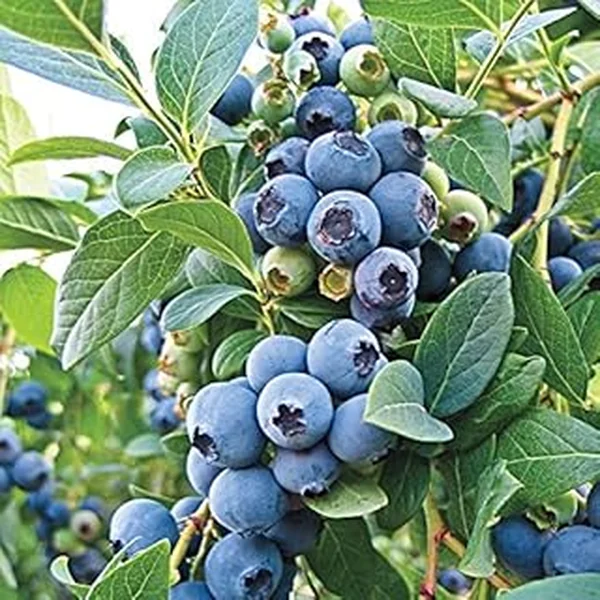
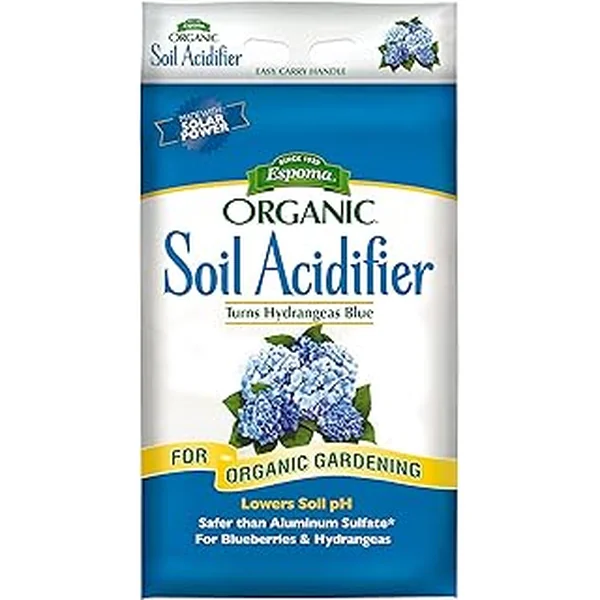
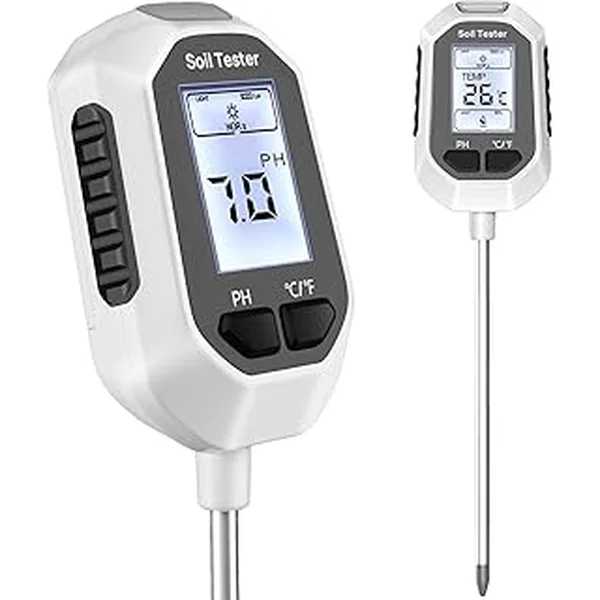
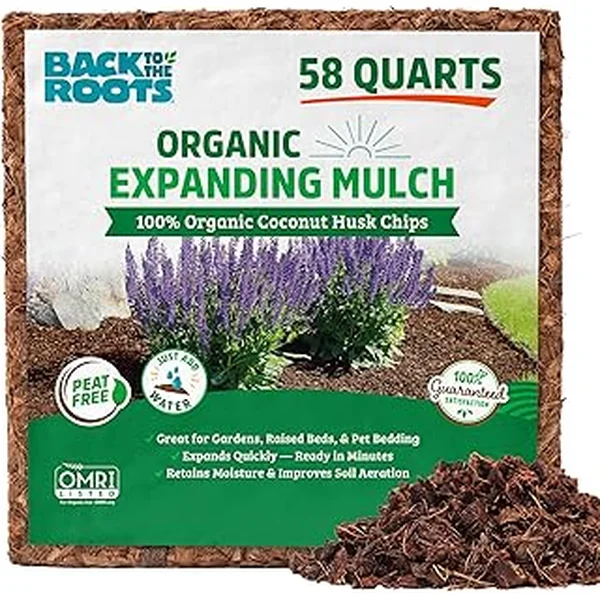
Tazart is an Amazon Associate — we earn from qualifying purchases at no extra cost to you. Thank you for helping us keep these guides free.
Frequently asked questions
When is the best time to plant blueberry bushes?
Early spring — as soon as the ground can be worked but before the buds break — is the ideal window in cold-winter regions. In mild-winter areas (USDA zones 7–9), late autumn planting works just as well and gives the roots months to settle before summer heat. Avoid planting in mid-summer; transplant shock is brutal on a thirsty shallow-rooted bush.
How deep should I plant a blueberry bush?
Plant the bush at the exact same depth it sat in its nursery pot — the top of the root ball should sit level with, or 1–2 cm (½–¾ in) above, the surrounding soil. Burying the crown deeper traps moisture against the stem and rots the plant. Bare-root bushes are planted with the topmost roots just below the soil line.
How far apart should blueberry bushes be planted?
Space highbush blueberries 1.2–1.5 m (4–5 ft) apart in a row, with 2.4–3 m (8–10 ft) between rows. Closer spacing forms a hedge faster but reduces airflow and encourages disease. Lowbush varieties can go 60–90 cm (24–36 in) apart.
Do I need two blueberry bushes to get fruit?
Almost always yes. Most blueberry cultivars are partially self-fertile, but you'll get dramatically bigger berries and heavier yields by planting two different cultivars of the same type (e.g. two highbush varieties) within 3 m (10 ft) of each other so bees can cross-pollinate them.
What soil pH do blueberries need?
Blueberries need acidic soil with a pH of 4.5–5.5 — far more acidic than most garden vegetables. Above pH 6.0 they cannot absorb iron and magnesium, leaves turn yellow with green veins (chlorosis), and the plant slowly starves. Test your soil before planting and amend with elemental sulphur or peat moss months in advance.
How long until a blueberry bush produces fruit?
A 2-year-old nursery bush usually produces a small handful of berries the year after planting and reaches full production in years 4–6. A well-tended highbush blueberry will keep cropping for 20–30 years, often longer. Pinching off the first year's flowers redirects energy to root growth and pays off in heavier crops from year three onward.
Can I grow blueberries in a pot?
Yes — and it's the easiest fix if your garden soil is alkaline. Use a 40–60 L (10–15 gal) container, fill it with 100% ericaceous (acidic) compost, and water with rainwater rather than hard tap water. Compact varieties like 'Top Hat' or 'Pink Lemonade' thrive in pots.