Houseplants
How to Plant an Avocado Seed (Toothpick & Soil Methods)
Plant an avocado seed the right way — toothpick water method or soil method, expect roots in 2–8 weeks, and grow a beautiful houseplant tree (fruit is rare indoors).
On this page
- Quick answer
- Toothpick water method vs soil method
- What you’ll need
- Method 1: the toothpick water method (step-by-step)
- Method 2: the direct soil method
- Caring for the seedling
- Will it ever fruit?
- Common mistakes to avoid
- Troubleshooting
- Watch: the toothpick water method
- Related reading
- A note on conditions
Watch the visual walkthrough
The BEST Way To Grow Avocado From Seed | 0 - 5 Months of Growth
Today I'll be testing out several methods of growing avocados, to find out the best way to grow them from seed. I'll be direct ...
Yes — you can sprout an avocado pit from a grocery-store fruit and grow it into a glossy-leafed indoor tree. It’s one of the most satisfying kitchen-scrap plant projects out there.
Be honest with yourself first, though: an indoor avocado tree grown from a pit almost never produces fruit, and if it does, it can take more than a decade. Grow it for the beautiful houseplant — the wide green leaves, the bare bonsai-like trunk, the proof that you can grow a tree from trash — and treat any fruit as a happy accident.
This guide covers both methods (toothpick water and direct soil), how long each step takes, and exactly when to pot up.
Quick answer
Rinse a fresh avocado pit clean. Suspend it pointy-end up, broad-end down, with the bottom third in water using three toothpicks across the rim of a jar. Hold at 20–24°C (68–75°F) in bright indirect light, refresh the water every 5 days, and wait 2–8 weeks for a root to emerge from the bottom and a stem from the top. When the stem is 15 cm (6 in) tall, prune by half and pot the pit in a 20 cm (8 in) pot of free-draining mix with the top half of the pit exposed. Water when the top 2.5 cm (1 in) of soil is dry.
Toothpick water method vs soil method
You have two reasonable ways to start an avocado pit. Both work — pick one before you cut your avocado.
| Method | Time to sprout | Pros | Cons |
|---|---|---|---|
| Toothpick water | 2–8 weeks | You can watch the split and root form. Rewarding for kids and beginners. | Lower long-term success — extra transplant shock when potted up. |
| Direct soil | 4–10 weeks | Slightly higher success rate. No transplant shock. Stronger root system. | You cannot see what’s happening. Easier to overwater. |
Beginners almost always start with water because watching the pit split open is half the fun. If you’ve already had a pit rot in water, switch to soil.
What you’ll need
- A fresh ripe avocado (any cultivar — Hass works fine; just pick a fruit that wasn’t refrigerated cold for weeks)
- 3 wooden toothpicks
- A small clear glass jar (a ~250 ml / 8 fl oz jam jar is perfect)
- Room-temperature filtered or rested tap water
- For potting up: a 20 cm (8 in) wide pot with a drainage hole, free-draining peat-free potting mix
- A warm bright spot at 20–24°C (68–75°F) — out of direct hot afternoon sun
Method 1: the toothpick water method (step-by-step)
1. Cut and clean the pit
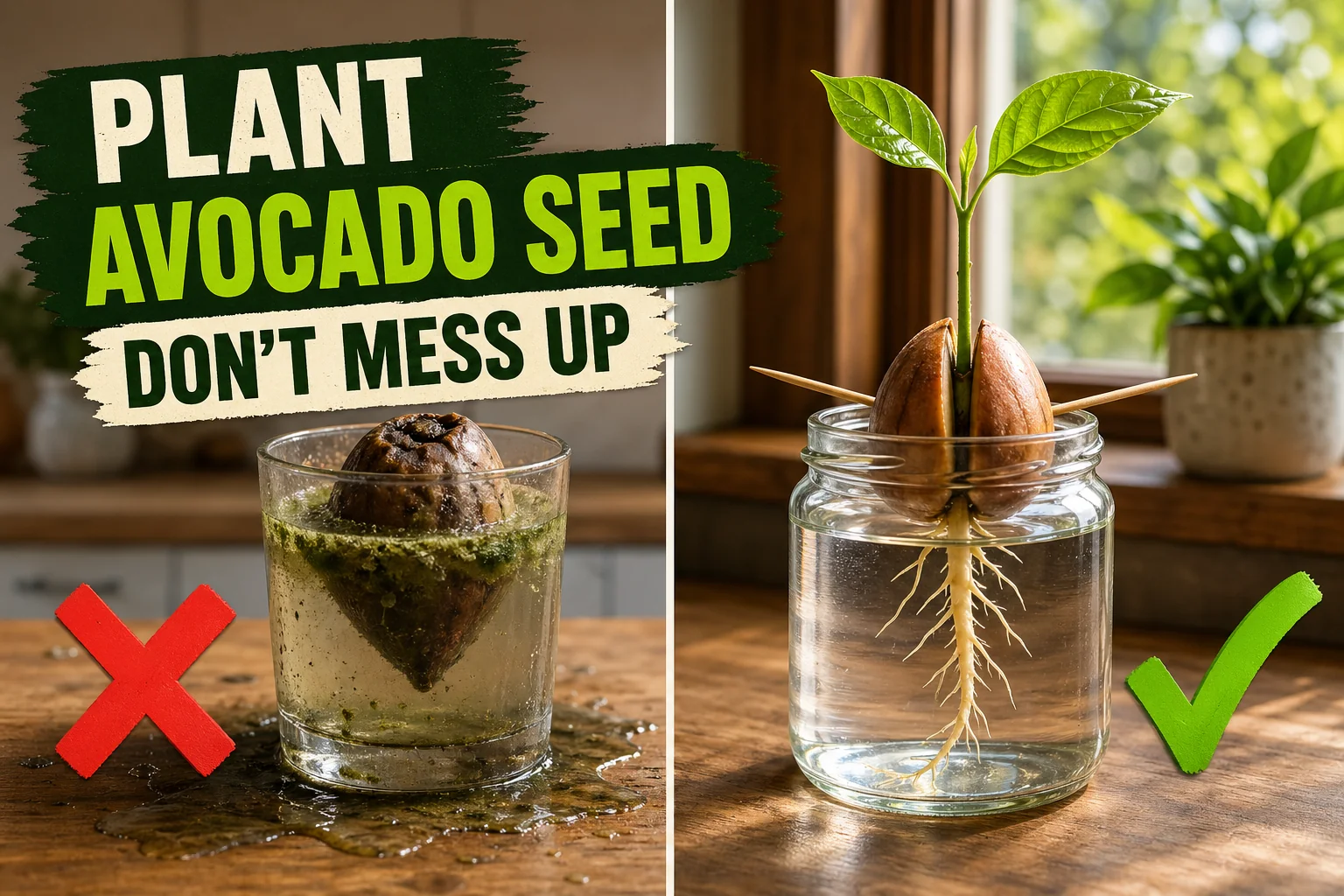
Cut the avocado lengthwise around the pit and twist the halves apart. Pop the pit out with a spoon and rinse it under warm water, rubbing off every speck of green flesh. Leftover flesh feeds mould — that’s the difference between a sprouted pit and a slimy rotted one.
Do not let the pit dry out for more than a day before sowing. A shrivelled pit is a dead pit.
2. Find top and bottom
Look at the pit. One end is slightly pointed — that’s the top, where the stem will emerge. The other end is broad and flat with a small dimple — that’s the bottom, where the taproot comes out. Many pits look almost spherical; check for the dimpled bottom.
Wrong orientation is the single most common reason an avocado pit never sprouts. If you can’t tell which end is which, sit the pit broad-end-down on the counter — it usually settles correctly.
3. (Optional) peel the brown skin
Some growers peel the loose papery brown seed coat off the pit. It comes away in flakes and exposes the smooth tan seed underneath. This speeds up sprouting by 1–2 weeks, but is not required. Skip it if the skin is firmly attached.
4. Insert three toothpicks
Push three toothpicks into the side of the pit at a slight downward angle, evenly spaced around the middle (about 120° apart). They act as a tripod that suspends the pit over the rim of a jar.
Push them in firmly — about 5 mm (¼ in) deep — but not so deep that they crack the seed.
5. Suspend over water
Rest the toothpicks on the rim of a small glass jar filled with room-temperature water. The bottom third of the pit (the broad end) should sit about 2.5 cm (1 in) submerged. The top two-thirds stay dry.
A clear glass jar matters — you’ll be checking root growth daily.
6. Place in warm bright indirect light
Set the jar on a warm windowsill, ideally a north or east-facing one. Avoid direct hot afternoon sun, which cooks the pit. Aim for 20–24°C (68–75°F) — a cold kitchen counter (under 18°C / 65°F) doubles the wait time.
7. Refresh the water every 5 days
Pour out the old water and rinse the jar. The water gets cloudy and stagnant — refreshing it stops mould and rot. Top up so the bottom third stays submerged. Never let the broad end dry out, even for a day.
8. Wait for the split
Somewhere between week 2 and week 8, the pit cracks open along the middle. A single thick white taproot pushes out of the broad bottom, then secondary roots branch off it. About 2 weeks later, a green shoot emerges from the pointed top.
If 8 weeks pass with no crack at all, the pit is a dud — bin it and start another. Always start two or three pits at a time so you have a backup.
9. Prune the stem at 15 cm (6 in)
When the stem reaches roughly 15 cm (6 in) tall, take sharp clean scissors and cut it back by half — to about 7–8 cm (3 in). This forces the plant to branch instead of growing one tall floppy stem.
It feels brutal. Do it anyway. Skipping this step is why most kitchen avocado plants look like single-stick lollipops.
10. Pot it up
Once the cut stem regrows and shows new leaves (another 2–3 weeks), the seedling is ready for soil. Use a 20 cm (8 in) wide pot with a drainage hole and a free-draining peat-free potting mix.
Bury the bottom half of the pit in soil; leave the top half exposed. Burying the whole pit invites rot. Water in well so the soil settles around the roots, then place in bright indirect light.
Method 2: the direct soil method
If you’d rather skip the water phase entirely, you can plant the cleaned pit directly in soil. The success rate is slightly higher, the root system is stronger, and there’s no transplant shock — but you can’t see what’s happening.
For another rewarding tropical fruit project that follows a similar soil-method approach, the mango seed planting guide covers germination, polyembryony, and getting a mango seedling to the potted stage.
- Rinse the pit clean. Optionally peel the brown skin.
- Fill a 15–20 cm (6–8 in) pot with free-draining peat-free potting mix.
- Bury the pit halfway: the broad bottom in soil, the pointed top exposed above the surface.
- Water until water runs out of the drainage hole, then drain.
- Place in bright indirect light at 20–24°C (68–75°F).
- Keep the soil evenly moist but never soggy. Water when the top 1 cm (½ in) of soil is dry.
- Expect a sprout in 4–10 weeks. Be patient.
Caring for the seedling
Once your seedling has true leaves and is sitting in a pot, treat it like a glossy tropical houseplant.
- Light: the brightest indirect light you have. A south-facing window at least 1 m (3 ft) back from the glass is ideal. Direct midday sun through glass scorches the leaves.
- Water: when the top 2.5 cm (1 in) of soil is dry. About once a week in summer, every 10–14 days in winter. Empty the saucer — avocado roots hate sitting in water.
- Humidity: 50%+ is happy. Group plants together or use a small humidifier in winter.
- Temperature: 18–24°C (65–75°F). Avoid cold drafts and don’t let it drop below 10°C (50°F).
- Fertilizer: half-strength balanced liquid houseplant feed once a month from spring through summer. Skip in winter.
- Pinching: every time a stem grows 15 cm (6 in) of new tip, pinch the top two leaves off. This keeps the tree bushy instead of leggy.
- Repotting: every 2 years into a pot one size larger.
A free plant care app like Tazart holds this whole watering and feeding schedule, adjusts it for your local indoor conditions, and pings you when it’s time to prune. Useful when you’re juggling an avocado tree, a monstera, and a fiddle leaf fig at once.
Will it ever fruit?
Real talk: probably not.
A grocery-store avocado pit grown as an indoor houseplant rarely fruits. Commercial avocado trees are grafted — the rootstock is one variety, the fruiting top is another, chosen to fruit reliably at 4–8 years old. Your pit is the rootstock alone, growing on its own roots, and it can take 5 to 13 years to mature enough to flower indoors.
Even if it does flower, an indoor tree usually has no pollinator partner (avocados have unusual male/female flowering timing) and the fruit, when it appears, often doesn’t taste like the parent fruit because the seed is genetically half from the original tree’s pollen donor.
If you want fruit, buy a grafted dwarf avocado tree from a nursery. If you want a beautiful houseplant tree from a kitchen scrap, grow your pit and call it a win.
Common mistakes to avoid
- Wrong way up. Pointy end up, broad end down. Reversed pits never sprout.
- Letting the pit dry out. Even 24 hours on the counter can kill a viable pit. Sow same-day.
- Stagnant water. Refresh every 5 days. Cloudy water rots the bottom.
- Cold room. Below 18°C (65°F) doubles or triples the wait. Move to a warm spot.
- Burying the whole pit when potting up. Always leave the top half exposed.
- Skipping the prune at 15 cm (6 in). A single floppy stem is the result. Cut it back by half.
- Refrigerated avocado. Pits from cold-stored fruit are often dead inside. Use a fresh ripe avocado that ripened on the counter.
- Expecting fruit. Manage your expectations. It’s a houseplant project, not a guacamole pipeline.
Troubleshooting
| Symptom | Likely cause | Fix |
|---|---|---|
| Pit never split, 8+ weeks with no change | Wrong orientation, pit was dead, or room too cold | Discard and start fresh — always have 2–3 pits going at once |
| Bottom of pit slimy, smelly, mould around the toothpicks | Stagnant water, leftover flesh, broken seed coat | Discard and restart; refresh water every 5 days; clean pit thoroughly next time |
| Stem grew tall and floppy with only a few big leaves | Too little light or never pruned at 15 cm (6 in) | Move to brighter indirect light and cut the stem back by half — it will branch |
| Brown crispy leaf edges | Dry indoor air or salt buildup from tap water | Raise humidity to 50%+; flush soil monthly with filtered water |
| Yellow lower leaves on potted seedling | Overwatering — roots sitting in soggy soil | Repot in free-draining mix, water only when top 2.5 cm (1 in) is dry |
| Pale leaves and slow growth in spring/summer | Underfeeding | Half-strength balanced liquid feed monthly through the growing season |
| Sticky leaves and small white insects | Mealybugs (common indoor pest of avocado) | Wipe leaves with diluted neem oil weekly until clear |
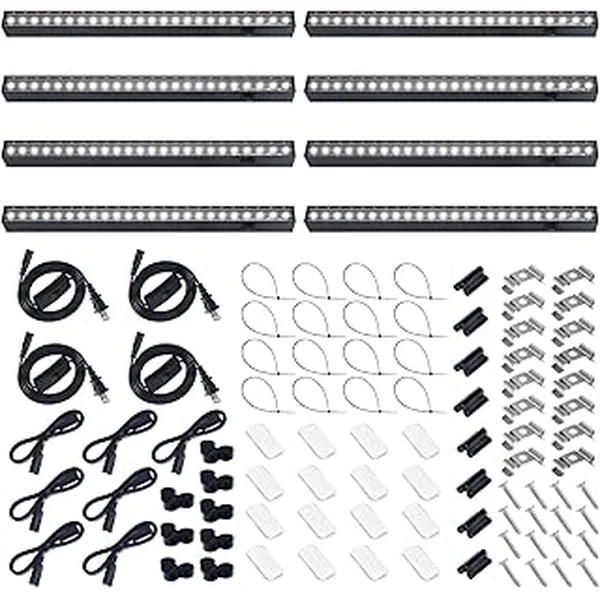
| Stem growing leggy toward window | Light too weak; one-sided light | Add a full-spectrum LED grow light bar 15 cm (6 in) above the canopy; rotate pot weekly |
Watch: the toothpick water method
A short visual walkthrough pairs well with the steps above. If you’re a visual learner, search YouTube for “how to grow an avocado tree from seed” and pick a tutorial from a reputable plant channel — then come back and follow the timing in this guide.
Related reading
- How to grow tomatoes from seed (indoor start to harvest) — the same warm indoor seed-starting setup, this time for a crop you’ll definitely harvest.
- How to grow strawberries from seed (for patient gardeners) — another patience-required seed project with cold stratification and surface sowing.
- How to plant an apple tree (bare-root or potted) — when you want a fruit tree that actually fruits, planted outdoors at the right depth and spacing.
- Track every watering, prune, and pot-up date with the free Tazart plant care app and let it set the schedule for you.
A note on conditions
Indoor avocado trees behave differently in every home. Light, room temperature, soil mix, pot size, season, and humidity all change how fast a pit sprouts and how the seedling grows. Use the timing above as a starting point and adjust based on what your pit actually does in week three — that’s how every successful kitchen-scrap grower learns.
Highly recommended
The supplies that make this guide work

Tazart is an Amazon Associate — we earn from qualifying purchases at no extra cost to you. Thank you for helping us keep these guides free.
Frequently asked questions
How long does it take an avocado seed to sprout?
Expect 2 to 8 weeks for the first crack to appear and a root to emerge, with most pits taking 4 to 6 weeks. The stem and first leaves follow another 2 to 3 weeks after the root. Sprouting is fastest at 20–24°C (68–75°F) — cold kitchens slow it dramatically. Up to 30% of pits never sprout no matter what you do, so start two or three at once.
Which end of the avocado seed goes up?
The pointed end goes up, the broad flat end goes down. Roots come out of the broad bottom end, the stem comes out of the pointed top. Place it in a jar so the bottom third (broad end) sits in water — get that orientation wrong and it just floats and rots.
Does the avocado seed need to be in water or soil?
Both work. The toothpick water method is easier to monitor — you can watch the seed split, send out a taproot, and grow a stem before potting up. The direct soil method has a slightly higher success rate and skips a transplant shock, but you can't see what's happening. Beginners usually start with water for the visual reward.
Will an avocado tree from a pit produce fruit?
Honestly, almost never indoors. A grocery-store Hass pit grown as a houseplant rarely fruits — and if it does, it takes 5 to 13 years and the fruit usually doesn't taste like the parent. Commercial avocado trees are grafted onto rootstock for a reason. Grow your pit for a beautiful glossy-leafed houseplant tree, not for guacamole.
Why is my avocado seed not sprouting?
The most common reasons are wrong orientation (pointy end was down), water never touched the broad end, water sat stagnant and rotted the pit, the room was too cold (under 18°C / 65°F), or the pit was already dead from refrigeration. Refresh the water every 5 days, keep the bottom third submerged, and move the jar to a warm spot. If 8 weeks pass with no crack, the pit is a dud — start another.
Should I peel the brown skin off the avocado seed?
Optional, but it speeds up sprouting by a week or two. After rinsing the pit, gently rub off the loose papery brown seed coat — it pulls away in flakes. Underneath is the smooth tan true seed. Don't gouge the seed itself, and don't peel if the skin is firmly attached and won't budge.