Guide
How to Make Rooting Hormone at Home (5 DIY Methods)
Make rooting hormone at home using willow water, honey, cinnamon, or aloe. Honest science on which methods actually work and when commercial beats DIY.
On this page
- Quick answer
- Table of contents
- The science: what rooting hormone actually does
- Method 1: Willow water (the strongest natural method)
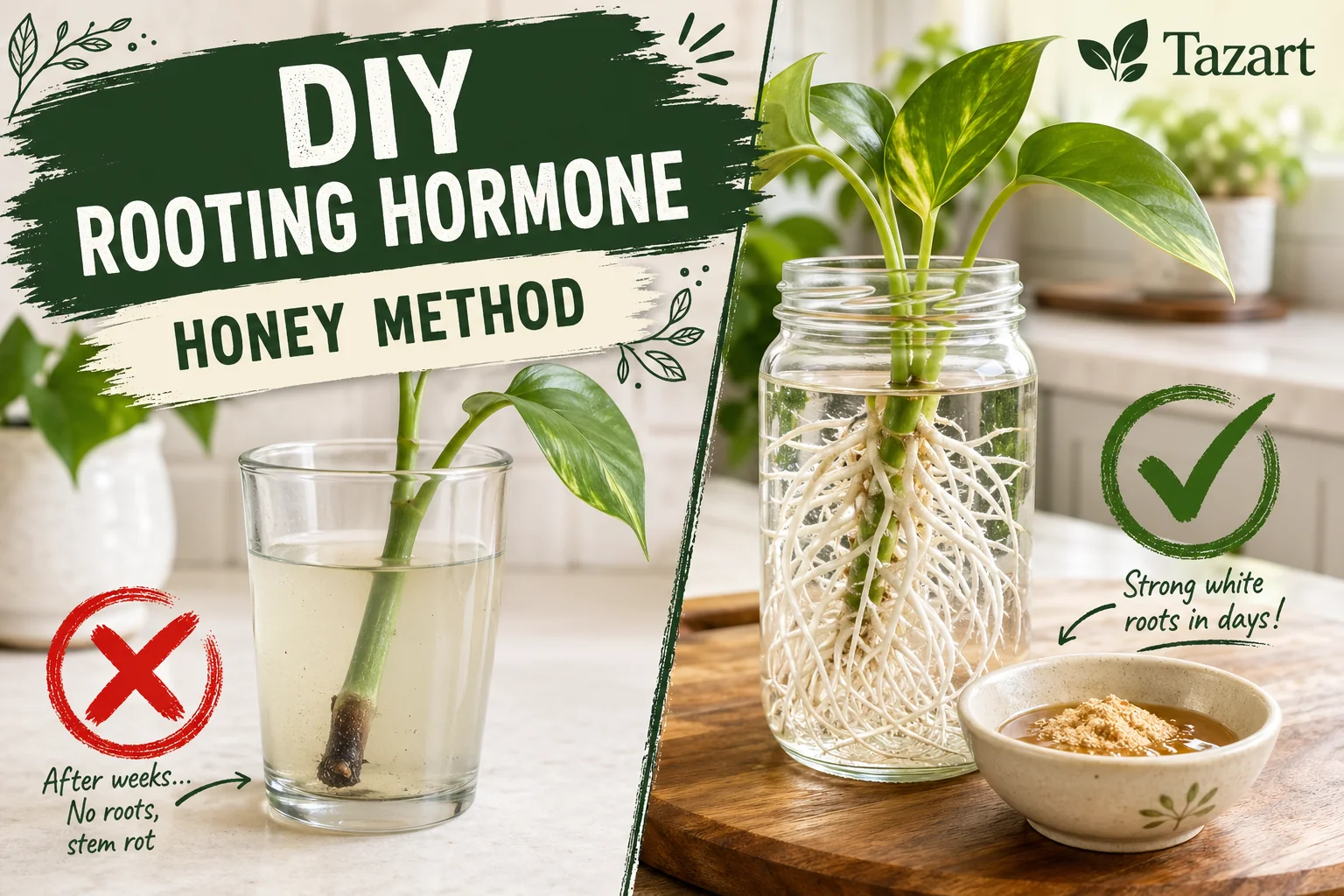
- Method 2: Honey
- Method 3: Cinnamon
- Method 4: Aloe vera gel
- Method 5: Apple cider vinegar — debunked
- Honest comparison table
- When DIY is enough vs when to buy commercial
- Watch: DIY rooting hormone video guide
- Common mistakes
- FAQs
- Conclusion
- Related guides
- Sources
Watch the visual walkthrough
I Saved Thousands Of Dollars Using THIS Homemade Rooting Hormone and Plant Growth Stimulator
START HERE People have been asking me for years to put all the knowledge in one easy to follow package. This is it. The Viking ...
You can make a rooting hormone at home in under an hour using ingredients you probably already have. Some DIY methods genuinely contain the plant hormone that drives root growth. Others are myths that have survived decades of repetition.
This guide covers the science behind rooting hormone, five homemade methods honestly assessed, and when to skip the kitchen and buy commercial instead.
Quick answer
Willow water is the only DIY rooting hormone that contains real auxin (IBA), the plant hormone responsible for root cell division. Honey and cinnamon are antifungal — they prevent rot but do not trigger rooting. Aloe vera offers minor benefits. Apple cider vinegar is a myth that can damage cuttings. For easy-rooting plants like pothos, basil, and mint, willow water or honey is enough. For hard-to-root woody cuttings, buy commercial IBA powder.
Table of contents
- The science: what rooting hormone actually does
- Method 1: Willow water (the real thing)
- Method 2: Honey
- Method 3: Cinnamon
- Method 4: Aloe vera gel
- Method 5: Apple cider vinegar (debunked)
- Honest comparison table
- When DIY is enough vs when to buy commercial
- FAQs
- Sources
The science: what rooting hormone actually does
Root initiation is controlled by auxins — plant hormones, the most propagation-relevant being indole-3-butyric acid (IBA). When you cut a stem, the wound triggers a weak auxin signal — enough for easy-rooting plants, not enough for woody ones. Commercial rooting powders deliver synthetic IBA at 1,000–3,000 ppm directly to the cut surface.
Any DIY method that works does so by either:
- Delivering real IBA or a related auxin compound, or
- Reducing fungal rot so the cutting survives long enough to root on its own.
Both are useful. But they are not the same. Conflating “it prevented rot” with “it caused roots” is the source of most rooting hormone myths.
Method 1: Willow water (the strongest natural method)
Willow water is the closest thing to commercial rooting hormone you can make at home. Willows (genus Salix) are prolific root-formers — a snapped branch will root almost anywhere — and they achieve this by producing unusually high levels of IBA in their bark and young stems. When you soak willow stems in water, both IBA and salicylic acid (a wound-response signal) leach into the liquid.
What the science says: Research cited by the Royal Horticultural Society confirms willow water contains measurable IBA levels. Concentration is lower than commercial powders, but the mechanism is identical. Results are strongest for easy-to-moderate cuttings.
How to make willow water
- Collect 10–15 fresh young willow stems (pencil-thick or thinner). Any Salix species works. Avoid old or grey wood.
- Cut into 15–20 cm (6–8 in) lengths. Remove all leaves.
- Place upright in a clean jar, cover completely with room-temperature water.
- Soak for 24–48 hours. Water turns pale yellow to amber.
- Remove stems. Use immediately or refrigerate in a sealed jar for up to 2 months.
How to use willow water
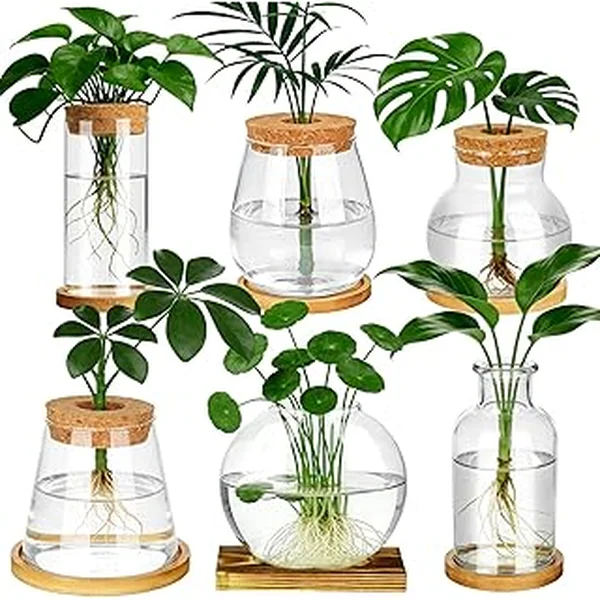
- Water propagation: Use willow water instead of plain water. Refresh every 5–7 days.
- Soil propagation: Soak cutting bases in willow water for 2–4 hours before inserting into moist soil.
Verdict: Genuinely works. The only DIY method backed by a real biological mechanism. Best for pothos, mint, basil, coleus, impatiens, lavender, and most soft-stemmed plants. Partial success with semi-woody cuttings. Insufficient for hard woody plants like gardenias or roses.
Method 2: Honey
Honey is one of the most widely recommended homemade rooting treatments online. The reality is more nuanced.
What honey contains: Hydrogen peroxide (from the enzyme glucose oxidase), various organic acids, and amino acids. Honey does not contain auxin in any form.
What honey actually does: It coats the cut surface of the stem with a mild antibacterial and antifungal layer. This reduces the chance of the cutting rotting before it has time to root. That is useful — rot is a leading cause of propagation failure — but it is a different mechanism from rooting hormone.
What the science says: No peer-reviewed study shows honey contains auxin or directly stimulates root cell division. Improved rooting rates measured in studies reflect rot reduction, not root induction.
How to use honey as a rooting aid
- Use raw, unpasteurized honey — processing reduces antimicrobial activity.
- Dissolve 1 teaspoon in 2 cups of just-boiled water. Cool completely.
- Dip the freshly cut stem for 30 seconds. Plant immediately in moist mix or place in water.
Alternatively, smear raw honey directly on the cut surface before inserting into soil.
Verdict: Useful for rot prevention, not root stimulation. Best paired with willow water — use willow water as the propagation liquid and honey as a cut-surface coating. For very easy plants like pothos and mint, honey alone is often enough because those plants root even in pure tap water.
Method 3: Cinnamon
Cinnamon has one real propagation use — it is just not the one most people think.
What cinnamon contains: Cinnamaldehyde — a proven antifungal. No auxin.
What it does: Creates a protective barrier against damping-off and stem rot on freshly inserted soil cuttings. It will not cause root cells to initiate or shorten time-to-first-root.
How to use cinnamon in propagation
- Make a clean cut just below a node.
- Dust the bottom 1–2 cm (½ in) of the stem in ground cinnamon. Tap off excess.
- Insert immediately into moist propagation mix.
- You can also dust the soil surface to reduce fungal growth around cutting bases.
Verdict: Useful antifungal — not a rooting hormone. Best combined with willow water or commercial IBA. On its own, it reduces rot losses but will not speed rooting.
Method 4: Aloe vera gel
Aloe vera is a mild all-rounder with some evidence behind it, though the effect is modest.
What aloe vera contains: Gibberellin-related compounds, polysaccharides (acemannan), salicylic acid (in small amounts), and strong antibacterial and antifungal agents. Aloe does not contain significant IBA, but the gibberellin-type compounds may have minor auxin-synergistic activity.
What the science says: Studies show aloe vera gel slightly improves rooting rates for easy-to-root species compared to plain water. The improvement is real but modest. Results on woody cuttings are inconsistent.
How to use aloe vera gel as a rooting aid
- Snap a thick outer leaf from a healthy aloe plant. Use fresh gel the same day — it oxidizes within 24 hours.
- Scoop out the clear inner gel with a clean spoon.
- Dip the cut stem for 30–60 seconds, or smear a thin coat over the bottom 2 cm (1 in) of the stem.
- Insert into moist propagation mix. Or dilute 2 tablespoons of gel in 500 ml (17 fl oz) of water and use as a propagation liquid.
Freeze leftover gel in ice cube trays — it retains activity for up to 3 months frozen.
Verdict: Minor but real benefit. Good for succulents, cacti, herbs, and soft houseplants. Not a substitute for commercial IBA on woody cuttings.
Method 5: Apple cider vinegar — debunked
Apple cider vinegar (ACV) appears regularly on gardening blogs as a rooting hormone substitute. It is not.
What ACV contains: Acetic acid at roughly 5% concentration, trace minerals, enzymes from fermentation. No auxin. No antifungal benefit for plant stems.
Why it is harmful: ACV has a pH of 2–3. At any concentration that affects tissue, it damages or kills the living cells at the cut surface. There is zero peer-reviewed evidence supporting ACV as a rooting agent. Plain water outperforms it.
Verdict: Do not use it. The myth likely originated from ACV being used in extreme dilution to acidify water for acid-loving plants — a completely different application that got conflated with rooting. If your tap water is very alkaline (pH above 8), a small squeeze of lemon juice is a safer acidifier.
Honest comparison table
| Method | Contains auxin (IBA)? | Antifungal? | Antibacterial? | Effective for easy plants? | Effective for hard/woody plants? |
|---|---|---|---|---|---|
| Willow water | Yes (trace IBA) | Mild | Mild | Yes | Partial |
| Honey | No | Yes | Yes | Yes (rot prevention) | No |
| Cinnamon | No | Yes | No | Yes (rot prevention) | No |
| Aloe vera | No (minor synergists) | Yes | Yes | Modest improvement | No |
| Apple cider vinegar | No | No | No | No — harmful | No |
| Commercial IBA powder | Yes (1,000–3,000 ppm) | No | No | Yes | Yes |
When DIY is enough vs when to buy commercial
DIY methods work fine for:
These plants root readily in water, and rot prevention alone improves success rates. Willow water or honey gives you a genuine boost at essentially zero cost.
Pothos, basil, mint, oregano, coleus, tradescantia, impatiens, begonia, and most soft-stemmed houseplants all root within 7–21 days with or without any rooting aid.
Use commercial IBA powder or gel for:
These plants have woody, bark-covered stems with fewer natural auxins. They need a high, consistent IBA dose DIY concentrations cannot match.
Roses, figs, gardenias, camellias, holly, boxwood, olive, lilac, viburnum — and any cutting that has already failed in plain water twice.
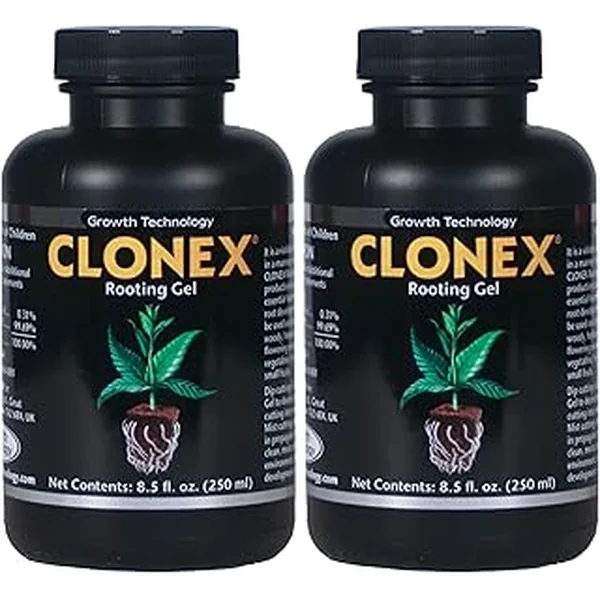
A 45 g (1.6 oz) container of commercial powder costs a few dollars, lasts years, and is non-toxic. For difficult plants, it is the right tool.
Watch: DIY rooting hormone video guide
This visual walkthrough pairs well with the willow water and honey steps above.
Watch: How to Make Rooting Hormone at Home
A practical video companion showing willow water prep, honey dip, and cinnamon dusting side by side.
Common mistakes
- Old willow wood. IBA concentrates in young green stems. Grey, corky branches deliver very little.
- Undiluted honey directly on the stem. Too thick — dissolve it in water first or the paste can block emerging root primordia.
- Cinnamon in water jars. Cinnamon is for soil only; in water it clogs and promotes rot rather than preventing it.
- Apple cider vinegar from blog advice. Skip it. Plain water is better.
- Wrong timing. Rooting aids matter less than when you take the cutting. Semi-hardwood cuttings in mid-summer root far better than fully hardwood cuttings in mid-winter for most species.
FAQs
Does honey actually work as a rooting hormone? Honey contains no auxin. It is an antibacterial coating that reduces rot — useful, but not root-stimulating. Pair it with willow water for easy plants; use commercial IBA for woody cuttings.
Is cinnamon a real rooting hormone? No. Cinnamon’s antifungal cinnamaldehyde prevents rot, it does not trigger root cell division. It will not shorten time-to-first-root.
How do you make willow water? Soak 15–20 cm (6–8 in) lengths of young willow stem in room-temperature water for 24–48 hours. Use the amber liquid as your propagation medium. Refrigerate unused willow water for up to 2 months.
Does aloe vera gel help cuttings root? Modestly. Its mild antifungal compounds and trace gibberellin-type activity show small improvements over plain water for easy-rooting species. Insufficient for woody cuttings.
Does apple cider vinegar help cuttings root? No — it is a myth. ACV is acidic (pH 2–3) and contains no auxin. At any effective concentration it damages stem tissue. Plain water outperforms it.
When should I buy commercial rooting hormone? For woody cuttings (roses, figs, gardenias, camellias, olives, evergreen shrubs) or any cutting that has failed twice in plain water. DIY methods are enough for pothos, basil, mint, coleus, and most soft-stemmed houseplants.
What IBA concentration does willow water contain? Trace levels — far below the 1,000–3,000 ppm in commercial powder. Enough for easy plants; not enough for hard woody cuttings.
Can I store homemade rooting hormone? Willow water: 2 months refrigerated. Honey: indefinitely at room temperature. Fresh aloe gel: use within 24 hours, or freeze in ice cube trays for up to 3 months.
Conclusion
Willow water is the best homemade rooting hormone — the only DIY option that delivers real IBA. Add honey or cinnamon as a rot-prevention layer for soil propagation. Aloe vera is worth using if you already have the plant. Apple cider vinegar belongs in the salad, not the propagation station.
For easy-rooting plants, willow water or plain water is sufficient. For woody cuttings, buy commercial IBA powder — it costs a few dollars, lasts years, and the concentration difference is why those cuttings will finally root.
Track your propagation check-ins with the Tazart plant care app.
Related guides
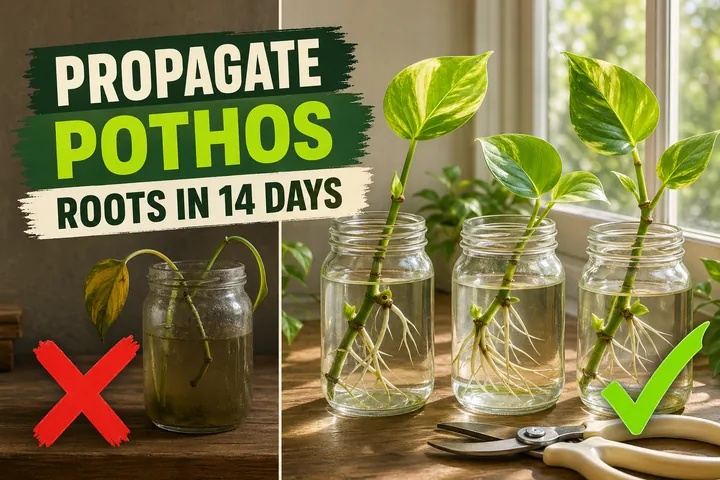
- How to propagate pothos in water — step-by-step
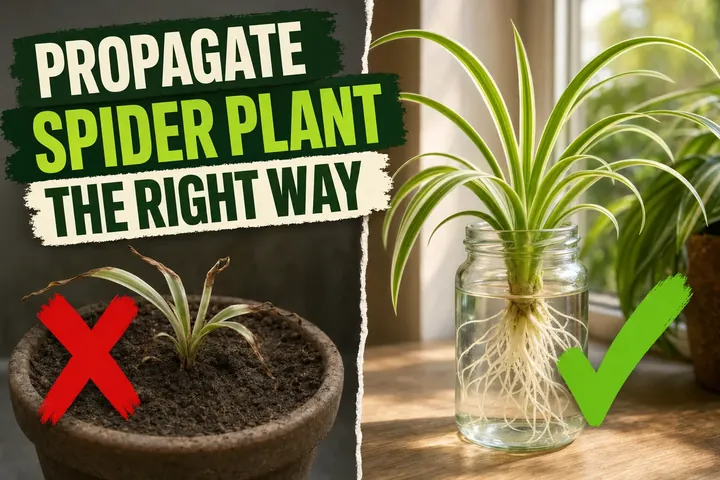
- How to propagate a spider plant — offsets, water, and soil
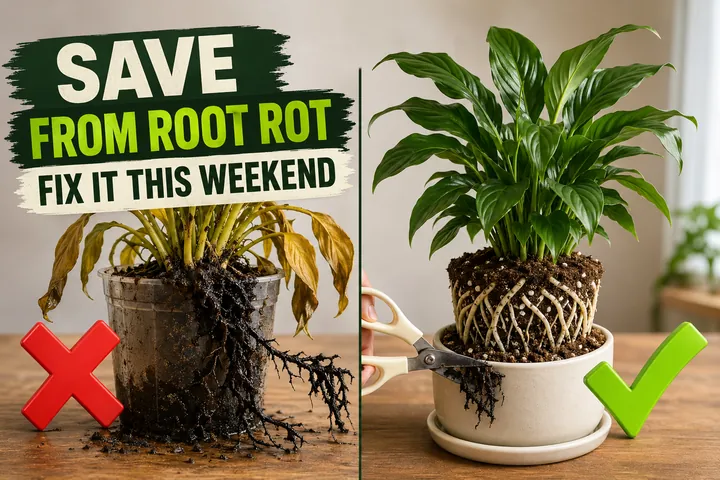
- How to fix root rot before it kills your plant
Sources
- NC State Extension — Propagation by Stem Cuttings for Landscape Plants
- Penn State Extension — Rooting of Cuttings — Vegetative Propagation
- University of California Agriculture and Natural Resources — Plant Hormones: Auxins
- Royal Horticultural Society — Propagation: Cuttings
Highly recommended
The supplies that make this guide work
Tazart is an Amazon Associate — we earn from qualifying purchases at no extra cost to you. Thank you for helping us keep these guides free.
Frequently asked questions
Does honey actually work as a rooting hormone?
Honey does not contain auxin — the plant hormone that triggers root formation. It works as a mild antibacterial coating that reduces fungal rot on freshly cut stems, which can improve success rates for easy-rooting plants. For hard-to-root cuttings, honey alone is not enough. Use willow water or commercial IBA powder instead.
Is cinnamon a real rooting hormone?
No. Cinnamon contains cinnamaldehyde, a natural antifungal compound, not auxin. It prevents rot on the cut surface but does not stimulate root cells to divide. Dusting cinnamon on a cutting can reduce fungal losses — but it will not shorten the time to visible roots.
How do you make willow water for cuttings?
Cut 15–20 cm (6–8 in) sections of fresh young willow stems (any Salix species), remove the leaves, and place the stems in a jar of room-temperature water. Soak for 24–48 hours, then remove the willow and use the liquid to soak your cuttings or water propagation jars. The water turns pale yellow and contains both salicylic acid and indole-3-butyric acid (IBA).
Does aloe vera gel help cuttings root?
Aloe vera gel has mild antibacterial and antifungal properties and contains small amounts of gibberellin-type compounds. Studies show modest improvement over plain water for easy-rooting species. It will not match commercial IBA powder for difficult woody cuttings, but it is a reasonable dip for succulents, herbs, and soft-stemmed houseplants.
Does apple cider vinegar help cuttings root?
No — this is a gardening myth. Apple cider vinegar is acidic (pH 2–3) and does not contain auxin. At any useful concentration it damages or kills tender stem tissue. There is no peer-reviewed evidence supporting ACV as a rooting agent. Skip it entirely.
When should I buy commercial rooting hormone instead of making my own?
Use commercial IBA powder or gel for hard-to-root woody cuttings (roses, figs, gardenias, camellias, olive), evergreen shrubs, and any cutting that has failed multiple times in plain water. DIY methods are sufficient for pothos, basil, mint, coleus, impatiens, willow, and most soft-stemmed houseplants.
What concentration of IBA is in willow water?
Studies vary, but fresh willow water typically delivers IBA at trace levels far below the 1,000–3,000 ppm found in commercial rooting powders. This is enough to help easy-rooting plants but not enough to rescue difficult woody cuttings. The advantage of willow water is that it is free, non-toxic, and targets the same biological pathway as commercial products.
Can I store homemade rooting hormone?
Willow water keeps for up to 2 months in a sealed jar in the refrigerator. Honey lasts indefinitely at room temperature. Aloe gel from a freshly cut leaf is best used the same day — it oxidizes and loses effectiveness within 24 hours unless frozen in an ice cube tray.