Flowers
How to Grow Zinnias from Seed (Cutting-Garden Bouquets)
Grow zinnias from seed for cut-and-come-again bouquets all summer. Sowing depth, spacing, soil, watering, pinching, and harvest — the complete cutting-garden guide.
On this page
- Quick answer
- Why zinnias are the perfect cutting-garden flower
- Choosing the right variety
- What you’ll need
- Step-by-step: growing zinnias from seed
- How to harvest for bouquets
- Care after planting
- Common mistakes to avoid
- Troubleshooting
- Watch: zinnias from seed to bouquet
- Related reading
- A note on conditions
Watch the visual walkthrough
Growing Zinnias From Seed - How To Grow These Easy Annuals
A short visual walkthrough that pairs with the steps above.
Zinnias are the single easiest cut flower you can grow from seed — heat-loving, fast-blooming, and truly cut-and-come-again. Sow them once after your last frost, pinch the seedlings once, and you’ll be cutting bouquets every few days from July until your first hard frost.
This guide walks you through everything you need to grow a real cutting-garden patch: variety choice, sowing depth, spacing, pinching, watering, harvest timing, and how to dodge powdery mildew.
Quick answer
Direct sow zinnia seeds 5 mm to 1 cm (¼ to ½ in) deep in full sun after your last frost, once soil is at least 18°C (65°F). Space 23–30 cm (9–12 in) apart, pinch the main stem at 20–30 cm (8–12 in) tall, and harvest every 3 to 5 days. You’ll have bouquets in 60 to 70 days.
Why zinnias are the perfect cutting-garden flower
Zinnias hit every box a beginner cut-flower grower needs:
- Cheap. A USD $4 packet of seed grows 50+ plants — enough for a full bouquet every week of summer.
- Fast. First bloom in 60 to 70 days from sowing.
- Forgiving. They tolerate heat, drought, poor soil, and beginner mistakes.
- Cut-and-come-again. The more you cut, the more they produce.
- Massive variety. From 30 cm (12 in) edging dwarfs to 1.2 m (4 ft) Benary’s Giants in every color except true blue.
The catch: they hate cool wet weather and shade. Get those two right and the rest takes care of itself.
Choosing the right variety
For bouquets you want long stems and fully double flowers. Pick by use:
| Use case | Best varieties | Stem length |
|---|---|---|
| Florist-grade cut flowers | Benary’s Giant, Oklahoma series, State Fair | 90–120 cm (36–48 in) |
| Mixed-color cutting patch | Queeny series, Cactus Flower mix | 60–90 cm (24–36 in) |
| Pollinator borders | Profusion, Zahara series | 30–45 cm (12–18 in) |
| Container / balcony | Thumbelina, Magellan | 20–30 cm (8–12 in) |
If this is your first season, start with Benary’s Giant Mix. It is the gold standard: 10 cm (4 in) blooms on tall, sturdy, mildew-resistant stems in every classic color.
What you’ll need
- A packet of zinnia seeds (Benary’s Giant or similar cutting variety)
- A garden bed or large container in full sun (6+ hours)
- General-purpose compost or aged manure
- A 5 cm (2 in) layer of organic mulch (shredded bark or straw)
- Bypass pruning shears for harvest
- A watering can or drip line — overhead watering invites mildew
Step-by-step: growing zinnias from seed
1. Pick the right spot
Zinnias need at least 6 hours of direct sun — 8+ is better. Shaded plants stretch, flop, and develop powdery mildew almost guaranteed.
Good airflow matters too. Don’t tuck zinnias against a fence or under a tree canopy. An open bed with breeze passing through stays drier and healthier.
2. Wait for warm soil
Zinnias are tropical-origin annuals and refuse to grow in cold soil. Direct sow when:
- Your last frost date has passed
- Night temperatures stay above 10°C (50°F)
- Soil temperature at 5 cm (2 in) depth reads 18°C (65°F) or warmer
A cheap soil thermometer settles this. In most temperate climates that’s mid-May to early June. Sow into cold wet soil and the seeds rot — every time.
3. Prep the bed
Loosen the top 20 cm (8 in) of soil. Mix in a 5 cm (2 in) layer of compost or aged manure. Skip high-nitrogen fertilizer — it pushes leaves at the expense of flowers.
Rake smooth. Zinnia seeds are small and need even contact with fine soil to germinate well.
4. Sow the seeds
Make shallow furrows or holes 5 mm to 1 cm (¼ to ½ in) deep. A good rule of thumb: bury seeds about two times their thickness — never deeper.
Drop 2 to 3 seeds per spot, spaced 23–30 cm (9–12 in) apart, in a tight grid pattern. Cover lightly with soil and press down gently to firm.
For a serious cutting patch, plant in blocks of 4 plants per 30 cm (12 in) square — closer than seed packets recommend. Tight spacing forces taller, straighter stems for bouquet work.
If you want to go beyond starting in pots and sow directly in the garden, the full in-ground zinnia sowing guide covers bed prep, direct-sow timing, and thinning in one place.
5. Water in gently
Use a fine rose on a watering can or a gentle drip — heavy spray washes the seeds out of place. Keep the soil evenly moist, not soaked, until you see green sprouts in 5 to 7 days.
6. Thin to the strongest seedling
Once seedlings are 5 cm (2 in) tall and have two sets of true leaves, thin to one strong plant per spot. Snip the extras at soil level with scissors — don’t pull, or you’ll disturb the keeper’s roots.
7. Pinch the lead stem
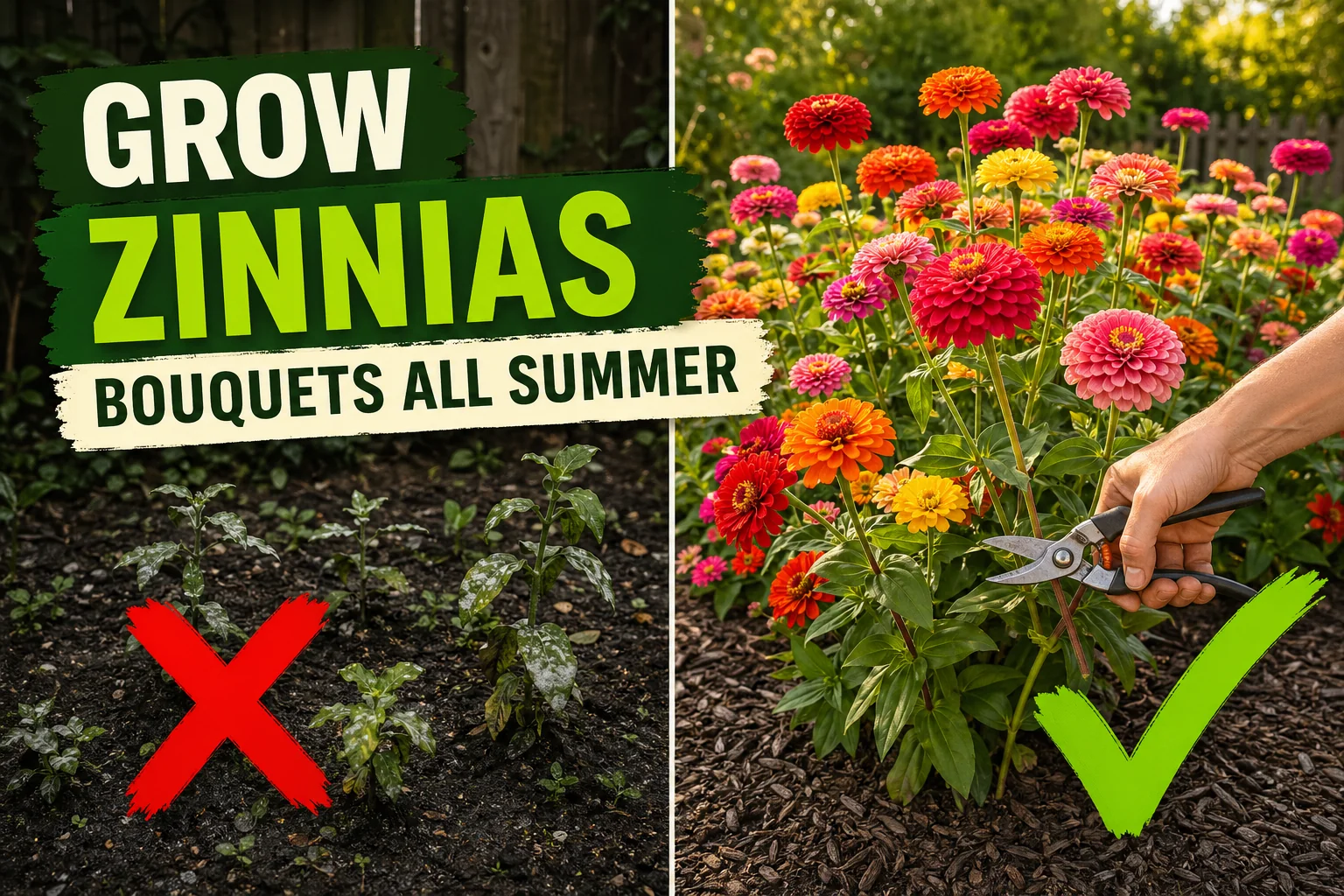
This is the single most important step for a cutting garden. When plants are 20–30 cm (8–12 in) tall, cut the central growing tip back by about 10 cm (4 in) — down to a leaf node.
It feels counterintuitive, but pinching forces the plant to branch low and produce 6 to 10 long stems per plant instead of one short central flower. Skip the pinch and you get one big bloom and a stubby plant.
8. Mulch and water deeply
Once seedlings are 15 cm (6 in) tall, apply a 5 cm (2 in) layer of organic mulch around (not against) the stems. This keeps roots cool, locks in moisture, and stops splash-back rain from spreading mildew spores.
Water deeply once or twice a week — about 2.5 cm (1 in) of water — at the base of the plant. Avoid overhead watering, especially in the evening. Wet leaves at night are how powdery mildew starts.
How to harvest for bouquets
Cut zinnias when the stems pass the wiggle test: hold the stem 15 cm (6 in) below the bloom and shake gently. If the flower bobs around, the stem is too soft and won’t last in a vase. If the stem stays stiff and the bloom barely moves, it’s ready.
When you cut:
- Use sharp bypass shears for a clean cut
- Cut deep into the plant — at least 30 cm (12 in) down — to a leaf node
- Strip lower leaves and put stems straight into clean water
- Harvest every 3 to 5 days to keep the plant producing
A typical Benary’s Giant plant gives you 8 to 12 long-stem cuts per season if you stay on top of harvest. Letting blooms go to seed is the #1 way to slow your cutting patch down.
Care after planting
| Task | When |
|---|---|
| Water | 2.5 cm (1 in) per week, base watering only — drip or soaker preferred |
| Fertilize | Light feed of balanced 5-10-10 every 3–4 weeks once buds form |
| Deadhead/harvest | Every 3–5 days, deep into the plant down to a leaf node |
| Mildew check | Inspect lower leaves weekly; remove any with white powder coating |
A free plant care app like Tazart can hold the watering schedule for you, adjust it for your local weather, and remind you when it’s time — useful when your cutting patch grows past a couple of rows.
Common mistakes to avoid
- Sowing too early. Cold wet soil rots zinnia seeds. Wait for 18°C (65°F) soil — patience here saves the season.
Getting the depth right at sowing is one of the most common failure points — the zinnia seed planting depth guide explains exactly how shallow is correct and why deeper burial leads to rot or weak seedlings.
- Planting too deep. 5 mm to 1 cm (¼ to ½ in) max. Deep-buried seeds either rot or send up weak seedlings.
- Skipping the pinch. A pinched plant gives 6+ stems; an unpinched one gives 1.
- Overhead watering. Wet leaves = powdery mildew. Always water at the base.
- Too much nitrogen. Encourages a leafy plant with few flowers. A balanced or low-N fertilizer is best.
- Cutting too short. Cutting just under the bloom leaves stub stems. Always cut deep — to a leaf node 30 cm (12 in) down.
- Letting blooms go to seed. A single seed-set flower tells the plant the season is over. Harvest religiously.
Troubleshooting
| Symptom | Likely cause | Fix |
|---|---|---|
| Seeds never sprout | Soil too cold (under 18°C / 65°F) or too deep | Re-sow when soil warms; cover with 5 mm (¼ in) max |
| Tall leggy plants, few blooms | Too little sun or skipped pinch | Move to 6+ hour sun; pinch surviving plants now |
| White powder on lower leaves | Powdery mildew from wet leaves or shade | Remove affected leaves; switch to base watering; thin for airflow |
| Plants wilt midday but recover at night | Normal heat stress | No action — water deeply once a week, not lightly daily |
| Yellow leaves with green veins | Iron chlorosis or waterlogged roots | Check drainage; lay off fertilizer; soak less, deeper |
| Floppy stems that won’t stand in a vase | Cut too early (passed the wiggle test) | Wait until stems pass the wiggle test before harvest |
| Single bloom and no branching | Skipped pinch | Pinch now anyway — even mid-season pinching forces side shoots |
| Holes in petals overnight | Earwigs or Japanese beetles | Hand-pick at dawn; lay damp newspaper traps; spray neem at dusk if severe |
Watch: zinnias from seed to bouquet
A short visual walkthrough pairs well with the steps above. If you’re a visual learner, search YouTube for How to Grow Zinnias for Cut Flowers from a credible cut-flower grower like Floret Farm and come back to follow the timing in this guide.
Related reading
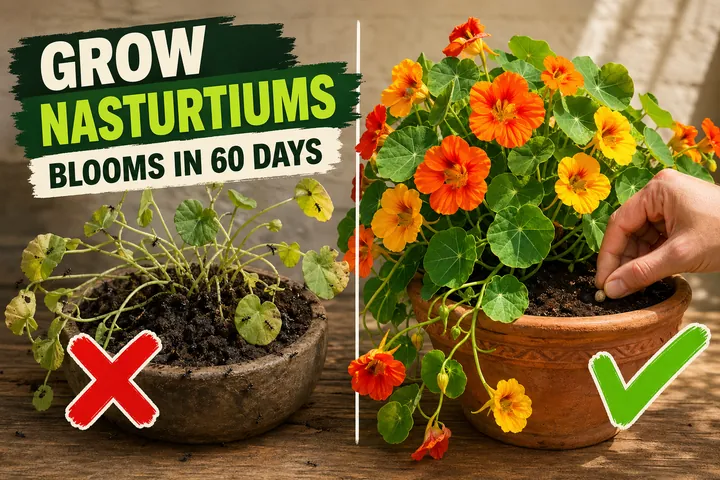
- How to plant nasturtium seeds for edible flowers — another fast, beginner-proof annual for full-sun beds.
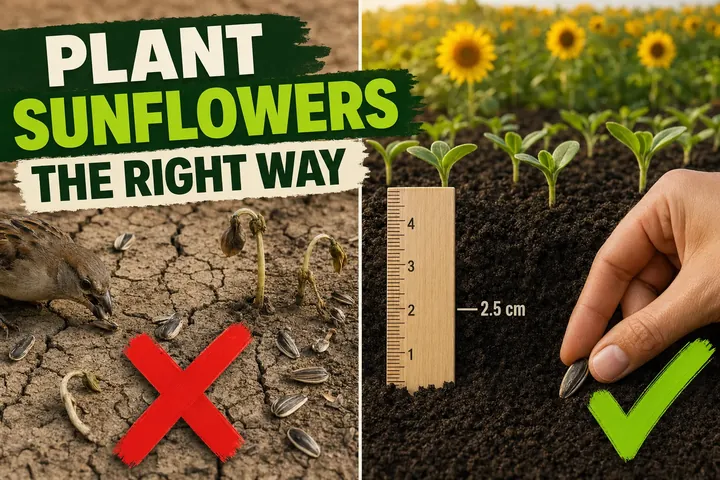
- How deep to plant sunflower seeds — pair sunflowers with zinnias for the classic high-summer bouquet.
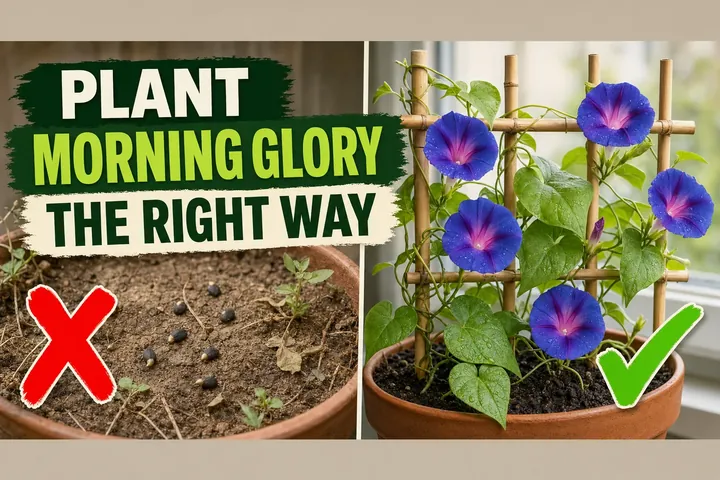
- How to plant morning glory seeds — climbing partner for the back of any zinnia patch.
- How to grow cosmos flowers — the lean-soil, deadhead-it-and-it-blooms-more annual that pairs perfectly with zinnias.
- Set up the watering schedule for your full cutting garden inside the free Tazart plant care app — it adjusts for your local weather automatically.
A note on conditions
Every garden is different. Light, soil type, mulch, season length, humidity, and your local weather all change how fast zinnias grow and how often they need water. Use the steps above as a starting point and adjust based on what your plants actually do in week three — the wiggle test, the pinch, and harvesting deep are the three habits that turn a row of zinnias into a real cutting garden.
Highly recommended
The supplies that make this guide work
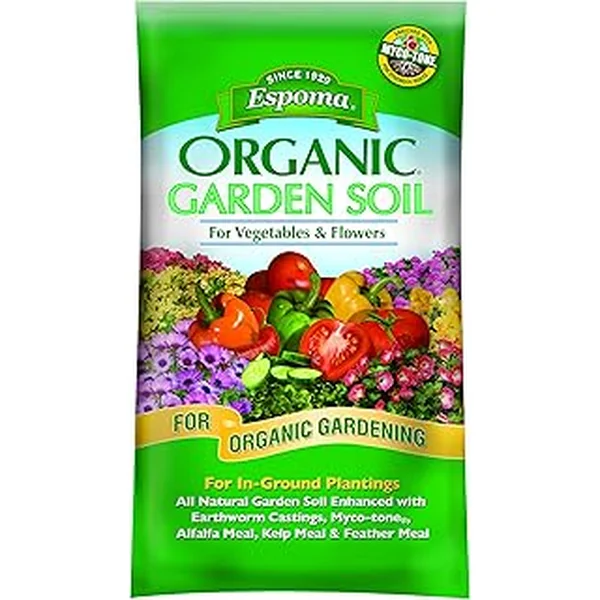
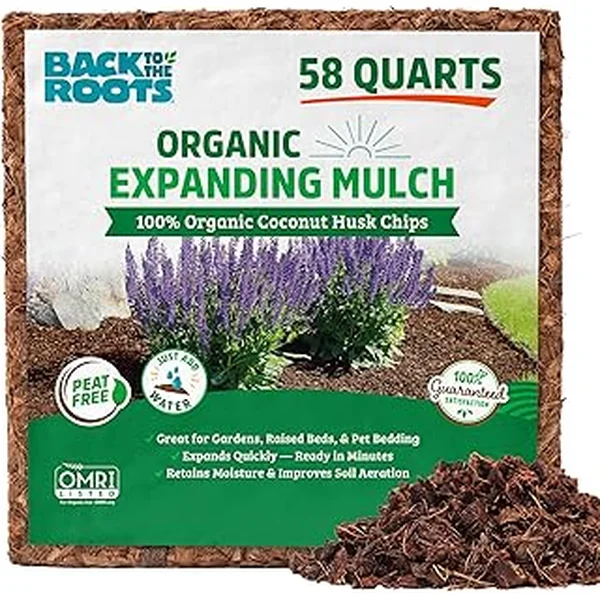
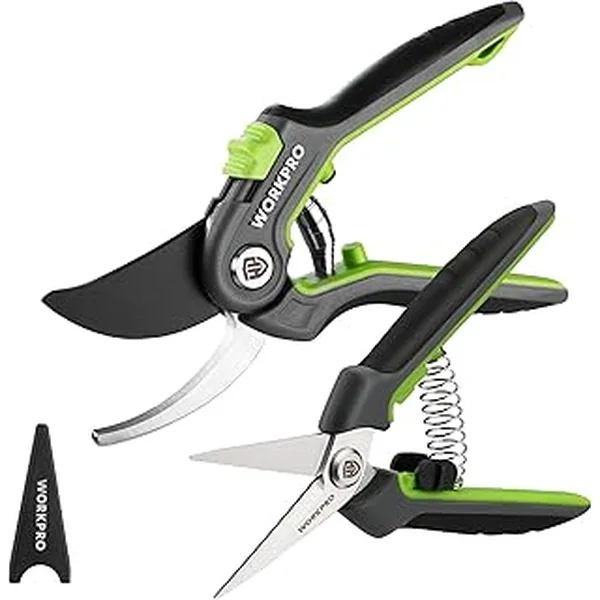
Tazart is an Amazon Associate — we earn from qualifying purchases at no extra cost to you. Thank you for helping us keep these guides free.
Frequently asked questions
How long do zinnias take to grow from seed?
Zinnia seeds germinate in 5 to 7 days at 21–24°C (70–75°F) soil temperature. From sowing to the first open bloom takes about 60 to 70 days, so a May 15 sowing gives you bouquets by mid-July.
When should I start zinnia seeds?
Direct sow zinnias outdoors after your last frost date, when night temperatures stay above 10°C (50°F) and the soil has warmed to at least 18°C (65°F). For an earlier start, sow indoors 4 weeks before the last frost and transplant out once the weather settles.
How deep do you plant zinnia seeds?
Plant zinnia seeds about 5 mm to 1 cm (¼ to ½ in) deep — roughly two times the seed's thickness. A light cover of soil with firm contact is enough; deep planting delays germination and weakens seedlings.
Should I start zinnias indoors or direct sow?
Direct sowing is best in most climates because zinnias resent root disturbance and grow fast once warm soil arrives. Start indoors only if your season is short — under 14 weeks of frost-free growing — and use deep cells or soil blocks to avoid root bound transplants.
How far apart should zinnias be spaced?
Space zinnias 23–30 cm (9–12 in) apart in a cutting garden, in tight grids of 4 plants per 30 cm (12 in) square. Tight spacing forces taller, straighter stems — perfect for bouquets — and shades out weeds.
Do zinnias need full sun?
Yes. Zinnias need at least 6 hours of direct sun, and they bloom heaviest with 8+ hours. Shade gives you leggy plants, fewer flowers, and a much higher risk of powdery mildew.
How do I get zinnias to bloom all summer?
Pinch the main stem when plants are 20–30 cm (8–12 in) tall, then cut every flower deep into the plant — down to a leaf node — every 3 to 5 days. Frequent harvest is what keeps zinnias producing; let blooms go to seed and the plant stops.
Why are my zinnias not blooming?
The three usual causes are too little sun (under 6 hours), too much nitrogen fertilizer (encourages leaves over flowers), or skipping the pinch. Move them to full sun, switch to a balanced or bloom-boosting fertilizer, and pinch the lead stem early.