Edible
How to Grow Strawberries in Containers (Big Harvest)
Grow sweet strawberries in pots, hanging baskets, and towers. Variety picks, soil mix, crown depth, watering, feeding, runner management, and winter care covered.
On this page
- Table of Contents
- Best Container Types for Strawberries
- Variety Types: Which to Choose?
- Soil Mix for Container Strawberries
- Planting Depth: The Crown Rule
- Watering Container Strawberries
- Feeding for Maximum Fruit
- Managing Runners
- Winter Care for Perennial Plants
- Common Mistakes
- Watch: Growing Strawberries in Containers
- Conclusion
Watch the visual walkthrough
Planting Strawberries in Containers: Step-by-Step Guide for Beginners! 🍓
Is it Summer yet? Who cares! It's always a good time to plant some bare root strawberries. In today's video, we'll walk through ...
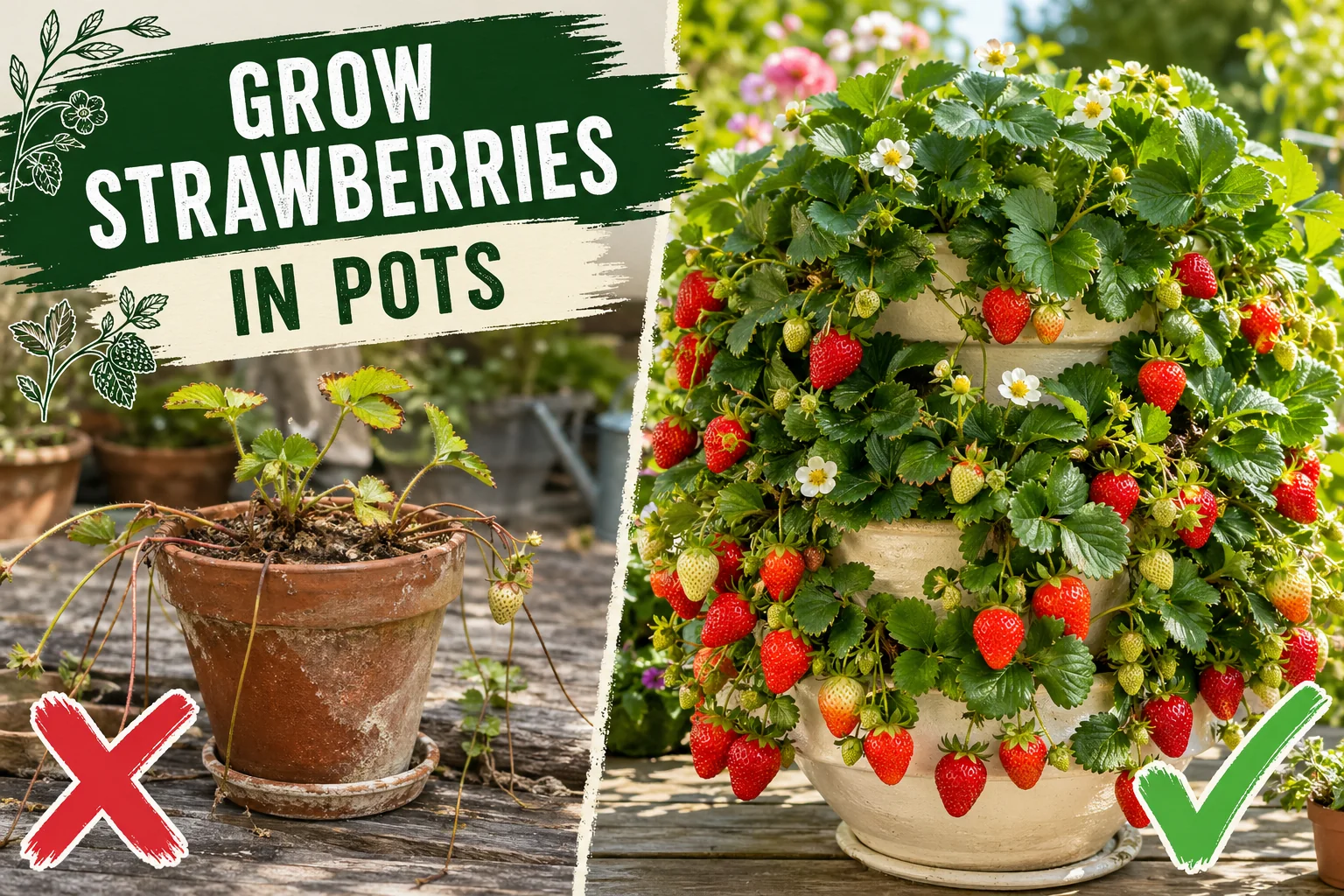
You can grow sweet, full-sized strawberries in almost any container — from a hanging basket on a balcony railing to a terracotta strawberry jar by the back door. Container growing suits strawberries well: it keeps fruit off the ground (no slug damage, no soil splash) and lets you move the pot to follow the sun.
The trick is choosing the right container type, the right variety, and getting crown depth exactly right at planting. Nail those three things and your container strawberries will outperform garden bed plants in their first season.
Quick answer: Plant day-neutral strawberry varieties in a container with drainage holes, set the crown flush with the soil surface (not buried, not exposed), water when the top 2–3 cm (¾–1 in) of soil feels dry, switch to a high-potassium feed once flower buds appear, and snip runners to keep energy directed at fruiting.
Table of Contents
- Best container types for strawberries
- Variety types: June-bearing, everbearing, and day-neutral
- Soil mix for container strawberries
- Planting depth: the crown rule
- Watering container strawberries
- Feeding for maximum fruit
- Managing runners
- Winter care for perennial plants
- Common mistakes
- FAQs
Best Container Types for Strawberries
Hanging Baskets
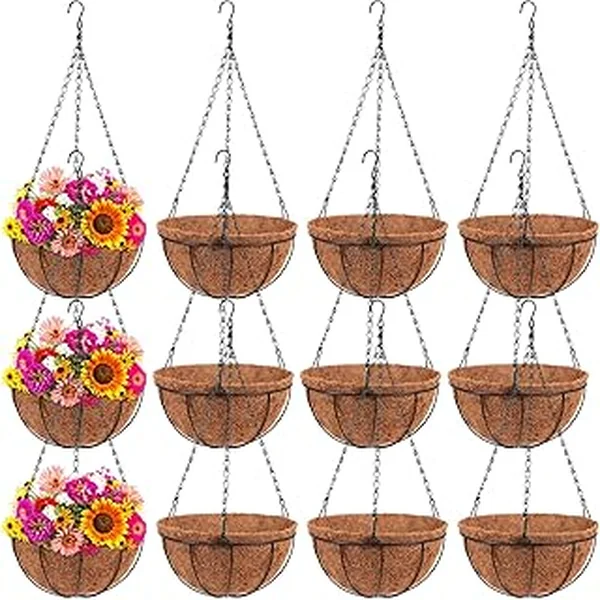
A 30–35 cm (12–14 in) coco-lined hanging basket is the classic choice. Baskets drain fast, get airflow all around, and keep fruit dangling freely below the leaves — which looks beautiful and makes picking easy.
Plant 3 crowns per standard basket. Water daily in warm weather: baskets dry out faster than any other container type. Line with coco coir liner rather than solid plastic; it retains just enough moisture without waterlogging.
Strawberry Pots and Jars with Side Pockets
Terracotta or resin strawberry jars have multiple side pockets stacked around the outside plus a top opening. One medium jar holds 6–8 plants in 30–45 cm (12–18 in) of height.
The main challenge: watering. The top plants get water easily; the side pockets near the base often stay dry. Solution: push a section of perforated pipe (an old drainpipe with holes drilled at 5 cm / 2 in intervals) vertically through the centre before filling with soil, then water through the pipe. The water distributes to every level.
Vertical Towers
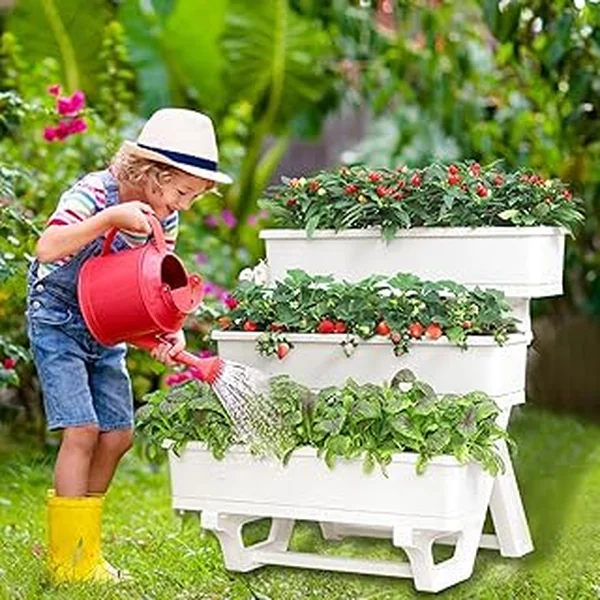
Fabric or plastic vertical towers stack 8–20 planting holes in a column 60–120 cm (24–48 in) tall. They use very little footprint — ideal for narrow balconies and patios.
Use the same central pipe watering system as strawberry jars. Fabric towers breathe well and prevent overwatering; plastic towers need more attention to drainage.
Window Boxes
A standard 60–90 cm (24–36 in) window box holds 4–6 plants spaced 20–25 cm (8–10 in) apart. Day-neutral varieties are ideal here since they fruit continuously all summer. Good drainage is essential — choose boxes with multiple holes, not just one central drain.
Variety Types: Which to Choose?
June-Bearing Strawberries
June-bearers produce one massive crop over 2–3 weeks in early summer, then spend the rest of the season producing runners and building energy for next year. Examples: Chandler, Honeoye, Earliglow.
In containers: only worth it if you want a big jam-making harvest all at once. You get a container of leaves for 10 months and berries for 2 weeks.
Everbearing Strawberries
Everbearing varieties produce two crops per year: one in early summer and a second in early autumn. They slow down or stop in the heat of midsummer. Examples: Ozark Beauty, Quinault.
In containers: better than June-bearing, but still leaves a mid-season gap.
Day-Neutral Strawberries — Recommended for Containers
Day-neutral varieties flower and fruit continuously from late spring through the first frost, regardless of day length or temperature (as long as it stays below 29°C / 84°F). Examples: Albion, Seascape, Tristar, Evie 2, Malling Centenary.
In containers: the clear winner. One planting keeps producing for the entire growing season. A single pot of Albion or Seascape kept well-watered and fed will give you a steady stream of large, sweet berries from May or June until October or November depending on your climate.
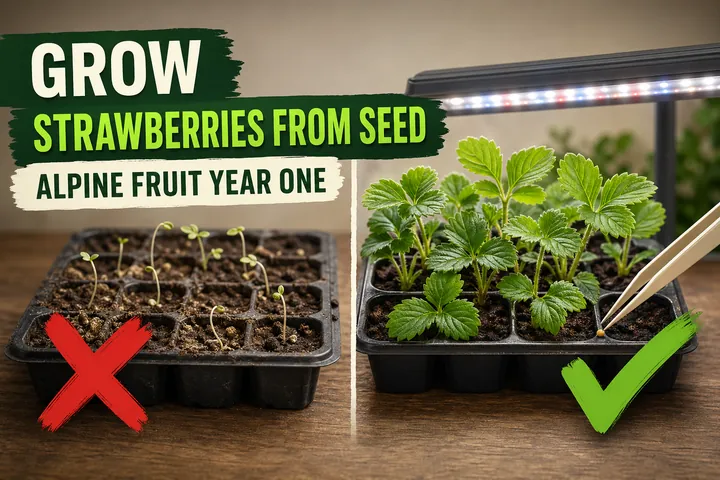
If you want to grow strawberries from seed, alpine strawberry types (Fragaria vesca) are the easiest — they’re small-fruited but prolific and work well in small pots and window boxes.
Soil Mix for Container Strawberries
Strawberries need:
- Good drainage — roots rot fast in waterlogged soil
- Slight acidity — pH 5.5–6.5
- Moderate fertility — rich enough to support continuous fruiting, but not so high in nitrogen that the plant makes only leaves
The best mix:
| Ingredient | Proportion | Purpose |
|---|---|---|
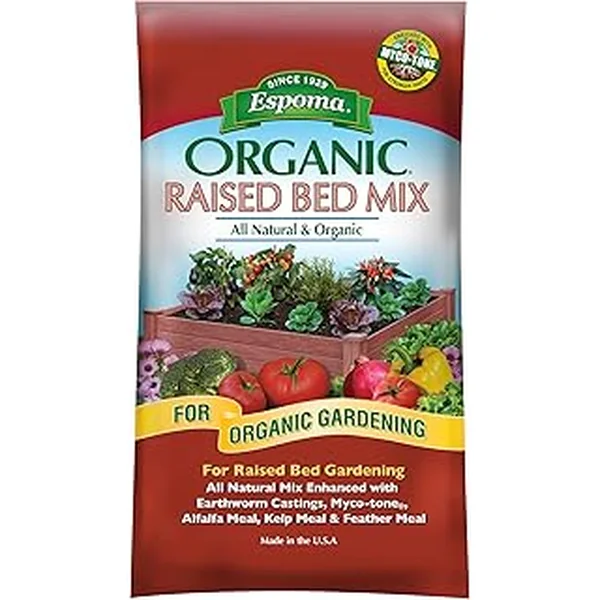
| Quality all-purpose or vegetable potting mix | 70% | Moisture retention + nutrients |
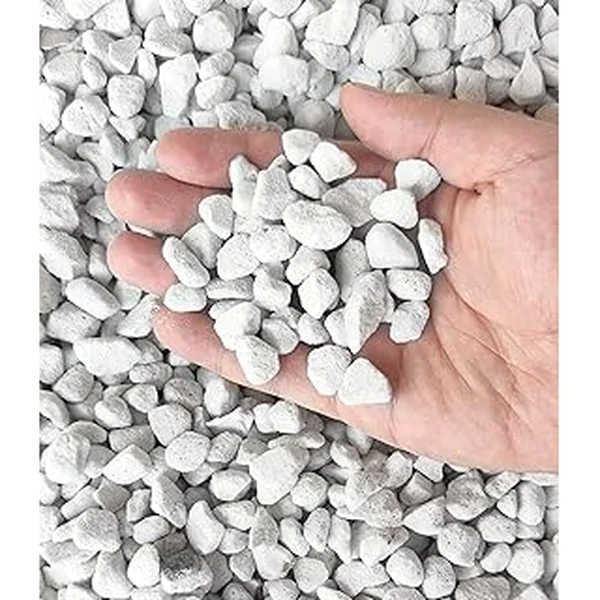
| Coarse perlite | 20–25% | Drainage, prevents compaction |
| Worm castings or garden compost | 5–10% | Gentle slow-release fertility |
Avoid very heavy, peat-heavy mixes — they stay wet and compact over time. Avoid pure cactus mix — too fast-draining for fruit production. The goal is moist but never waterlogged.
Refresh the top 5 cm (2 in) of soil with fresh potting mix each spring, or repot every 2–3 years when the soil becomes compacted and rootbound.
Planting Depth: The Crown Rule
This is the most important technique in container strawberry growing.
The crown is the tight, slightly fleshy nub at the centre of the plant where the leaves emerge from the roots. It must sit exactly at the soil surface — not buried below it, not raised above it.
- Crown buried: the crown rots. The plant declines within days to weeks.
- Crown exposed above soil: the crown dries out and the plant fails to establish.
- Crown at soil level: the plant establishes quickly, produces flowers, and fruits reliably.
How to plant correctly:
- Fill your container with moist soil mix to about 5 cm (2 in) below the rim.
- Make a small mound of soil in the planting spot.
- Spread the roots of the plant down and outward over the mound.
- Adjust the height of the mound until the crown sits exactly at soil level.
- Firm soil gently around the roots.
- Water immediately and gently — do not disturb the crown position.
Check crown depth again after the first watering, as soil can settle.
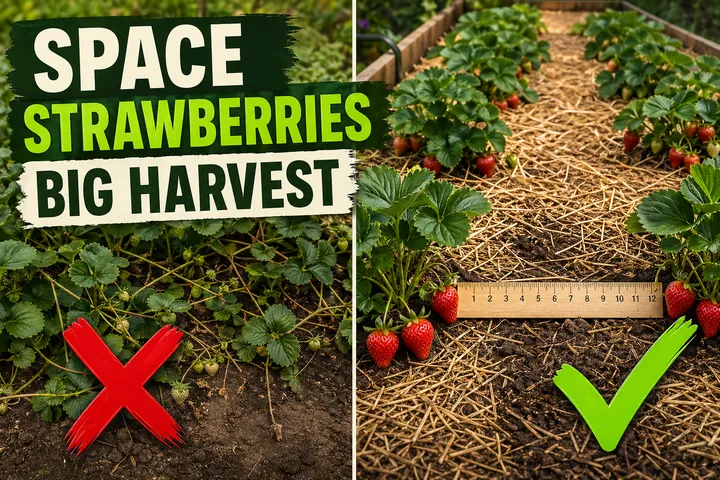
For more on spacing when you’re planting multiple pots or a raised bed, see our guide on how far apart to plant strawberries.
Watering Container Strawberries
Container strawberries need more frequent watering than bed-grown plants because pots hold a limited volume of soil that dries out quickly — especially hanging baskets in wind and full sun.
General rule: water when the top 2–3 cm (¾–1 in) of soil feels dry to the touch.
Season guide:
| Season / Conditions | Watering frequency |
|---|---|
| Spring, cool weather | Every 2–3 days |
| Early summer, warm | Every 1–2 days |
| Peak summer, hanging baskets | Daily |
| Autumn, cool | Every 3–4 days |
| Dormant / overwintering indoors | Monthly, just enough to prevent full drying |
Watering tips:
- Water at the base, not over the leaves or flowers — wet flowers can develop botrytis (grey mould).
- Water until it runs freely from drainage holes, then stop.
- If soil has dried and pulled away from pot edges, submerge the pot in a bucket of water for 20–30 minutes to fully re-wet.
- Use drip irrigation or self-watering trays when you can’t water daily.
Feeding for Maximum Fruit
Strawberries in containers exhaust nutrients much faster than in-ground plants.
For a complete breakdown of renovating tired plants, managing runners, and diagnosing fruit problems across multiple seasons, the strawberry plant care guide covers the year-round maintenance routine for both container and in-ground beds. Without regular feeding, production drops sharply by midsummer.
Two-phase feeding programme:
Phase 1 — establishment to first flower buds (balanced feed): Use a balanced all-purpose fertilizer (NPK roughly equal, e.g. 10-10-10 or 5-5-5) every 2–3 weeks. This supports leaf and root development.
Phase 2 — flower buds through end of season (high-potassium feed): Once you see the first flower buds, switch immediately to a high-potassium fertilizer — a tomato liquid feed works perfectly. Apply every 7–14 days. Potassium drives flower set, berry development, and sweetness. Continuing with a nitrogen-heavy fertilizer after this point produces leafy, unproductive plants.
Feeding rules:
- Never feed a dry plant — water first, then feed.
- Stop feeding in early autumn when the plant naturally slows down.
- Slow-release granules are fine for the base feed; liquid feeds are better for the high-potassium phase because uptake is faster.
Managing Runners
Strawberry plants produce runners: long horizontal stems that reach out from the crown and produce a daughter plant at the tip. This is how strawberries spread naturally.
In containers, runners are mostly a problem:
- Each runner costs the plant energy that would otherwise go into berries.
- Multiple runner plants in one pot crowd the soil and reduce air circulation.
- Crowded pots create humidity pockets that encourage grey mould on fruit.
Standard approach: snip runners at the base with clean scissors or snips as soon as they appear. Do this every 7–10 days during the growing season.
Propagation exception: if you want free plants for next season, allow 2–3 runners to grow out and root into small pots of moist compost placed nearby. Once the daughter plant has 3–4 leaves and pulls back gently without coming free (indicating roots), cut the runner stem connecting it to the mother plant. You now have a free new plant.
Winter Care for Perennial Plants
Strawberries are perennial — the same plant can fruit for 3–5 years if maintained properly. But container plants face a specific winter risk: the roots are exposed to cold from all sides, unlike in-ground plants insulated by surrounding soil.
What to do in autumn:
- After the last harvest, cut back any old, brown, or damaged leaves. Leave healthy green leaves in place — they protect the crown.
- Remove dead runners and any mulch from the surface.
- Top-dress with 2–3 cm (¾–1 in) of fresh compost or worm castings.
Winter protection based on your climate:
| Climate | Action |
|---|---|
| Mild (rarely below −5°C / 23°F) | Move pots against a sheltered wall. Minimal wrapping needed. |
| Moderate (−5°C to −10°C / 23°F to 14°F) | Move to cold greenhouse, unheated shed, or garage. Keep barely moist. |
| Cold (below −10°C / 14°F) | Wrap pots in hessian or bubble wrap AND move to unheated shelter. |
Do not bring pots into a warm heated room — strawberries need a cold rest period (vernalisation) to trigger vigorous spring growth and flowering.
In spring, move pots back into full sun once nighttime temperatures stay above 0°C (32°F). Apply the first balanced feed as soon as new growth appears.
To understand when to expect your first berries after the winter rest, see how long a strawberry plant takes to produce fruit.
Common Mistakes
1. Burying the crown. The most common reason container strawberries fail in the first month. Review the crown rule above and check every plant at planting.
2. Using a pot with no drainage. Strawberry roots rot in standing water within days. Every container must have drainage holes, and trays must be emptied after watering.
3. Continuing high-nitrogen feed after flower buds appear. Nitrogen promotes leaf growth. After budding, the plant needs potassium, not nitrogen. Lush leaves and no fruit is almost always a feeding error.
4. Leaving all runners. One or two runners are manageable. Ten runners on a single pot plant means almost no berries. Snip them regularly.
5. Planting June-bearing varieties expecting continuous fruit. June-bearers produce one short crop. For berries all summer from a container, plant day-neutral varieties only.
6. Letting the pot dry out completely. Strawberries have shallow roots that can’t recover from full soil dry-out the way deep-rooted plants can. Wilting in a pot damages the plant even if you water it back. Consistent moisture is non-negotiable.
7. Skipping winter protection. Leaving pots outdoors in a hard freeze kills roots even if the crown survives. A cold garage or shed saves the plant at no cost.
Watch: Growing Strawberries in Containers
A visual walkthrough pairs well with the steps above — especially for understanding crown depth and the strawberry jar watering technique. Search “growing strawberries in containers” on YouTube for current tutorials from credible growers.
Conclusion
Container strawberries are genuinely rewarding. The setup is simple, harvest starts fast (day-neutral varieties fruit within 6–8 weeks of planting), and a well-managed pot on a sunny balcony or patio produces a surprising amount of fruit across a long season.
The four things that make or break container strawberries: drainage, crown depth, potassium feeding from flower-bud stage onward, and runner management. Nail all four and the rest is just watering.
Related guides:
- How far apart to plant strawberries — spacing rules for beds, raised beds, and multiple containers
- How to grow strawberries from seed — the patient method, including alpine varieties perfect for pots
- How long does a strawberry plant take to produce fruit? — realistic timelines by variety type
Highly recommended
The supplies that make this guide work
Tazart is an Amazon Associate — we earn from qualifying purchases at no extra cost to you. Thank you for helping us keep these guides free.
Frequently asked questions
What container is best for growing strawberries?
Hanging baskets (30–35 cm / 12–14 in diameter), strawberry jars with side pockets, vertical towers, and window boxes all work well. The key requirement is drainage holes. Avoid glazed ceramic with no drainage — waterlogged roots kill plants fast. A 10–15 litre (2.5–4 gal) pot suits 3–4 plants.
How deep should I plant strawberries in a container?
The crown — the tight nub where leaves meet roots — must sit exactly at soil level. Bury it and it rots. Leave it exposed and it dries out and dies. This single planting-depth rule matters more than almost any other care step. Set the plant, spread the roots downward, and check the crown is flush before firming the soil.
Which strawberry variety is best for containers?
Day-neutral varieties (Albion, Seascape, Tristar) are the best choice for containers because they fruit continuously from late spring through the first frost, regardless of day length. June-bearing varieties produce one large crop but spend the rest of the season idle. Everbearing types fruit twice but slow down in summer heat. For maximum harvest from a single pot, go day-neutral.
How often should I water strawberries in pots?
Check daily during warm weather — containers dry out far faster than garden beds. Water when the top 2–3 cm (¾–1 in) of soil feels dry. In hanging baskets exposed to wind, that can mean daily watering in summer. Reduce to every 2–3 days in cool weather. Strawberries are shallow-rooted; never let them dry out completely, but never let them sit in standing water.
Should I remove runners from container strawberries?
Yes, for maximum berry production — snip runners at the base as soon as they appear. Runners are long stems the plant sends out to make daughter plants. Every runner left on the plant steals energy from fruiting. You can root a few runners in small pots to create new plants for next season, then cut the rest.
How do I feed strawberries in containers?
Start with a balanced fertilizer (nitrogen-phosphorus-potassium roughly equal) from planting until flower buds appear. Once you see flower buds, switch to a high-potassium feed (tomato fertilizer works perfectly) every 7–14 days through the fruiting season. Too much nitrogen after budding gives lush leaves and few berries. Stop feeding in autumn when growth slows.
Can strawberries survive winter in containers?
Yes, but they need protection. The roots in a pot are exposed to frost from all sides, unlike in-ground plants. Move pots to a sheltered spot — a cold garage, unheated greenhouse, or against a house wall — once temperatures drop below −5°C (23°F) consistently. Wrap pots in hessian or bubble wrap. Crowns survive light frost; roots survive severe frost only if insulated.
How many strawberry plants fit in one pot?
One plant per 7–10 litre (1.5–2.5 gal) of soil, or roughly 20–25 cm (8–10 in) of spacing per plant. A standard 30 cm (12 in) hanging basket holds 3 plants comfortably. A strawberry jar with 6 side pockets holds 6–8 plants. Overcrowding leads to poor air circulation, grey mould (botrytis), and smaller berries.