Flowers
How to Grow Pansies (Cold-Tough Cottage Garden Flowers)
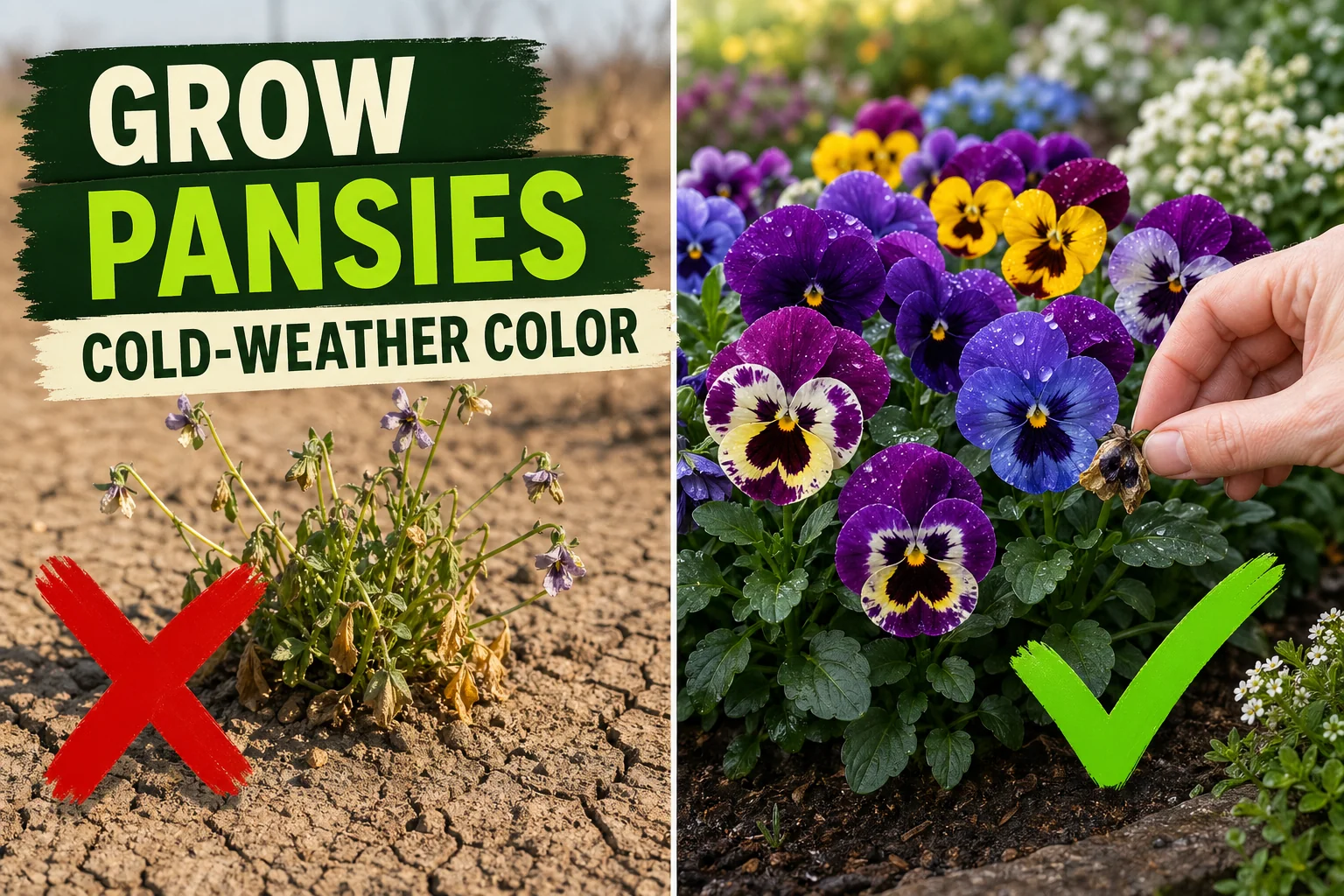
Pansies bloom through frost, snow, and mild winters. Here's how to grow pansies for non-stop fall, winter, and spring color — soil, light, water, and deadheading.
On this page
- Quick answer
- What are pansies?
- What you’ll need
- When to plant pansies
- Step-by-step: planting pansies
- Care after planting
- Overwintering pansies in cold climates
- Common mistakes to avoid
- Troubleshooting
- Pansies in containers
- Watch: planting pansies for fall and spring color
- Related reading
- A note on conditions
Watch the visual walkthrough
How To Grow and Care For Pansies |Everything You Need To Know|
A short visual walkthrough that pairs with the steps above.
Pansies are the easiest cold-weather flower you can grow — they bloom right through frost, light snow, and mild winters when almost nothing else will. Plant them in fall for color into spring, or in early spring for a long display until summer heat arrives.
This guide walks you through it step by step: when to plant, soil prep, spacing, watering, deadheading, and how to overwinter pansies for a second flush.
Quick answer
Plant pansies in early fall (6–8 weeks before your first hard frost) or very early spring, in full sun and rich well-drained soil. Space them 15–20 cm (6–8 in) apart, water when the top 2–3 cm (1 in) of soil is dry, and deadhead spent flowers every few days. They’ll bloom from 7°C (45°F) up to about 21°C (70°F) — through frost and snow — until summer heat shuts them down.
What are pansies?
Pansies (Viola × wittrockiana) are a hybrid of several wild violas, bred for big 5–8 cm (2–3 in) “faces” in nearly every color combination. They’re cold-hardy short-lived perennials grown as cool-season annuals or biennials in most gardens.
The closely related violas (Viola tricolor and Viola cornuta) have smaller flowers but tougher cold tolerance and longer bloom in mild winters. If you live in USDA zone 4 or colder, violas often outperform big pansies — same care, more resilience.
What you’ll need
- Pansy or viola plants (six-packs from a nursery) or a packet of seeds
- A pot at least 20 cm (8 in) wide with drainage holes, or an open garden bed
- General-purpose potting mix (containers) or compost-amended garden soil (beds)
- A sunny spot — 6+ hours of direct light in cool months
- Watering can with a fine rose
- Mulch — 3–5 cm (1–2 in) of straw or shredded bark
- A balanced flower fertilizer (containers especially)
That’s the whole list. No grow lights or heat mats needed.
When to plant pansies
Pansies are cool-season flowers — heat is what kills them, not cold.
| Season | When to plant | What to expect |
|---|---|---|
| Fall planting | 6–8 weeks before your first hard frost — late August to mid-October in most US zones | Blooms in fall, slows in deep winter, explodes again in early spring |
| Early spring | As soon as soil can be worked — late February to early April | Blooms 8–12 weeks until summer heat above 24°C (75°F) shuts them down |
| Mid-summer | Don’t | They’ll wilt, get leggy, and stop flowering |
In USDA zones 7 and warmer, fall-planted pansies often bloom right through winter on mild days. In zones 4–5, fall-planted pansies overwinter under mulch or snow, then explode in early spring — but plant them as a spring-only crop if you don’t want the gamble.
Step-by-step: planting pansies
1. Pick healthy plants or fresh seed
Look for pansy six-packs with stocky, dark-green foliage and a few open flowers — pass on tall leggy plants with yellow lower leaves. If starting from seed, pansy seed needs cool darkness to germinate (about 18°C / 65°F) and takes 10–14 weeks from sowing to bloom — start indoors in mid-summer for a fall display, or in winter for a spring display.
2. Prepare the soil
Pansies want rich, well-drained soil with steady moisture. In a garden bed, loosen the top 20 cm (8 in) and mix in a 5 cm (2 in) layer of compost. In containers, use general-purpose potting mix — never garden soil, which compacts.
Aim for a slightly acidic pH around 6.0–6.5. Most amended garden soil falls into that range naturally.
3. Space and plant
Pop the pansy gently out of its cell, loosen the root ball with your fingertips if it’s root-bound, and plant it at the same depth it was growing — the crown (where stems meet roots) should sit just at soil level. Burying the crown causes rot.
Space plants 15–20 cm (6–8 in) apart in beds, or 4–6 plants per 30 cm (12 in) container. Tighter than 15 cm (6 in) and they crowd each other into mildew; wider than 25 cm (10 in) and the bed looks sparse.
4. Water in deeply
Water immediately after planting until the soil is evenly moist 10 cm (4 in) deep. This first watering settles the soil around the roots and removes air pockets.
5. Mulch
Spread a 3–5 cm (1–2 in) layer of straw or shredded bark mulch around (not over) the plants. Mulch keeps roots cool, locks in moisture, prevents winter frost-heave, and stops mud splash that triggers leaf spot.
6. Pinch the first flowers (optional)
If your transplants come with several open blooms, pinch the flowers off at planting. The plant will redirect energy into roots and produce twice as many blooms two weeks later. It hurts to do, but it works.
Care after planting
Pansies are low-maintenance once established — three habits make all the difference.
| Task | When |
|---|---|
| Water | When top 2–3 cm (1 in) of soil is dry — every 2–4 days in pots, 4–7 days in beds |
| Deadhead | Every 2–4 days — pinch spent flowers AND the seed pod behind them |
| Fertilize | Balanced or bloom-boosting fertilizer every 2–3 weeks during active bloom |
A free plant care app like Tazart can hold the watering and feeding schedule for you, adjust it for your local weather, and ping you when frost is coming — useful for a window box that needs winter protection on the coldest nights.
Watering rule
Pansies need consistent moisture but hate soggy soil. Stick a finger 2 cm (1 in) into the soil — if it’s dry, water; if it’s still damp, wait. In winter, water only on mild days above 4°C (40°F) and skip watering 24 hours before a hard freeze (frozen soggy soil kills roots).
Deadheading rule
This is the single biggest secret to non-stop pansies. After a flower fades, a small swelling seed pod forms right behind it on the stem. If you leave it, the plant pushes energy into seed production and stops making new flowers. Pinch the spent bloom AND the pod off with your fingertips — easy 5-minute task twice a week.
Fertilizer rule
Pansies are heavy feeders. Use a balanced fertilizer (something like a 10-10-10 or a bloom-focused 5-10-10) at half-strength every 2–3 weeks. Skip nitrogen-heavy lawn fertilizer — it gives you tall floppy leaves and few flowers.
Overwintering pansies in cold climates
In USDA zones 4–7, fall-planted pansies overwinter and bloom again in spring if you do three things:
- Plant 6–8 weeks before hard frost so roots establish before the ground freezes.
- Mulch heavily after the first hard freeze — 5–8 cm (2–3 in) of straw or shredded leaves over the plants. The goal isn’t to keep them warm; it’s to keep them frozen evenly so they don’t heave out of the ground in thaw-freeze cycles.
- Don’t fertilize after September — soft new growth gets killed by frost. Resume feeding in early spring.
Snow is your friend, not your enemy. A blanket of snow insulates pansies far better than any mulch and is one reason they thrive in zones with steady winter snow cover.
Common mistakes to avoid
- Planting too late in fall. Pansies need 6+ weeks of cool weather to root before the deep freeze. Late October planting in zone 5 = winter losses.
- Burying the crown. The crown (where stems meet roots) must sit at soil level. Buried = rot in 2 weeks.
- Skipping deadheading. A non-deadheaded pansy stops blooming in 3–4 weeks. A deadheaded pansy blooms for 4–6 months.
- Letting them dry out in cold weather. Pansies wilt fast in dry winter wind. Check soil moisture weekly even when it’s cold.
- Planting in afternoon shade in late spring. They need full sun until temps hit 24°C (75°F), then partial afternoon shade.
- Using nitrogen-heavy fertilizer. Big leaves, no flowers. Use a balanced or bloom-boosting product.
Troubleshooting
| Symptom | Likely cause | Fix |
|---|---|---|
| Leggy, stretched stems with few flowers | Too little sun OR summer heat starting | Move to full sun; pinch back by one-third; expect summer dieback above 24°C (75°F) |
| Yellowing lower leaves | Overwatering or compacted soil | Let soil dry to 2–3 cm (1 in) deep; loosen soil; check drainage holes |
| Pale, washed-out flower color | Underfeeding or low light | Apply balanced flower fertilizer at half-strength; move to brighter spot |
| Wilting on cold sunny days | Frozen soil — roots can’t pull water | Mulch 5 cm (2 in) deep; water on next mild day above 4°C (40°F) |
| Brown spots on leaves with yellow halos | Leaf spot fungus from wet foliage | Water at the base only; remove infected leaves; mulch to stop soil splash |
| Slimy chewed leaves and silver trails | Slugs or snails | Hand-pick at dusk; iron phosphate slug bait around plants |
| Plants collapse in late spring | Heat shock above 24°C (75°F) | Pull and replace with summer annuals; replant pansies in fall |
| Aphids clustering on flower buds | Soft new growth + warm weather | Spray off with water; treat with insecticidal soap if needed |
Pansies in containers
Pansies are container superstars — small root system, long bloom, cold-hardy. Some quick rules:
- Choose a pot at least 20 cm (8 in) wide and 15 cm (6 in) deep with drainage holes.
- Use general-purpose potting mix, NOT garden soil.
- Plant 4–6 pansies per 30 cm (12 in) pot for an immediate full look.
- Water more often than beds — containers dry out in 2–3 days in fall sun, daily in spring.
- Move pots against a south-facing wall in winter for extra heat retention, or into an unheated garage if temps drop below −15°C (5°F).
- Fertilize every 2 weeks at half-strength — container pansies use up nutrients fast.
Watch: planting pansies for fall and spring color
A short visual walkthrough pairs well with the steps above. If you’re a visual learner, watch a quick tutorial like How to Plant Pansies for Fall and Winter Color on YouTube and then come back to follow the timing in this guide.
Related reading
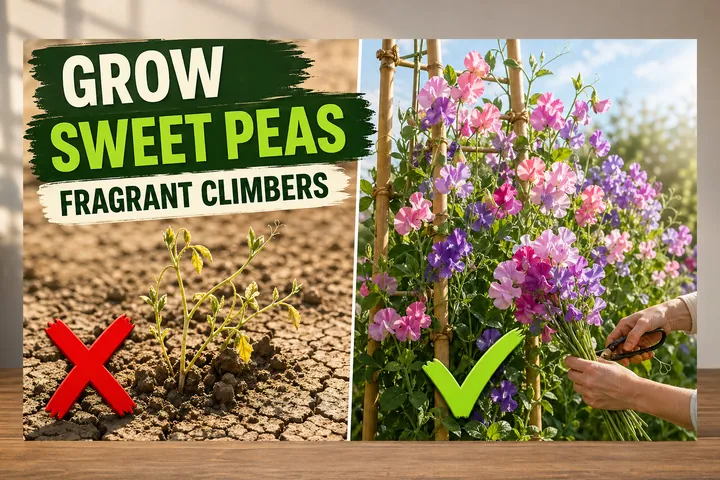
- How to grow sweet peas (climbing fragrant cottage flower) — another cool-season cottage garden flower, planted at the same time as pansies.
- Impatiens plant care (shade-loving annual color) — the warm-season counterpart to pansies, takes over the bed when pansies fade in summer.
- How to grow cosmos flowers (heat-tough summer cutting garden) — another easy direct-sown annual that thrives where pansies struggle.
- How to plant nasturtium seeds — another cool-season edible flower that pairs beautifully with pansies in spring borders.
- How to grow zinnias from seed — the easy summer cut-flower replacement once pansies fade in heat.
- Track the first frost date for your zip code with the free Tazart plant care app and let it remind you when to plant pansies and when to mulch them in for winter.
A note on conditions
Every garden is different. Light hours, soil drainage, container size, mulch depth, your USDA zone, and how cold your winters actually run all change how pansies grow and how often they need water. Use the steps above as a starting point and adjust based on what your plants actually do in week two — that’s how every good flower gardener learns.
Highly recommended
The supplies that make this guide work
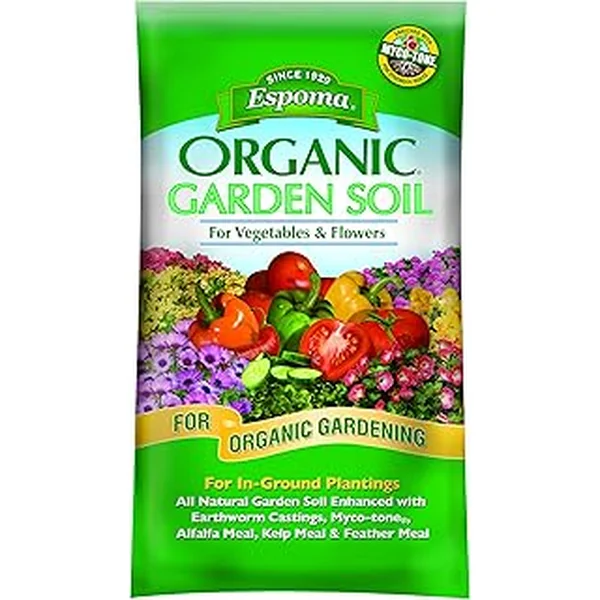
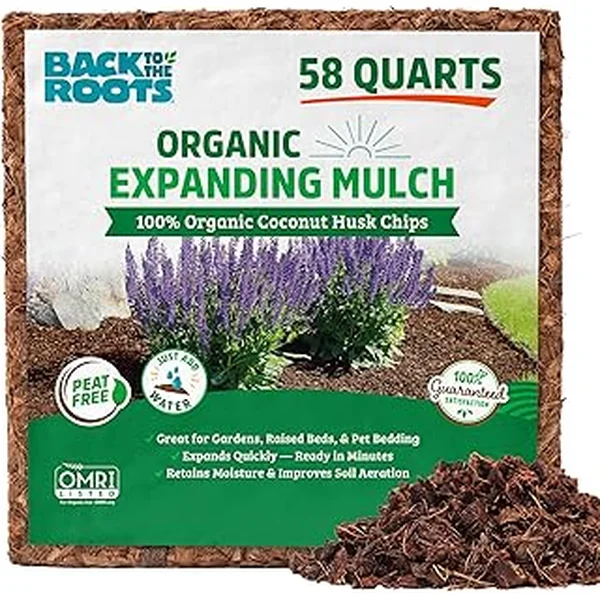

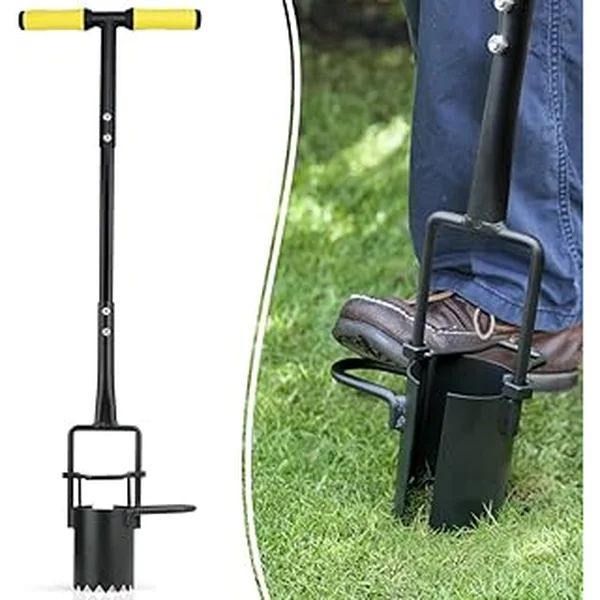
Tazart is an Amazon Associate — we earn from qualifying purchases at no extra cost to you. Thank you for helping us keep these guides free.
Frequently asked questions
When should I plant pansies?
Plant pansies in early fall (6 to 8 weeks before your first hard frost) for fall and winter color, or in very early spring (as soon as the soil can be worked) for a long spring display. Pansies prefer soil temperatures of 7–18°C (45–65°F) and stop blooming once nights stay above 21°C (70°F).
Do pansies come back every year?
Pansies are technically short-lived perennials but are grown as cool-season annuals or biennials in most gardens. Fall-planted pansies bloom through winter in mild zones (USDA 6+), rebloom in spring, then fade out in summer heat. In zones 4–5, plant them as a spring-only annual or expect cold-damaged regrowth.
How cold can pansies tolerate?
Pansies handle frost down to about −7°C (20°F) without protection and survive brief dips to −15°C (5°F) once established. A 5 cm (2 in) layer of straw or shredded leaf mulch helps them ride out hard freezes. Snow cover actually protects them — it insulates the crowns.
Do pansies need full sun?
Pansies need 6+ hours of direct sun in fall, winter, and early spring, when the sun is weak. In late spring, switch to a spot with morning sun and afternoon shade — direct hot afternoon sun is what makes them collapse. Indoors or on a balcony, a south- or east-facing exposure works.
How often should I water pansies?
Water pansies when the top 2–3 cm (1 in) of soil is dry — usually every 2–4 days in containers and every 4–7 days in beds. They need consistent moisture but hate soggy soil. In winter, water only on days above 4°C (40°F) and skip watering before a hard freeze.
Should I deadhead pansies?
Yes — deadheading is the single biggest factor in keeping pansies blooming. Pinch off spent flowers (and the small swelling seed pod behind them) every 2–4 days. Plants that go to seed stop flowering. A 5-minute deadhead session twice a week doubles your bloom time.
Why are my pansies leggy?
Leggy pansies usually mean too little sun, too much nitrogen, or summer heat. Move them to a sunnier cool spot, switch to a balanced or bloom-boosting fertilizer, and pinch the stems back by one-third — they'll bush out and rebloom within 2 weeks if the weather is still cool.
Are pansies edible?
Yes. Pansy flowers are edible and have a mild grassy, slightly minty flavor — they're a classic salad and cake garnish. Only eat pansies you've grown yourself or bought as edibles; nursery pansies are often sprayed with pesticides not approved for food use.