Flowers
How to Grow Milkweed (and Bring Monarch Butterflies Home)
Plant native milkweed once and host monarch butterflies for years. Here's exactly how to cold-stratify seeds, sow at the right depth, and care for it.
On this page
- Quick answer
- Which milkweed should you grow?
- When to plant milkweed
- What you’ll need
- Step-by-step: starting milkweed from seed
- Care: light, water, soil
- Year-by-year: when you’ll see flowers and monarchs
- Why you should NOT pull a “weed”
- Common mistakes to avoid
- Troubleshooting
- Watch: planting milkweed
- Related reading
- A note on conditions
Watch the visual walkthrough
How To Grow Milkweeds From Seed - Secrets! - Proven Method! - Tips & Tricks!
A short visual walkthrough that pairs with the steps above.
Milkweed (Asclepias) is the only plant on the planet a monarch butterfly caterpillar will eat. No milkweed in the neighbourhood means no monarchs in the neighbourhood — and monarch populations have collapsed in most of North America over the last twenty years largely because of milkweed disappearing from roadsides, fields, and gardens. Planting it really does help.
The good news: milkweed is a tough native perennial, drought-tolerant once it’s established, and you only need to plant it once. This guide walks you through choosing the right species, cold-stratifying the seeds, sowing depth and timing, and what year two looks like when the monarchs actually start showing up.
Quick answer
Cold-stratify native milkweed seeds in a damp paper towel in the fridge for 30 days (or sow them outdoors in fall). Sow 0.5 cm (0.25 in) deep in full sun, keep soil at 18–24°C (64–75°F), and seeds germinate in 7–14 days. Expect leafy growth in year one and the first flowers — plus your first monarch caterpillars — in year two.
Which milkweed should you grow?
This is the most important decision you’ll make, because the wrong species can actively hurt monarchs. Pick a milkweed that’s native to your region.
Butterfly weed (Asclepias tuberosa) is one of the top native milkweed picks for dry gardens — if you’re choosing between species, the butterfly weed care guide covers its specific soil, light, and overwintering requirements in detail.
The three native species you’ll see most often
- Butterfly weed — Asclepias tuberosa. Bright orange flower clusters, drought-loving, 60–90 cm (24–35 in) tall, great for dry sunny borders. Hardy in USDA zones 3–9.
- Swamp milkweed — Asclepias incarnata. Pink flower clusters, 1–1.5 m tall, loves moist soil and rain gardens despite the name “swamp.” Hardy in zones 3–6 (and warmer).
- Common milkweed — Asclepias syriaca. Tall (1.5 m), spreads by underground rhizomes, dusty pink fragrant flowers. The classic field milkweed. Hardy down to zone 3 — extremely tough. Spreads enthusiastically, so don’t plant it where you need a tidy border.
What to avoid
Do not plant tropical milkweed (Asclepias curassavica) outside the deep tropics. It looks pretty in garden centres and grows fast, but it doesn’t die back in winter, so the OE protozoan parasite builds up on its leaves and infects every caterpillar that feeds there. It can also disrupt monarch migration by signalling “stay and breed” when monarchs should be flying south. If you live anywhere north of central Florida or southern Texas, choose a native species instead.
A quick way to find what’s native to you: search “[your state/province] native milkweed” on a regional native plant society site.
When to plant milkweed
Two paths work. Pick the one that fits your timing.
- Fall sowing (easiest). Direct-sow seeds outdoors in late autumn, after first frost, and let winter cold-stratify them naturally. Seeds germinate when soil warms in spring.
- Spring sowing (more control). Cold-stratify seeds in the fridge for 30 days in a damp paper towel inside a sealed plastic bag, then start them indoors 6–8 weeks before your last frost. Transplant outside after the last frost date.
If you skip cold stratification entirely on a species that needs it, most seeds will simply sit dormant and never come up. Don’t skip this step.
What you’ll need
- A packet of native milkweed seeds (regionally appropriate species)
- Damp paper towel + zip-top plastic bag (for fridge stratification)
- Seed-starting trays or small pots, or a prepared garden bed in full sun
- Light, well-draining seed-starting mix
- A sunny window or grow light (if starting indoors)
- Gloves — milkweed sap is mildly toxic and irritating to eyes and broken skin
- Watering can with a fine rose
That’s it. No fertilizer needed at planting.
Step-by-step: starting milkweed from seed
1. Cold-stratify the seeds (30 days)
Lay seeds flat between two layers of damp (not soaking) paper towel. Slide the towel into a zip-top bag, label it with the date and species, and put it in the back of the fridge for 30 days.
Skip this step only if your packet is labelled “no stratification needed” (a few warm-climate species are sold pre-stratified). Otherwise, treat 30 days in the fridge as non-negotiable.
2. Sow at 0.5 cm (0.25 in) deep
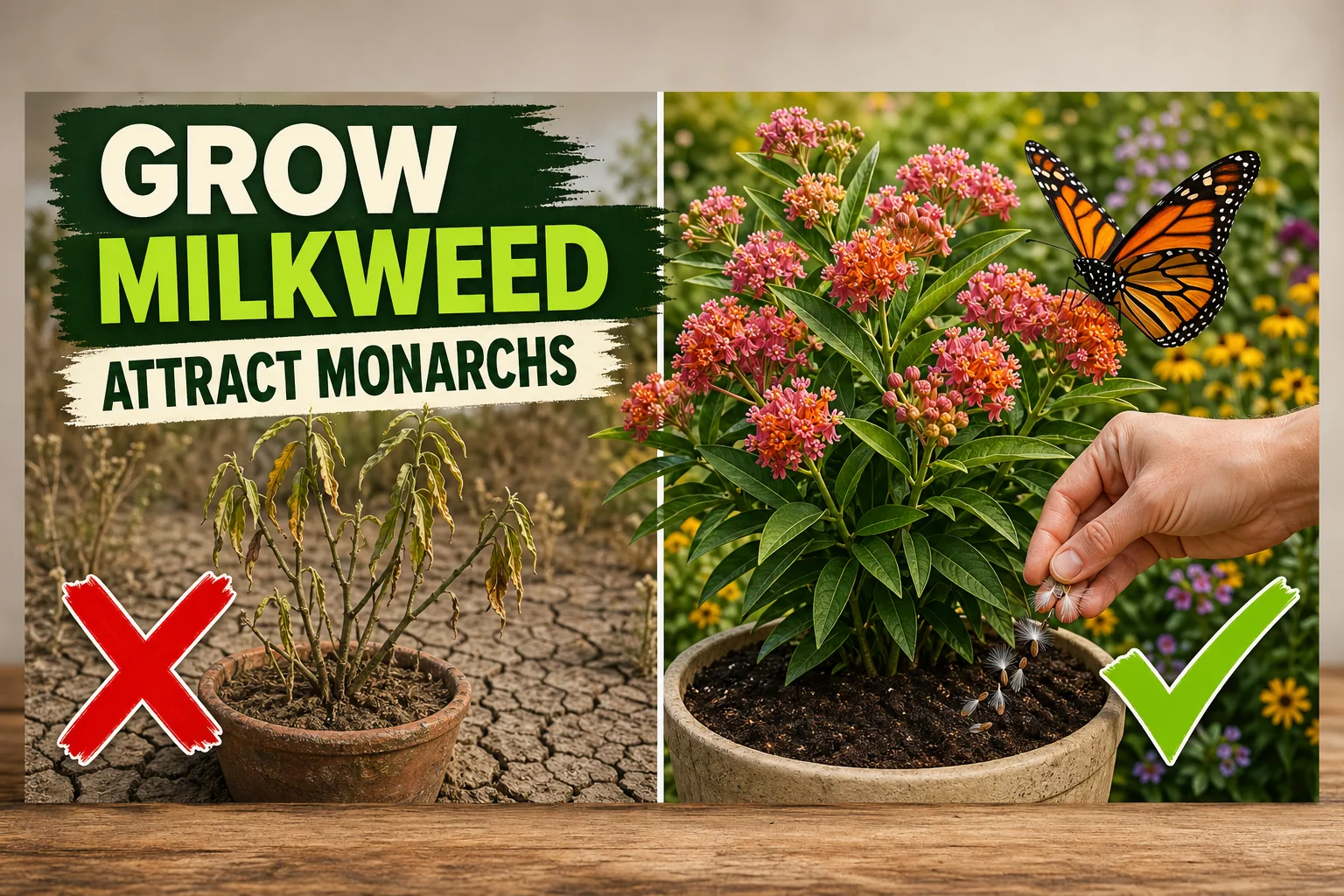
Fill seed trays or small pots with seed-starting mix and water until just damp. Place 1–2 seeds on top of each cell and cover with a thin 0.5 cm (0.25 in) layer of mix or vermiculite. Press lightly. Anything deeper and the seedlings struggle to push through.
Direct sowing in a garden bed? Loosen the top 5 cm (2 in) of soil, scatter seeds at the same depth, and rake lightly to cover.
3. Keep soil at 18–24°C (64–75°F)
This is the germination sweet spot. A heat mat helps if your house runs cool. A sunny windowsill works too. Below 15°C (59°F) and germination drops off fast.
Keep the surface evenly moist but not soggy — a spray bottle or bottom-watering tray is perfect.
4. Wait 7–14 days for sprouts
You’ll see thin pale stems with two oval seed leaves first, then the first set of true leaves with the elongated milkweed shape. Wear gloves if you handle damaged seedlings — even tiny milkweed leaves contain that bitter sap.
5. Transplant when seedlings have 4 true leaves
Pot up to bigger containers, or harden off and plant outside if frost has passed. Space plants 30–60 cm (12–24 in) apart (more for common milkweed, less for butterfly weed). Water deeply once at transplant, then leave them mostly alone — milkweed dislikes pampering.
Care: light, water, soil
Milkweed is a low-maintenance native, so the rule of thumb is don’t over-care for it.
| Need | Detail |
|---|---|
| Light | Full sun, 6+ hours direct per day. Less = leggy, fewer flowers |
| Water | Soak when first transplanted. After establishment, drought tolerant — only water in extreme dry spells |
| Soil | Lean and well-draining. Skip the compost. Rich soil = floppy plants |
| Fertilizer | None. Seriously. Native plants resent it |
| Mulch | Light leaf or bark mulch, but keep it 5 cm (2 in) off the stem |
A free plant care app like Tazart can hold the watering schedule for you, adjust it for your local weather, and remind you only when a young milkweed actually needs a drink — useful in that establishment year before it can fend for itself.
Year-by-year: when you’ll see flowers and monarchs
Milkweed is a perennial, which means it spends year one building a deep root system and looks deceptively unimpressive above ground. Patience pays off.
- Year 1. A small leafy plant 15–30 cm (6–12 in) tall. Probably no flowers. The roots are doing the work.
- Year 2. Real growth, the first flowers, and your first monarch caterpillars often arrive this summer if there are monarchs in your area.
- Year 3+. Full mature size, abundant flowers, multiple egg-laying visits per season, and seed pods you can collect or let scatter.
Plant a small patch of 3–5 plants rather than one — monarchs are far more likely to find a cluster than a single stem.
Why you should NOT pull a “weed”
Here’s the part most new milkweed growers struggle with: a stripped, ragged-looking milkweed is the goal.
Monarch caterpillars eat. A lot. A single caterpillar will chew a mature milkweed leaf bare, then the next leaf, then the next. Your beautiful plant can look like a stem with a few stalks within a week. This is exactly what you planted it for. The plant evolved to be a host — it regrows. New leaves push out within a couple of weeks, and the plant comes back from the roots every spring no matter how hard the caterpillars worked it last year.
If you can’t stand the look, plant your milkweed in a back patch rather than a front border, and let it do its job.
Common mistakes to avoid
- Buying tropical milkweed (A. curassavica). It’s the most common one in big-box nurseries because it grows fast, but it can hurt the monarchs you’re trying to help. Choose a native.
- Skipping cold stratification. Most native milkweed seeds simply will not germinate without it. Don’t skip the fridge step.
- Planting too deep. Milkweed seeds need light to germinate well. 0.5 cm (0.25 in) and no more.
- “Tidying up” caterpillars off the leaves. That’s the entire reason you planted milkweed. Leave them alone — and tell visitors not to flick them off.
- Spraying any pesticide near it. Even “organic” sprays kill monarch eggs and caterpillars. No sprays, ever, on or near milkweed.
- Over-watering or fertilizing. Native milkweed wants lean soil and dry-ish conditions. Rich soil makes it floppy and short-lived.
Troubleshooting
| Symptom | Likely cause | Fix |
|---|---|---|
| Seeds never sprouted | Skipped cold stratification, or soil too cold | Stratify in fridge 30 days; keep soil 18–24°C (64–75°F) |
| Seedlings tall, pale, and leaning over | Not enough light | Move to brightest window or run a grow light 14 hours/day |
| Yellow leaves on a young plant | Overwatered, or sitting in heavy wet soil | Let soil dry; amend with grit or sand for drainage |
| Aphids covering new growth | Oleander aphids (the bright yellow ones) | Spray off with water; do not use pesticide — it’ll kill monarch eggs |
| Caterpillars stripped my plant overnight | Monarch caterpillars — exactly what you wanted | Leave them. The plant regrows in 2–3 weeks |
| No flowers in year one | Normal — milkweed is a perennial | Wait. Year two is when it really begins |
Watch: planting milkweed
A short visual walkthrough pairs well with the steps above. If you’re a visual learner, find a quick tutorial like How to Grow Milkweed for Monarchs on YouTube and then come back to follow the timing in this guide.
Related reading
- How to plant morning glory seeds the right way — another seed crop that benefits from a soak/scarify step before sowing.
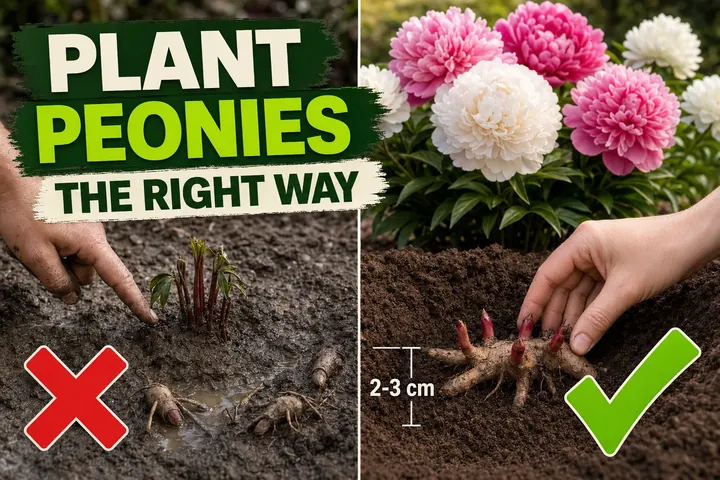
- How to plant peony bulbs for big spring blooms — perennial planting depth tips that apply to milkweed transplants too.
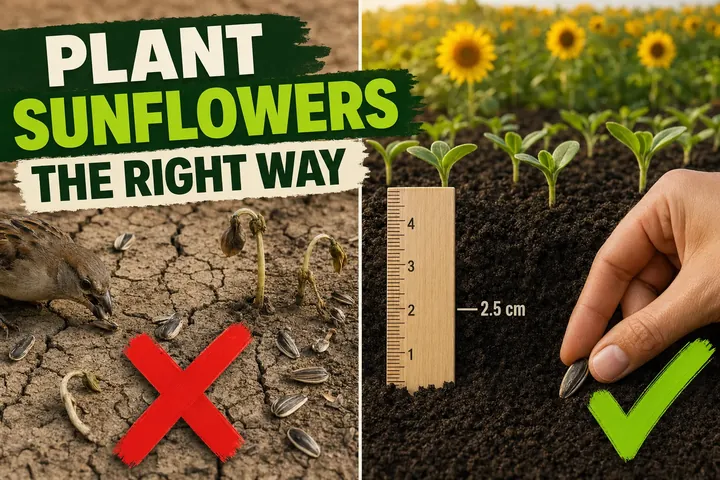
- How deep to plant sunflower seeds — the same “shallow sowing wins” rule applies to most pollinator-friendly seeds.
- Track watering and bloom dates for your whole pollinator garden with the free Tazart plant care app.
A note on conditions
Every garden is different. Native species, USDA zone, light, soil drainage, rainfall, and your local monarch population all change how fast milkweed establishes and how soon you’ll see your first caterpillar. Use the steps above as a starting point and adjust based on what your plants actually do in year two — that’s how every good native gardener learns.
Highly recommended
The supplies that make this guide work
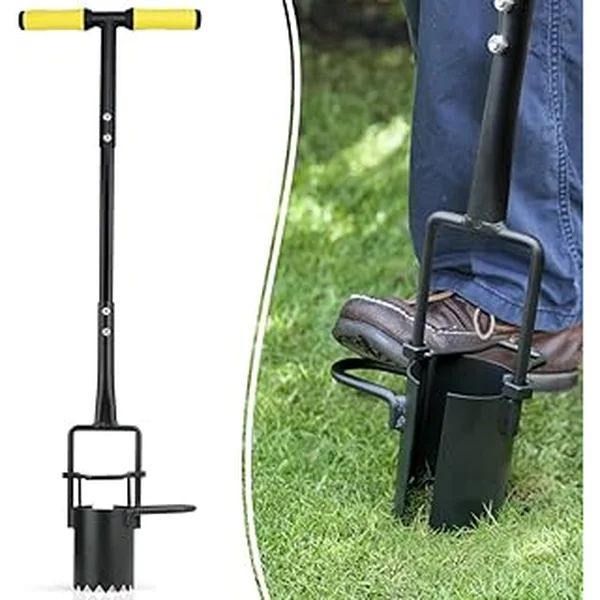

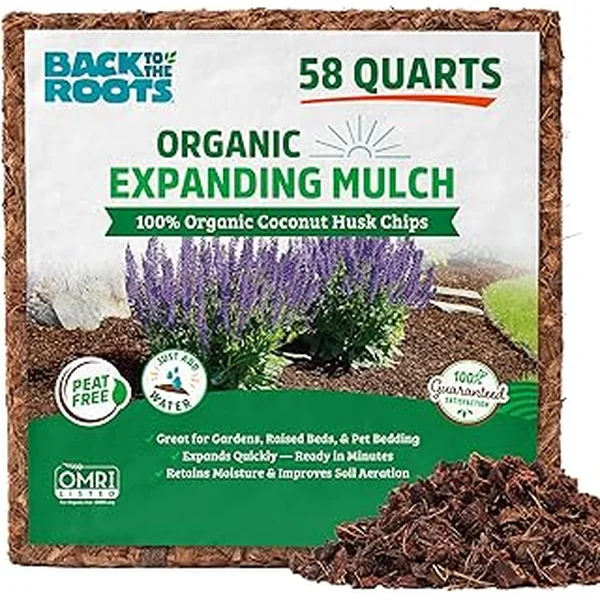

Tazart is an Amazon Associate — we earn from qualifying purchases at no extra cost to you. Thank you for helping us keep these guides free.
Frequently asked questions
How long does it take milkweed to grow from seed?
Seeds germinate in 7 to 14 days once temperatures hit 18–24°C (64–75°F), but milkweed is a perennial that puts most of its first-year energy into roots. Expect leafy growth in year one and the first real flowers — and the monarchs they pull in — in year two.
Do milkweed seeds need to be cold stratified?
Yes, for almost every native species. Most North American milkweed seeds need 30 days of cold-moist stratification (damp paper towel in a sealed bag, in the fridge) to break dormancy. The shortcut is to sow them outdoors in late fall and let winter do it for you.
Is tropical milkweed bad for monarchs?
Outside the deep tropics, yes. Asclepias curassavica (tropical milkweed) doesn't die back in winter, so it stays evergreen, builds up the OE parasite, and can confuse monarchs into skipping migration. Plant native species like A. tuberosa, A. incarnata, or A. syriaca instead.
When should I plant milkweed seeds?
Two windows work. (1) Sow outdoors in late fall and let winter cold-stratify them naturally. (2) Cold-stratify in the fridge for 30 days, then start indoors 6–8 weeks before your last frost and transplant out after frost.
How deep do you plant milkweed seeds?
About 0.5 cm (0.25 in) deep — barely covered. The seeds need light contact with soil but very little burial. A light dusting of fine soil or vermiculite on top is plenty.
Will milkweed come back every year?
Yes — native milkweed is a hardy perennial. Common milkweed (A. syriaca) survives down to USDA zone 3, swamp milkweed (A. incarnata) and butterfly weed (A. tuberosa) to zones 3–4. The tops die back in winter and new shoots emerge from the roots each spring.