Flowers
How to Grow Cosmos Flowers (Pollinator-Friendly Annuals)
Grow cosmos flowers from seed for non-stop summer blooms and butterflies. Sowing depth, lean-soil rule, spacing, watering, deadheading — the complete pollinator-garden.

On this page
Watch the visual walkthrough
How to Grow Cosmos Flowers From Seed - How to Prune For More Flowers and General Care
A short visual walkthrough that pairs with the steps above.
Cosmos are one of the easiest, cheapest, and most pollinator-friendly flowers you can grow from seed. Sow them straight into the garden after your last frost, ignore the fertilizer, and you’ll have waist-high clouds of pink, white, and magenta daisies from midsummer to first frost — buzzing with bees and butterflies.
This guide walks you through it step by step: when to sow, how deep, the lean-soil rule, spacing, watering, deadheading, and how to harvest cosmos for the longest cutting season possible.
Quick answer
Direct sow cosmos seeds 5 mm to 1 cm (¼ to ½ in) deep in lean soil and full sun (6+ hours) after your last frost. Space plants 30–45 cm (12–18 in) apart. Water deeply once a week, skip the fertilizer, and deadhead or cut every bloom — you’ll have flowers in 70 to 90 days and they’ll keep producing until first frost.
Why grow cosmos?
Cosmos (Cosmos bipinnatus) is the rare flower that thrives on neglect. It evolved in poor, dry Mexican meadows — which is why pampering it with rich compost and fertilizer is the fastest way to ruin a patch.
Three reasons to give cosmos a spot in your garden:
- Pollinator magnet. The wide-open daisy-like blooms feed bees, butterflies, hoverflies, and even hummingbirds. A 1 m² (10 sq ft) patch will hum all summer.
- Cut-and-come-again. Every stem you harvest triggers more buds. A row of 10 plants produces a small bouquet every 3 to 5 days from late July to first frost.
- Self-seeding. Drop a few seedheads in autumn and you’ll often skip sowing the following spring entirely — cosmos returns on its own.
The cost is one packet of seeds. The return is months of blooms.
What you’ll need
- One packet of cosmos seeds (mixed colors or named varieties — see below)
- A sunny spot with 6+ hours of direct sun, ideally 8+
- Garden bed with average to poor soil — no need to amend
- Watering can or hose
- Pruning shears or sharp scissors for harvest
- Optional: a low support like jute twine or pea sticks for tall varieties
That’s the whole list. No grow lights, no heat mats, no fertilizer, no fancy soil mix.
Best cosmos varieties to grow
| Variety | Height | Color | Best for |
|---|---|---|---|
| Sensation Mix | 90–120 cm (36–48 in) | Pink, white, magenta | Cottage borders, cutting |
| Versailles | 90–110 cm (36–44 in) | Pink with red eye, blush | Florist-quality cut flowers |
| Double Click | 90–110 cm (36–44 in) | Cranberry, snow puff, rose bonbon | Statement bouquets |
| Sonata | 45–60 cm (18–24 in) | White, pink, carmine | Containers, front of border |
| Apricot Lemonade | 90–105 cm (36–42 in) | Apricot-blush | Modern designer arrangements |
| Cosmos sulphureus | 60–120 cm (24–48 in) | Yellow, orange, scarlet | Hot-color pollinator gardens |
For a cutting garden, choose Sensation, Versailles, or Apricot Lemonade — long sturdy stems hold up in vases. For containers and tight borders, stick to Sonata or other dwarf strains.
Step-by-step: planting cosmos seeds
1. Wait for the right moment
Cosmos hate cold soil. Sow outside after your last frost date, once soil temperatures have warmed to at least 18°C (65°F) and night temperatures stay above 10°C (50°F).
For most of the US and UK, that’s mid-May to early June. In zones 8 and warmer, you can sow as early as April. A second sowing in late June extends bloom into late autumn.
2. Pick a sunny lean spot
Choose a spot with 6+ hours of direct sun. Skip beds that have been heavily composted or fertilized — you want soil that looks tired. If you’ve only got rich soil, mix in a bucket of sharp sand or grit per square metre to lean it out.
Skip the fertilizer entirely. This sounds wrong if you grow tomatoes or zinnias, but cosmos really do flower better hungry. Rich nitrogen-fed soil produces 2 m (6 ft) jungly leaf giants with almost no blooms.
3. Sow the seeds at the right depth
Rake the surface flat, scatter or drill the seeds, then cover with a light layer of soil 5 mm to 1 cm (¼ to ½ in) deep — about twice the seed’s thickness. Press gently with the back of your hand to firm contact.
Cosmos seeds are needle-thin and dark. A common beginner mistake is burying them 3 cm (1 in) deep — too deep, and they rot before reaching daylight.
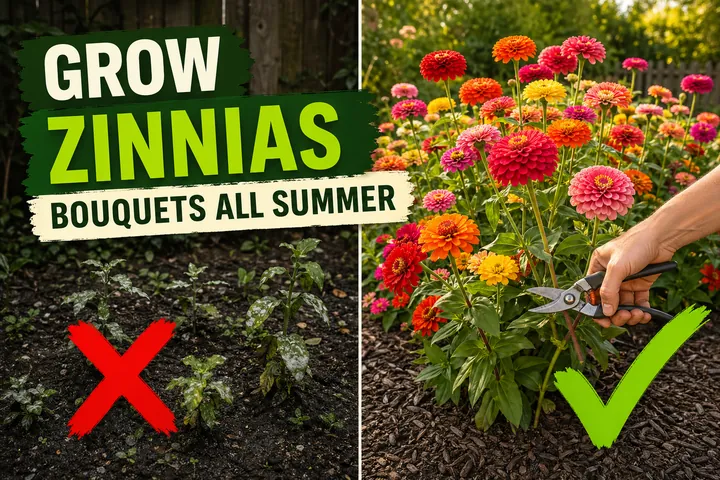
The same in-ground direct-sow principles apply to zinnias — if you’re sowing a mixed annual bed, the zinnia in-ground sowing guide covers soil prep, timing, and spacing in a single step-by-step walkthrough.
4. Water in lightly
Mist or sprinkle the bed until the top 2 cm (¾ in) is moist but not soggy. Keep the surface evenly damp until you see green sprouts in 7 to 10 days. Once seedlings have their first true leaves, water less often — cosmos prefer to dry between drinks.
5. Thin to final spacing
When seedlings are 5–8 cm (2–3 in) tall, thin them to 30–45 cm (12–18 in) apart for tall varieties, or 23–30 cm (9–12 in) for dwarf varieties. Tight spacing makes plants taller and sturdier — perfect for cut flowers — but doesn’t choke them like tomatoes.
Don’t pull thinnings out — pinch them off at soil level so you don’t disturb the roots of the plants you’re keeping.
6. Add support for tall varieties
Tall Sensation-class cosmos can flop in heavy rain or wind once they hit 1 m (3 ft). Add a row of pea sticks or run a horizontal layer of jute twine across the bed at 50 cm (20 in) when plants are knee-high. Once they grow through it, the support disappears.
For dwarf cosmos and containers, no staking is needed.
Care after planting
Cosmos are about as low-maintenance as flowers get. You only have three jobs:
| Task | When |
|---|---|
| Water | Deep soak once a week in dry weather; skip if it rained 1.5 cm (0.6 in) |
| Deadhead | Snip every spent flower at a leaf node, every 3 to 5 days |
| Pinch (once) | When plants are 30–45 cm (12–18 in) tall, snip the lead stem |
A plant care app like Tazart can hold your weekly watering schedule, adjust it for local rainfall, and remind you when it’s time to deadhead — useful if you’re managing several beds.
The pinch is optional but powerful: removing the top 5–8 cm (2–3 in) of the lead stem when plants are knee-high forces side branches and triples the eventual stem count per plant.
When and how to harvest
Cosmos are textbook cut-and-come-again flowers — the more you cut, the more they bloom.
If you’re also growing for pollinators, butterfly weed (Asclepias tuberosa) is an excellent companion planting choice — it handles the same full-sun, lean-soil conditions as cosmos and brings in monarchs, fritillaries, and swallowtails throughout summer.
For bouquets: cut stems first thing in the morning, when buds have just begun to open and show color. Plunge them straight into cool water. Cut deep — down to a leaf node, not just at the bloom — to encourage long replacement stems.
For pollinators: leave a few blooms uncut every week so bees and butterflies always have food. A patch that’s harvested 80% and left 20% blooming feeds wildlife and your vases at the same time.
For seed saving: at the end of the season, let the last flush of flowers dry on the plant. When the seedheads turn brown and brittle, snip them, shake the seeds into an envelope, and store somewhere cool and dry until next spring.
Vase life is 5 to 7 days in clean water. Change the water every 2 days and re-cut stems for the longest display.
Common mistakes to avoid
- Fertilizing or planting in rich soil. Most other flower advice says “feed weekly” — cosmos is the opposite. Skip it.
- Sowing too deep. Anything over 1 cm (½ in) and seeds rot. A light dusting is plenty.
- Sowing too early. Cold wet soil kills cosmos seedlings. Wait until nights are above 10°C (50°F).
- Skipping the pinch. Unpinched cosmos grow tall and lanky on one main stem. A 5-second pinch when knee-high doubles or triples your harvest.
- Letting blooms go to seed mid-summer. Once cosmos sets seed, it slows or stops producing new flowers. Deadhead or cut every 3 to 5 days.
- Planting in shade. Under 6 hours of sun gives floppy stems and hardly any flowers.
Troubleshooting
| Symptom | Likely cause | Fix |
|---|---|---|
| Plants are tall and leafy with no flowers | Too much nitrogen / rich soil | Stop fertilizing; next season sow in lean unamended soil |
| Stems flopping over | Heavy rain, wind, or rich soil | Add pea sticks or twine at 50 cm (20 in); thin to final spacing for sturdier stems |
| Seedlings chewed off at soil level | Slugs or snails | Hand-pick at dusk; use copper tape or organic slug pellets around seedlings |
| Holes in leaves but plants still flowering | Slug or caterpillar damage on mature plants | Cosmetic only on mature cosmos — leave it; pollinators outweigh the loss |
| Yellowing lower leaves | Overwatering or staying too wet | Water deeply once a week, not little-and-often; ensure good drainage |
| Powdery white coating on leaves | Powdery mildew from late-summer humidity | Improve airflow with thinning; water at the base, not from above; tolerate it — most plants survive |
| Seeds didn’t germinate | Soil too cold, sown too deep, or dried out | Re-sow at 5 mm to 1 cm (¼ to ½ in) once soil hits 18°C (65°F); keep evenly moist for 10 days |
| Aphids clustered on stem tips | Soft new growth attracts them | Blast off with a hose; ladybugs and lacewings clean up the rest within a week |
Watch: planting cosmos seeds
A short visual walkthrough pairs well with the steps above. If you’re a visual learner, watch a quick tutorial like How to Grow Cosmos from Seed on YouTube and then come back to follow the timing in this guide.
Related reading
- How to grow zinnias from seed — the other heat-tolerant cut-and-come-again annual that pairs perfectly with cosmos in a cutting garden.
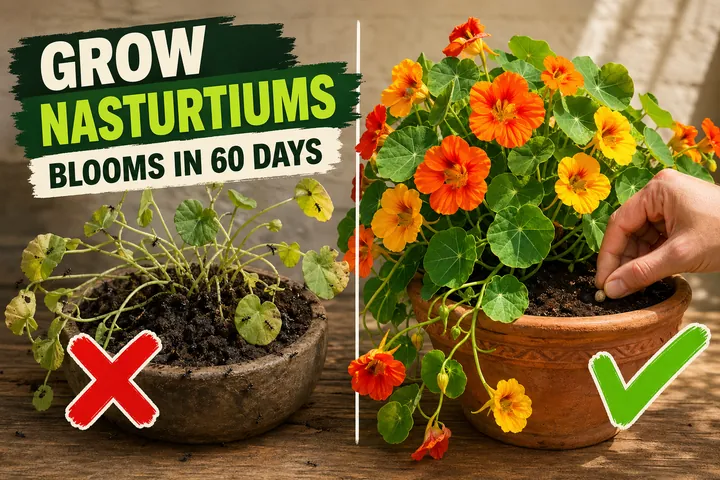
- How to plant nasturtium seeds — another lean-soil, low-fuss annual that thrives where cosmos do.
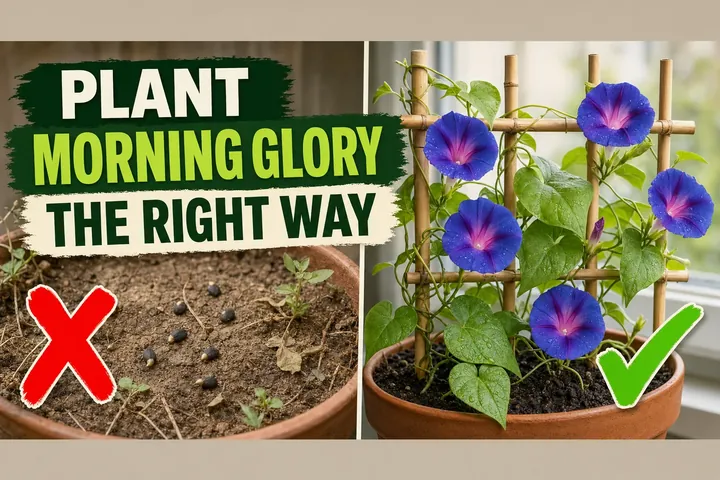
- How to plant morning glory seeds — vining pollinator-friendly annual to grow as a backdrop behind your cosmos patch.
- Scan the next plant you bring home with the free Tazart plant identifier and let it set up the watering schedule for you.
A note on conditions
Every garden is different. Light, soil type, rainfall, season, and your local weather all change how fast cosmos grow and how often they need water. Use the steps above as a starting point and adjust based on what your plants actually do in week two — that’s how every good flower grower learns.
Highly recommended
The supplies that make this guide work

Tazart is an Amazon Associate — we earn from qualifying purchases at no extra cost to you. Thank you for helping us keep these guides free.
Frequently asked questions
How long do cosmos take to grow from seed?
Cosmos seeds germinate in 7 to 10 days at 21–24°C (70–75°F) soil temperature. From sowing to the first open bloom takes about 70 to 90 days, so a mid-May sowing gives you flowers from late July onward and steady blooms until first frost.
When should I plant cosmos seeds?
Direct sow cosmos outdoors after your last frost date, when night temperatures stay above 10°C (50°F) and the soil has warmed to at least 18°C (65°F). For an earlier start, sow indoors 4 weeks before the last frost and transplant out once the weather settles.
How deep do you plant cosmos seeds?
Plant cosmos seeds about 5 mm to 1 cm (¼ to ½ in) deep — roughly two times the seed's thickness. A light cover of soil with firm contact is enough; deep planting delays germination and weakens seedlings.
Do cosmos need full sun?
Yes. Cosmos need at least 6 hours of direct sun, and they bloom heaviest with 8+ hours. Shade gives you tall leafy plants with very few flowers, and they flop without strong sun-grown stems.
Should I fertilize cosmos?
No — and this is the most common mistake. Cosmos evolved on lean Mexican soils and bloom best when slightly hungry. Rich soil or nitrogen fertilizer pushes leaf growth and reduces flowers. Skip the feed and grow them in unamended garden soil.
How tall do cosmos grow?
Tall varieties like Sensation and Versailles reach 90–120 cm (36–48 in). Dwarf varieties like Sonata stay around 45–60 cm (18–24 in). Pick the height that suits your border or bouquet style — both groups bloom on the same timeline.
Why are my cosmos not flowering?
The three usual causes are too little sun (under 6 hours), too much nitrogen fertilizer, or skipping deadheading. Move them to full sun, stop feeding, and cut every spent bloom or open flower for vases — frequent harvest is what keeps cosmos producing.
Are cosmos annuals or perennials?
Garden cosmos (Cosmos bipinnatus and Cosmos sulphureus) are warm-season annuals — they grow, flower, and die in a single season. They reseed themselves freely though, so a patch often returns the following year from dropped seed.