Edible
How to Grow Bell Peppers (Thick-Walled Sweet Peppers)
Grow thick-walled, glossy bell peppers in 70-90 days. Full guide to soil, sun, watering, feeding, and harvest for in-ground beds, raised beds, and containers.
On this page
Watch the visual walkthrough
How to Grow Bell Peppers from Seed in Containers | Easy planting guide
A short visual walkthrough that pairs with the steps above.
Bell peppers are warm-season annuals that reward patience with thick-walled, glossy fruits in red, yellow, orange, or chocolate. Get the soil, sun, and watering right and a single plant gives you 8-12 full-sized peppers across the season.
This guide walks you through every stage — soil prep, transplanting, watering, feeding, mulching, and getting peppers to actually turn red on the plant.
Quick answer
Plant bell peppers in full sun (6-8 hours), in rich well-drained soil enriched with compost. Space them 45 cm (18 in) apart. Keep soil consistently moist with mulch, feed every 2 weeks once flowers appear, and harvest 70-90 days after transplant — or wait an extra 2-3 weeks on the plant for them to ripen from green to red, yellow, or orange.
Bell pepper basics
Bell peppers (Capsicum annuum) are tropical perennials grown as annuals in temperate climates. They are slow starters that hate cold soil and short days, but they keep producing right up to the first frost once they get going.
Key conditions at a glance:
| Condition | Range |
|---|---|
| Sun | 6-8+ hours direct |
| Day temperature | 22-29°C (72-85°F) |
| Night temperature | 16-21°C (60-70°F) |
| Soil pH | 6.0-6.8 |
| Soil | Rich, deep, well-drained, high in organic matter |
| Spacing | 45 cm (18 in) between plants, 60-75 cm (24-30 in) between rows |
| Days to harvest | 70-90 days from transplant (green); 90-110 days for ripe red |
When to plant
Bell peppers are killed by frost and stall below 13°C (55°F). The right transplanting window is 2-3 weeks after your last frost, once the soil temperature is at least 18°C (65°F).
If you’re starting from seed, sow indoors 8-10 weeks before your last frost date. Bell peppers germinate slowly (2-3 weeks) and grow even more slowly, so this head start is non-negotiable in cooler climates.
In warm climates with long summers (Zones 9-11), you can succession-plant in early spring and again in late summer for a fall crop.
What you’ll need
- Bell pepper seedlings or seeds (heirloom thick-walled varieties like California Wonder, King Arthur, or Big Red give the best walls)
- Sunny garden bed, raised bed, or 19-litre (5-gallon) container per plant
- Quality compost — at least 5 cm (2 in) worked into the top 20 cm (8 in) of soil
- Balanced organic fertilizer (5-10-10 or similar — lower nitrogen, higher potassium)
- Calcium source (gypsum, garden lime, or crushed eggshells)
- Mulch — straw, shredded bark, or grass clippings
- Stake or small tomato cage per plant
Step-by-step: how to grow bell peppers
1. Prepare the soil deep and rich
Bell peppers have surprisingly deep root systems for a short plant — up to 60 cm (24 in) down. Dig the bed at least 30 cm (12 in) deep and mix in 5 cm (2 in) of compost plus a handful of balanced fertilizer per plant.
If your soil is heavy clay, add coarse sand or fine bark to improve drainage. If it’s sandy, add extra compost to hold moisture. Aim for soil that crumbles in your hand — never sticky, never dusty.
2. Harden off seedlings
Pepper seedlings raised indoors are tender. A week before transplanting, set them outside in dappled shade for 2 hours on day one, increasing by 1-2 hours per day until they’re outside all day. Skip this step and the leaves bleach white in the sun within 48 hours.
3. Transplant after the soil is warm
Wait until soil temperature at 10 cm (4 in) deep is at least 18°C (65°F). A cheap soil thermometer pays for itself the first season — peppers transplanted into cold soil sit and sulk for weeks instead of growing.
Dig a hole the same depth as the seedling pot. Unlike tomatoes, do not bury the stem deeper — bell peppers don’t grow new roots from buried stems and the buried tissue can rot.
4. Space them properly
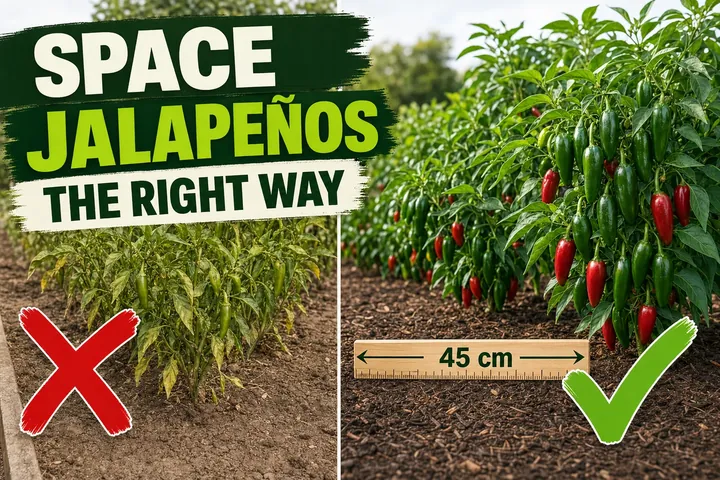
Space plants 45 cm (18 in) apart with 60-75 cm (24-30 in) between rows. This gives each plant enough light, airflow, and root space for full-size fruit. In raised beds, you can drop to 38-45 cm (15-18 in) but never tighter — crowded peppers produce small thin-walled fruits.
In containers, one plant per 19-litre (5-gallon) pot, with a stake.
5. Stake or cage immediately
Slip a 60 cm (24 in) bamboo stake or small tomato cage into the soil at planting time, not later. Bell pepper branches are brittle and snap when they’re loaded with fruit — staking after the plant is heavy means breaking roots.
6. Water in deeply
Water with 2 litres (½ gallon) per plant at transplant. Then water deeply 1-2 times per week, aiming for 2.5-5 cm (1-2 in) of total water per week. Use a finger test: if the top 2-3 cm (1 in) of soil is dry, water.
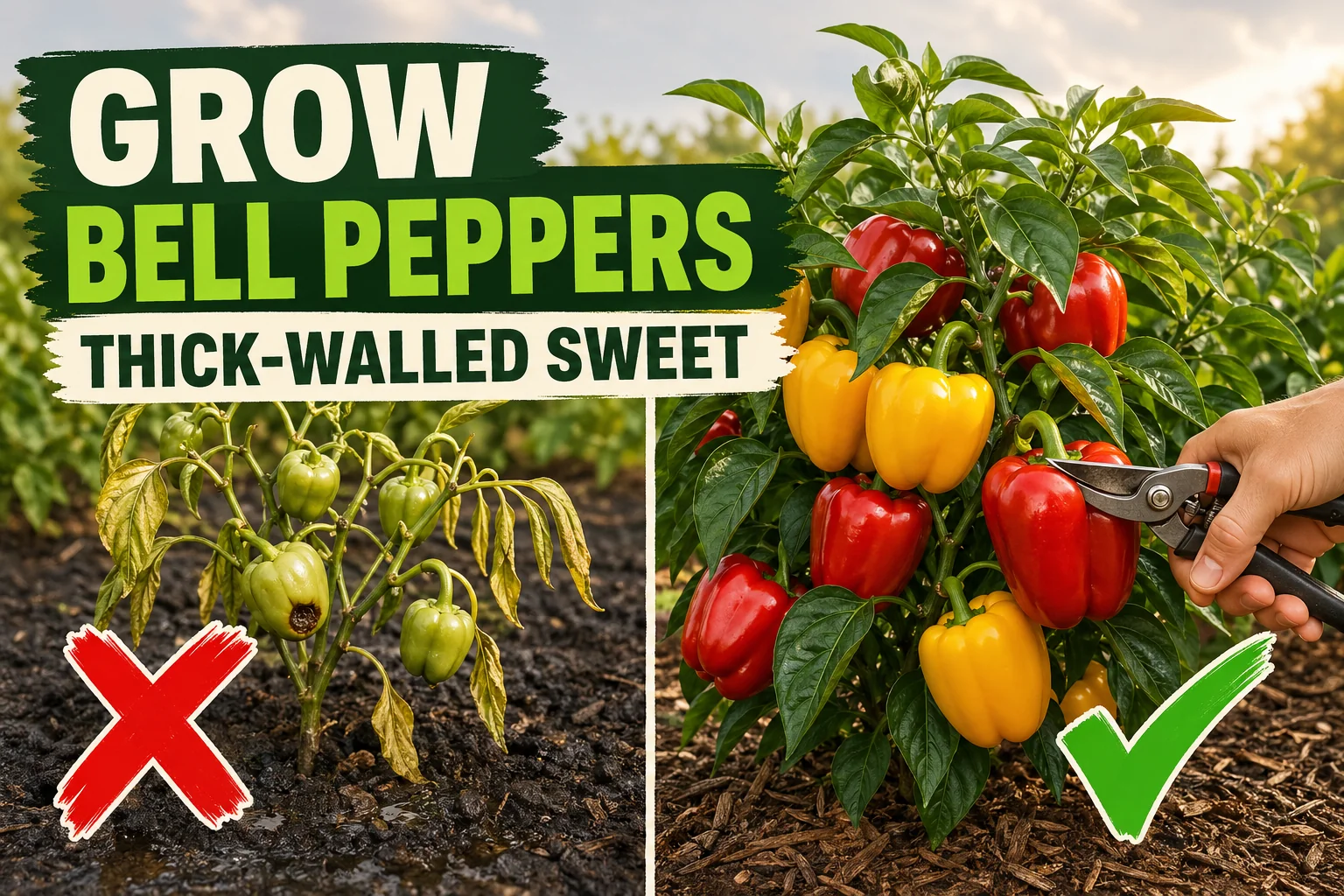
Even moisture is critical. Erratic watering — bone dry then soaked — is the #1 cause of blossom-end rot, the sunken brown patch on the bottom of the fruit.
7. Mulch the bed
Once the soil is warm, lay 5-7 cm (2-3 in) of straw, shredded bark, or grass clippings around each plant — leave a 2 cm (1 in) gap around the stem. Mulch:
- Holds moisture even (preventing blossom-end rot)
- Keeps soil temperature stable
- Smothers weeds
- Adds organic matter as it breaks down
8. Feed every 2 weeks
Once the first flowers appear, feed with a balanced liquid fertilizer (5-10-10, fish emulsion, or kelp) every 2 weeks. Avoid high-nitrogen lawn fertilizer — it gives you leafy plants with few peppers.
If you’ve seen blossom-end rot, add a calcium supplement: a tablespoon of garden lime worked in around each plant, or a calcium foliar spray every 10 days during fruit set.
When and how to harvest
You have two harvest paths.
Green peppers (70-90 days): snap or cut peppers when they reach full size and feel firm and glossy. Use bypass shears — pulling tears the brittle branches.
Ripe red, yellow, or orange peppers (90-110 days): leave them on the plant another 2-3 weeks after they hit full size. They’ll shift colour, sweeten dramatically, and develop the thick walls bell peppers are famous for. Harvest before the first frost — peppers don’t ripen further off the plant.
A free plant care app like Tazart can hold the watering and feeding schedule for you and ping you on Apple Watch for the once-a-week deep soak — useful when you’re juggling tomatoes, peppers, and cucumbers all in different beds.
Common mistakes to avoid
- Transplanting too early. Cold soil stalls peppers for weeks. Wait until soil is 18°C (65°F).
- Skipping the stake. A loaded plant snaps in a single windy afternoon.
- High-nitrogen fertilizer. Big leaves, no peppers. Use 5-10-10 or similar.
- Letting soil dry out completely. Triggers blossom-end rot and flower drop.
- Picking too early. Thick walls and sweet flavour need 2-3 extra weeks on the plant.
- Crowding plants. Closer than 45 cm (18 in) and yields drop sharply.
- No mulch. Bare soil dries unevenly and bakes roots in summer heat.
Troubleshooting
| Symptom | Likely cause | Fix |
|---|---|---|
| Sunken brown patch on bottom of fruit | Blossom-end rot (calcium + uneven water) | Mulch deep, water consistently, add garden lime; foliar calcium spray every 10 days |
| Flowers drop without setting fruit | Heat stress above 32°C (90°F) or cold nights below 13°C (55°F) | Wait it out; provide afternoon shade in heat; use row cover at night in cool spring |
| Pale yellow leaves | Nitrogen deficiency or cold soil | Feed with balanced fertilizer; mulch to warm soil; check for waterlogging |
| Plant grows tall, no peppers | Too much nitrogen | Stop nitrogen feeds; switch to 5-10-10 or kelp |
| Thin-walled, small peppers | Too little sun, low potassium, harvested early | Move to 6-8+ hours sun; feed with potassium-rich fertilizer; let peppers size up fully on the plant |
| Peppers stay green forever | Picked too early (green is unripe) | Wait 2-3 more weeks for red/yellow/orange colour shift |
| White or grey patches on fruit skin | Sunscald (sudden exposure) | Don’t strip leaves; provide light afternoon shade in extreme heat |
| Holes in leaves, dark frass | Pepper hornworm / cutworm | Hand-pick at dawn or dusk; encourage parasitic wasps; use Bt as last resort |
| Curling distorted new leaves | Aphids or thrips | Spray with strong water jet; release ladybugs; insecticidal soap if heavy |
Watch: how to grow bell peppers
A short visual walkthrough pairs well with the steps above. If you’re a visual learner, search for How to Grow Bell Peppers on YouTube and then come back to follow the timing in this guide.
Related reading
- How far apart to plant jalapeños — same family, same spacing logic, hotter peppers.
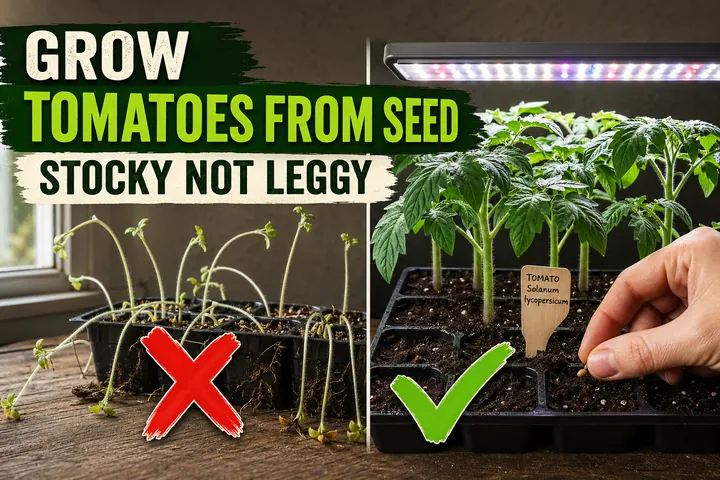
- How to grow tomatoes from seed — the warm-season companion plant that loves the same beds and feeding schedule.
- How long does a strawberry plant take to produce fruit — another reliable summer fruiting crop for the same sun-soaked bed.
- Scan the next plant you bring home with the free Tazart plant identifier and let it set up the watering schedule for you.
A note on conditions
Every garden is different. Light, soil, season, humidity, and your local weather all change how fast bell peppers grow and how often they need water. Use the steps above as a starting point and adjust based on what your plant actually does in week two — that’s how every good pepper grower learns.
Highly recommended
The supplies that make this guide work
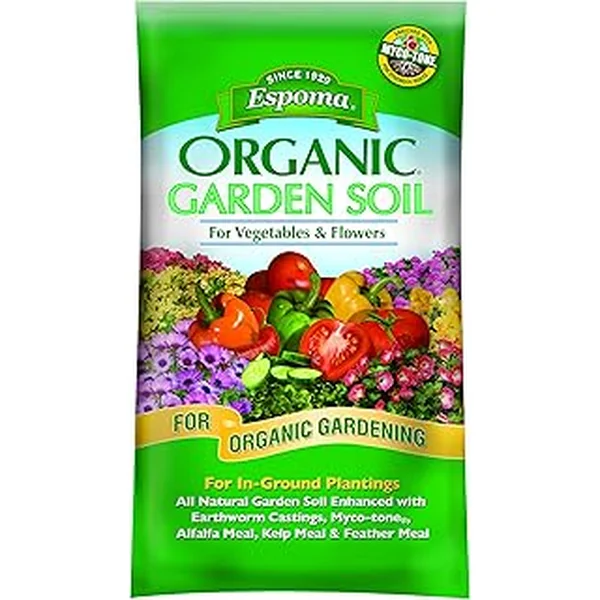
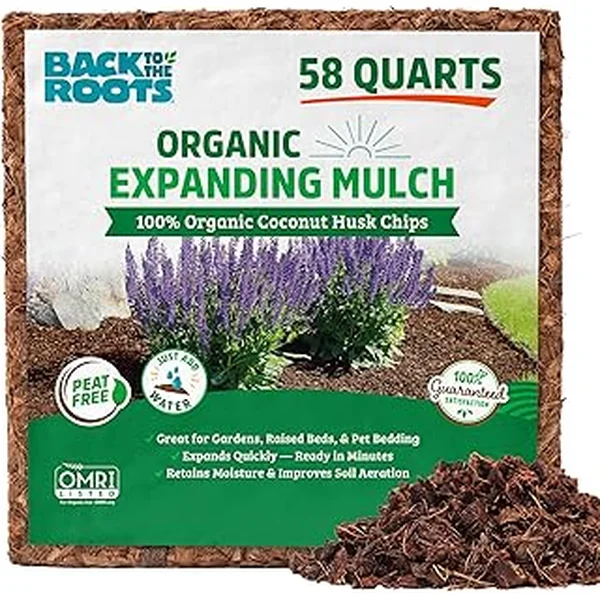
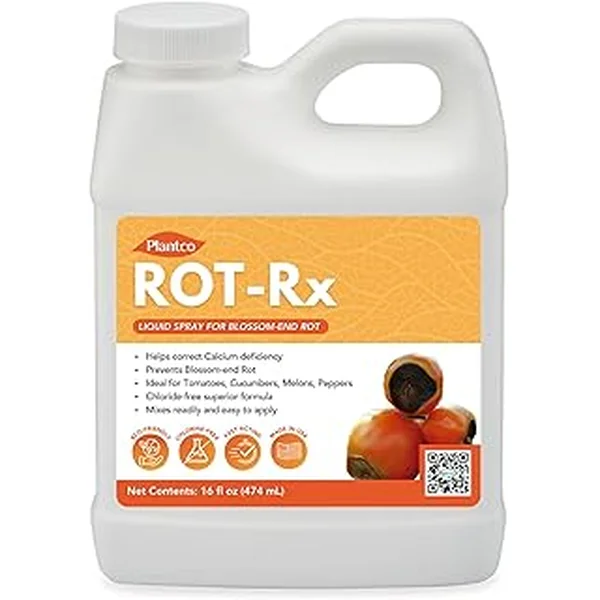
Tazart is an Amazon Associate — we earn from qualifying purchases at no extra cost to you. Thank you for helping us keep these guides free.
Frequently asked questions
How long do bell peppers take to grow?
70-90 days from transplant to first harvest for green bell peppers, and another 2-3 weeks on the plant if you want them to ripen to red, yellow, or orange. From seed, allow 8-10 weeks of indoor seed-starting time before that — total seed-to-red-pepper is around 5 months.
What temperature do bell peppers need?
Bell peppers thrive between 22-29°C (72-85°F) during the day and 16-21°C (60-70°F) at night. Below 13°C (55°F) growth stalls and flowers drop. Above 32°C (90°F) plants stop setting fruit until temperatures cool off. They are warm-season annuals and cannot tolerate frost.
How much sun do bell peppers need?
Full sun — at least 6-8 hours of direct sunlight per day. Less than 6 hours and you'll get a leggy plant with thin-walled, undersized peppers. In very hot climates above 35°C (95°F), light afternoon shade can actually help fruit set without sacrificing yield.
How often should bell peppers be watered?
Water deeply 1-2 times per week, aiming for 2.5-5 cm (1-2 in) of water per week including rain. The goal is consistent moisture — never bone dry, never waterlogged. Erratic watering is the main cause of blossom-end rot, the sunken brown patch on the bottom of the fruit.
Why are my bell peppers thin walled?
Thin walls are almost always caused by one of three things: not enough sun (less than 6 hours of direct light), not enough potassium and calcium in the soil, or harvesting too early. Thick-walled bell peppers need full sun, balanced fertilizer with extra calcium, and time on the plant — let them size up fully before picking.
Can bell peppers grow in pots?
Yes. One bell pepper plant per 19-litre (5-gallon) container minimum, with drainage holes and a stake or small cage. Use a quality potting mix, water more often than in-ground (often daily in summer), and feed every 2 weeks with a balanced liquid fertilizer once flowers appear.
How do you get bell peppers to turn red?
Leave the pepper on the plant. Green bell peppers are unripe — they turn red, yellow, orange, or purple depending on the variety if you give them another 2-3 weeks on the plant after they reach full size. Picking early gives you green peppers; patience gives you sweet, fully coloured ones.