Diagnosis
How to Get Rid of Plant Gnats (Fungus Gnats) Fast
Fungus gnats live in wet soil. Dry the top 5 cm (2 in), kill the larvae with BTI mosquito bits for 4 weeks, and trap adults with yellow sticky traps — 80% gone in week 1.
On this page
Watch the visual walkthrough
How to Get Rid of Gnats Indoors (Save your plants! Take back our homes!)
A short visual walkthrough that pairs with the steps above.
If tiny black flies keep buzzing up out of your plant soil every time you water, you have fungus gnats — Bradysia species, sometimes just called soil gnats or plant gnats. They aren’t a sign your plants are doomed. They’re a sign your soil is too wet.
Get the moisture under control, kill the larvae living in the top layer of soil, and trap the adults that are already flying. Do all three at once and you’ll see a massive drop in flying gnats inside a week, with full eradication in 3 to 4 weeks. Here’s exactly how.
Quick answer
Run a 3-step plan in parallel: (1) let the top 5 cm (2 in) of soil dry out completely between waterings for 4 weeks, (2) apply BTI (mosquito bits) to the soil weekly to kill larvae, and (3) place a yellow sticky trap in every infested pot to catch adults. Expect about 80% fewer flying gnats in week 1 and full eradication in 3 to 4 weeks.
Why fungus gnats appear
Fungus gnats are not random. They show up when two conditions overlap:
- Constantly wet soil — the top 2–3 cm (0.75–1 in) stays damp for days at a time
- Organic-rich potting mix — peat, bark, compost, decaying roots
That combination is a buffet for the larvae, which feed on fungi, decaying organic matter, and tender root tips. A single female adult can lay up to 200 eggs in damp soil, and the cycle from egg to adult is only 3–4 weeks. Skip a few dry-down cycles and the population explodes.
This is why “just spraying the adults” never works. The larvae and eggs are still in the soil, hatching on their own schedule.
What you’ll need
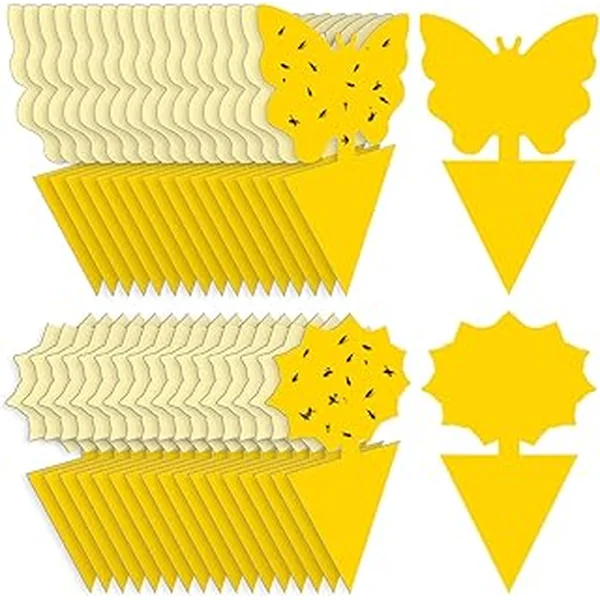
- Yellow sticky traps — the small card kind that stake into the pot
- Mosquito bits or BTI dunks — the active ingredient is Bacillus thuringiensis israelensis
- Optional: 3% hydrogen peroxide — for a one-shot larva drench
- Optional: horticultural sand or fine perlite — for a 1 cm (0.5 in) dry topdressing
- A watering can you control — bottom-watering is even better
You don’t need pesticide sprays, dish soap, or vinegar traps. They either don’t work, or they only catch a few adults while the larvae keep multiplying below.
Step-by-step: the 3-step kill plan
Run all three steps in parallel from day one. Doing only one at a time is what makes infestations drag on for months.
1. Let the soil dry out
Stop watering on a schedule. Stick a finger 5 cm (2 in) into the soil — if it’s at all damp, wait. The top 5 cm (2 in) needs to be bone dry between waterings for the next 4 weeks straight.
This single change kills the most larvae and stops new eggs from hatching. Larvae need moisture in the top 2–3 cm (0.75–1 in) of soil; remove the moisture and they die or fail to develop.
For plants that genuinely need consistent moisture (calatheas, ferns, seedlings), water from below — set the pot in a tray of water for 15 minutes, then drain it. The top stays dry, the roots still drink.
2. Treat the larvae with BTI
BTI (Bacillus thuringiensis israelensis) is the single most effective fungus gnat treatment, and it’s safe for people, pets, and plants. You can apply it two ways:
- Dry sprinkle: Scatter a tablespoon of mosquito bits on top of the soil. Water lightly so the bits release their bacteria into the top layer.
- Mosquito-bit “tea”: Steep ¼ cup of bits in 4 litres of water for 30 minutes, then use the strained water for your normal watering. The tea distributes BTI evenly through the root zone.
Reapply every 7 days for 4 weeks. The reason isn’t that BTI fades — it’s that you have to outlast the eggs and pupae already in the soil. Stopping at week 2 is the most common mistake people make.
3. Trap the adults
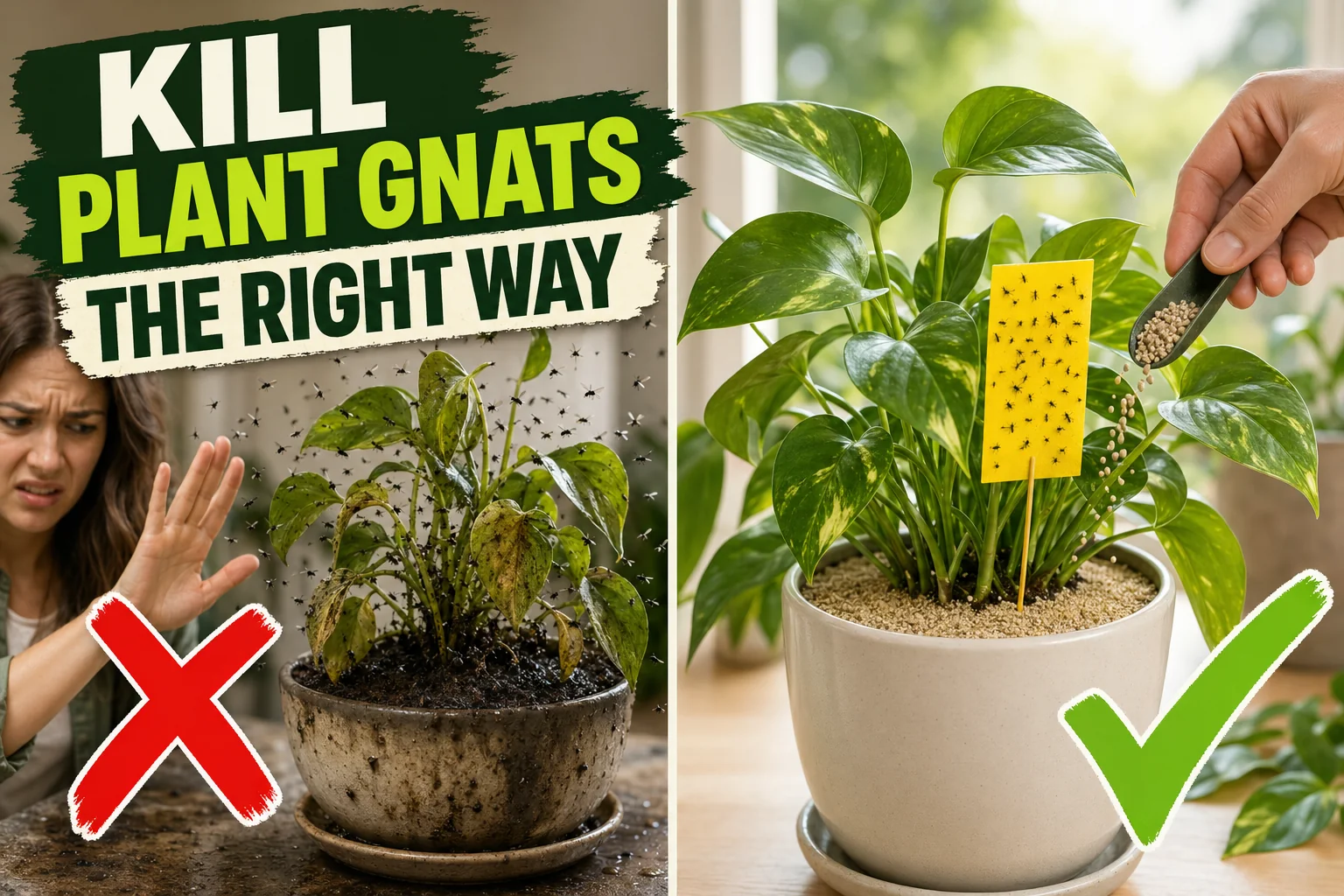
Push a yellow sticky trap into each infested pot, just above the soil. Adult fungus gnats are lazy fliers, attracted to yellow, and stick on contact. The traps don’t fix the problem alone — they reduce the breeding population while steps 1 and 2 do the real work, and they give you a visible read on how the infestation is trending day by day.
Replace traps when they’re about 50% covered. A clean trap that stays clean for 5–7 days is your sign you’re done.
Bonus tactics for stubborn infestations
If you’re past week 2 and still seeing more than a handful of adults a day, layer one or more of these on top of the 3-step plan:
- Hydrogen peroxide drench (one-time): Mix 1 part 3% hydrogen peroxide with 4 parts water. Drench the soil until water runs out the bottom. The fizzing kills larvae on contact. Don’t repeat more than once a month — peroxide also disturbs healthy soil microbes.
- Sand or fine-grit topdressing: Add a 1 cm (0.5 in) layer of horticultural sand or fine perlite on top of the soil. Adult females can’t lay eggs through it, and it stays dry between waterings.
- Sticky tape around pot rims: A loop of double-sided tape around the pot or shelf catches gnats wandering between plants.
- Repot only as a last resort: If the potting mix is sour-smelling, packed, or you suspect root rot, repot into fresh well-draining mix. Healthy roots — don’t repot just to “reset.”
What does NOT work
A lot of internet folk remedies underperform — or fail entirely — against fungus gnats. Skip these:
- Cinnamon on the soil. Mild antifungal, but does nothing to existing larvae populations.
- Dish soap drenches. Disrupt root cell membranes more than they kill larvae.
- Apple cider vinegar bowls. Catch fruit flies, not fungus gnats — different species, different attractants.
- Letting the plant “tough it out”. Larvae multiply faster than the plant recovers.
A short-term dent in adult numbers isn’t the same as ending the infestation.
How to prevent gnats from coming back
Once your traps stay clean, lock in habits that don’t let the cycle restart. A free plant care app like Tazart can hold dry-down-aware watering schedules for every plant in your home and ping you only when each pot’s top layer is actually dry — which is the single biggest gnat-prevention habit.
- Water from below when you can, especially for plants that like damp roots
- Run a true dry cycle — top 2–3 cm (0.75–1 in) dry — between every watering
- Quarantine new plants for 2 weeks in a separate room with sticky traps
- Store potting mix sealed — open bags of mix can already contain eggs
- Avoid heavy organic mulches indoors (cocoa hulls, fresh compost on top of pots)
Common mistakes to avoid
- Keeping the soil damp “just in case.” Fungus gnats live and die on this single mistake.
- Only catching adults, ignoring larvae. Sticky traps without BTI = months of slow recurrence.
- Stopping treatment after week 2. The 4-week BTI run is what breaks the lifecycle.
- Mixing hydrogen peroxide too strong. Anything above 3% peroxide diluted 1:4 will burn roots.
- Panic-repotting healthy plants. A healthy root ball + sour soil + transplant shock causes more harm than the gnats.
- Treating just one infested pot. Adults fly between pots; treat every plant in the room.
Troubleshooting
| Symptom | Likely cause | Fix |
|---|---|---|
| Still seeing adults after week 2 | Soil isn’t actually drying out, or untreated pot nearby | Check moisture 5 cm (2 in) deep; treat every plant in the room with BTI |
| Adults gone but tiny worms in soil | Larvae still hatching from existing eggs | Continue BTI weekly through week 4; do one peroxide drench |
| Sticky traps stay empty but soil still smells damp | Likely no gnats — possibly springtails or root rot | Inspect roots; repot only if roots are mushy or black |
| Plant is wilting during dry-out | Plant species needs steadier moisture | Switch to bottom-watering; keep top 2 cm (0.75 in) dry, let roots drink from below |
| Gnats reappear 3 weeks after treatment ends | Eggs survived in unflooded pockets of mix | Restart full 3-step plan; add 1 cm (0.5 in) sand topdressing this time |
| Yellow leaves and fungus gnats together | Overwatering causing root rot AND gnat habitat | Treat as root rot first: unpot, trim mushy roots, repot in fresh mix, then run the 3-step plan |
Watch: getting rid of fungus gnats
A short visual walkthrough makes the BTI application and sticky-trap placement easier to copy. If you’re a visual learner, watch a quick tutorial like How to Get Rid of Fungus Gnats — 3-Step Kill Plan on YouTube and then come back to follow the timing in this guide.
Related reading
- How to water a Monstera the right way — most fungus gnat infestations start as a watering habit problem; this guide shows the dry-down rule in action.
- How to care for an aloe vera plant — succulents almost never get gnats; the watering pattern there is the gold standard for gnat-proof soil.
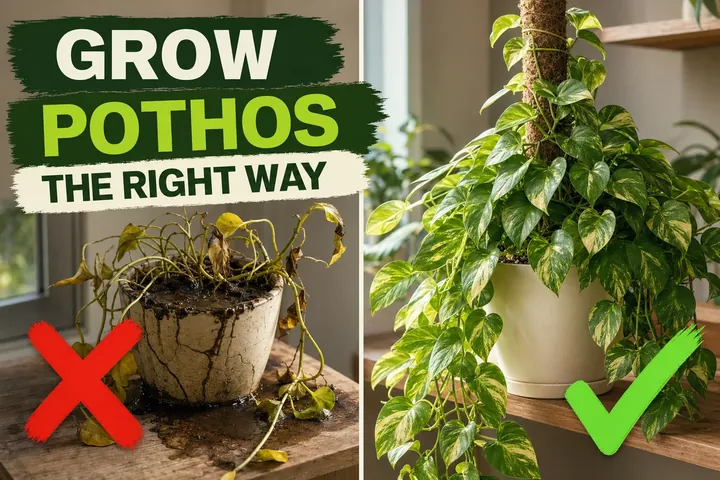
- Pothos plant care — the test plant in our hero image; pothos is one of the most resilient plants for recovering from a gnat infestation.
- How to fix root rot on houseplants — fungus gnats are usually a symptom of soggy soil; if your plant is also drooping or yellowing, root rot is the deeper problem to fix.
- Scan any new plant before it joins your collection with the free Tazart plant identifier and let it set up a dry-down-aware watering schedule for you.
A note on conditions
Every home is different. Pot size, soil mix, humidity, room temperature, and how often you water all change how fast a gnat population grows and how quickly it dies back. Use the 3-step plan as a starting point, watch your sticky traps for the first 7–10 days, and adjust dry-down length or BTI frequency based on what you actually see — that’s how every good plant grower learns.
Highly recommended
The supplies that make this guide work
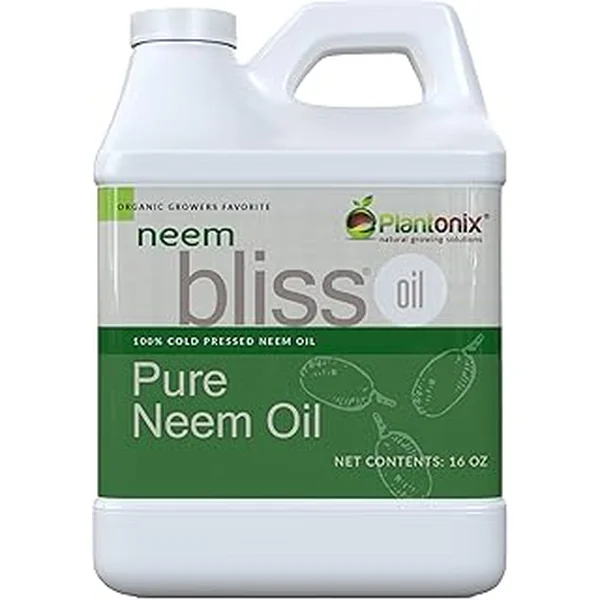
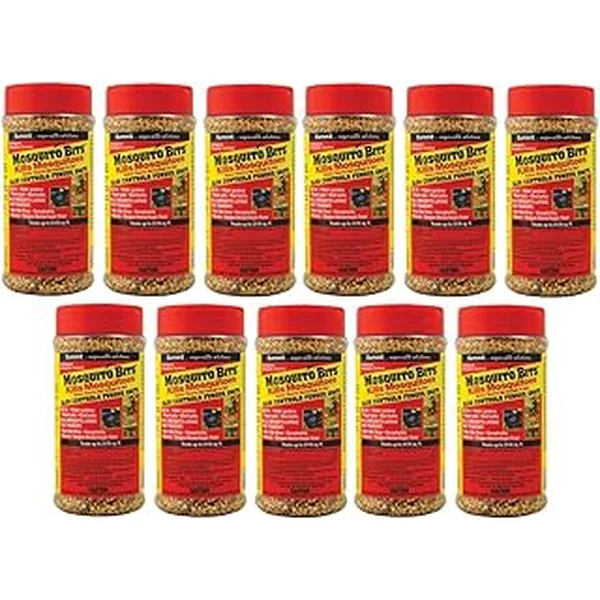
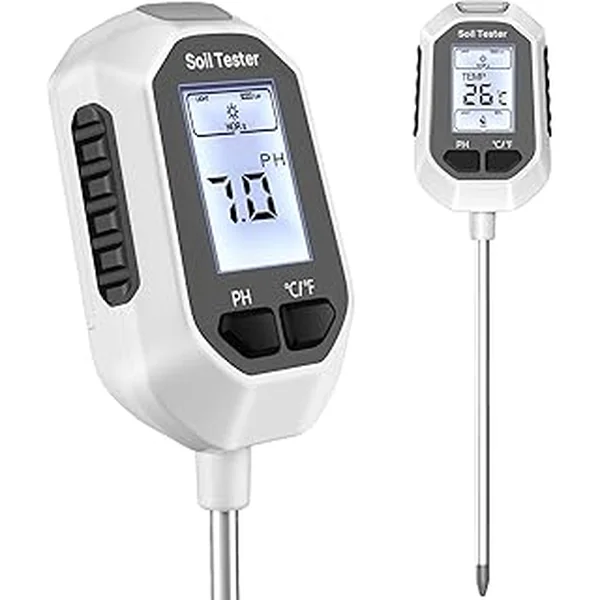
Tazart is an Amazon Associate — we earn from qualifying purchases at no extra cost to you. Thank you for helping us keep these guides free.
Frequently asked questions
How do I get rid of fungus gnats fast?
Run a 3-step plan in parallel. (1) Let the top 5 cm (2 in) of soil go bone dry between waterings — gnat larvae need moisture to survive. (2) Apply BTI (Bacillus thuringiensis israelensis), sold as mosquito bits or dunks, to kill the larvae. (3) Stick a yellow sticky trap into each pot at soil level to catch adult flies. You'll see roughly an 80% drop in flying gnats within the first 7 days, with full eradication in 3 to 4 weeks.
Do mosquito bits really kill fungus gnats?
Yes. Mosquito bits contain BTI, a soil bacterium that produces toxins specifically lethal to fungus gnat larvae and mosquito larvae — and harmless to people, pets, and plants. Sprinkle a tablespoon on top of the soil and water it in, or steep a quarter-cup of bits in 4 litres of water for 30 minutes and use that 'tea' for your normal watering. Repeat weekly for 4 weeks to break the egg-larvae-adult cycle.
Does hydrogen peroxide kill fungus gnat larvae?
Yes, on contact. Mix one part 3% hydrogen peroxide with four parts water and drench the soil. The soil will fizz for a few seconds — that's the peroxide killing larvae and breaking down into water and oxygen. It does not provide ongoing protection, so combine it with BTI and dry-out cycles. Don't use stronger peroxide concentrations on plants.
How long does it take to get rid of fungus gnats?
Expect about an 80% reduction in adult gnats within the first week if you start the dry-out, BTI, and sticky-trap routine on day one. Full eradication takes 3 to 4 weeks because the eggs and pupae already in the soil hatch on their own timeline — you have to outlast the lifecycle.
Will fungus gnats go away on their own?
Sometimes, if you stop overwatering. But by the time you notice flying adults, the soil is already full of eggs and larvae, and a single female lays up to 200 eggs. Without active treatment, populations usually keep cycling for months. The 3-step plan ends it in weeks.
Are fungus gnats harmful to my plants?
Adults are mostly a nuisance, but the larvae chew on tender feeder roots, especially in seedlings and newly repotted plants. Mature houseplants tolerate light infestations, but heavy infestations can stunt growth and let root rot pathogens in. Either way, it's a clear signal the soil is too wet.