Diagnosis
How to Get Rid of Mealybugs on Plants (Step-by-Step)
White cotton on your plant? Those are mealybugs. Here's exactly how to kill them with rubbing alcohol and neem oil in 2 to 3 weeks — and stop them coming back.
On this page
- Quick answer
- What mealybugs are (and why they spread so fast)
- How to confirm you have mealybugs
- What you’ll need
- Step-by-step: how to get rid of mealybugs in 2 to 3 weeks
- Common mistakes to avoid
- Troubleshooting
- How to prevent mealybugs coming back
- When to call it (or get expert help)
- Watch: mealybug treatment walkthrough
- Related reading
- A note on conditions
Watch the visual walkthrough
Taking Care of a BAD Mealybug Infestation! 😝🤦♀️ // Garden Answer
A short visual walkthrough that pairs with the steps above.
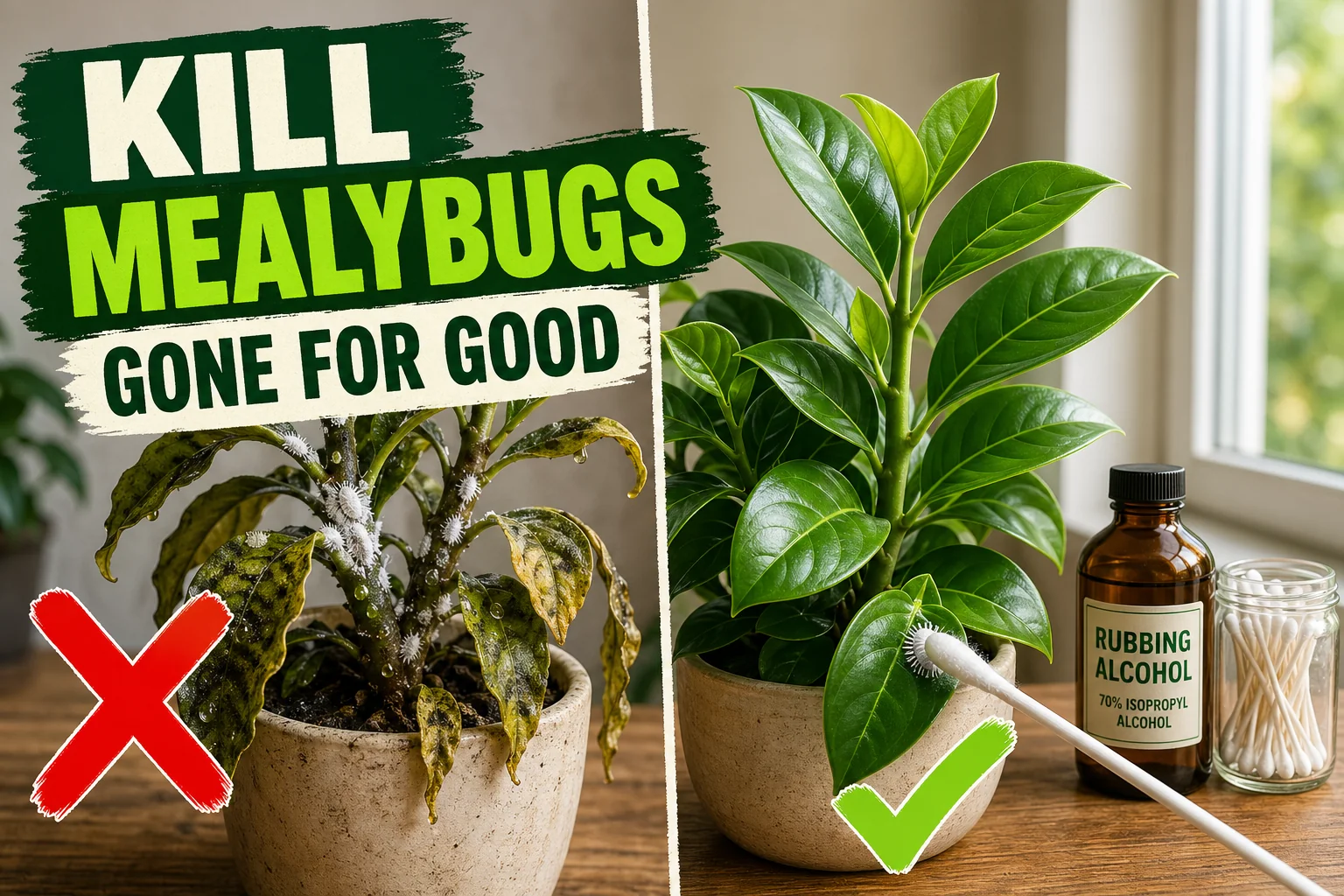
White cottony tufts in the leaf joints of your plant aren’t fluff or fungus — they’re mealybugs, soft sap-sucking insects that hide under a waxy coating. Left alone they slow growth, drop leaves, and spread plant to plant. The good news: a cotton swab dipped in rubbing alcohol kills them on contact, and a 2 to 3 week routine clears the plant for good.
This guide covers exactly how to confirm them, kill them, and stop them coming back.
Quick answer
Isolate the plant, dab every visible mealybug with a cotton swab soaked in 70% rubbing alcohol, rinse the leaves under lukewarm water, then spray with neem oil or insecticidal soap every 7 days for 2 to 3 weeks. Most houseplant mealybug infestations clear in 14 to 21 days.
What mealybugs are (and why they spread so fast)
Mealybugs are soft-bodied insects in the Pseudococcidae family, related to scale and aphids. The most common houseplant species is the citrus mealybug (Planococcus citri), but several species look almost identical and respond to the same treatment.
Adults are 3 to 6 mm (0.1 to 0.25 in) long, pinkish-grey, and covered in a powdery white wax that makes them look like tiny pieces of cotton. They cluster in leaf axils, stem joints, and the undersides of leaves, where they pierce plant tissue and suck out sap. The plant loses sugars, the leaves yellow and drop, and the mealybugs excrete sticky honeydew that drips onto leaves below.
That honeydew is what often grows the black sooty mold people notice before they spot the bugs themselves.
A single female lays 300 to 600 eggs in a fluffy white egg sac, and crawlers (the mobile young stage) hatch in 6 to 14 days. That’s how a couple of cotton tufts turn into a full infestation in a month.
They love succulents, citrus trees, hoyas, jade, philodendrons, monsteras, orchids, and African violets — but no indoor plant is fully safe.
How to confirm you have mealybugs
Before you dose your plant with anything, make sure mealybugs are actually the problem. Three signs together = confirmed.
Sign 1: White cottony tufts in joints
Inspect every leaf axil (where the leaf meets the stem) and every stem joint. Mealybugs almost always cluster in these tight protected spots. Cottony fluff in those locations is the giveaway.
A wisp of white in the soil instead? That can be root mealybugs — covered later in this guide.
Sign 2: Sticky shiny leaves (honeydew)
Run a finger along a leaf below an infested area. If it feels sticky or tacky, that’s honeydew — a sugary excretion only sap-suckers (mealybugs, scale, aphids) produce. Healthy leaves should feel dry.
Sign 3: Black sooty mold
A black powdery film on leaves means sooty mold growing on the honeydew. It doesn’t infect the plant — it just blocks light. The presence of mold is a strong sign mealybugs (or scale, or aphids) have been feeding for a while.
If you see white tufts but no honeydew or stickiness, it could be woolly aphids or mealybug-mimic fungus — confirm by gently brushing one tuft. A mealybug will leave a soft pinkish smear on a tissue. Fungus or fluff won’t.
What you’ll need
- A bottle of 70% isopropyl rubbing alcohol
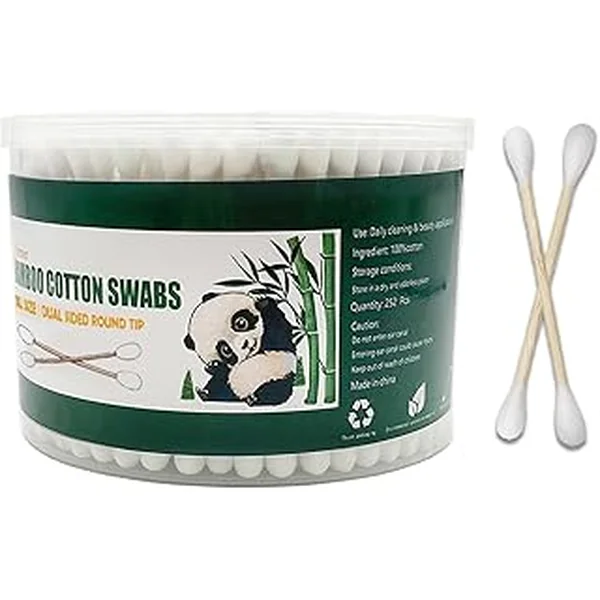
- A jar of jumbo cotton swabs (the long ones reach into leaf axils better)
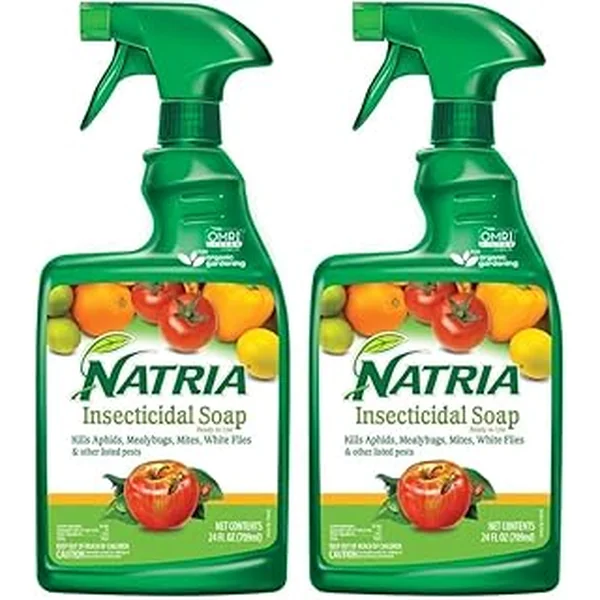
- Cold-pressed neem oil or ready-to-use insecticidal soap
- A clean spray bottle (if mixing neem)
- A microfibre cloth or paper towels
- A bathtub, shower, or sink for rinsing
- Optional: a 10x magnifying loupe to find crawlers
- Optional: gloves — alcohol dries skin out fast
That’s it. No expensive systemic insecticides for the first round on a houseplant.
Step-by-step: how to get rid of mealybugs in 2 to 3 weeks
1. Isolate the infested plant immediately
Move it at least 1 m (3 ft) away from every other plant. Mealybug crawlers are mobile in the first 1 to 2 days of life and can travel along touching leaves or even across a shelf. A separate room is even better while you treat.
Inspect every nearby plant for cotton tufts and honeydew before you assume the infestation is contained — mealybugs love hoyas, succulents, and orchids the most.
2. Spot-kill every visible mealybug with rubbing alcohol
Soak a cotton swab in 70% isopropyl alcohol and dab each cottony tuft directly. The alcohol dissolves the wax coating and the bug dies within seconds. Wipe the swab on a paper towel between dabs so you’re not just smearing them around.
Work systematically — turn the plant slowly, check every leaf axil, every stem joint, and the undersides of leaves. Mealybugs love tight protected spots, so don’t skip the spot where the leaf wraps the stem.
For heavy infestations, mix a 1:1 spray of 70% alcohol and water in a spray bottle and mist affected areas, but always spot-test one leaf first — alcohol burns tender foliage on calathea, fittonia, ferns, and African violets.
3. Rinse the plant under lukewarm water
Take the plant to the shower or sink. Use lukewarm water (around 20°C / 68°F) at low-to-medium pressure and rinse every leaf surface, paying extra attention to the undersides and the leaf axils where eggs hide. Aim from below upward.
A thorough rinse removes most surviving crawlers and washes off the dead waxy adults along with the sticky honeydew. Let the plant drip-dry for 30 to 60 minutes before the next step.
4. Spray with neem oil or insecticidal soap
This is what clears the eggs and crawlers you can’t see.
Mix neem oil per the bottle’s instructions — typically 5 ml (1 tsp) of neem and 2 to 3 drops of mild dish soap per 1 L (34 fl oz) of water. The soap helps the oil emulsify and stick to the wax-coated bugs.
Spray every leaf top and underside until they drip. Don’t forget stems, leaf axils, the soil surface, and the underside of pot rims — crawlers hide everywhere.
Important: spray in the evening or out of direct sunlight. Neem oil on a leaf in direct sun can cause leaf burn.
If you prefer ready-to-use insecticidal soap, follow the label — most don’t need dilution and are gentler on tender plants.
5. Repeat every 7 days for 2 to 3 weeks
This is where most people fail. Mealybug eggs hatch on a 6 to 14 day cycle and most sprays don’t kill eggs reliably, so you have to keep spraying through several hatches.
A simple schedule:
| Day | Action |
|---|---|
| Day 0 | Isolate, alcohol spot-treat, rinse, neem spray |
| Day 3 | Inspect leaf joints with a swab — alcohol-dab any new fluff |
| Day 7 | Rinse, neem spray (alternate with insecticidal soap if leaves look stressed) |
| Day 14 | Rinse, final neem spray, inspect every joint carefully |
| Day 21 | Spot-check with loupe; alcohol-dab and spray once more if any signs |
Stop only when you see no new cottony tufts, no honeydew, and no crawlers for 7 straight days.
A free plant care app like Tazart can hold the spray schedule for you and remind you on the right day — which matters more than the spray itself, because skipping a week lets the next generation mature and lay another 600 eggs.
6. Check the soil for root mealybugs
If a plant keeps reinfesting after 3 weeks of leaf treatment, the colony might be in the roots. Slide the plant out of its pot and look for white powdery patches on the rootball or pot walls — that’s root mealybugs.
Fix: rinse the entire rootball under lukewarm water, repot into fresh dry potting mix in a clean pot, and drench the new soil with a diluted neem solution. Discard the old soil — don’t compost it.
Common mistakes to avoid
- Spraying once and assuming you’re done. One pass kills adults, not eggs. You’ll be reinfested in 10 days.
- Skipping leaf axils and stem joints. That’s where 90% of the colony lives. Top-of-leaf-only spraying barely dents the population.
- Using alcohol in direct sun or on tender plants. It burns leaves on calathea, fittonia, ferns, and African violets. Spot-test first, treat in the evening.
- Skipping isolation. Mealybugs spread plant to plant in days. Treating one plant on a shelf full of others = constant reinfection.
- Not checking the soil. Root mealybugs are the #1 reason a treated plant relapses. If you keep finding fluff, repot.
- Bringing in new plants without a quarantine. Most mealybug outbreaks come in on a fresh purchase. Two weeks isolated near the window catches them before they spread.
Troubleshooting
| Symptom | Likely cause | Fix |
|---|---|---|
| New cotton tufts every few days | Eggs hatching on schedule | Spray every 5 days instead of 7 for 3 cycles |
| Plant keeps reinfesting after 3 weeks | Root mealybugs in the soil | Repot into fresh dry mix, drench new soil with diluted neem |
| Brown patches on leaves after alcohol spray | Alcohol too strong or sprayed in sun | Switch to insecticidal soap, dilute alcohol 1:1 with water, treat in evening only |
| Sticky leaves persist after mealybugs are gone | Old honeydew not yet washed off | Wipe each leaf with a damp microfibre cloth |
| Black film won’t come off the leaves | Sooty mold on dried honeydew | Wipe with mild soapy water then rinse — mold disappears once the food source is gone |
| Mealybugs spread to a second plant | Plants too close during treatment | Move infested plant to a different room, treat both for full cycle |
| White fluff in soil only, none on leaves | Root mealybugs | Slide plant out, rinse rootball, repot in fresh mix, drench with diluted neem |
| Cotton tufts but no honeydew or stickiness | Probably not mealybugs — could be woolly aphid or fungus | Brush a tuft onto a tissue: pinkish smear = mealybug, dry fluff = fungus or aphid skin |
How to prevent mealybugs coming back
- Quarantine new plants for 2 weeks. Most mealybug outbreaks start on a freshly bought plant. Isolate near a sunny window and inspect leaf axils every few days.
- Inspect leaf joints every 2 weeks. Catching one cottony tuft is easy — catching a fully established colony takes 3 weeks of weekly sprays.
- Wipe leaves monthly with a damp cloth. Removes dust, honeydew, and any early crawlers before they multiply.
- Don’t over-fertilize. High-nitrogen leaves are softer and more attractive to sap-suckers — feed lightly during active growth and skip it in winter.
- Watch the high-risk plants closely. Hoyas, jade, citrus trees, orchids, succulents, and African violets are mealybug magnets. Inspect them every couple of weeks even when nothing else looks affected.
When to call it (or get expert help)
If a plant has lost more than 60% of its leaves, the new growth is also covered in cotton, and you’ve already done a 3-week treatment cycle, the plant is usually too stressed to recover cleanly. Take a healthy cutting if possible (after dabbing every visible mealybug), root it separately, and compost the rest.
For valuable or large plants — a mature jade, a rare hoya, a citrus tree — a professional plant health care service can apply systemic insecticides like imidacloprid that move through the plant and kill mealybugs as they feed. These products aren’t sold to home users in most countries, but they’re effective on heavy infestations and root mealybugs at the same time.
Watch: mealybug treatment walkthrough
A short visual walkthrough pairs well with the steps above. Search YouTube for “how to get rid of mealybugs on houseplants” — look for a video from a credentialed plant channel that shows the cotton-swab-and-alcohol technique on real leaf axils, then come back to follow the 2 to 3 week schedule in this guide.
Related reading
- How to get rid of spider mites on plants — the other tiny sap-sucker that thrives in dry indoor air. Different bug, similar weekly-spray fix.
- How to get rid of fungus gnats on houseplants — the most common houseplant pest after mealybugs. Different fix, focused on the soil.
- Plant health care services explained — when DIY isn’t enough, here’s what a pro does differently and when it’s worth the cost.
A note on conditions
Every home is different. Plant species, humidity, season, light, how long the infestation has been running, and whether nearby plants are also affected all change how fast mealybugs spread and how long treatment takes. The 2 to 3 week cycle in this guide is the average — sensitive plants like calathea may need a gentler insecticidal-soap-only routine, and root mealybug repots can take 4 to 6 weeks to confirm clear. Inspect leaf axils every few days during treatment and adjust based on what you actually see.
Highly recommended
The supplies that make this guide work


Tazart is an Amazon Associate — we earn from qualifying purchases at no extra cost to you. Thank you for helping us keep these guides free.
Frequently asked questions
What kills mealybugs instantly?
Rubbing alcohol (70% isopropyl) on a cotton swab kills mealybugs on contact — the alcohol dissolves the waxy coating that protects them and they die in seconds. It's the fastest way to handle a small or visible cluster. Follow up with a weekly neem oil or insecticidal soap spray for 2 to 3 weeks to catch the eggs and crawlers you can't see.
How do I get rid of mealybugs on my houseplants?
Isolate the plant, wipe every visible mealybug with a cotton swab dipped in 70% rubbing alcohol, rinse the plant under lukewarm water to dislodge eggs, then spray with neem oil or insecticidal soap every 7 days for 2 to 3 weeks. Inspect leaf axils and stem joints — the cottony tufts hide there. Most infestations clear in 14 to 21 days.
What does a mealybug infestation look like?
Look for small white cottony or wax-like tufts in leaf joints (axils), along stems, and on the undersides of leaves. The mealybugs themselves are 3 to 6 mm (0.1 to 0.25 in) soft pink or grey insects under the wax. You'll also see sticky shiny honeydew on leaves below the colony, and sometimes black sooty mold growing on that honeydew. Affected leaves yellow, curl, and drop.
Does rubbing alcohol kill mealybugs?
Yes. 70% isopropyl alcohol on a cotton swab kills mealybugs on contact by dissolving their protective wax coating. It also works as a 1:1 alcohol-to-water spray for larger infestations, but spot-test one leaf first — alcohol can burn tender foliage on ferns, calathea, and African violets. Always treat in the evening or out of direct sun.
How long does it take to get rid of mealybugs?
Two to three weeks of consistent treatment for a mild to moderate infestation. Heavy infestations or root mealybugs can take 4 to 6 weeks. Eggs hatch on a 6 to 14 day cycle and the crawlers hide deep in leaf joints, so weekly treatment for at least 3 cycles is what actually clears the plant — skipping a week lets the next generation mature.
Will mealybugs go away on their own?
Almost never indoors. Houseplants don't have the natural predators (ladybugs, lacewings, parasitic wasps) that keep outdoor populations in check. Without intervention, a small colony will spread plant to plant in 2 to 4 weeks. The good news is they're slow movers and easy to kill once you spot them.